Franziska Dosenbach created a Swiss footwear empire in the mid-19th century.
Franziska Dosenbach created a Swiss footwear empire in the mid-19th century. Dosenbach Firmenfestschrift commemorative publication, 1965

A footwear titan with 13 children

Franziska Dosenbach from the canton of Aargau was a pioneering footwear retailer who dared to turn her back on the traditional shoemaking and saddlery trade. Instead, she sold simple, factory-made shoes ‒ with resounding success.

Michael van Orsouw

Michael van Orsouw

Michael van Orsouw has a PhD in history and is a performance poet and author. He regularly publishes historical books.

Switzerland’s largest footwear retailer still bears her name, and 1,800 employees work at around 280 stores named after the founder: Dosenbach. The remarkable story of how the Dosenbach company came into being is less well known than the many models of shoes sold in its shops. It all began in the mid-19th century. Anna Maria Francisca Buchmann, a native of Lucerne, was 21 years old when she married Kaspar Dosenbach from Bremgarten in the canton of Aargau in 1853. He was a saddler by trade and had just returned home from Paris. They would go on to have 13 children and run a flourishing saddlery in this small town on the banks of the Reuss river. Despite her many pregnancies, it was Franziska Dosenbach who managed the business whenever her husband was called away on customer visits.

Standardisation the magic formula

On visiting the leather trade fair in Zurich, she discovered many shoes that were being mass produced at factories in southern Germany. These differed from the custom-made offerings of the Swiss shoemakers, which were very expensive and often took weeks to make. Recognising the potential of standardised footwear, in 1865 Franziska Dosenbach tentatively purchased a couple of dozen pairs of these shoes, which she hoped to sell in the Bremgarten saddlery. The company’s official history reports that ‘factory-made shoes’ initially met with a great deal of scepticism. Nevertheless, they soon jumped off the shelves and the businesswoman realised that the industrial era could actually work in her favour. Customers were no longer willing to wait weeks for their shoes and then pay exorbitant prices as well.
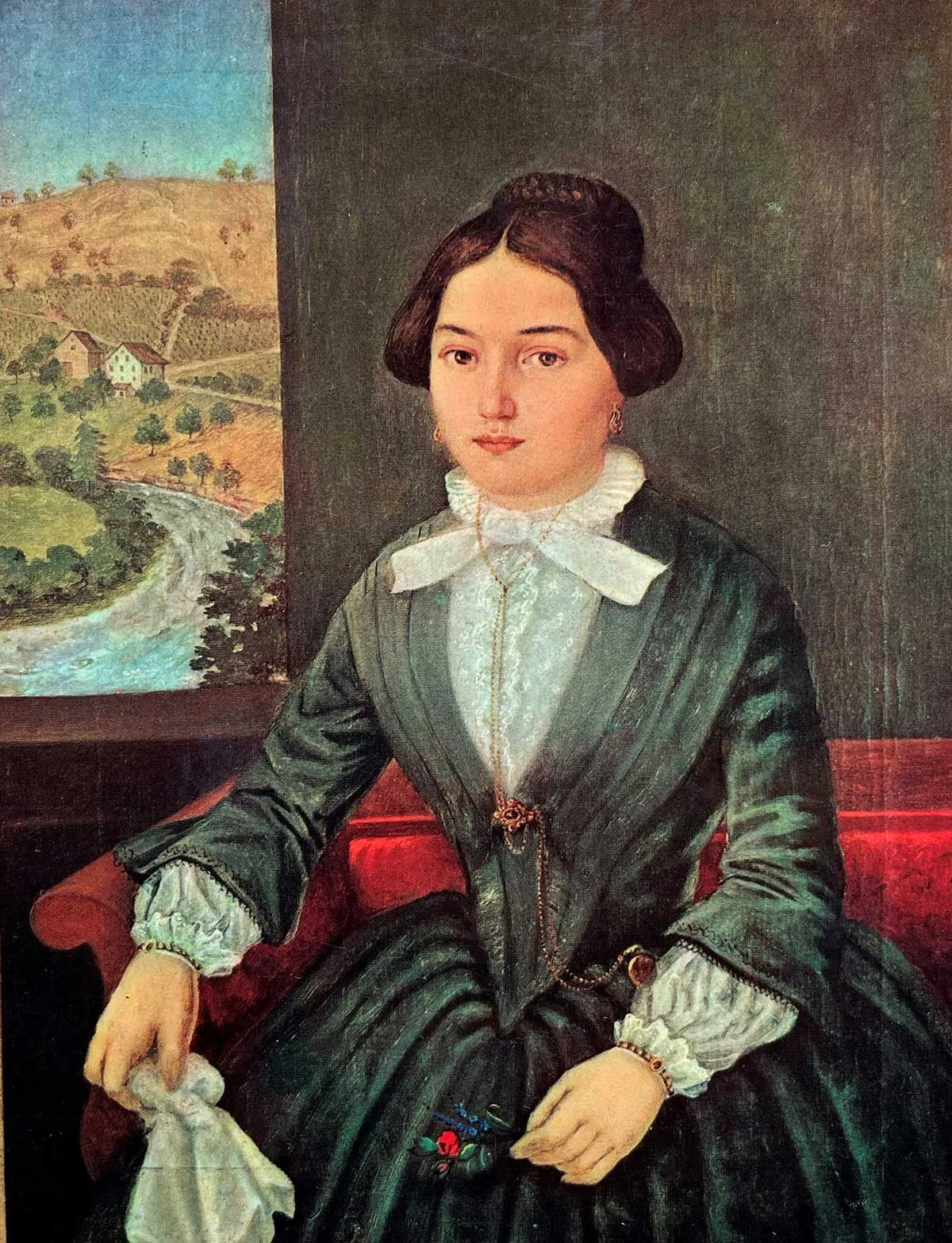
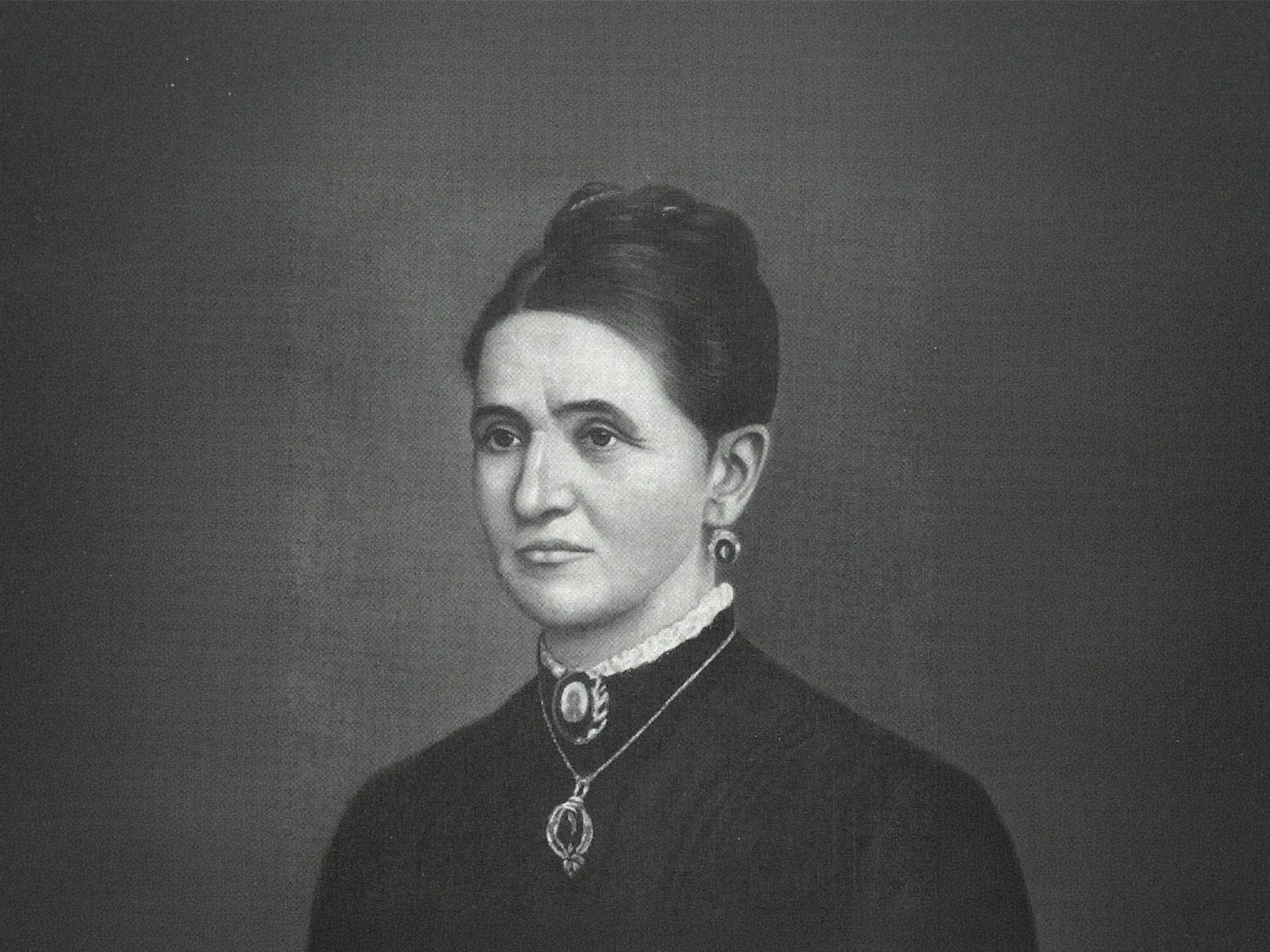
Portrait of the young Franziska Dosenbach.
Portrait of the young Franziska Dosenbach. Dosenbach Firmenfestschrift commemorative publication, 1965
And so, Franziska Dosenbach, shrewd entrepreneur that she was, invested in this new line of business. When two German footwear manufacturers offered to sell her their remaining stock in 1867, she jumped at the chance. From there, one step quickly followed another. Although traditional shoemakers remained doggedly sceptical, she began attending the trade fair at Hirschengraben in Zurich from 1870 as an independent footwear retailer. Her gamble paid off: she did such a roaring trade that this pioneering businesswoman soon came to be known simply as ‘Finke-Fränzi’ (‘Finken’ being the Swiss dialect word for slippers and ‘Fränzi’ a diminutive form of Franziska). She then began exhibiting at trade fairs further afield: first in Lucerne, then Bern and Basel. The go-getting Franziska also sold her wares at markets in Brugg, Wohlen, Muri, Baden, Lenzburg, Reinach, Mellingen, Aarau, Villmergen, Affoltern am Albis and Zug. The foundation stone had been laid for what would eventually become a footwear empire.
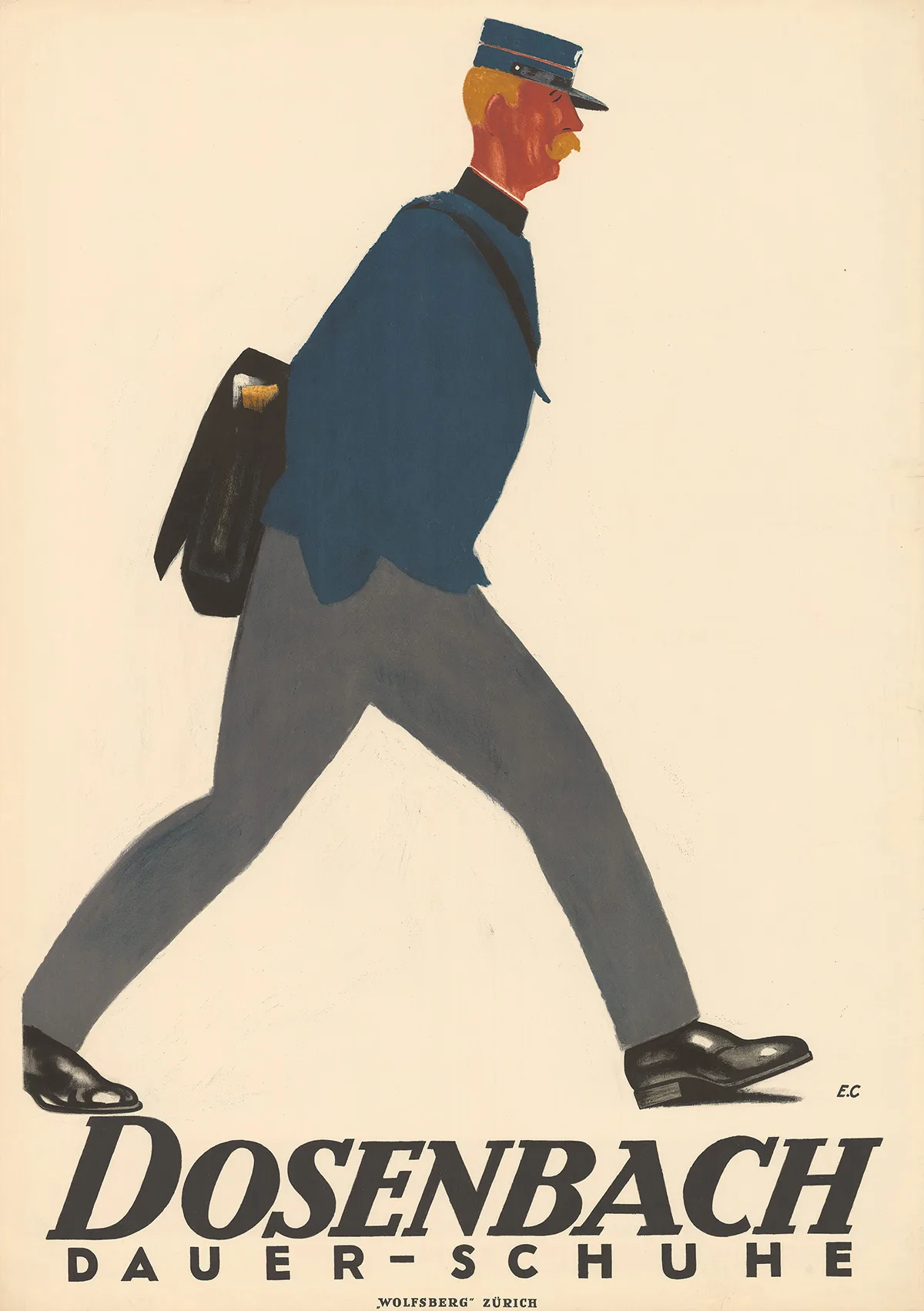
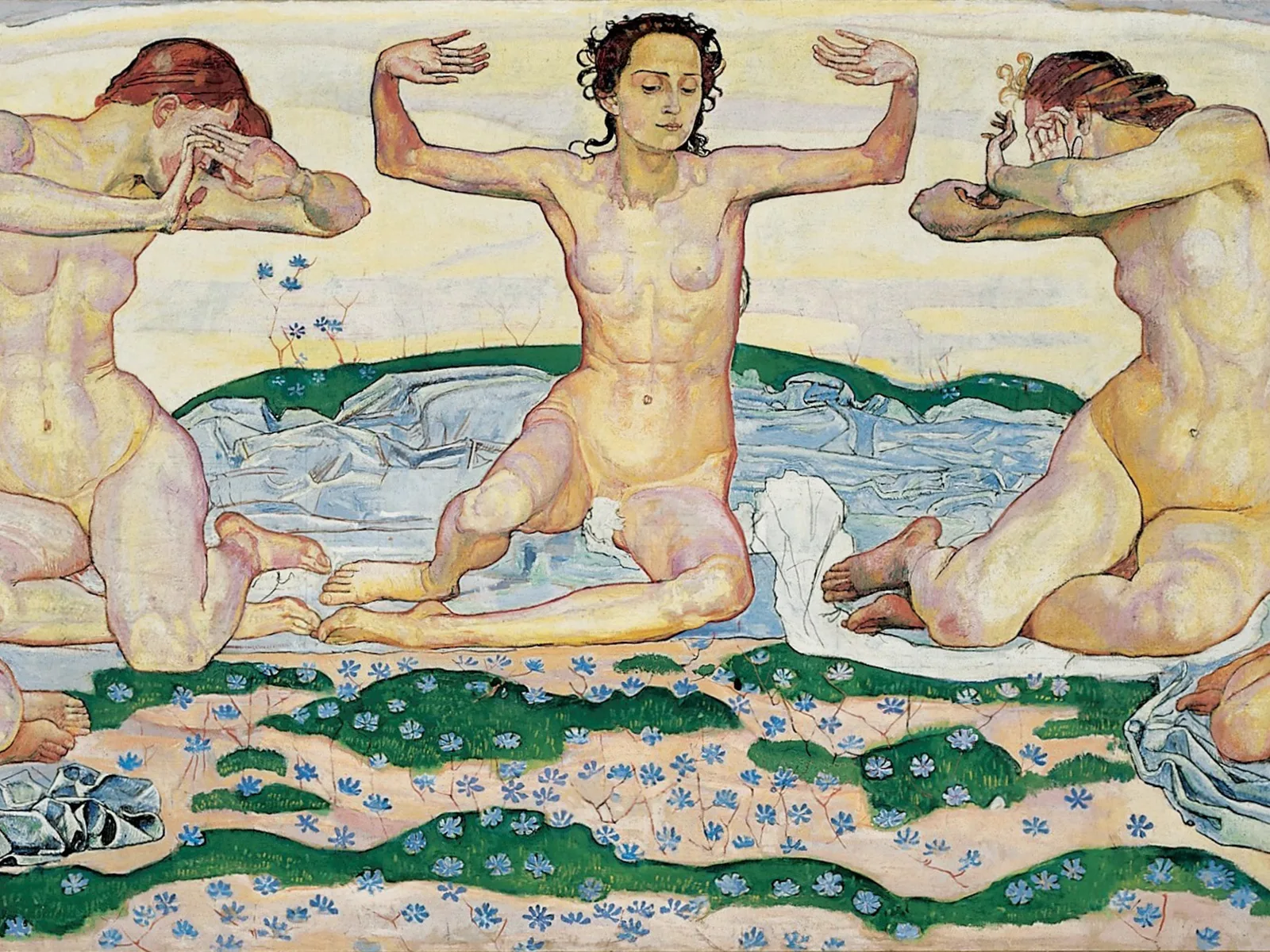
Advertisement for Dosenbach by Emil Cardinaux, 1927.
Advertisement for Dosenbach by Emil Cardinaux, 1927. Wikimedia / Poster Collection of the Schule für Gestaltung Basel
While Franziska was busy expanding her business, her husband fell ill with pneumonia and died. In 1877, at the age of 45, Franziska Dosenbach found herself left to fend alone, with 13 children and a burgeoning business. But she battled on. She abandoned the traditional trade in saddlery goods to concentrate fully on selling shoes – mass produced, affordable footwear. Just a year after her husband’s death, she opened the shoe house’s first branch in Baden, appointing her daughter Johanna as manager. The Zurich branch on Rennweg followed in 1881.

Second marriage to childhood friend
In 1883, the year of the Swiss National Exhibition in Zurich, she married for a second time. Her new husband Louis Wohler, a widower, was a childhood friend from Wohlen in Aargau. The hotelier and former Swiss guard henceforth helped his wife with the bookkeeping. The company continued to expand outside Bremgarten. Franziska Dosenbach built herself a veritable empire, and she did so at a time when women were tolerated in the role of workers, housewives and mothers, but not in leading business positions. Running her own company made her a truly exceptional phenomenon. But although ‘Finke-Fränzi’ lived an astonishingly self-determined life, she was no believer in votes for women, letting it be known that she considered this a matter for intellectuals rather than businesswomen like herself.
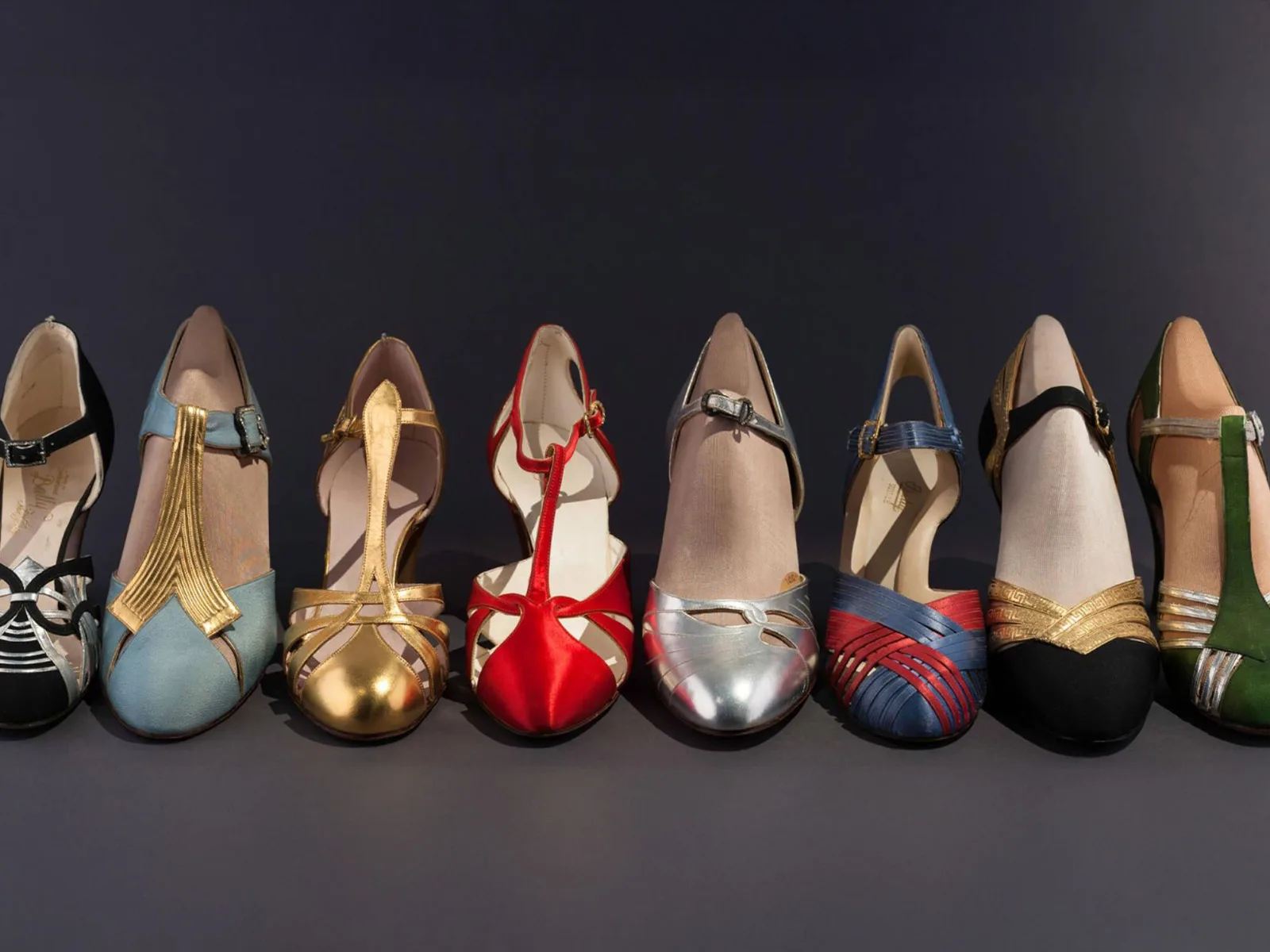
General attitudes to footwear changed during the Belle Époque. Whereas shoes had previously been mere articles of everyday use, people now had heightened expectations when it came to form, appearance and comfort. The term ‘shoe fashion’ began circulating from 1905; shoes had become a means of self-expression. Dosenbach reacted by stocking a wider product range and even began importing models from America.
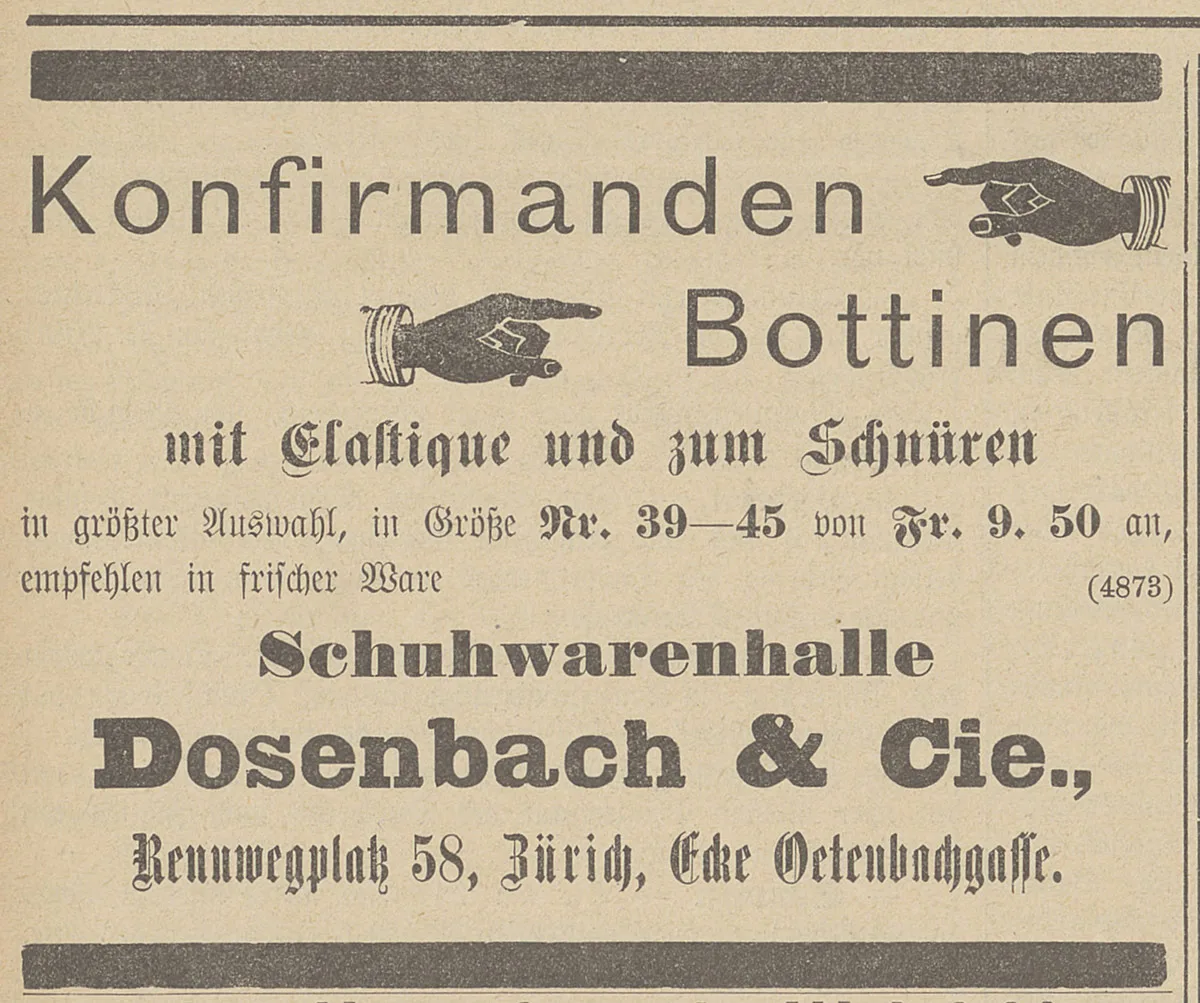
Print ad for Dosenbach from the Zürcherische Freitagszeitung, March 1896.
Print ad for Dosenbach from the Zürcherische Freitagszeitung, March 1896. e-newspaperarchives
Franziska Dosenbach employed more than 100 staff and soon owned 17 properties, yet she was still able to find time for music, playing the piano in her living room at home. She died in 1917 at the age of 85 following a prolonged illness. The hardworking businesswoman was laid to rest in Bremgarten. The local newspaper, the Bremgarter Volksfreund, wrote that Franziska Dosenbach had succeeded in carving out a degree of entrepreneurial independence “that many a well-educated merchant [would] strive for in vain”.
The company would go on to survive two world wars and a series of 20th-century economic crises. It was only when no successor could be found within the family to take over the running of the business that Carl Dosenbach, a grandson of Franziska’s, was forced to sell the company. It was acquired in 1973 by German footwear retailer Deichmann – another company with a long history that is still run by the same family today. Switzerland’s largest shoe chain may have German owners, but all the Swiss branches continue to bear the founder’s name: Dosenbach.
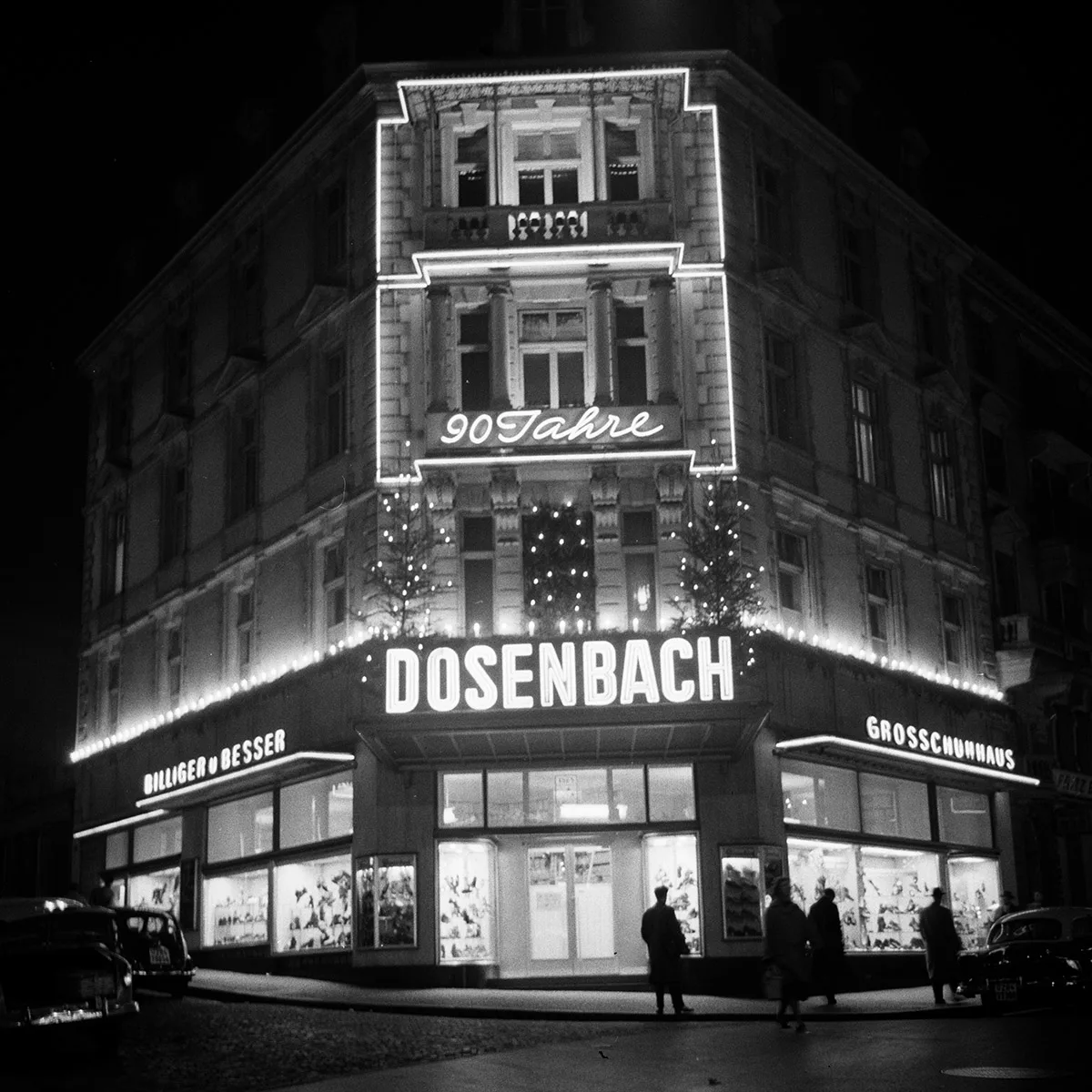
The Dosenbach store at Rennweg in Zurich, pictured in 1955.
The Dosenbach store at Rennweg in Zurich, pictured in 1955. e-pics

Further posts