English ‘regicides’ seek exile in Switzerland
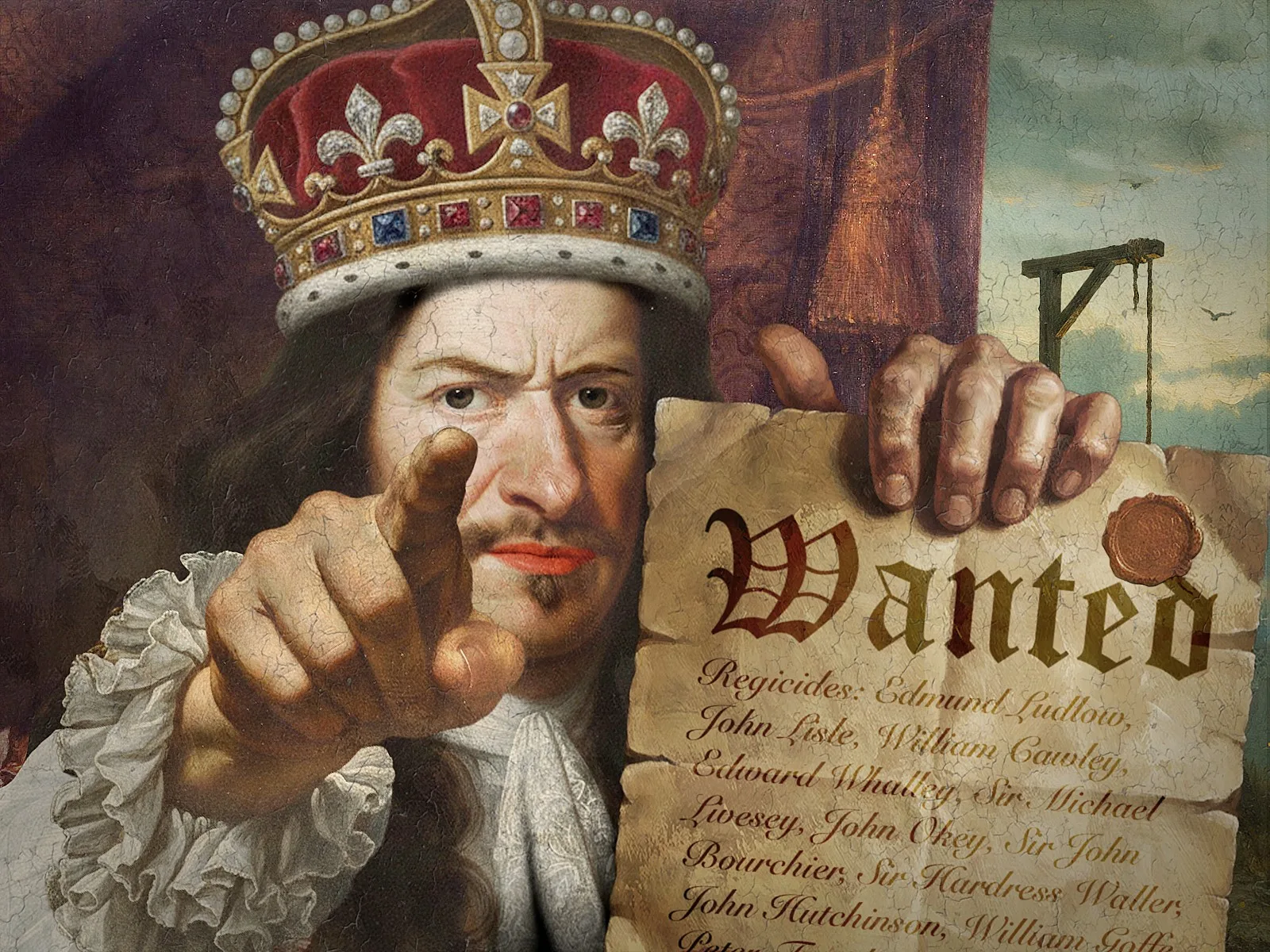
When Charles II from the House of Stuart acceded to the English throne in May 1660, a number of Englishmen, including Edmund Ludlow, John Lisle and William Cawley, were forced to hastily pack their belongings and flee the British Isles for continental Europe. These gentlemen were prominent political figures who preferred exile over death. The end of their journey on the continent was the Swiss Confederacy.

Maximilian Spitz
Maximilian Spitz is a doctoral candidate in Intellectual History at the University of Oxford.
A brief overview of republican rule in England
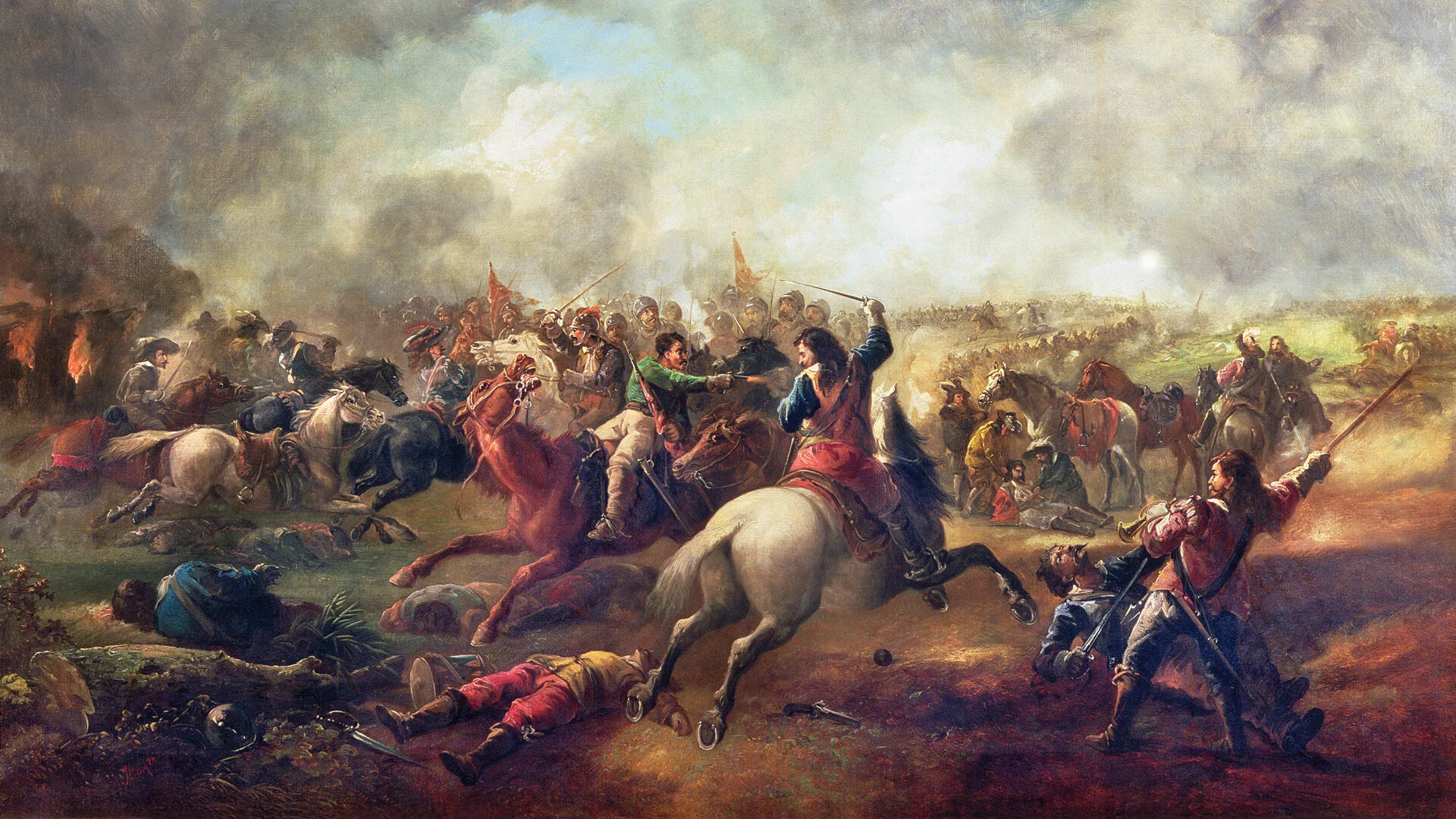
Outbreak of the English Civil War
Political tensions between Parliament and King Charles I culminated in the first pitched battles.
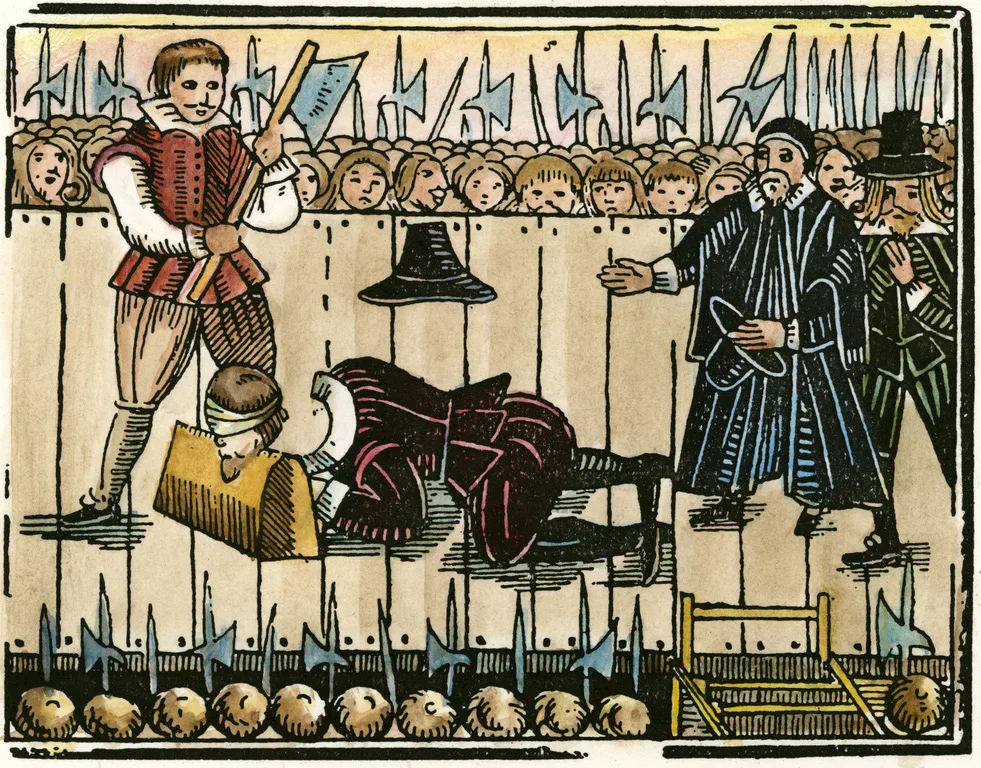
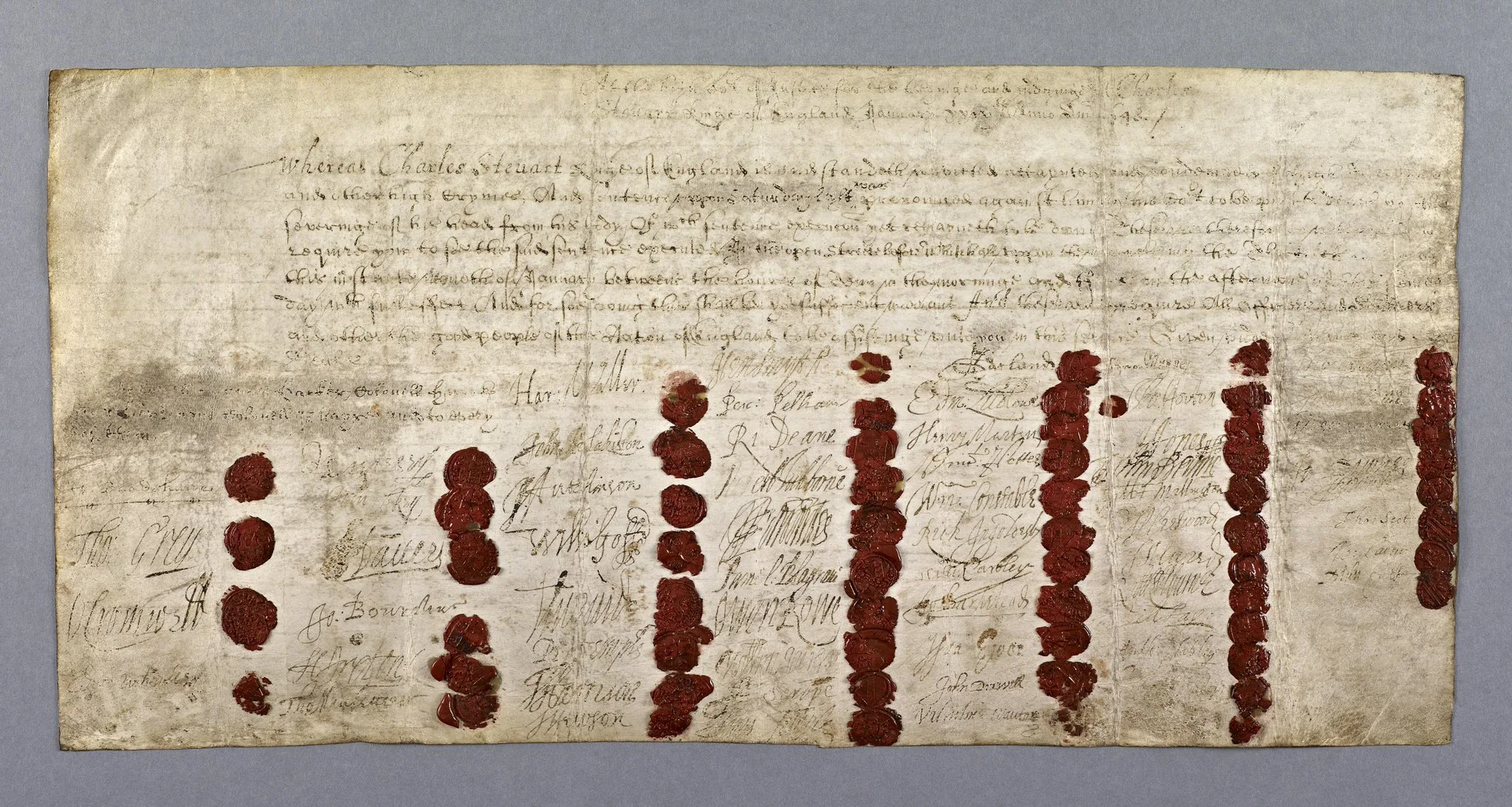
Execution of Charles I, start of republican rule in England
King Charles I was found guilty of high treason by a specially convened parliamentary court and publicly executed. The republican Commonwealth of England was proclaimed.
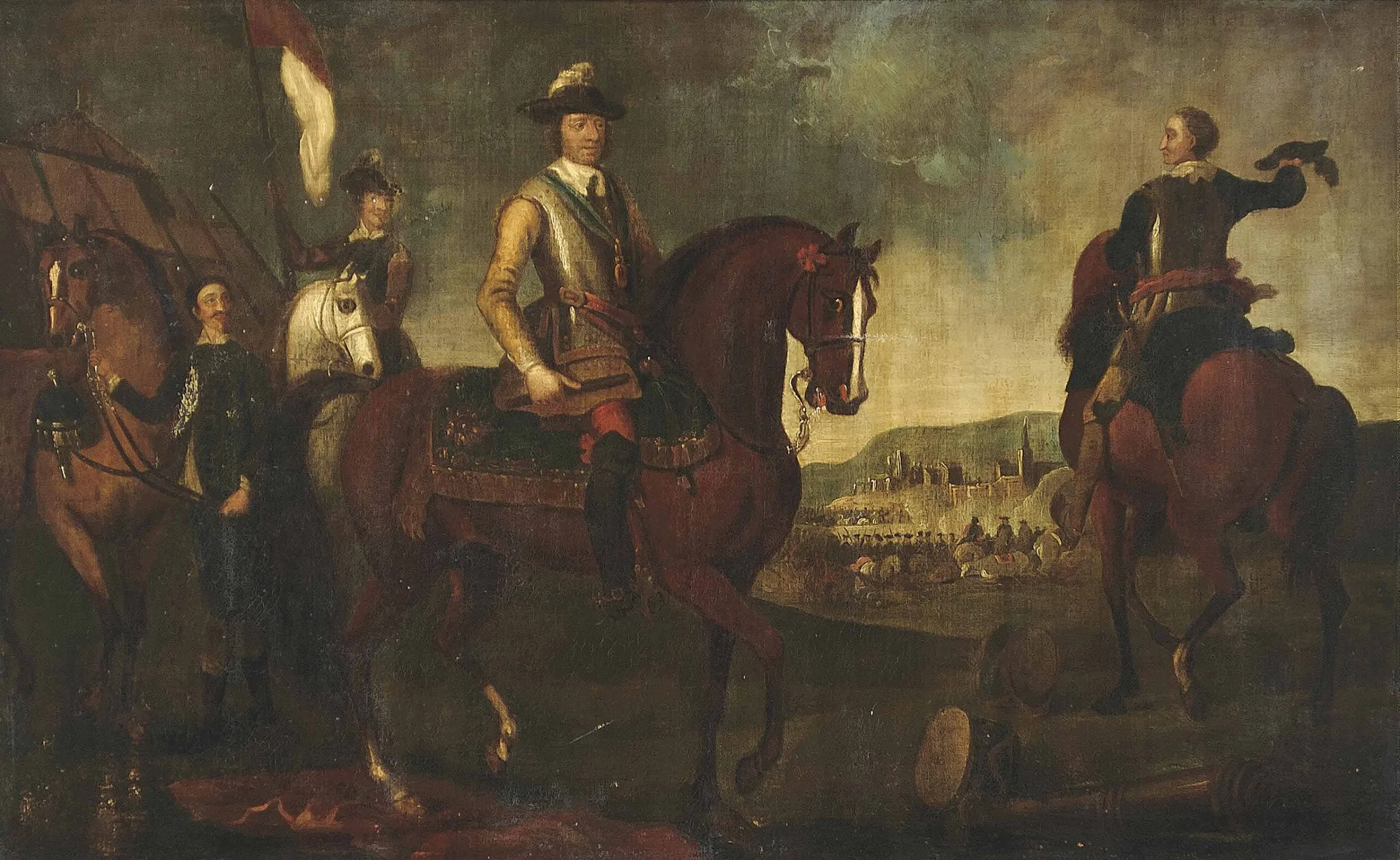
End of the Civil War
Charles II, the son of the beheaded king, was crowned King of Scotland. A few months later, the New Model Army under the command of Oliver Cromwell won a decisive victory over Royalist troops at the Battle of Worcester. England, Scotland and Ireland were then placed under the military control of the republican regime. Charles II fled to France.
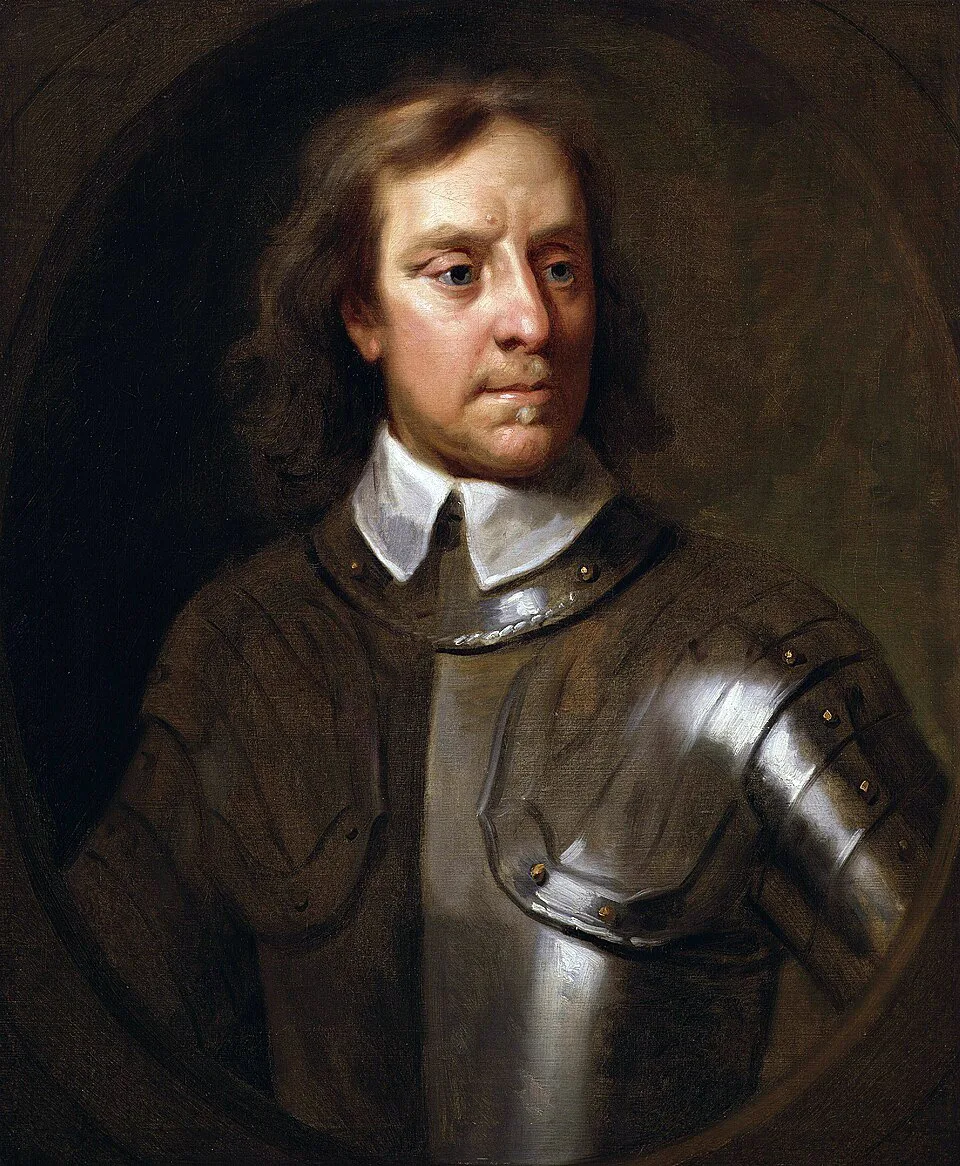
Oliver Cromwell as Lord Protector
The parliament summoned by Cromwell was dissolved and he assumed extensive power. His rule as Lord Protector was highly militaristic, with strong Puritan tendencies. Celebrations including Christmas and Easter were banned and many aspects of everyday life, from swearing to dress, were strictly regulated or prohibited.
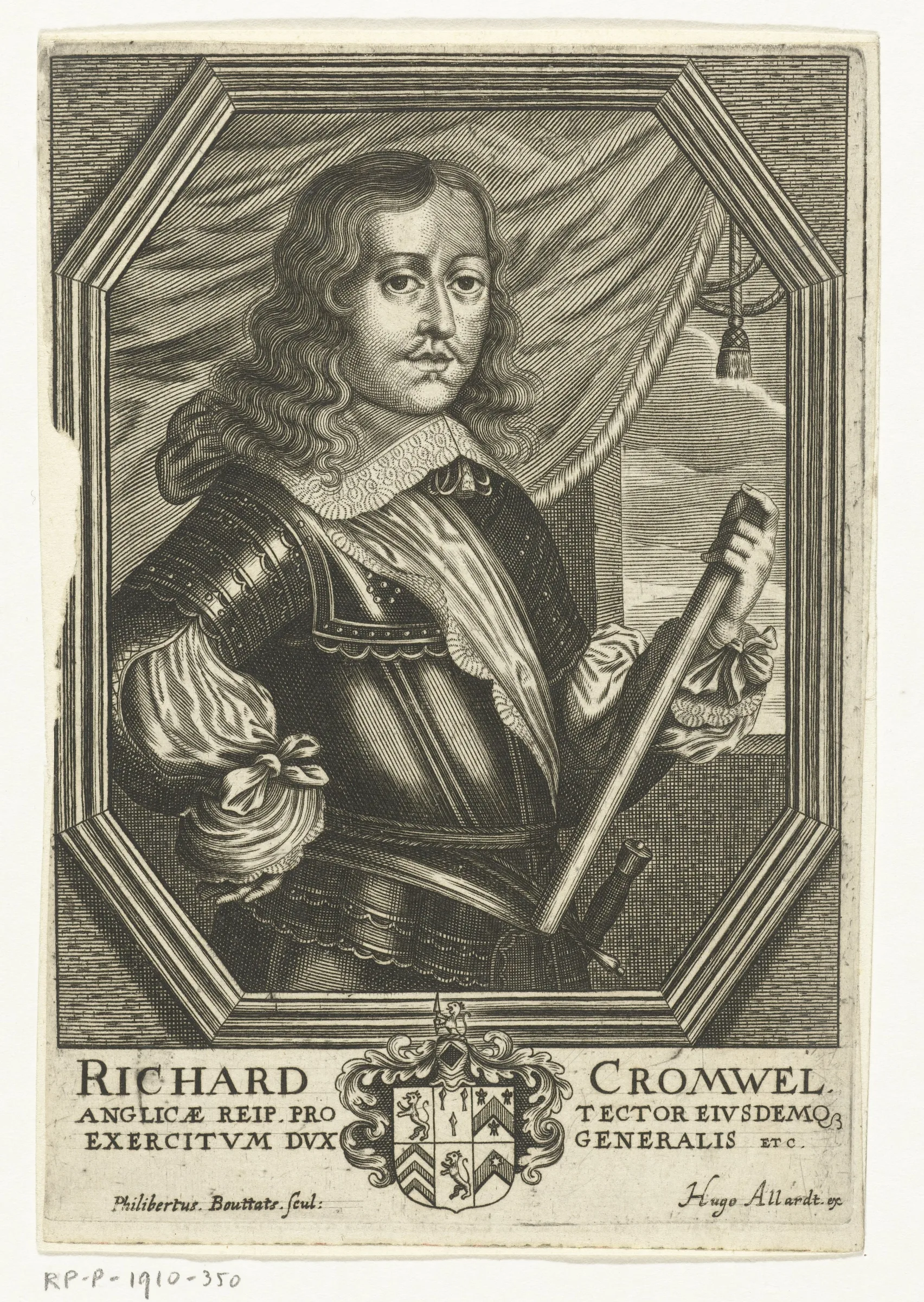
Death of Oliver Cromwell
Oliver Cromwell succumbed to pneumonia. On his death bed, he named his son Richard as his successor. The republic henceforth lacked stable leadership.
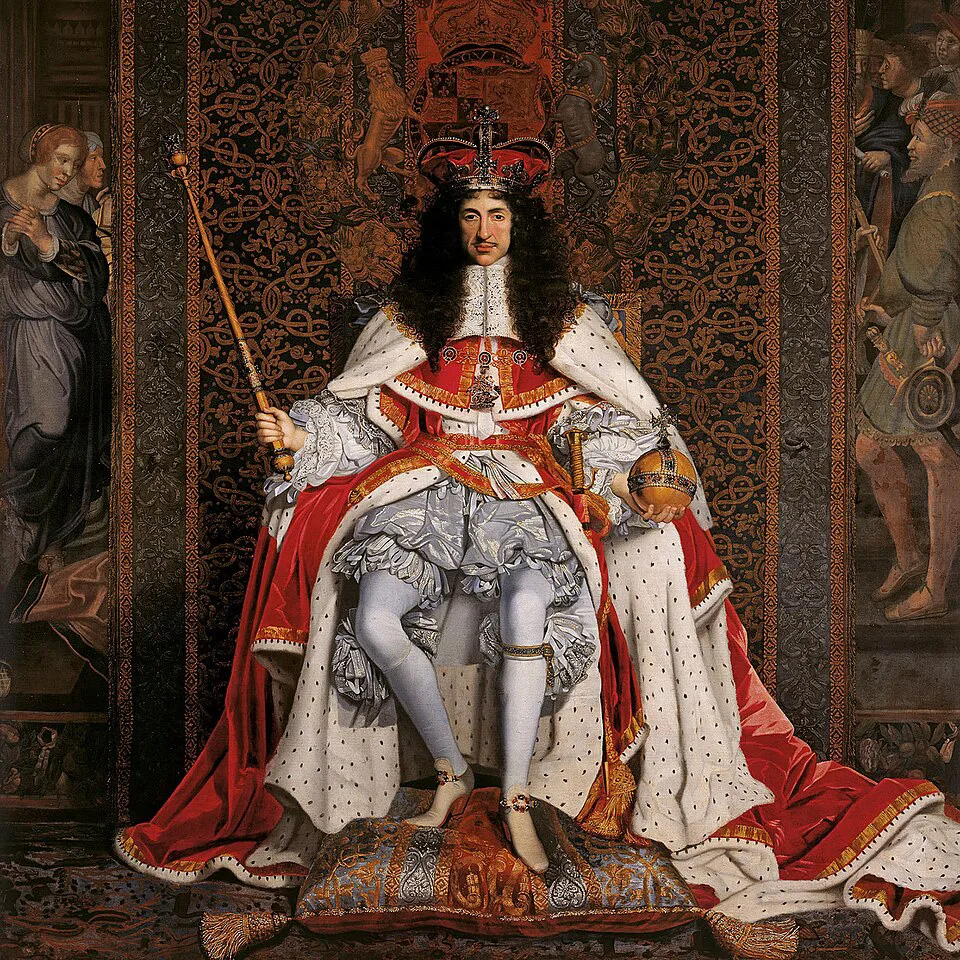
End of republican rule in England, coronation of Charles II
After years of political instability, the monarchy was restored. Charles II returned from exile and acceded to the throne. Oliver Cromwell was posthumously convicted of high treason in 1661, his corpse was exhumed, hung in chains, decapitated and his head displayed at Westminster Hall.
Last stop Switzerland
But the exiles could not stay in Geneva. In 1662, several of the regicides who had remained in England were hanged and three who had escaped to the Netherlands were captured and returned. Fearing that they too might be handed over to the English, Ludlow and his comrades petitioned the Council of Geneva for a writ of protection that would guarantee their safety against arrest. However, a minority of the Council’s members opposed their request and so the three Englishmen turned to another nearby city-republic: Bern.
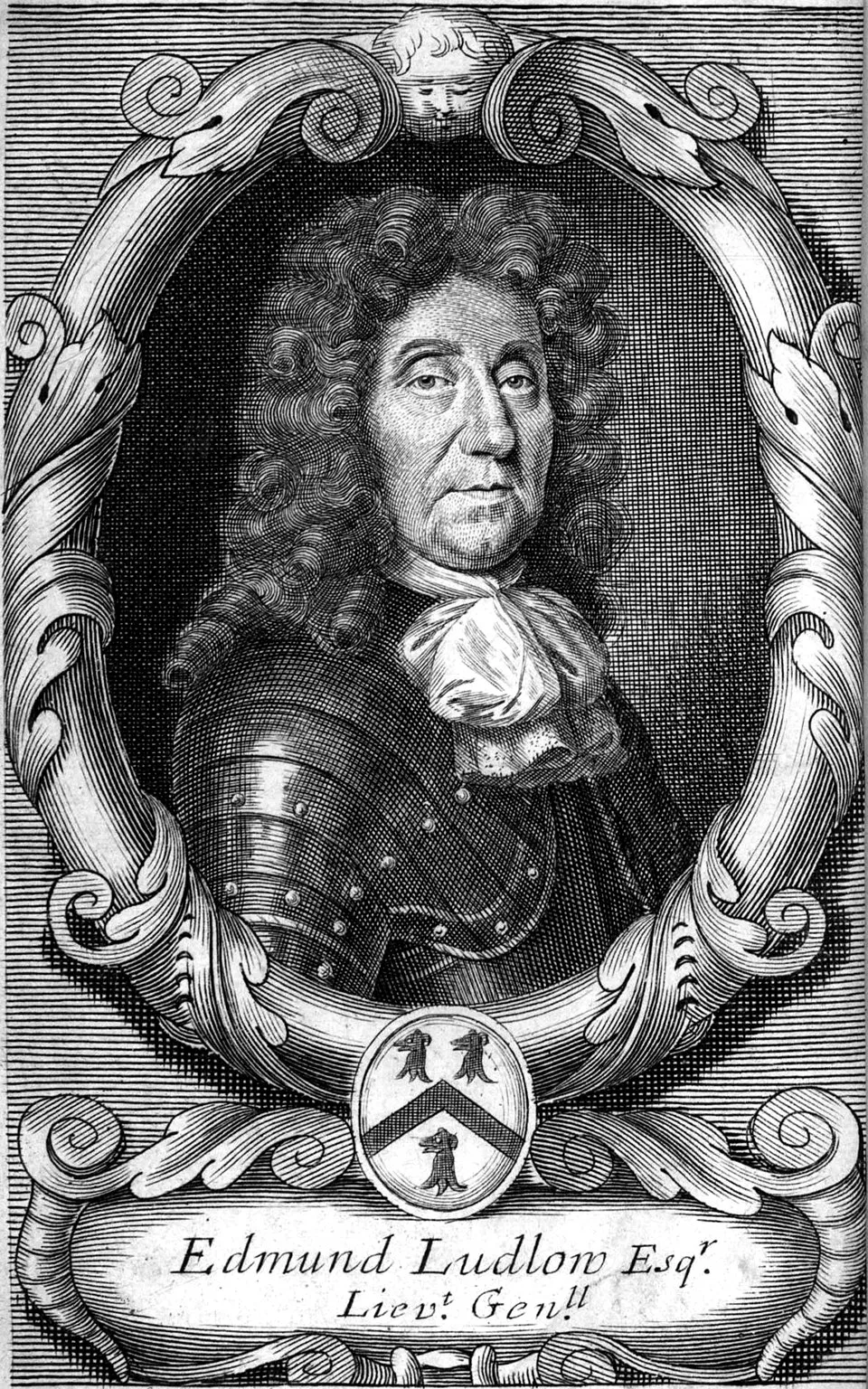
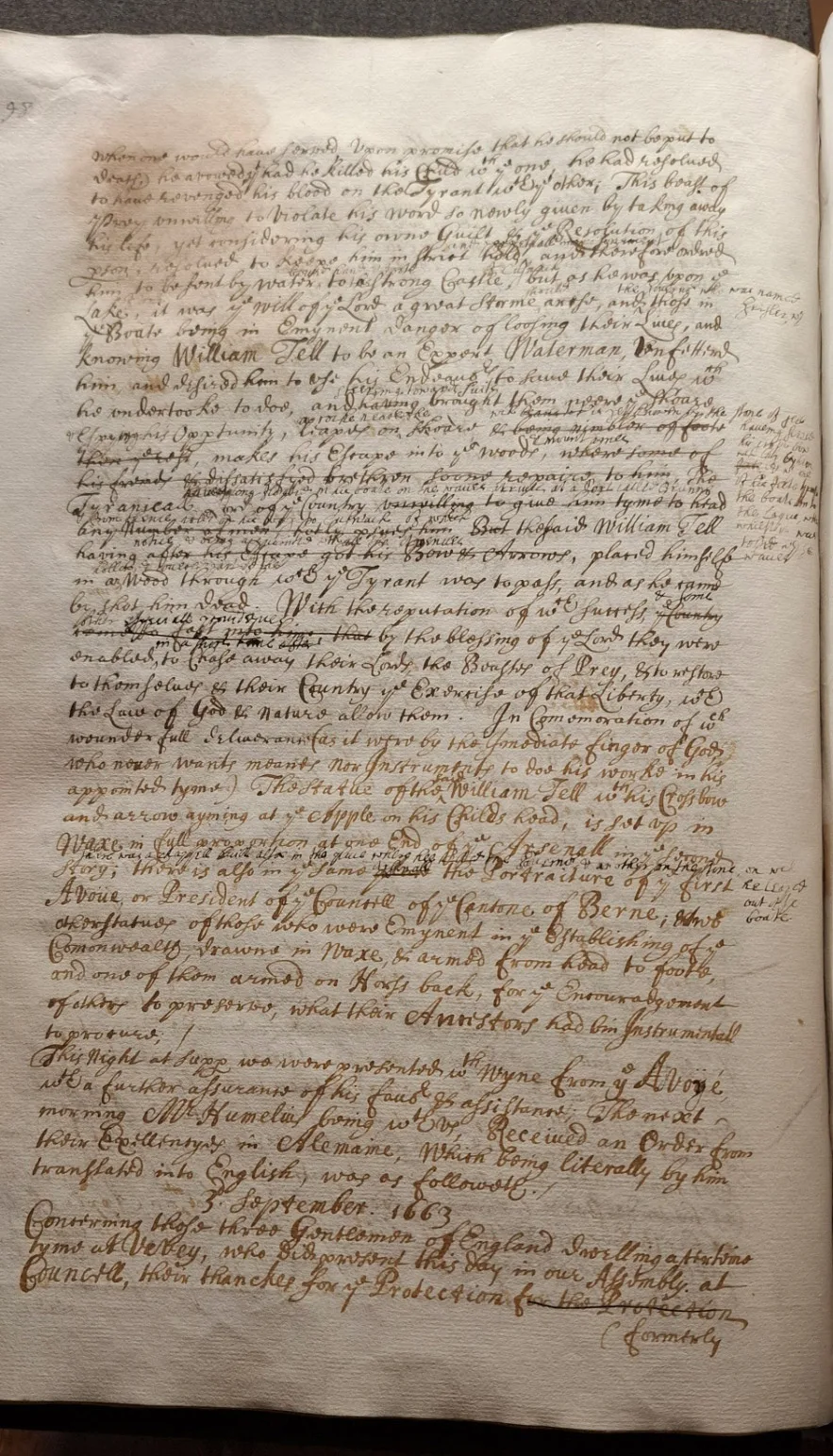
The three men were permitted to stay anywhere on Bernese territory, which at that time also covered the modern-day canton of Vaud. They settled first in Lausanne, where the city authorities even gave them their own pew in the Church of St. Francis. Further exiles from England gradually arrived to join Ludlow, Lisle and Cawley, who had meantime changed their names and moved around the region before settling in Vevey. In mid-1663 they received a visit from Algernon Sidney, another republican exile wandering around the European mainland, who eventually made his way to the Netherlands. Ludlow opened a small printer’s shop in Yverdon that same year and published a propaganda pamphlet, translated from English into French, on the republican movement and the executed regicides. The legend of William Tell taught Ludlow that the Swiss were also a nation that had once stood up to tyranny and fought for freedom, as he wrote in his memoirs. However, from the regicides’ point of view, the Swiss were less devout when it came to their religion as they took Communion at their services, a practice abhorred by the puritan Englishmen.
Lurking danger
On the morning of Thursday, 11 August 1664, John Lisle made his way through the streets of Lausanne to the Reformed Church of St. Francis. As he stepped through the gateway into the courtyard, a shot rang out. Several men had been following him for a while. One of them drew a gun from under his cloak and shot the defenceless exile in the back. The men rode off, allegedly shouting “vive le roi!”. The assassin was one Sir James Cotter, operating on behalf of King Charles II.
Ludlow, Cawley and other exiles were spared; they were not targeted by the assassins on that particular day. Nevertheless, they could hardly live carefree lives. For his own safety, Ludlow adopted a variant of his mother’s maiden name, frequently changed his living quarters and was ready to flee again at any time. The Englishman even recorded several confrontations with Cotter’s group of hired thugs in his memoirs and noted that a local apothecary, a Monsieur Enno, had wanted to poison him. Furthermore, agents of the crown sought to persuade the authorities in Bern to hand Ludlow over to them, but their Excellencies, being honour bound, refused to do so.
When war was declared between England and the Dutch Republic in the mid-1660s, Ludlow was called upon to follow in the footsteps of his old acquaintance Algernon Sidney and to make his way to the Netherlands, where republican forces were planning to overthrow the English crown with the aid of Dutch troops. However, motivated by a mistrust of the Dutch, both Ludlow and Cawley chose to remain in Vaud. The plot to overthrow the king never came to fruition.
Final years
But Edmund Ludlow was to change his mind shortly thereafter. Following the death of Charles II in 1685 and the deposition of his successor James II in the ‘Glorious Revolution’ of 1688/9, Ludlow decided to return. With a heavy heart, he bid farewell to his social contacts in Vevey and declared that he would support England in reconquering Ireland. But he failed to meet with a warm reception in London despite being reunited with some of his fellow republicans. A new warrant was soon issued for Ludlow’s arrest. The new king, William III, reigned as a constitutional monarch and was fundamentally opposed to republicanism. A regicide such as Ludlow could not be tolerated. And so, after a brief stay, Ludlow was forced to flee once again. He lived out the rest of his days in Vevey, where he died on 26 November 1692 at the age of 75 or 76.
And what did these republican exiles leave behind? Edmund Ludlow especially gained wider recognition in England a few years after his death. A manuscript of Ludlow’s documenting his life and many political events eventually found its way to England by roundabout means and was published in 1698/99 as his Memoirs, a three-volume work intended to edify the new generation of English republicans. But the edited memoirs bore little resemblance to Ludlow’s original: large portions of the text were removed and the strongly religious language toned down. One contemporary reader declared that the publisher had “cut off the superfluities of that fanciful Swiss dress”. Part of the original manuscript is still held at the Bodleian libraries in Oxford.
And in Switzerland? In addition to documents in various archives, the inscription on Ludlow’s tomb in the Church of Saint-Martin in Vevey reads:
![«Hic Iacet Edmond Ludlow [...] patria libertatis defensor, et potestatis arbitrariae oppugnator acerrius.» (Here lies Edmund Ludlow […] defender of his country’s liberty and staunch opponent of arbitrary power.)](https://blog.nationalmuseum.ch/app/uploads/ludlow-memorial.webp)