Watches, silk and good offices: the Swiss diaspora in Japan
After Japan was forced to open its economy, Switzerland was keen to establish a commercial foothold in the East Asian country. Yokohama, one of the ports opened to international trade, became the centre of the Swiss diaspora in Japan.

William Favre
William Favre is a historian and museologist, currently working as a research assistant at the University of Geneva.
The Swiss-Japanese trade agreement was considered more balanced than other treaties. It paved the way for Switzerland to establish an official presence in the country, with consulates first in Yokohama then later in Tokyo.
The final years of the Edo period (1853 – 1868)
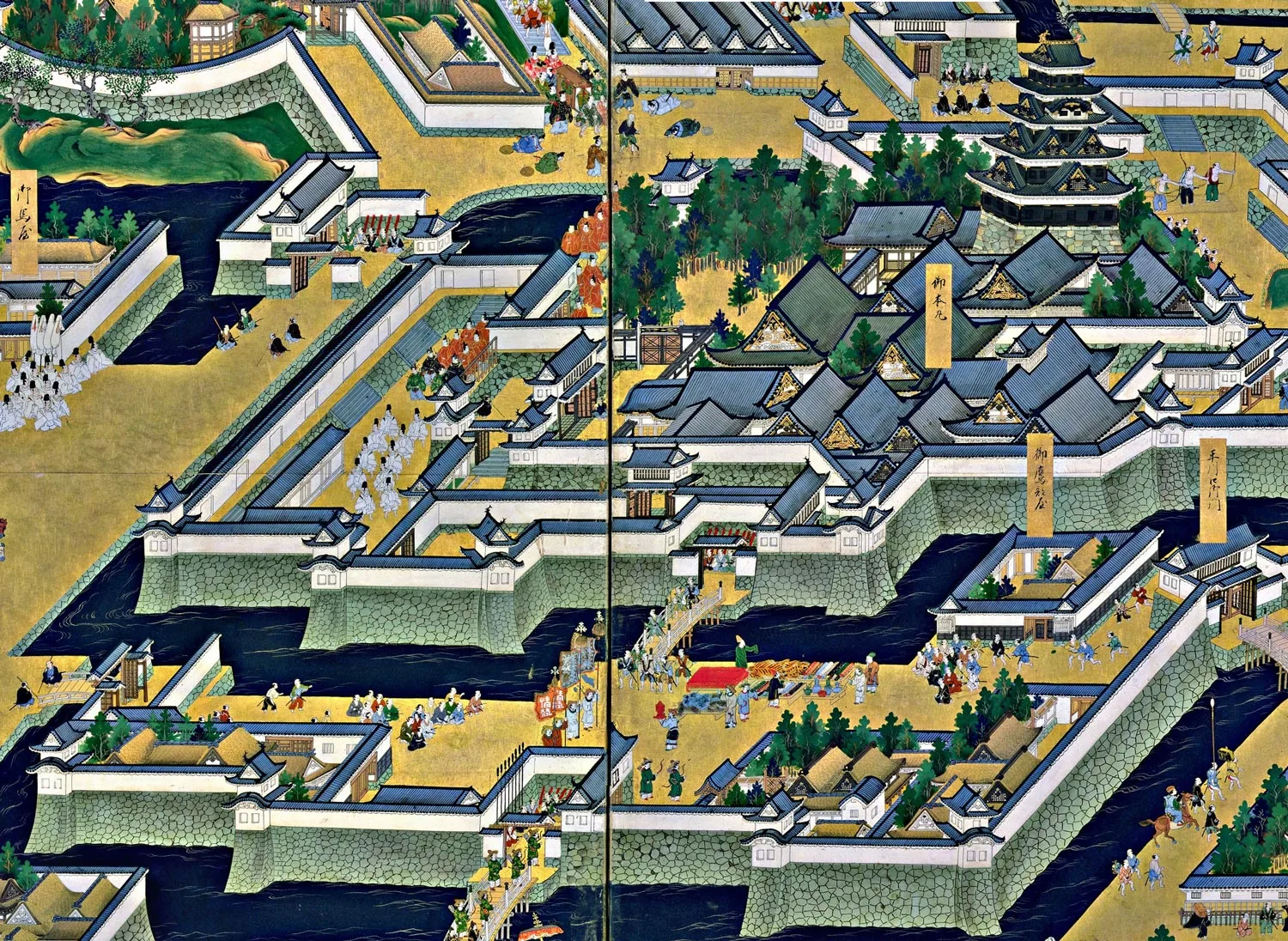
Edo period and Tokugawa shogunate
Japan is ruled by the Tokugawa shogunate, a military government with a shogun at its head. Although the emperor formally remains the head of state, he has virtually no say in political affairs. To ensure political stability, the regime severely restricts contact with the outside world and controls all trade.
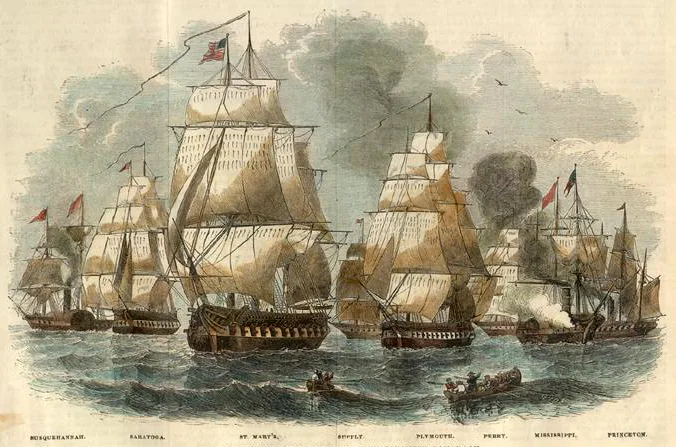
Arrival of Matthew Perry’s fleet
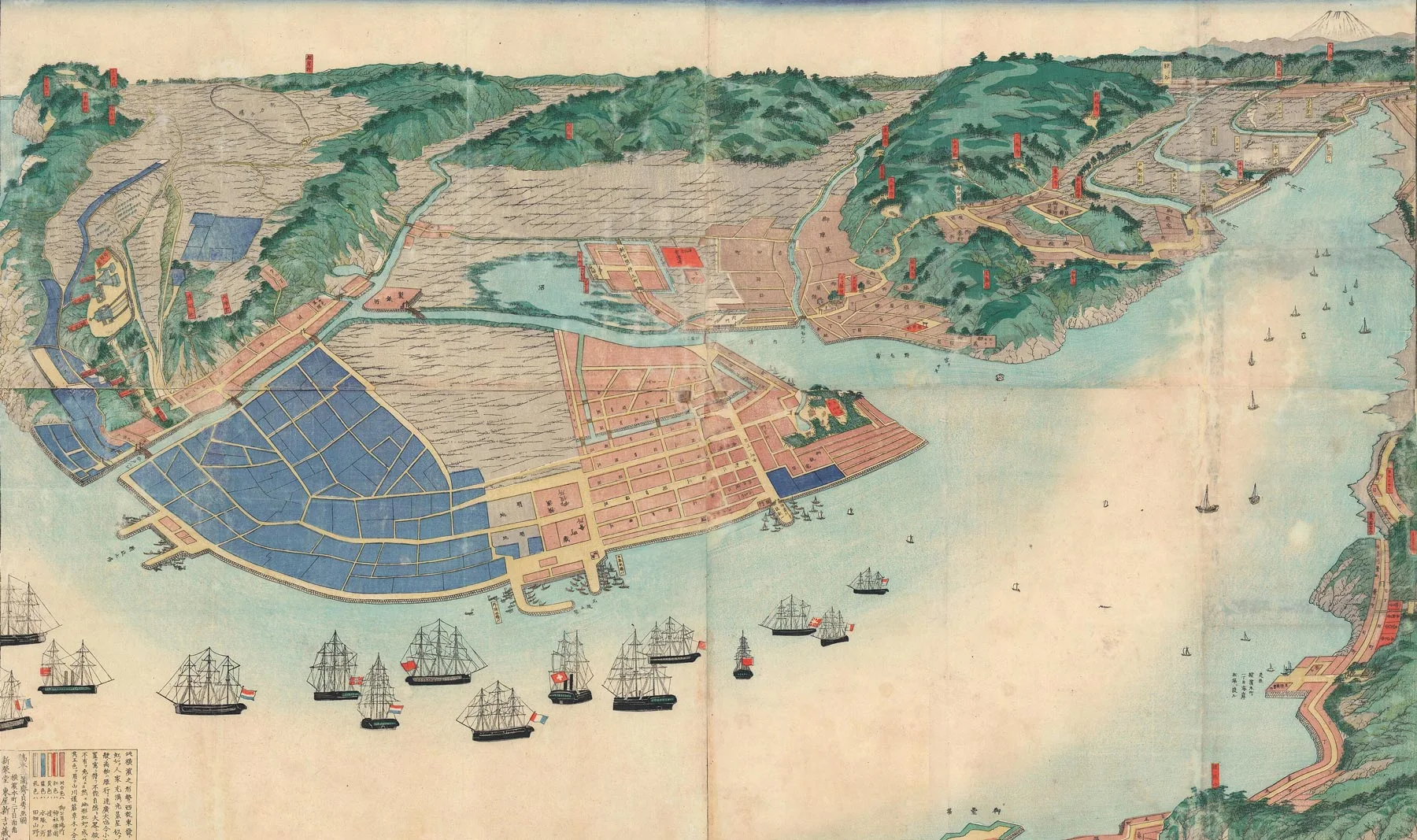
US naval officer Matthew Perry arrives in Japan with a fleet of warships. The United States and other Western powers, including the Netherlands, Russia, the United Kingdom and France, are seeking to force Japanese ports to open to foreign shipping and trade. They plan to use the country as a provisioning station for whaling and trading ships in the Pacific. Faced with this military pressure, Japan begins to abandon its policy of isolation.
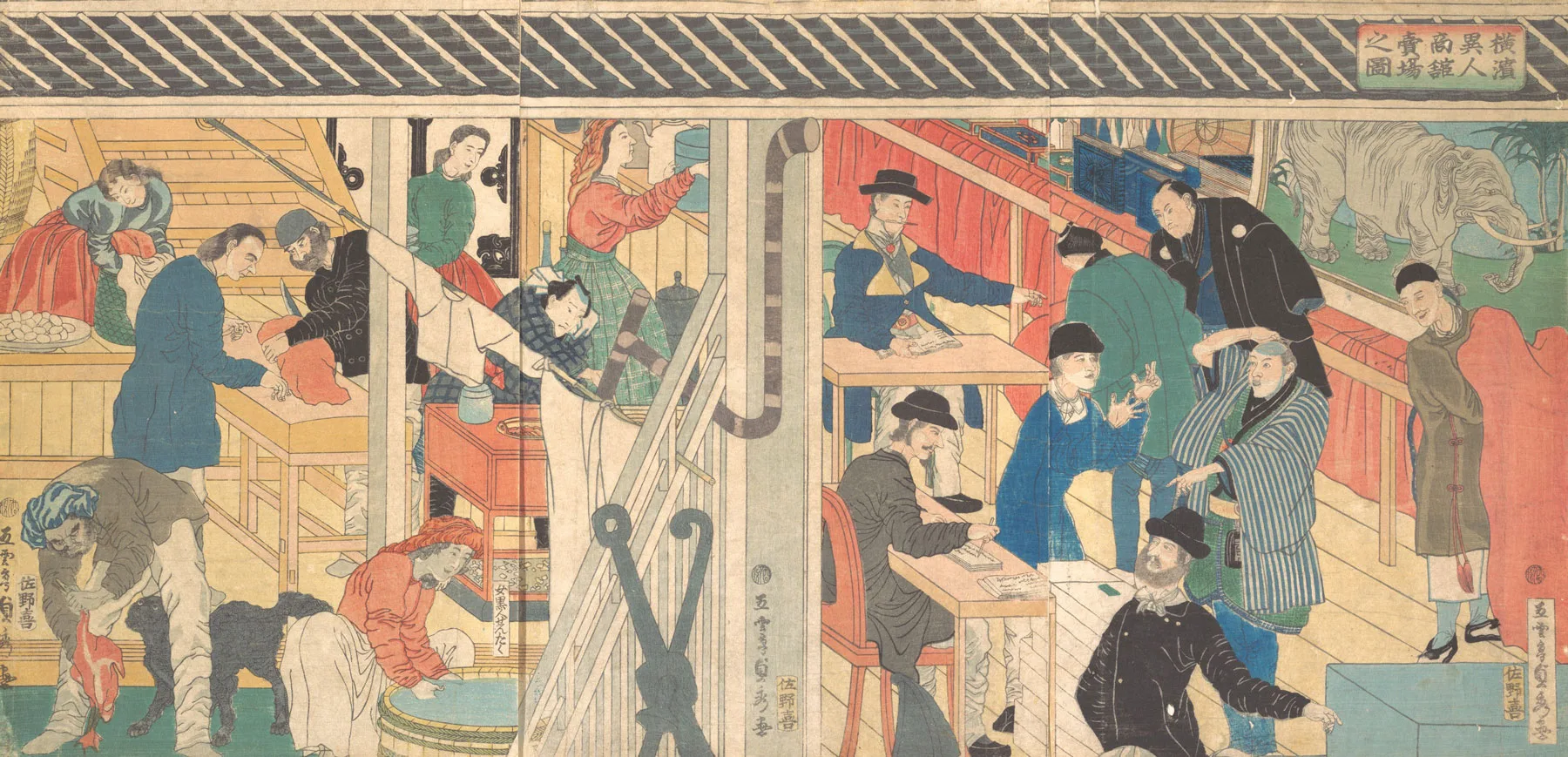
‘Unequal treaties’ and open ports
Japan is pressured into signing treaties with several Western nations. The agreements grant trading privileges to the foreign powers and open certain ports, including Yokohama, Nagasaki, Niigata, Hakodate and Kobe, to international trade. These ‘open ports’ become important centres of foreign mercantile activity.
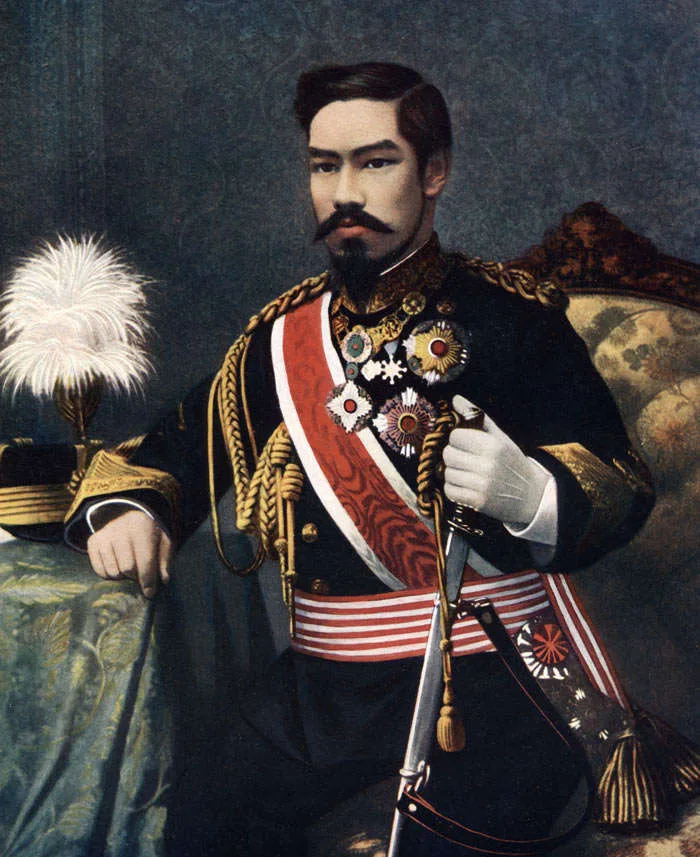
End of the Tokugawa shogunate
Political disagreements over relations with the Western powers lead to the fall of the military government. The subsequent Meiji Restoration sees political power restored to the emperor, and Japan embarks on a phase of rapid modernisation and industrialisation.
Trade and technology transfer
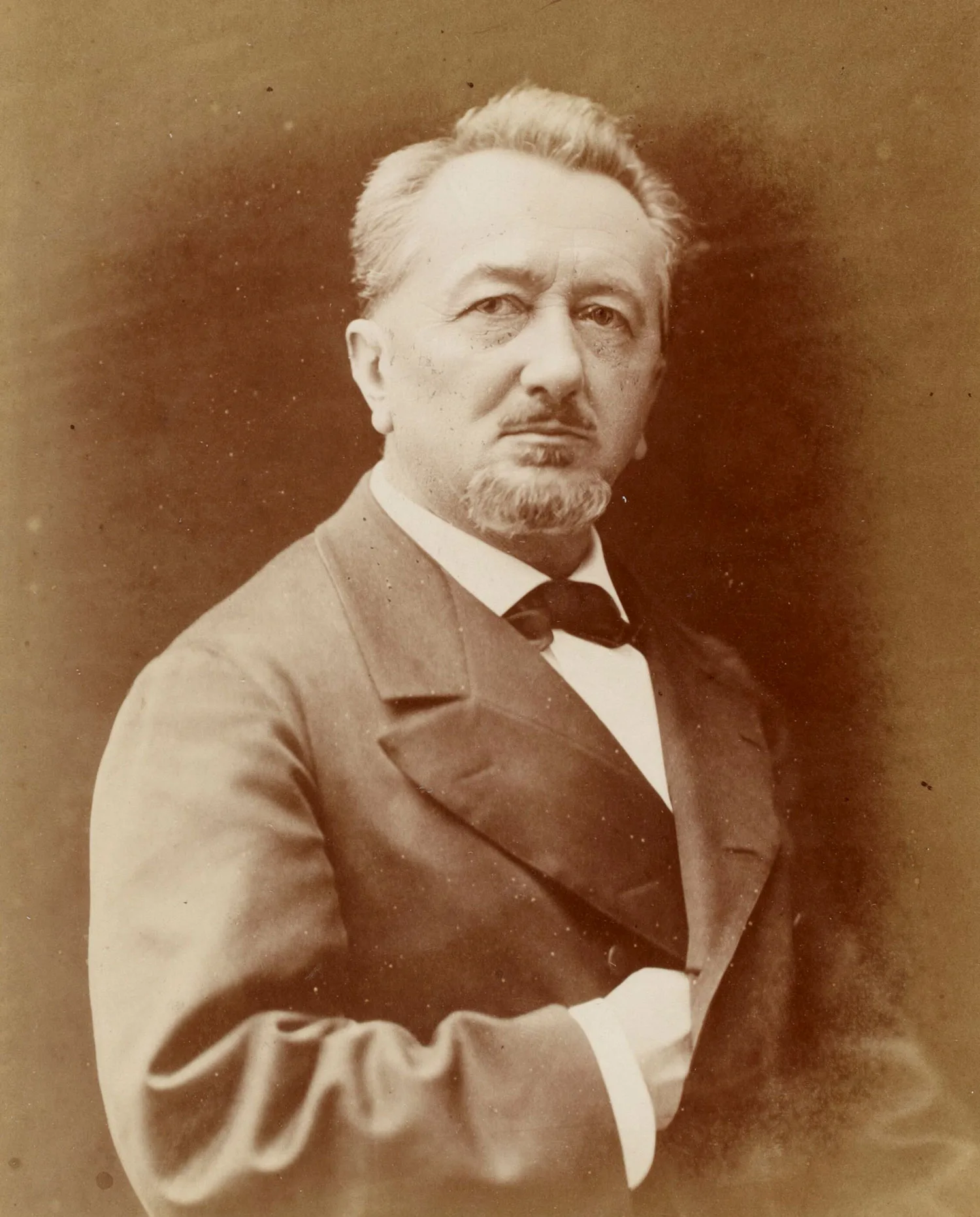
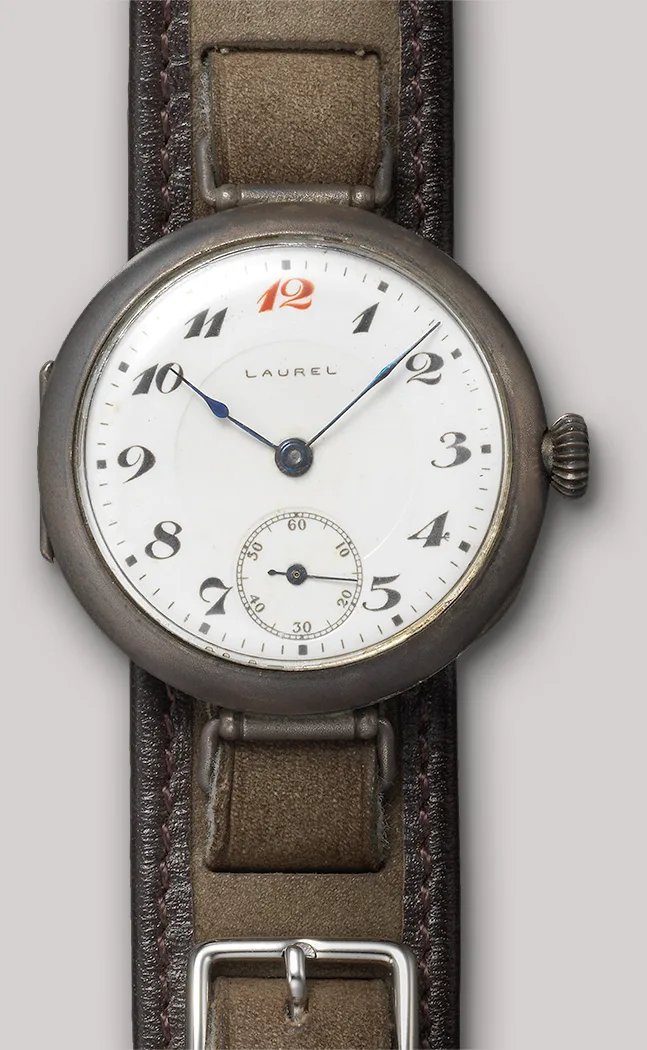
Companies like Siber-Hegner and Favre-Brandt were at the forefront of trade between the two countries. Watchmaker Alberto Favre-Zanotti was even hired by the Japanese government as a ‘foreign advisor’ tasked with passing on the required expertise to Japanese partners. This transfer of knowledge through the export of timepieces and by watchmakers based in the country, like Favre-Zanotti, played a foundational role in the emergence of Japan’s own watchmaking industry. Demand for watches began to grow from 1873 after Japan switched from the traditional lunar calendar to the Gregorian calendar. The Swiss diaspora was able to establish itself as an important player on the import market and act as an intermediary for the Swiss watch industry. In 1896, La Suisse libérale newspaper reported on the founding of a new watch factory with the name Japan Pocket Watch Co.: “This company had several machines and the necessary tools sent from Switzerland and is run by a young Japanese gentleman who attended the watchmaking school in Le Locle for a number of years.” Hattori Kintarō, the founder of the Seiko brand, was also trained by Swiss watchmakers in Japan. The Citizen brand is likewise the result of Swiss and Japanese cooperation.
Finding community abroad
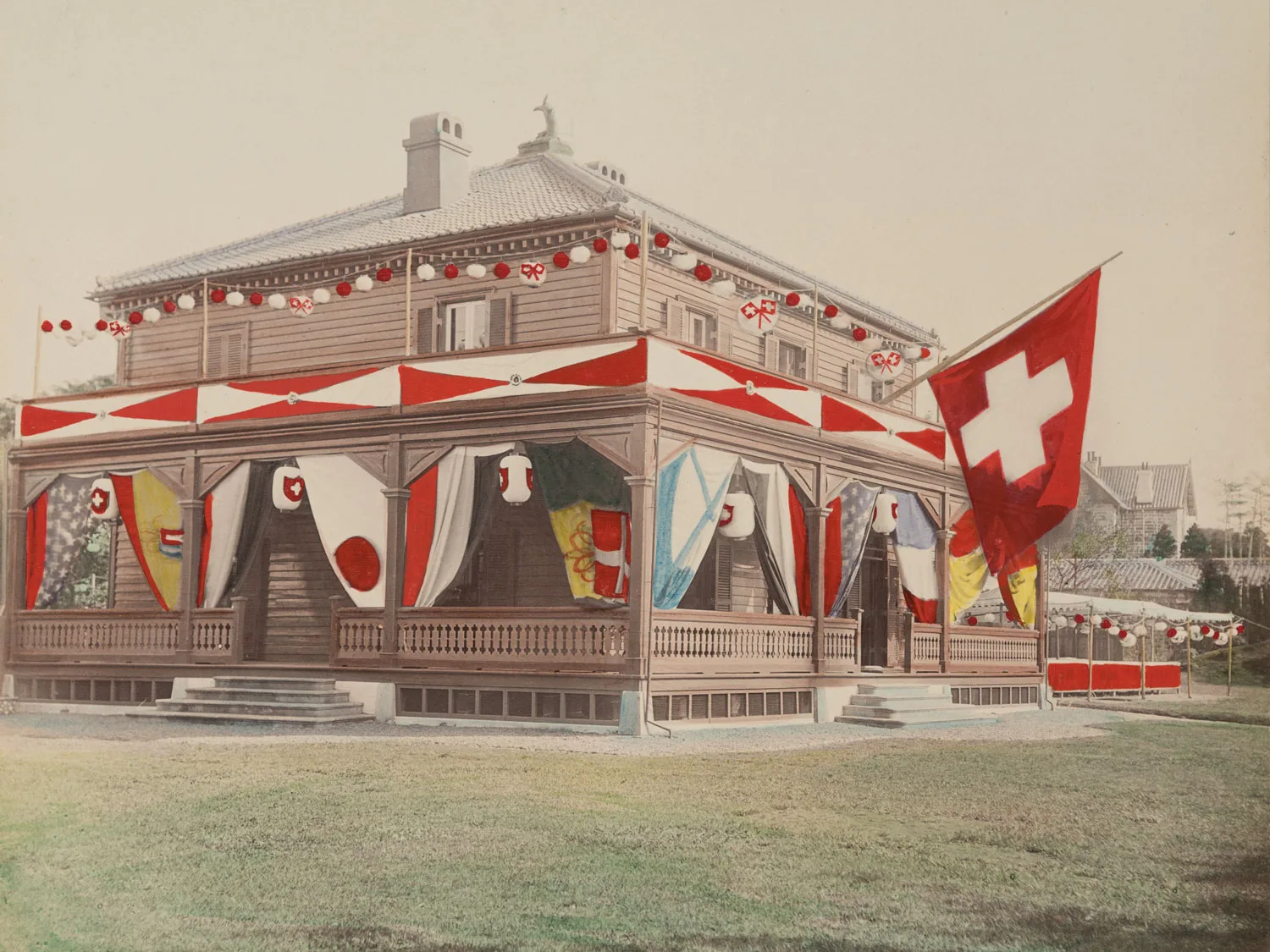
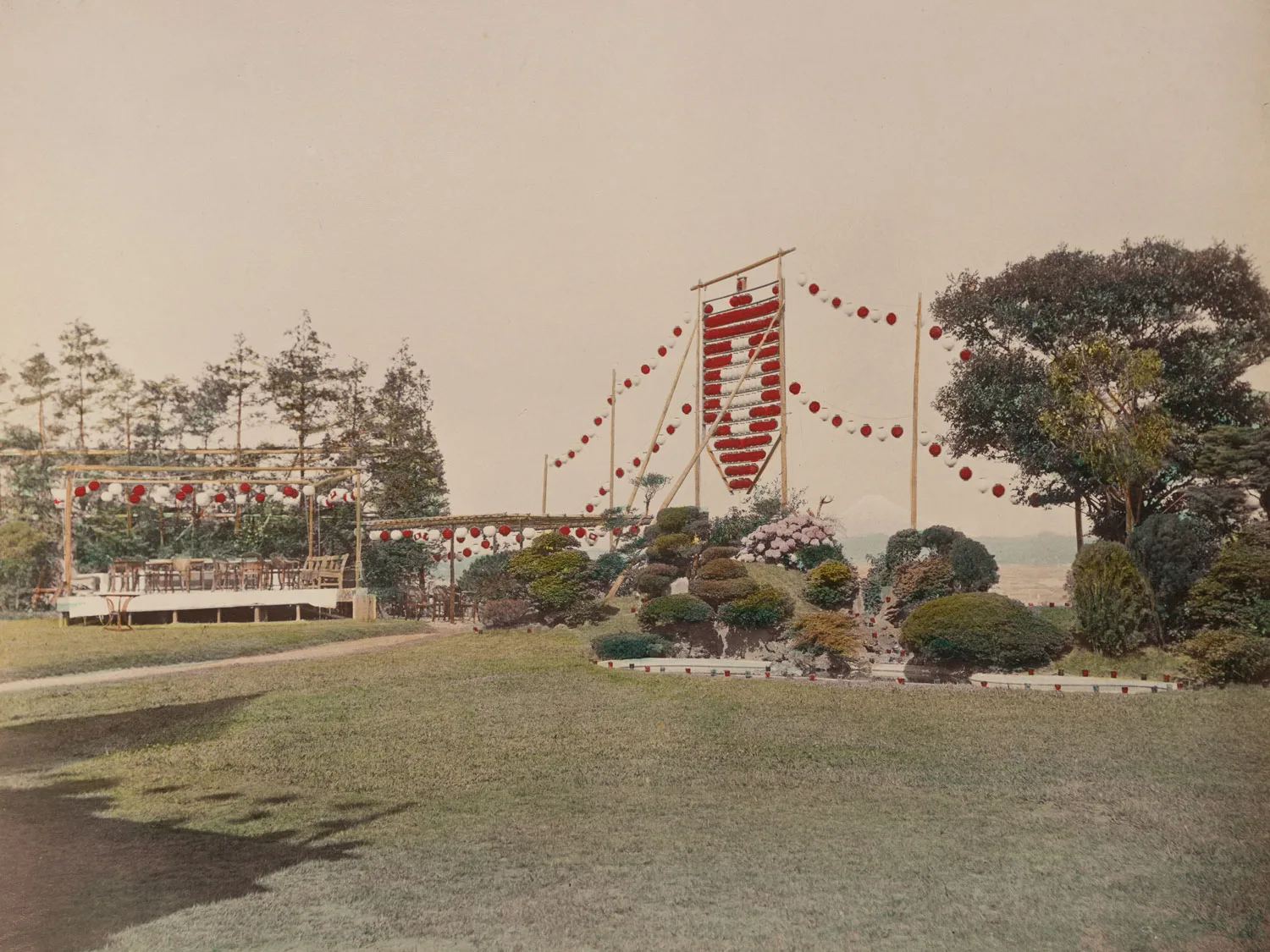
It was not the only marksmen’s festival to feature in the life of the expat community in Yokohama. There are records of an annual shooting competition held each June, which even attracted other émigrés from the West. The festival was said to be “a reminder of home that sets many a Swiss heart beating faster,” as Le Confédéré newspaper wrote in 1868.
Wartime neutrality
The Swiss diaspora in Japan shrank in size during the Second World War. After the Allied powers bombarded the country’s ports, those who remained moved further inland, to places like Onomichi and Karuizawa.
Japan’s unconditional surrender in August 1945 and occupation by the Allies brought the system of open ports to an end. A number of factors contributed to this change: at the end of the war, the European powers had been left economically weakened, whereas Japan began to experience rapid growth again. At the same time, the country became caught up in the geopolitical order of the Cold War.
A story of global interrelations
The history of the Swiss diaspora in Yokohama demonstrates how trade, technology transfer and diplomatic offices shaped bilateral relations. In other words, the trade in silk and watches gave rise to a little-known chapter in relations between Switzerland and Japan.