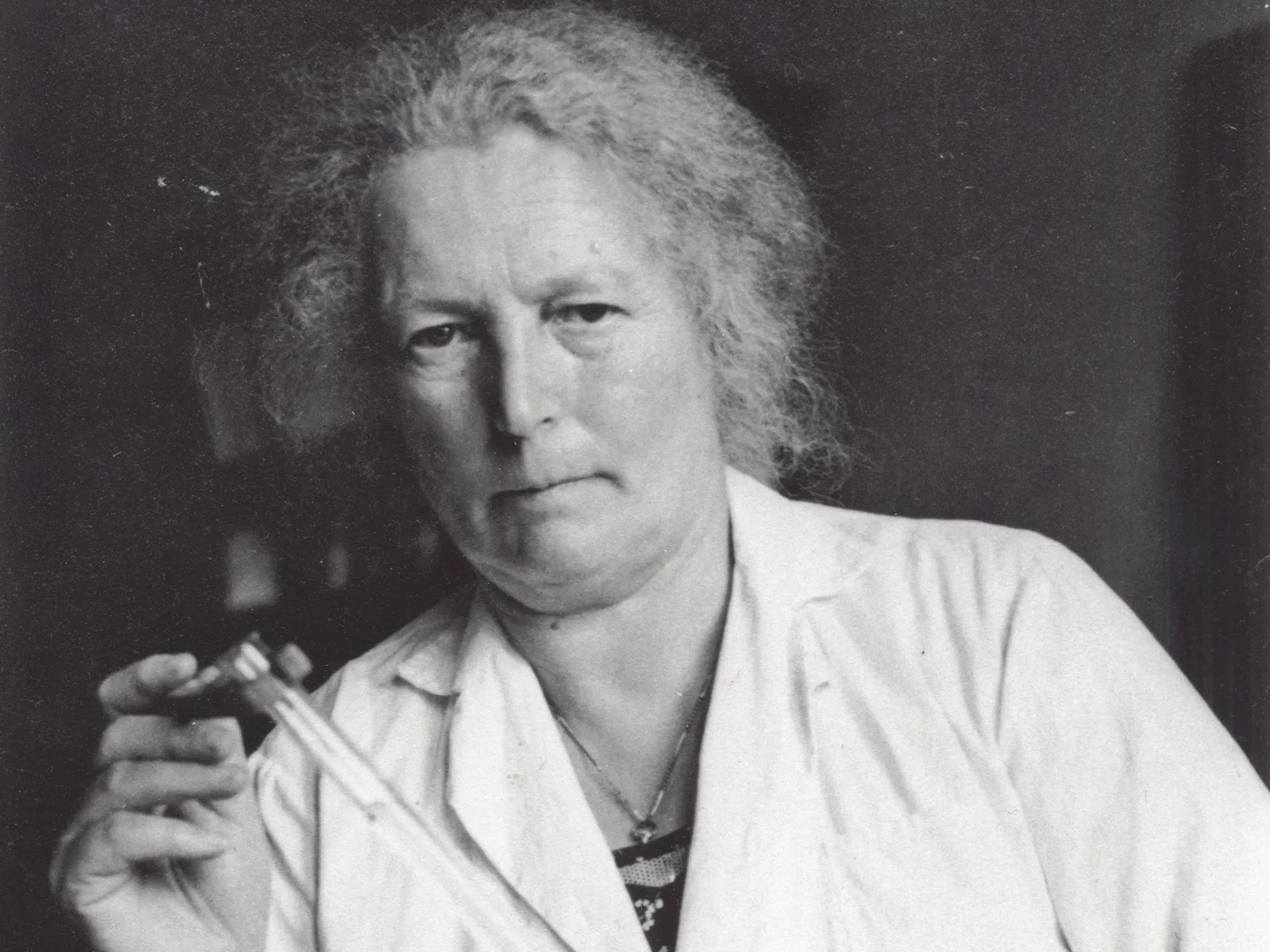
Gertrud Woker in her biochemical laboratory at the University of Bern.
Gertrud Woker in her biochemical laboratory at the University of Bern. University Archives

Gertrud Woker: trailblazing scientist, pacifist and forgotten heroine

Bernese chemist Gertrud Woker was one of the first women in Europe to research the deadly effect of poison gases. She campaigned throughout her life to prevent the results of her research being used on the battlefield. An object of admiration and derision, Gertrud Woker was ahead of her time.

Marilyn Umurungi

Marilyn Umurungi

Marilyn Umurungi is an art and cultural researcher as well as co-curator of the ‘Wars and us’ exhibition at the National Museum Zurich.

There was a reason why Gertrud Woker (1878–1968) was known in public by the nickname ‘Gas-Trudi’. She was the first private lecturer in chemistry at a Swiss university, a visionary pioneer of biochemistry, and head of the institute for physico-chemical biology in Bern. Her paper on catalytic research was praised by scientific historian Franz Strunz in the Deutsche Literaturzeitung (a German scholarly review journal). In Switzerland, by contrast, people questioned ‘Gas-Trudi’s’ sanity and she was openly ridiculed by her colleagues. Today she is known as a forgotten heroine.

The child who would not be denied

Gertrud Woker was born in Bern on 16 December 1878 to a professor of church history and the sister of Federal Councillor Eduard Müller. Her mother and aunt Emma Müller-Vogt were formative role models for her later struggle for women’s rights. Although her father backed the right of women to an education, he did not want his own daughter to attend the recently opened girls’ grammar school. Instead she was taught housekeeping. But Gertrud studied in private, every night until 3am as revealed by her diary entries. She passed her Matura (school-leaving exams) with top marks in all subjects and enrolled at the University of Bern. In 1903, she completed her chemistry course with summa cum laude as the first Swiss woman to gain a PhD in chemistry. She also qualified as a university lecturer. In 1907, she was appointed as a private lecturer for chemistry – the first at a Swiss university. This was a milestone despite the fact that her laboratory remained practically a boxroom and her salary a mere fraction of what her male colleagues earned.
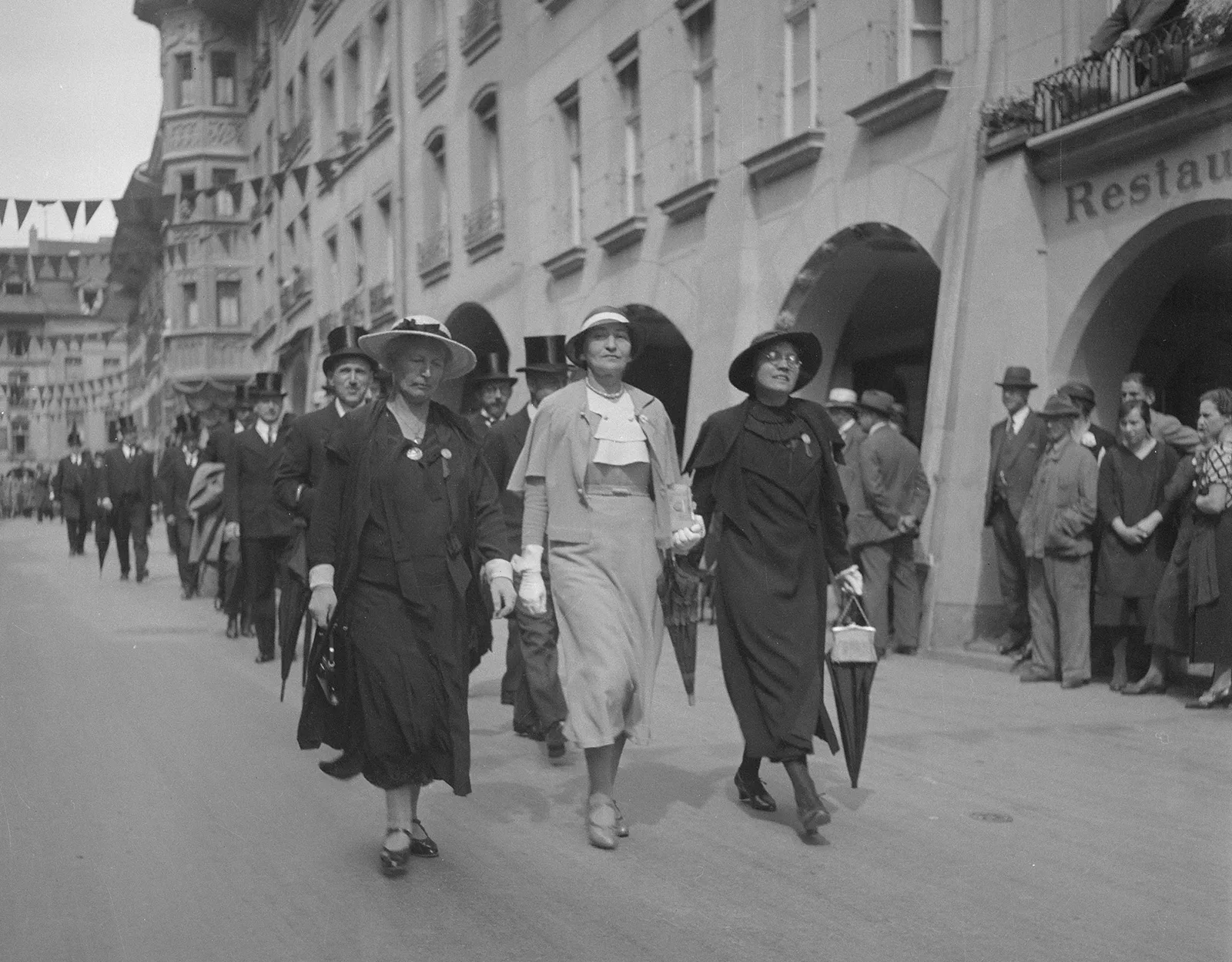
From left to right: Gertrud Woker, Franziska Baumgarten-Tramer and Marie-Louise Herking in the procession marking the 100th anniversary of the University of Bern, 1934.
From left to right: Gertrud Woker, Franziska Baumgarten-Tramer and Marie-Louise Herking in the procession marking the 100th anniversary of the University of Bern, 1934. Bern State Archive, StABE FN Jost N 1717

The gas from the trenches

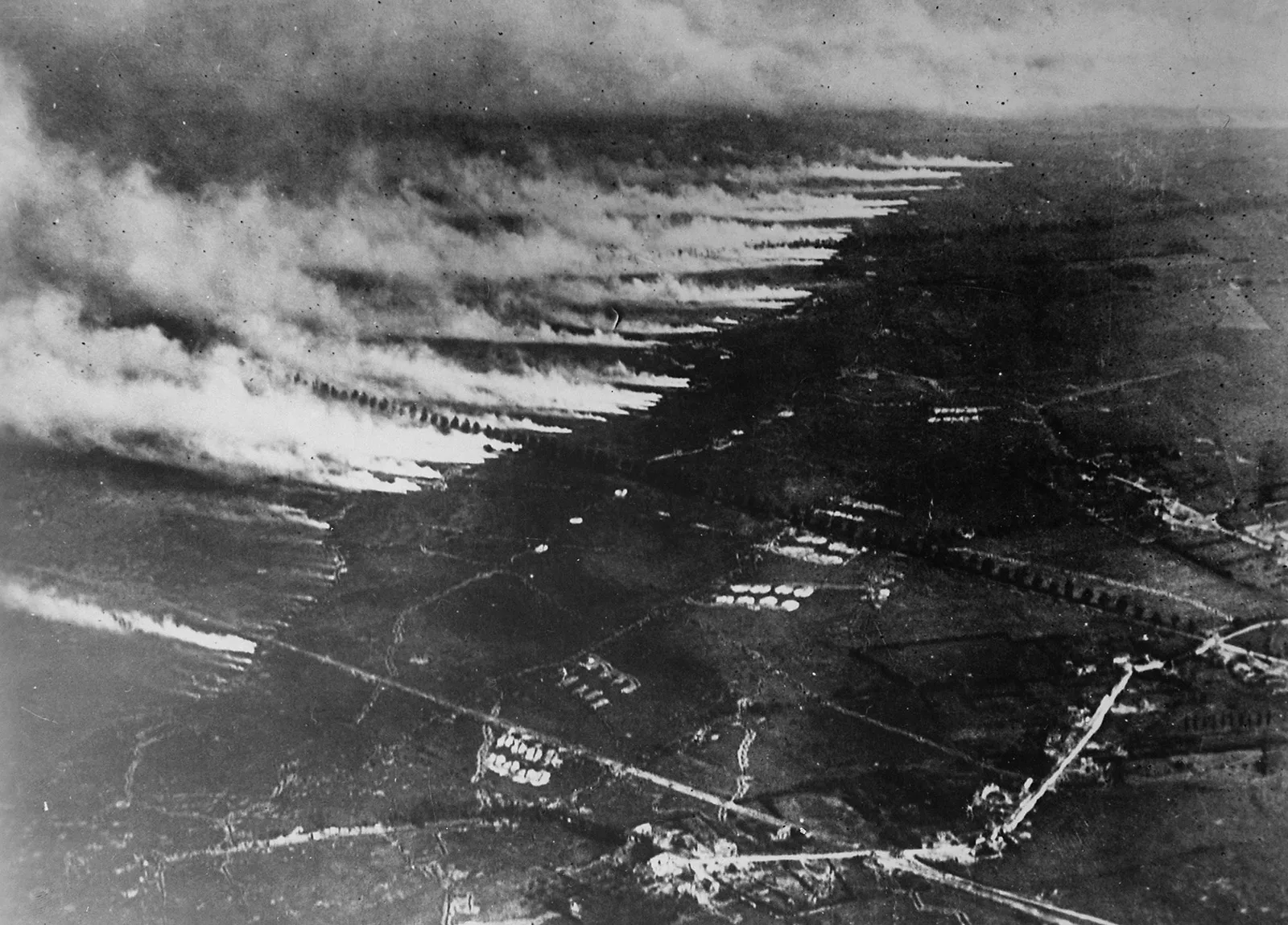
The advent of the First World War thrust Woker’s work into the spotlight. Reports came from the trenches in Belgium that caught everyone unaware, including the scientific community: in April 1915, the Germans used chlorine gas on a large scale for the first time in Ypres, Belgium. Over 1,500 people suffocated and tens of thousands suffered severe burning to the lungs. The gas had been developed by Fritz Haber, a well-respected Berlin chemist who had dedicated his research to the war effort. His wife Clara Immerwahr, who was also a chemist, shot herself with her husband’s service weapon and one of the reasons for her suicide was thought to be her husband’s contribution to the use of poison gas in the war.
A gas and flame attack by the French army on German trenches in Flanders, Belgium.
A gas and flame attack by the French army on German trenches in Flanders, Belgium. National Archives
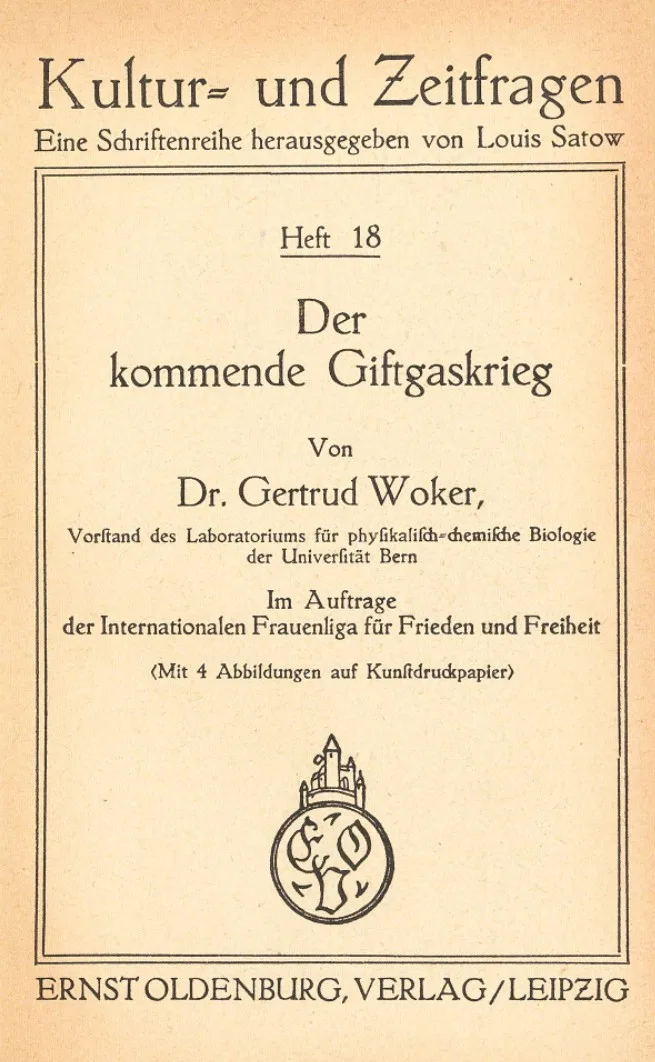
While Woker’s colleagues were celebrating the use of poison gas as a watershed in military history, she was far from impressed. She began writing and talking about how these gases reacted in the human body: “The public need to know about the horrific effects of chemical warfare”, she argued. In 1925, her book ‘The Next War: A War of Poison Gas’ came out followed by a new extended version in 1932. These were not dry, academic papers but impassioned warnings to a society that did not want to know.
German cover of ‘The Next War: A War of Poison Gas’ by Gertrud Woker, 1925.
German cover of ‘The Next War: A War of Poison Gas’ by Gertrud Woker, 1925. German National Library

Treated as a traitor in her own country
“Should I have just kept quiet?”, wrote Woker later. Instead of taking her warnings seriously, the research community and general public turned on her. Colleagues sought to discredit her. The Swiss armed forces demanded her dismissal and branded her a traitor. The Women’s International League for Peace and Freedom (WILPF) and the League of Nations (the predecessor to the United Nations) took her more seriously. Her colleagues called her a German spy and “mentally ill” during an extensive lecture tour of the US with the WILPF. The tour had to be cut short when it emerged that the Ku-Klux-Klan had been planning to attack the group of travelling pacifists, which caused the sponsors to withdraw their funding.
Woker’s pacifist activism made her very unpopular with her colleagues. She only received her, long overdue, associate professorship after Berlin professor Isidor Traube publicly asked why such a brilliant scientist in Bern had not been made a professor. He openly voiced his suspicion that Woker’s pacifism had been used to prevent her career progression. His allegation had the desired effect and Gertrud Woker was finally appointed a full professor at the age of 55 – an appointment that should have been made decades earlier.
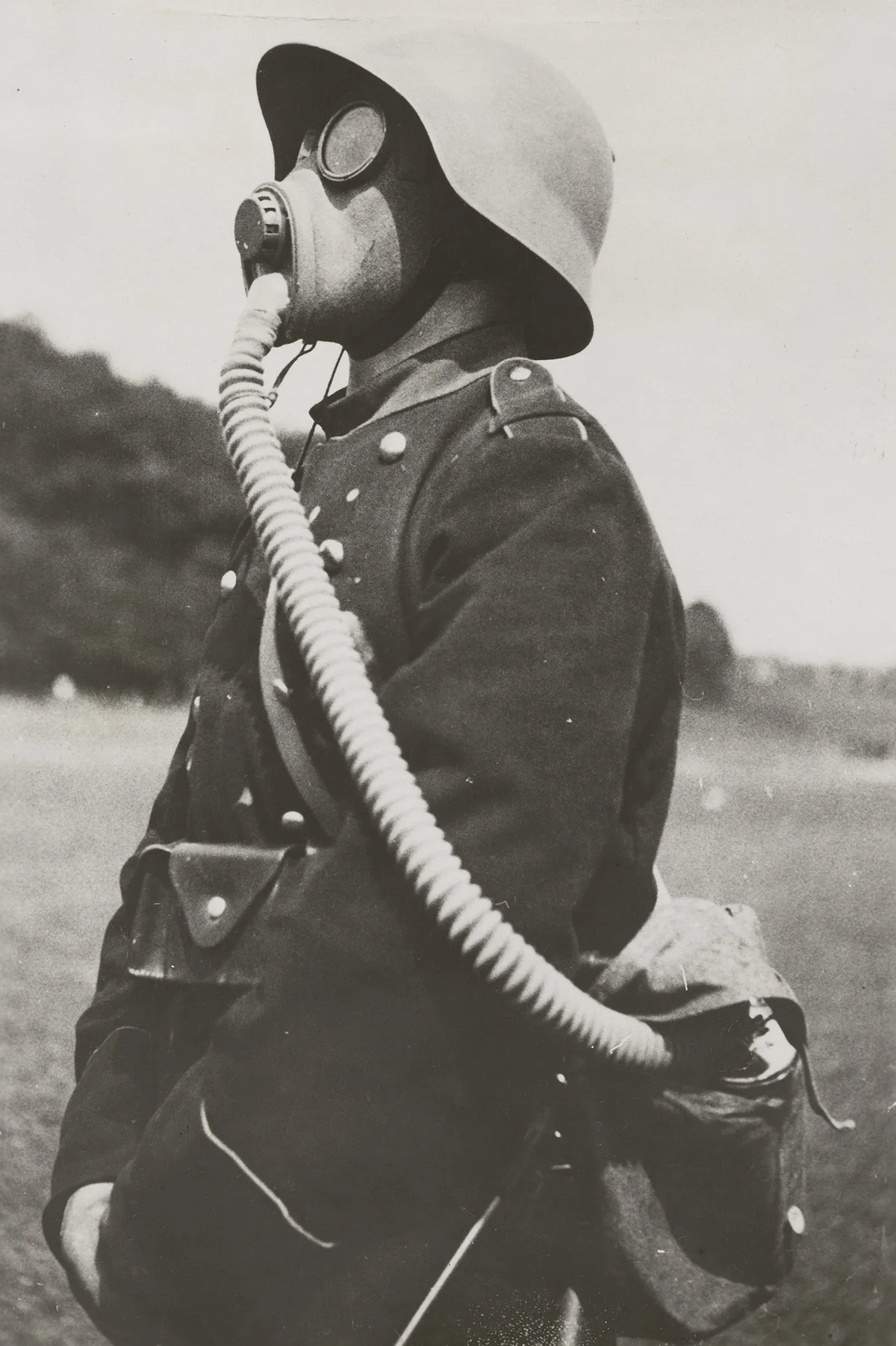
Swiss soldier with gas mask, c. 1920.
Swiss soldier with gas mask, c. 1920. Swiss National Museum

The price of science with a conscience

Should Woker have kept quiet? This question reveals a bitter irony that was not lost on some of Woker’s contemporaries: if she had chosen to remain silent about the dangers of poison gas and instead used her knowledge, as Fritz Haber did, to advance the war effort, she would have been feted as a great scientist. She would  have been rewarded for her silence with a glittering career. Instead she chose to speak out and spent the rest of her life paying the price.
What do we expect scientists to do if their research can be used for war and destruction? The tale of Gertrud Woker starkly reveals the dilemma at play here. She understood just how harmful poison gases were. It was her moral conviction that they must not be used on the battlefield. And it cost her dearly. Her only ‘crime’ was that she had the courage to express her convictions.
Trailer for the film ‘The Pacifist’ about Gertrud Woker. YouTube / First Hand Films

The last years

The Nazis burned her books. But Gertrud Woker kept writing. She warned of the atom bomb before it fell on Hiroshima and Nagasaki. She decried the use of chemical weapons in Vietnam, years before the world understood the full horror of Agent Orange. At the UN, she was praised as “one of Europe’s foremost women”. However, her own country Switzerland failed to give her the recognition she deserved for her scientific achievements.
Woker spent the last two years of her life in a psychiatric clinic by Lake Neuchâtel. Her records have not been released, so exactly what happened in the clinic is not public knowledge. Her grand-nephew Martin Woker never knew his aunt Trudi; all he knew about her was that people had thought she was not “quite right in the head”.
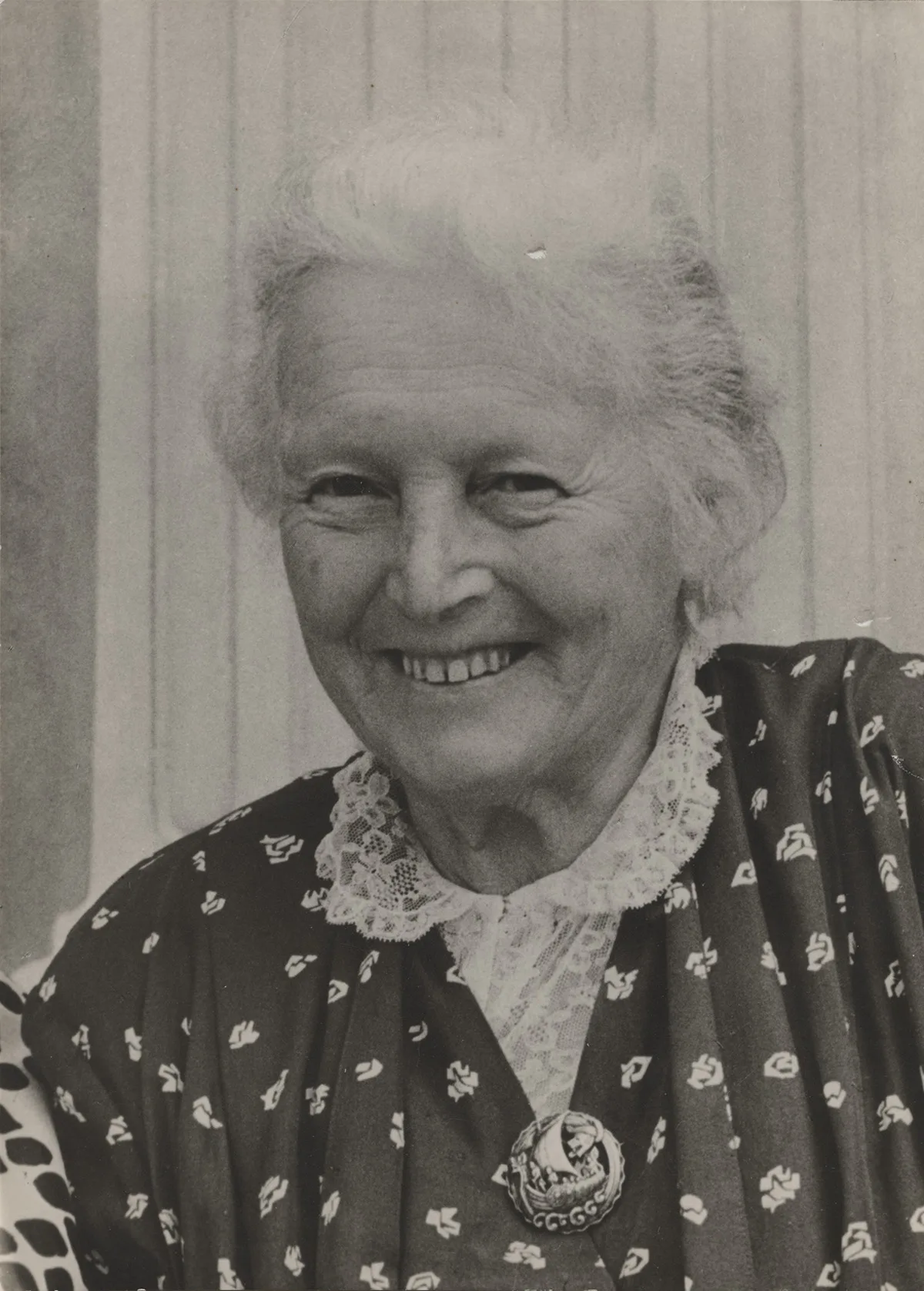
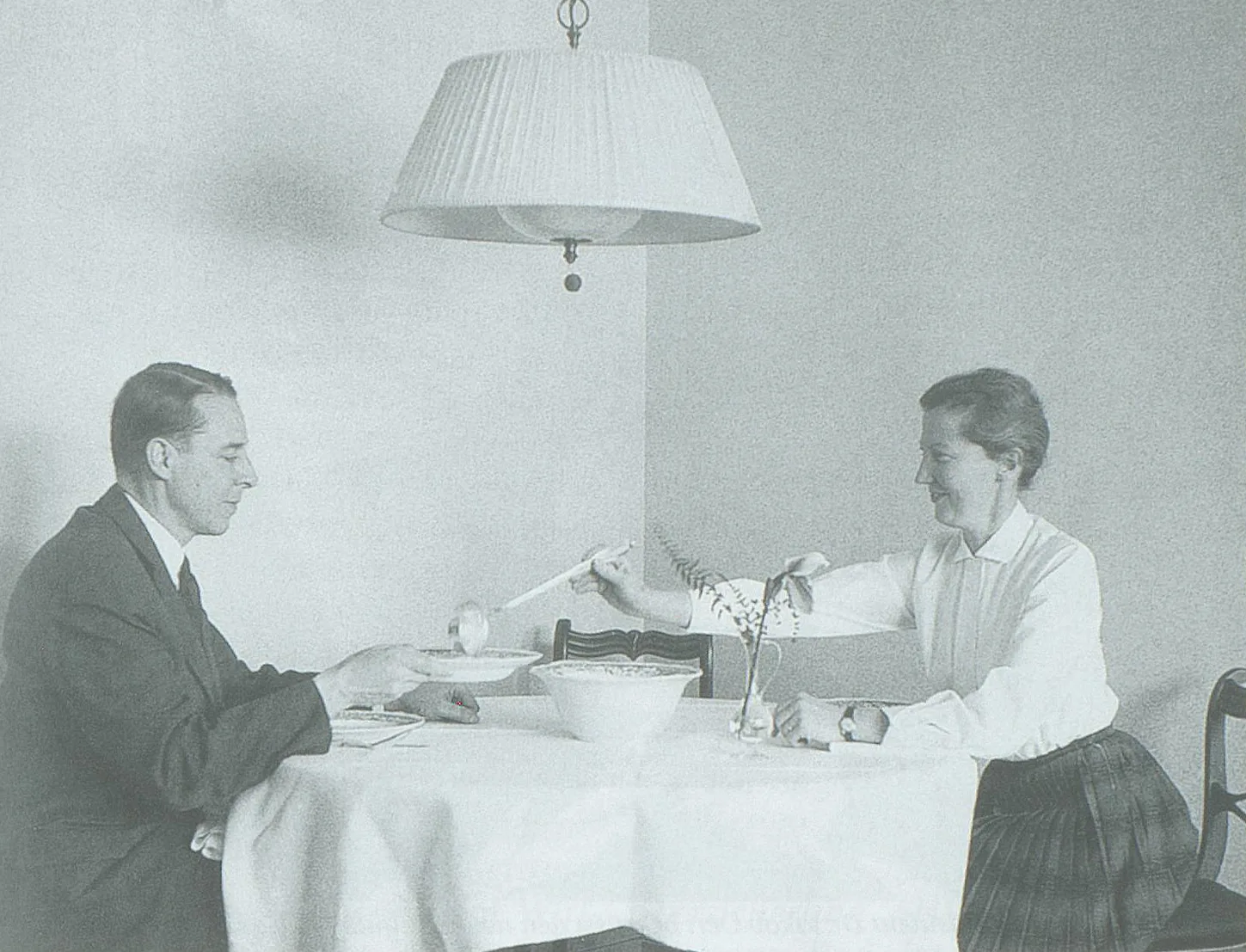
Photo of Gertrud Woker near the end of her life.
Photo of Gertrud Woker near the end of her life. Bern State Archive, StABE T.B. Personen 993
When Gertrud Woker died in 1968 at the age of 89, the University of Bern established its first professorship for biochemistry – the area she had helped to develop. A small street in the Länggasse in Bern bears her name; it is beside the Department of Chemistry and Biochemistry. Switzerland had at last started to give due recognition to one of its great people. It was too late for Gertrud Woker herself – but not too late for the questions she left behind.

Wars and us

17.04.2026 17.01.2027 / National Museum Zurich
Warfare has been a defining element of Switzerland’s history. The exhibition brings together a variety of perspectives, showing how ‒ from the late Middle Ages to the present day ‒ wars have influenced the nation’s political structures, economic interests and social order. It also invites visitors to question popular ideas of Switzerland’s relationship with war ‒ even when that war often seems distant, but is etched deeply in the collective memory.
Further posts