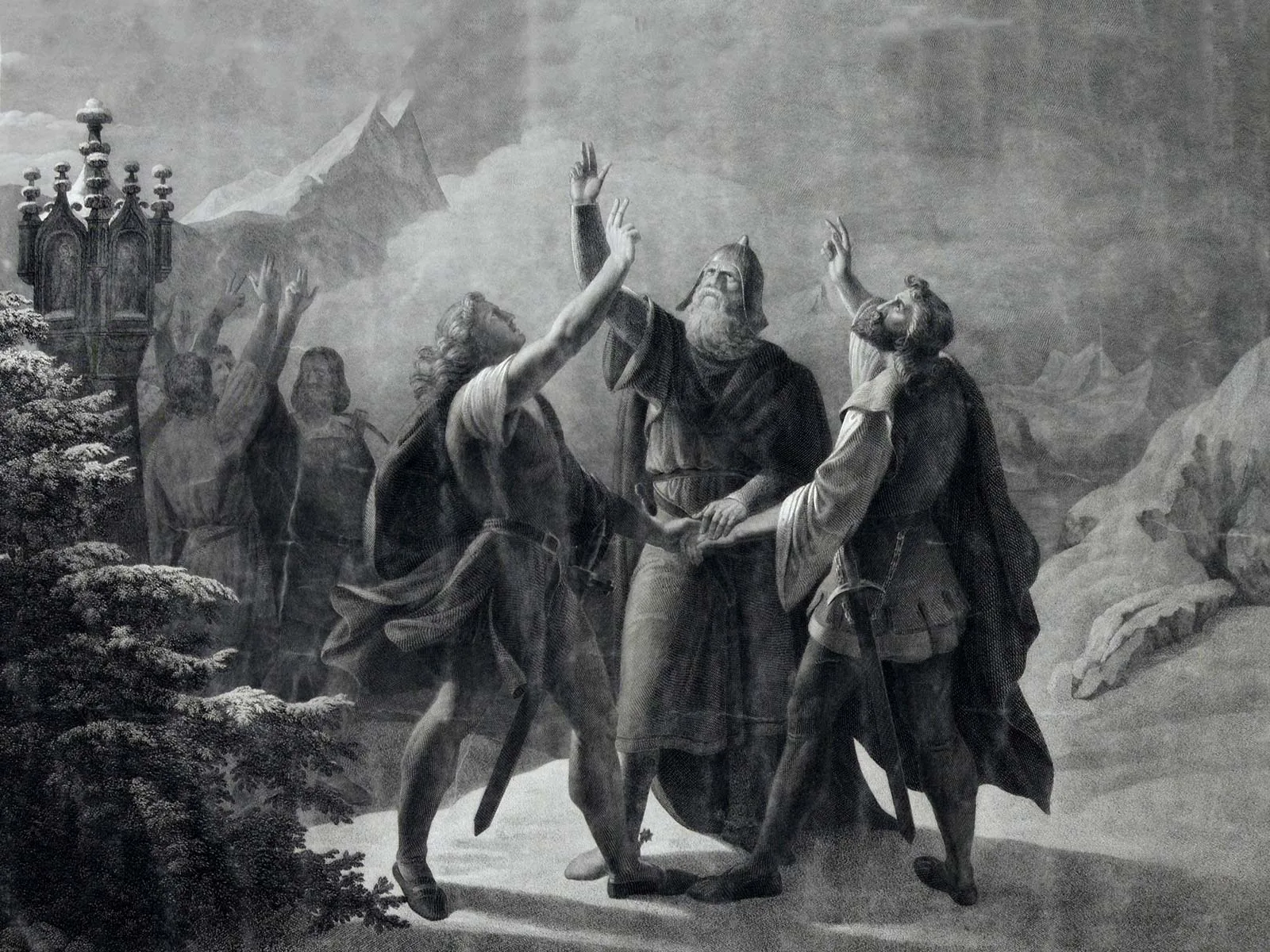
The oath taken by the three confederates on the Rütli shapes our image of the Old Swiss Confederacy. Although a popular subject in art and literature, it has little to do with the real history of the oath. Copperplate engraving by Carl Heinrich Rahl.
The oath taken by the three confederates on the Rütli shapes our image of the Old Swiss Confederacy. Although a popular subject in art and literature, it has little to do with the real history of the oath. Copperplate engraving by Carl Heinrich Rahl. Wikimedia / Detlef Dauer

The final oath of allegiance to the Old Swiss Confederacy

Religious differences between the traditionally Catholic cantons and those that embraced the Reformation prevented them from agreeing on a common wording for the oath of allegiance to the Old Swiss Confederacy. It was effectively 500 years ago, on 28 July 1526, when its members convened to swear their common allegiance for the last time.

Roland Gröbli

Roland Gröbli

Roland Gröbli is a scholar of German language and literature and a historian.

Mutual oaths were very much a part of everyday life for people during the High and Late Middle Ages. The authorities used oaths (of homage) to legitimise their rule and reinforce their privileges. Their subjects meanwhile enjoyed a degree of legal security, even if their obligations under said oaths far outnumbered their rights. Nonetheless, in an age when the law of the strongest prevailed, an oath taken before the Almighty allowed people to hope they would not be left at the mercy of some arbitrary power.

The oath was renewed every ten years
When Zurich mayor Rudolf Brun entered into an alliance with the (at that time) four members of the Confederacy – Lucerne, Uri, Schwyz and Unterwalden (known as the forest cantons) – on 1 May 1351, the pact was naturally sealed with an oath. However, the agreement also contained a clause requiring the ‘charter’ to be read out every ten years and “all men and boys over the age of 16” to renew the oath. Many similar clauses, including the periodic renewal of the oath of allegiance to the Confederacy, were included in subsequent charters with Zug and Glarus (1352) and with Bern (1353).
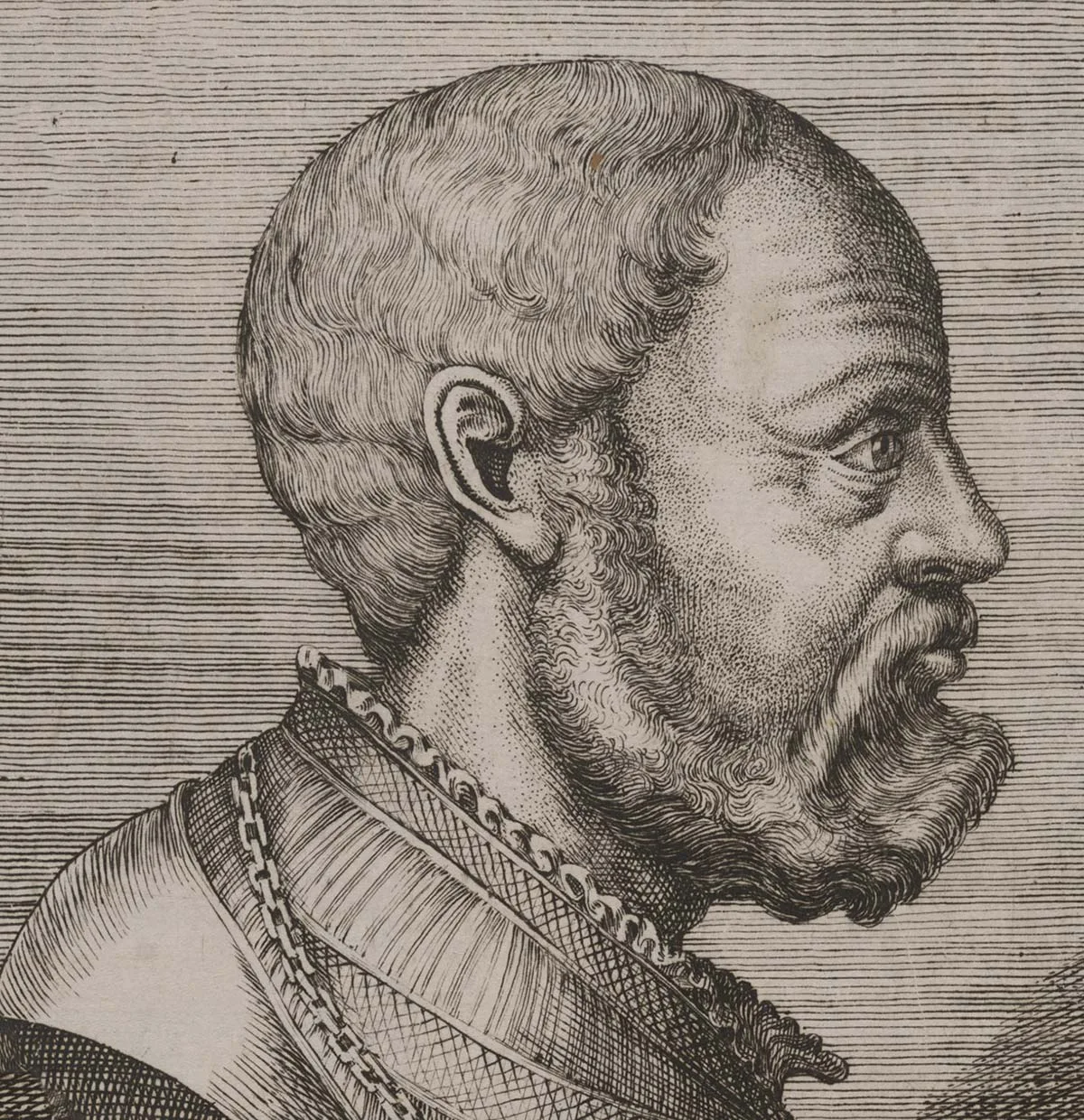
Portrait of Zurich mayor Rudolf Brun. Graphic print from the 17th century.
Portrait of Zurich mayor Rudolf Brun. Graphic print from the 17th century. Swiss National Museum
Bern and Fribourg had already concluded an alliance in 1277, which included the periodic renewal of the oath. However, the use of the self-descriptors “confederates” and “Confederacy” dates back to when Zurich joined the pact in 1351. The city’s historians have repeatedly argued that 1 May 1351 should be seen as the actual founding date of this unique union bound by an oath. However, their position has found little support, even though the larger, wealthier canton indisputably called the shots in the gradually emerging Confederacy and occupied first place in the hierarchy of cantons, as it still does today.
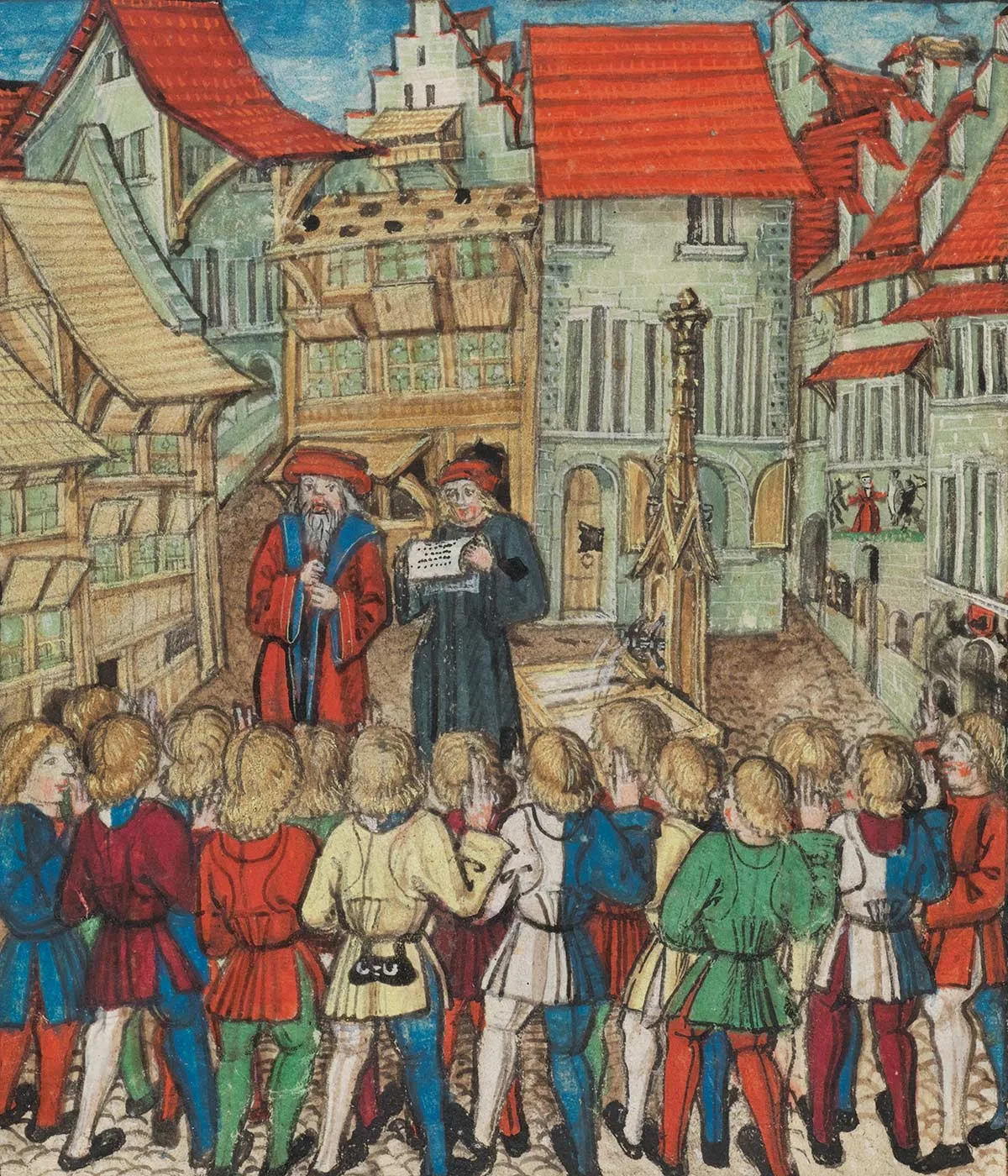
The reading of the oath and swearing of allegiance to the 1332 union between Lucerne and the forest cantons. This portrayal from the Schilling chronicles of 1513 is interesting. It highlights the gulf between the authorities and the unarmed(!) farmers from the forest cantons looking up at them.
The reading of the oath and swearing of allegiance to the 1332 union between Lucerne and the forest cantons. This portrayal from the Schilling chronicles of 1513 is interesting. It highlights the gulf between the authorities and the unarmed (!) farmers from the forest cantons looking up at them. e-codices

The members of the Old Swiss Confederacy made uneasy bedfellows
The reluctance to acknowledge Zurich as the founder of the Old Confederacy may also have something to do with the rather fraught nature of its initial relationship with its alliance partners from Central Switzerland. Zurich was ruled rigorously by the guilds in those days and had little in common with the rural cantons, either culturally or politically. Moreover, the citizens of Zurich were not slow to pen some highly disparaging accounts of the foul-smelling and sweaty “Switenses”, as they called their compatriots.
The conflict from 1440 to 1450 over who should succeed the last Count of Toggenburg, better known as the "Old Zurich War", again highlighted all too clearly how Zurich’s interests differed from those of the other cantons. However, loyalty to the Confederacy won through in the end. The first oath renewing the 1351 union was not taken until 1378, but it was renewed 16 times between 1396 and 1520, showing how the tradition grew in stability. The one oath-taking ceremony that stands out was on 23 August 1450. That was when peace was sealed between Zurich and Central Switzerland in Einsiedeln (with Bern chairing the arbitral tribunal) and the pledges to the old alliances were renewed by everyone together at one location for the first and only time. In 1481, the Federal Diet decided to formally renew all the confederate alliances every five years.
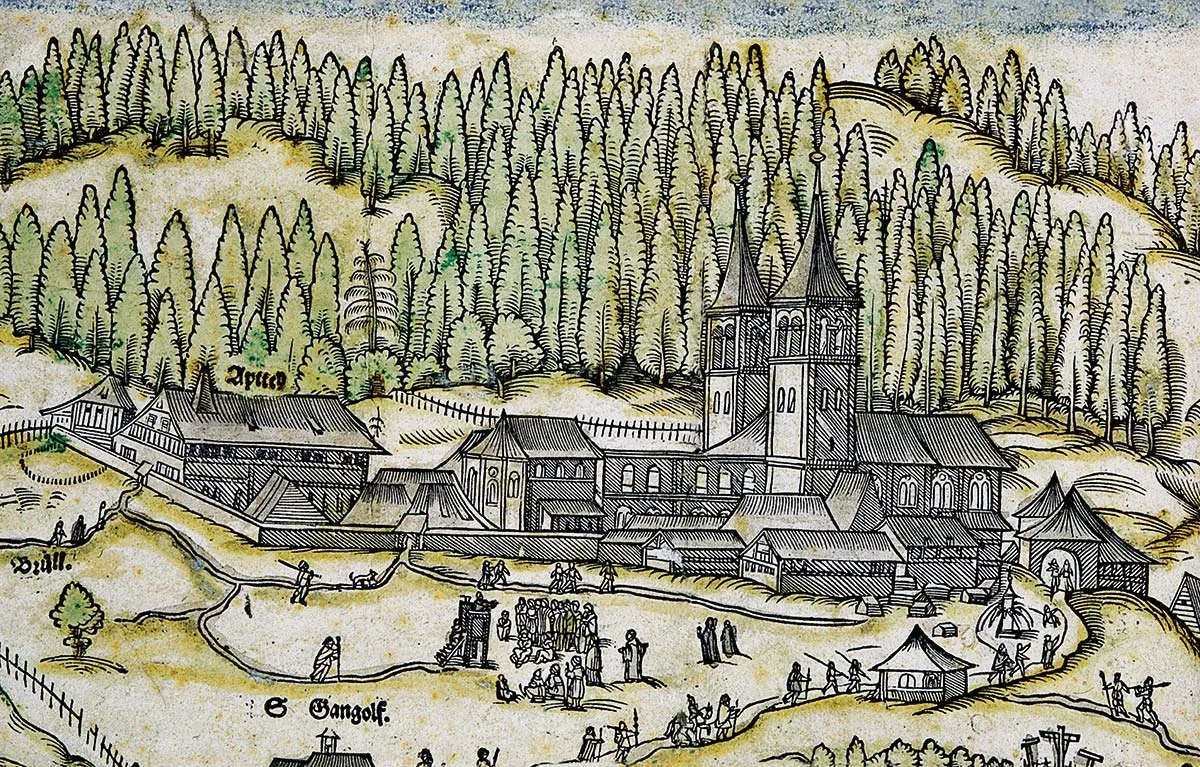
At Einsiedeln Abbey (16th-century woodcut), Zurich and the Forest Cantons sealed the peace on 23 August 1450 and, for the first and only time, jointly swore to uphold the old alliance of 1351. Einsiedeln was the sacred heart of the Old Swiss Confederacy at the time.
At Einsiedeln Abbey (16th-century woodcut), Zurich and the Forest Cantons sealed the peace on 23 August 1450 and, for the first and only time, jointly swore to uphold the old alliance of 1351. Einsiedeln was the sacred heart of the Old Swiss Confederacy at the time. Klosterarchiv Einsiedeln

The oath-renewal format varied among the cantons
With the exception of 23 August 1450, each canton adopted its own format for renewing its bilateral commitments on the date set by the Federal Diet. On 4 July 1520, the mayor of Zurich Marx (“Marcus”) Röist read out no fewer than eight “charters” (intercantonal pacts) plus a ratified letter from Emperor Maximilian I (from 1511) and Emperor Charles V (as it was written in 1519, he signed it as King) to the twelve cantonal delegations present. However, the charters of alliance with Appenzell, St. Gallen, Rottweil and Mulhouse were not read out due to time constraints.
The head of the Bern delegation then swore the oath on behalf of the twelve cantons before Mayor Röist in Zurich’s Grossmünster church. Following a break in the proceedings, Röist himself then pledged allegiance to the alliances and the partners within those alliances in the more modest setting of the choir of the Grossmünster. Given his powerful standing, the mayor was not inclined to undertake a pledge to the other cantons in public. Chronicler Bernhard Wyss, the source of this information, gives us an idea of how much this now uncontested tradition served to underpin the primacy of the two cities of Zurich and Bern.
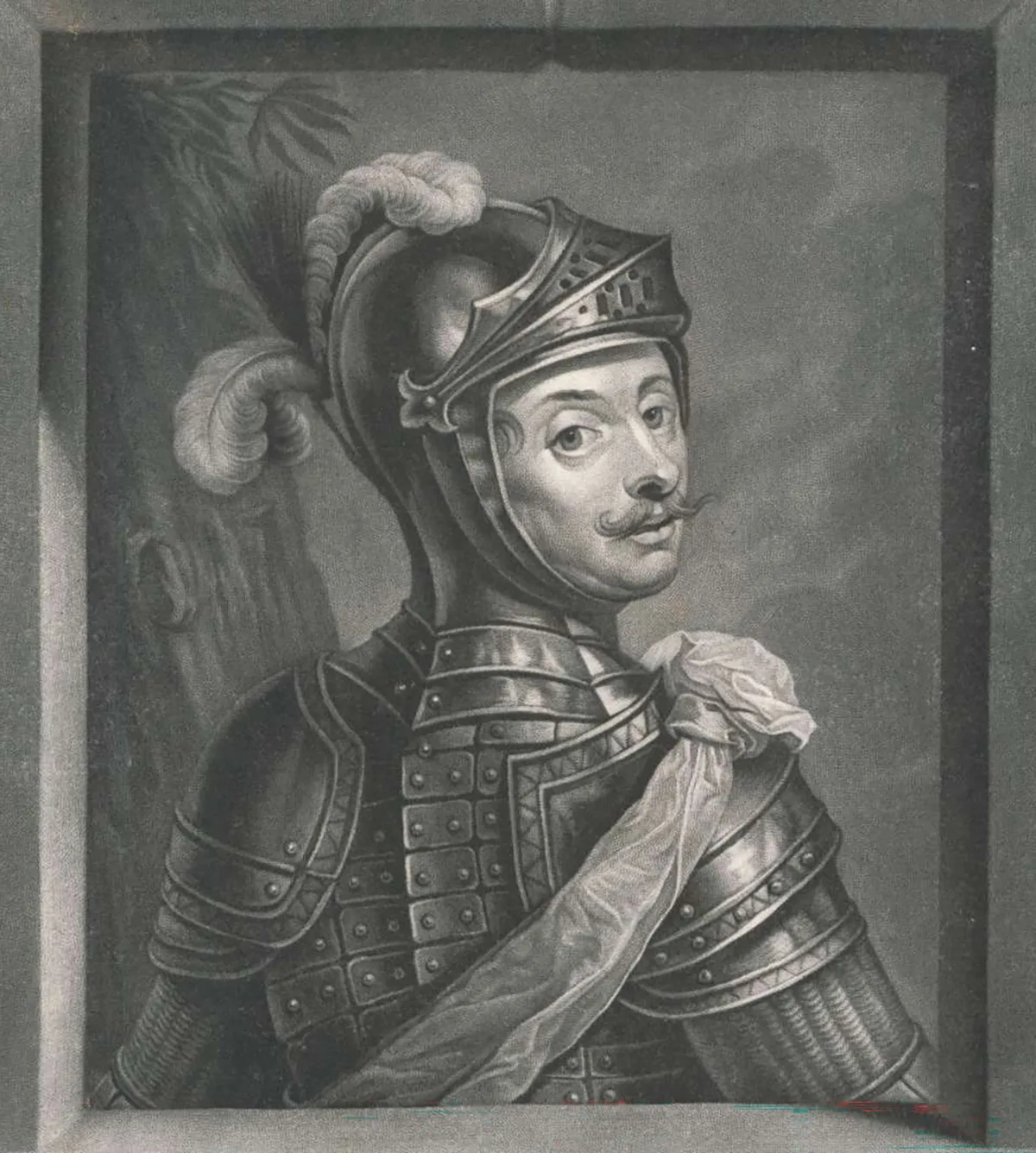
Portrait of Marx Röist from 1756.
Portrait of Marx Röist from 1756. Wikimedia

The oath of allegiance: as important as Holy Communion

The oath-taking ceremonies remained public, well-attended events in the rural cantons. The wording was read out by a representative of the City of Zurich, as was standard procedure everywhere outside Zurich. However, the rural cantons also had their own way of doing things. For example, as Solothurn and Fribourg had only been admitted to the Confederacy in 1481 subject to foreign policy constraints, Uri, Schwyz and Unterwalden did not invite them to witness the pledge of allegiance until 1526 as they were not seen as fully-fledged members.
They made no attempt to sugarcoat their position either and bluntly let it be known that they had a different status as founding members of the Confederacy with full rights. However, depending on which way the political wind was blowing, Solothurn and Fribourg were invited to attend on occasion, although they were only allowed to swear allegiance to the different treaties after the official ceremony and in front of a small audience. This naturally provided plenty of scope for petty squabbling and attempts at mediation which met with varying degrees of success.
These examples demonstrate the great importance of publicly pledging allegiance to the pacts which constituted the Old Swiss Confederacy. These occasions displayed cohesion to the outside world and were firmly anchored in the political consciousness of the alliance’s members. In 1524, Huldrych Zwingli even placed the mutual oath of allegiance to the Confederacy on a par with the Sacrament of Holy Communion:

The oath of allegiance to the Confederacy must be renewed every five years to ensure that every canton commits to its shared responsibility and obligations as it confirms its solidarity. In this way it is akin to a sacrament, with people coming together to jointly declare their faith.

Huldrych Zwingli on the oath to the Confederacy
In 1525, the Federal Diet wanted to set a new date on a rotating basis. When Zurich announced that it was no longer prepared to swear on all the saints, the oath-taking ceremony was postponed for a year. In 1526, the Catholic cantons set the date of 28 July without making any allowance for the objections raised by Zurich. Zurich and Basel, which was seen as broadly sympathetic to the Reformation following the contribution of Johannes Oekolampad to the Baden Disputation in June of that same year, were sometimes excluded, or, as in Appenzell, unceremoniously chased away from the proceedings.
Bern was more conciliatory and attempted to restore order by initially having the seven Catholic cantons swear their allegiance on 28 July using the old wording (“by God and all the saints”), followed by Basel and Zurich in the afternoon with the new wording (“by God”). There were in fact seven cantons by then, as Uri, Schwyz, Unterwalden, Lucerne and Zurich had finally accepted Fribourg and Solothurn as equal members of the Confederacy with full rights. Politics is all about being flexible.

The unsuccessful search for a solution
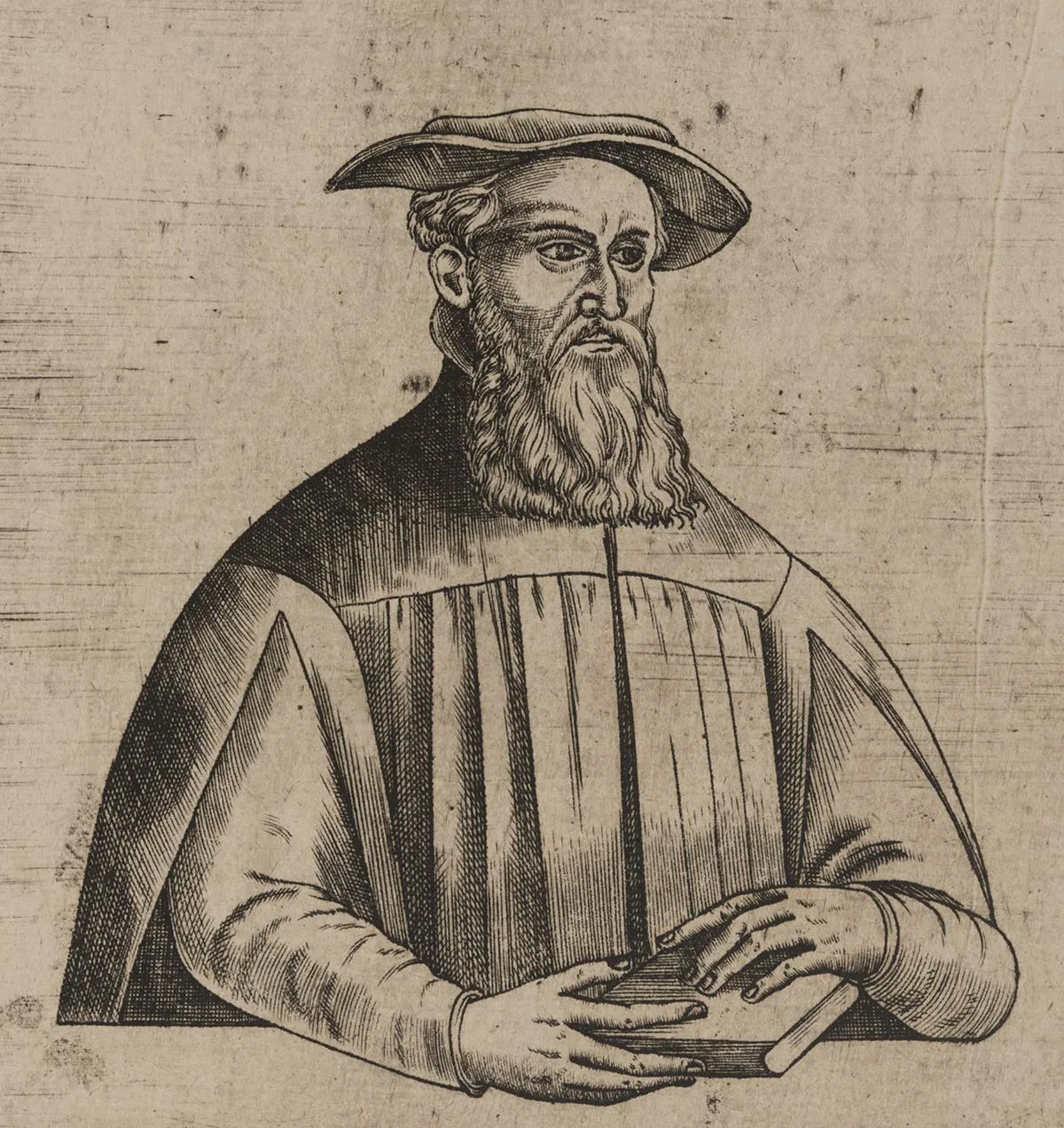
Oath renewal became something of a recurring theme for the Federal Diet over the ensuing decades. Ultimately, neither side was prepared to compromise. Zurich doubled down on excluding the saints from the wording of the oath and insisted on its prerogative of reading the oath out loud. The Catholic cantons, on the other hand, would not move from their position of including the saints in the wording. When, motivated by foreign policy considerations, Zurich was finally prepared to compromise, Heinrich Bullinger, who had succeeded Zwingli as head of the Zurich church, railed against the “idolatrous” formulation of the oath and refused to budge.
Was swearing on all the saints allowed? Heinrich Bullinger said “no” and overruled the representatives of Zurich who were prepared to compromise on the matter.
Was swearing on all the saints allowed? Heinrich Bullinger said “no” and overruled the representatives of Zurich who were prepared to compromise on the matter. Swiss National Museum
Among the many ideas and arguments eagerly put forward from that time, there is particularly interesting and especially relevant to the present day. In 1551, a minority in the Zurich Cantonal Parliament wanted to follow the counsel of the moderate Protestant cantons, who believed that it didn’t matter who read out the oath. In a business transaction with a Jew or a Turk, they argued, it would be acceptable to enter into an oath according to their faith. However, this notable example of religious tolerance fell on fallow ground as the cantons of the Old Swiss Confederacy failed to agree on it.

When politics fail, take to the stage
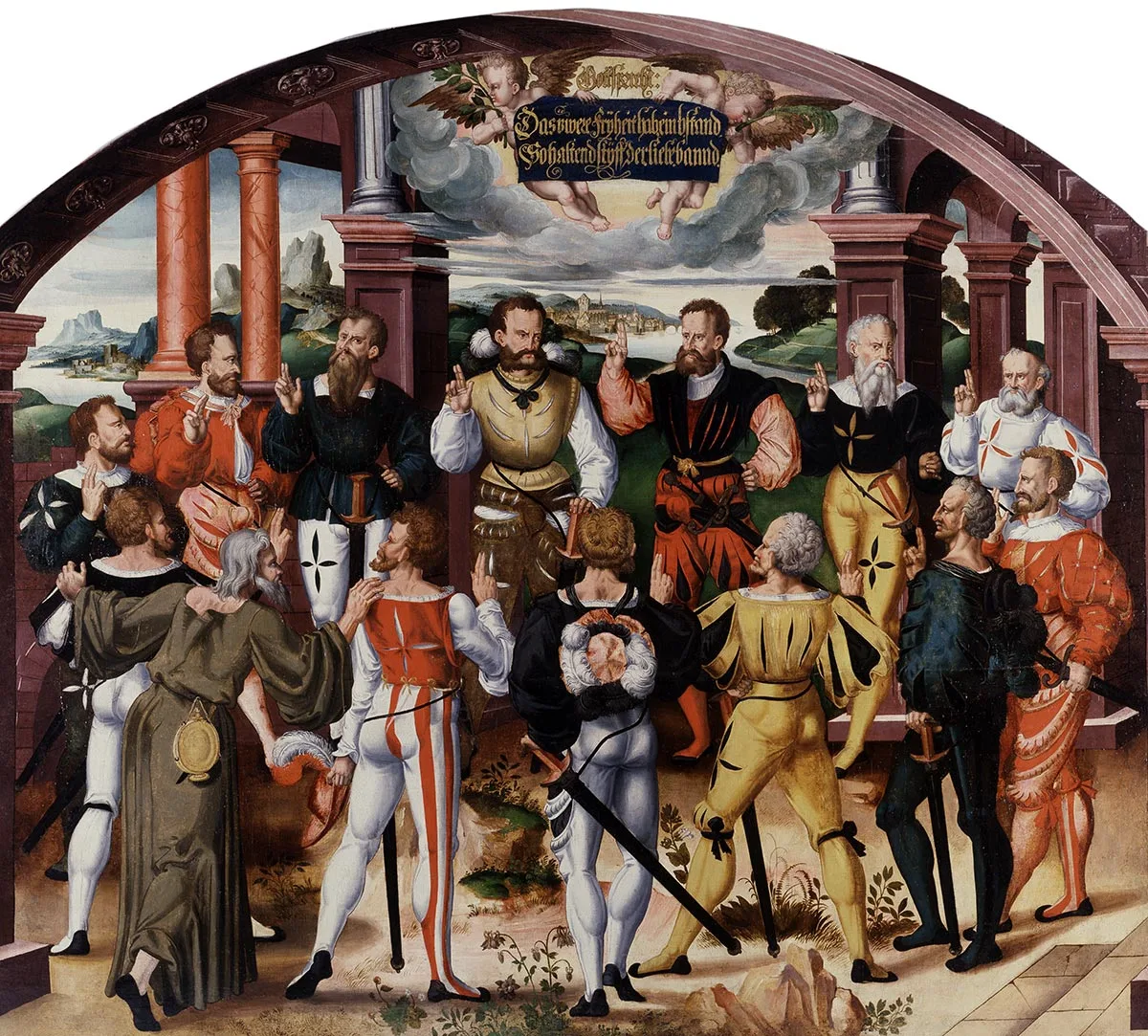
In 1547, the City of Basel, which had undertaken to stay out of any disputes among the other cantons on joining the Confederacy in 1501, made another attempt at mediation. It did not work. At least not in reality, even if artistic licence presented a more harmonious picture on the stage.
In 1550, hospital priest Valentin Boltz from Basel staged a play over two days as requested by the authorities to help “improve morale among the people and strengthen the Confederacy”. His play entitled ‘Der Weltspiegel’ (mirror to the world) mainly centred on familiar characters. However, the inclusion in the cast of Moses and Nicholas of Flüe was new. Under the guidance of this hermit from Obwalden who brokered peace under the Treaty of Stans in 1481, the (by then) thirteen cantons of the Swiss Confederacy swore allegiance to the old alliances, closing with the dramatic line “so help us the God of all saints”.
Guided by Nicholas of Flüe (front left) the 13 cantons swear allegiance to the Confederacy by the “God of all saints”. The Old Confederacy found a new lease of religious life through the universal esteem Nicholas of Flüe was held in as a peace broker and patron saint. Painting by Humbert Maraschet in Bern Town Hall (Council Hall) from 1586.
Guided by Nicholas of Flüe (front left) the 13 cantons swear allegiance to the Confederacy by the “God of all saints”. The Old Confederacy found a new lease of religious life through the universal esteem Nicholas of Flüe was held in as a peace broker and patron saint. Painting by Humbert Maraschet in Bern Town Hall (Council Hall) from 1586. Bern History Museum / Photo: S. Rebsamen
This scene commemorated in a wood engraving and of which ‒ like the play ‒ there are two editions, marked the beginning of a new religious chapter for the Confederacy. The Treaty of Stans, dramatically chronicled by Diebold Schilling in the ‘Luzerner Chronik’ of 1513, became the pathway to a peaceful and solemn outcome sealed with an oath by the quarreling members and with the country’s patron saint Nicholas of Flüe as guarantor of the sacred union, whose regular oath-renewal sessions had come to an abrupt end in 1526.
And it stayed that way until the Old Swiss Confederacy came together for another oath-taking ceremony on the eve of its invasion by French troops in 1798. However, that was an exception as opposed to the revival of the old custom. It is therefore fair to say that a 175-year-old tradition came to a rather inauspicious end on 28 July 1526 when the last, albeit only partially successful, oath-taking ceremony for the Old Swiss Confederacy took place (for the most part) in Bern.

Further posts