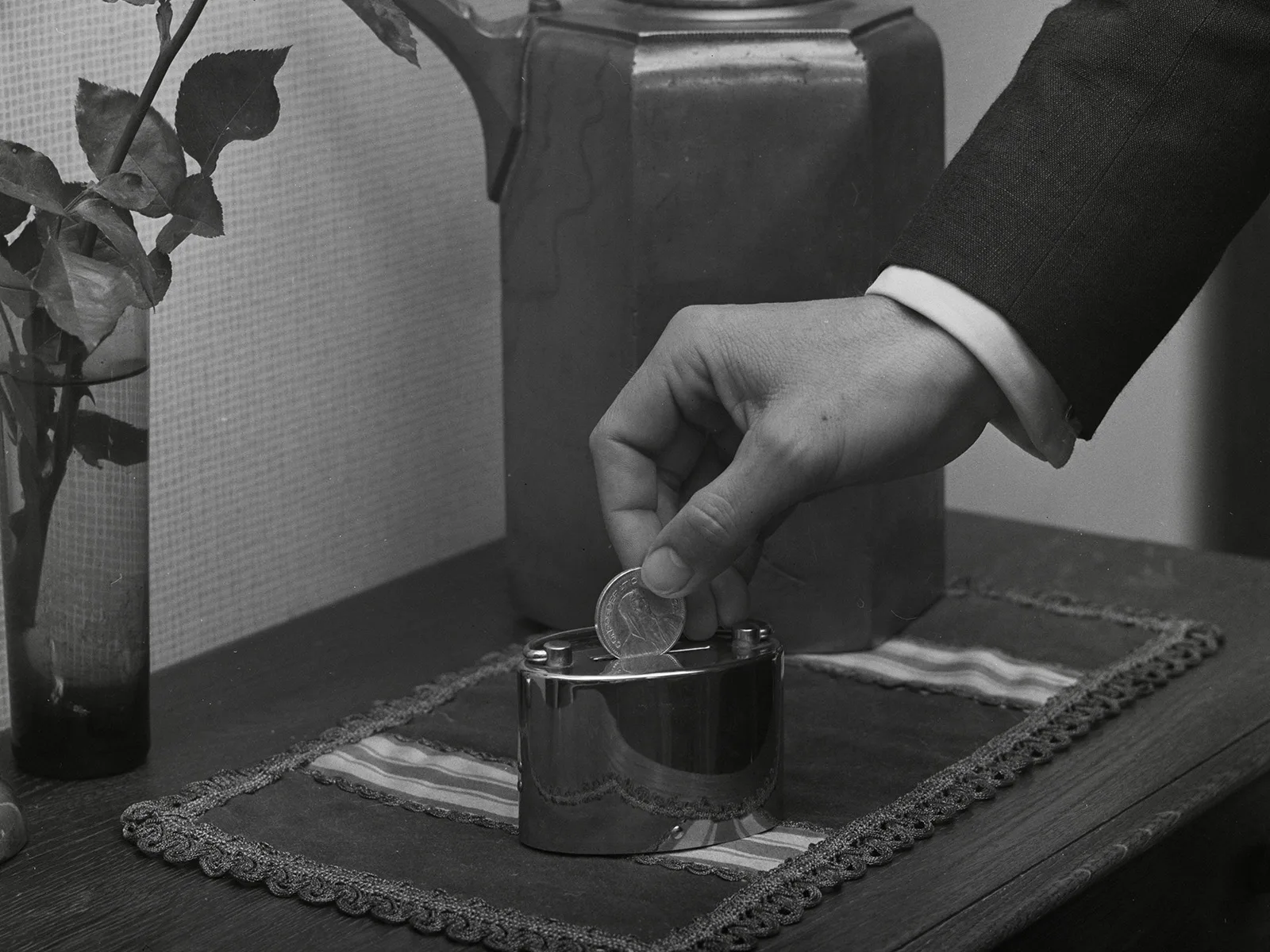
A daily reminder to save at home: a man places a five-franc coin into a money box, 1963. Comet Photo AG.
A daily reminder to save at home: a man places a five-franc coin into a money box, 1963. Comet Photo AG. e-pics / Comet Photo

How the Swiss were encouraged to save

“Feed your savings now or starve in old age” and similarly blunt aphorisms were printed on cards issued to Swiss schoolchildren in 1946 in an attempt to motivate them to start saving. Adults were also encouraged, by various means, to set money aside for the future.

Matthias Wiesmann

Matthias Wiesmann

Matthias Wiesmann is an economic historian and company archivist at Zürcher Kantonalbank.
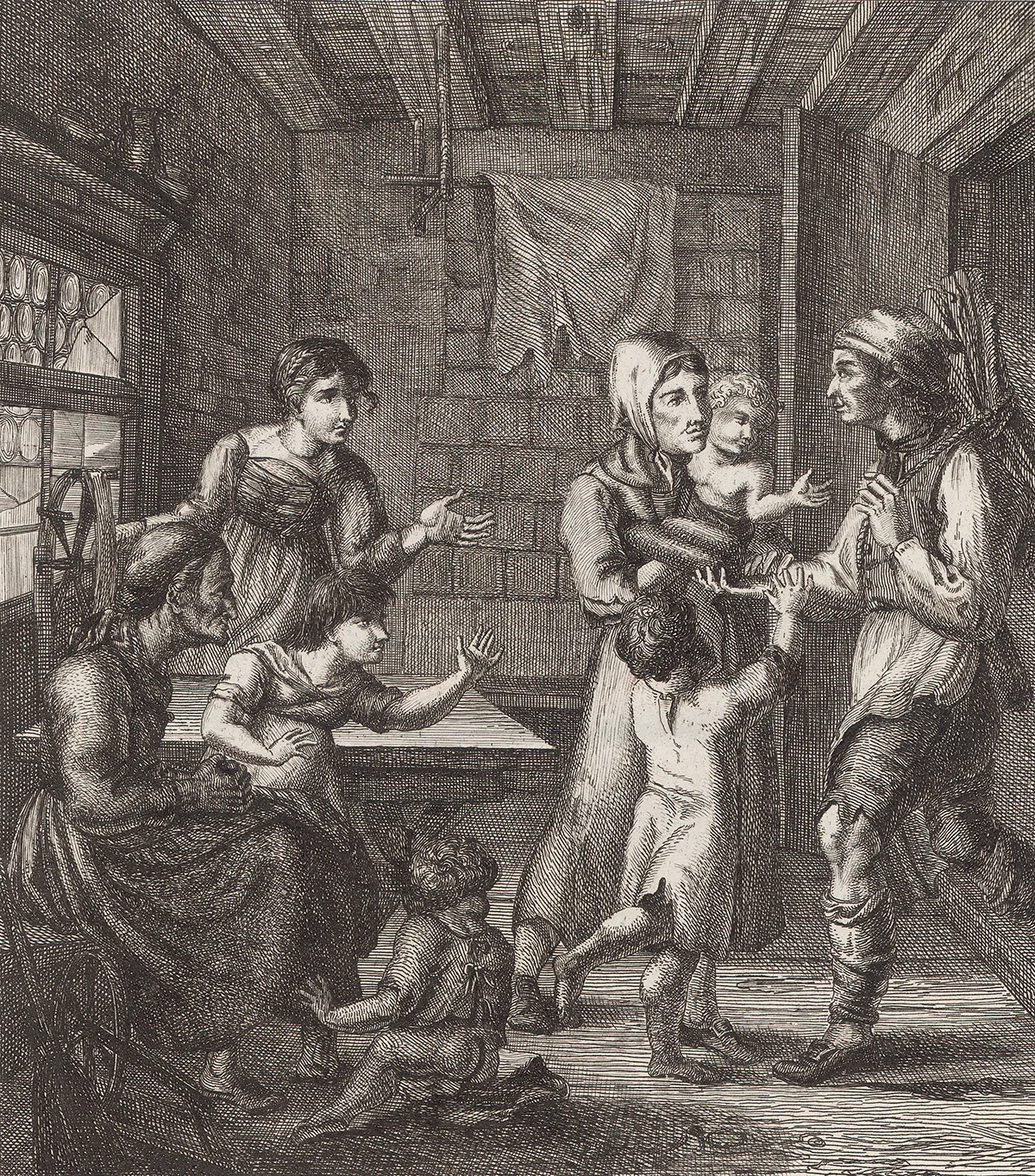
Until well into the 20th century, people largely had to fend for themselves if they fell on hard times. Substantial outside help was rare. Consequently, it seemed advisable to encourage the less well-off sections of society to set money aside for just such an eventuality. From 1800, charitable institutions began setting up small regional savings banks with the aim of fostering a culture of industriousness and thrift among the lower classes and of “providing them with the means to safely store their hard-earned, meagre savings while also earning interest”, as stated in the articles of association of one such organisation, the Ersparniskasse des Kantons Zug, in 1840. Cantonal banks and Raiffeisen credit unions later also picked up on the idea, increasingly offering attractive terms for savings. There were even small collection offices known as ‘Einnehmereien’ in smaller communes. Their sole purpose was to receive savings deposits on behalf of the banks, and they were generally run on a voluntary basis by teachers, clergymen or the local mayors.
At times, the attractive interest rates made savings accounts so popular that limits had to be placed on the amount which each individual could deposit. Bourgeois society’s eagerness to encourage a steady flow of savings deposits was not entirely selfless. It was hoped that if the poorer classes had more reserves to fall back on this would ease the strain on the rudimentary system of relief initiated by the churches, local authorities and rich private individuals whenever someone was in need. In other words, encouraging saving was seen as a means of helping people to help themselves. Ultimately, the abundant flow of savings deposits also allowed banks to issue credit on a wider scale, for example granting loans to farmers or businesses to enable them to procure capital goods such as seeds, livestock or machinery in the belief that this would, in turn, spur economic progress.
Charitable savings initiatives were designed to alleviate situations such as this: a destitute family during the winter of 1816/1817. Copperplate by Johann Caspar Schinz.
Charitable savings initiatives were designed to alleviate situations such as this: a destitute family during the winter of 1816/1817. Copperplate by Johann Caspar Schinz. Swiss National Museum

Small incentives

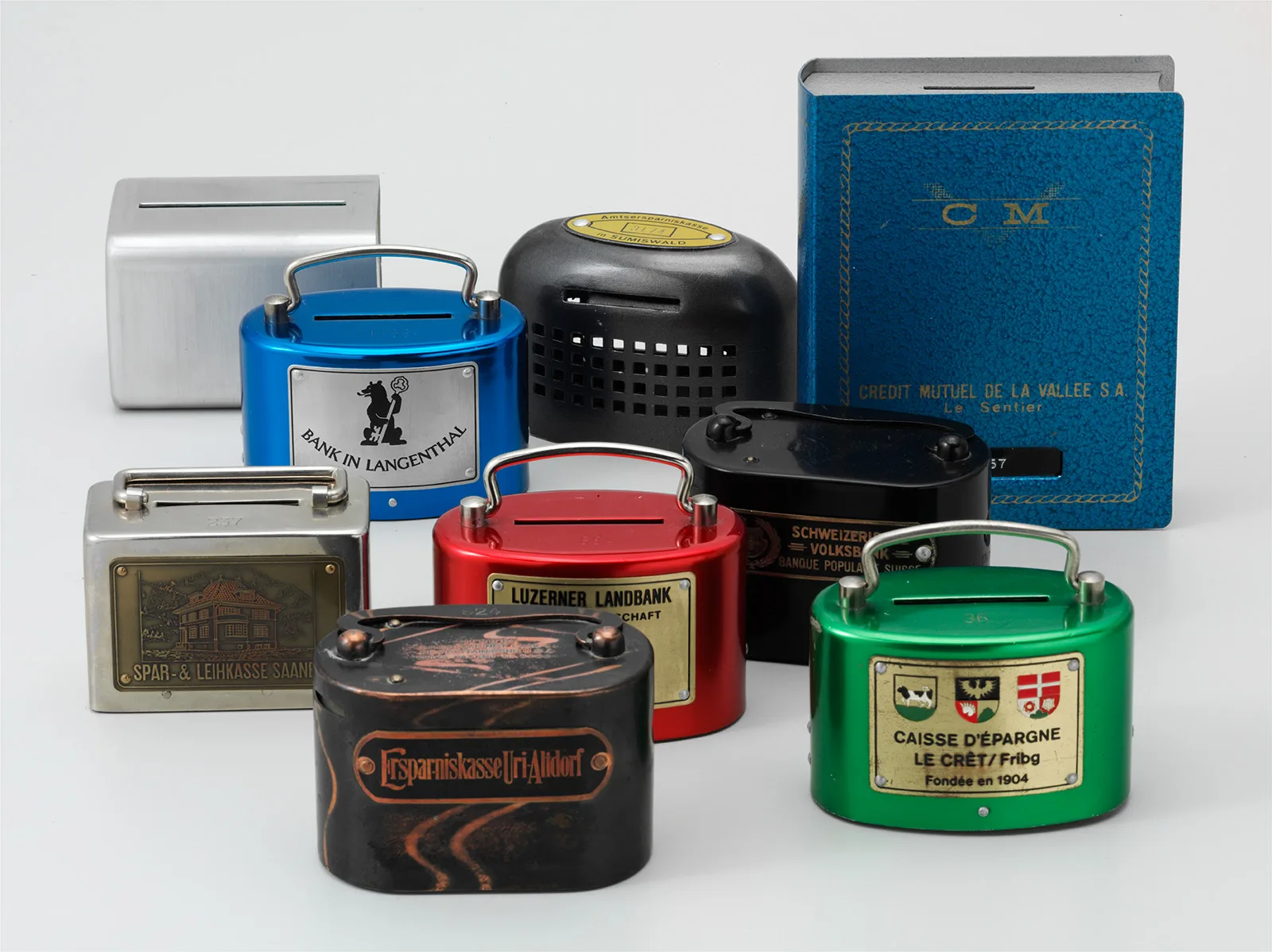
Money boxes were the most obvious symbol of setting money aside for a rainy day, and they became commonplace in Switzerland from 1900 onwards. These mostly oval-shaped, metal containers were handed out by banks to customers who expressed an interested in saving. However, the bank itself retained the key. To access their stash of coins and notes once the little box was full, people had to take it along to a branch to be opened at the counter. The cashier would then bag up the money and credit it to their savings account. If anyone asked to make a withdrawal, it was not unusual for the person behind the counter to enquire into their precise reasons for doing so – creating a kind of additional social hurdle that boosted the practice of saving. The money boxes were not originally aimed primarily at children. Instead, their conspicuous presence in the home was to serve as a reminder to adults of the importance of saving. In an era where addictions to alcohol and gambling were rife, the little money box was a good way of enabling part of a person’s wages to be stored away safely out of reach at an early stage.
A selection of 20th-century money boxes. The one at back right is meant to be displayed in a bookcase.
A selection of 20th-century money boxes. The one at back right is meant to be displayed in a bookcase. Swiss National Museum
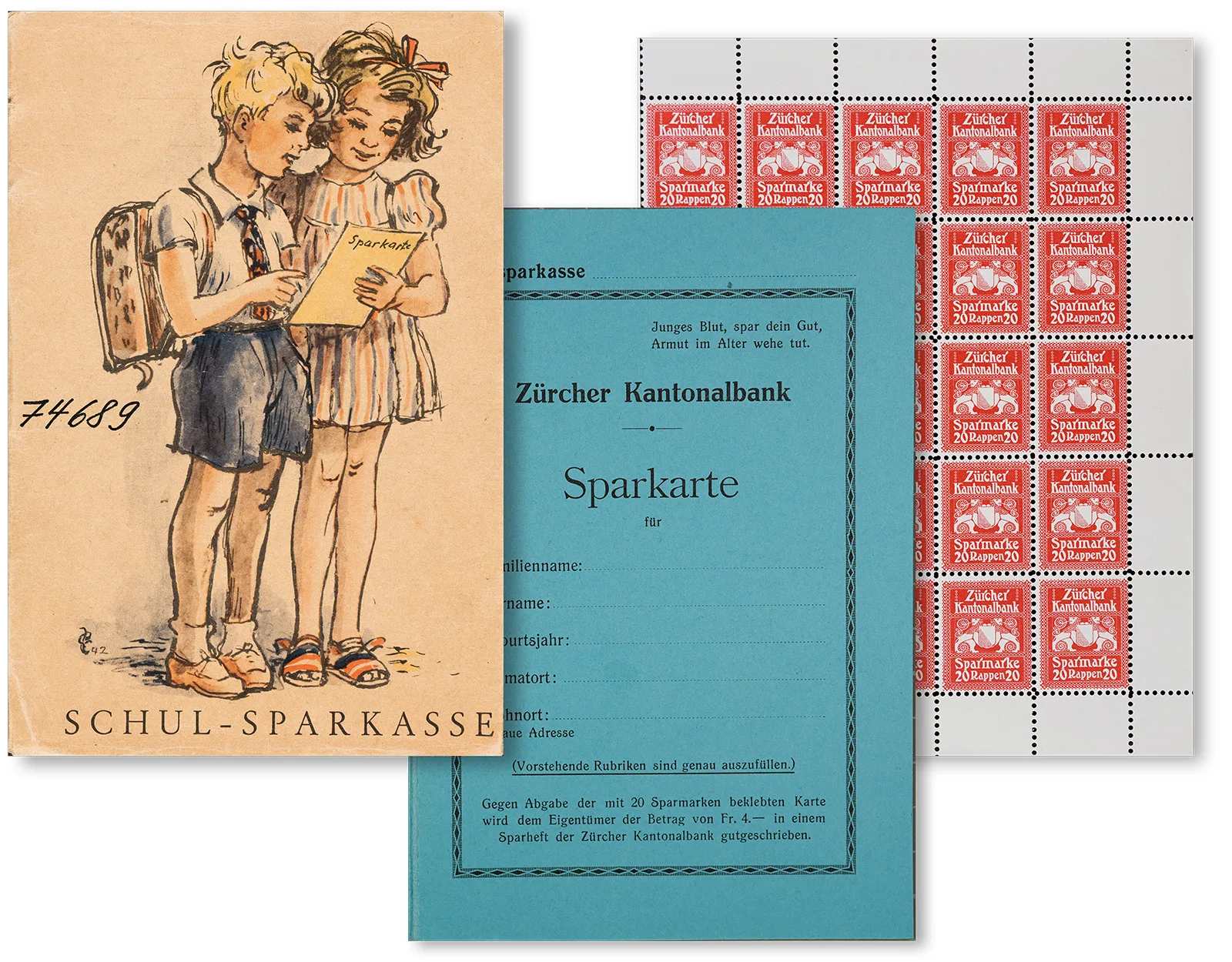
Children were to be given additional motivation to get into the savings habit through a school savings bank scheme known as the Schulsparkasse. Pupils could buy colourful savings stamps from their teacher for 20 centimes each. These were then stuck onto a personal savings card, visible to all the other children, thereby generating a not unwelcome competitive pressure. When all the spaces on the card had been filled, the teacher took it to the bank along with the money collected. The amount on the card was then recorded in that child’s savings booklet. There were similar schemes for adults in the form of Sparvereine. These savings associations based on mutual motivation were popular throughout Switzerland, but especially so in the Basel area.
Cards and stamps from Zürcher Kantonalbank’s school savings scheme, 1946.
Cards and stamps from Zürcher Kantonalbank’s school savings scheme, 1946. Zürcher Kantonalbank

Nest eggs take a back seat

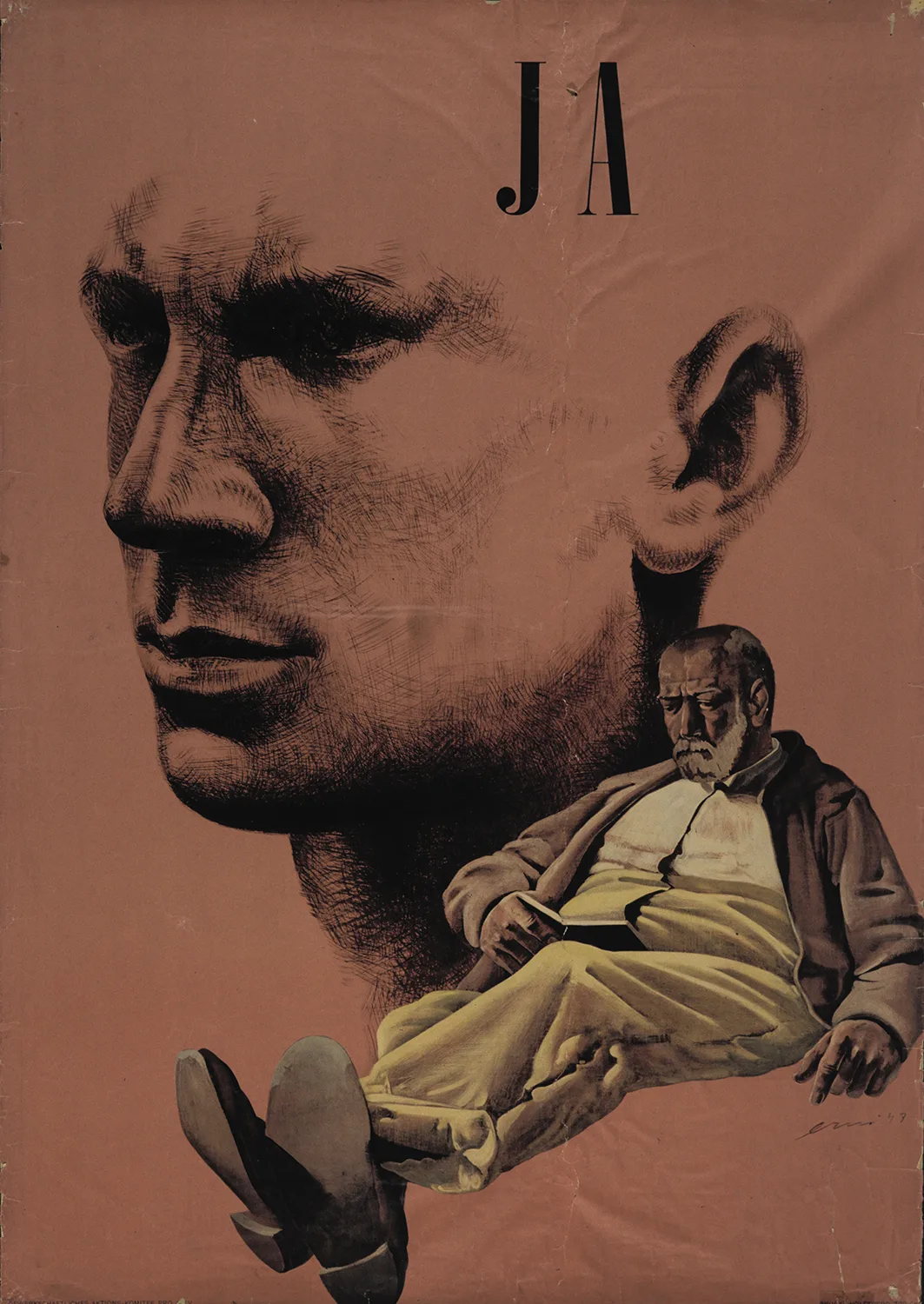
A pivotal change that emerged in the mid-20th century was to fundamentally transform the nature of saving. At the socio-political level, the very notion of building up a nest egg, which had previously been strongly propagated, suffered a setback with the introduction of Old Age and Survivors’ Insurance (OASI) in 1948 and the subsequent gradual move towards making health insurance and other forms of insurance compulsory. Voluntarily setting money aside for a rainy day was replaced by government-mandated saving in the form of binding premium payments. Since then, these compulsory insurance schemes and other social security benefits have ensured that people generally no longer fall into dire material hardship, even in old age or when faced with reversals in life such as illness or unemployment. Nevertheless, the idea of personal savings has remained important, although the focus has shifted more towards using that money to acquire long-desired consumer goods, pay for education and training or realise the dream of becoming a homeowner.
Poster by Hans Erni for the OASI referendum, 1947.
Poster by Hans Erni for the OASI referendum, 1947. Swiss Social Archives
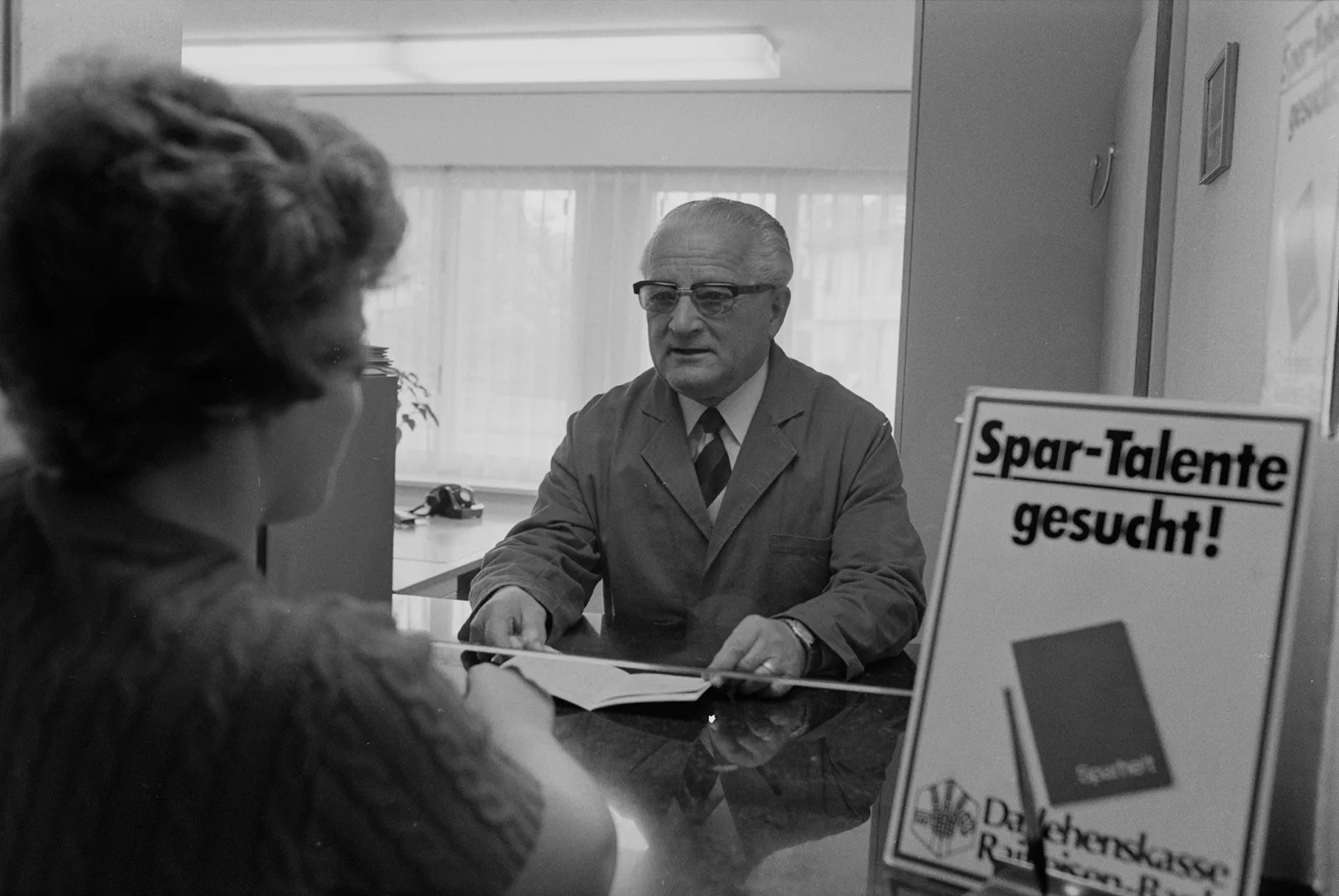
Sign at the Raiffeisen counter in Ganterschwil, St. Gallen, proclaiming ‘Talented savers wanted!’, 1975.
Sign at the Raiffeisen counter in Ganterschwil, St. Gallen, proclaiming ‘Talented savers wanted!’, 1975. e-pics
As a result, the idea of teachers attempting to instil a savings habit by means of the school savings banks began to lose ground in the second half of the 20th century. Those in charge increasingly struggled to see the real-world benefits of this laborious process of saving in small amounts. Instead of relying on schools or parents to impart financial knowledge, banks henceforth turned directly to young people themselves. In its 1948 annual report, Zürcher Kantonalbank confirmed that young adults were “particularly susceptible to the temptation to spend impulsively”, arguing that this was why they needed a special savings book for this age category. Interest tables purporting to show the large sums that could be accumulated even by saving small amounts, attractive terms and conditions, and trite slogans like “Save today, secure tomorrow” were used to encourage young people to take a sensible approach to money. While the plastic money boxes handed out from the 1970s still served the original purpose, the fact that they could now easily be smashed open with targeted hammer blows or even came with the key to open them diminished their standing as symbols of a steely determination to save.
Balancing our income and expenses remains highly challenging for most of us, no matter what age we are. That’s why the money we manage to save usually isn’t sufficient for us to realise all our dreams. Just think of Mani Matter’s Sidi Abdel Assar vo El Hama: “If only I’d started saving sooner!”

Switzerland, the land of banks

12.06.2026 08.11.2026 / National Museum Zurich
Switzerland is one of the world’s leading financial centres – but how did its close association with banking evolve? The exhibition shows how deeply banking is entrenched in Switzerland’s DNA and traces the development of the banking system by displaying an impressive range of items. Jewish moneylenders, Lombardy merchants and, later, urban exchange offices laid the foundation for the modern financial centre. The exhibition goes beyond merely retracing historical developments; it also invites visitors to engage with the land of banks as it is today.

Further posts