When football clubs included a rowing section
In the past, many sports clubs encompassed more than one discipline. One example was FC Zurich, whose former rowing section had a particularly eventful and successful history.

Michael Jucker
Michael Jucker is a sports historian, head of Swiss Sports History and director of the FCZ Museum.
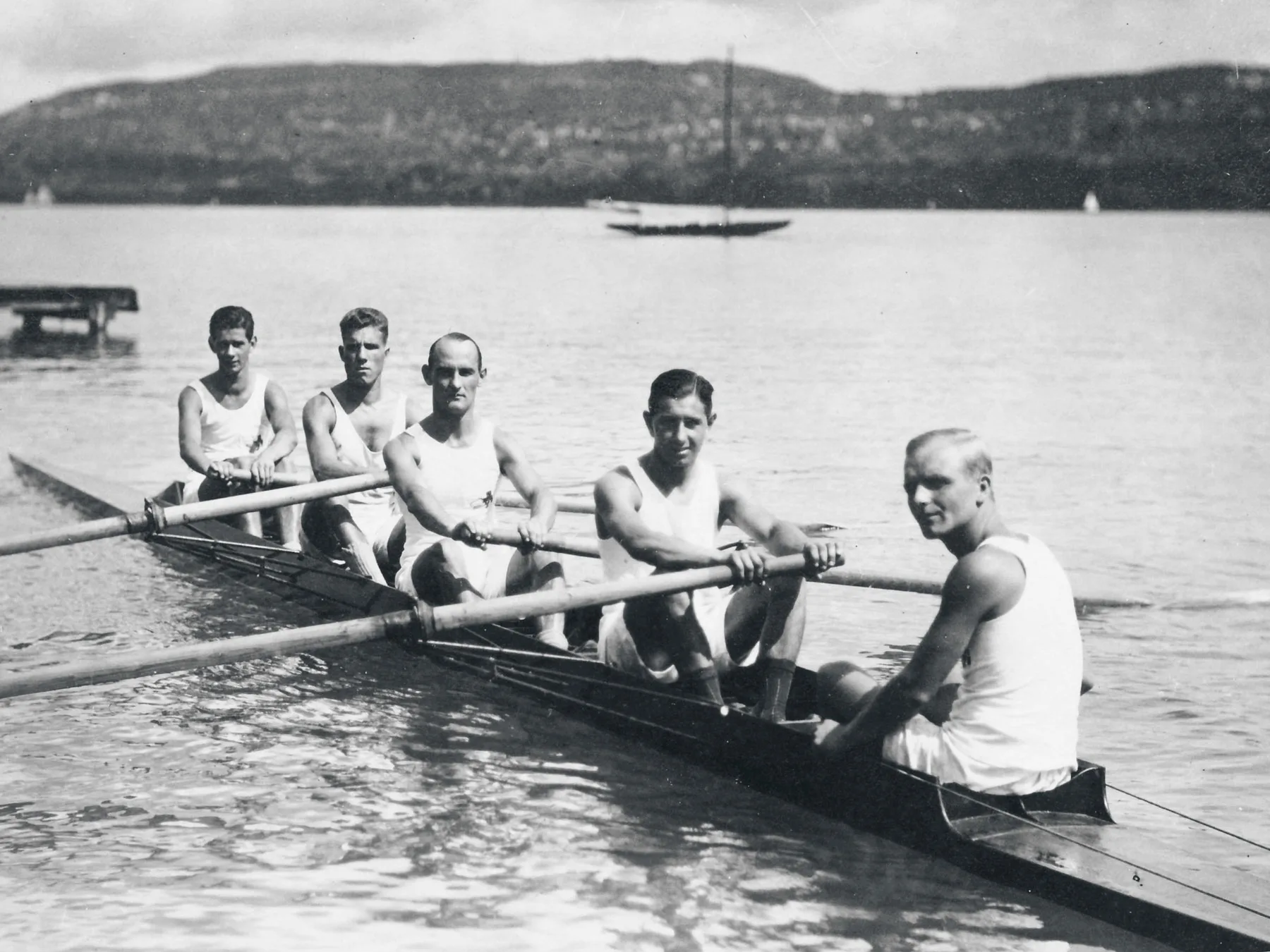
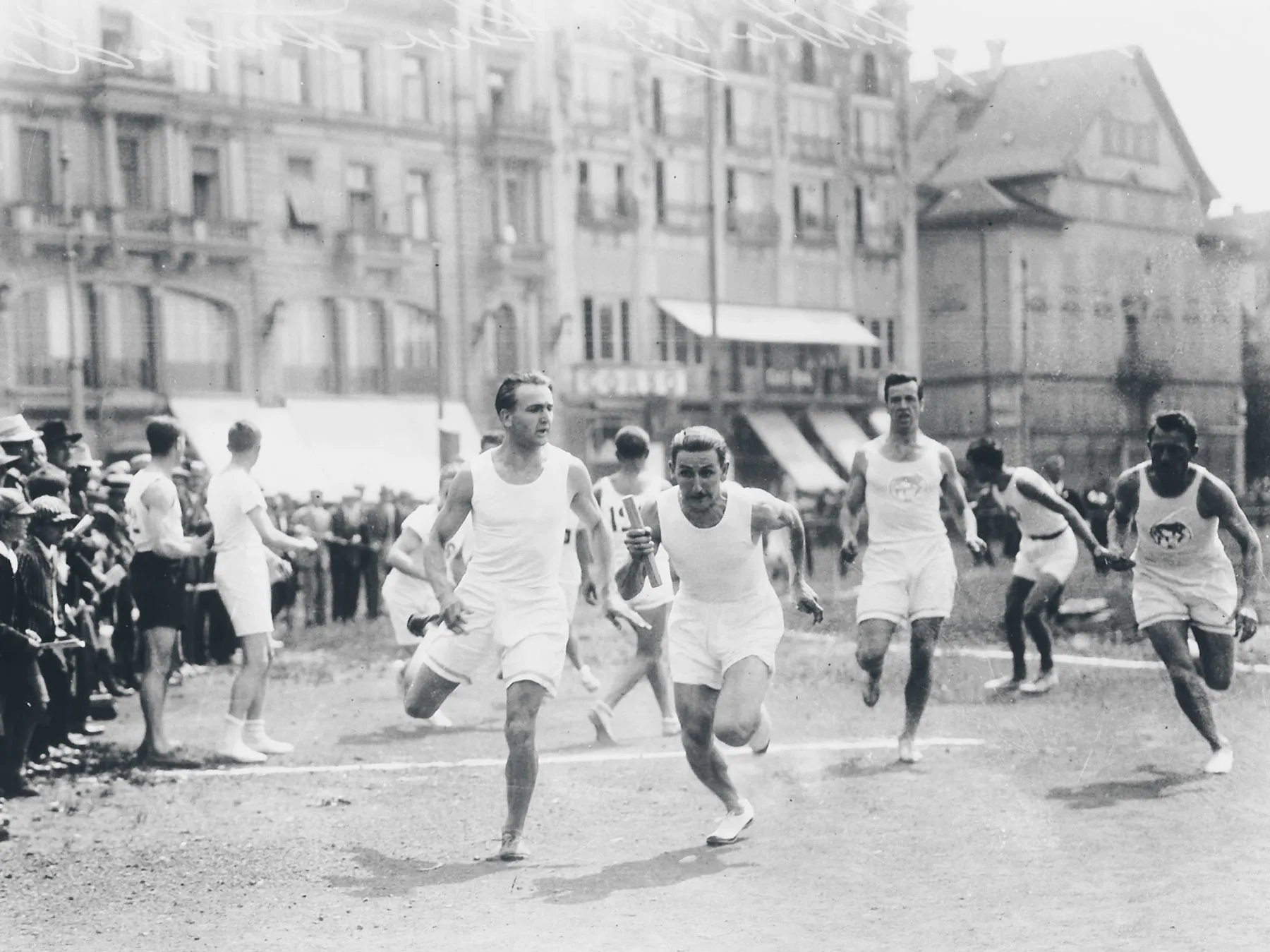
From the 1920s, members of FCZ could also pursue sports such as rowing or athletics. FCZ Archiv / FCZ Archiv
A first international success came in 1923 in the Belgian town of Liège, where the FCZ eight emerged victorious in the regatta on the Meuse. The team of around 25 people had travelled up to Liège ahead of the race in a second class carriage on a Swiss Federal Railways train with the eight-man rowing boat in the corridor between the seats.
There are different boat categories in rowing. They are distinguished by the number of rowers, the type of rowing: sculling (two oars per rower) or sweep rowing (one oar per rower), and whether the boat is coxed or coxless.
Between 1924 and 1972, men’s Olympic rowing comprised seven boat categories:
- Single sculls
- Double sculls
- Coxless pair
- Coxed pair
- Coxless four
- Coxed four
- Coxed eight
Women’s rowing competitions were only added to the Olympic rowing programme in 1976.
Between 1924 and 1972, men’s Olympic rowing comprised seven boat categories:
- Single sculls
- Double sculls
- Coxless pair
- Coxed pair
- Coxless four
- Coxed four
- Coxed eight
Women’s rowing competitions were only added to the Olympic rowing programme in 1976.
Top international performances
Particularly instrumental in these successes was Ernst Rufli, who had rowed to victory in the single sculls. In his youth he had been goalkeeper at the Blue Stars Zurich football club, but had already notched up many victories in rowing races. He beat international rowing heavyweights at the Henley Royal Regatta, winning the trophy with aplomb.
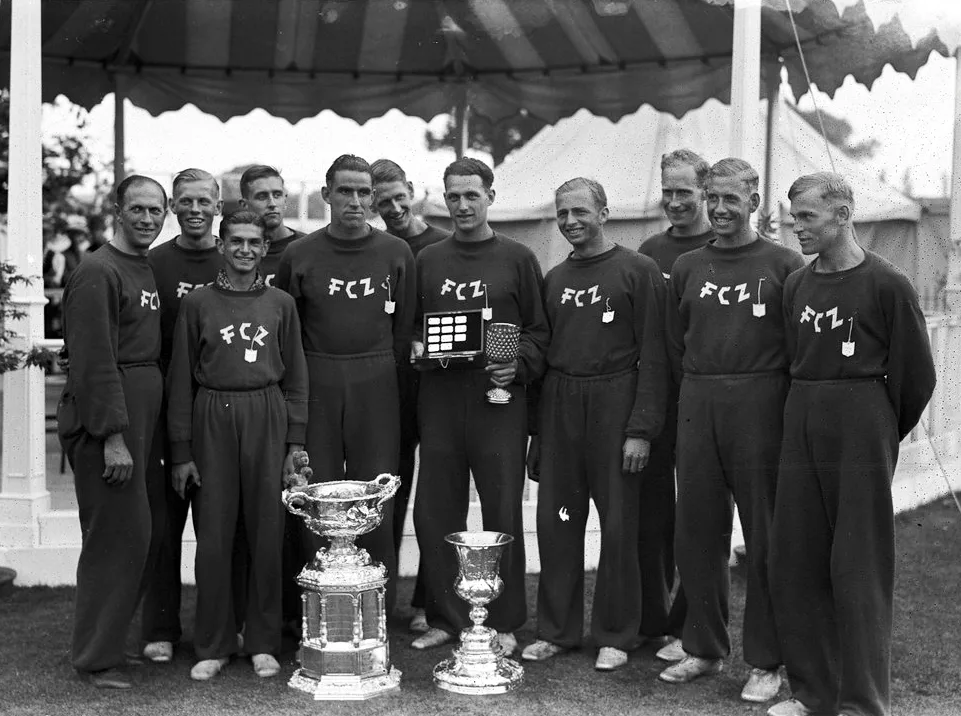
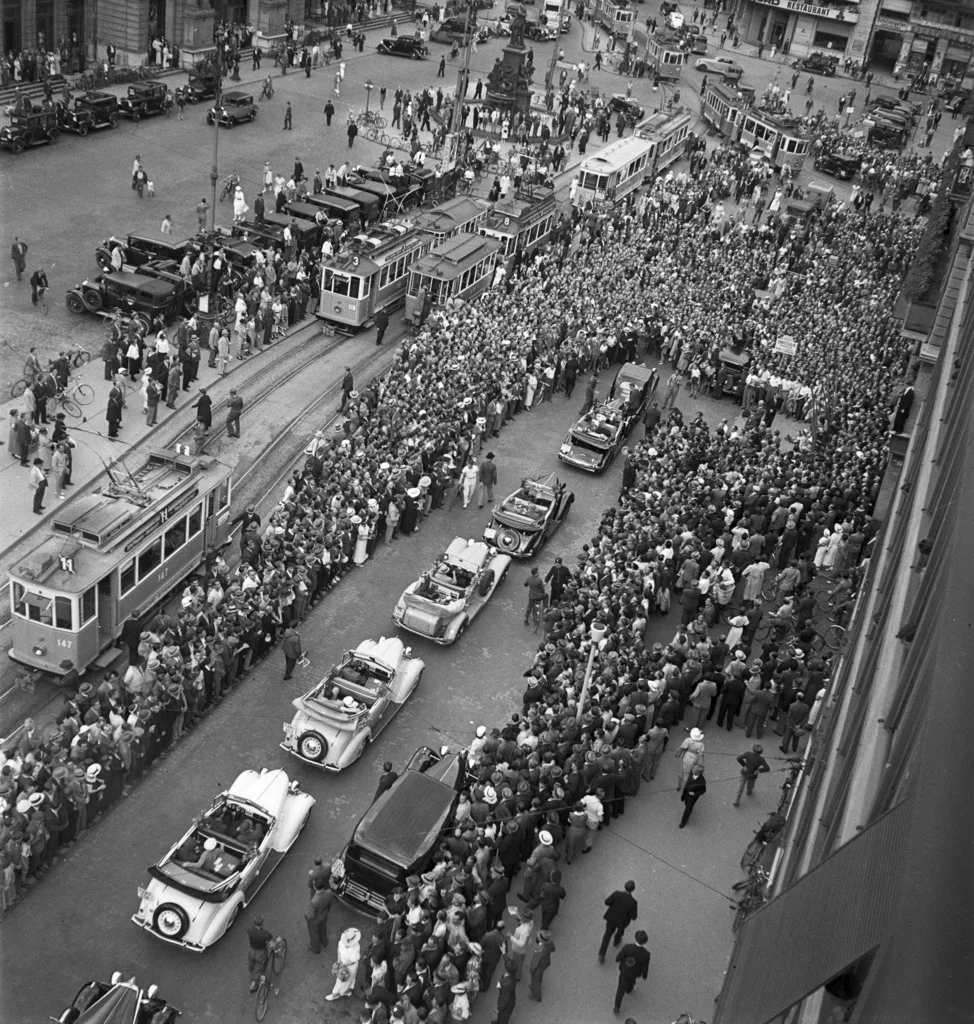
In the end, the decision was made to participate and Switzerland sent a team to the Games, mainly comprising the FCZ rowing section. There is no evidence as to whether the rowers struggled with this, or whether they consciously or subconsciously set the political aspects aside. The delegation that travelled to Berlin was strong, with the coxed and coxless fours, the eights, and Ernst Rufli in the single sculls.
After the Swiss positively dominated the heats, the real difficulties emerged in the final. The expectations of the National Socialist hosts were clear: Switzerland was not allowed to win and Germany must emerge victorious for propaganda purposes.
As a result, the lane allocation turned out to be unfavourable for the Swiss rowers. They had to start on the outside with strong crosswinds. Nonetheless, they managed to secure a silver and a bronze medal in the coxed and coxless fours, behind Germany. In the eights, however, they didn’t stand a chance as the pressure was simply too much for Hermann Betschart, Hans and Alex Homberger and Karl Schmid, with three races each. Ernst Rufli didn’t fare any better: his boat was also placed in the unfavourable outside lane and filled with water during the race.
Going their separate ways
In the winter of 1936/1937, the rowers, boxers and hockey players left FCZ. The track and field athletes had already done so in April 1934. They went on to become the Zurich rowing club, athletics club and boxing club, which still exist. The only one that didn’t survive was the Zurich hockey club.
Even independently of the football club, Zurich rowing club has remained successful, still notching up major victories to this day. And that’s how the short yet outstanding story of FCZ’s rowing section – but not its rowers – came to an end.
Swiss Sports History

This text was produced in collaboration with Swiss Sports History, the portal for the history of sports in Switzerland. The portal focuses on education in schools and information for the media, researchers and the general public. Find out more at sportshistory.ch