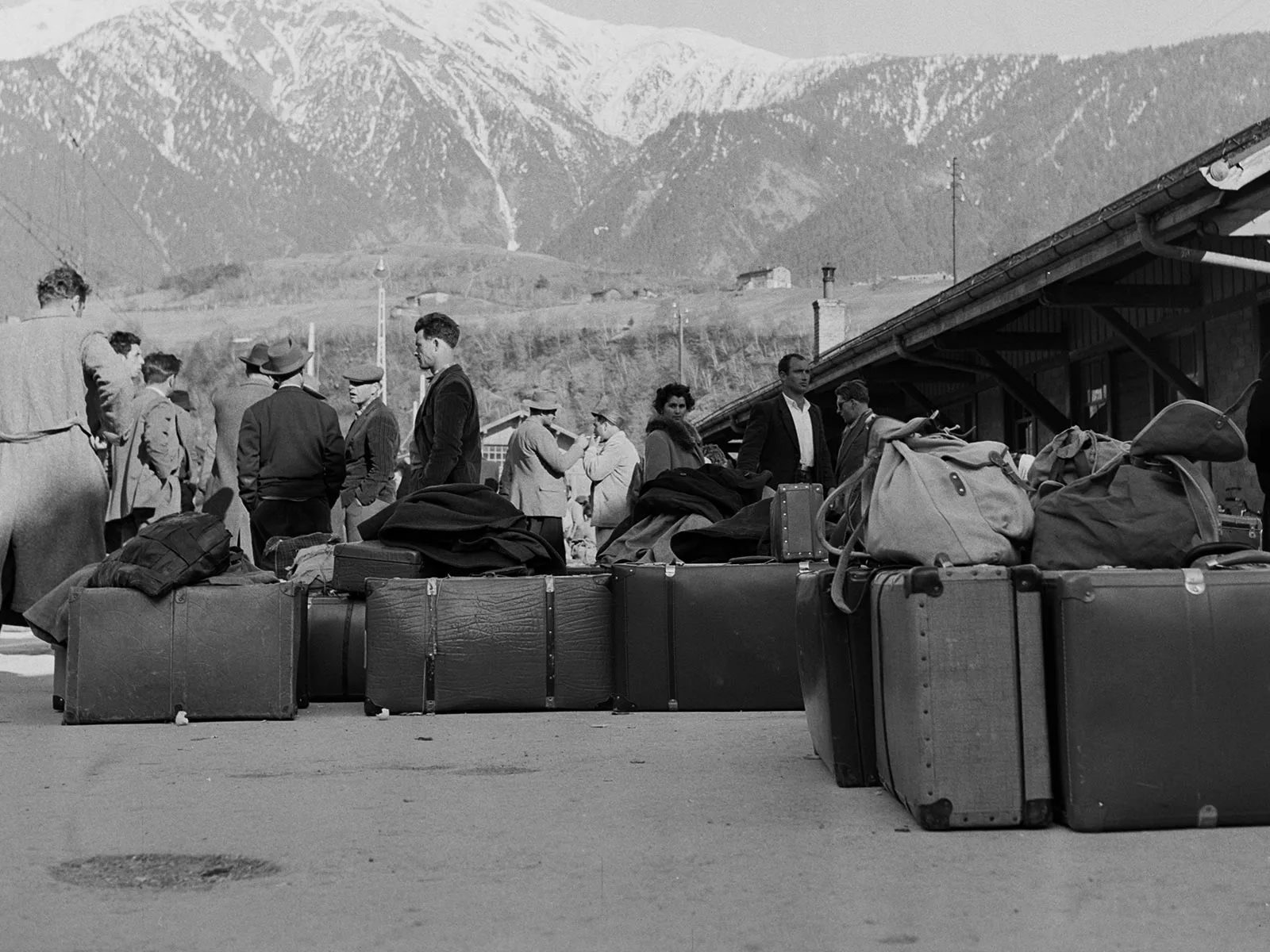
Jelica Popović06.10.2026The Swiss public seem to have forgotten the war that broke out in Yugoslavia in 1991. Nonetheless, it did (and still does) affect people living in Switzerland who came from the war zone. They were stigmatised during and after the war, while the influx of people from ex-Yugoslavia has left a mark on Swiss culture and everyday life.
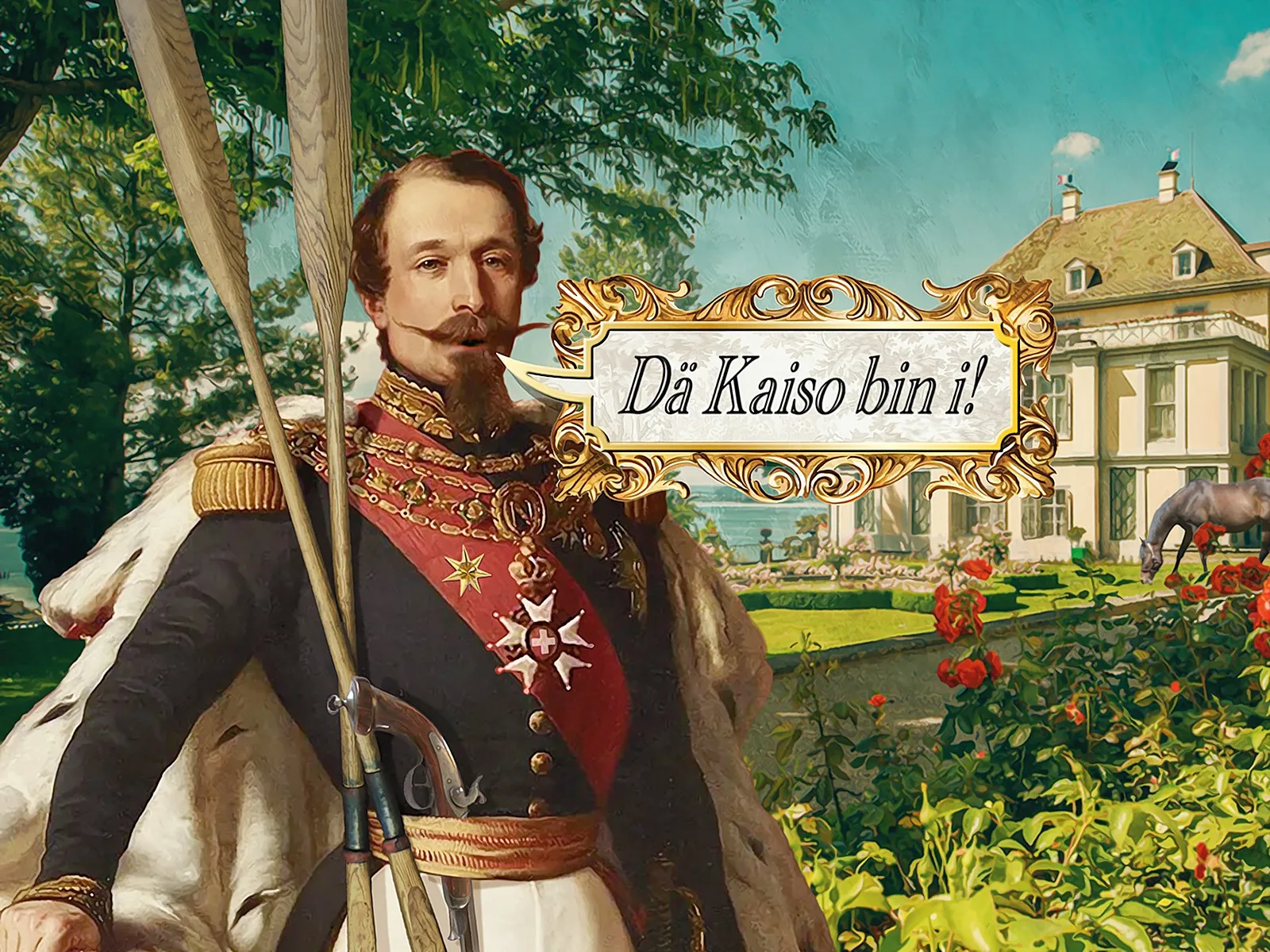
Michael van Orsouw13.06.2025Napoleon III, Emperor of the French (1808–1873) grew up in Salenstein in the canton of Thurgau, which is why he spoke the local Swiss German dialect. Although he was French, the people of Thurgau awarded him honorary citizenship. When Switzerland refused to expel him, it almost resulted in war with France.
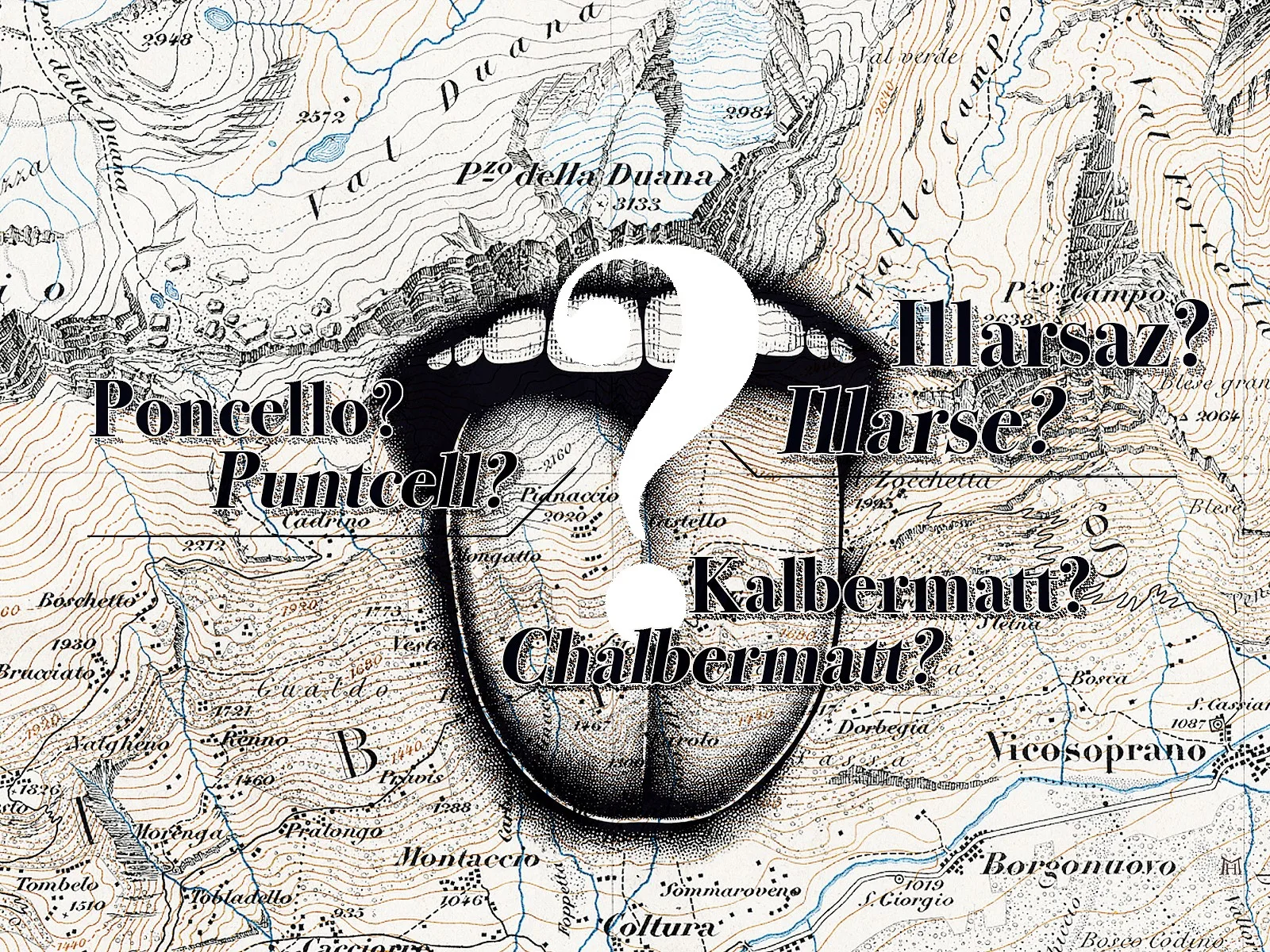
Felix Frey09.01.2025Poncello or Puntcell? Illarsaz or Illarse? Kalbermatt or Chalbermatt? The spelling of place names has frequently been a contentious issue in all parts of Switzerland, particularly when it comes to striking the right balance between standard language and dialect.
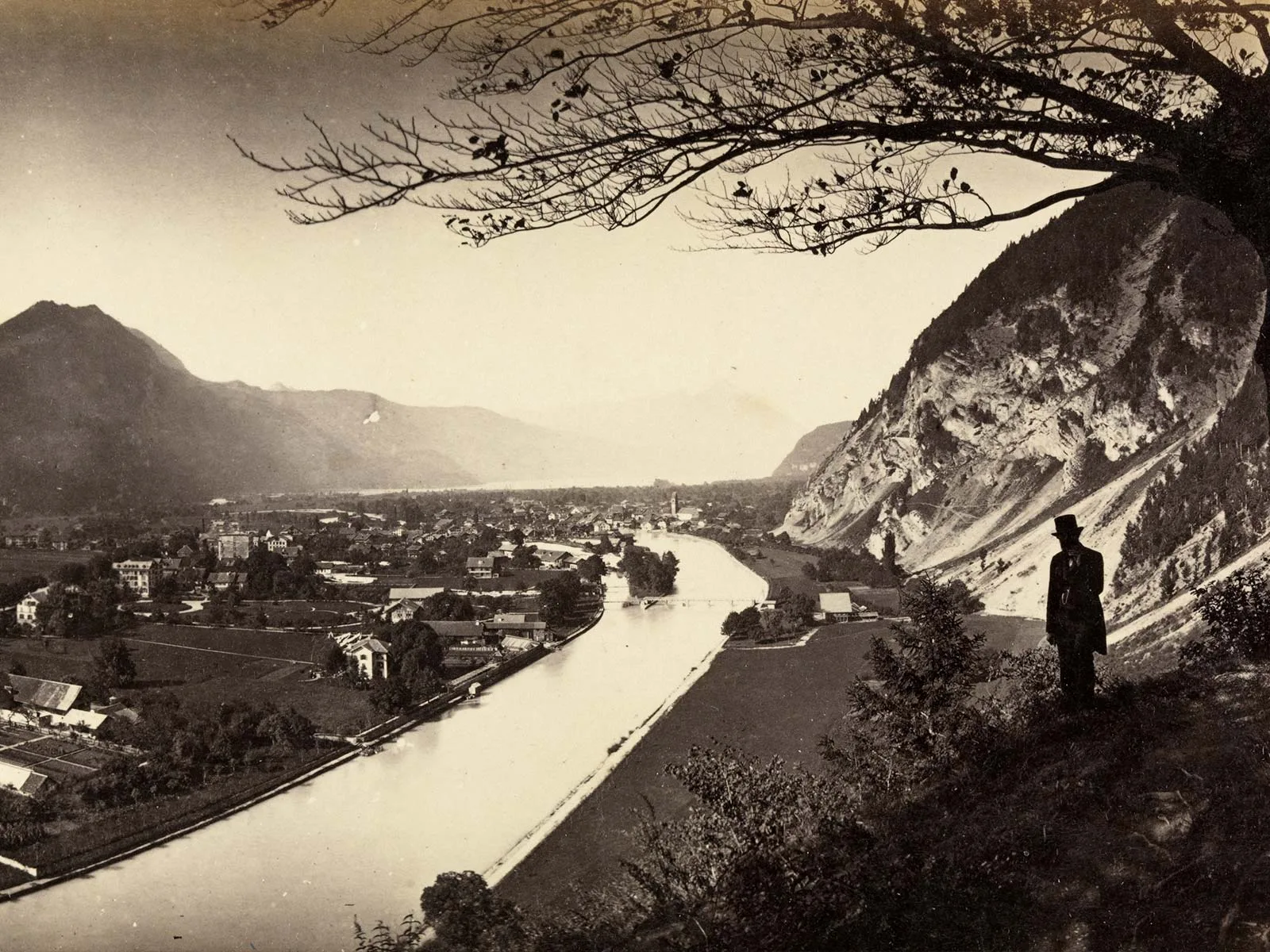
Michael van Orsouw08.05.2024Aarmühle was a place in the Bernese Oberland. As a name it was rather uninspiring and thus unlikely to appeal to potential visitors from all over the world. Hence the renaming of Aarmühle as Interlaken in 1891, which turned the town into a tourist destination of international renown.
Noëmi Crain Merz19.01.2024In the 1960s, Switzerland faced a dilemma regarding its Italian guest workers: their labour was desperately needed, their presence in society less so...
Karin Stüber14.12.2023Before the national languages established themselves across the territory of what is now Switzerland, its inhabitants spoke the Gaulish language, which later gave way to Latin. Inscriptions offer small insights into the language culture some 1800 years ago.
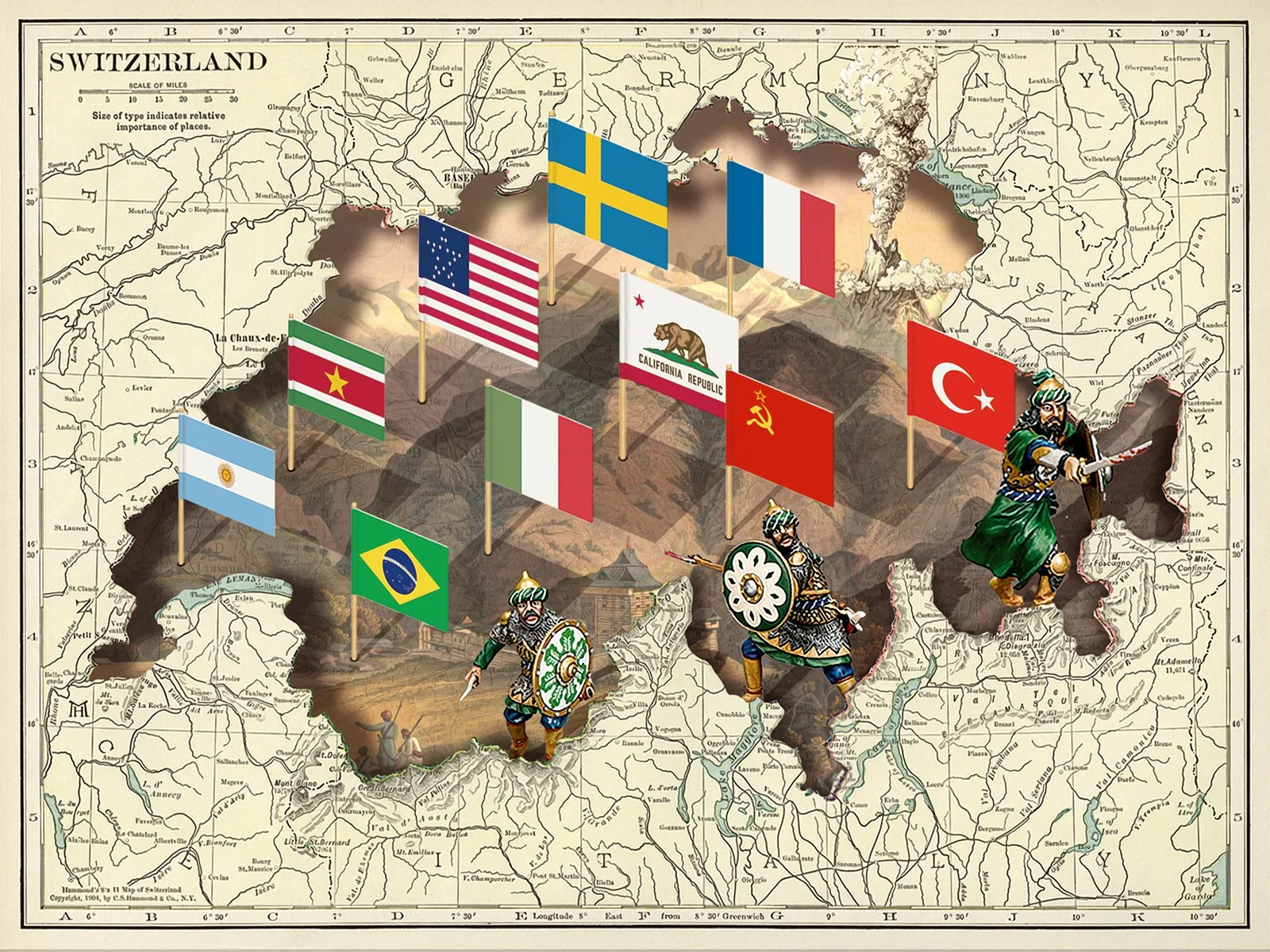
André Perler23.11.2023Sibirie, Afrika, Le Brésil, Himalaia – as toponyms go, none of these place names sounds particularly Swiss. And yet they are all to be found right here in Switzerland, where an estimated several hundred such ‘exotic’ names have been borrowed from elsewhere.
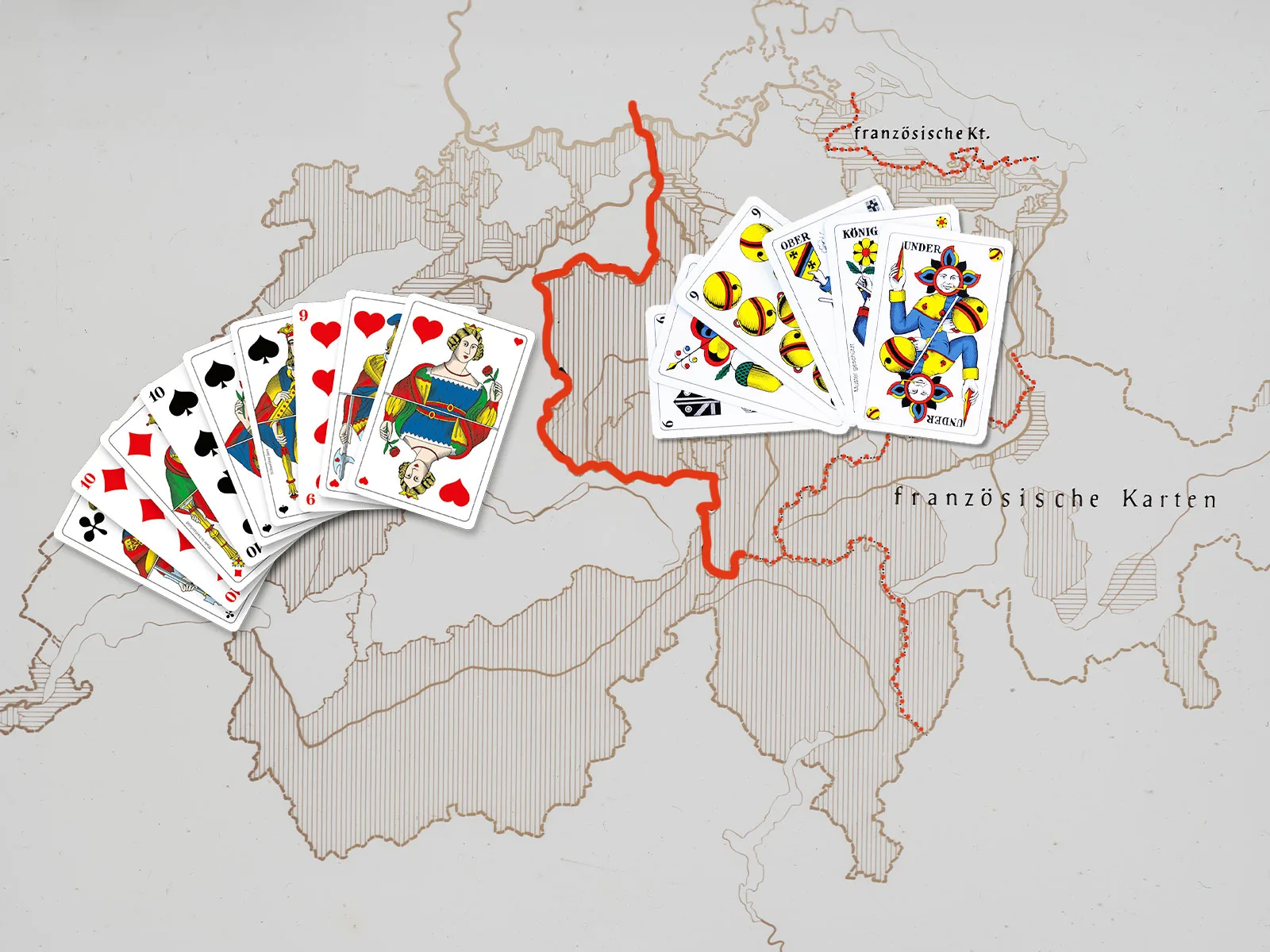
Birgit Huber18.10.2023The theory of a cultural divide running through Switzerland first emerged at the time of the “spiritual defence of the nation”, a time when academic research into folklore was being strongly promoted. This cultural boundary, which did not coincide with the language border, was supposed to provide evidence of national identity and cultural diversity.