The Klus affair
In the autumn of 1632, Solothurn and Bern came within a whisker of going to war. A last-minute trade-off averted an escalation. A bloody tale from the Thirty Years’ War.

Adrian Baschung
Adrian Baschung is historian and director of the Museum Altes Zeughaus in Solothurn.
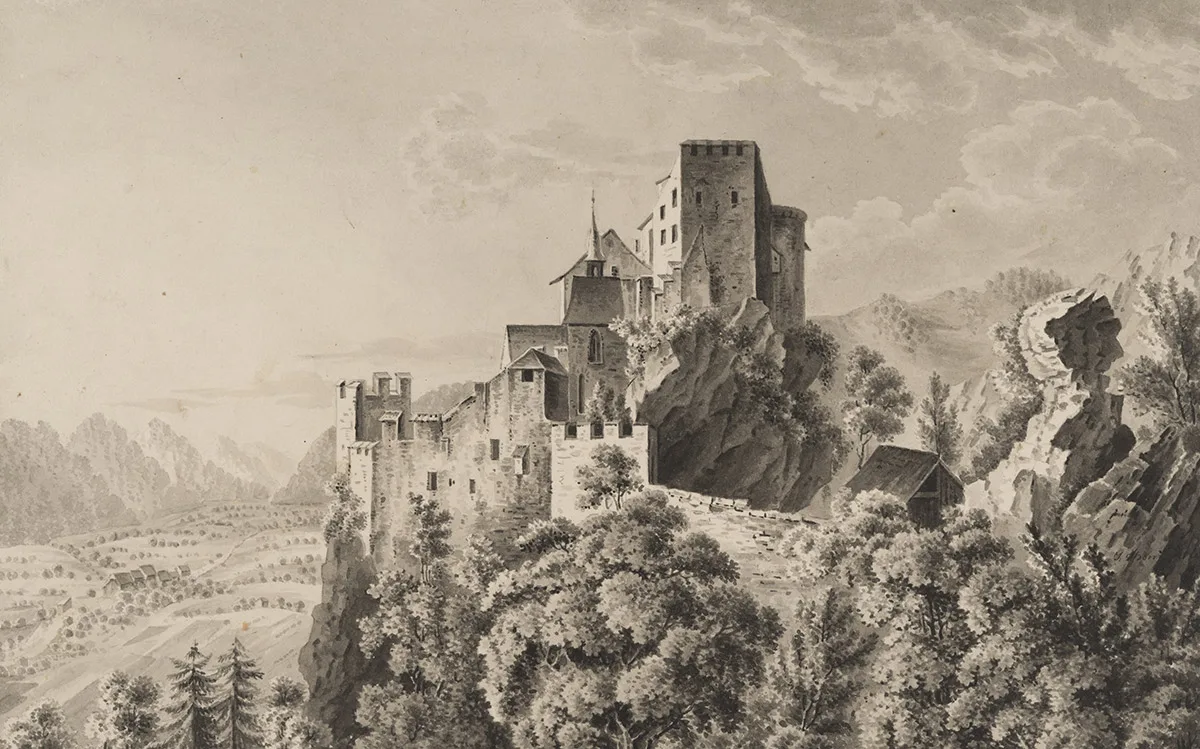
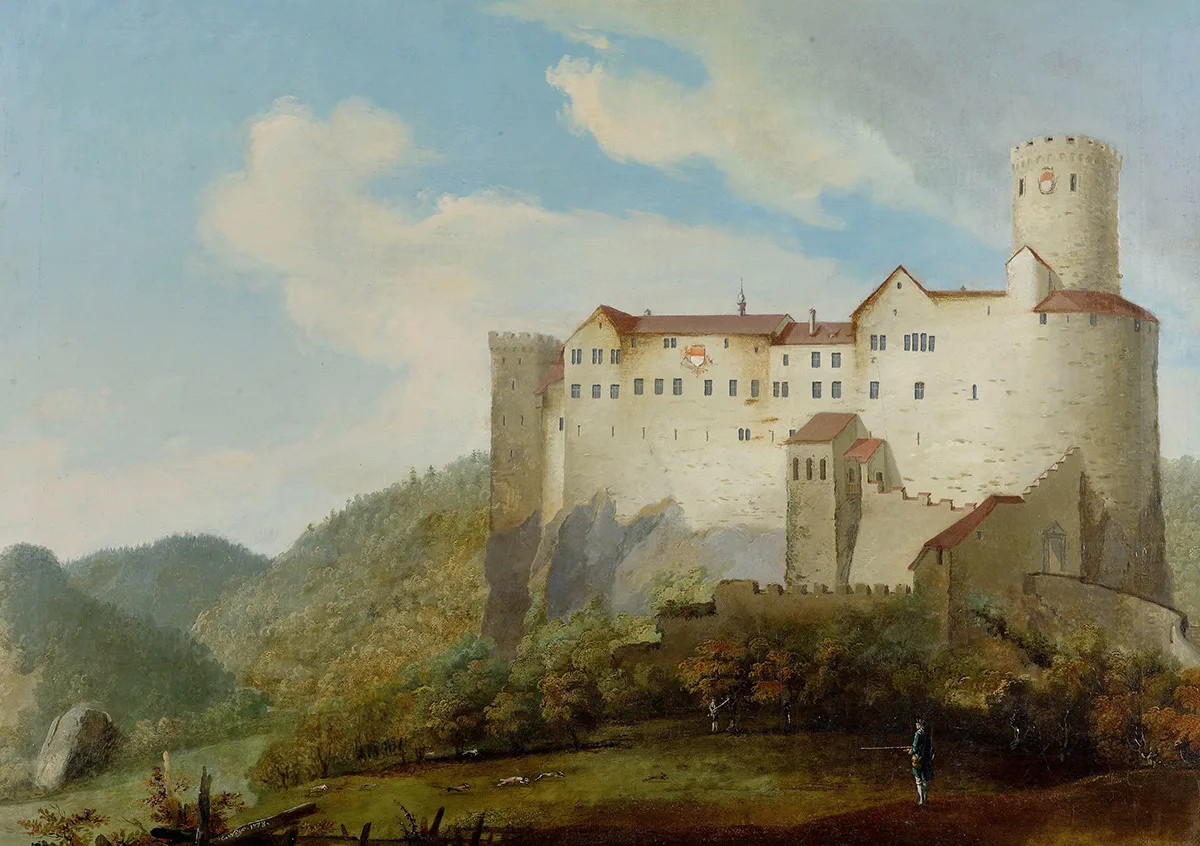
The Klus Gorge in the Jura is located between Oensingen and Balsthal with the Dünnern running through it towards the river Aare. It was an important pass for centuries as it provided access to Basel via Oberer Hauenstein. There are many ruined castles and old forts around the gorge dating from the High Middle Ages, which testify to the area’s significance at that time. Two castles still feature prominently in this part of the Solothurn Jura. ‘Neu Bechburg’ near Oensingen can be seen from far away and was used to guard the southern access point, while ‘Alt Falkenstein’ was for keeping watch over the narrow northern exit in what is now Balsthal.
In autumn 1632, Klus Gorge provided the setting for the event that brought Solothurn and Bern dangerously close to a military confrontation and threatened to destroy the fragile peace between the Protestant and Catholic sides.
Bern versus Solothurn: a drama in several acts
In the meantime, the authorities in Bern also reacted. They informed Solothurn about the reason for the troop movement, while also ordering Lieutenant Stein to continue his journey as the gorge was allegedly open. Both letters reached their addressees on 20 September. Having been kept waiting for several days, and with written authorisation from Bern in his hand, the now visibly angry Stein demanded access to the gorge from bailiff Brunner. Brunner had gathered 400 men from the area below Falkenstein castle and sealed off the path. He didn’t know that written authorisation had already been dispatched from Solothurn in all haste by messenger.
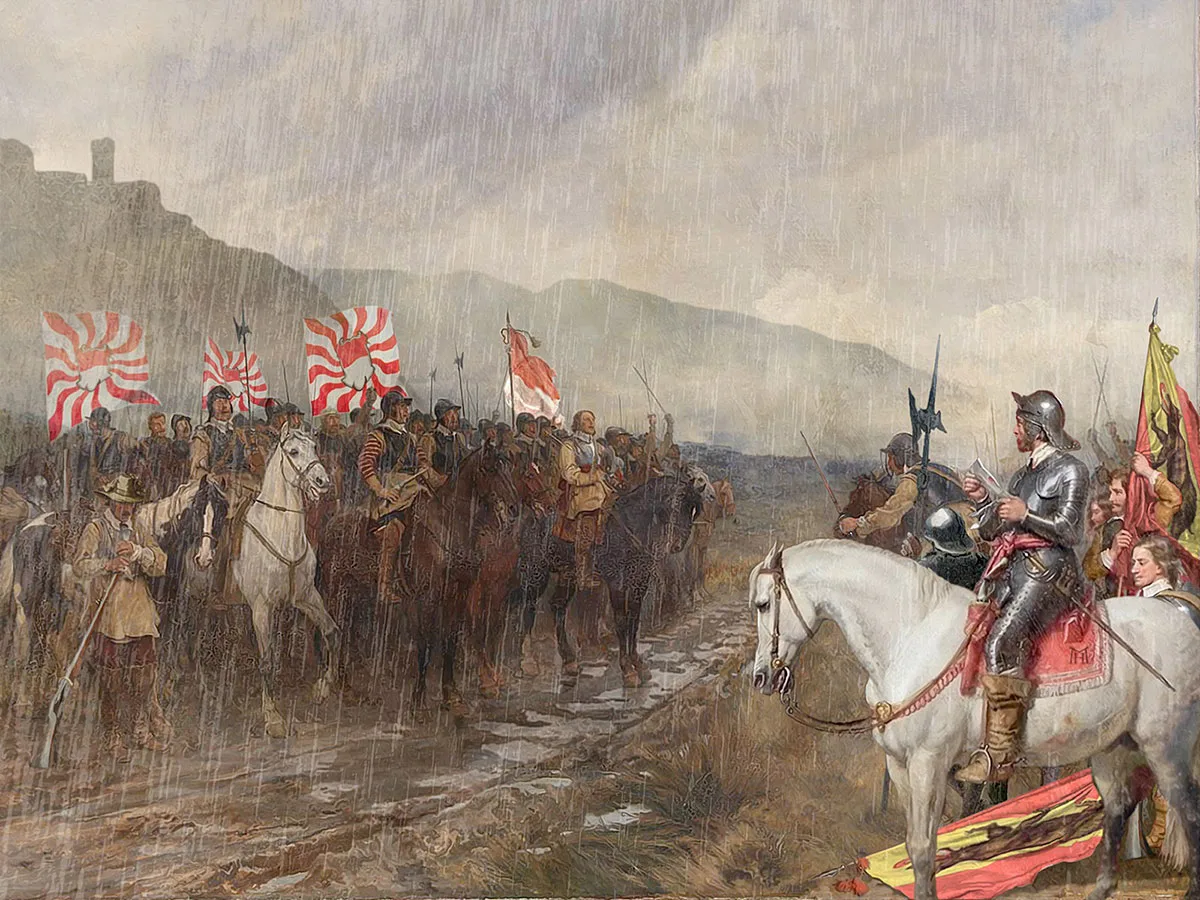
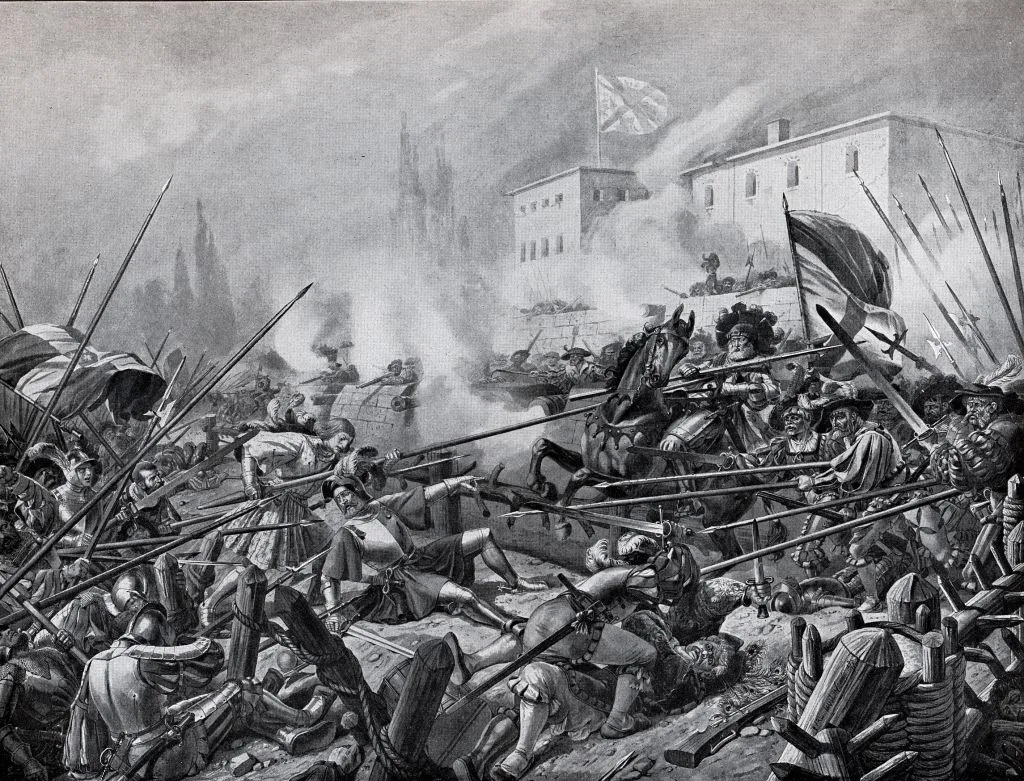
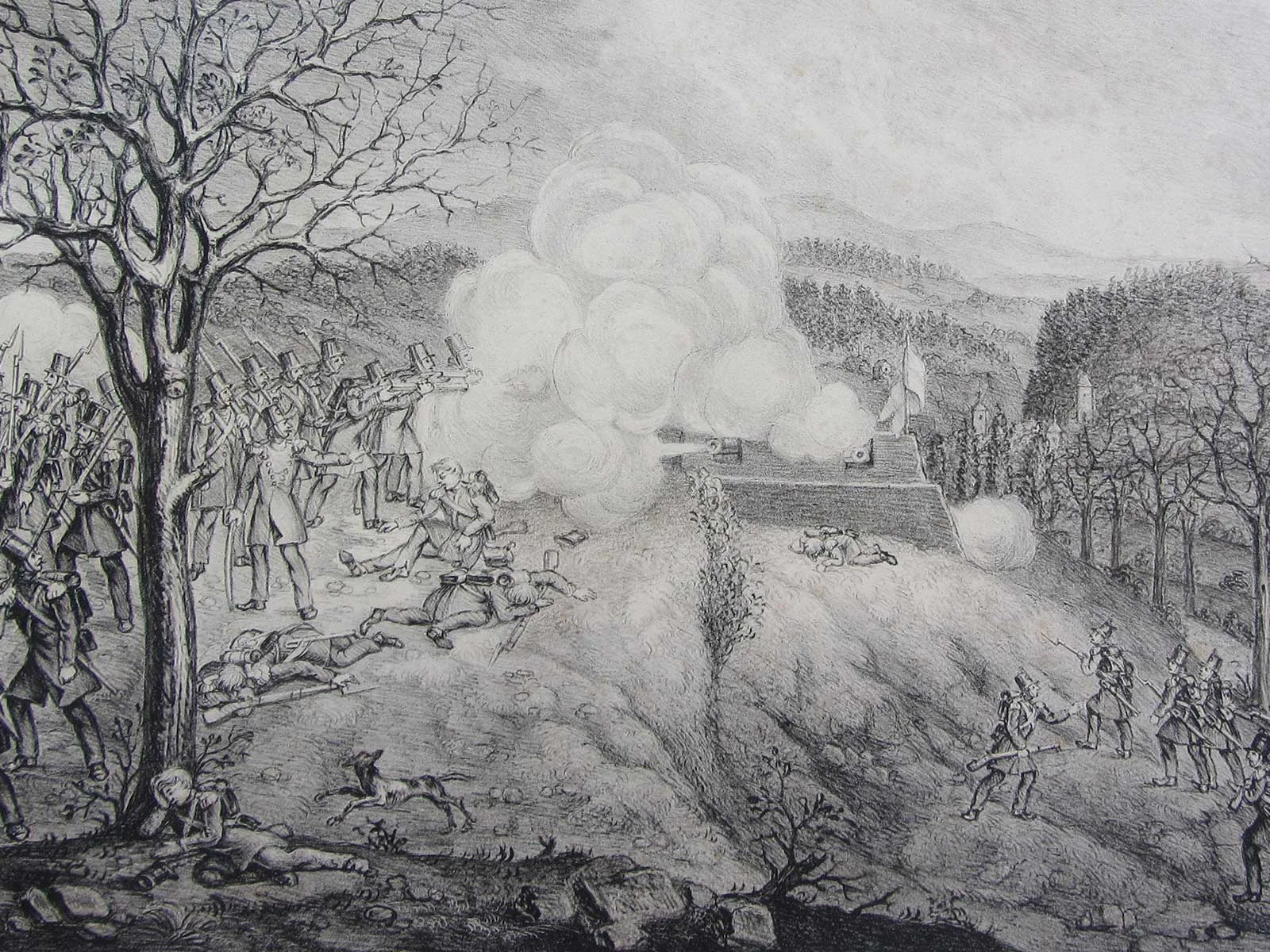
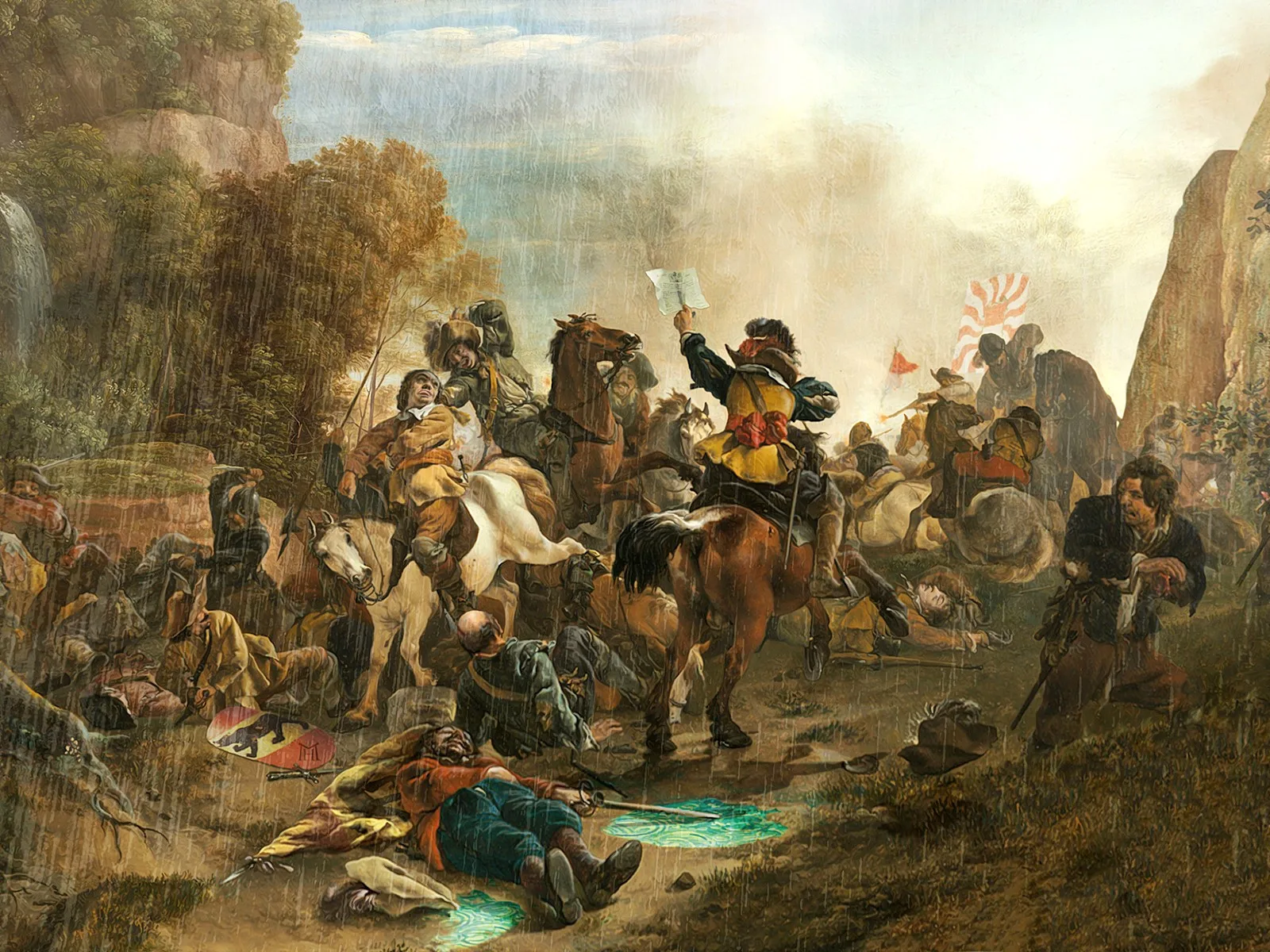
However, before they reached the cantonal border, they ran into 150 Solothurn soldiers at the southern end of the gorge. Alerted by the warning shots, the Bechburg bailiff, Phillip von Roll, had mobilised his men and they now pushed the Bern troops back into the Klus Gorge. So, there was another stand-off, with the Bernese hemmed in by the Solothurn forces to the north and south, between the walls of the gorge and beside the Dünnern river, which was heavily swollen by sustained rainfall.
By the time bailiff Brunner had finally managed to restore order, nine Bernese soldiers had been killed. The Solothurn forces also took 28 prisoners, some of whom were wounded, and Lieutenant Stein was led away by 100 musketeers and placed under guard in the Klus Gorge. One man from Bern, Hans Breiter, was missing, the rest managed to escape. One hour later, the messenger from Solothurn arrived with written authorisation for the Bernese soldiers to pass through the gorge.
Bern dreams of revenge