The men behind Genoa’s Righi funicular
What were two businessmen from Obwalden doing in Genoa at the end of the 19th century? Building a funicular railway and giving it a familiar name from home: the Righi.

Dominik Landwehr
Dominik Landwehr is a cultural and media scientist and lives in Winterthur.
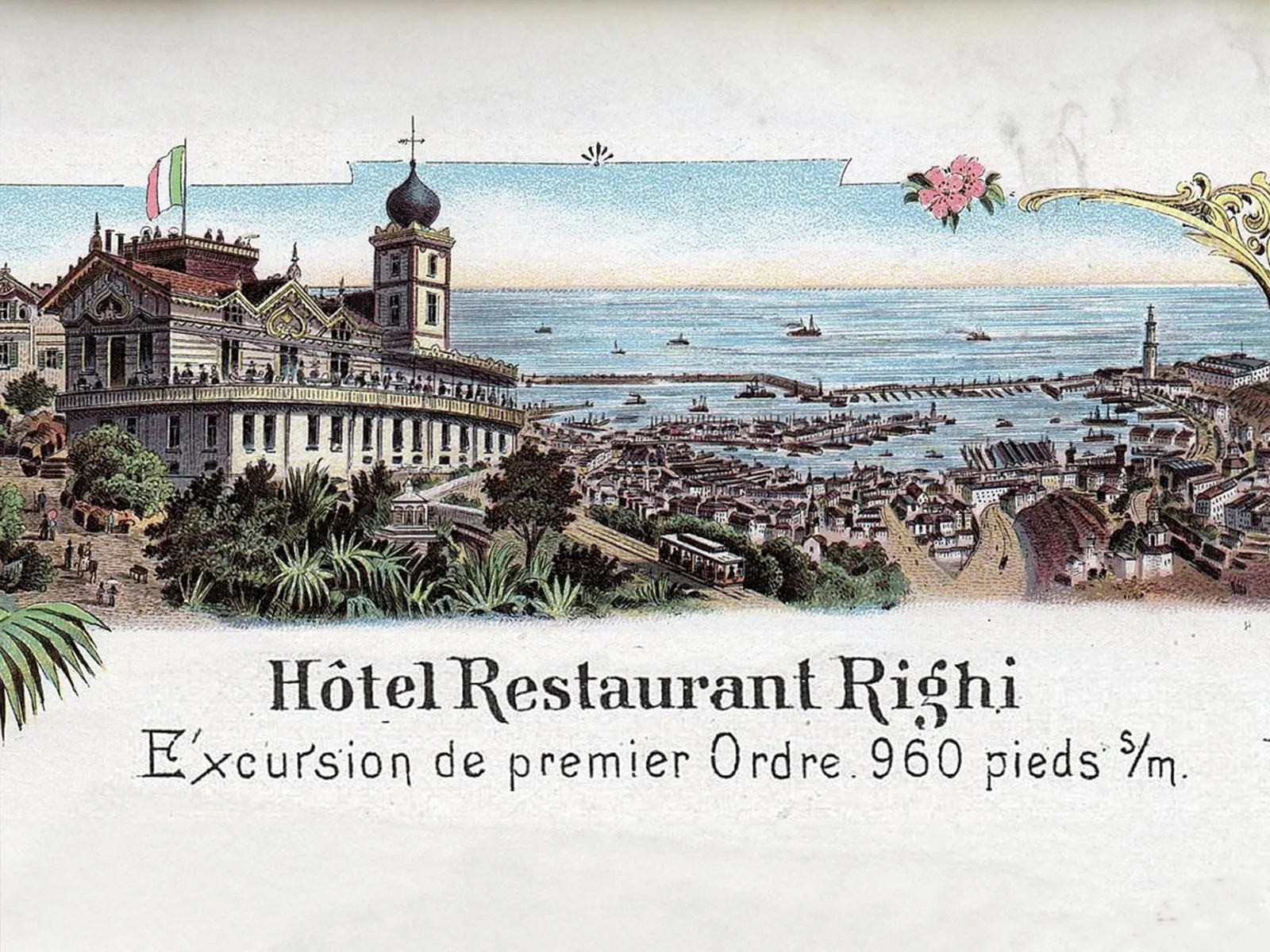
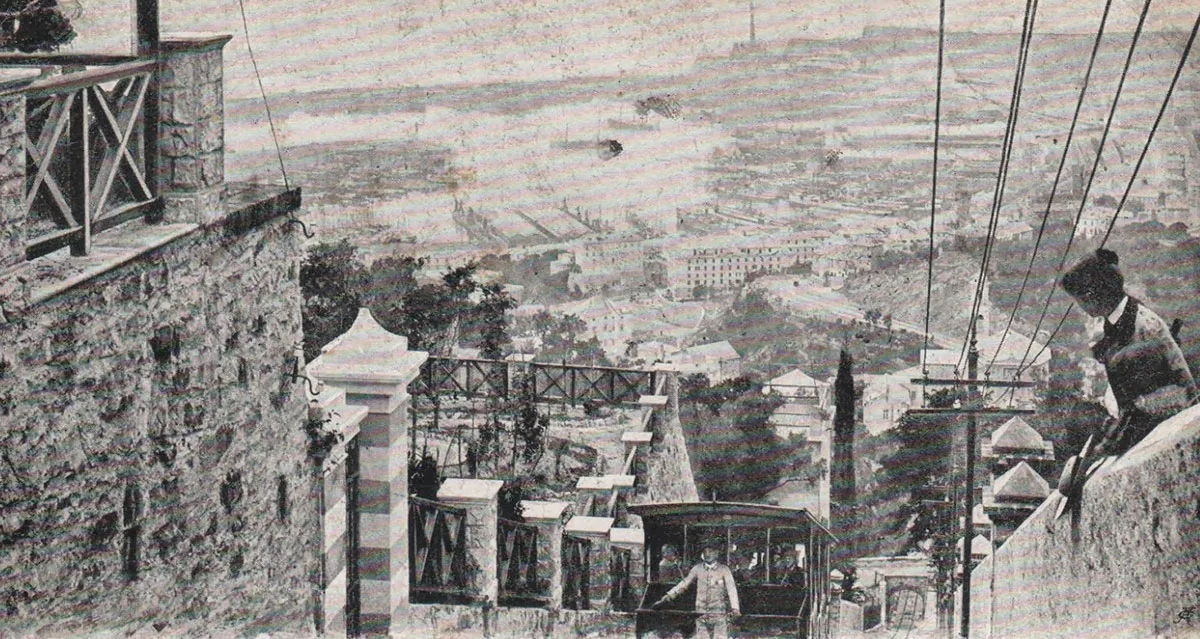
Genoa lies at the foot of steep hills, on one of which stands the Forte Castellaccio, an old fortress that gave its name to the surrounding neighbourhood. That is, until 1893 when two businessmen from Obwalden, Franz Josef Bucher and Josef Durrer, built a funicular railway connecting the city to those very slopes. Since then, the district has been known as Righi ‒ like the Rigi mountain in central Switzerland, but written with an extra ‘h’.
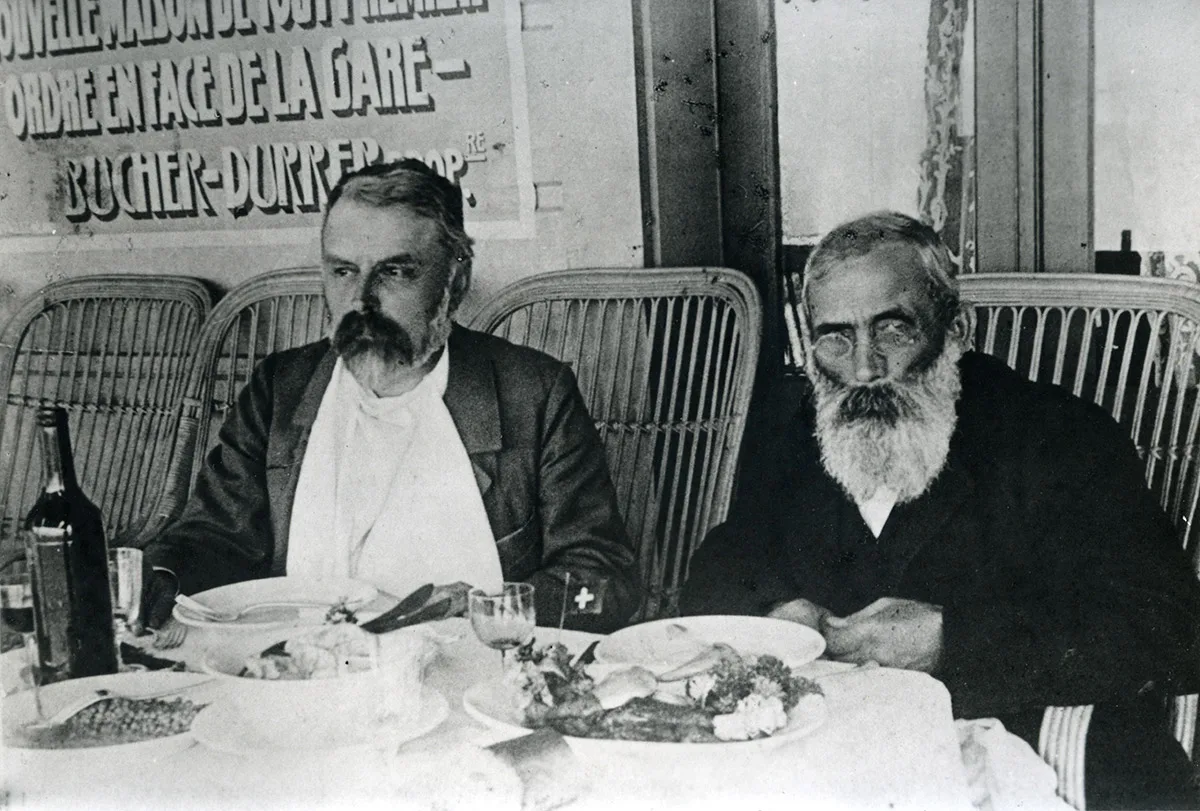
Franz Josef Bucher and Josef Durrer had known each other since early childhood. Both were from Kerns near Sarnen in the canton of Obwalden, and the two men eventually became brothers-in-law. The farmer and woodworker teamed up in 1864 to found their own company: Bucher & Durrer. With a flair for spotting new business opportunities, they opened the first parquet flooring factory in Switzerland in nearby Kägiswil a few years later. Their wood flooring was highly sought after, and their domestic sources of timber soon began to run out. Bucher & Durrer expanded into Eastern Europe in 1881, buying a sawmill in Transylvania, which was part of the Austro-Hungarian Empire at the time. In 1885, they opened another parquet flooring factory in the Romanian capital Bucharest.
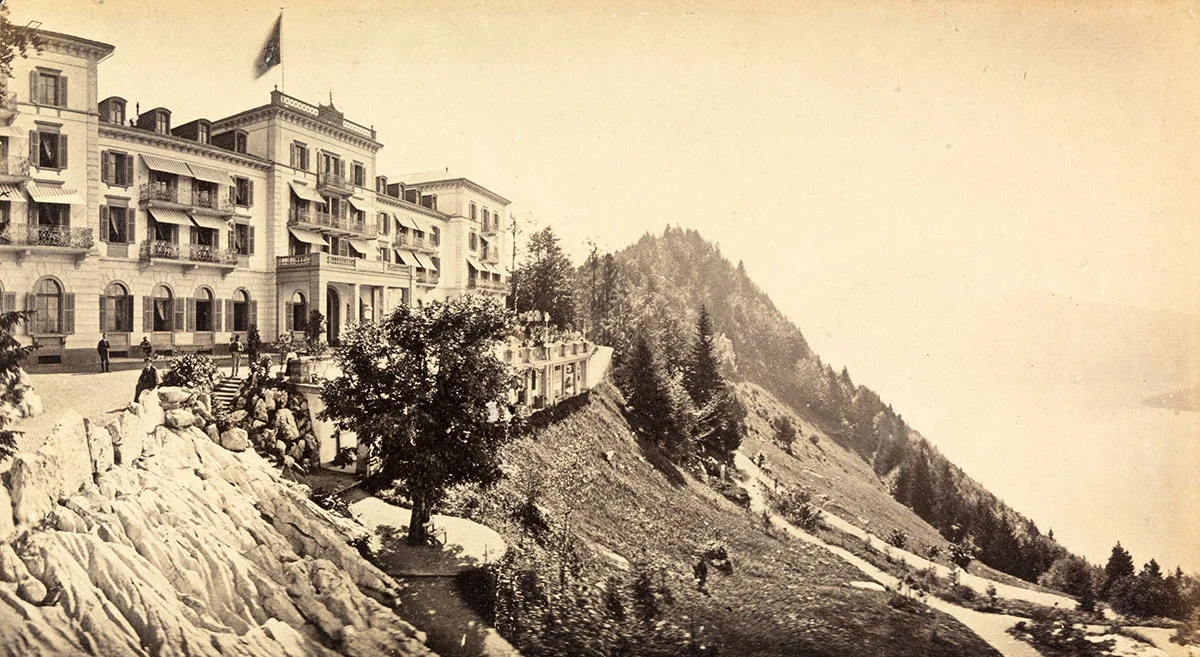
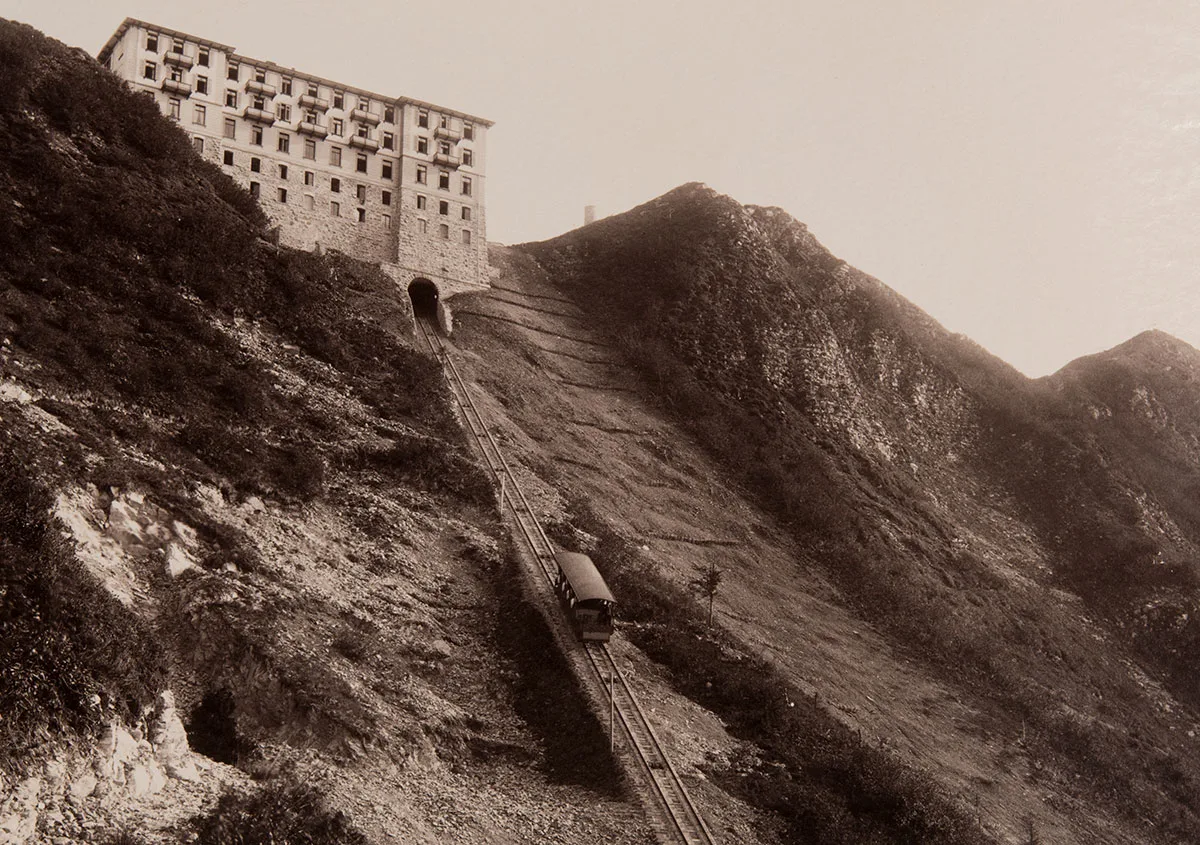
The duo ploughed the money they earned from timber and parquet flooring into the up-and-coming hotel business, building their first establishment in 1870: the Sonnenberg in Engelberg, where they were able to show off their fancy flooring to a wider public. The hotel was sold on at a profit just twelve months later, and the money used to acquire the Trittalp, an area of land high above Lake Lucerne. The previous owner, Korporation Luzern, a local body that administered long-established common heritable property, had deemed the land not suitable for agricultural use. But Durrer and Bucher had other ideas. They gave the alpine meadow a new name: Bürgenstock. The Grand Hotel Bürgenstock opened its doors in 1873, and a funicular was built in 1888. Other hotels were to follow: the Hotel de l’Europe in Lucerne in 1883, and the Hotel Quirinale in Rome in 1893.
Funicular railways a second string to their bow
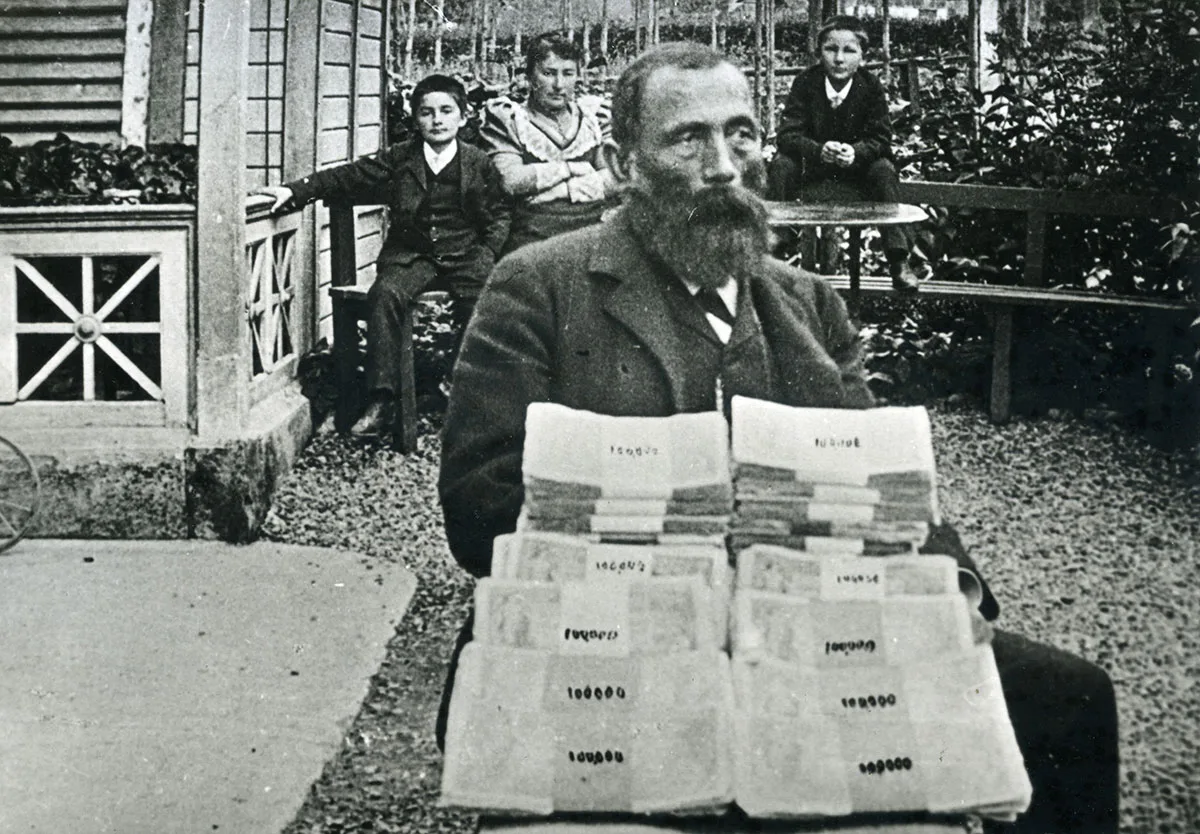
The tension between the two entrepreneurs did not dissipate over the years. Things came to a head in 1892 when they sold the tramlines in Genoa for one million Swiss francs. Franz Josef Bucher insisted on having the money paid out in cash. He then returned to Kerns and posed in his garden alongside the pile of thousand franc notes for a photograph showing him as Obwalden’s first millionaire. By rights, some of that cash actually belonged to his partner, but Bucher didn’t care for such details, even though Durrer demanded his share.
Unlike the Klainguti brothers, who made a new life for themselves in Genoa at the start of the 19th century – their café still exists today – Bucher and Durrer were not emigrants. They were entrepreneurs ready to seize whatever opportunities presented themselves. Which was almost certainly the case in Genoa, where one transaction led to another. Investing in hotels required having a finger in many pies. And so the two men extended their sphere of influence during the course of their lives, even though it was ultimately Franz Josef Bucher who oversaw the expansion of the hotel business.