Between Montessori and fascism
Teresa Bontempi helped shape the history of Ticino at the beginning of the 20th century, first as a teacher, and later as an advocate of fascism. She was a woman with two faces.

Raphael Rues
Raphael Rues is a historian and specialises in Ticino and the German-fascist presence in Northern Italy.
Relations with the German-speaking part of Switzerland were tense during these years. The still new Gotthard railway brought scores of people from the north to Ticino, sparking fears of German speakers outnumbering Italian speakers. This negative feeling was heightened by the difficult economic situation. An inferiority complex developed towards German-speaking Switzerland. Increasingly, attempts were made in Ticino to put a spanner in the works of their compatriots on the other side of the Gotthard.
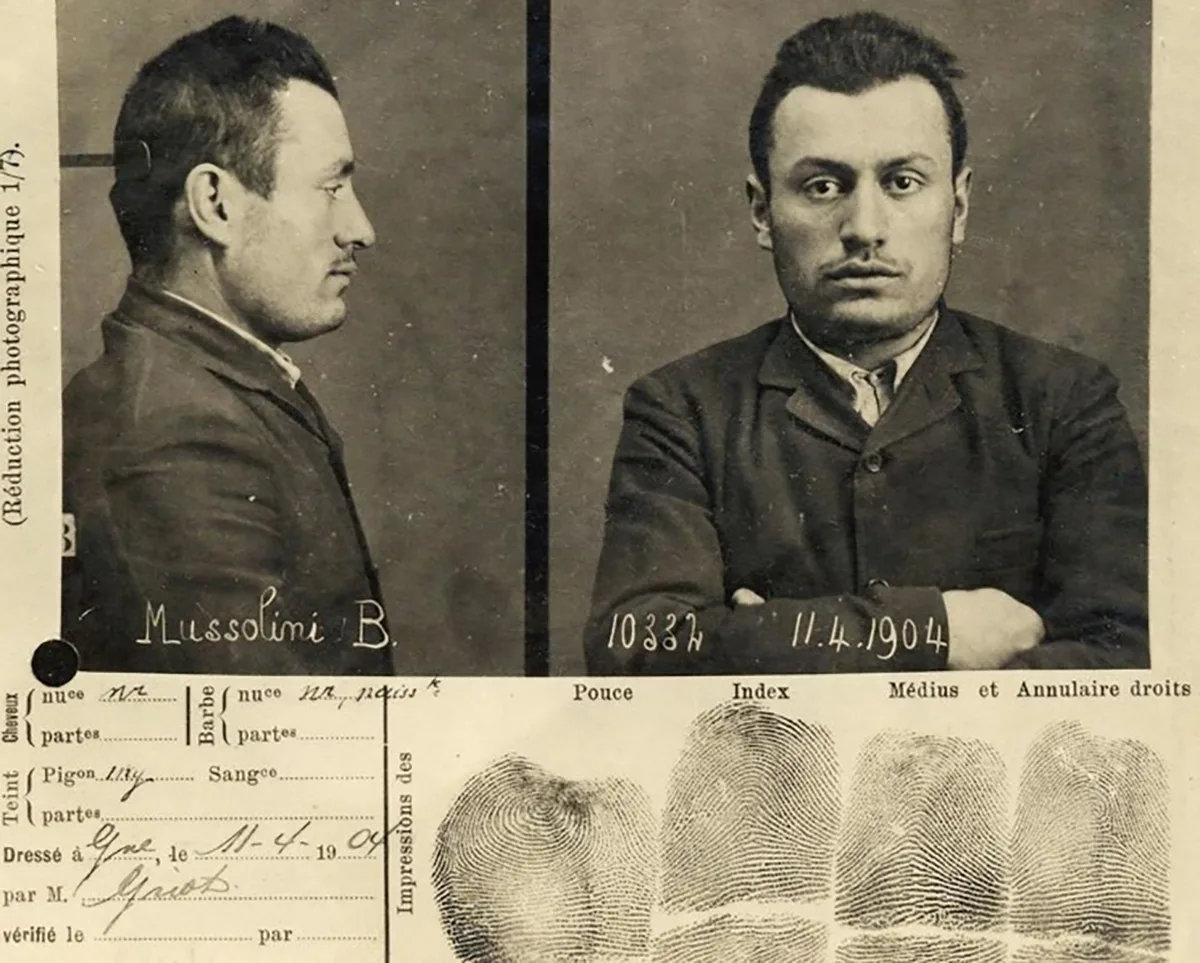
A good example of this is the story of the young Benito Mussolini. The Italian revolutionary and draft-dodger was arrested in Geneva in 1904 for falsifying his papers, and expelled – for the second time since entering Switzerland in 1902. But the Ticino government took a different view, and released him again in Bellinzona. A ‘two fingers up’ at the rest of Switzerland.
Aggressive rhetoric against the Swiss Confederation
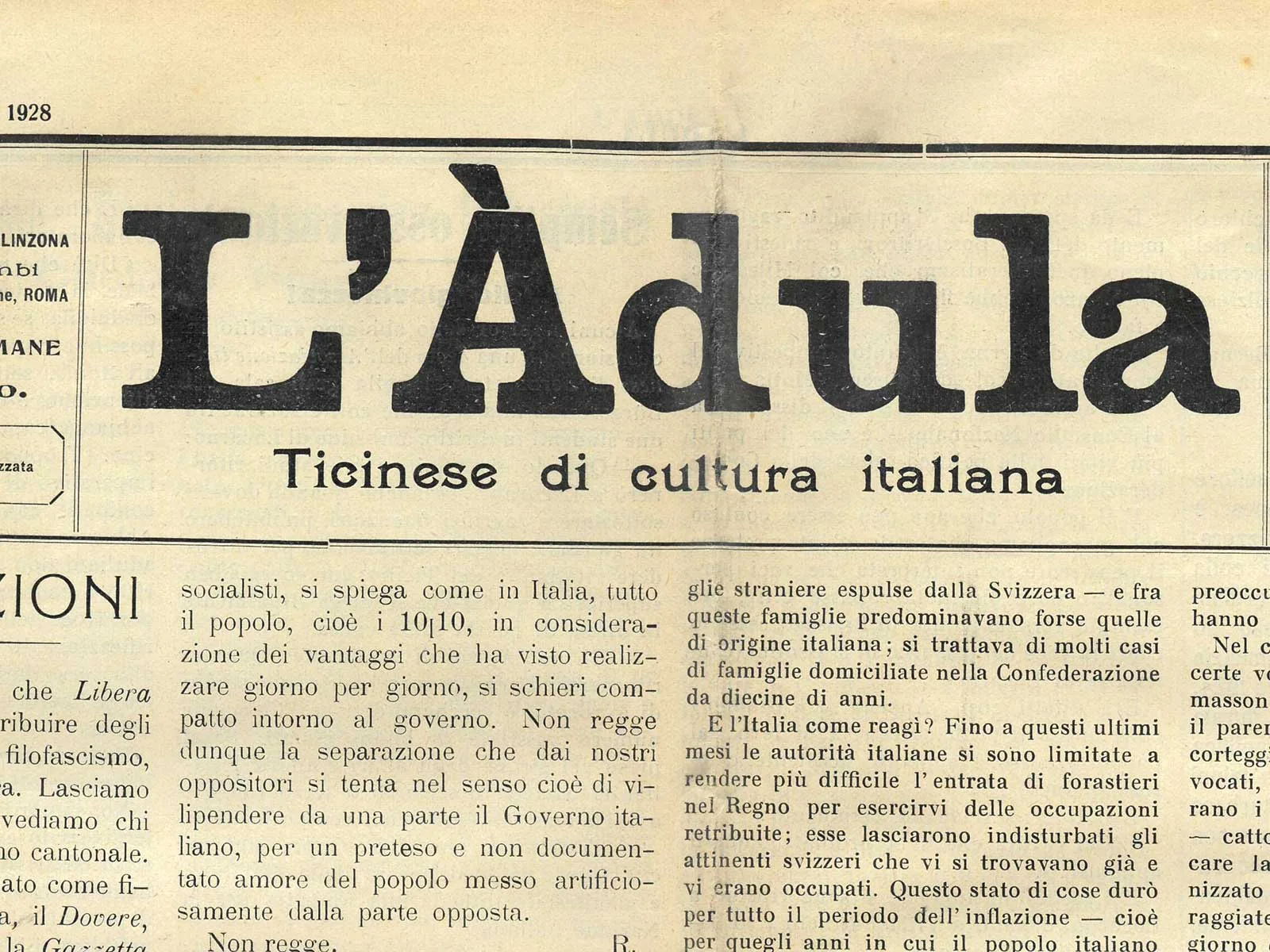
At the same time she campaigned for Italian culture, and in 1912 she and Rosa Colombi founded the weekly newspaper L’Adula. The paper was financed with fascist capital and had a very large readership, mainly in Italy. In the articles they printed, cultural concerns increasingly mixed with political statements and a growing spirit of irredentism.
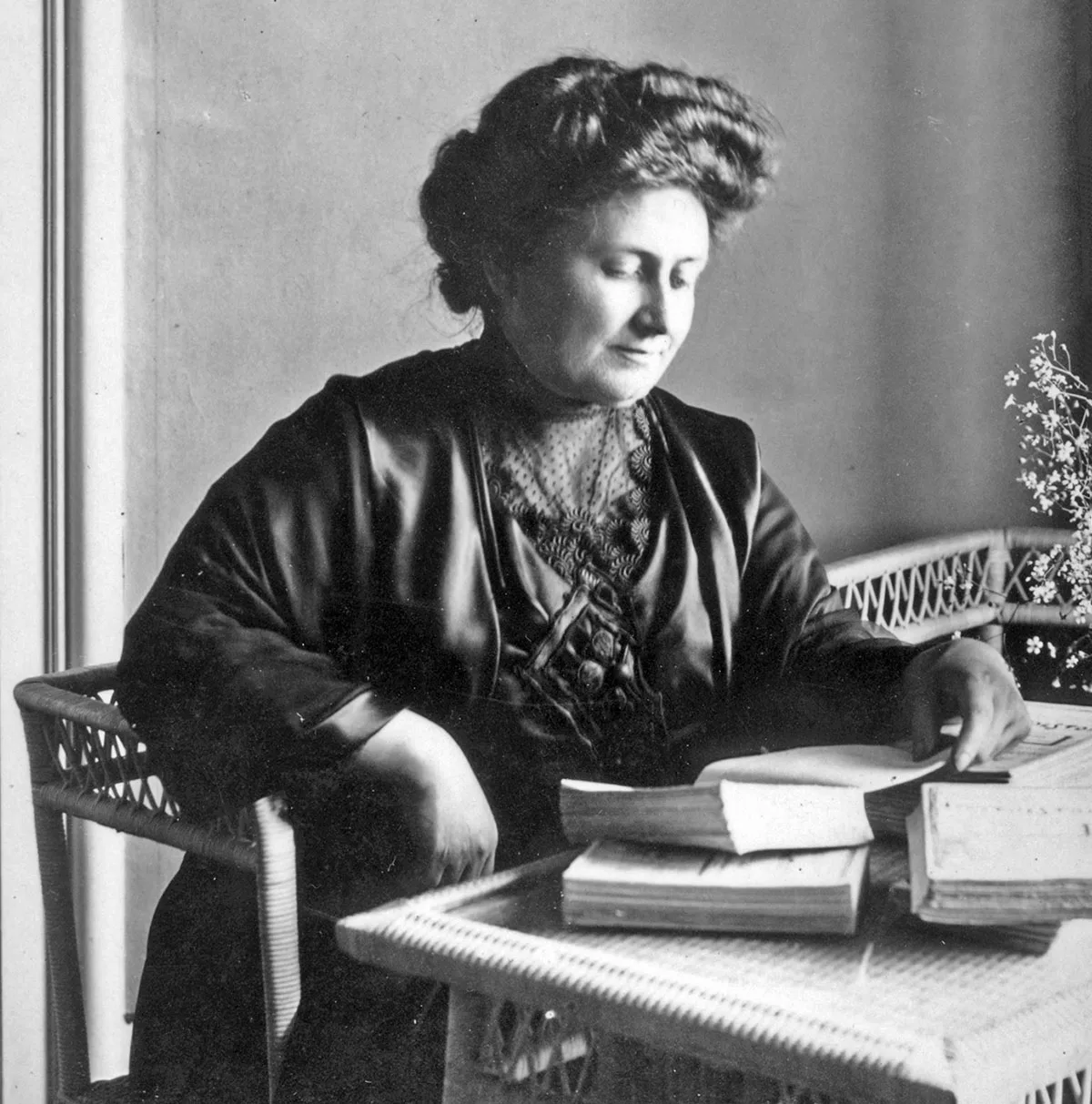
For Teresa Bontempi, the dichotomy between Montessori educational theory and a fascist ideology became ever greater. During the 1920s, the press launched head-on attacks on the cantonal kindergarten inspector on a number of occasions for her anti-patriotic attitude. She was even suspended from her job for a year, but was then reinstated.
L’Adula was by now considered an unequivocally pro-fascist newspaper. The fact that co-editor Rosa Colombi was now married to the fascist Piero Parini did nothing to soften this impression either. Parini, an Italian, built a career under Mussolini and from 1941 onwards governed the Ionian Islands, which were occupied by Italy. There, he behaved like a dictator and did whatever he wanted.
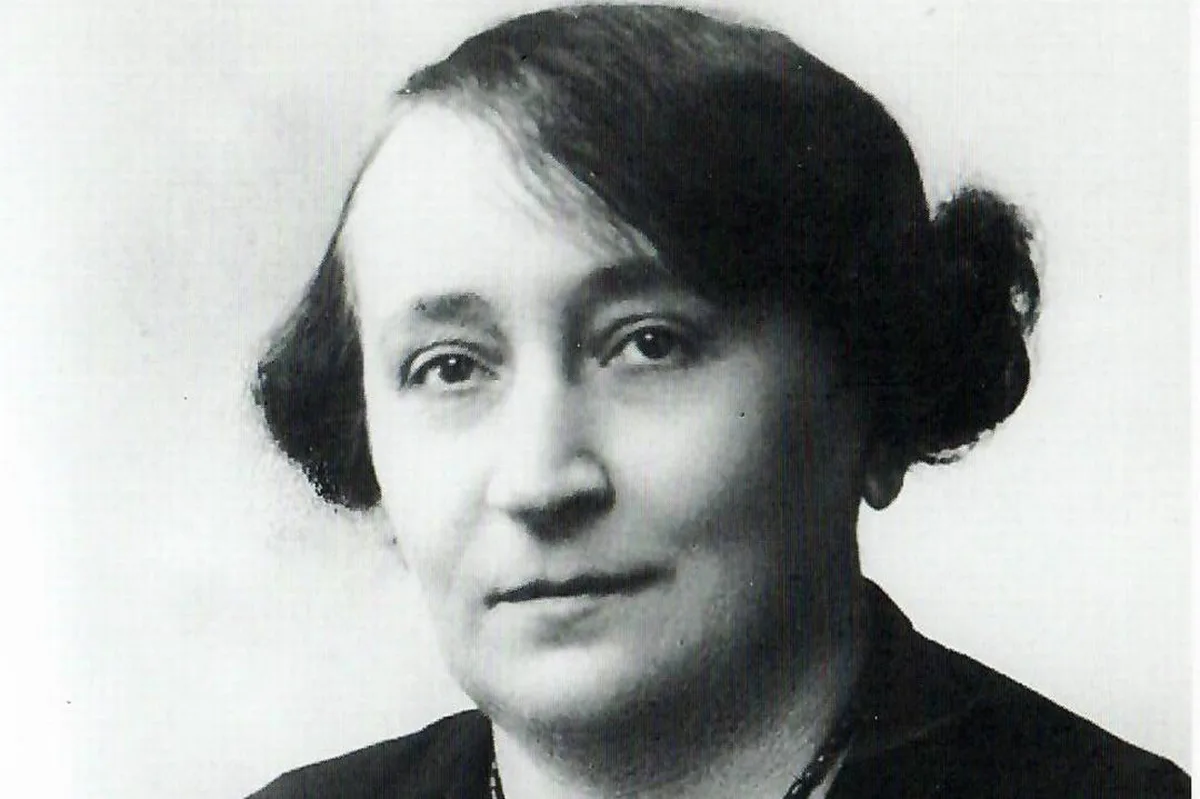
Prohibition and conviction
Even before her arrest, the political climate in southern Switzerland had changed. With the assassination of the Social Democrat Giacomo Matteotti in 1924, it became increasingly apparent that Italy and fascism posed a serious threat. For Ticino as well. People started to turn away from irredentism, finally culminating years later in a major aid campaign for the Partisan Republic of Ossola.
Politically, Teresa Bontempi had manoeuvred continuously on the sidelines. Professionally, with her dissemination of Montessori educational theory, she had moved childhood education a long way forward in Ticino and in Switzerland. But the shadow of fascism that has always hung over her meant she was not recognised for this achievement for a long time.