Frau Staehelin, Stalin’s daughter
In spring 1967, Stalin’s daughter travelled to Switzerland. In the middle of the Cold War. The story of a diplomatic high-wire act.

Thomas Bürgisser
Thomas Bürgisser is a historian at the Diplomatic Documents of Switzerland (Dodis) research centre.
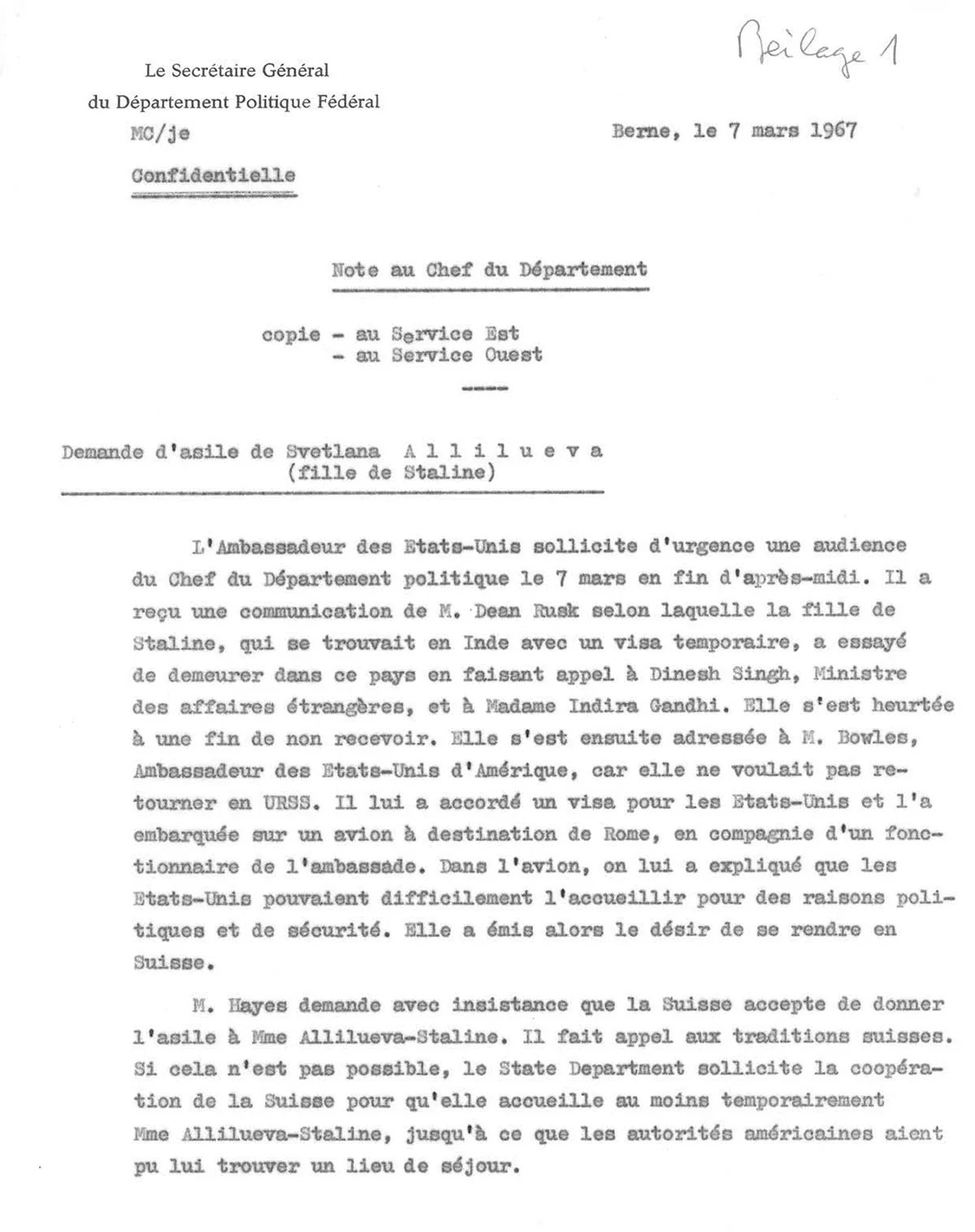
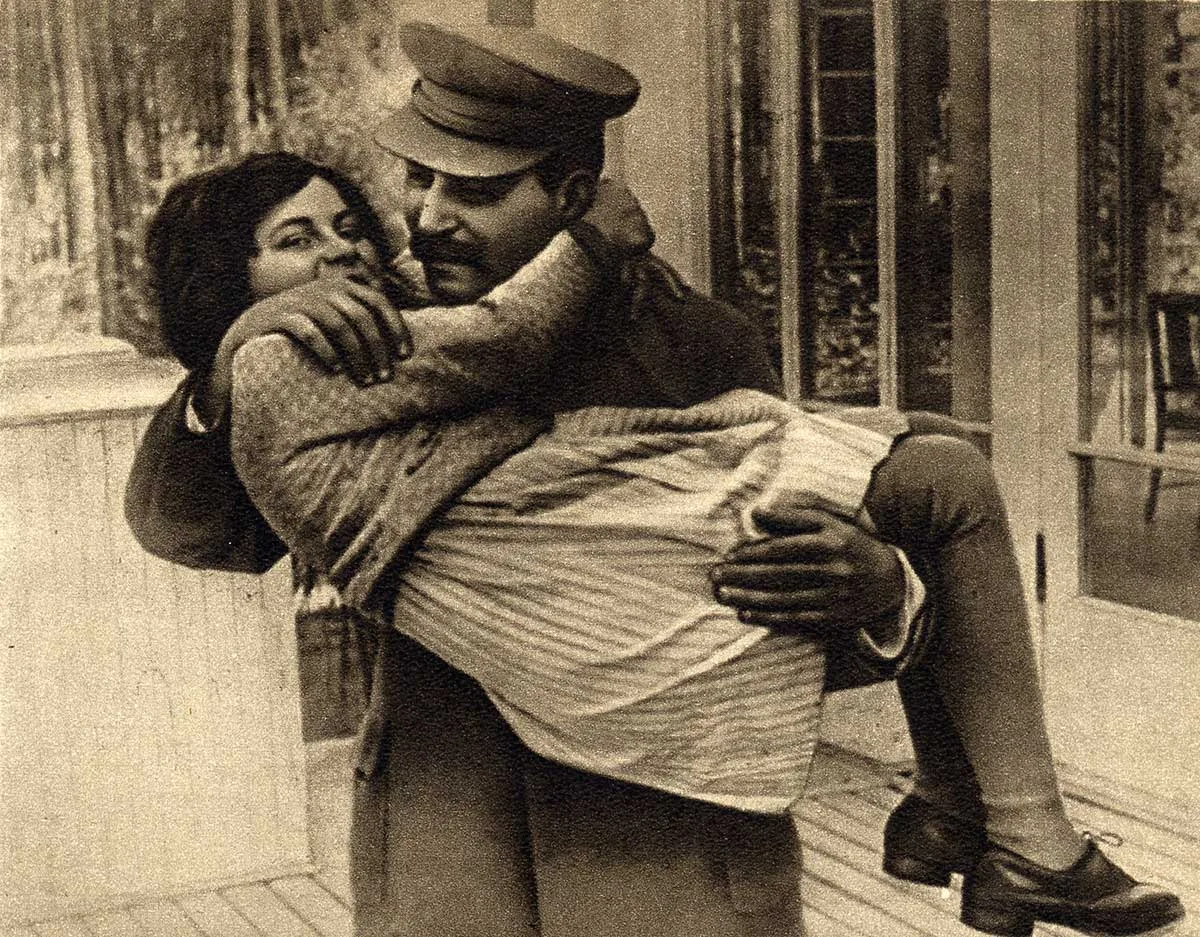
Visit for ‘rest and recuperation’
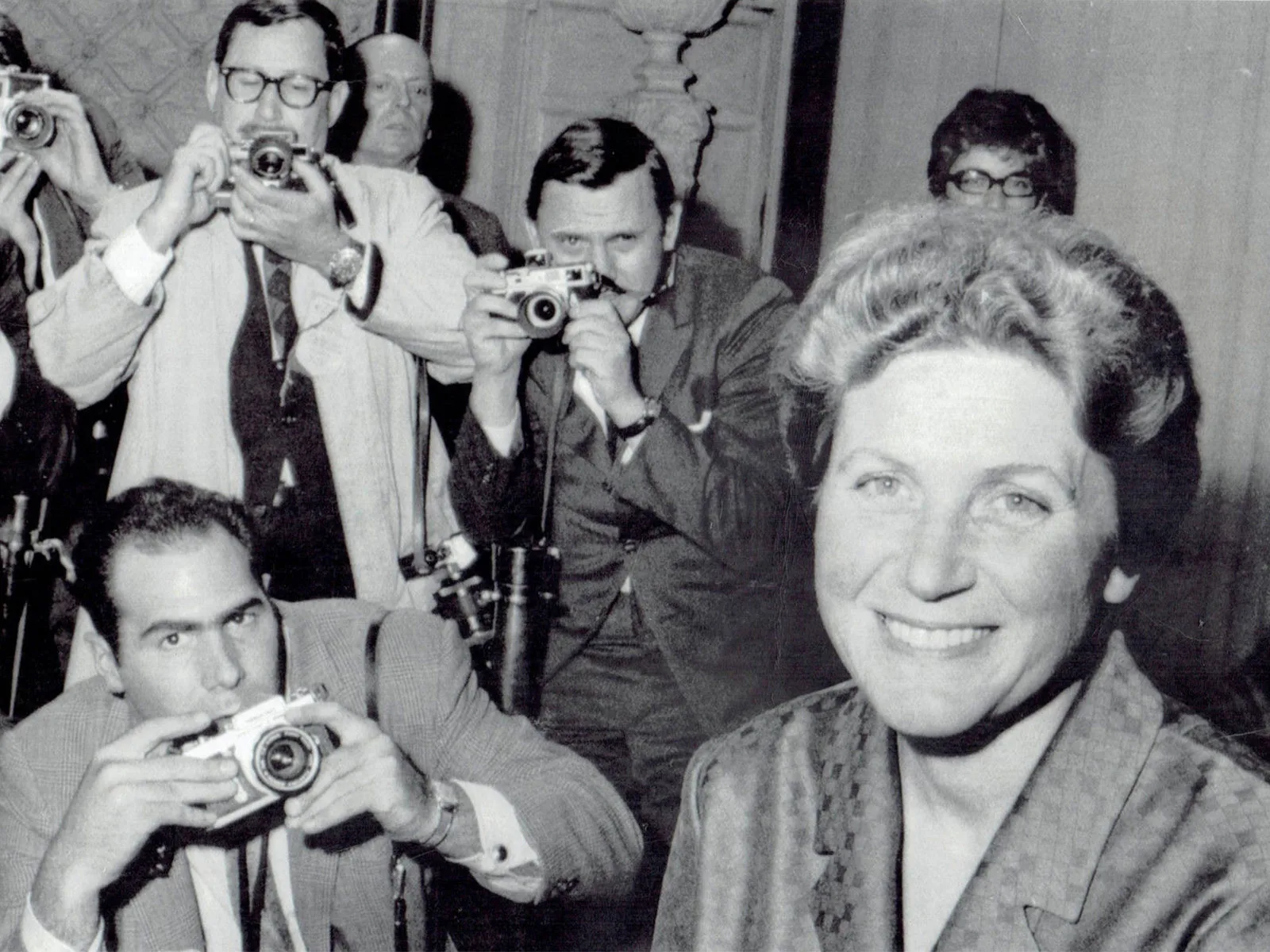
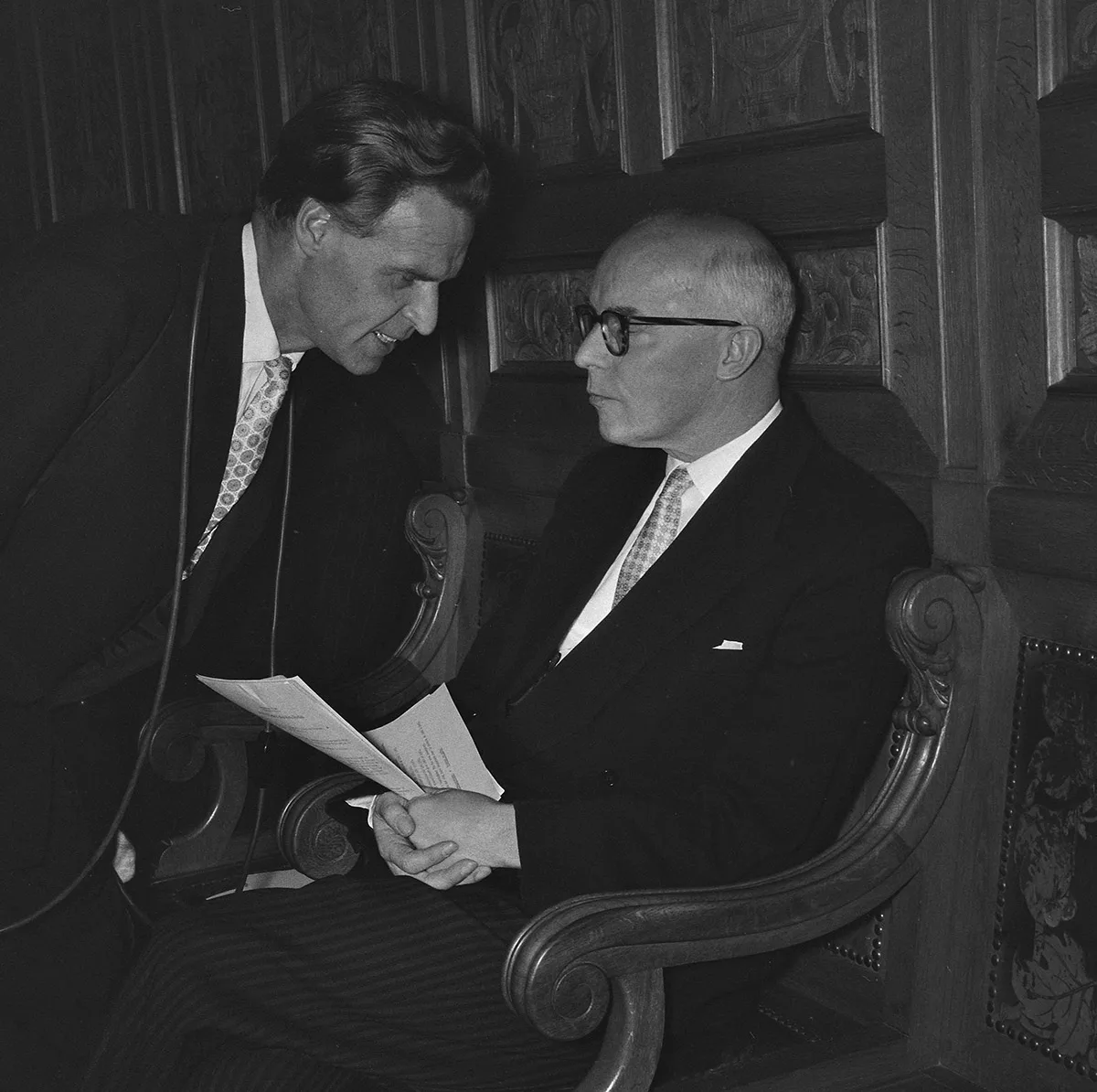
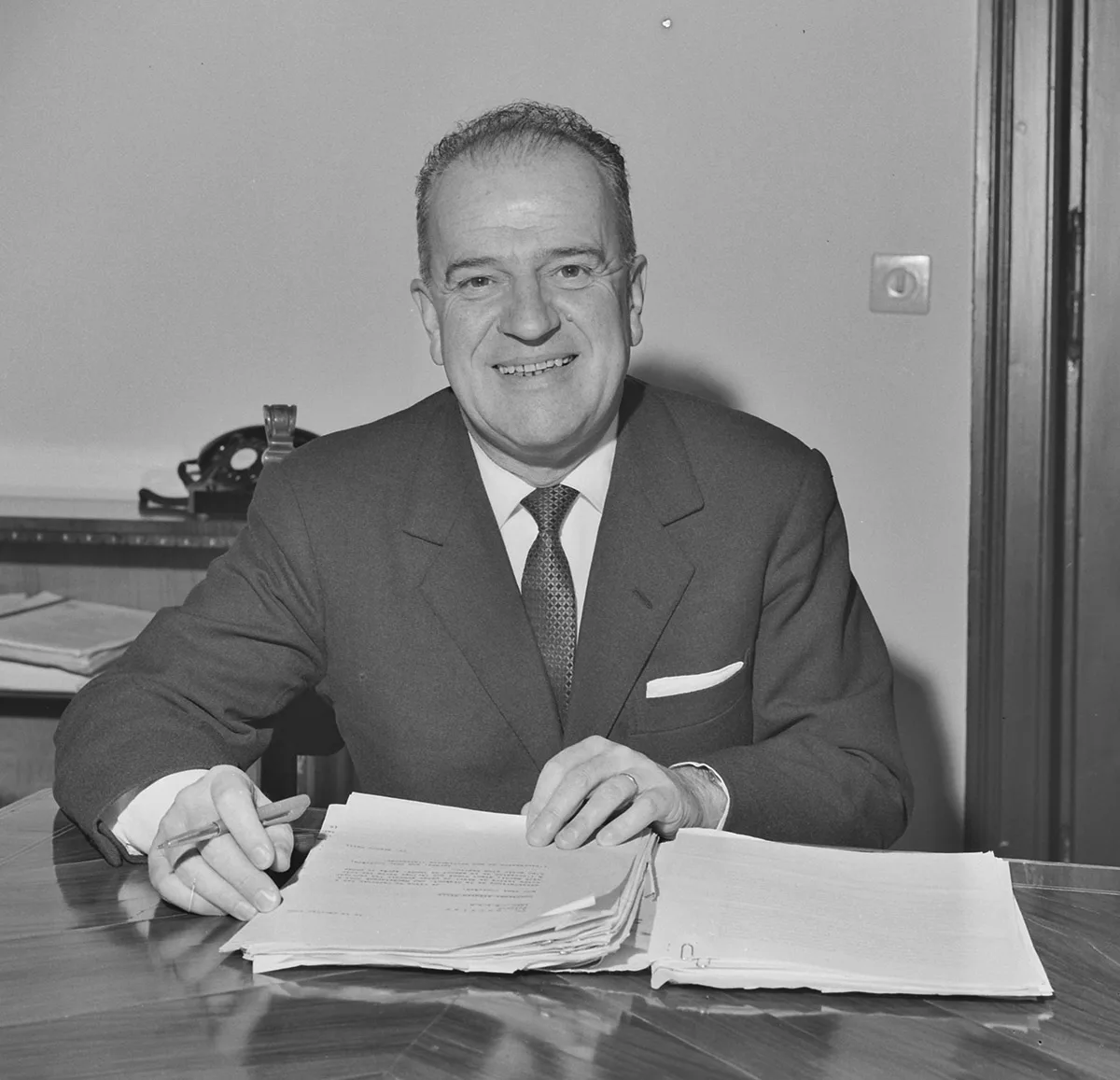
The head of the Justice Department Ludwig von Moos held a press conference at which he emphasised that Ms Alliluyeva was in need of rest and recuperation and wished to be left in peace. The Federal Council assigned the task of looking after the ‘holidaymaker’ to a top official at the FPD, Basel-based lawyer Antonino Janner, head of the Department’s ‘Eastern Division’.
The interests of the state versus individual freedom
It was a step too far for the Federal Council. Since the beginning of the ‘policy of détente,’ Swiss foreign trade had become more and more interested in doing business with the East. Federal Councillor Nello Celio went on record as saying: “Our relations with the USSR count for more than Ms A.’s status.” How, then, to proceed? Moscow approached Colonel-Brigadier Pierre Musy, the head of the Swiss intelligence service, directly through secret service channels with “the only sensible solution”. High-ranking KGB officer Mikhail Rogov, an “old acquaintance” of Musy’s, asked the Swiss authorities to work towards persuading Alliluyeva, who was “not entirely responsible for her own actions”, to return to the Soviet Union – with an assurance that she could do so on the basis of the status quo ante. The Kremlin exerted increasing pressure through its diplomatic channels and warned the FPD that relations could deteriorate.
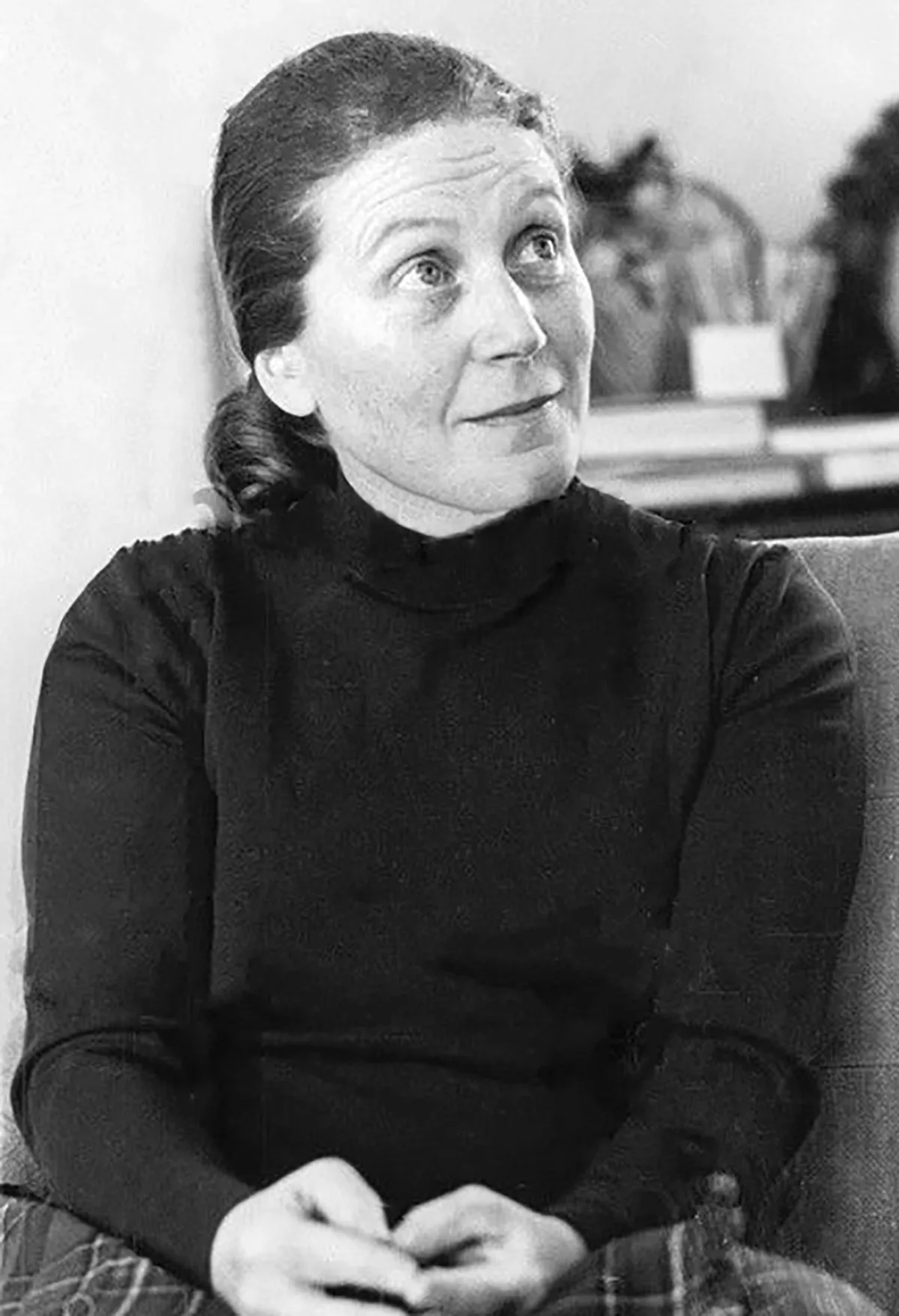
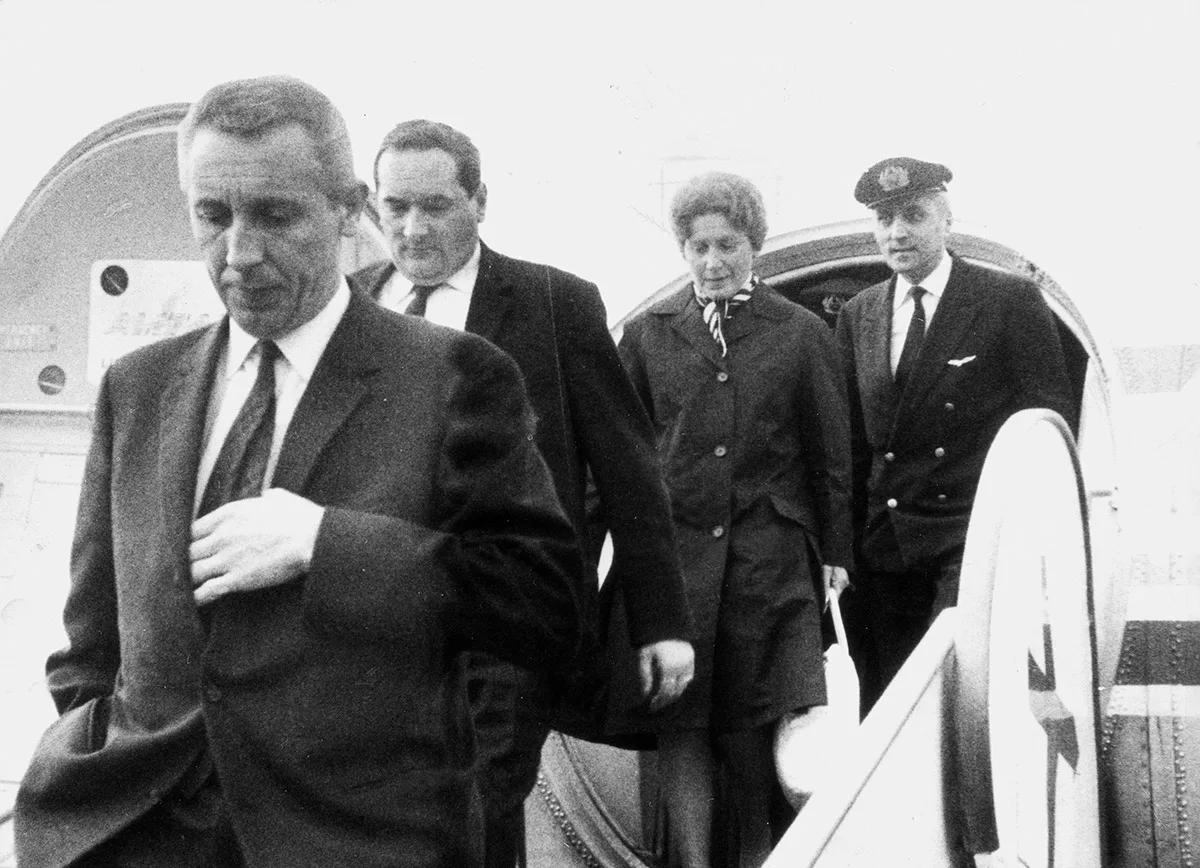
Switzerland’s involvement in this diplomatic-secret service thriller came to an end after six weeks, when Alliluyeva boarded a Swissair plane for New York on 21 April 1967 under the cover name ‘Frau Staehelin’. Once there, the US press got the scoop that had been denied to the Swiss media: Alliluyeva was happy to provide information about her getaway. While the Blick sulked, the Federal Council was pleased with itself. According to the head of the FPD Spühler, the whole matter had been dealt with in an exemplary fashion. He believed that Switzerland had emerged from the affair “unscathed”, and that it had even done the superpowers a favour. Alliluyeva, too, had left an official letter of thanks lavishing praise on Switzerland.
Svetlana Alliluyeva’s book “Twenty Letters to a Friend” was published in autumn 1967 and became a bestseller. This gave Stalin’s daughter financial independence, but she never found true happiness. Perhaps, in part, because her desire to return to Switzerland and settle there was unfulfilled. The Swiss authorities denied her permission. Alliluyeva briefly returned to the Soviet Union in 1984, only to move back to the United States a short time later. She died there in 2011, impoverished and alone, in a retirement home.
This article by Thomas Bürgisser was first published in the WOZ newspaper in December 2011. It is based on documents from the Diplomatic Documents of Switzerland (Dodis) collection with additional material from another WOZ article of March 2017 and further Dodis documents.