The sinking of the Lusitania and the fate of its Swiss occupants
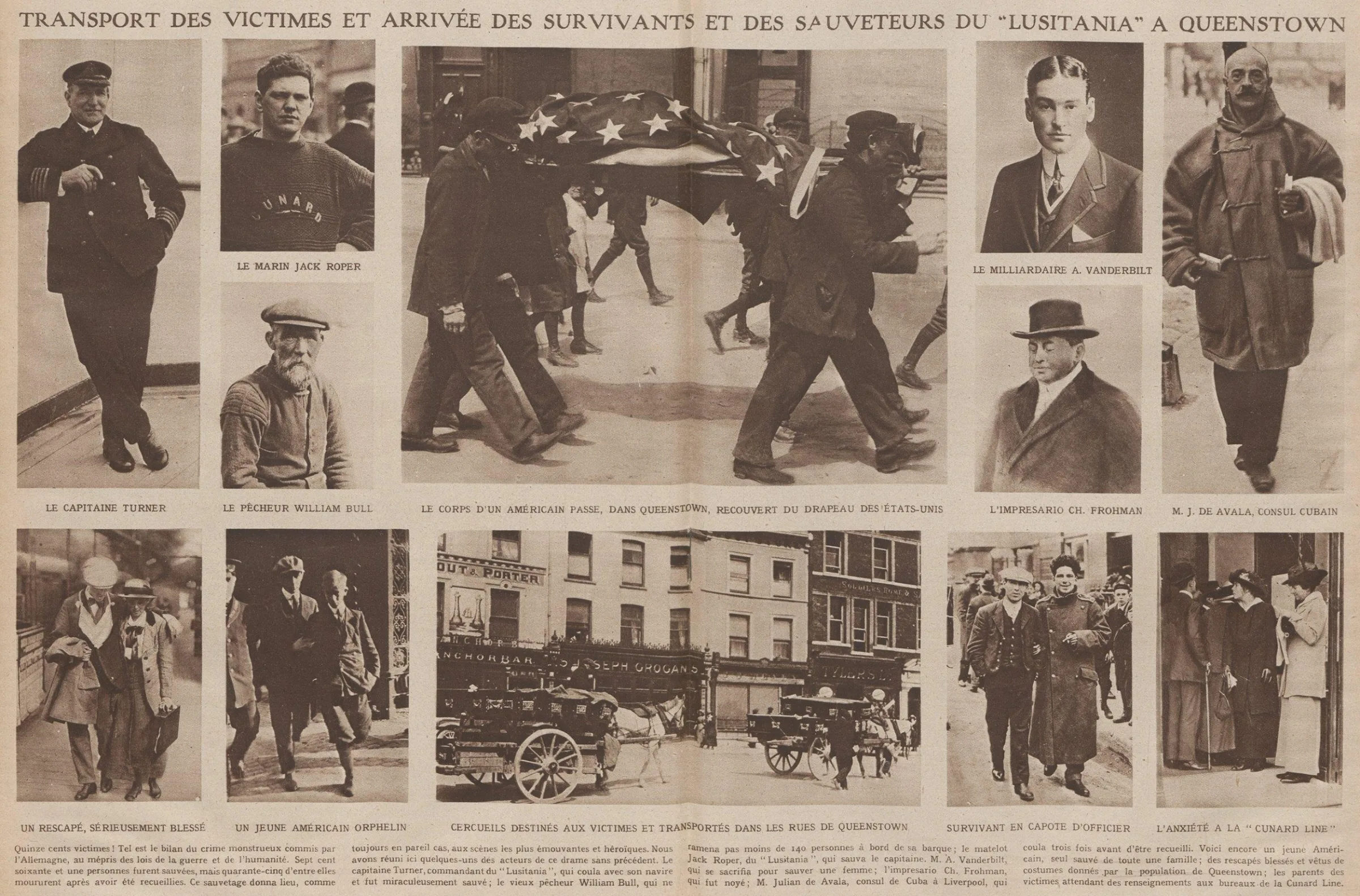
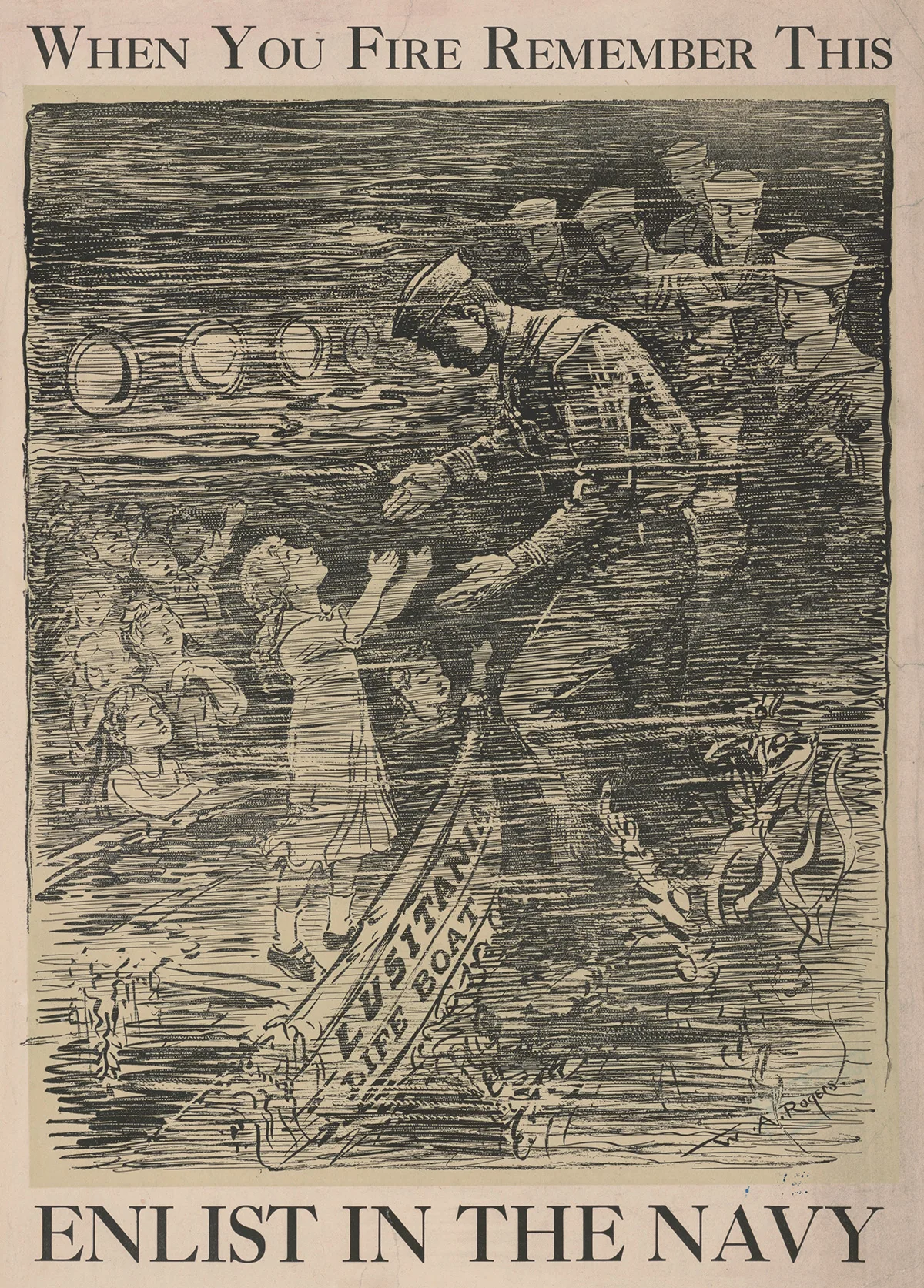
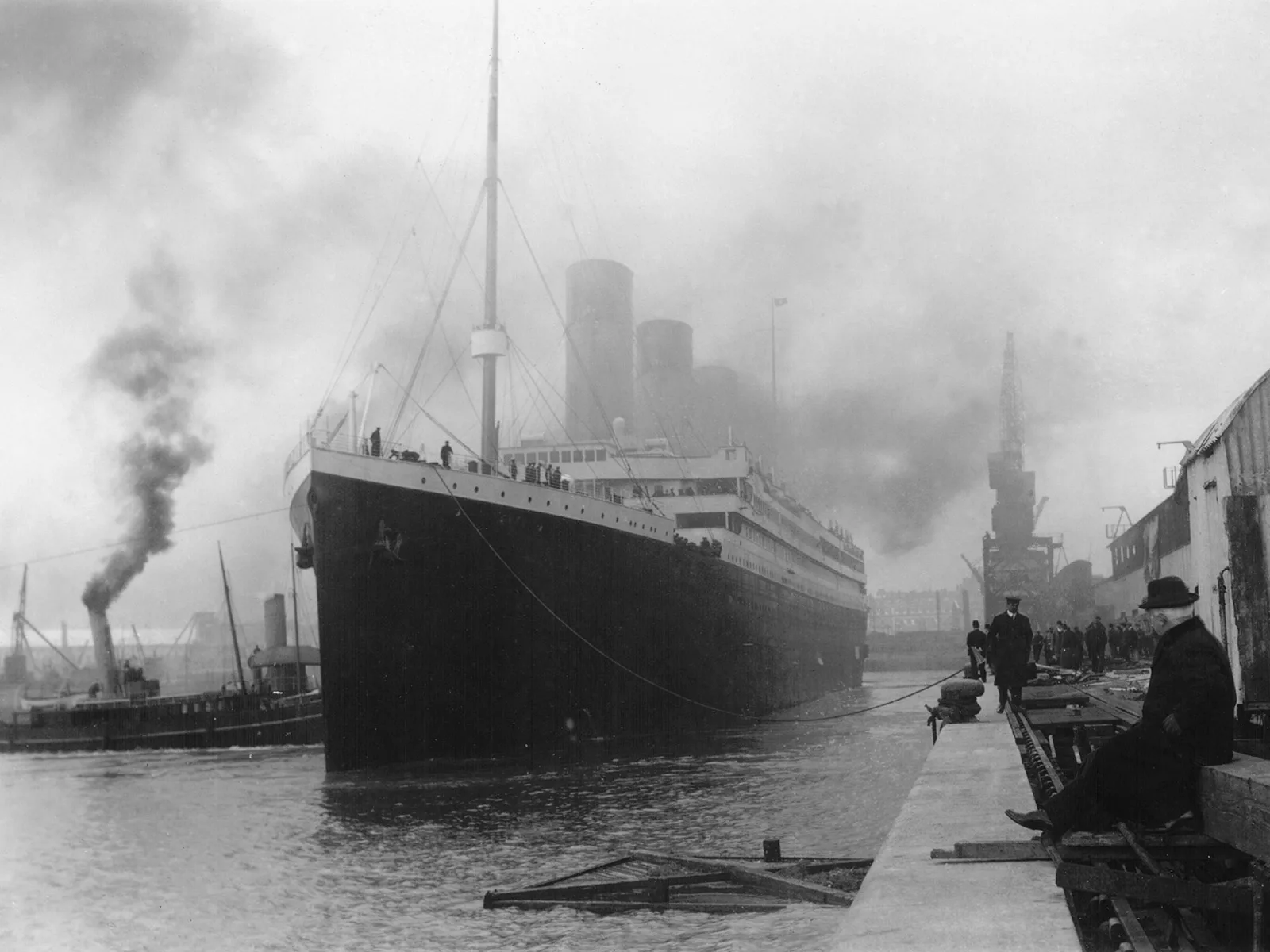
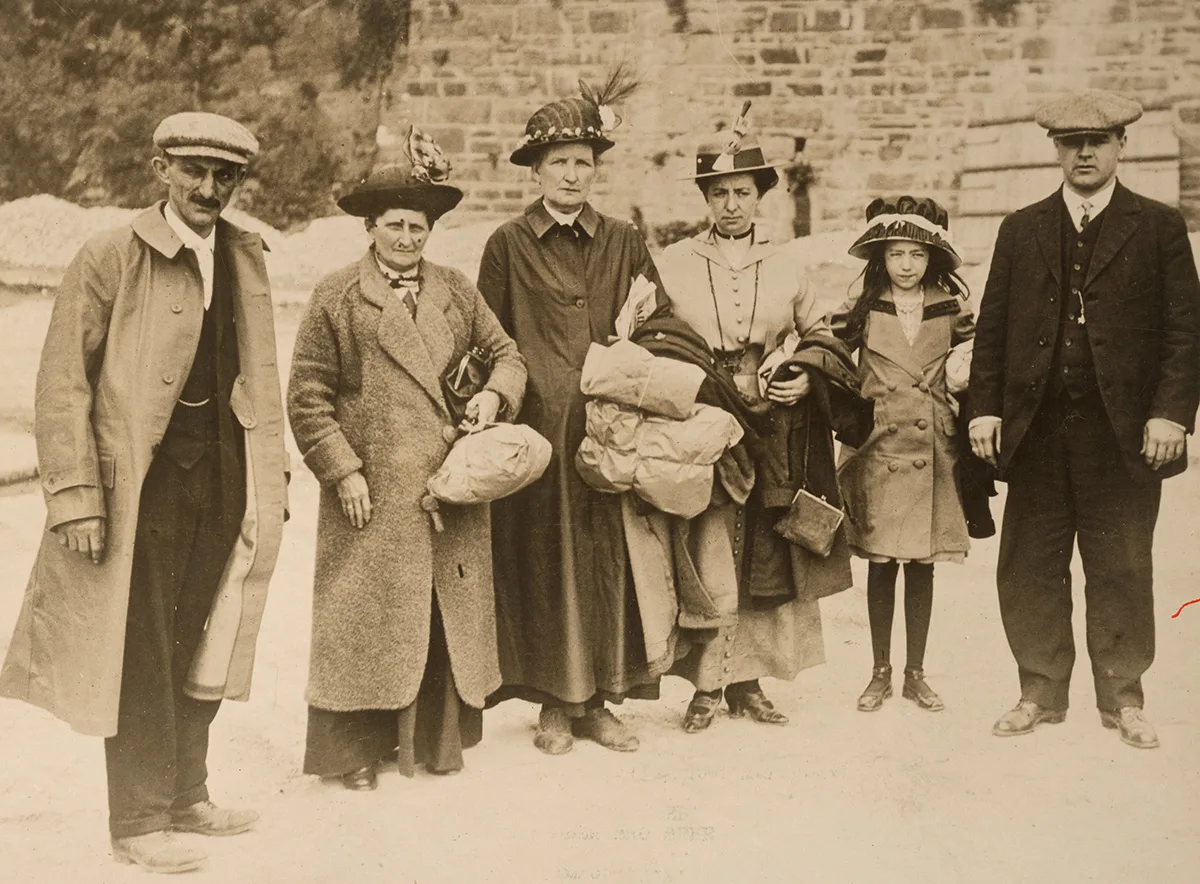
The sinking of the British passenger ship RMS "Lusitania" on 7 May 1915 by a German submarine is one of the worst maritime disasters in recent history. 1193 men, women and children lost their lives off the Irish coast. The stories of the "Lusitania's" Swiss voyagers afford unique perspectives into the Edwardian Age as it came to a conclusion.

James Blake Wiener
James Blake Wiener is a world historian, Co-Founder of World History Encyclopedia, writer, and PR specialist, who has taught as a professor in Europe and North America.
Website: worldhistory.org
Vignettes of Swiss Lives during the Edwardian Era


World War One & The Lusitania’s Demise
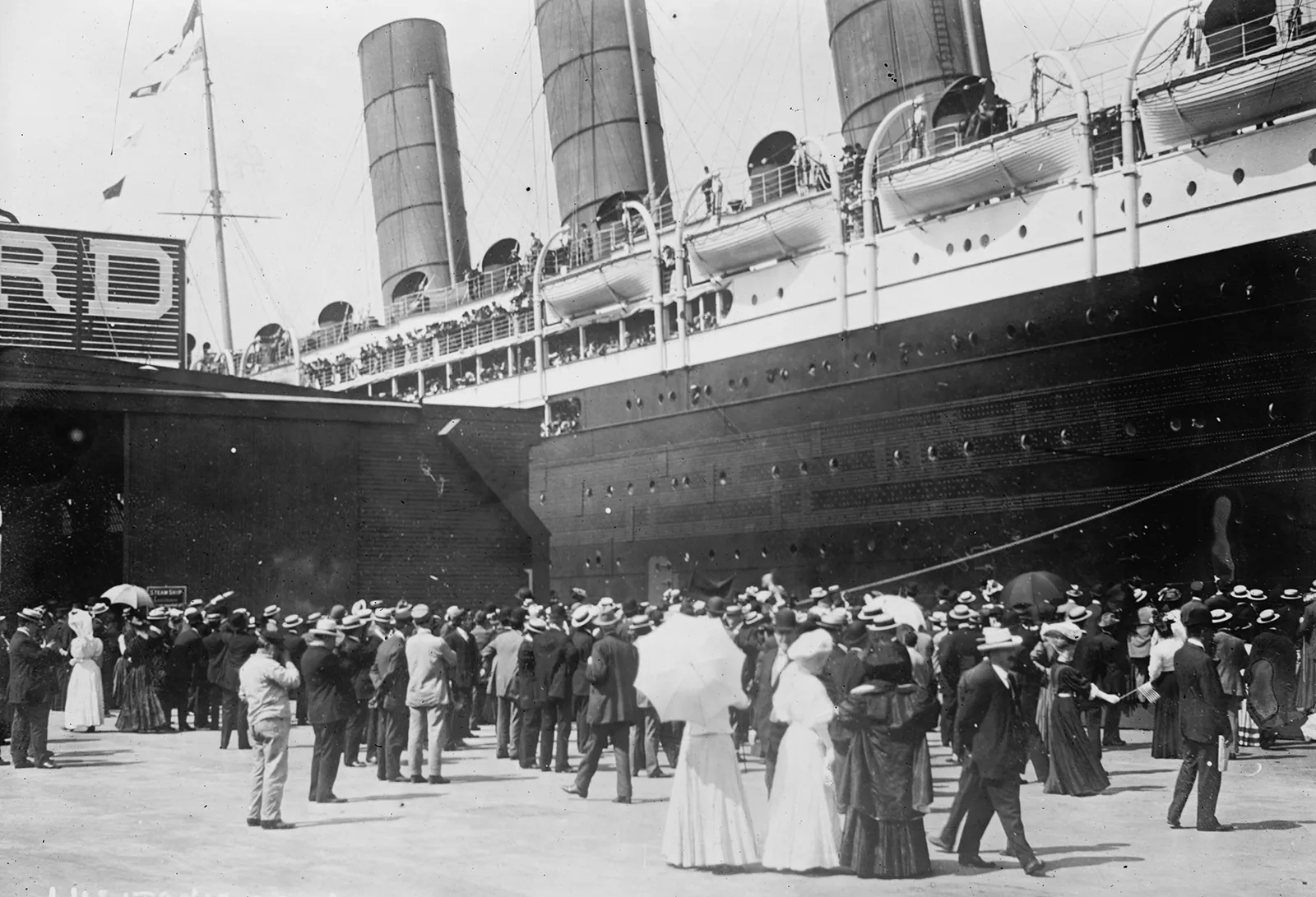
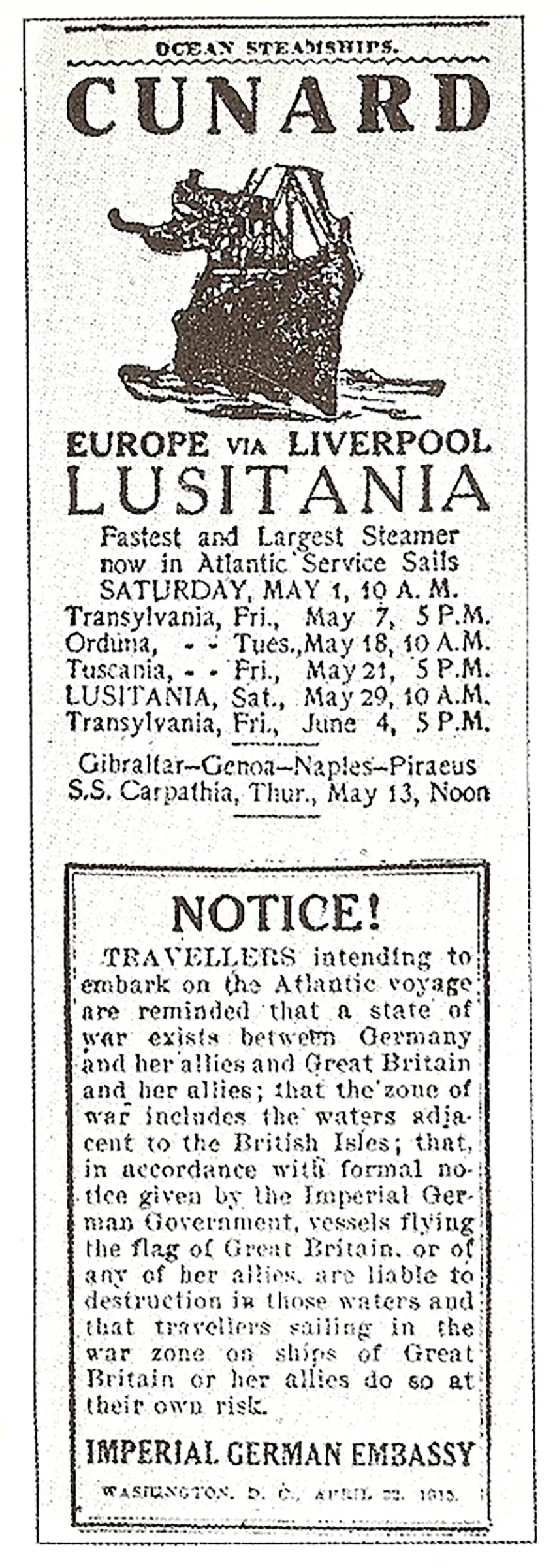
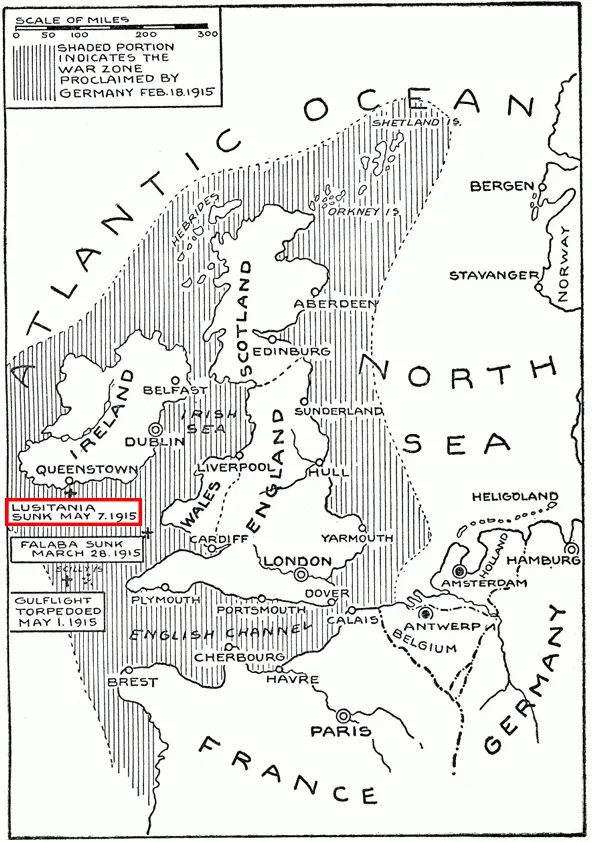
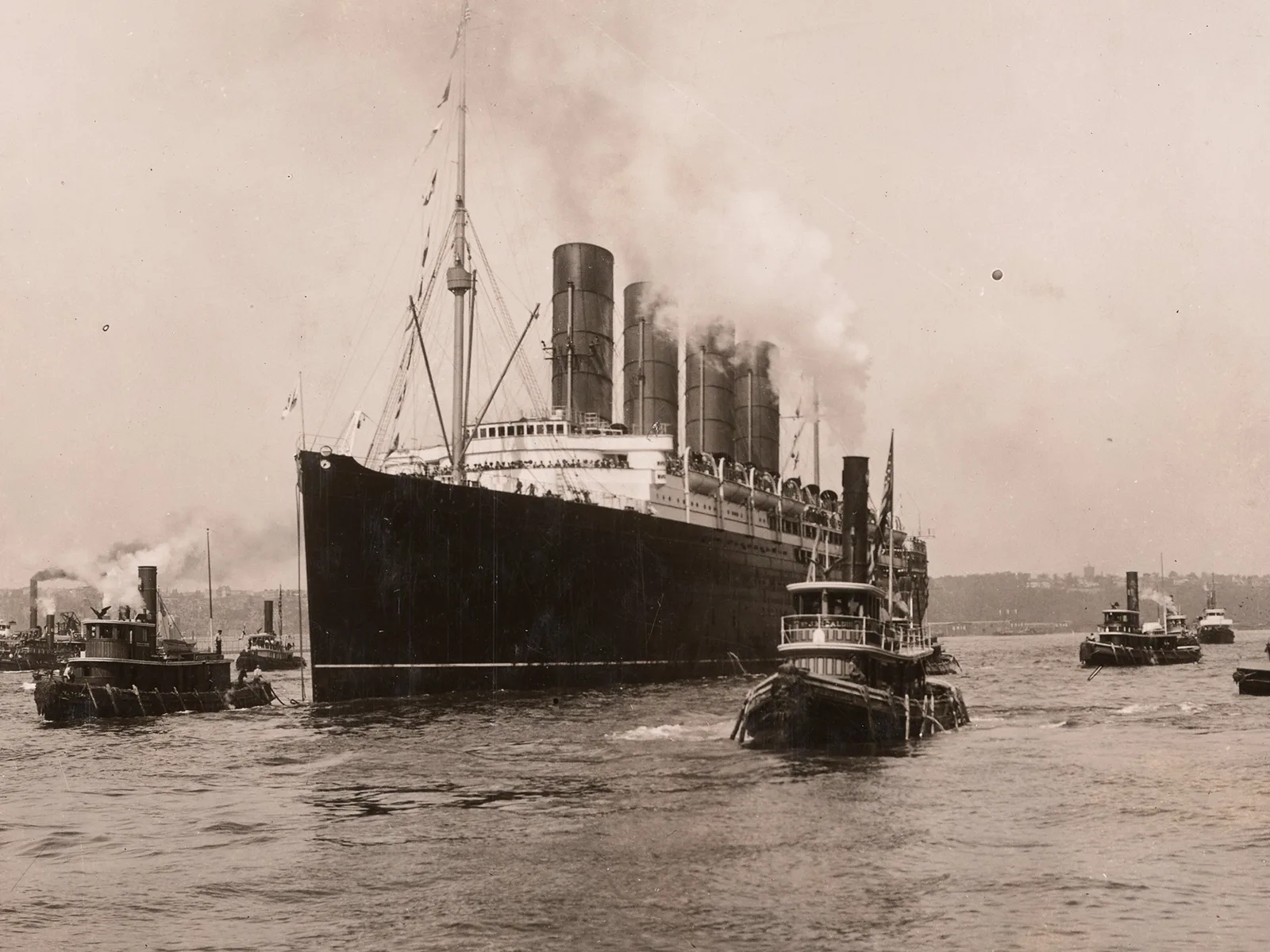
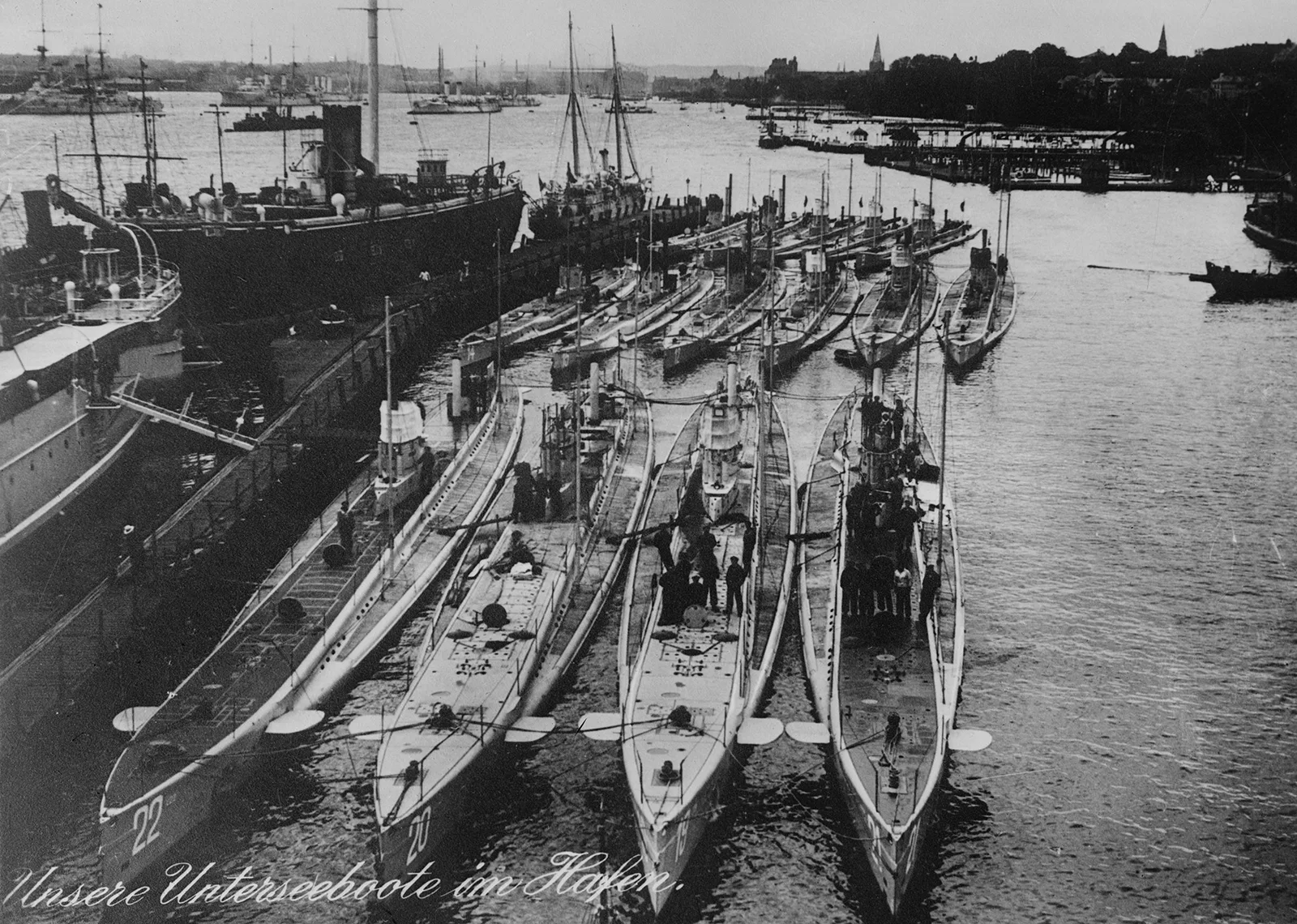
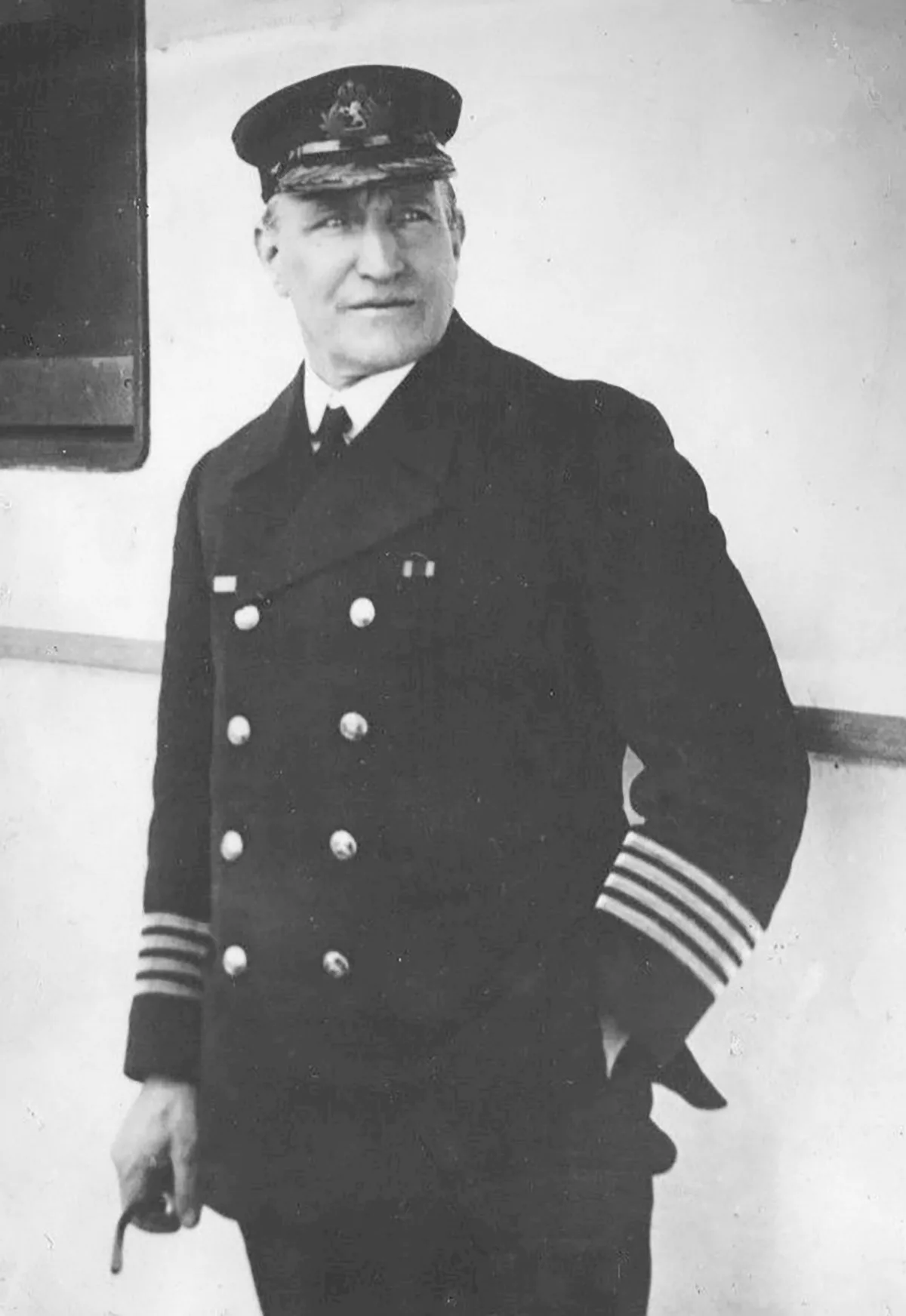
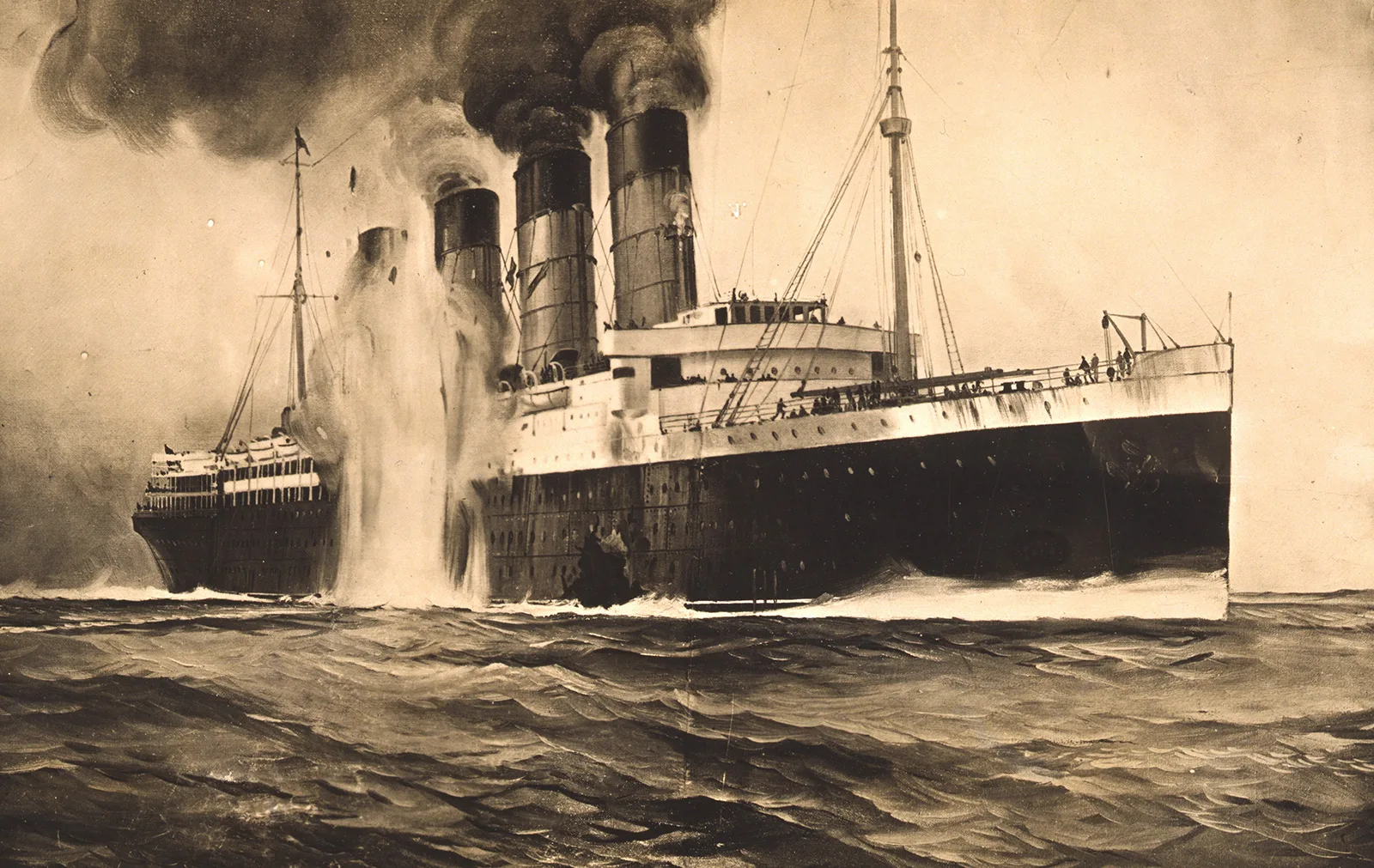
Around 13:20 PM, Captain Lieutenant Walther Schwieger, the commander of the German U-20, glimpsed the Lusitania in the distance from the conning tower of his submarine. Schwieger was unsure if he could target the vessel, but he ordered his crew to dive and follow the Lusitania’s progress through his periscope. At the exact same time, Turner ordered the Lusitania swung inland, towards the Old Head of Kinsale and directly in the path of the U-20. Schwieger could not believe his luck – the Lusitania moved directly towards his submarine. When the Lusitania was only 365 m away, he ordered a single torpedo to be fired, which struck the ship on the starboard side, just beneath the Captain’s Bridge, at 14:10 PM. It would take only 18 minutes for the Lusitania to slip beneath the waves of the Celtic Sea.
Lessons from the Lusitania