Impartial? Refereeing through the ages
Referees are ostensibly portrayed as impartial. At the same time they attract controversy. It’s time for a look back at how the idea of arbiters applying the letter of the law, whether in the courtroom or on the sports ground, all began.

Michael Jucker
Michael Jucker is a sports historian, head of Swiss Sports History and director of the FCZ Museum.
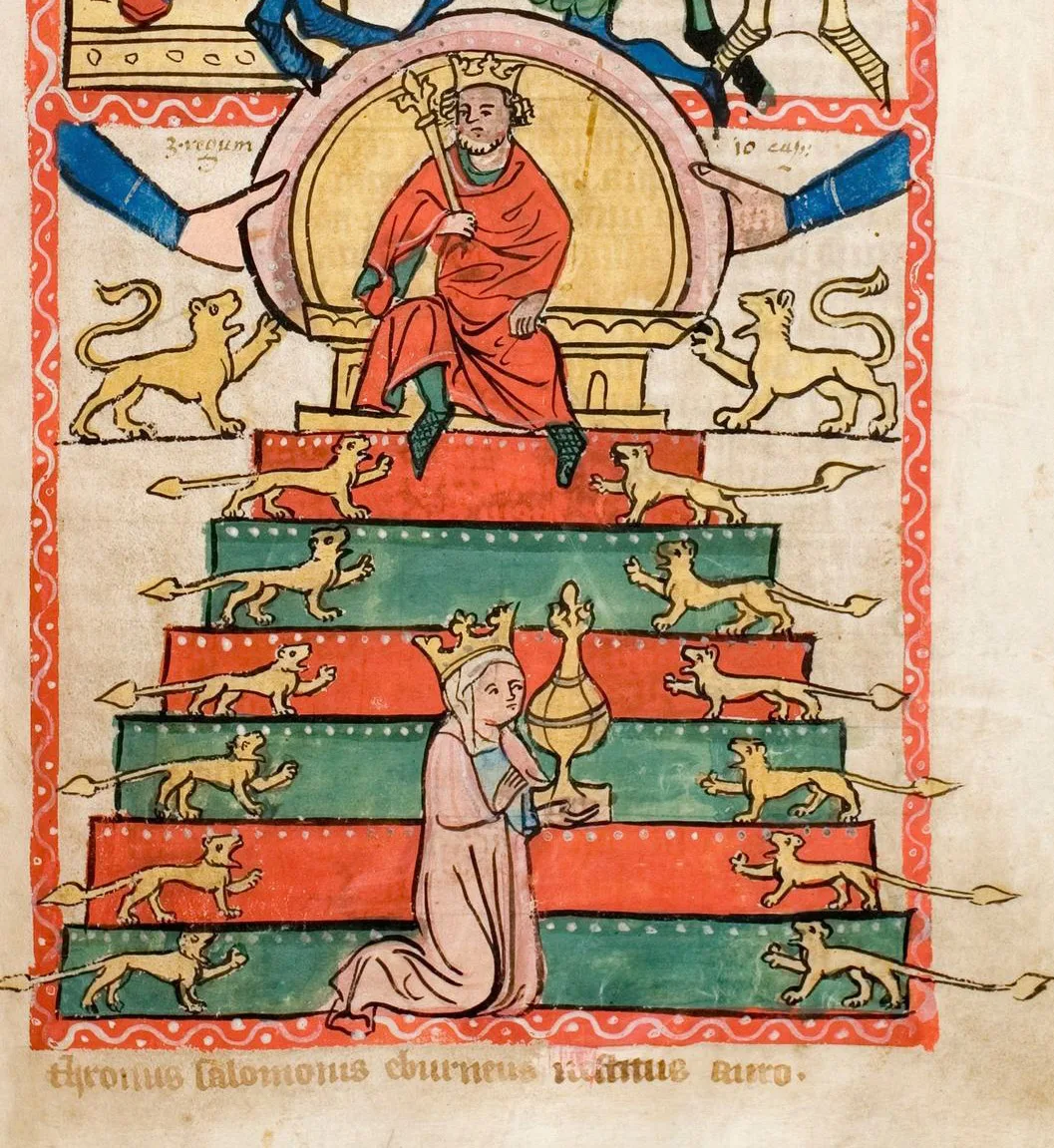
Arbitration proceedings were quite common in the Old Swiss Confederacy during the late Middle Ages, as conflicting municipalities and individuals came together to settle their differences. The arbiters were usually highly respected noblemen: bailiffs, cantonal chief magistrates known as ‘Landammänner’, and occasionally councillors, city chancellors or mayors. Elsewhere, even kings and queens assumed the role of arbiter, the best known example being King Solomon in the Bible.
The neutral arbiter and arbitration court largely disappeared with the advent of Roman law and the corresponding proceedings based on evidence and legal principles. Arbitration experienced a renaissance in the League of Nations in 1920 when states began working towards compromise-based conflict resolution. Arbitration courts still exist today for commercial law, international conflicts and sport, where the Court of Arbitration for Sport (CAS) in Lausanne is the last instance tribunal.
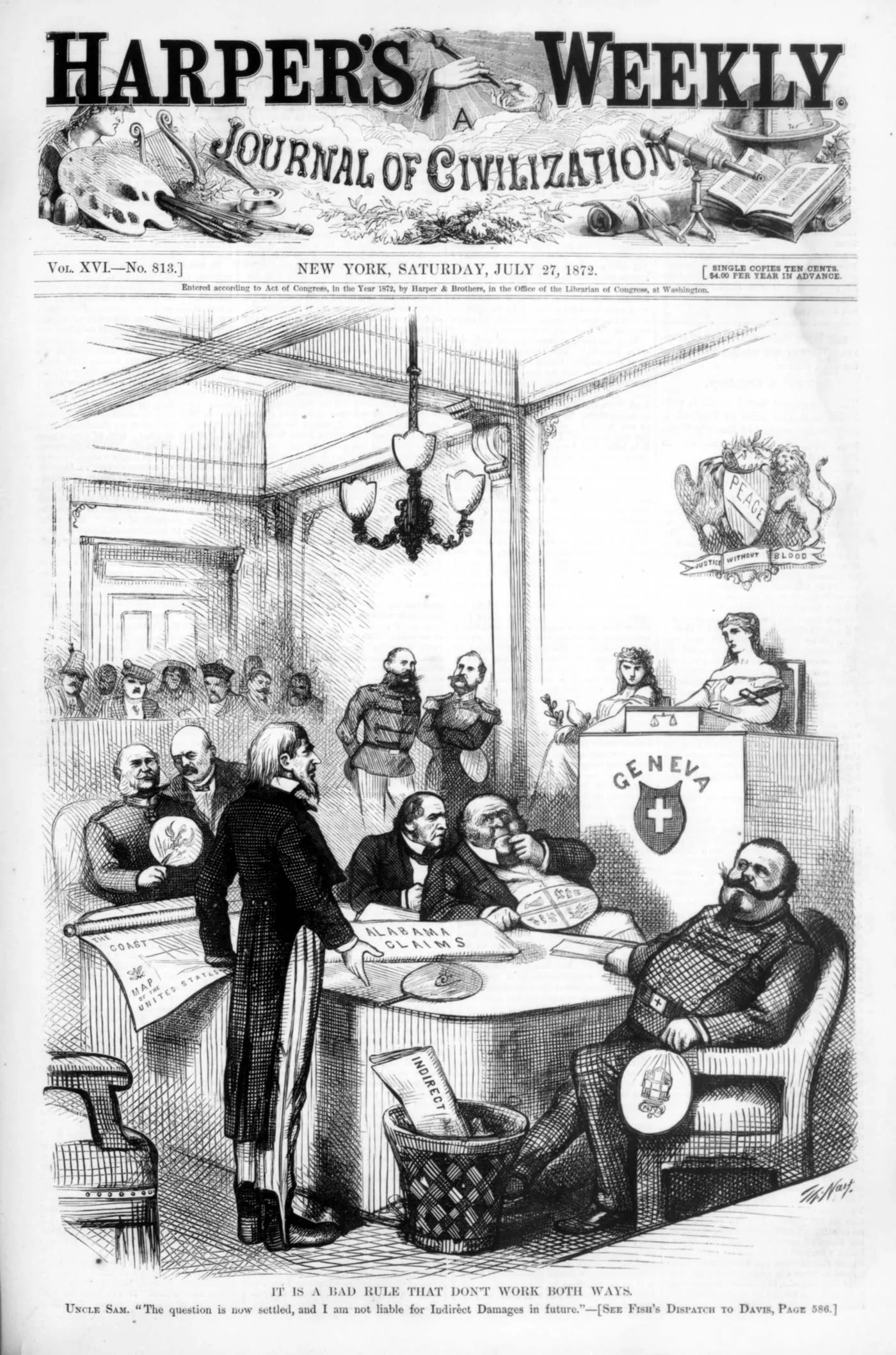
From gladiatorial contests to ensuring fair play
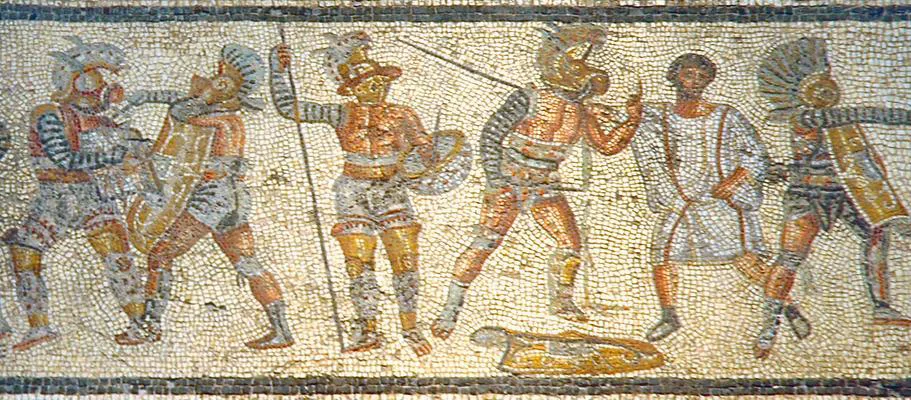
“20 February 1436: [...] on Monday after the midday meal, all the helmets were brought to the hall and everybody began preparing for the contest. The high and mighty came with their vassals and those without such came alone or with two or three other noble persons. Those women who were interested moved from the arena to the hall to look at the helmets. And every one of these ladies pointed to the helmet of the very knight she had reason to complain about.”
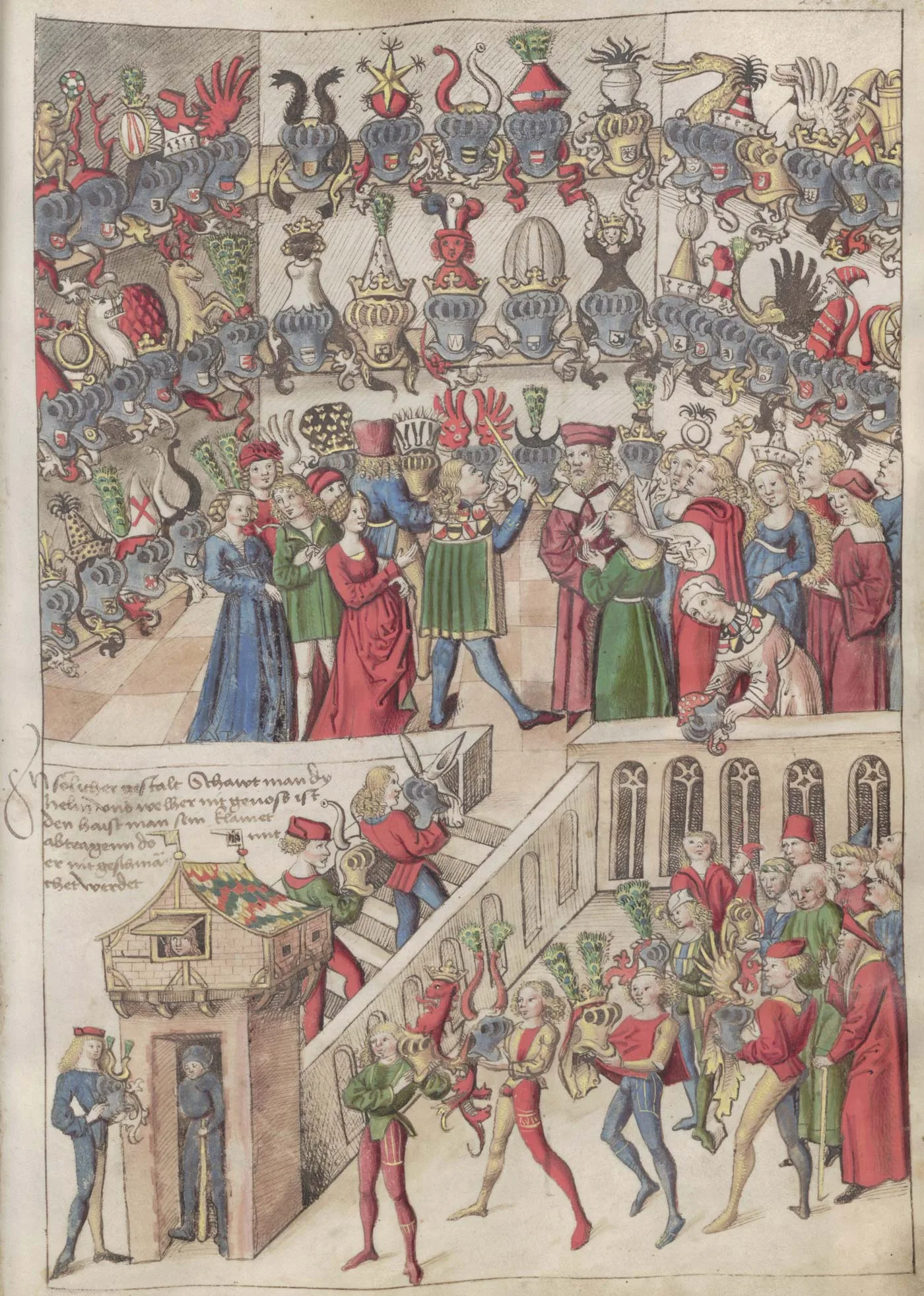
At the same time, influencing the referee, questioning their neutrality and seeking to bribe them are by no means modern phenomena. They certainly featured in contests during Greek and Roman times, and misconduct was punishable. In other words, despite the paucity of research and documentary evidence, it is safe to assume that referees in the Middle Ages were also “only human” and it is entirely feasible that they were influenced to some extent.
From captain to referee: the evolution of officiating in football
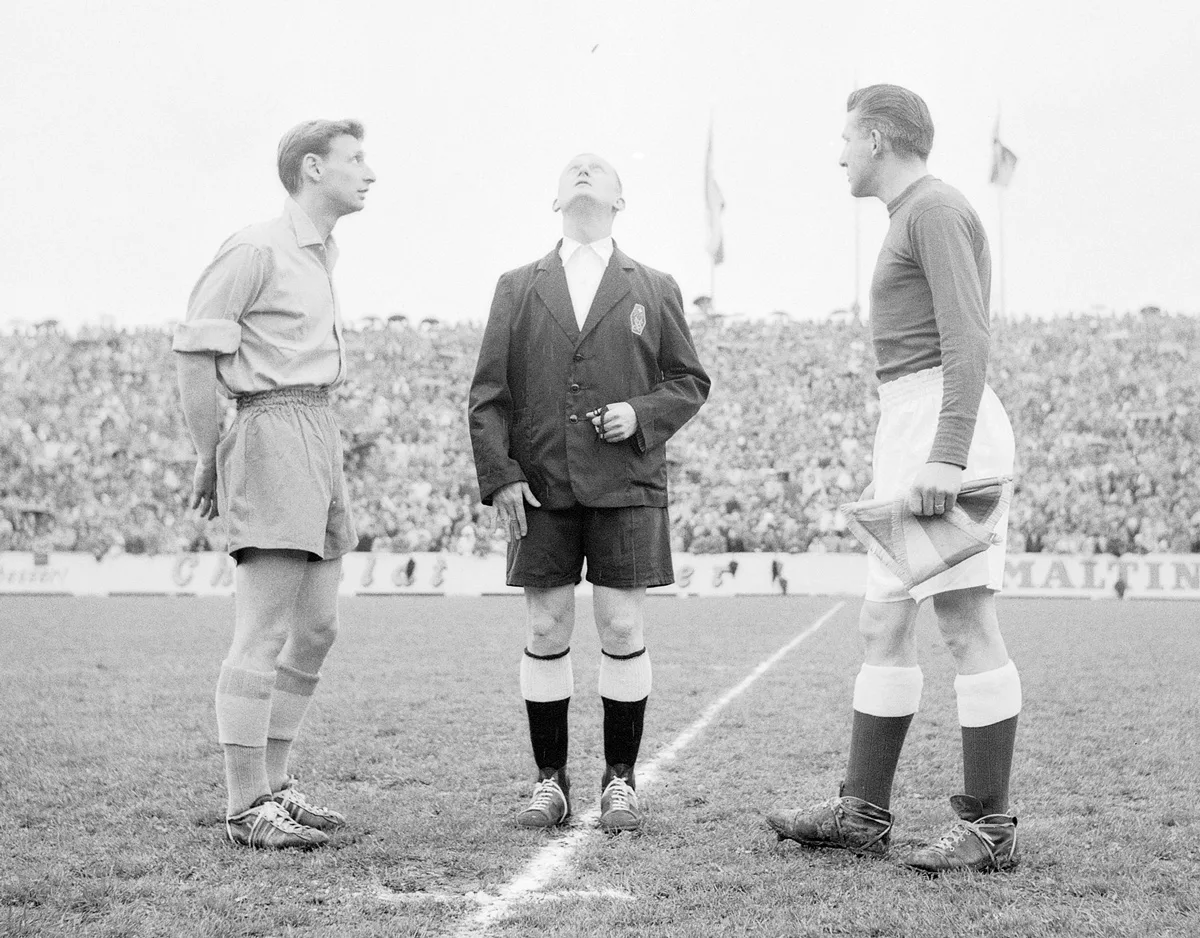
It has also extended beyond curbing the violent excesses of knights’ tournaments. Take football as an example: the first football rules date back to 1863 when they were devised in England. You were only allowed to kick the ball and not the other players; the corner, free kick and offside rules followed in 1866; since 1871, only the goalkeeper has been allowed to handle the ball. It was up to the players to interpret the rules, with the captains taking the decisions. Although still common practice today in children’s and recreational football, it did not work well for long in the birthplace of the modern game. A neutral referee was introduced in 1874 to run the match. Four years later the referee was given a whistle and has had two assistants helping on the sidelines since 1889.
As in many other sports, there are major gender-related differences in football. When women started playing the game in the late 1960s, they were not allowed to play in Switzerland under the regulations. As an alternative, pioneers like Madeleine Boll were given the option of training as referees and officiating at junior games. It was a rather lame attempt at compromise and not universally accepted. Women have only had their own league, naturally officiated by men, since 1970. FIFA first appointed women as referees at the first Women’s World Cup in 1991.
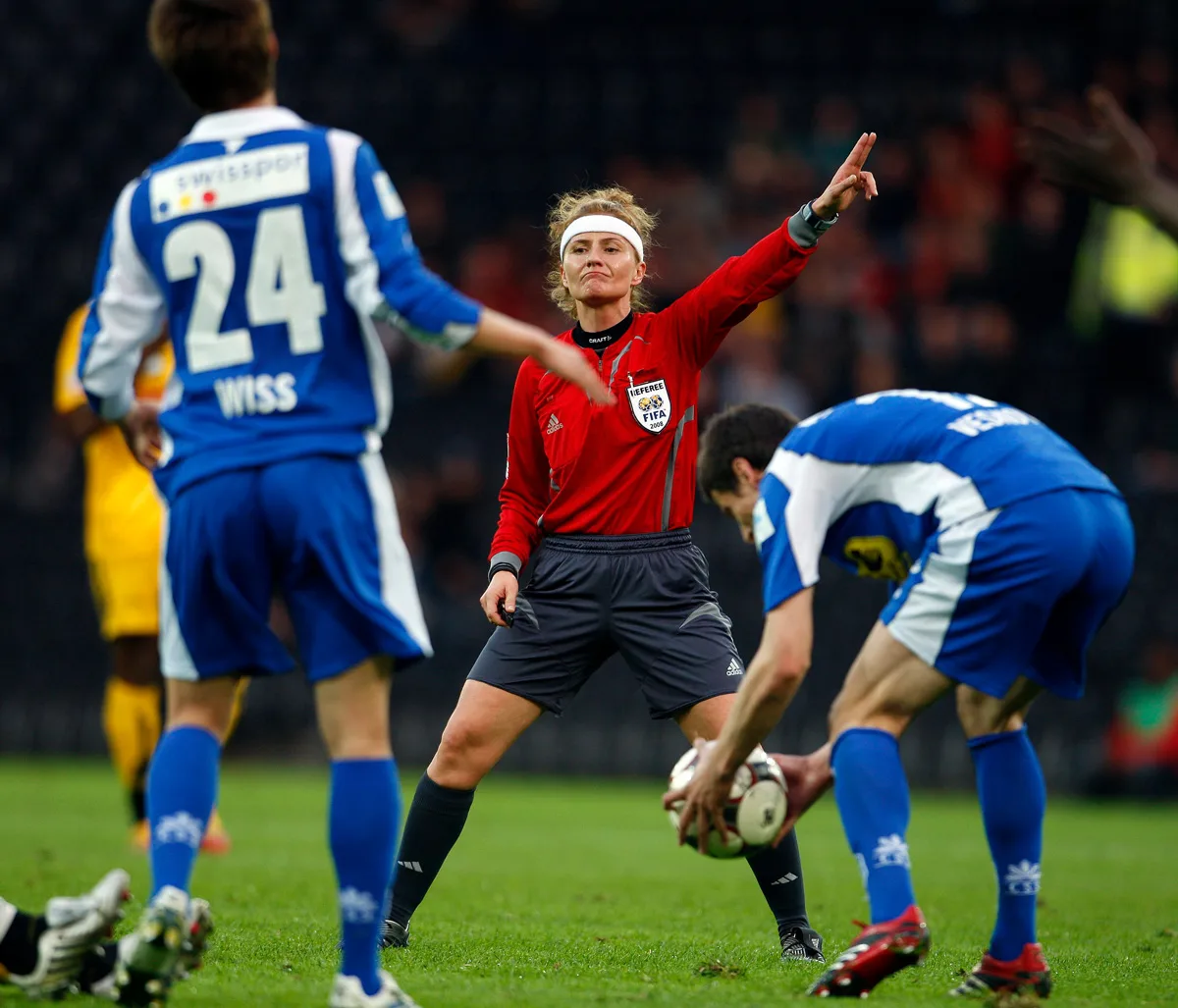
Nicole Petignat was the first Swiss woman referee to achieve widespread recognition at the elite level in Switzerland and Austria. She officiated at men’s games. On 14 August 2003, she became the first woman to referee a men’s UEFA Cup game. She also refereed international women’s tournaments, for example the 2003 World Cup in the US and the 2007 edition in China plus the Women’s Euro 2005 in England. Nonetheless, women referees are still very much in the minority and receive rougher treatment from the media than their male counterparts.
Swiss Sports History

This text was produced in collaboration with Swiss Sports History, the portal for the history of sports in Switzerland. The portal focuses on education in schools and information for the media, researchers and the general public. Find out more at sportshistory.ch