Mushroom mania
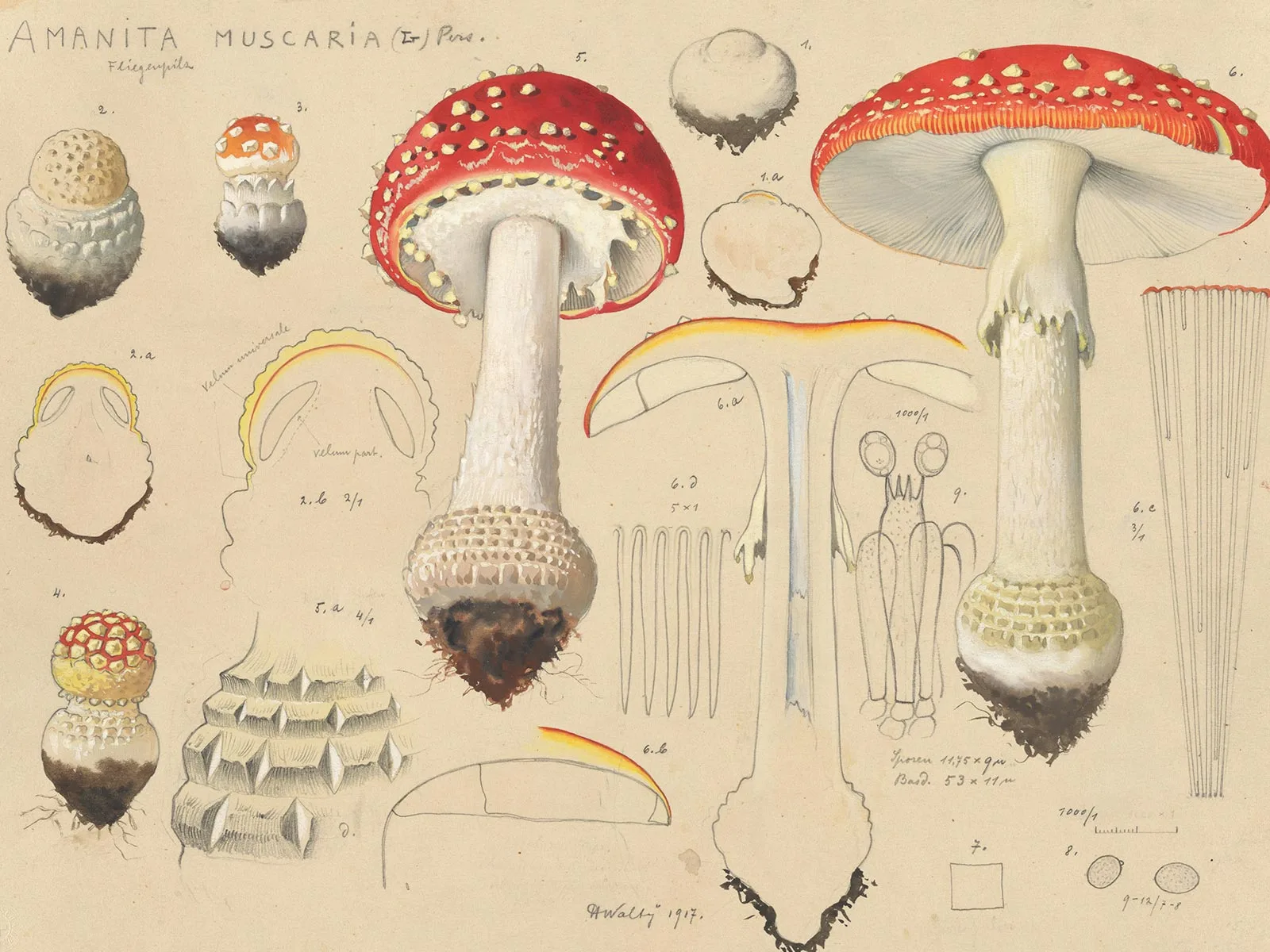
Foraging for mushrooms has become a popular pastime throughout Switzerland. And fungi hold immense promise in science and industry. Yet these fascinating organisms were once seen as harmful. How has this fundamental change in their image come about?

Hannes Mangold
Hannes Mangold is responsible for research partnerships at Schweizerische Mobiliar Genossenschaft. He creates exhibitions, books and projects at the intersection of science, art and history.
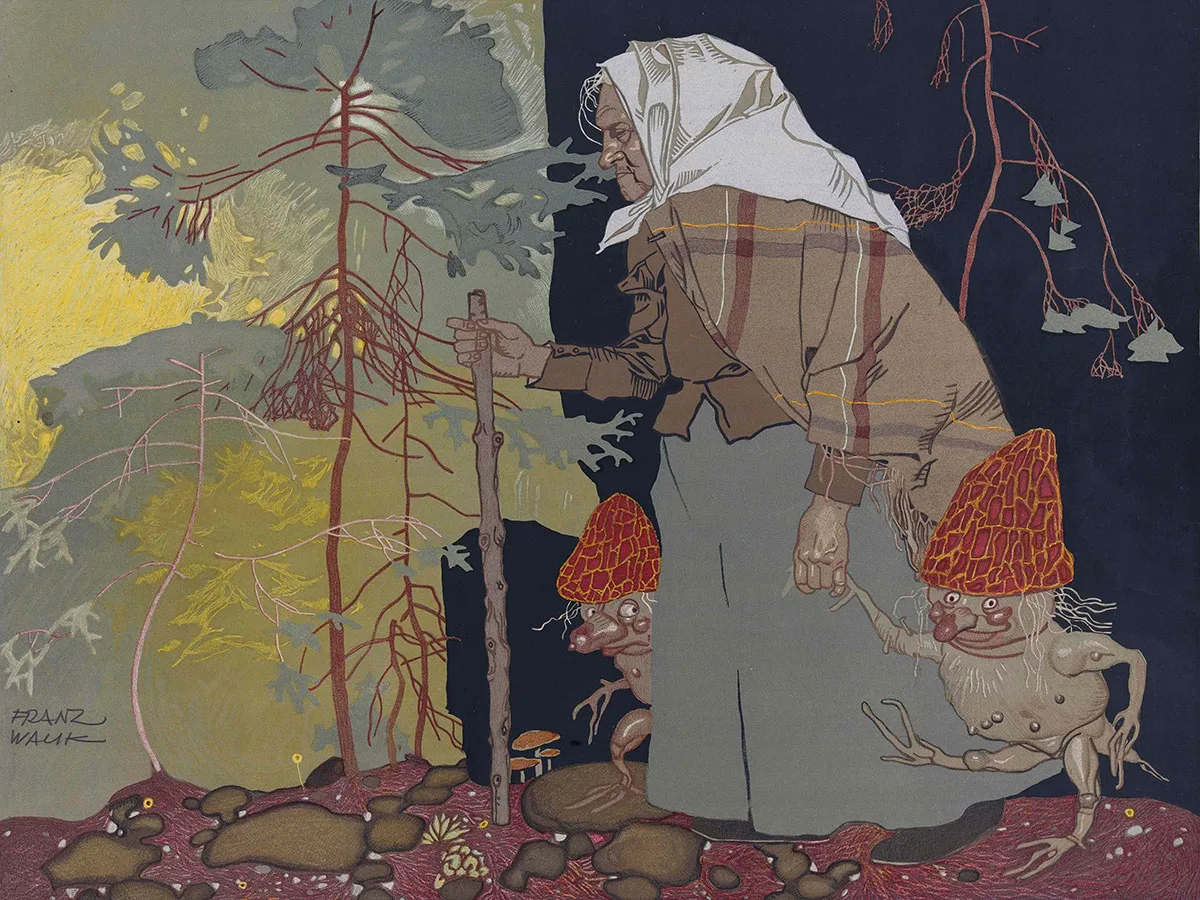
At the same time as this academic research was taking place, a culture of lay expertise was also developing. For these amateur mycologists, everything revolved around large wild mushrooms. Their aim was clear: to identify edible fungi and prevent poisoning. The problem was how to teach people to systematically and safely identify mushrooms. The answer: through art. As mushrooms were difficult to preserve, paintings and drawings became a useful way of capturing their colours and forms. Scientists like Louis Ruffieux in Fribourg and private scholars like Jeanne Favre in Geneva dedicated themselves to producing illustrations of mushrooms. As did Hans Walty (1868–1948). Unlike the others, he had actually trained as a fine artist. His watercolour images therefore have an artistic quality all of their own, as can be rediscovered on leafing through the new edition of his book (see box). But Walty also managed to gain a great deal of self-taught knowledge about mushrooms and grew into a kind of semi-professional researcher in the field.
At a time when global networks have become part of our common parlance, mycelia are a fascinating and inspiring phenomenon. Fungi are now sprouting up everywhere in economic, scientific, artistic and literary circles. Sometimes, it even sounds like they could save the world. But if that strikes you as too fanciful, why not simply go for a walk in the autumnal woods and keep your eyes peeled for mushrooms? It will lift your spirits. And that’s not a bad start.