Tsunamis on Lake Lucerne
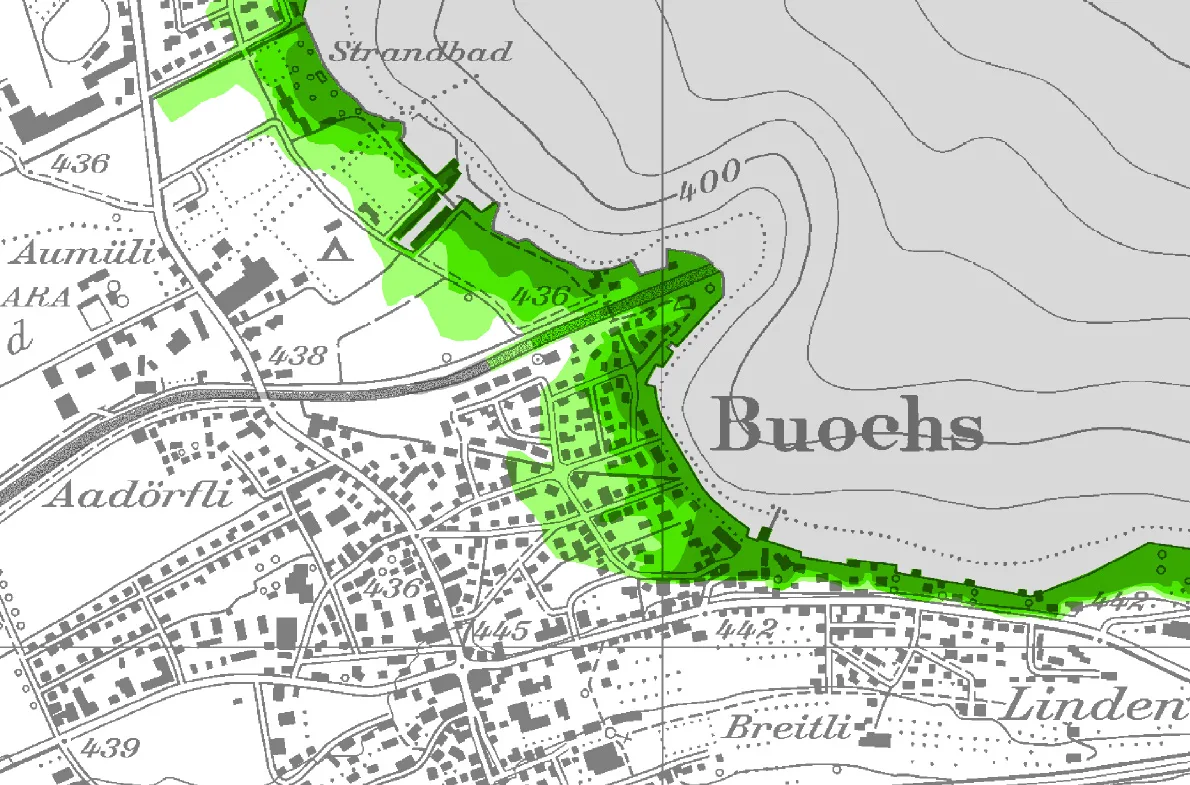
Switzerland’s first-ever tsunami hazard map was created for the canton of Nidwalden in 2015. How did this come about?

Noah Businger
Noah Businger is a historian and a PhD student in Early Modern Swiss History at the University of Bern.
The extensive work involved was entirely justified: the results of the calculations and analyses show that the danger is real. A tsunami wave engulfing the shores of Nidwalden, travelling several hundred metres inland and causing considerable damage is a plausible scenario.
Renward Cysat was shaken to the core
A savage tumult and commotion accompanied by rumbling and roaring, almost as if half-a-dozen strong men had fallen upon one another, delivering strikes and blows, wrestling and sparring, and were thus being hurled to and fro across the chamber
On reaching Lucerne, Cysat was told how the water in the Reuss river had repeatedly been drawn right back into the lake only to suddenly come rushing back out again into the riverbed. We can recognise this description as what we would now call a ‘seiche’, where all the water oscillates back and forth from one side of the lake to the other. The surface of the lake becomes tilted and the water sloshes to and fro. Viewed from the bank, the lake appears to retreat from the shore for a few hours, only to come thundering back as giant, metre-high waves.
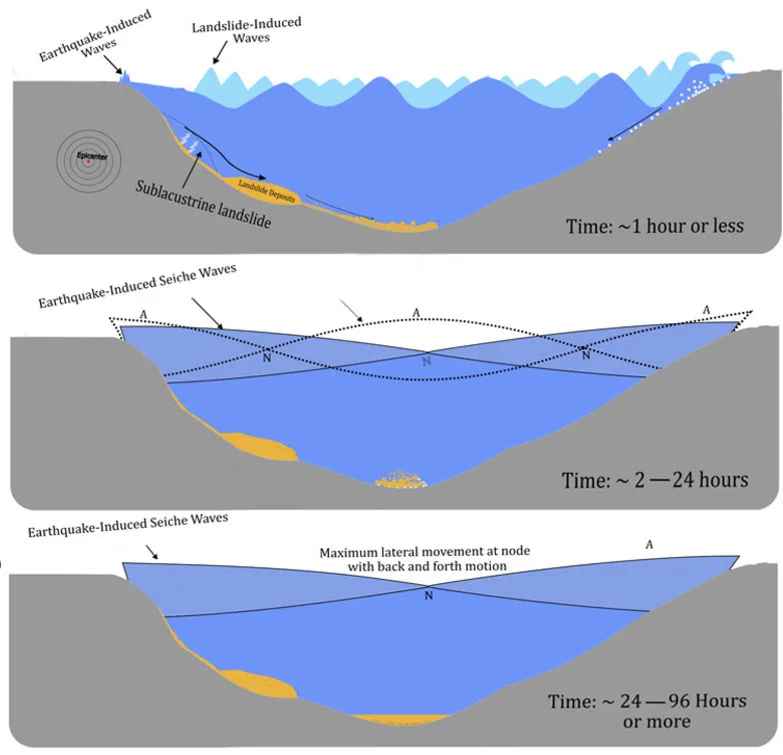
Those gigantic flood waves were not triggered directly by the earthquake. The tsunami was caused by what are known as underwater sediment avalanches. The earthquake caused gigantic masses of mud and rock deposits to break away from the sublacustrine slopes. Much like a slab of snow, this sediment avalanche slid down over a less cohesive weak layer towards the lakebed. As it fell the material pushed the water upwards, and the rising column of water triggered a tsunami wave on the surface. In 1601 that generated waves up to ten metres high, which barely lost any of their force as they travelled, thus creating the seiches.
Consequences, then and now
And in light of the weight and multitude of our sins, God Almighty hath visited a terrible earthquake upon us this past Monday night. Therefore have my Gracious Lords of the city and country, upon pain of severe punishment, caused all dancing, gaming, and unnecessary feasting to be struck down and forbidden; likewise all shouting, tumult, singing, and the playing of stringed instruments, even until Carnival.
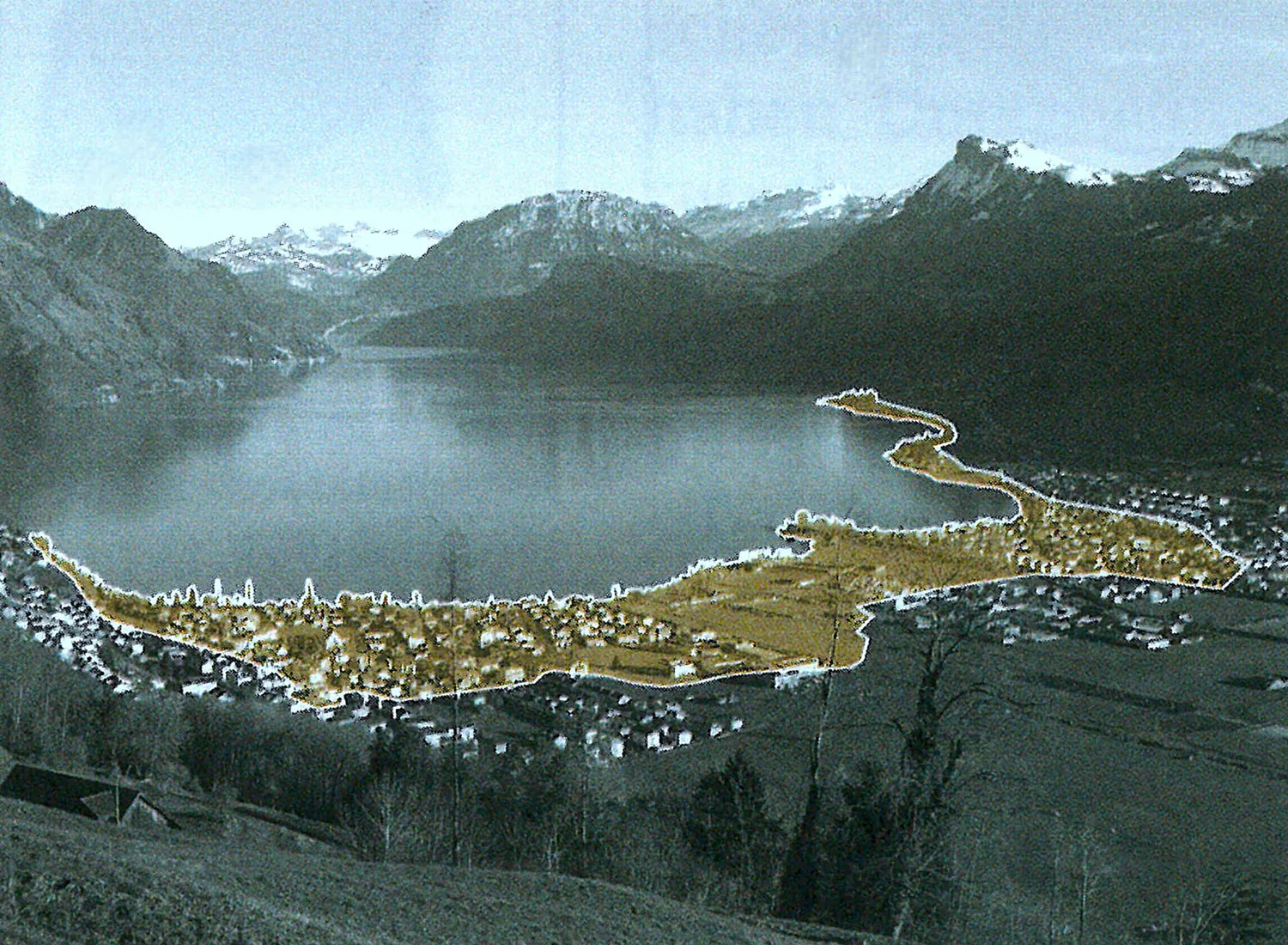
But the scientific studies also suggest that we shouldn’t start panicking just yet. An event like that of 1601 is unlikely to happen again so quickly. Back then, so much material slid from the submerged slopes that it will be centuries before similar deposits can build back up again.
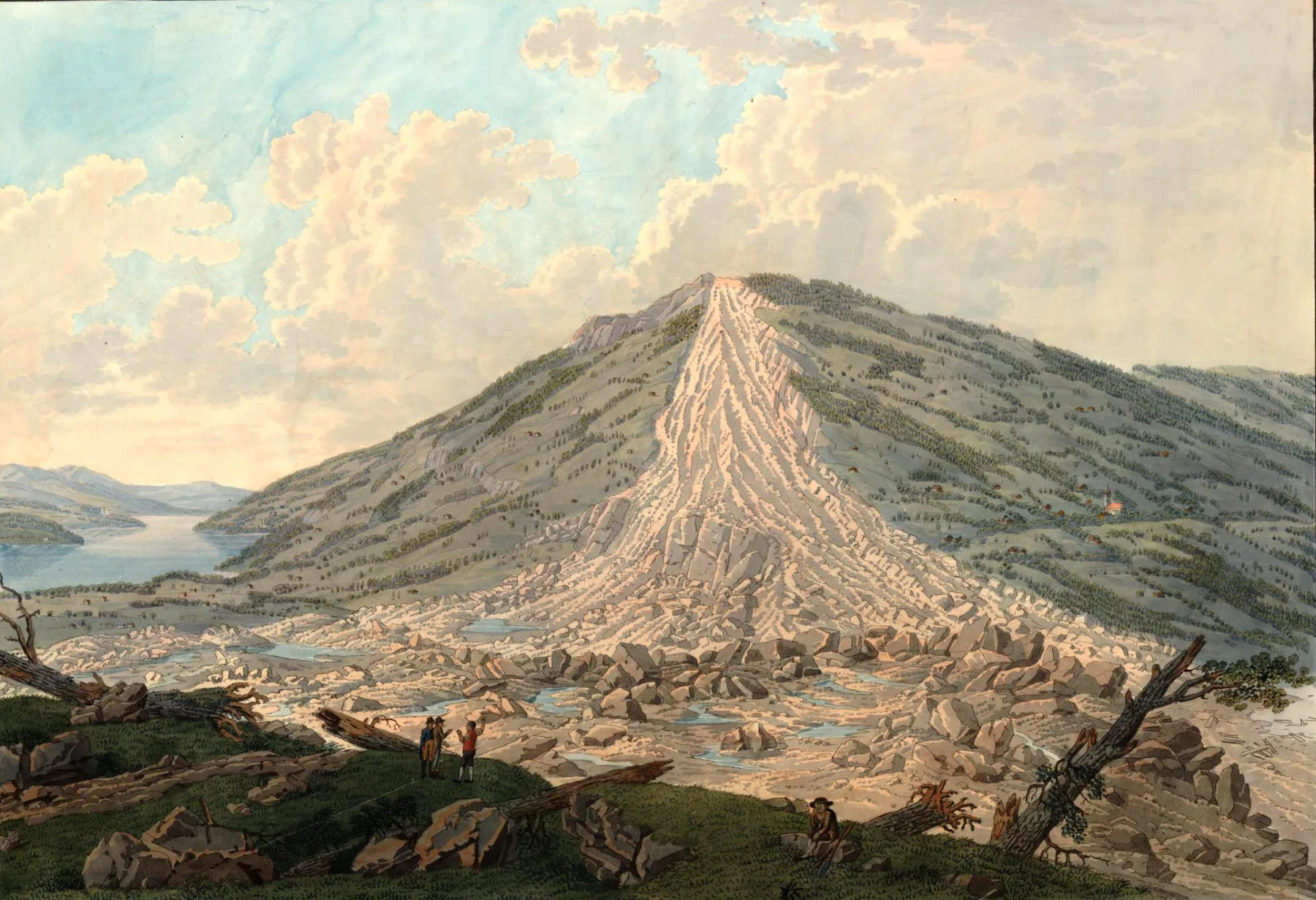
Nevertheless, tsunamis on Lake Lucerne remain a possibility. Two examples from the region show that there is no lack of potential triggers.
Landslides as a tsunami trigger
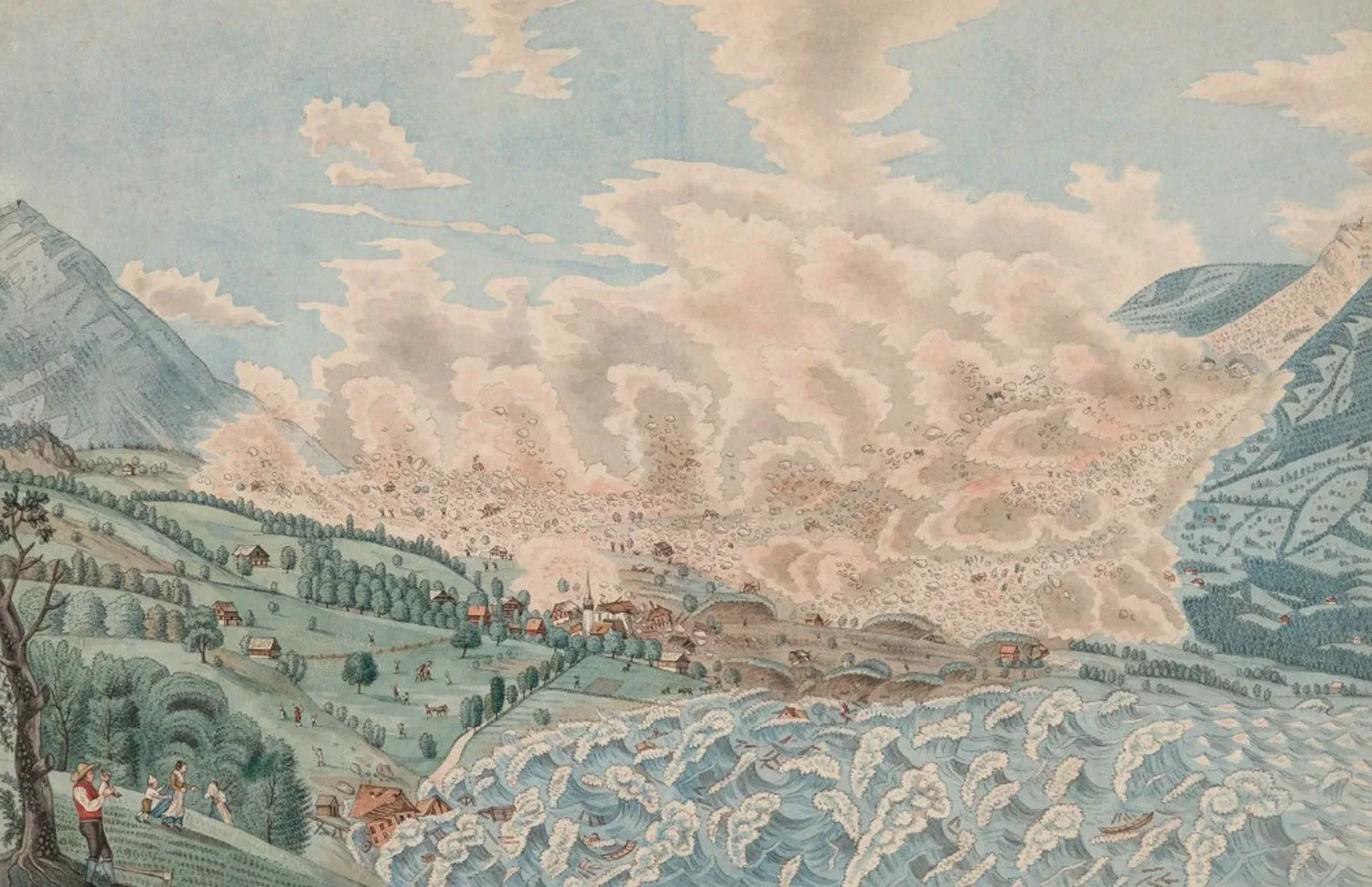
The next flood wave will come