The smuggling king of Chur
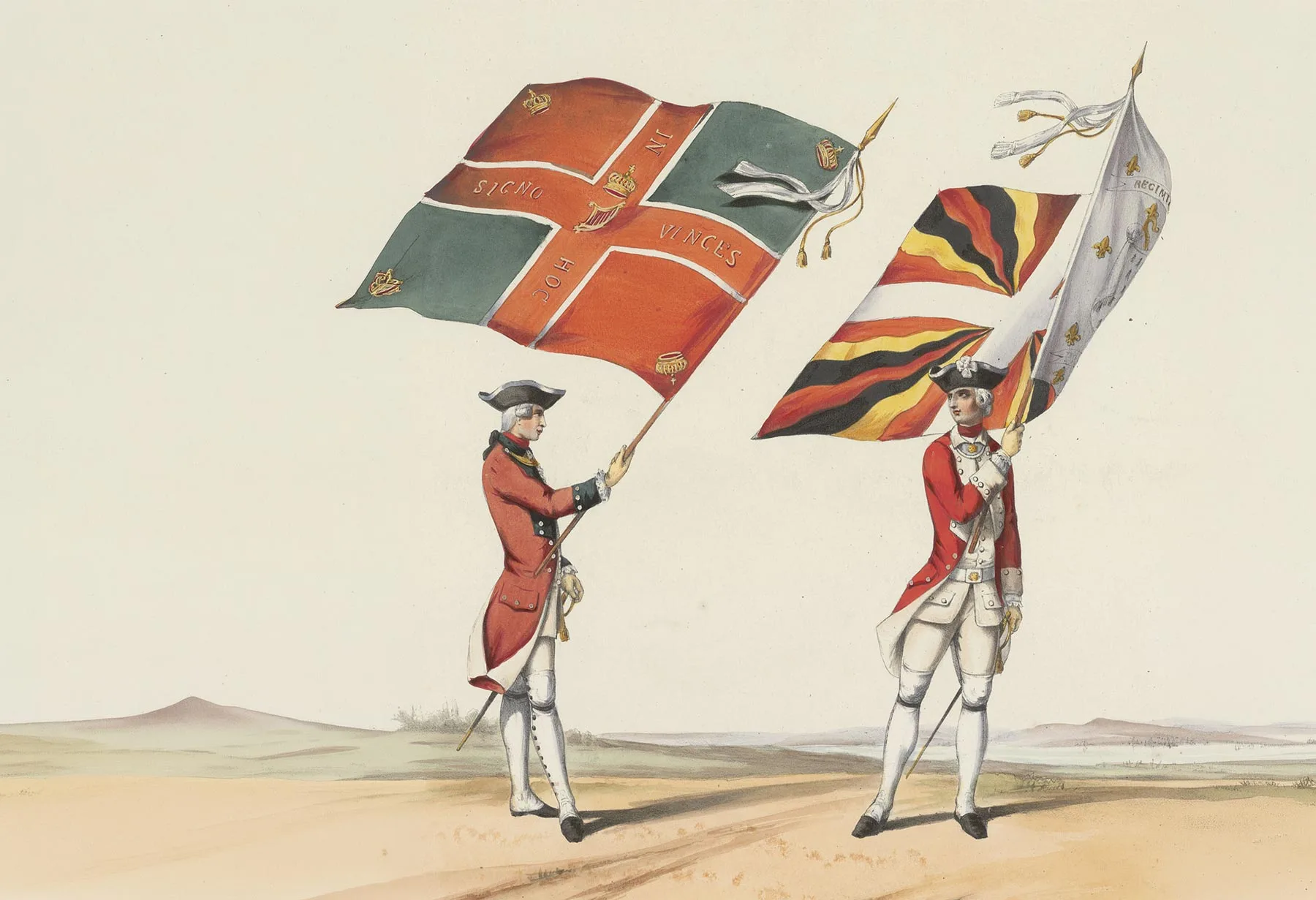
Unlike today, wars were almost constantly raging on the borders of the Old Swiss Confederacy in the 17th and 18th centuries. As well as representing the culmination of ongoing conflicts, this warfare opened up lucrative new lines of business for people like Thomas Massner.

Noah Businger
Noah Businger is a historian and a PhD student in Early Modern Swiss History at the University of Bern.
In the eye of the storm
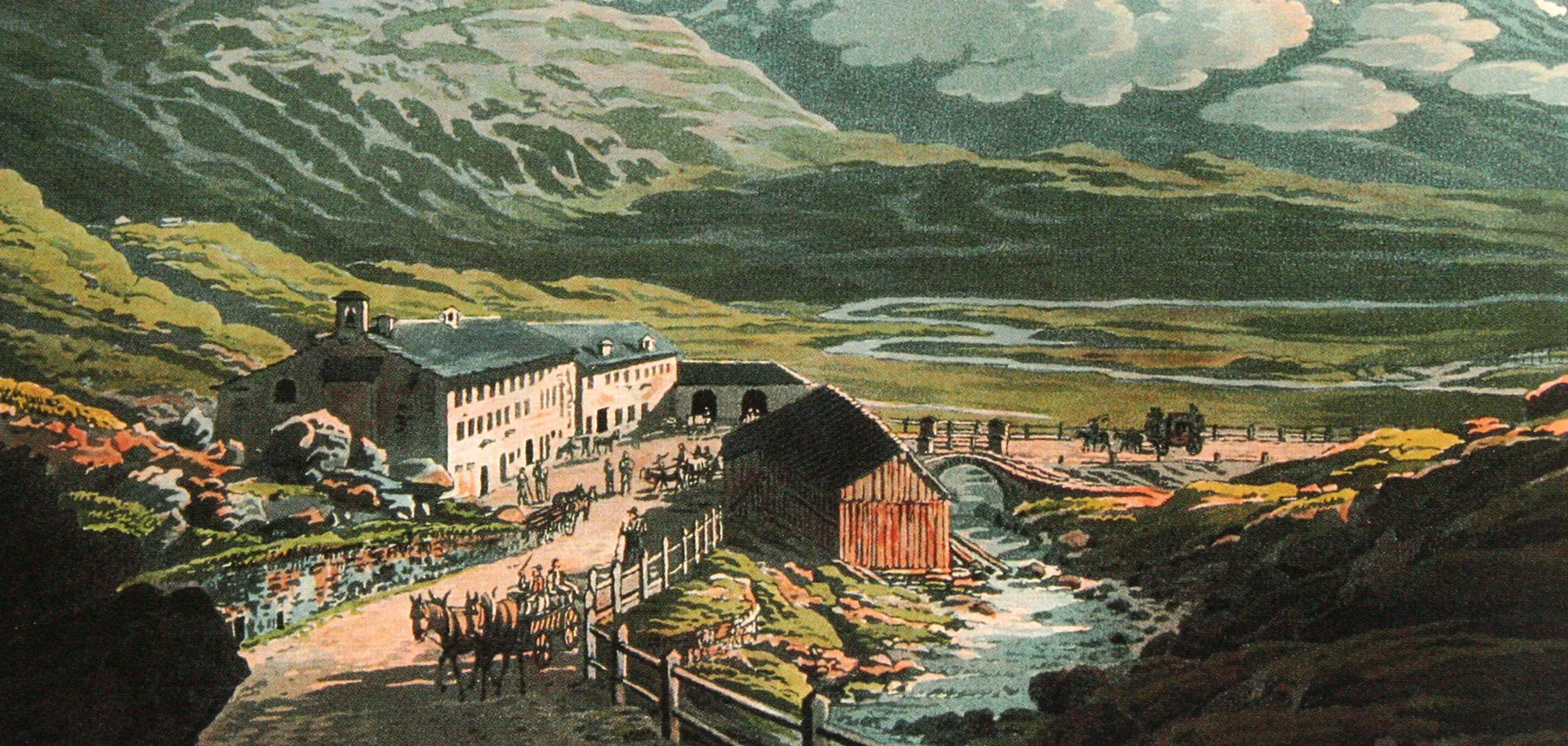
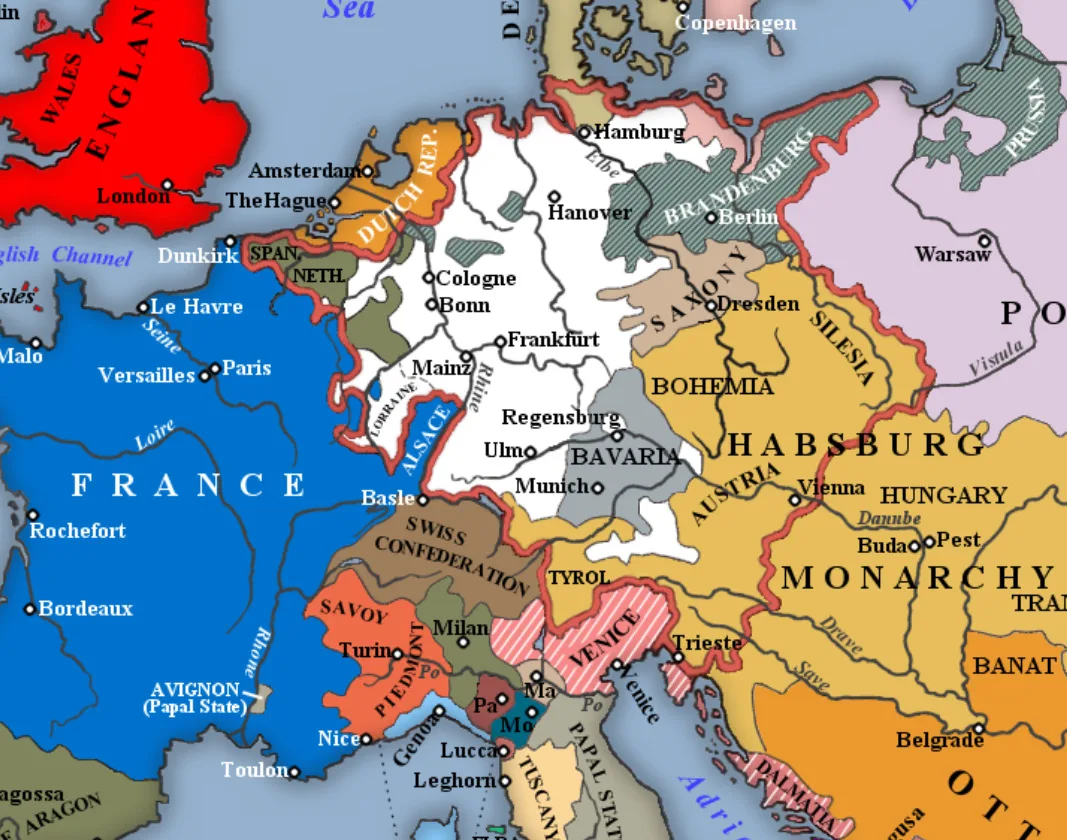
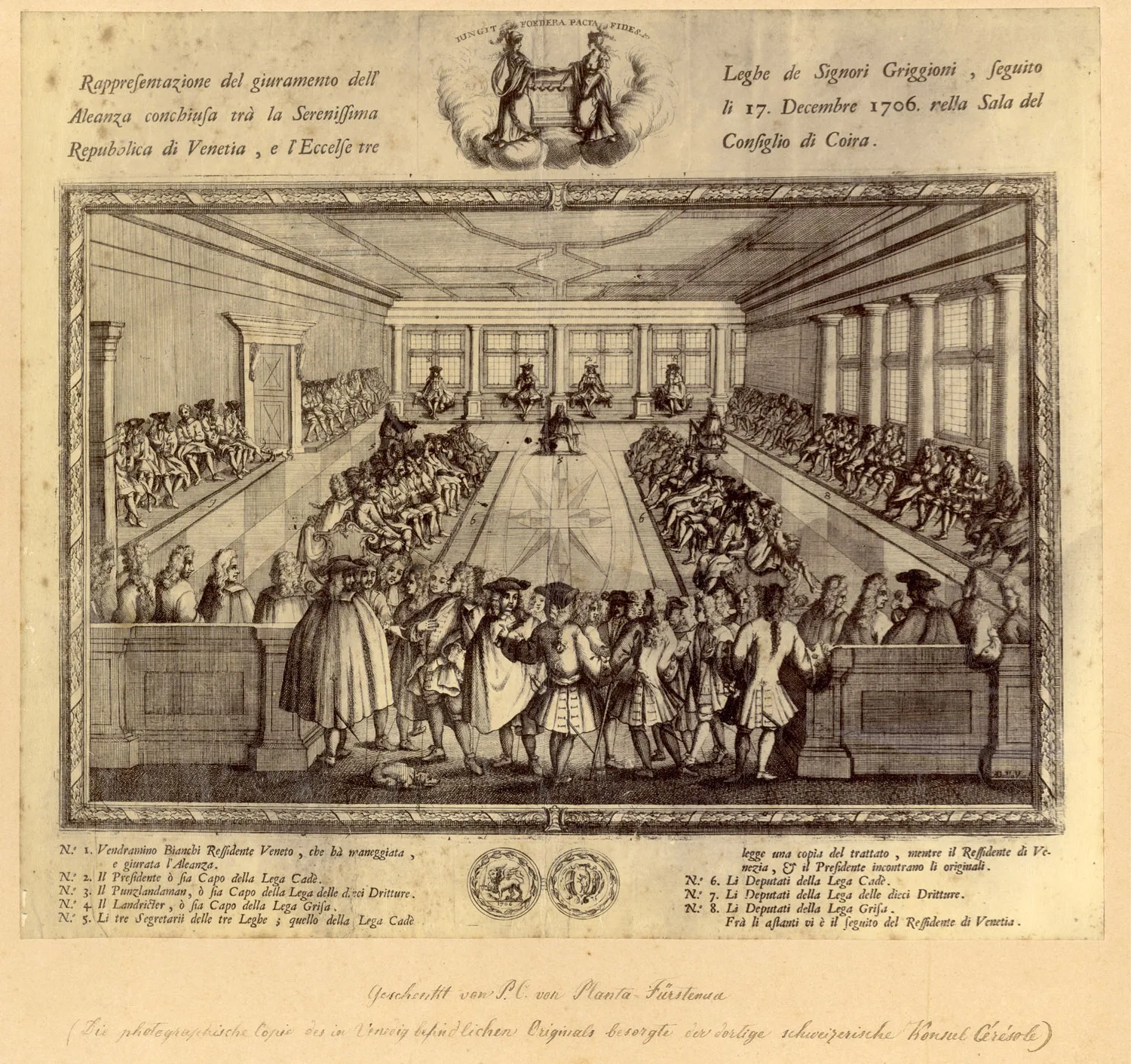
The Holy Roman Emperor’s forces clashed with the French king’s army in the Duchy of Milan, which at that point was under the control of the Spanish Habsburgs. Both sides needed the Graubünden passes to transport supplies and potentially move troops. Owing to its crucial geographical position, the Free State of the Three Leagues, as Graubünden was known at the time, thus became fiercely fought over.

From shipping agent to spy
This was Thomas Massner’s cue to step forward. In 1701, the merchant from Chur offered to act as a secret agent for the French envoy Count Forval. Drawing on the cross-border connections he had forged as a merchant in the surrounding regions, Massner was quickly able to set up a dense network of agents and informants in the Swiss Confederacy and Upper Italy, Vorarlberg and Tyrol.
Massner is highly resourceful and cunning; he is capable of taking on the most difficult of tasks.
Serving both emperor and king
Massner made no secret of his multiple alliances, attempting to persuade each side that this was to their advantage. He assured the new French envoy Graville that his counterintelligence activities for the enemy were the very thing that would enable him to safely pass on information to France, while also impressing upon von Rost the supposed ways in which the imperial side stood to benefit from his dual ties. Massner proposed that he “be permitted the odd piece of deception that appeared to favour our enemies” as a clever means of building up credit with them that would make it all the easier to subsequently pull off a master stroke.
At this point, Massner was fully in command when it came to playing one side off against the other. In addition to the Three Leagues’ strategically important position, he was able to draw on his trade networks and, above all, his unfailing business acumen. Whenever Massner saw an opportunity to turn a profit, he moved heaven and earth to do so.
A smuggler in charge of policing contraband
Both Leopold I and Louis XIV had imposed blanket bans on trade when war broke out, with the aim of weakening the adversary’s economy. Consequently, many goods could no longer be legally taken into or out of the Holy Roman Empire, leading to widespread smuggling.

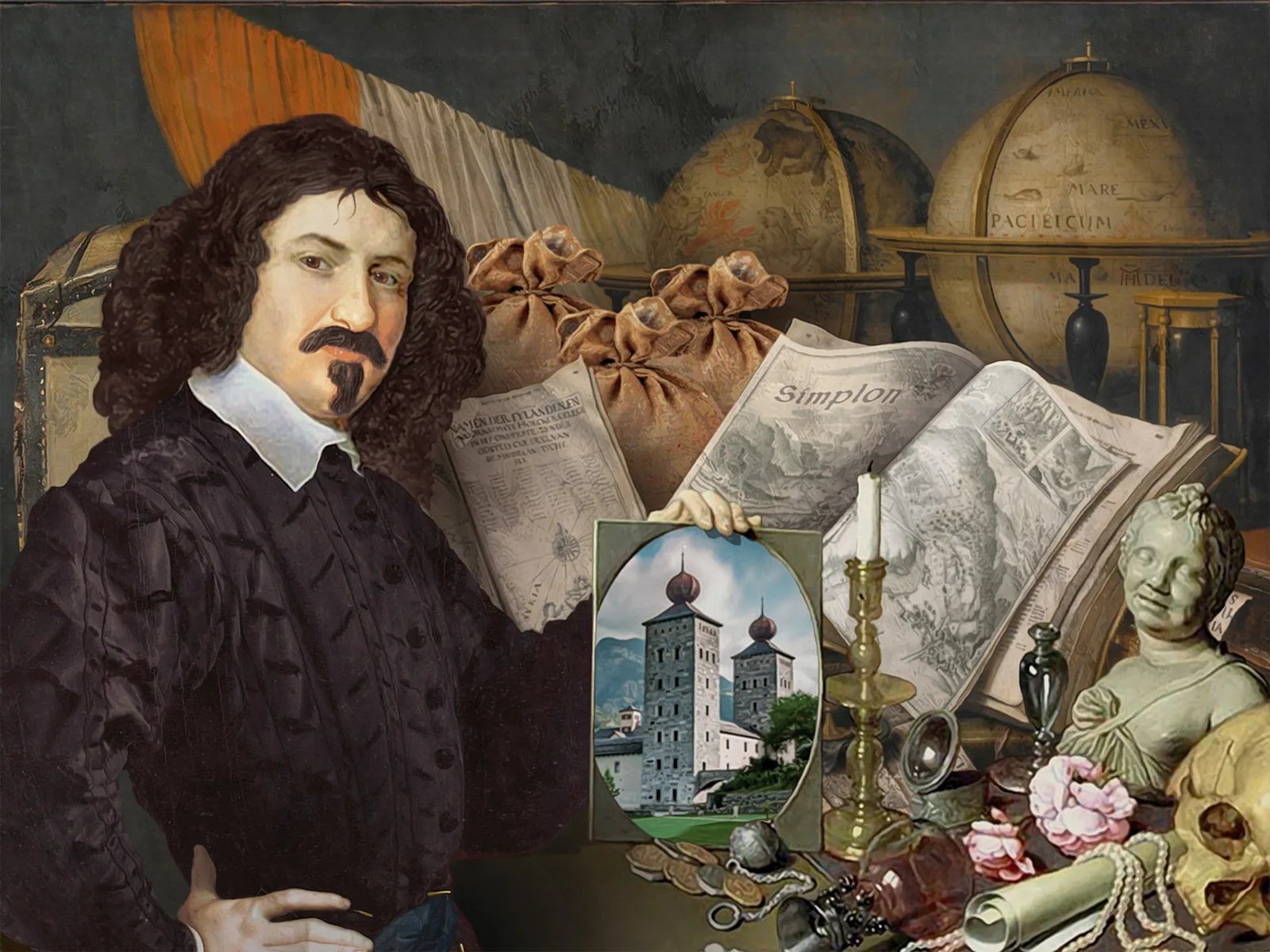
Liechtenstein. The Princely Collections
As the official in charge of anti-smuggling operations, he was responsible for keeping watch over the border with Vorarlberg, which essentially meant he was subject to his own surveillance. Massner the official used his new-found authority as a front for smuggling goods on a large scale as Massner the merchant. He sneaked horses and money that he himself had counterfeited over the Rhine and made sure that his business partners from northern Italy were able to circumvent the ban and import their goods to the Holy Roman Empire. Massner became a smuggling kingpin. But success in running contraband was still not enough for Massner.
The ambush at Leutkirch
In Chur, Massner instructed his people to open the chests, remove the money and hide it to be smelted down later. They replaced the precious cargo with bales full of earth, stones and sand, and – unaware of the fraud – one of Massner’s men, Ulrich Zellweger, accompanied the shipment over the Rhein as planned and on to an inn run by the Lutz family in Leutkirch. This was where the attack took place. A group of soldiers asked the landlord for lodgings for the night, then overpowered him and made away with the cargo being temporarily stored at the inn.
The ambush was staged by Massner’s own people. He instructed five confidants to follow Zellweger’s wagon, disguised as soldiers, and to steal the supposedly valuable consignment, making sure to cover their tracks. Once outside the town, the pretend soldiers cut the bales open and left the cloths in which they had been packed lying around to create a false trail.
This second ruse was more than an attempt by Massner to cover up the initial deception; he actually hoped to make even more money from it. He unabashedly sent word of the unfortunate attack to the client in Augsburg, demanding payment of the agreed costs of transportation on the grounds that he had fulfilled his part of the bargain by successfully forwarding the goods as far as Leutkirch.
Escalation and isolation
Revenge of the Sun King
Seeking to retaliate, Massner tried but failed to detain two French officials, the embassy secretary Merveilleux and later Duke Philippe of Vendôme, Louis XIV’s cousin, as they passed through the Three Leagues.
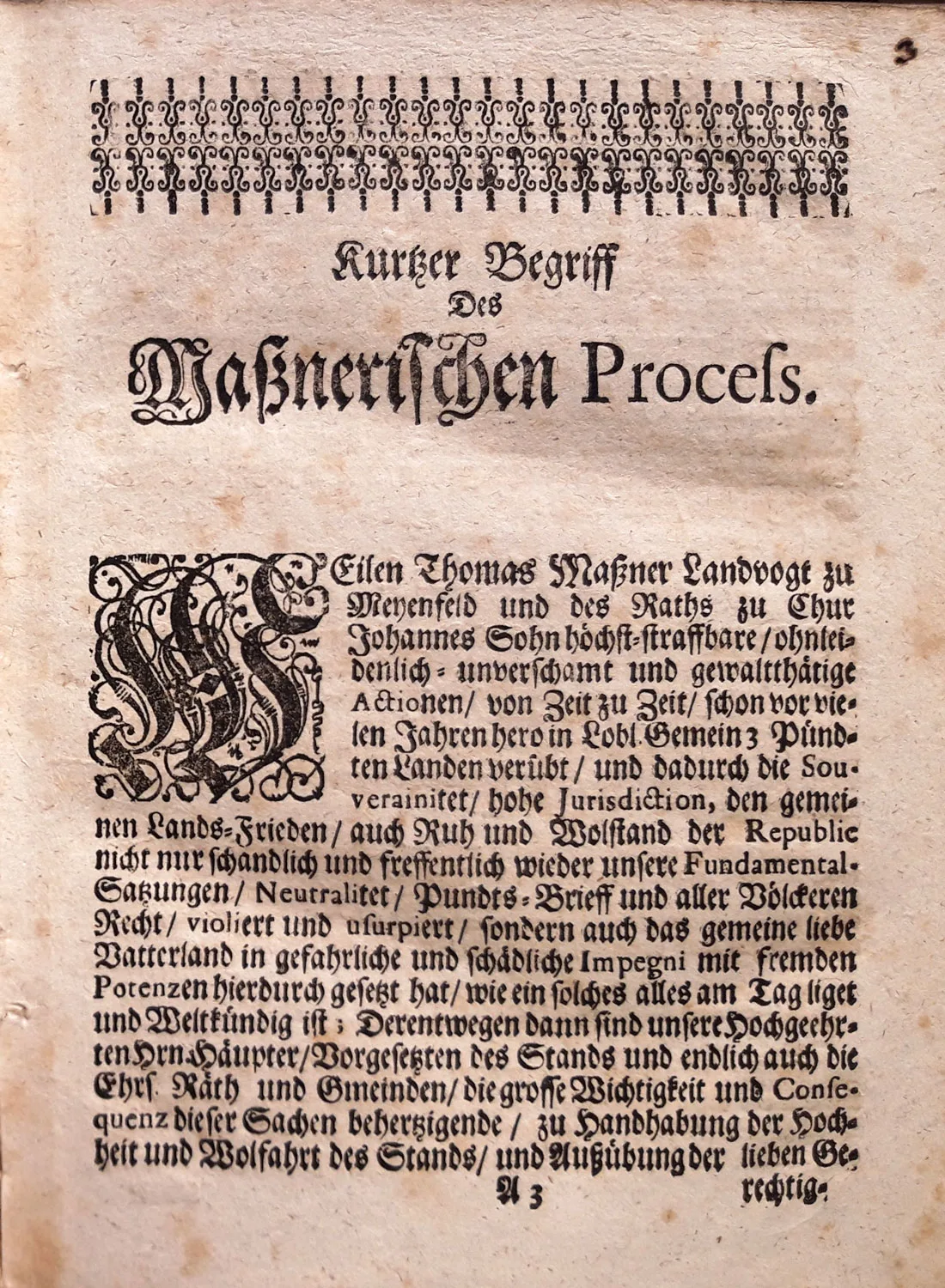
The French ambassador Du Luc then called on the heads of the Three Leagues to punish Massner. A criminal court finally sat in judgment over Massner in Ilanz on 4 July 1711. Largely composed of members partisan towards the French, the court proceedings were essentially a show trial: Thomas Massner was sentenced to death by dismemberment.
Thomas Massner’s story is that of a remarkable pursuit of wealth and power. Shrewd and full of gumption, Massner became a master of opportunity, seized the chances presented by war and rose spectacularly to become a top spy and smuggling kingpin. But he enjoyed broad support along the way: the list of people who gained from his activities is long. The tide only began to turn when Massner overstepped the mark with his grandiose strategies, causing him to lose the backing of his powerful patrons. The one-time luminary paid the price for his boundless greed and ended up becoming easy prey for his enemies.