The trade unions and fears of being overrun by foreigners
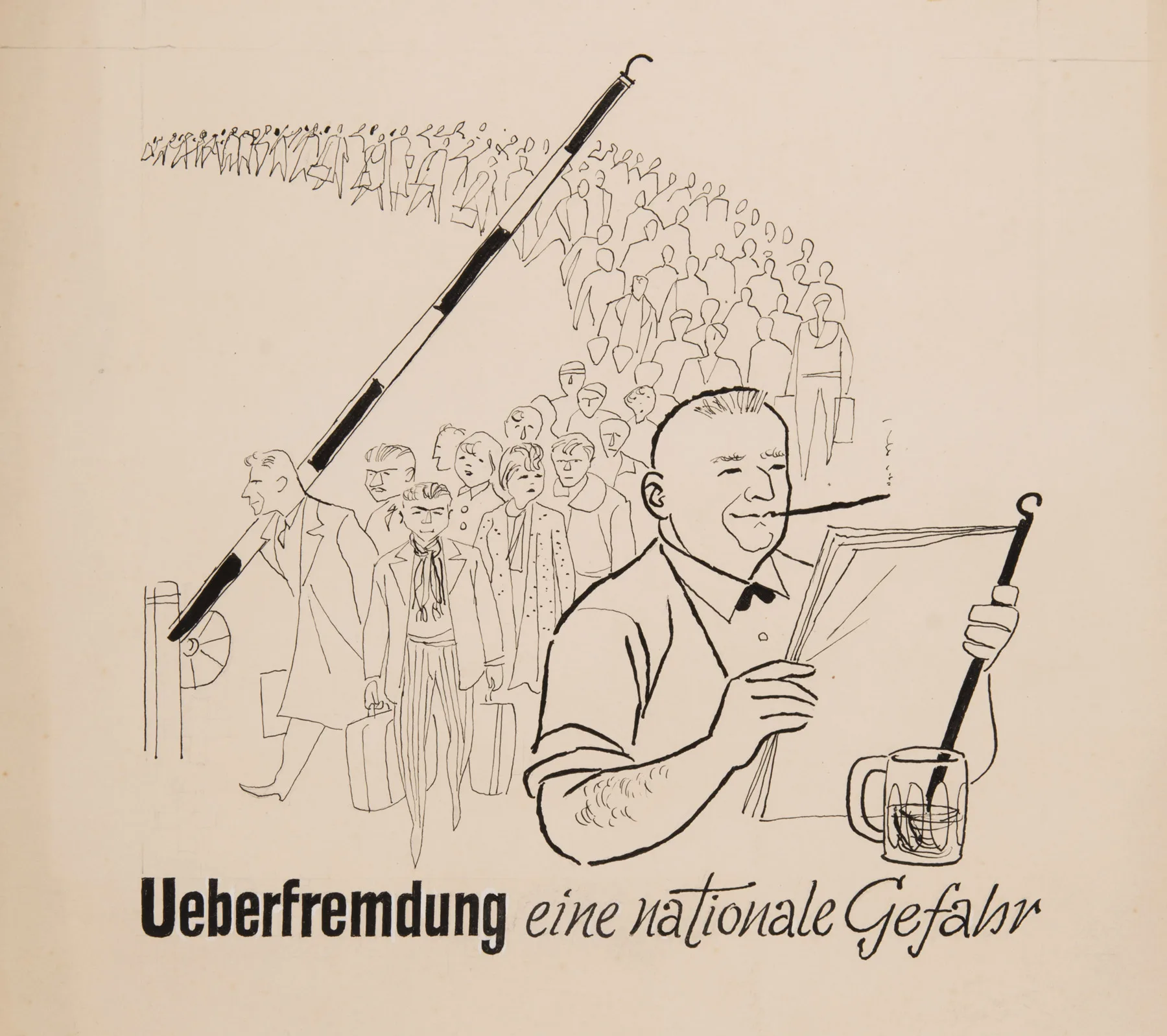
Switzerland’s population and economy grew like never before in the 1960s, partly due to the influx of foreign labour that made this record economic boom possible in the first place. At the same time, fear of ‘excessive immigration’ was on the rise. Tapping into the zeitgeist, the Swiss Trade Union Federation called for limits on immigration in a move that would leave a lasting mark on the political debate.

Noëmi Crain Merz
Noëmi Crain Merz is a historian, university lecturer and curator.
How much is ‘tolerable’ and how much ‘acceptable’?
Trade unionist Wüthrich lay the blame for the situation on those in the business world and “their unbridled drive for expansion”, claiming it was they who “arm in arm with the federal and cantonal authorities [have] caused the problem of excessive immigration”. Waldemar Jucker, a fellow SP member of the Trade Union Federation, likewise failed to understand how immigrants could be allowed to “stream practically unchecked” into Switzerland, where things normally tended to proceed at a “slow and sluggish” pace –especially given that the authorities possessed the means to intervene.

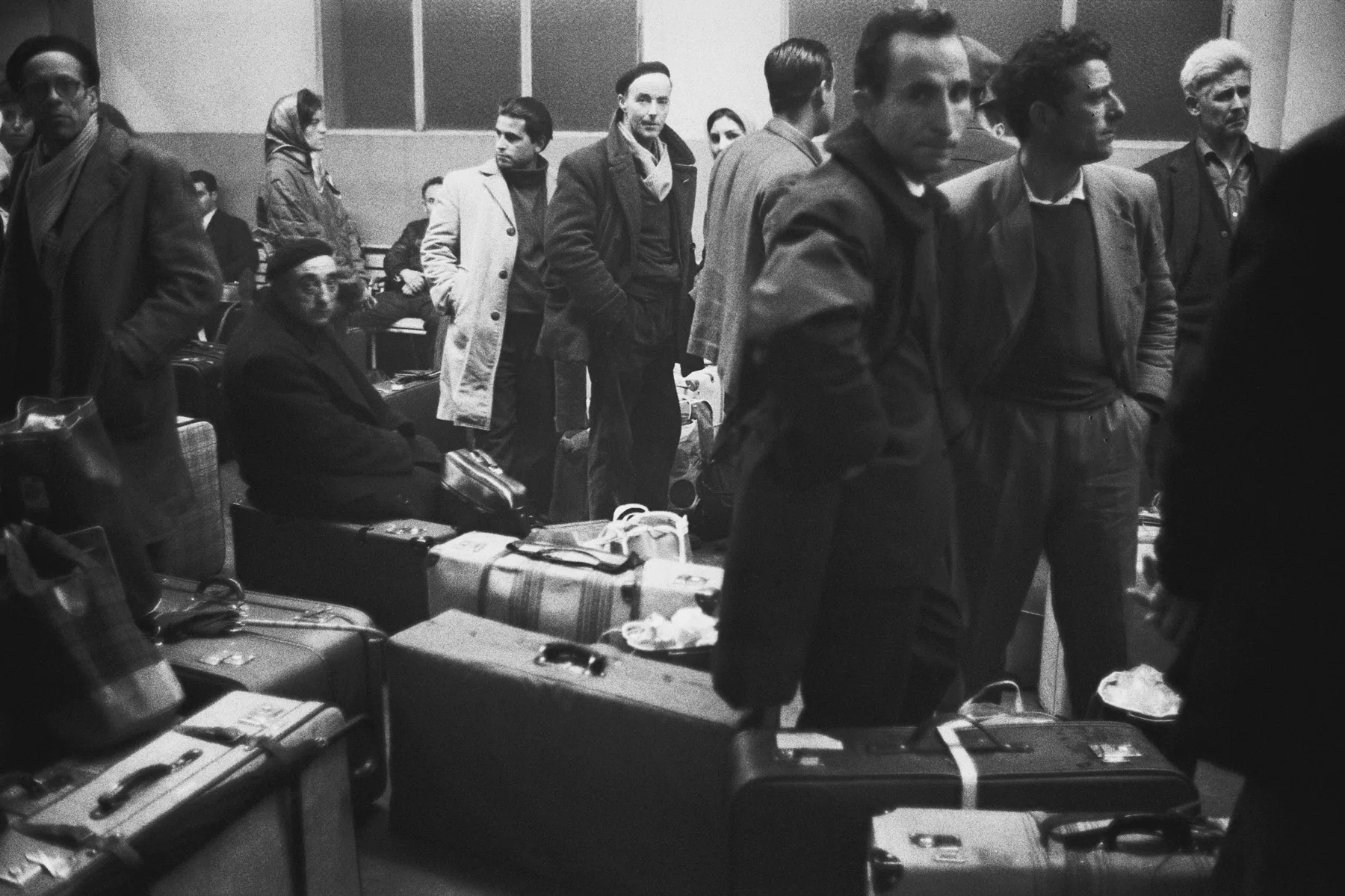
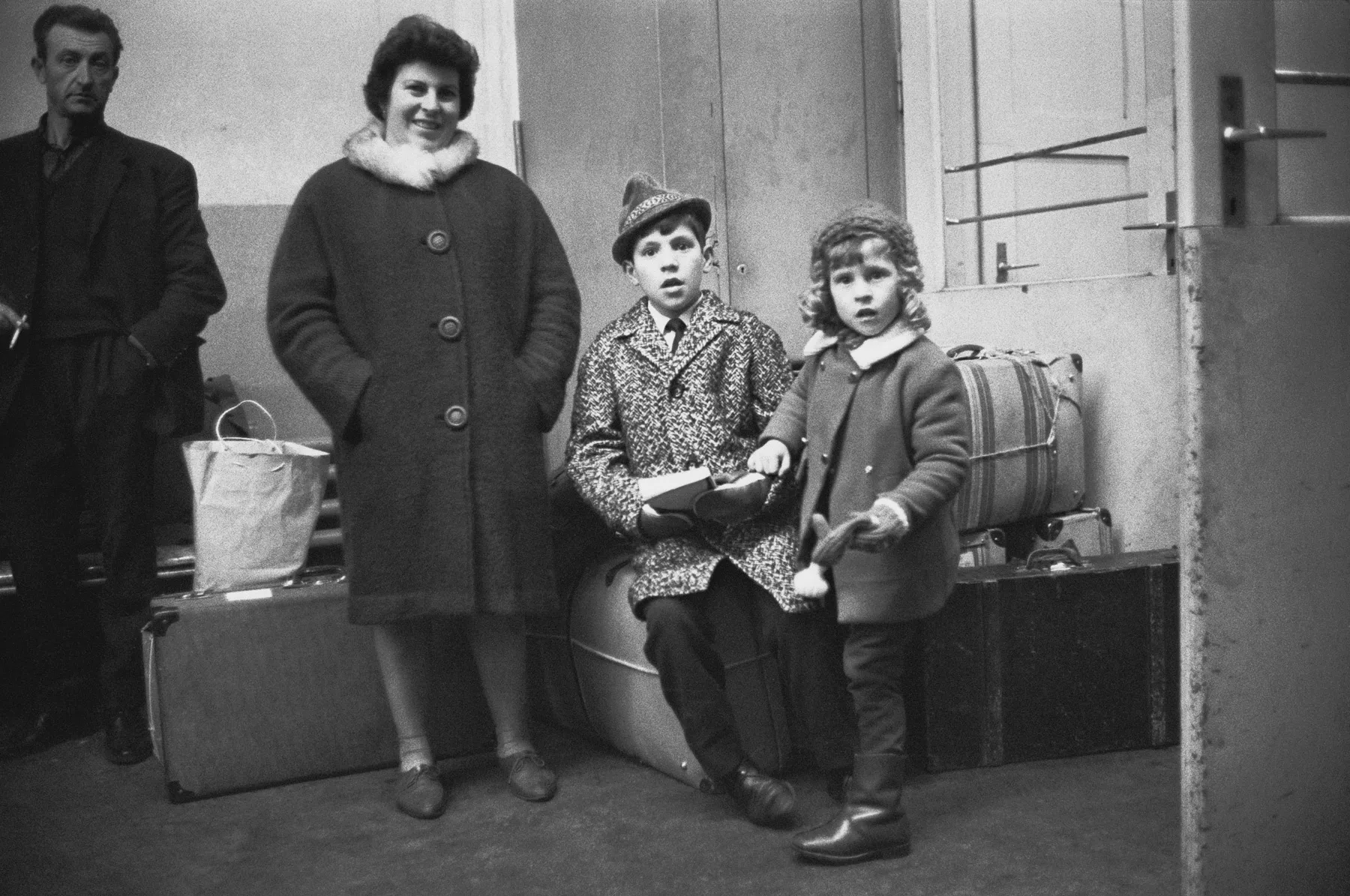
Italian workers and an Italian family waiting to go back home for Christmas, 1966. Swiss National Museum / Swiss National Museum
“Switzerland for the Swiss”
In the early 1960s, conciliatory tones were most readily to be found in right-leaning liberal circles. The National-Zeitung, a Basel-based publication, wondered in 1962 whether “the spectre of excessive immigration” – which was barely noticeable in some parts of the country anyway – "would even be haunting us if it weren’t being stirred up constantly?” The NZZ newspaper also called on its readers to “maintain a sense of proportion” when the political debate threatened to escalate in the wake of the 1964 agreement. It found that Switzerland could not afford a migrant worker policy that took no notice of what was happening abroad, but also that “given its humanitarian heritage and for reasons of humanity" the country had an obligation to improve the situation of its Italian workers.
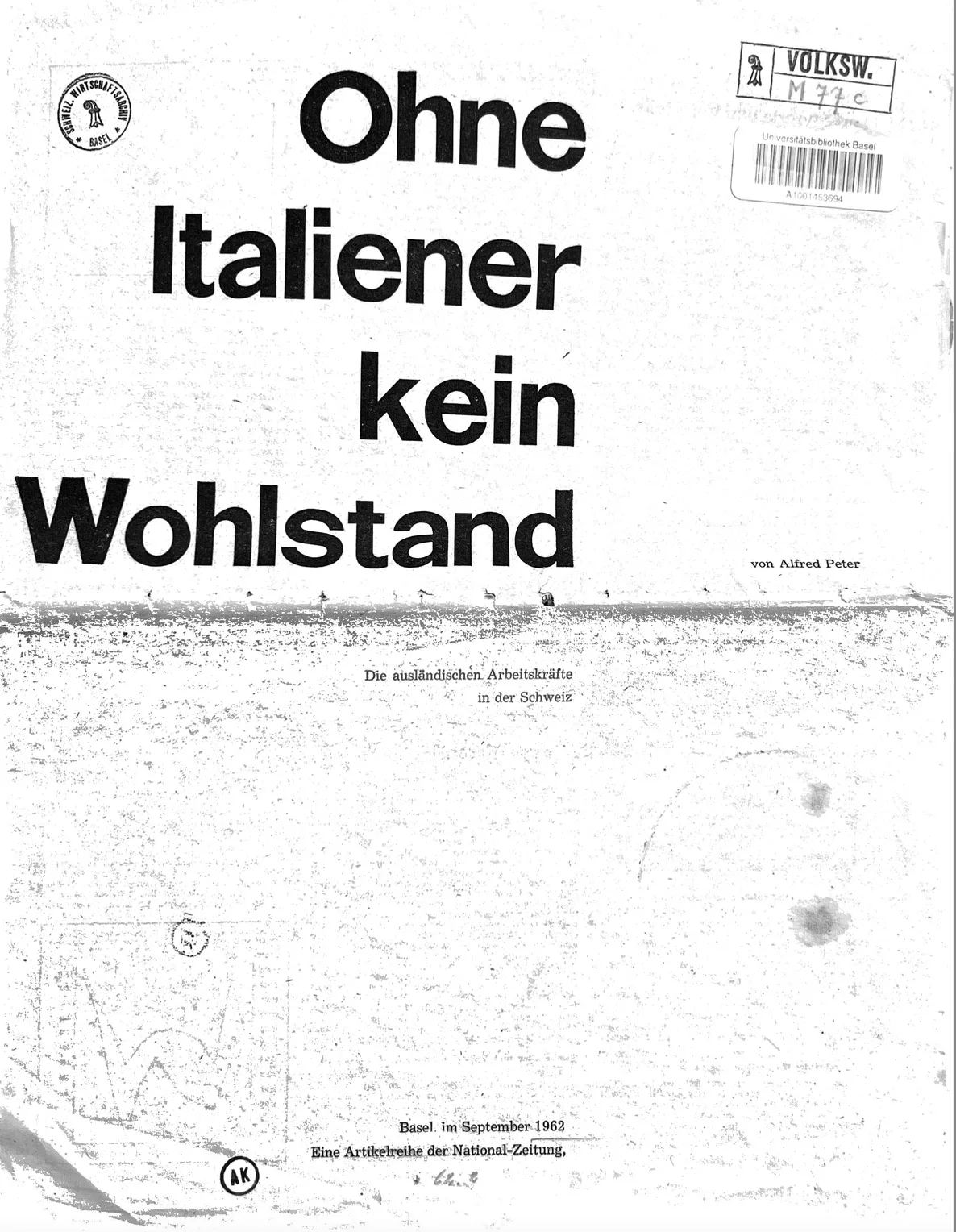
After all, they were still needed if Switzerland wanted to go on enjoying a level of prosperity never before experienced. More and more working-class families rose into the middle class during the economic boom. While many were annoyed by the presence of foreigners in the country and by the increasing population density, almost none were willing to relinquish their new-found financial opportunities. The National-Zeitung called for more honesty. In the first of a series of articles published in 1962 entitled ‘Ohne Italiener kein Wohlstand’ (No prosperity without the Italians), anyone who had “traded their bicycle for a moped”, anyone who had had “to stop their car at a pedestrian crossing to let foreign workers cross the street” and “any first-class ticket holders who had found groups of Italians engaged in lively debate blocking their way at the railway station” were kindly asked not to forget who the average person in the street had to thank for the huge economic upswing.
In response to public discontent and a first ‘initiative on excessive immigration’, submitted in 1964 and later withdrawn, the Federal Council introduced quotas. Supporters of immigration continued to base their arguments almost exclusively on economic grounds. Few saw immigrants as enriching society. One exception was Hans Franz Sarasin, the president of the Basel Chamber of Commerce. He wanted to make it easier for settlement permits to be granted and to place foreigners on an equal economic footing with Swiss citizens. In 1962, he called for a “more liberal status for migrant workers” and wrote an article asserting that the goal must be naturalisation. He believed that foreigners had become “an indispensable part of our population” around the turn of the century thanks to the “judicious” policy of swift naturalisation of the time, and reminded readers of the numerous construction companies founded and run by Italians. Sarasin, a lawyer, saw Switzerland's “great assimilative power” as a hallmark.