Switzerland’s gateway to the world
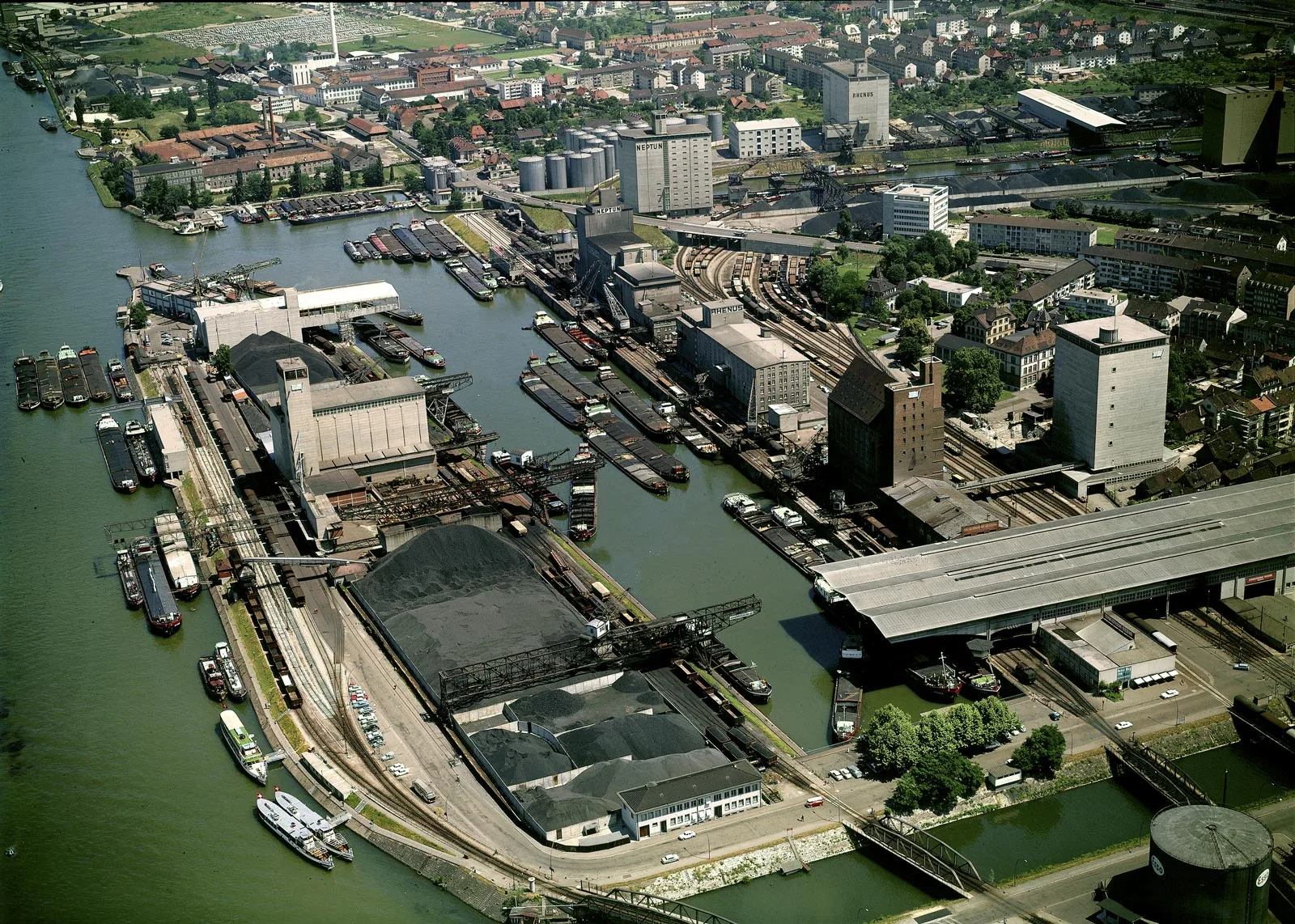
The majority of worldwide goods traffic goes by sea. Although Switzerland does not have direct sea access, it is connected to global maritime trade routes via the Rhine. The Swiss Rhine ports in Basel play a key role, as around ten per cent of all Swiss imports are handled there.

Jean-Luc Rickenbacher
Jean-Luc Rickenbacher is a historian and curator at the Swiss Museum of Transport in Lucerne.
First train of barges in Basel
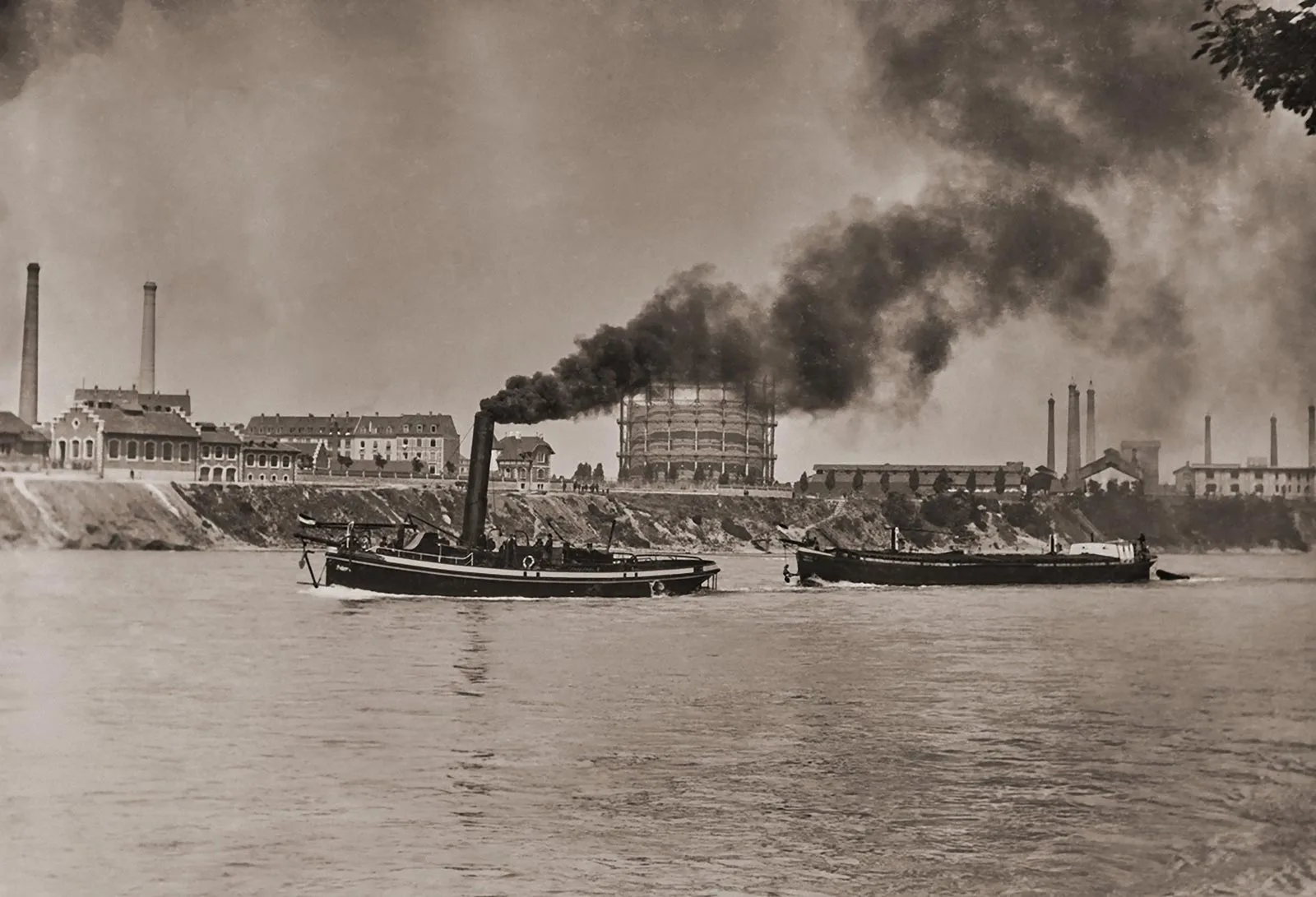
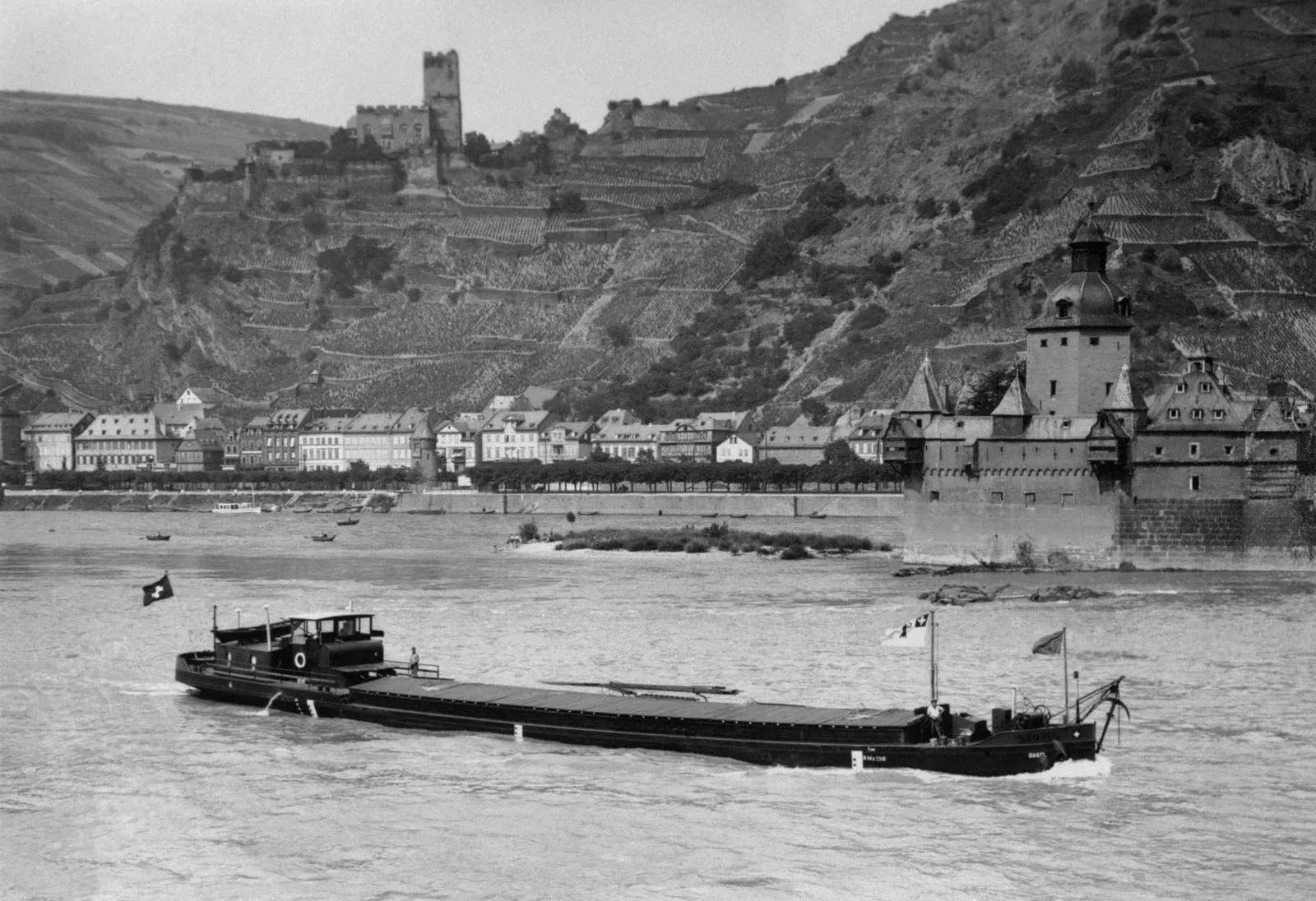
In 1904, the first train of barges, with the tugboat ‘Knipscheer IX’ and the barge ‘Christina’ loaded with 300 tonnes of coal, reached Basel. Tugging, where a motorised vessel would tow one or more barges, was widespread on the Rhine. While Basel had only had rudimentary wharfs and cargo handling points up until the 19th century, in 1906 work started on the construction of the first Rhine port in the St. Johann neighbourhood. Today, that site is home to the campus of Basel pharmaceutical giant, Novartis.
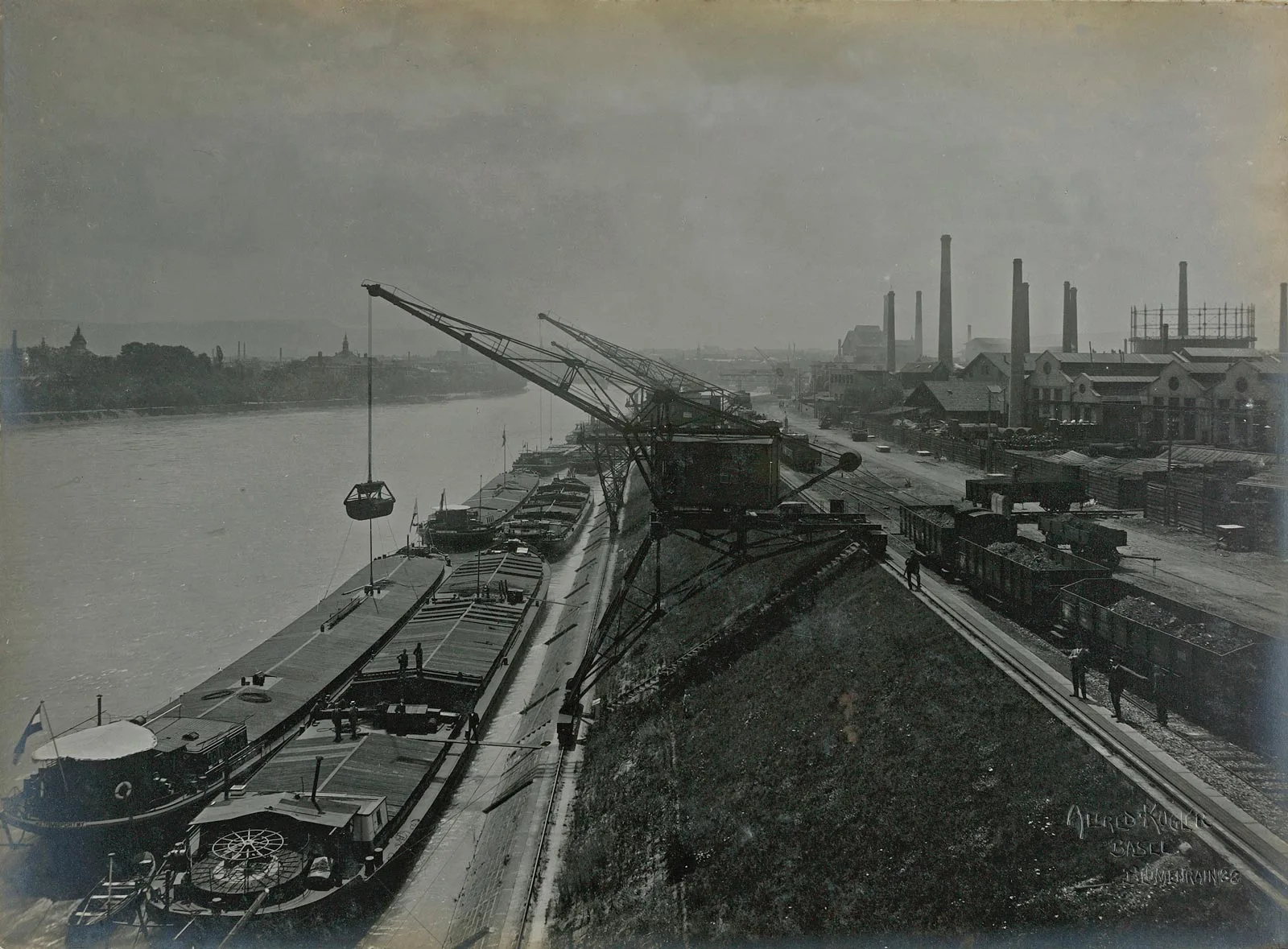
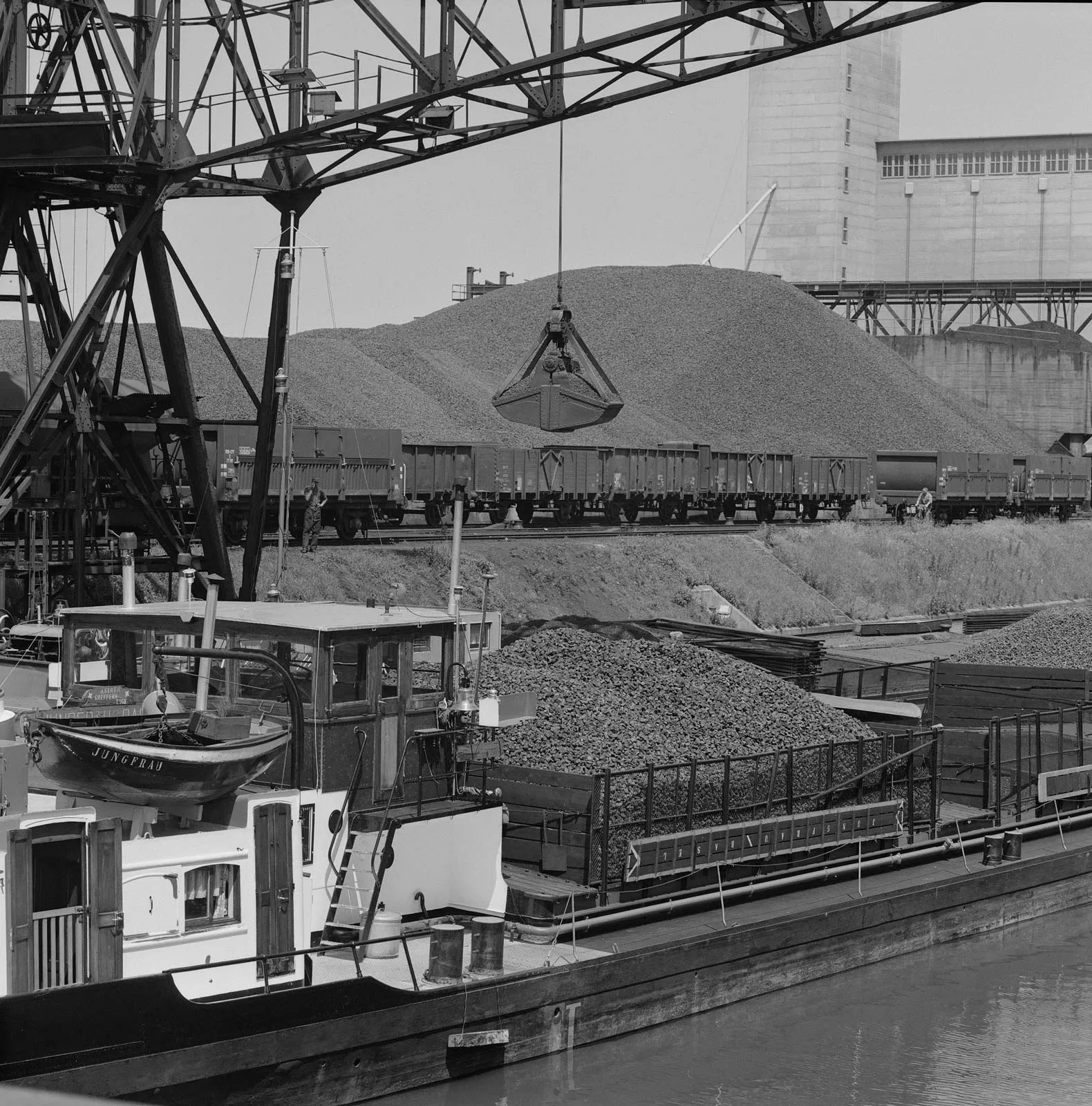
Expansion of the Rhine ports for a wide range of goods
In parallel to this, Basel’s passenger navigation was developing, and the Dreiländereck (the point at which the borders of France, Germany and Switzerland meet) became a popular tourist destination in the 1950s. As the import of consumer goods increased, a growing number of container ships made their way to Basel from the 1980s. Containers became a symbol of global freight traffic, allowing efficient handling between ship, train and lorry. Basel evolved to become a key hub on the north-south transit axis from Rotterdam to Genoa.
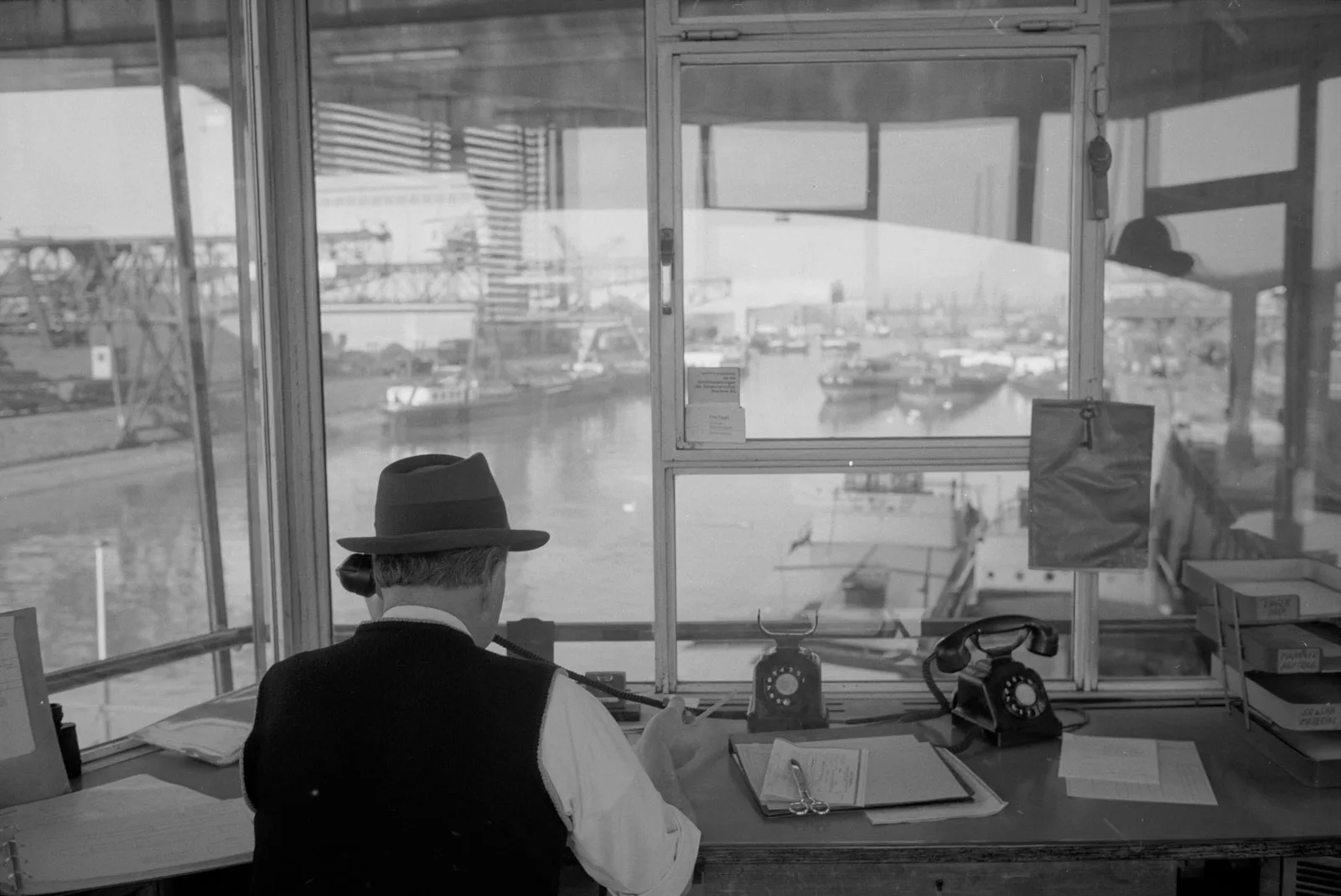
Image 01 of
05
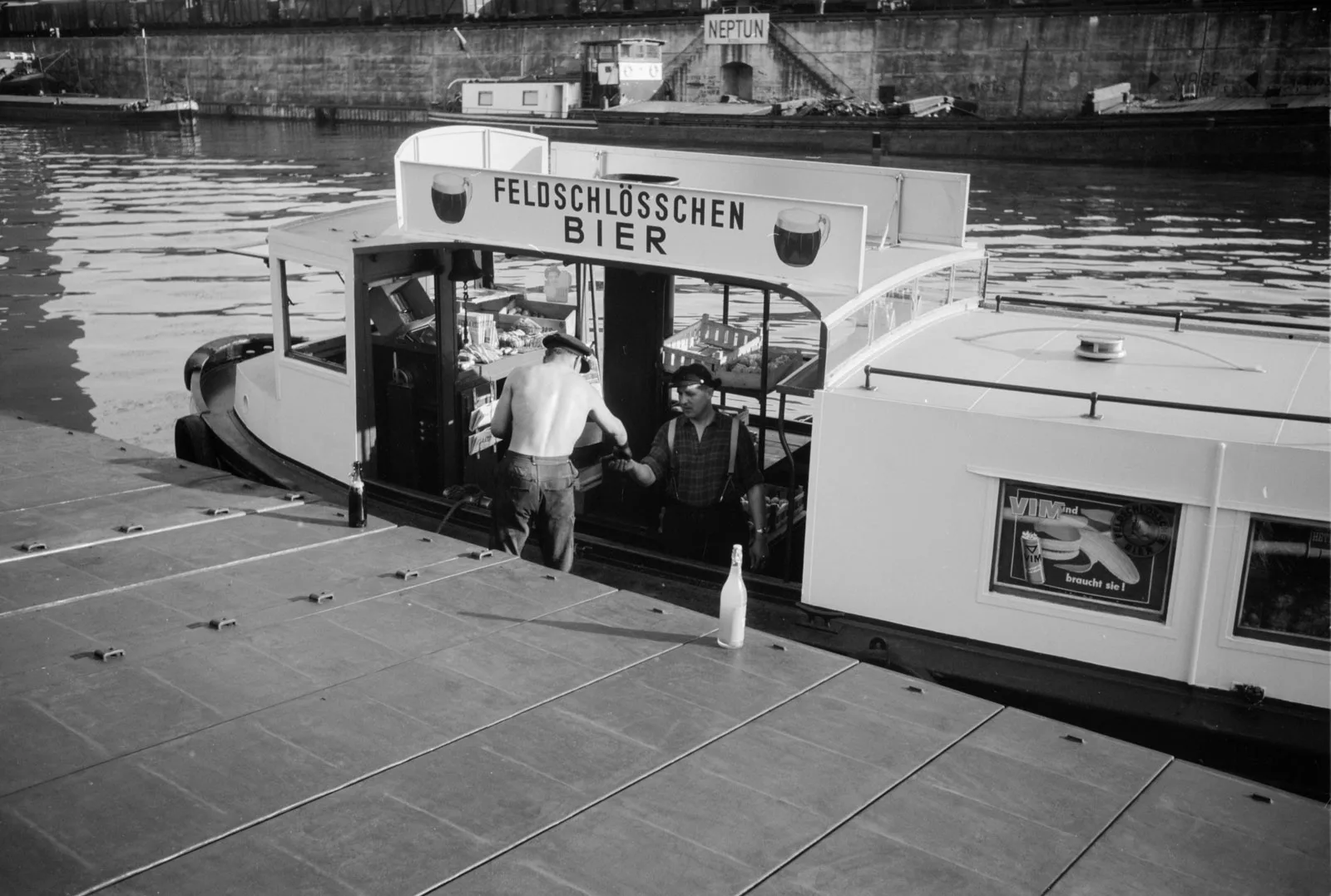
Image 01 of
05
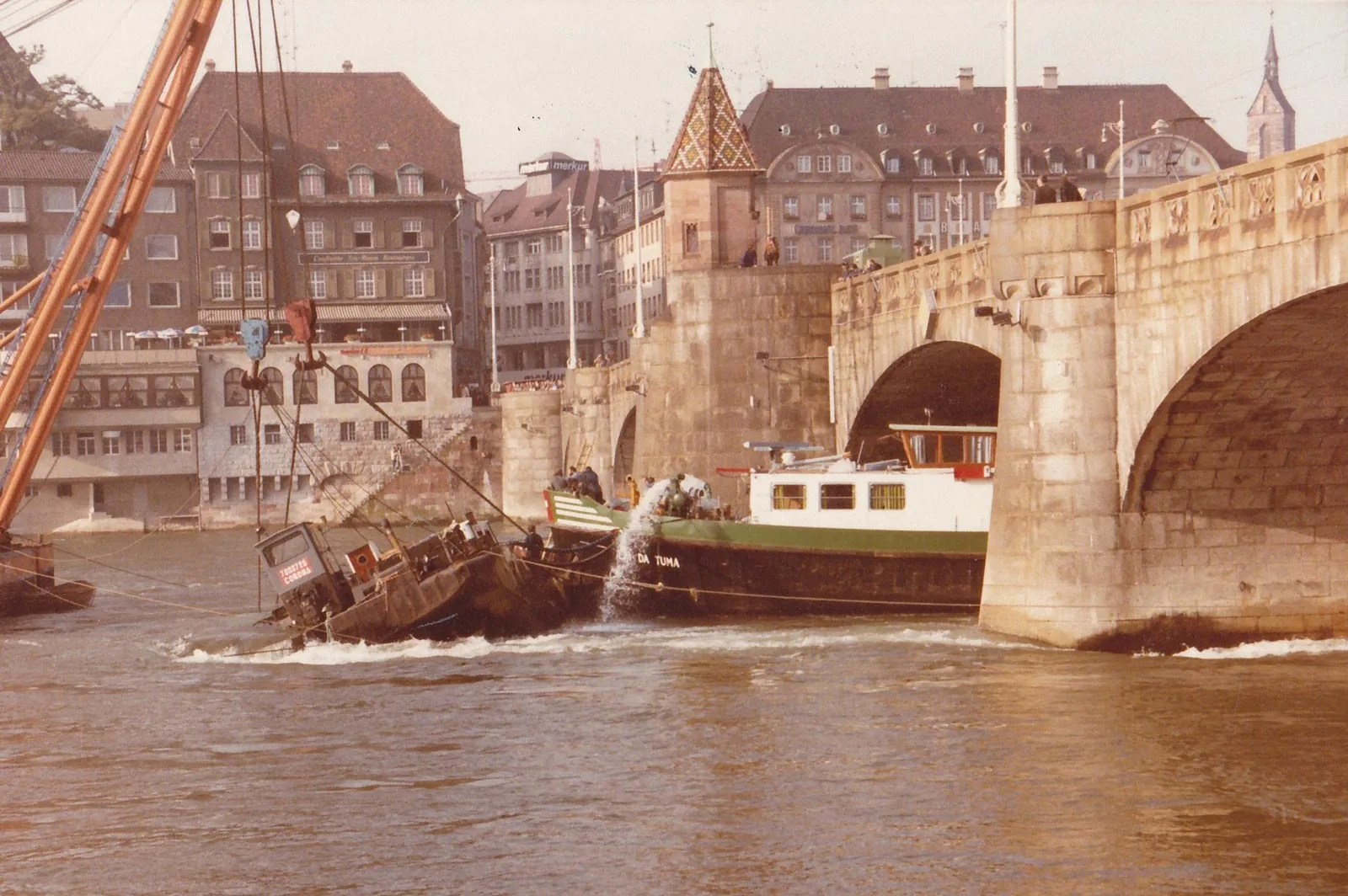
Image 01 of
05

Image 01 of
05

Image 01 of
05
The port and its people
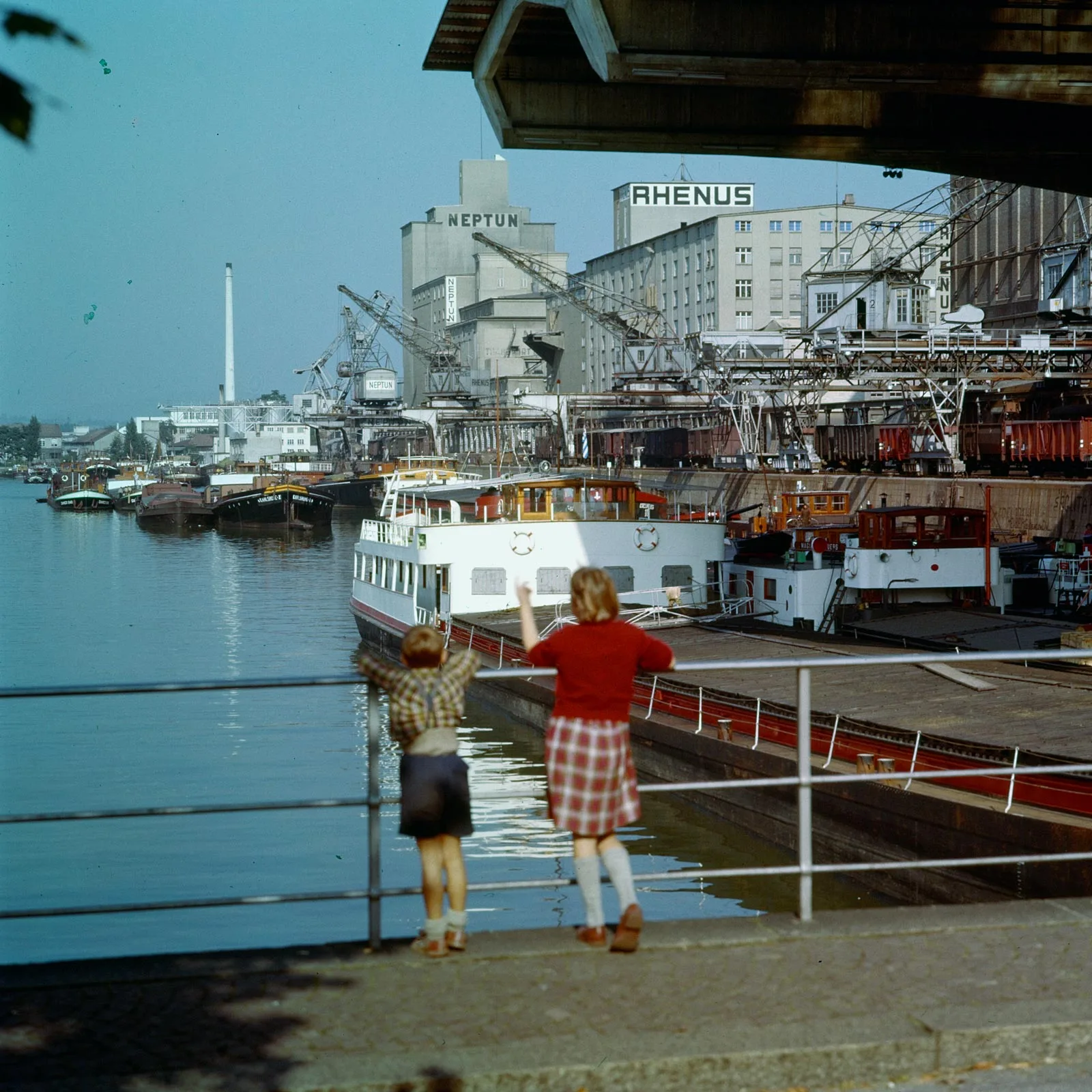
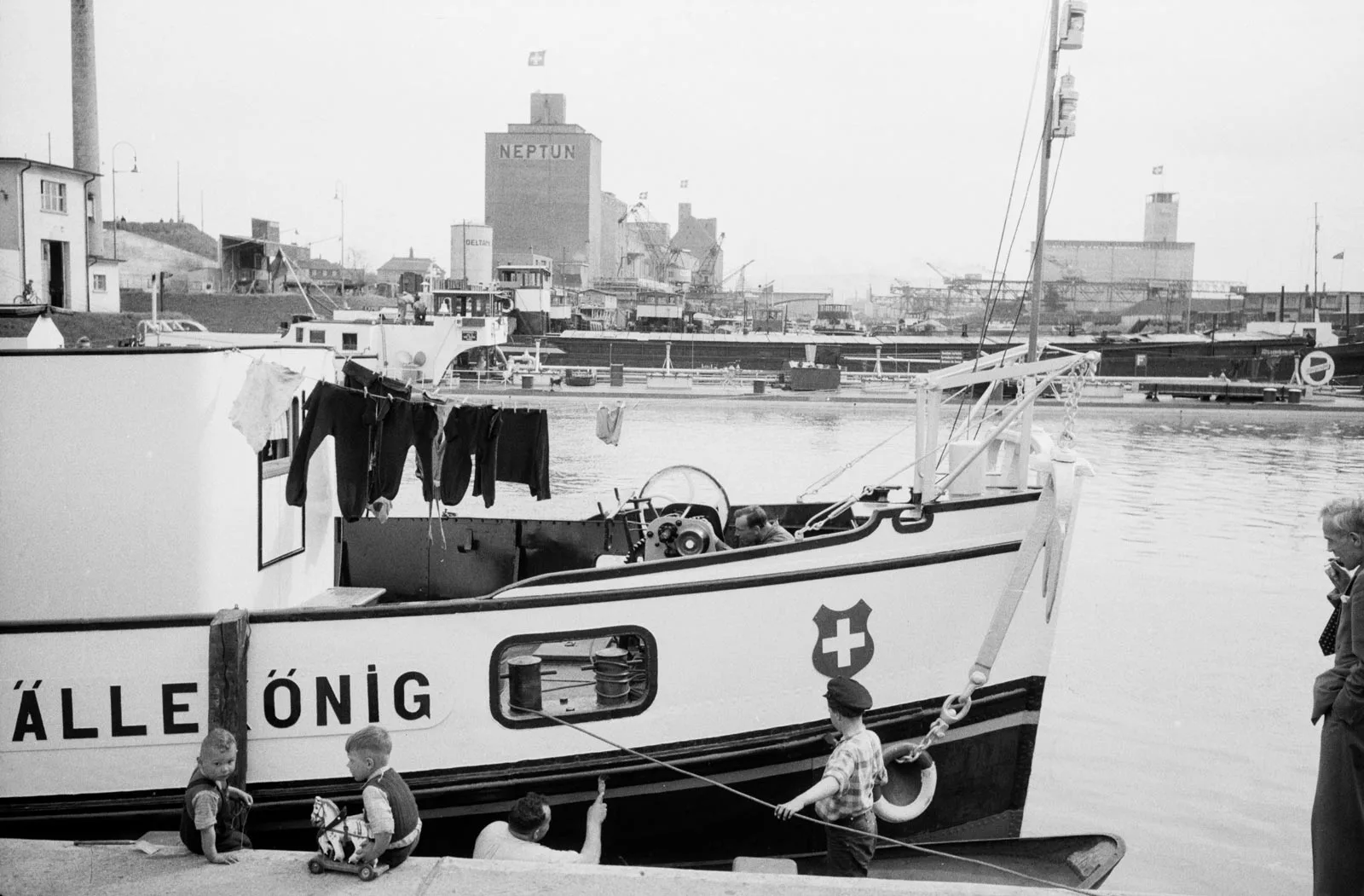
Switzerland’s nautical heritage is particularly in evidence in Basel’s Kleinhüningen neighbourhood. Besides the bustling port operations, it is home to the port museum and impressive buildings, restaurants and quayside pubs with names like ‘Rostiger Anker’ (‘The Rusty Anchor’), ‘Schiff’ (‘The Ship’) and ‘Seemannskeller’ (The Seaman’s Cellar’). Switzerland remains active in Rhine navigation to this day. In 2026 and 2027, it is chairing the Central Commission for Navigation on the Rhine and is therefore in a sense the guardian of the Mannheim Act.