A poison to dye for
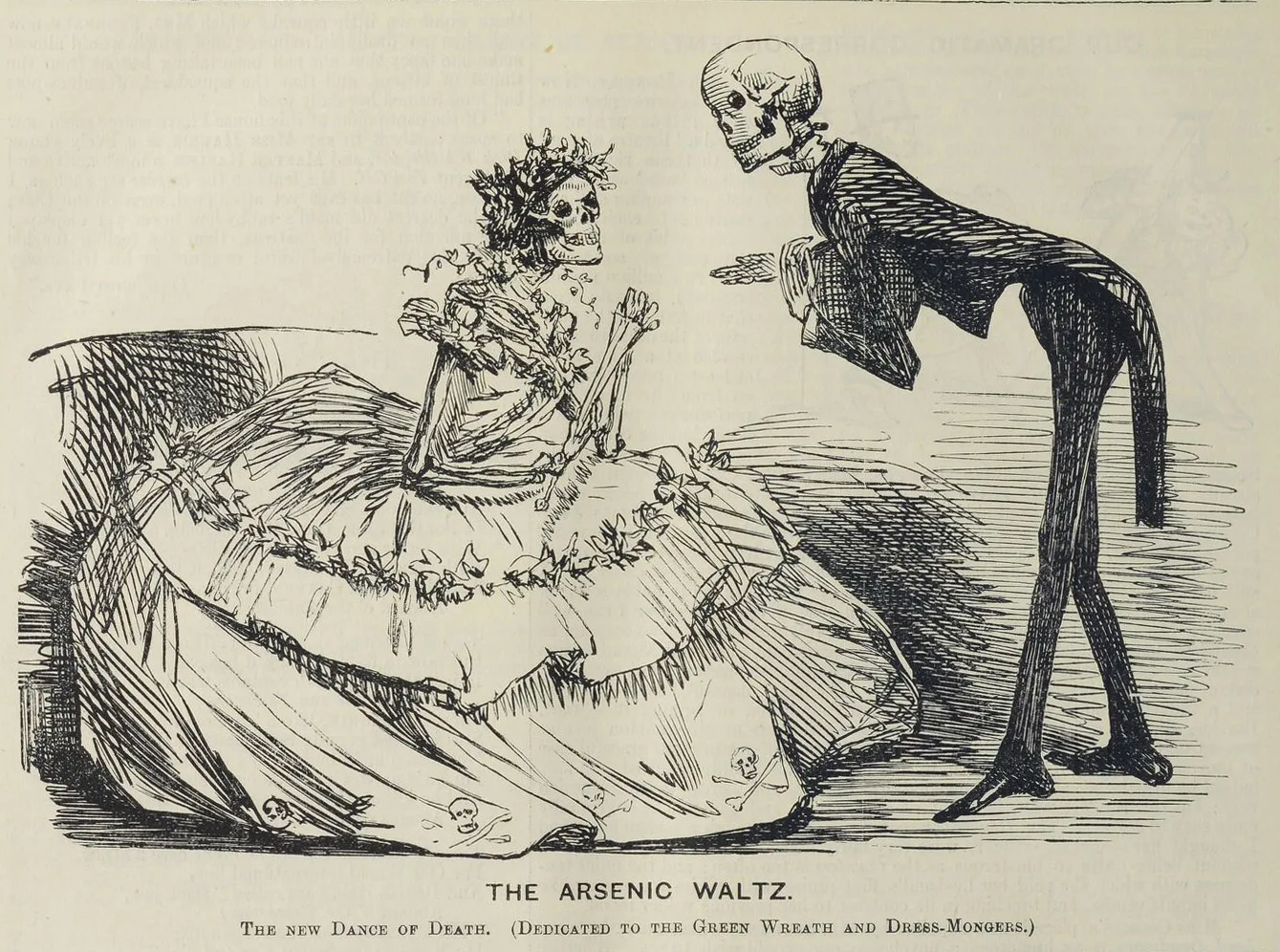
Around 1860, arsenic was widely known as a poison used in murder cases. Nevertheless, the authorities in Basel were initially oblivious to the potential dangers emanating from its use in dye production. The cantonal chemist alone recognised that the industrial use of the ‘King of Poisons’ could have unintended consequences for both people and the environment.

Claudia Aufdermauer
Claudia Aufdermauer is a freelance historian.
The rise of the dye industry in Basel
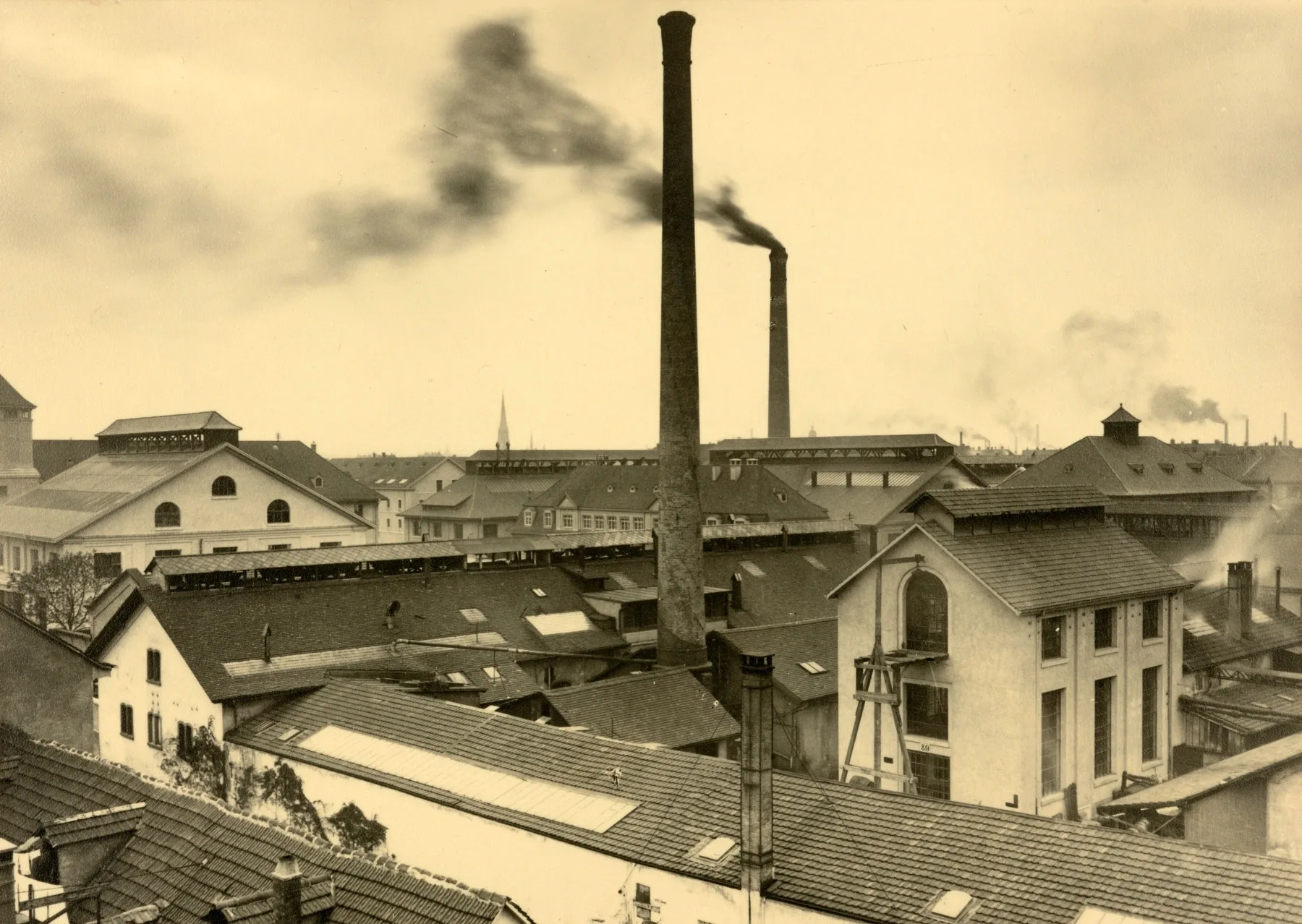
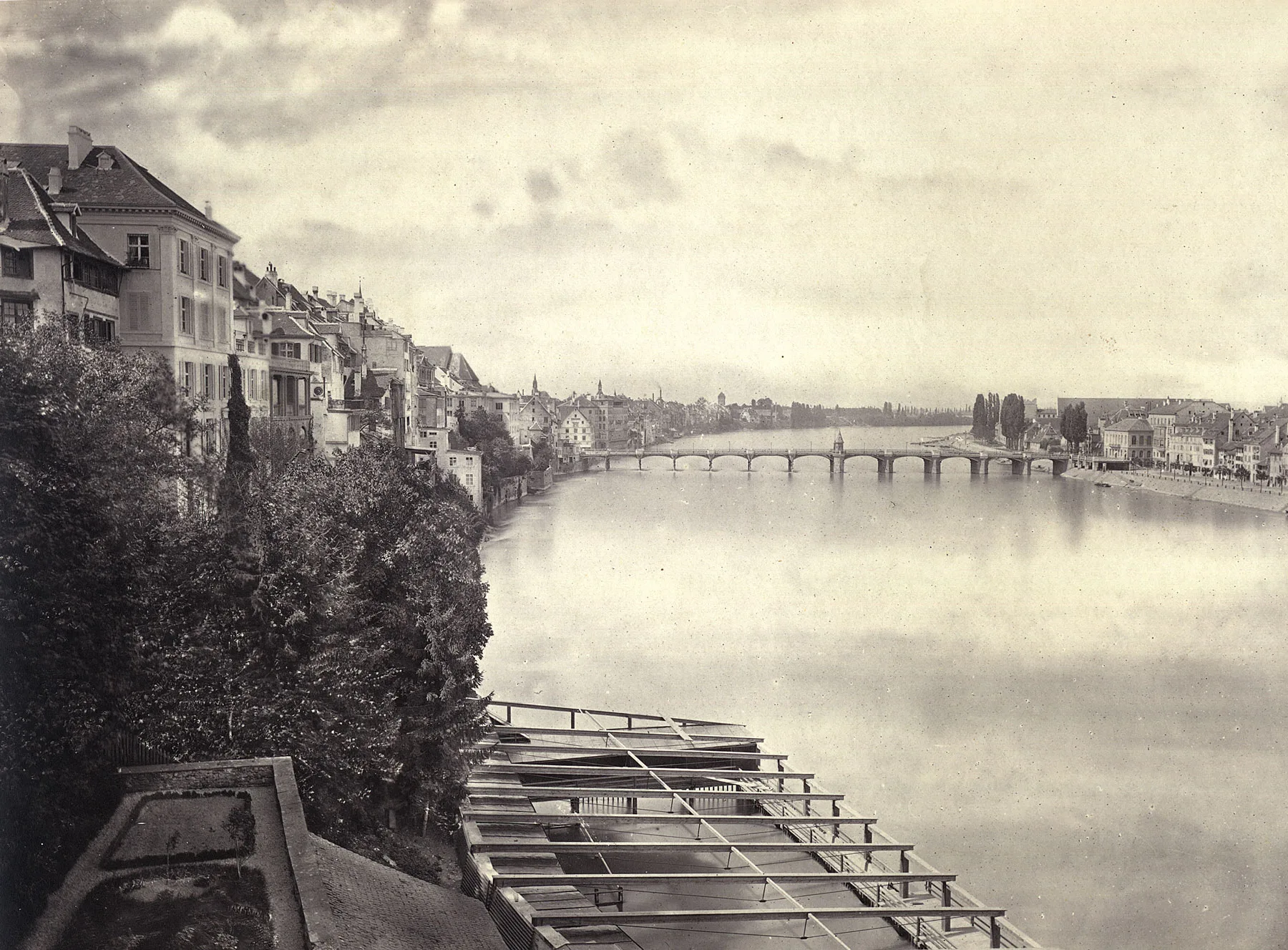
The time and place were ideal for Clavel to establish himself as a dye manufacturer. He had very few competitors around the globe during this era and only one in Basel itself: Johann Jakob Müller-Pack. As the dyes had a short shelf life, the dyeworks’ proximity to the textile industry in Alsace and Basel’s own silk ribbon trade was a major advantage. Both raw materials and finished products could be transported by train ‒ Basel was already connected to the French railway network ‒ and via the Rhine. There was only one problem: the two dye factories were located right in the city centre.
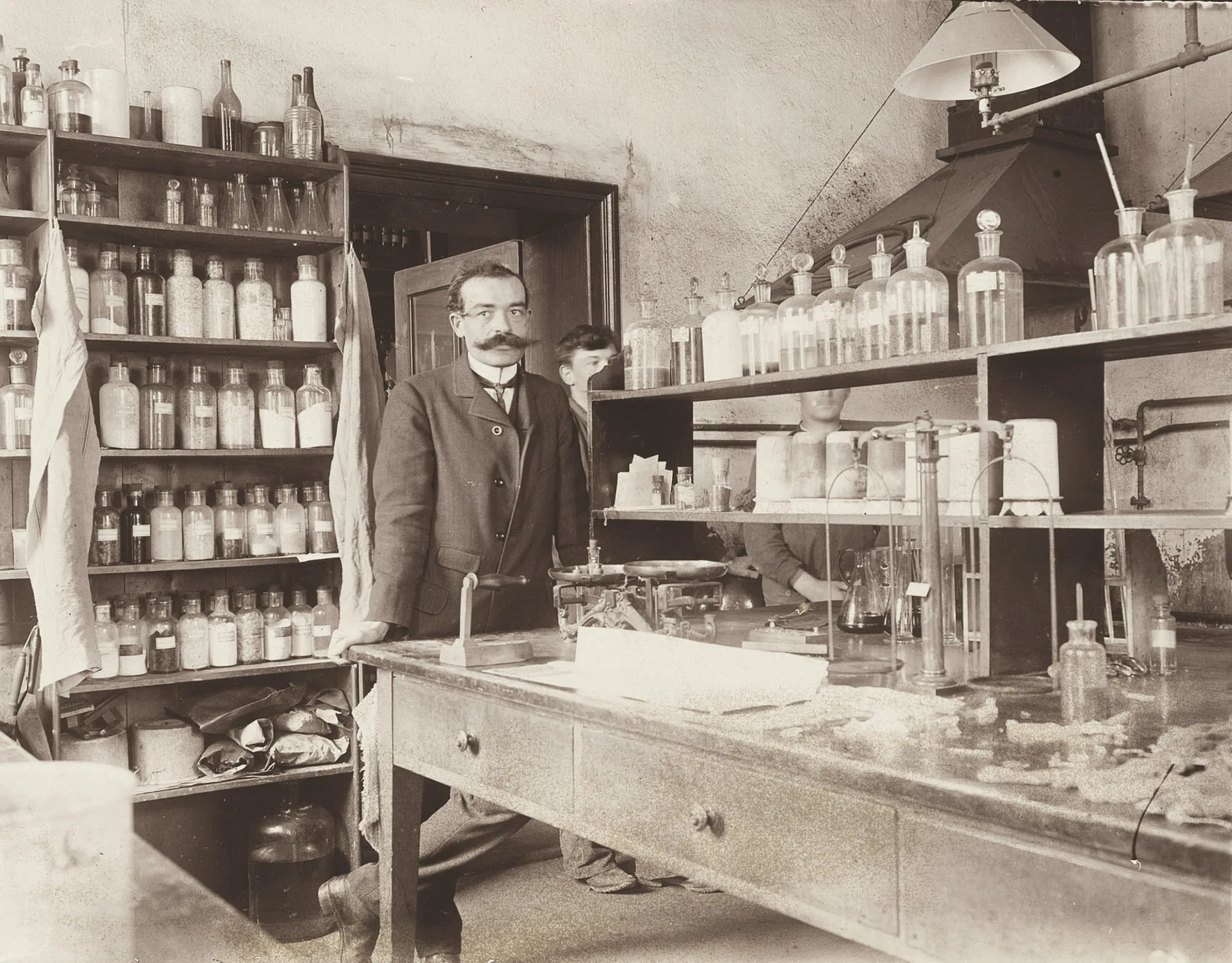
Goppelsroeder knew that mixing the elements arsenic and hydrogen could spontaneously give rise to an undesirable byproduct: the industrial poison arsine, which is highly toxic. So he was even more concerned to see workers cleaning the copper retorts used in the production process by boiling water in them and emptying the whole thing into a neighbouring pond. He did not believe that the arsenic-bearing waste would sink to the bottom as intended. Instead, he thought it would impregnate the grass and potentially poison the cattle grazing on the meadow. In any case, even the city’s drinking water could be in jeopardy.
The accuracy of Goppelsroeder’s suspicions became evident a short time later when he was called urgently to the home of a property owner. The man himself and his entire household, including his wife, his three daughters, his son, a maid and a gardener, had all been vomiting constantly since drinking some tea. They were running a fever and unable to sleep, and insisted that Goppelsroeder subject the drinking fountain attached to the property to chemical analysis. Goppelsroeder’s examinations showed the water to contain significant levels of arsenic and concluded that this must have come from the dyeworks next door owned by Johann Jakob Müller-Pack.
An ever-present threat
The hazard analysis produced by the city authorities may have been detailed, but it ignored the impact such factory waste could have on the flora and fauna. The powers that be ordered dye manufacturers to evaporate the arsenic-containing liquid waste from their factories. Waste with a low arsenic content was to be discharged into the Rhine, while the solid residues were to be taken “out of the country” immediately to ensure they no longer found their way into the drinking water by way of the groundwater. Disposing of these residues posed a challenge even then: France and the Netherlands were already aware of the dangers of arsenic and had banned the practice of dumping barrels of arsenic-bearing residues into the sea.
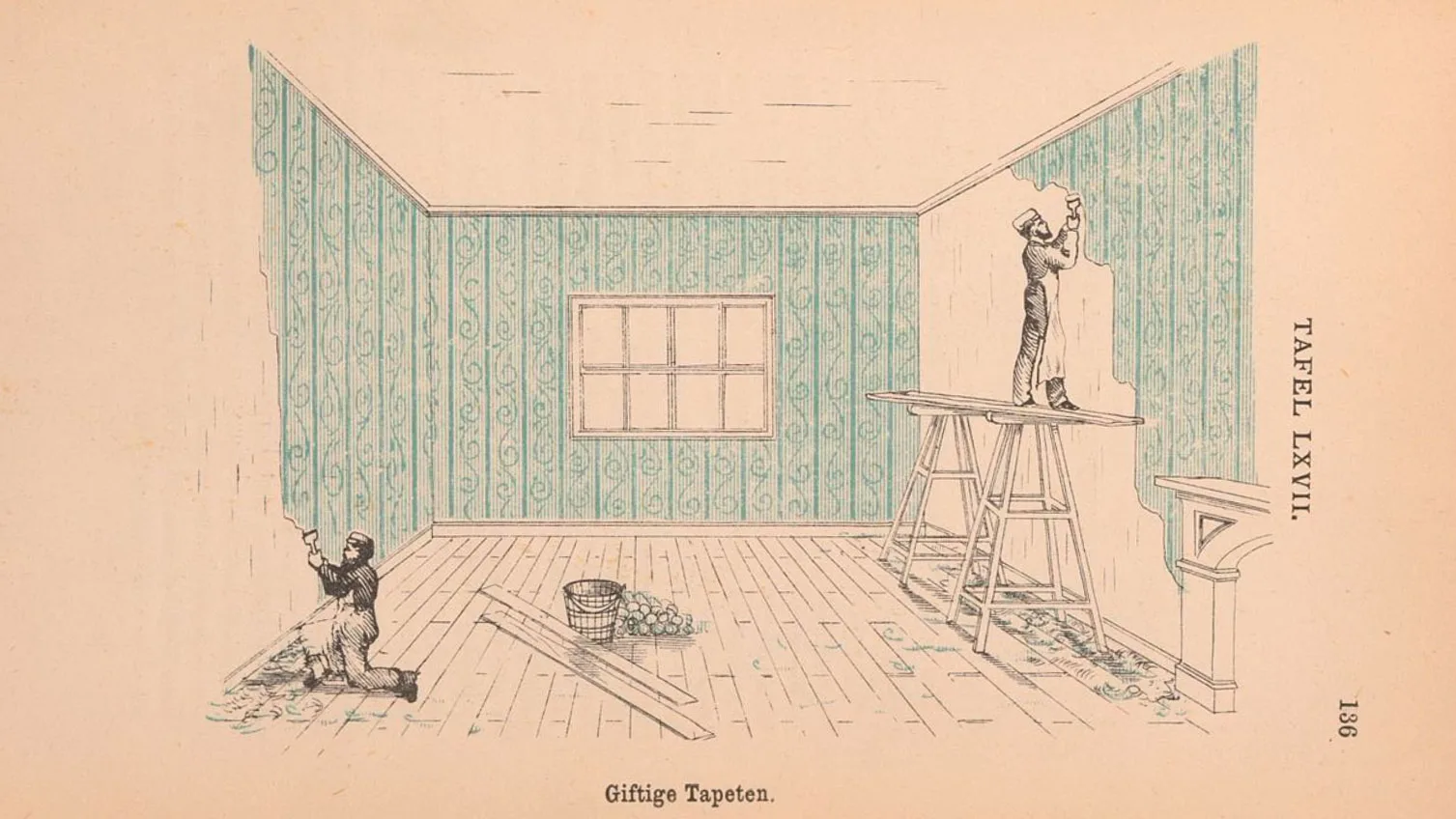
Returning to the case of Benedicta Gschwind: the chemical scientist who examined the red paper following the young woman’s death was none other than the cantonal official Friedrich Goppelsroeder. Using the customary measurement techniques, he came to the conclusion that the paper did not contain any poisonous dyes such as arsenic or any other toxic metals. The paper had been printed using cochineal, a pigment derived from the insect of the same name: “Therefore, the dye cannot have caused the child’s death.” Confronted with the findings of the cantonal chemist’s examination, the doctor carried out a post-mortem. It revealed that Benedicta Gschwind had most likely died of peritonitis, an infection of the inner lining of the stomach, as indicated by the “exudations of pus”.
Shifting the problems elsewhere
From an economic point of view, the Basel authorities were finally able to take this step because alternative procedures for dye manufacturing had meantime become available. These new methods did not involve the use of arsenic: although slightly more expensive, nitrobenzene was to replace arsenic acids. On paper, therefore, Basel could be considered arsenic free from 1873, but in practice the ban was continually being flouted.
The reason for this lay beyond the canton’s borders. The factory owned by Ernst Karl Petersen in Schweizerhalle in the neighbouring canton of Basel-Landschaft continued to produce dyes containing arsenic. The fact that the plant discharged its wastewater into the Rhine, which then flowed on through Basel, gave the already sensitised Basel city authorities further cause for alarm. Petersen had promised that his factory was merely discharging small amounts of arsenic-bearing waste but what if, instead of releasing tiny amounts of it over time, the factory was discharging all the arsenic that had built up over several days in the space of an hour?
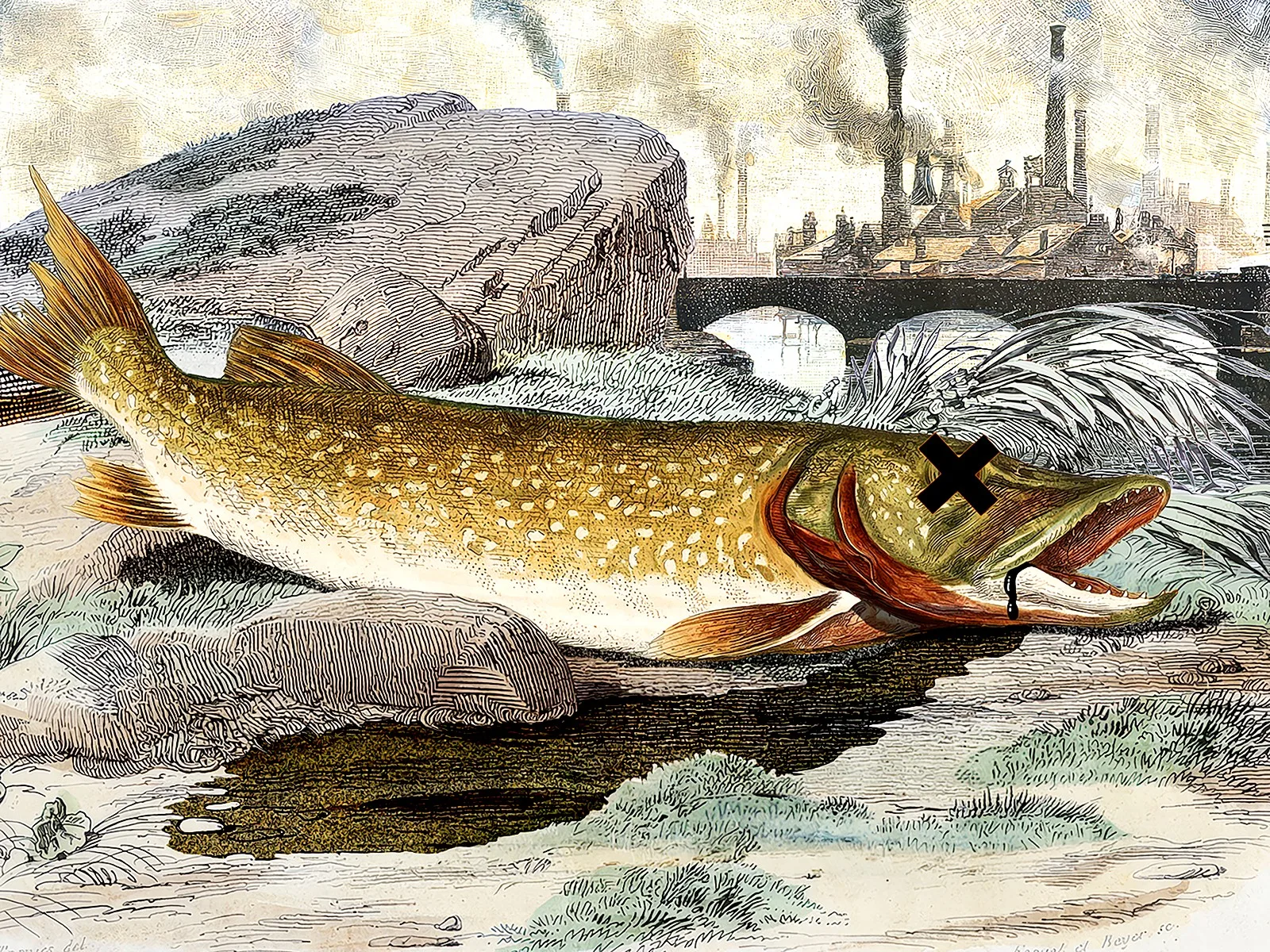
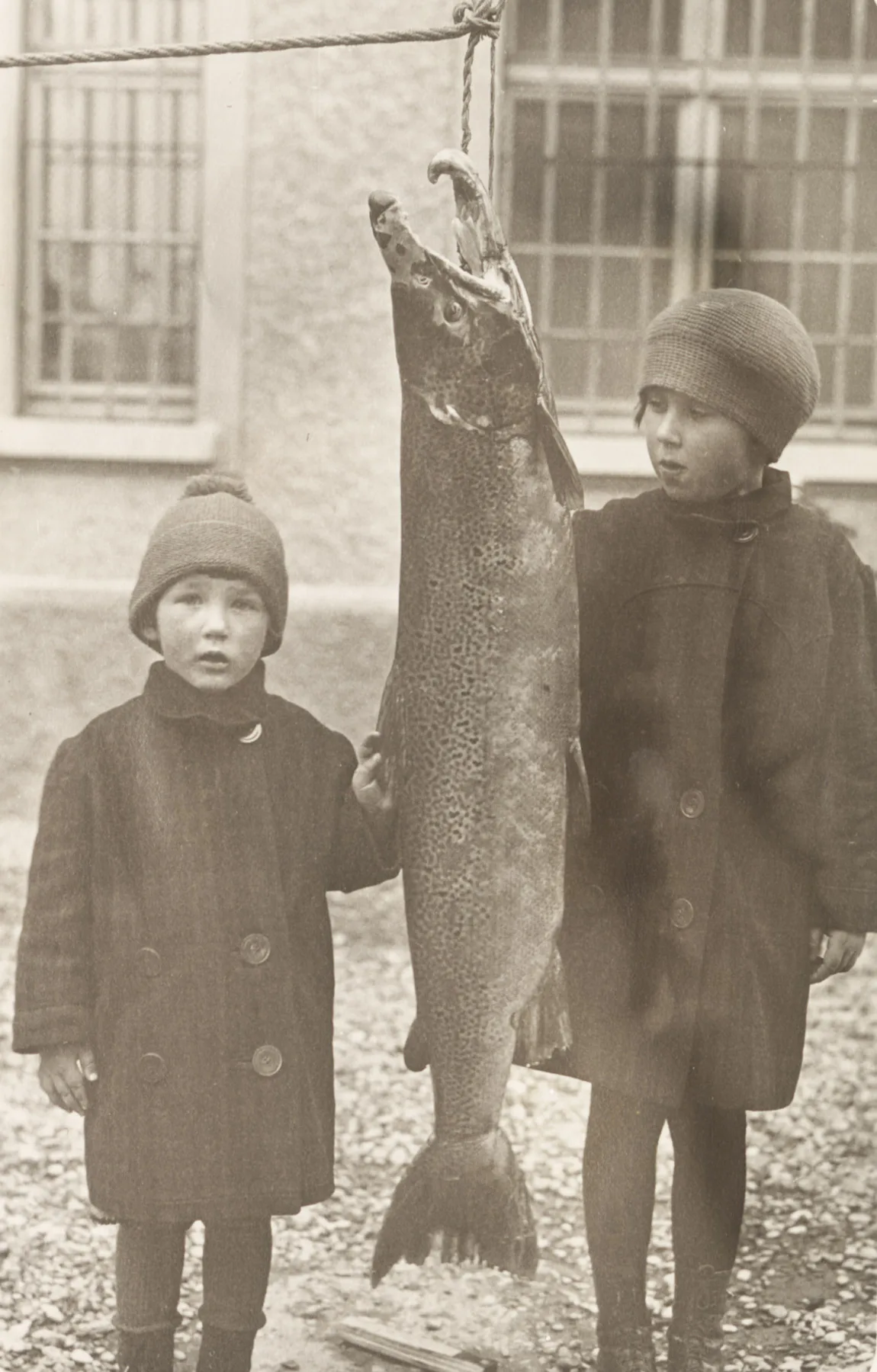
Unlike the letter from the authorities, the “ire” vented by the fishmonger made an impact. The Federal Council instructed an expert – Basel-based pharmacist Casimir Nienhaus-Meinau – to conduct an investigation. He installed fish holding tanks at the Petersen factory and at all other works in the Basel region. As sensory perception cannot play a role in determining water pollution and measuring instruments had not yet been invented, at this point in the 19th century there was only one reliable method of verifying how damaging wastewater was: you placed a fish into the river in question and counted how long it took – minutes or hours – until it died. Most of the fish released by Nienhaus were recovered dead.
Be that as it may, Nienhaus still believed that the production of fuchsine using arsenic should be banned – for aesthetic reasons. He had seen with his own eyes how the arsenic-bearing residues dumped in the middle of the river failed to disperse properly. And the Rhine continued to flow through Basel for another half hour in technicolour.
The records held in the official state archives for the canton of Basel-Landschaft and in the Swiss Federal Archives contain no indication that a ban on arsenic-based fuchsine production was ever discussed. It would appear that this particular production method remained in use at the Petersen factory right up until its founder’s death in 1908. A practice that would eventually prove very costly for the cantonal authorities: material contaminated with arsenic dating back to the time of Petersen is currently being remediated at the Rheinlehne site in Pratteln. The cost of these clean-up efforts, which have to be funded from the public purse as the polluter no longer exists and is therefore unable to pay, are estimated at CHF 180 million.