Switzerland, an erstwhile holiday hotspot for American GIs
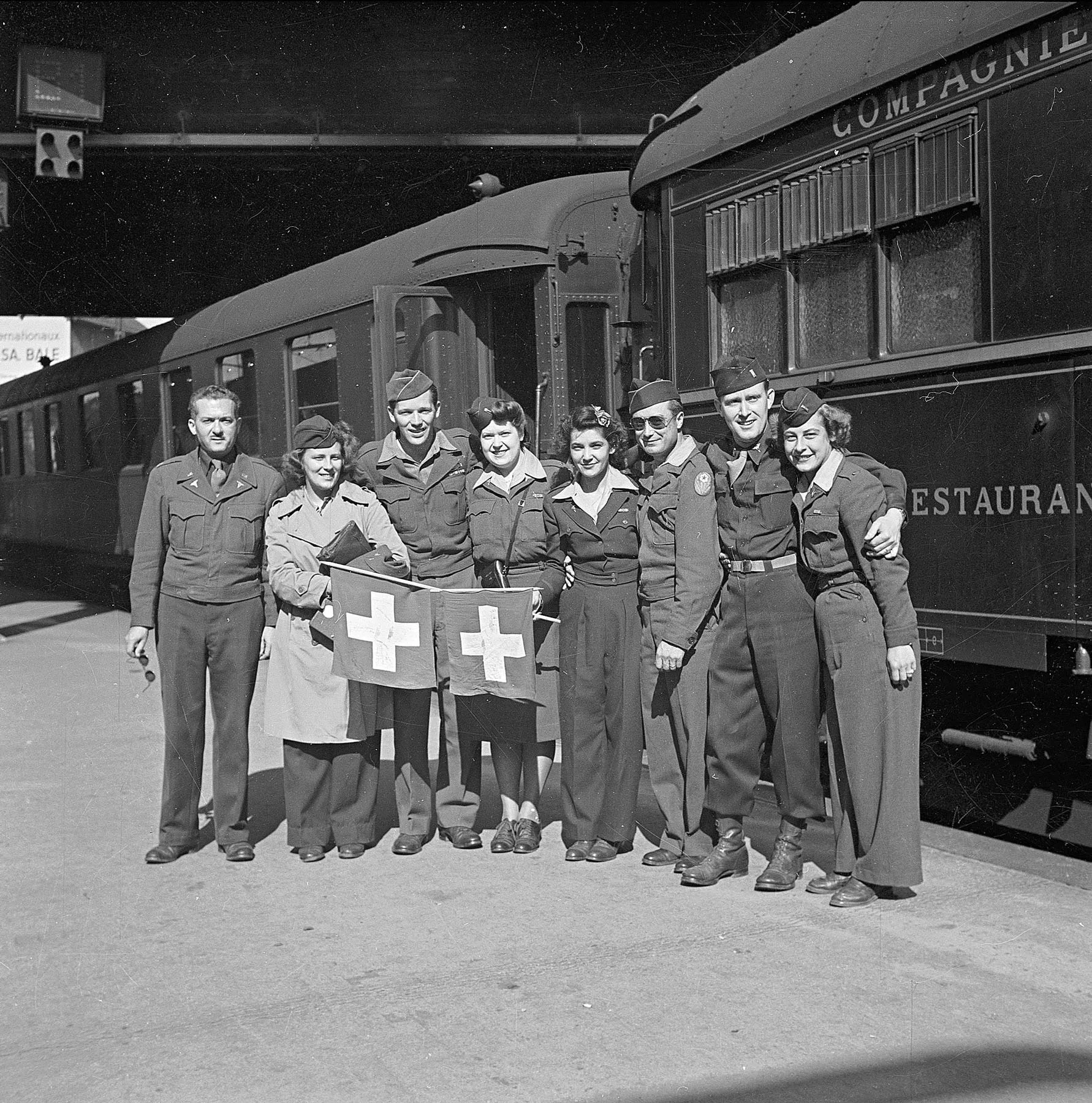
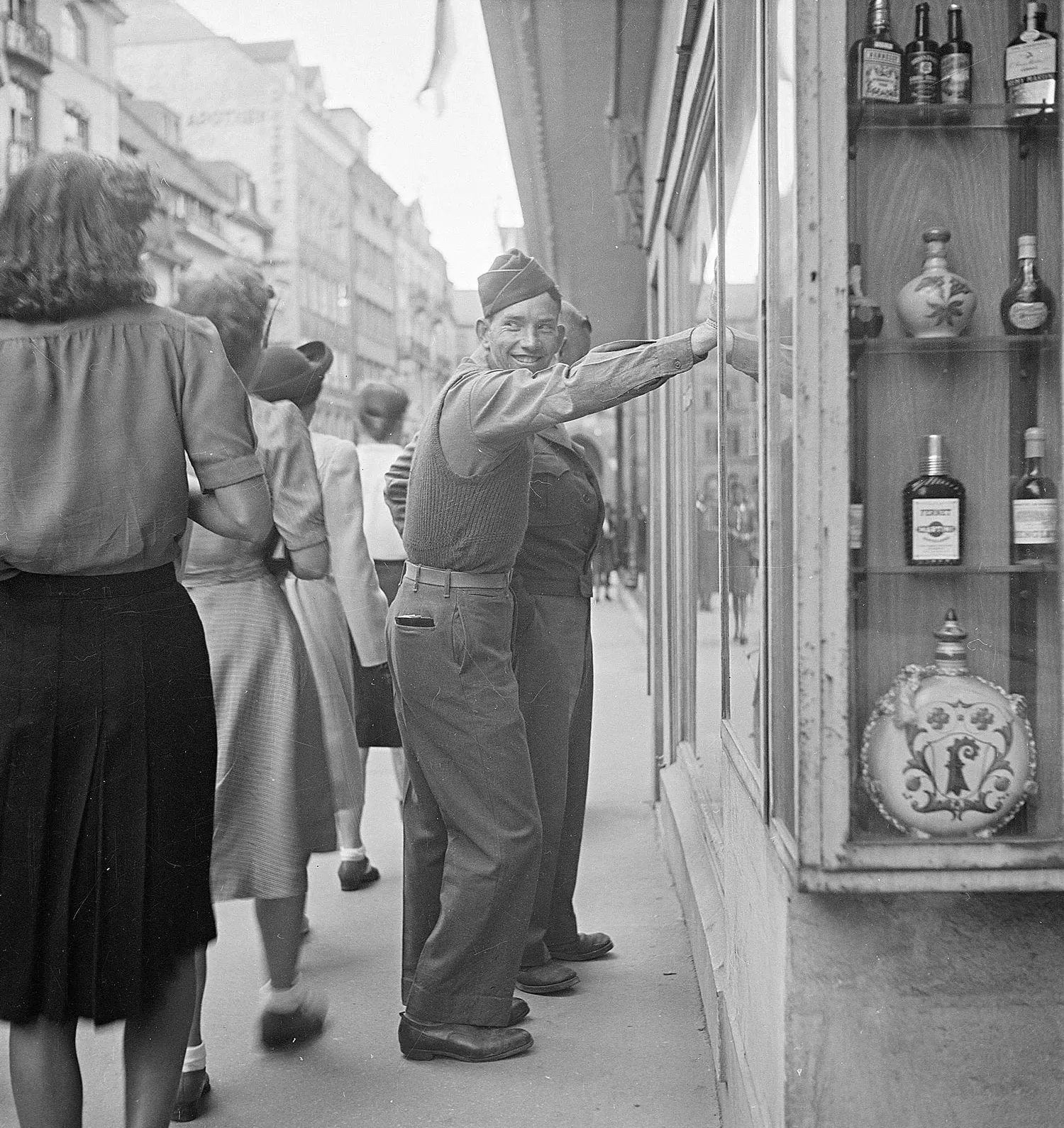
About 300,000 American military personnel enjoyed organised holiday tours in Switzerland between July 1945 and March 1949 as part of the ‘Leave Action’ programme. Lucerne was a preferred destination among the visitors.

Danielle Berthet
Danielle Berthet is a historian, proofreader and editor (meiserei.ch), as well as a research assistant at the ZHAW.
The Federal Council commissioned the head of the Swiss Territorial Service, Brigadier General Erich Münch, to plan the programme. That was because it had evolved from a tourist sector initiative into a matter concerning the military. About two weeks after the end of the war, Münch entered into negotiations with representatives of the US to organise the tours. A price of USD 35 (CHF 150) per person was set for the one-week visit to Switzerland, equivalent to the monthly salary of a Government Issue (GI, gender-neutral term for members of the US armed forces). The US army also provided the full military ration per head, which the Swiss high command sold on to cover costs. From March 1946, the US army supplied coal, bacon and tea instead of rations, after February 1947 it paid for the tours in money.
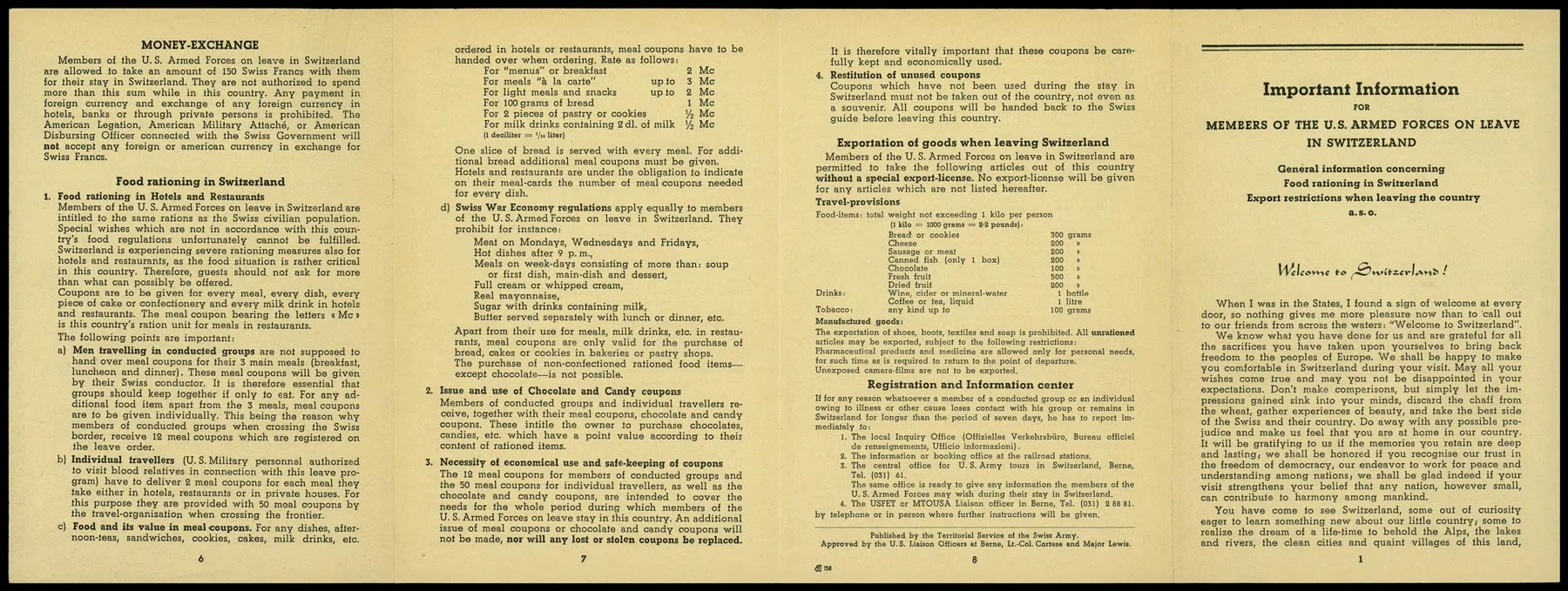
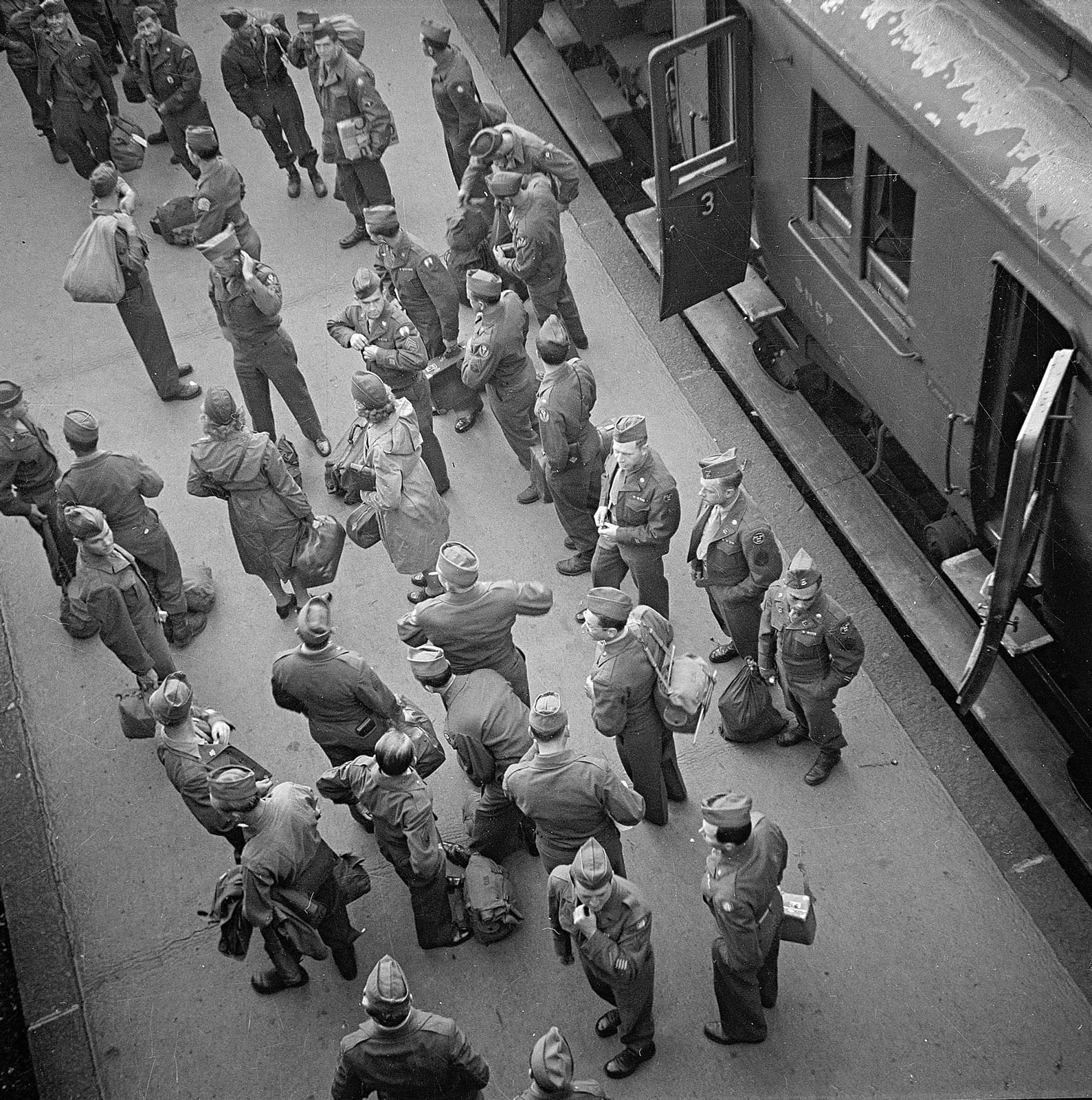
Image 01 of
04
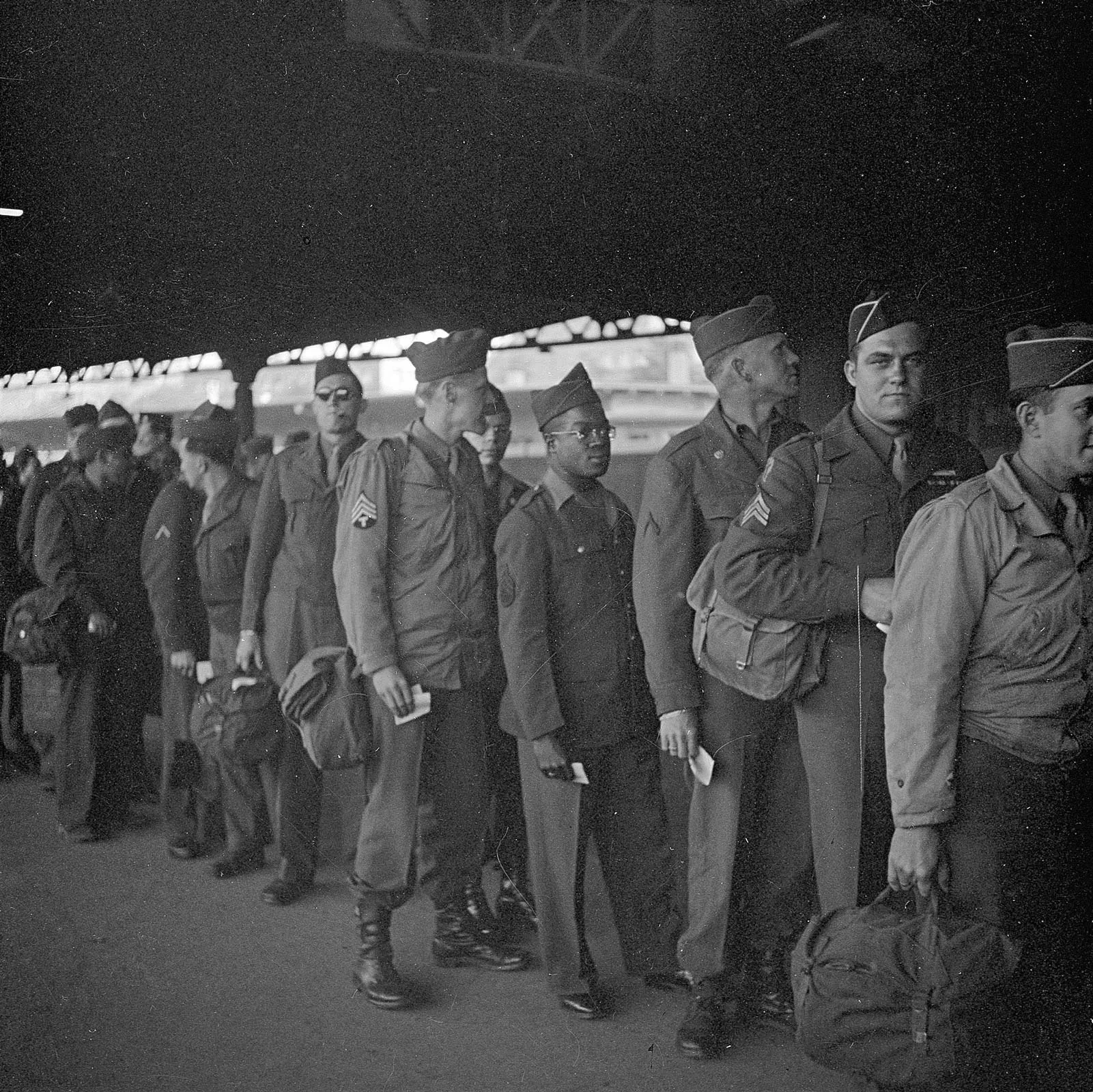
Image 01 of
04
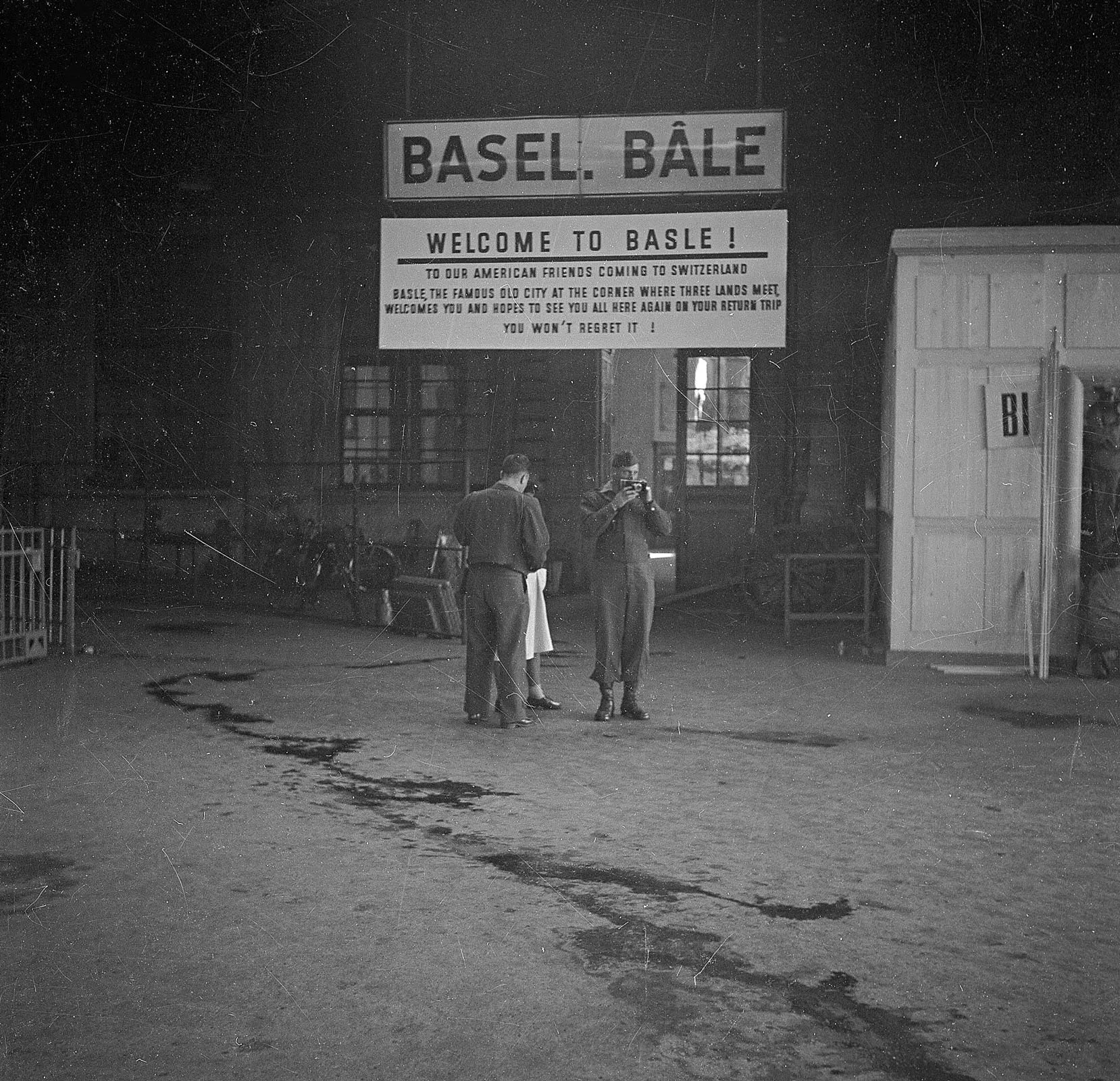
Image 01 of
04
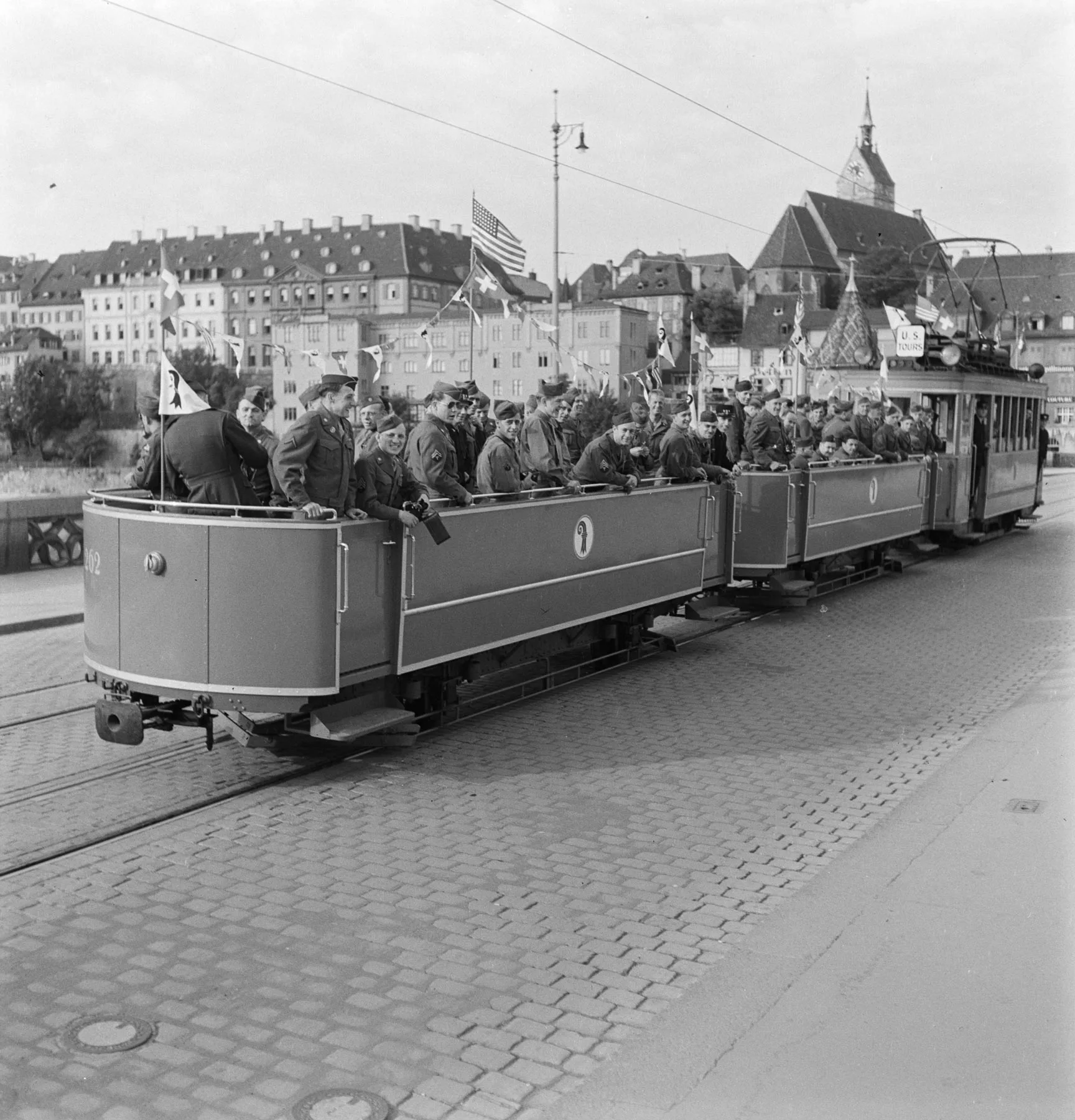
Image 01 of
04
The GIs in Lucerne
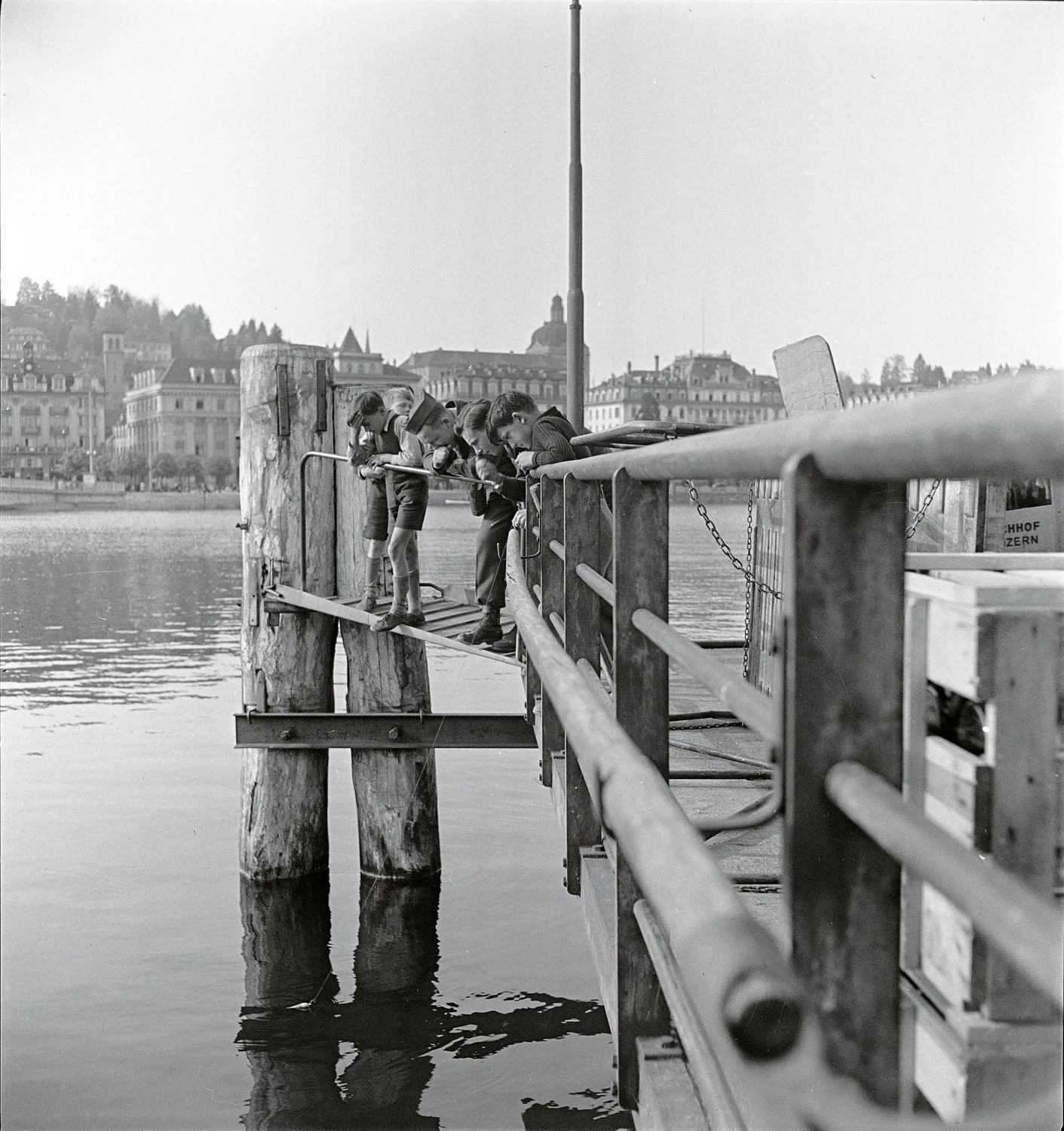
More than half of the visitors stopped off in Lucerne. The city’s preponderance in the tour schedules was due to its central location plus its proximity to the lake and mountains, a major attraction all year round. The GIs attracted crowds of curious onlookers on arrival and gave the city “an international flavour”, as one journalist gushingly reported in the Luzerner Neueste Nachrichten newspaper of 30 July 1945.
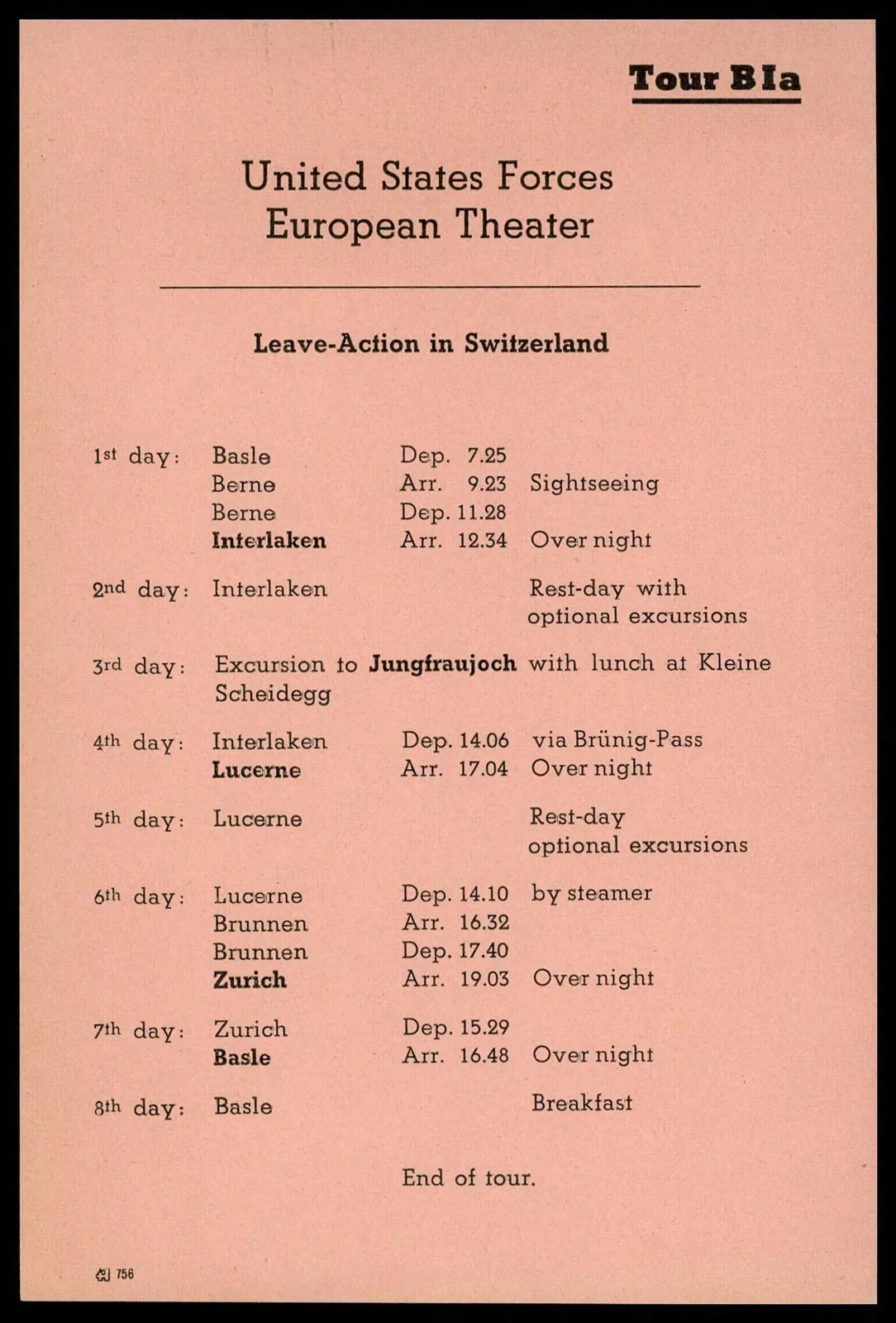
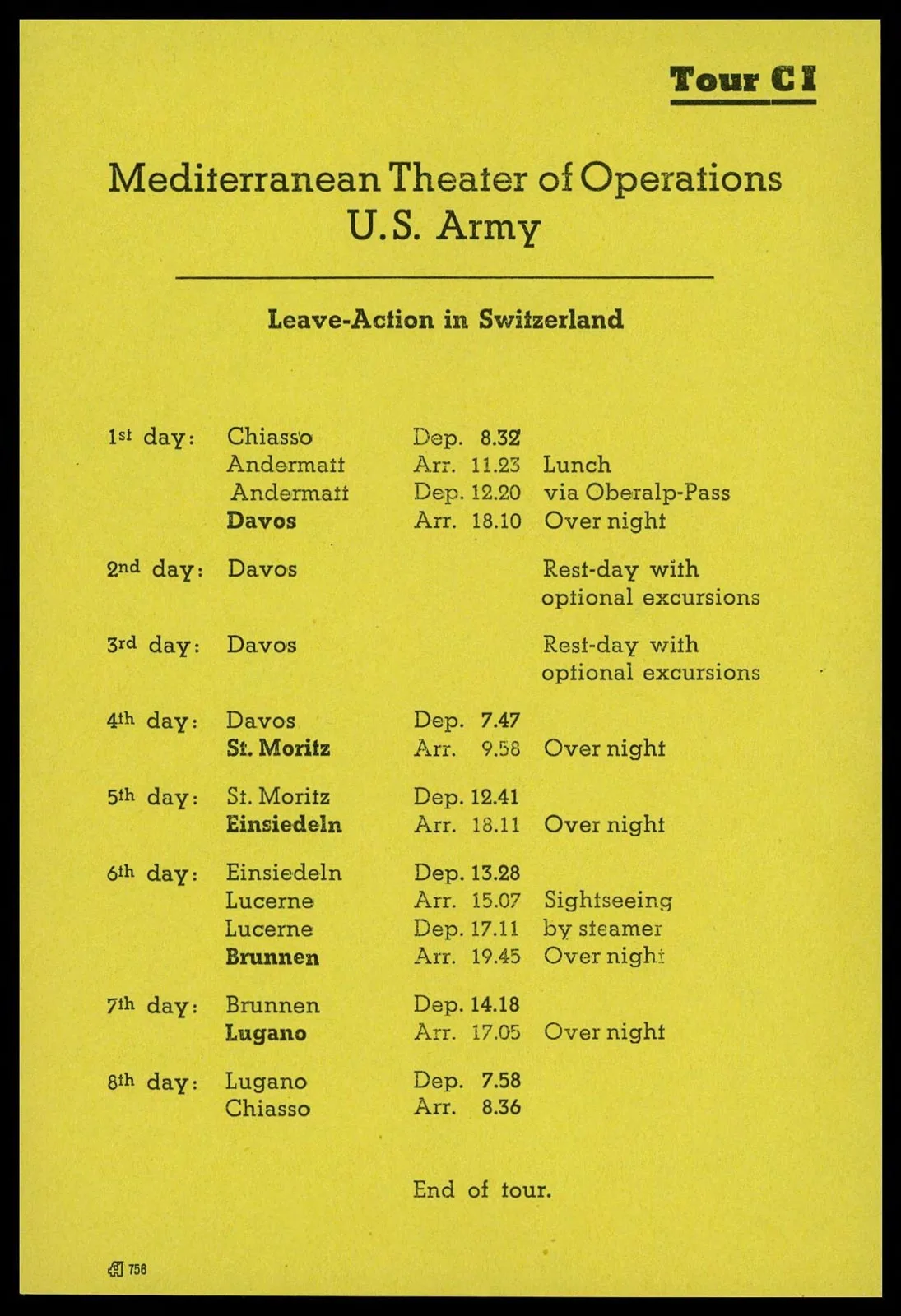
A whole range of tours was organised for the GIs. Swiss Federal Archive / Swiss Federal Archive
However, the local authorities failed to dance to the tune of that particular promise: Lucerne, a Catholic city, had banned dancing since 1884. The city’s establishments were only allowed to hold dances on seven days per year. Three of them had to be between 1 September and 1 December. The other four could not be held during Lent or Advent, or on Fridays, Saturdays or public holidays. That meant dancing was prohibited in December 1945. This led the hotel association, tourist office and hospitality lobby to apply to the Cantonal Council in October 1945 to lift the ban on dancing for Advent in 1945 and Lent in 1946, so the GIs could indulge in their “preferred form of entertainment”.
The Military and Police Department of Lucerne relented and allowed the Kursaal building to stay open for the Americans until midnight every night during the Advent period of 1945. This did not involve any changes to the law, it was merely making an exception for one establishment. The idea was to maximise tourist revenue from the Leave Action while at the same time respecting the locals’ religious convictions. Some Lucerne public houses requested that the GIs be allowed to dance until midnight on their premises too during Advent and Lent. They also argued that the ban on dancing in a tourist city like Lucerne was fundamentally unreasonable and no longer practicable. The Cantonal Council turned down their application: the exceptional licence for the Kursaal, a venue of unique status in Lucerne, was not to be granted elsewhere and lifting the ban on dancing during Advent was out of the question.
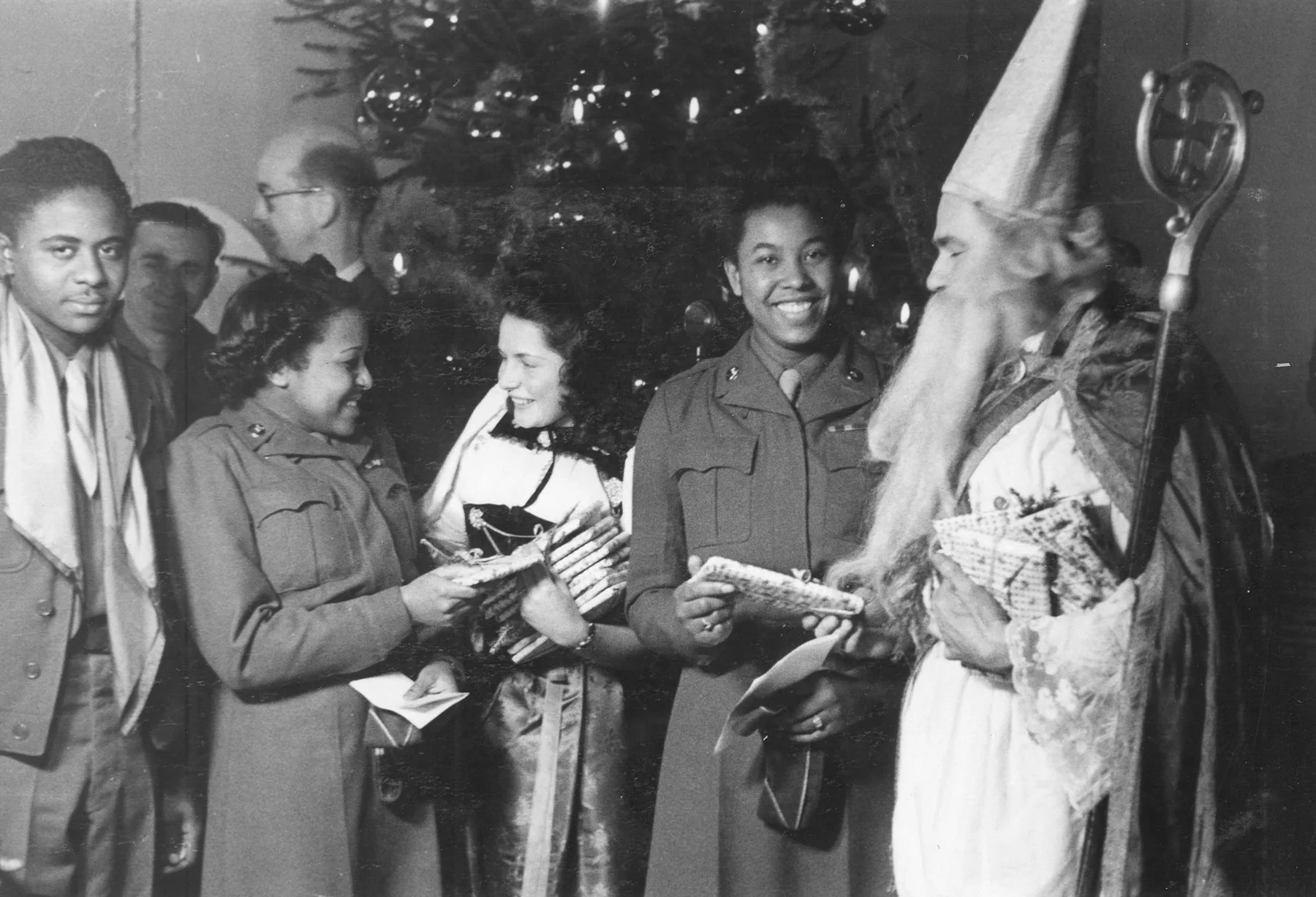
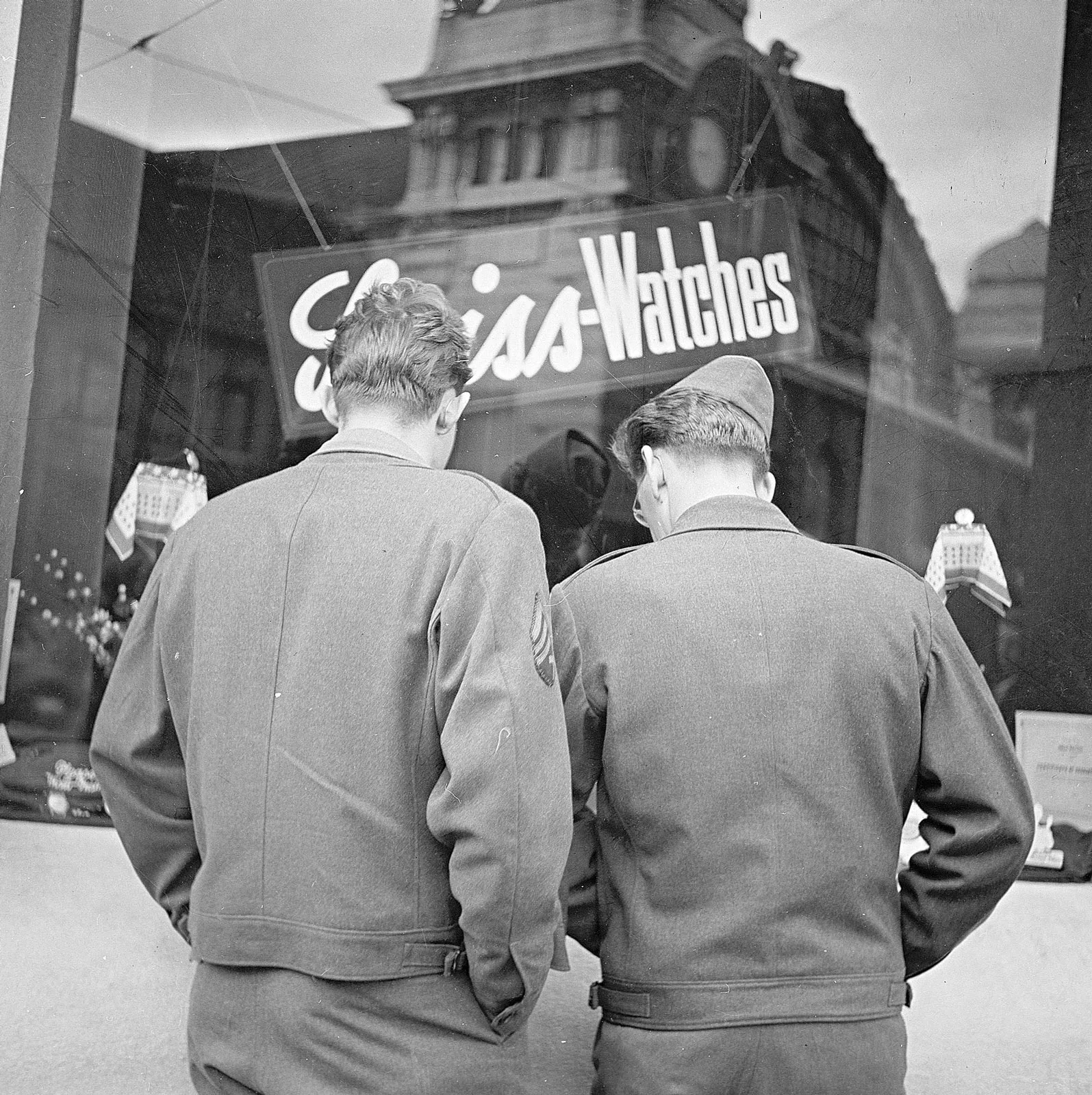
Temptation in the form of watches and carpets
Begging for chewing gum
The start of Americanisation
The biggest benefit of the programme was its word-of-mouth advertising of Switzerland in the US; an informal ‘marketing campaign’ that was almost impossible to put a price on, as Erich Münch saw it. GIs’ written accounts of their holidays found their way into numerous publications and many of them returned to holiday in Switzerland in a private capacity. As for the American side, it also benefited through being able to provide its personnel with the best available opportunity to enjoy some quality leisure time.
Tourism. Destination Switzerland
How did Switzerland become a popular travel destination? The exhibition takes visitors on a journey through time past defining moments of the history of tourism in Switzerland – from the grand tours of British aristocrats right up to the Instagram hotspots of today. On the way, we encounter landmark events that have enabled, promoted, temporarily prevented, or fundamentally changed travel to and in Switzerland.