The White Hell of Piz Palü
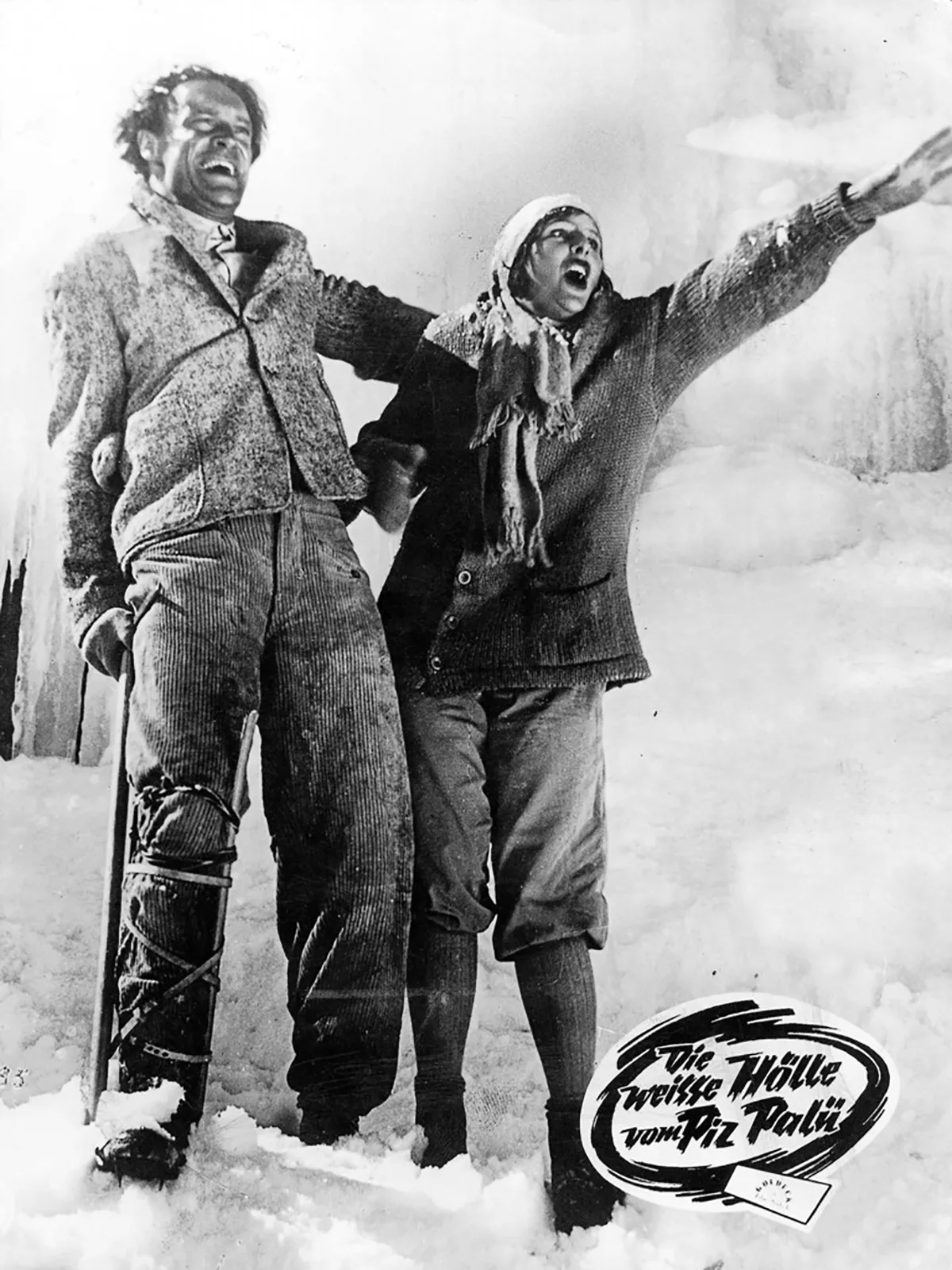
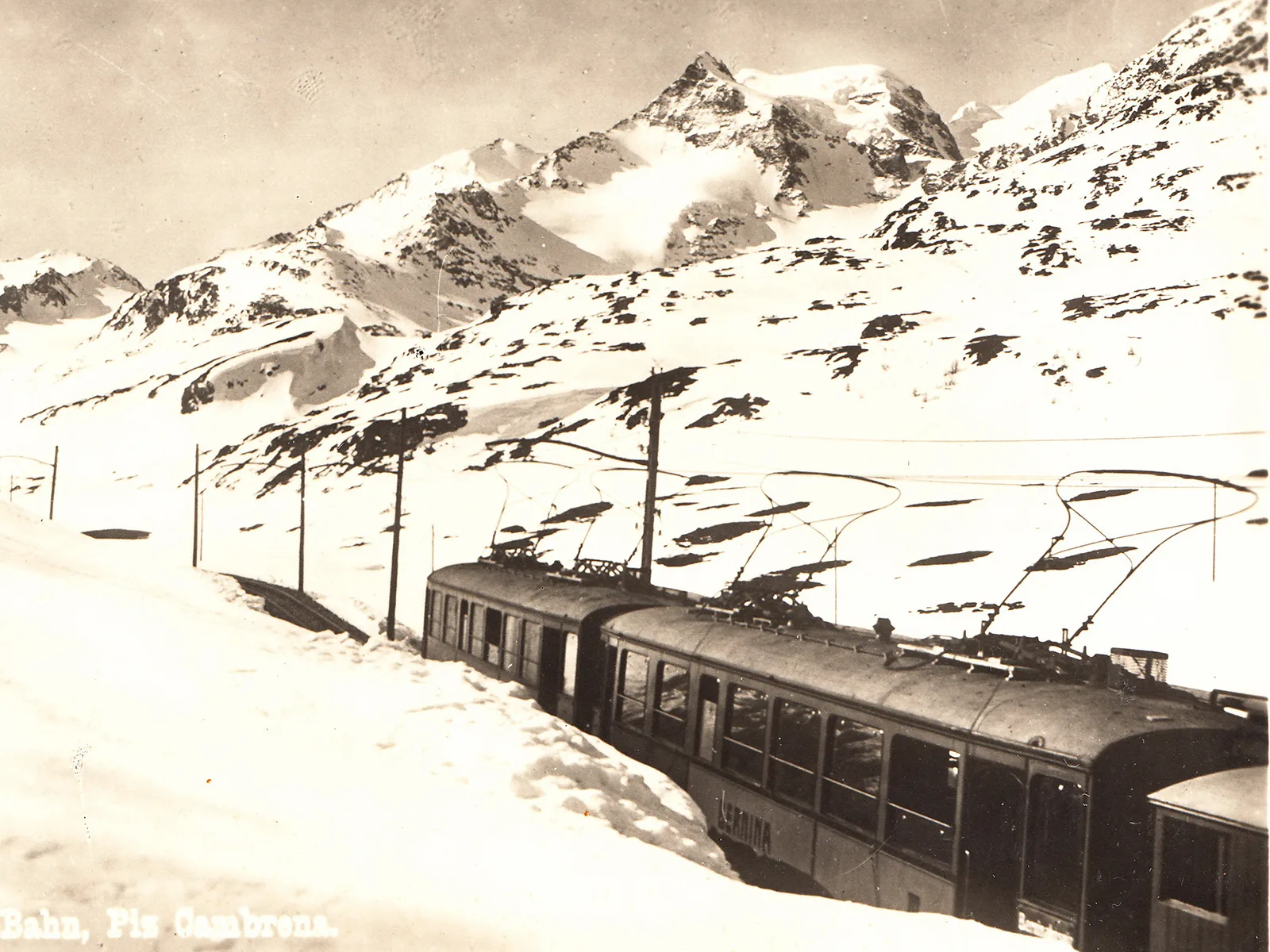
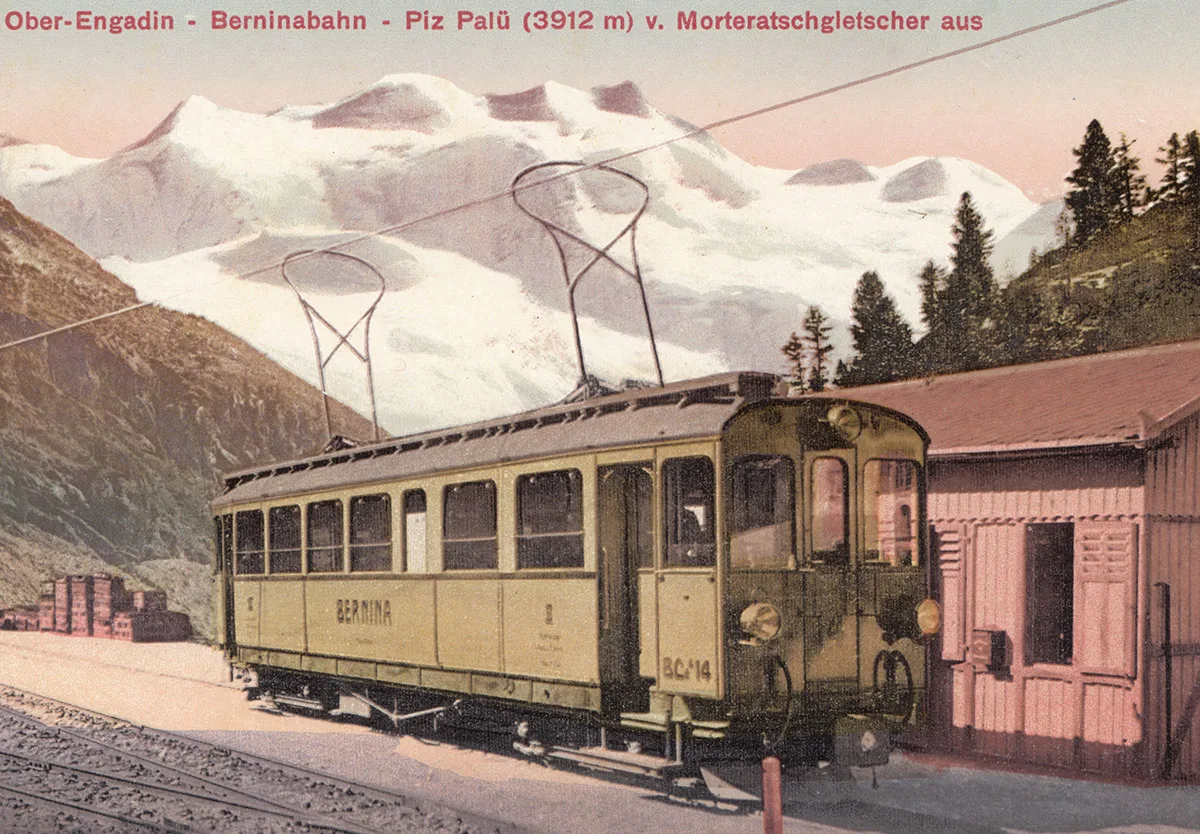
In 1929, mountain film pioneer Arnold Fanck shot his global hit Die Weisse Hölle vom Piz Palü (The White Hell of Piz Palü) in southern Graubünden. The secret star of filming was the Bernina railway, a track system that could handle tough winter operation.

Gabriel Heim
Gabriel Heim is a book and film author and exhibition organiser. He is principally concerned with research into topics of modern and contemporary history and lives in Basel.
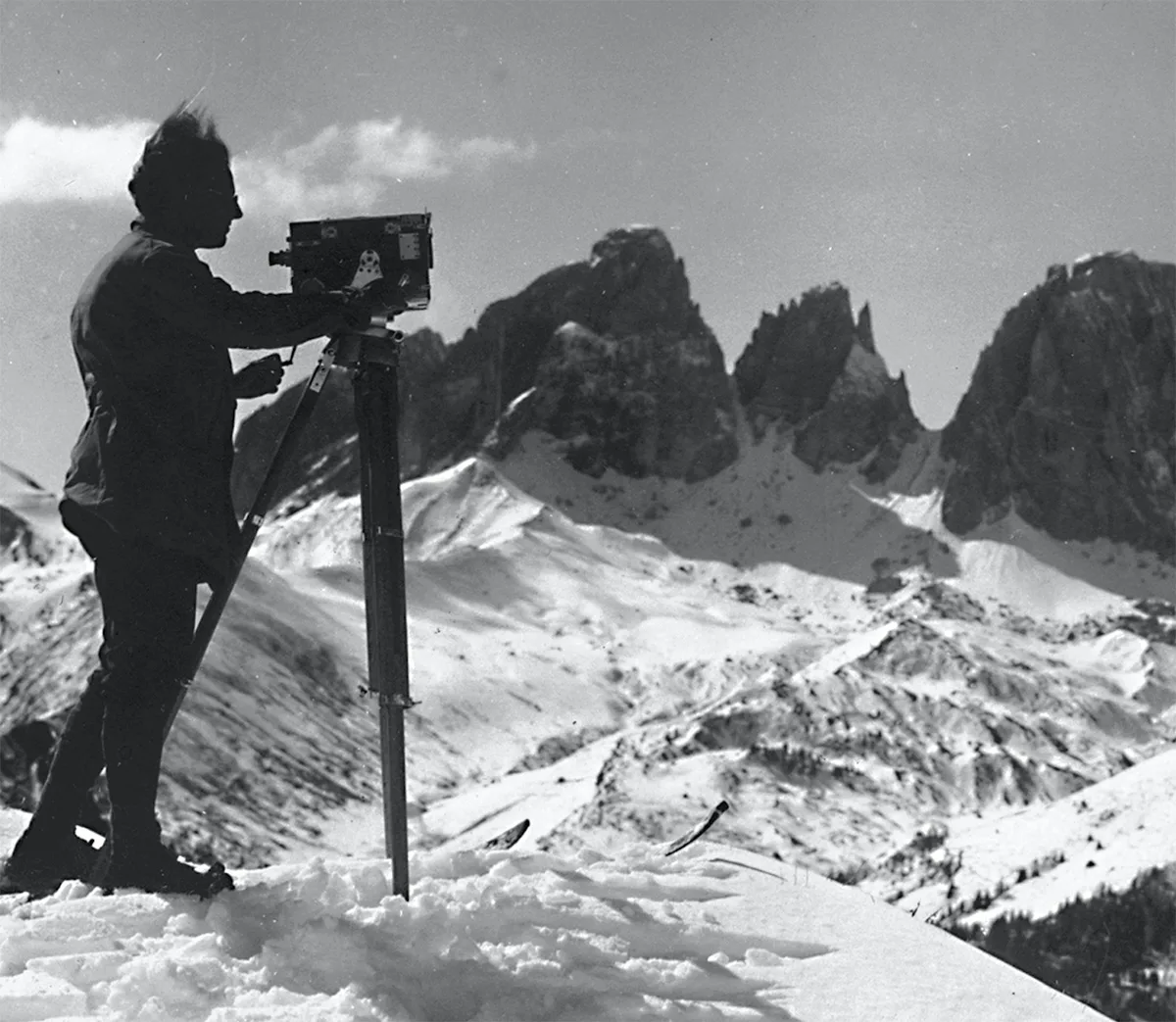
After World War I, film technology was modernised, opening up the possibility of producing adventure films on location regardless of the weather. The genre of mountain and nature films emerged, featuring spectacular climbing tours, glacier crossings and bivouacs on sheer cliff faces. One of the pioneers of this genre was the German Arnold Fanck, whose expressionist-inspired composition brought mountain films into cinemas as early as the beginning of the 1920s.
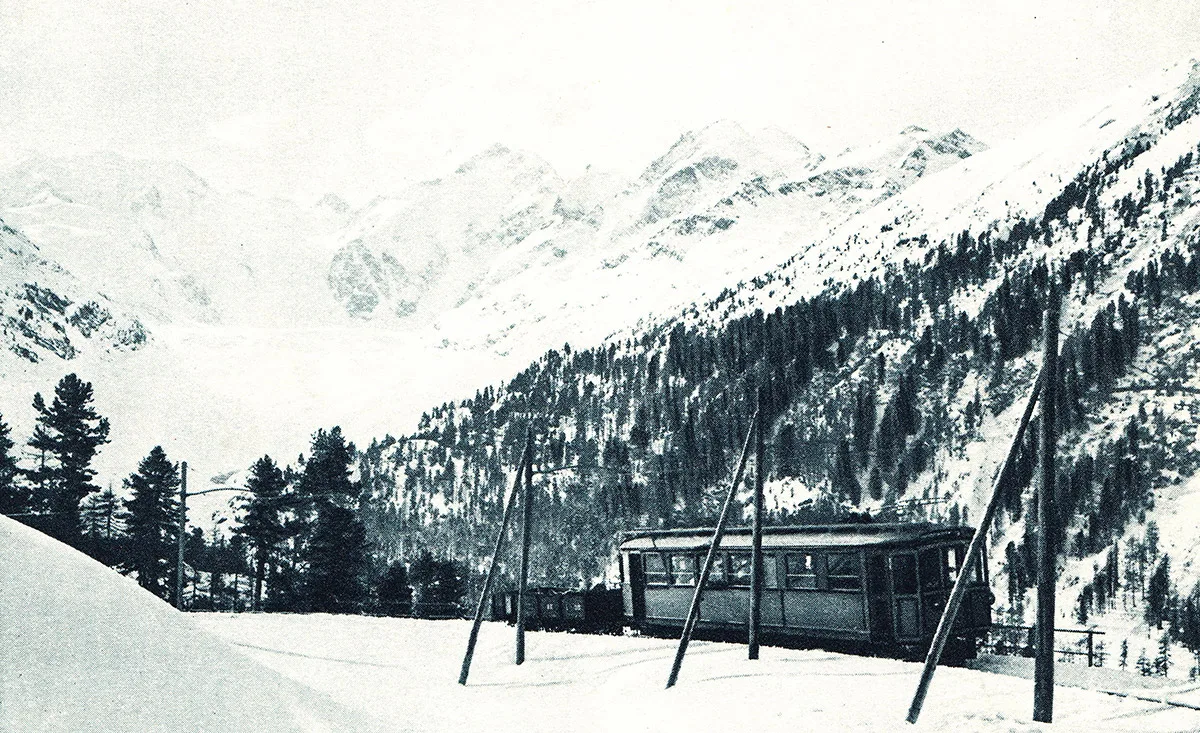
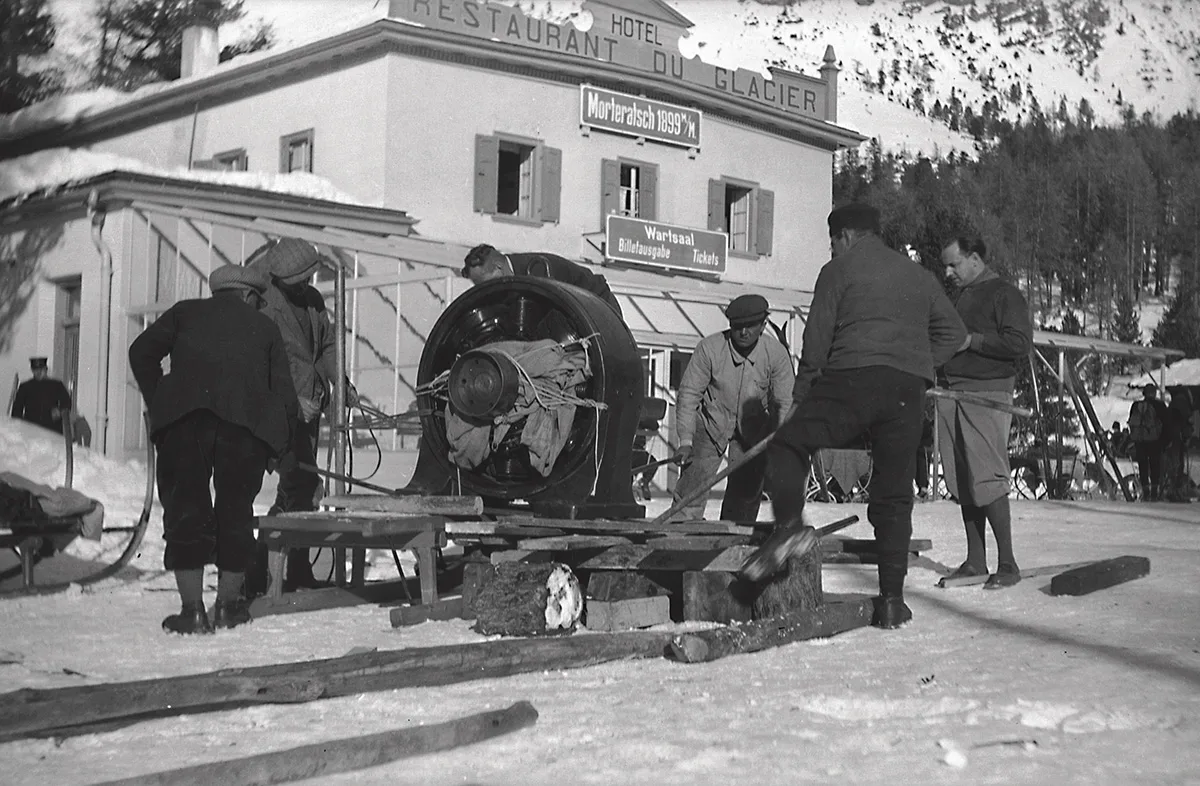
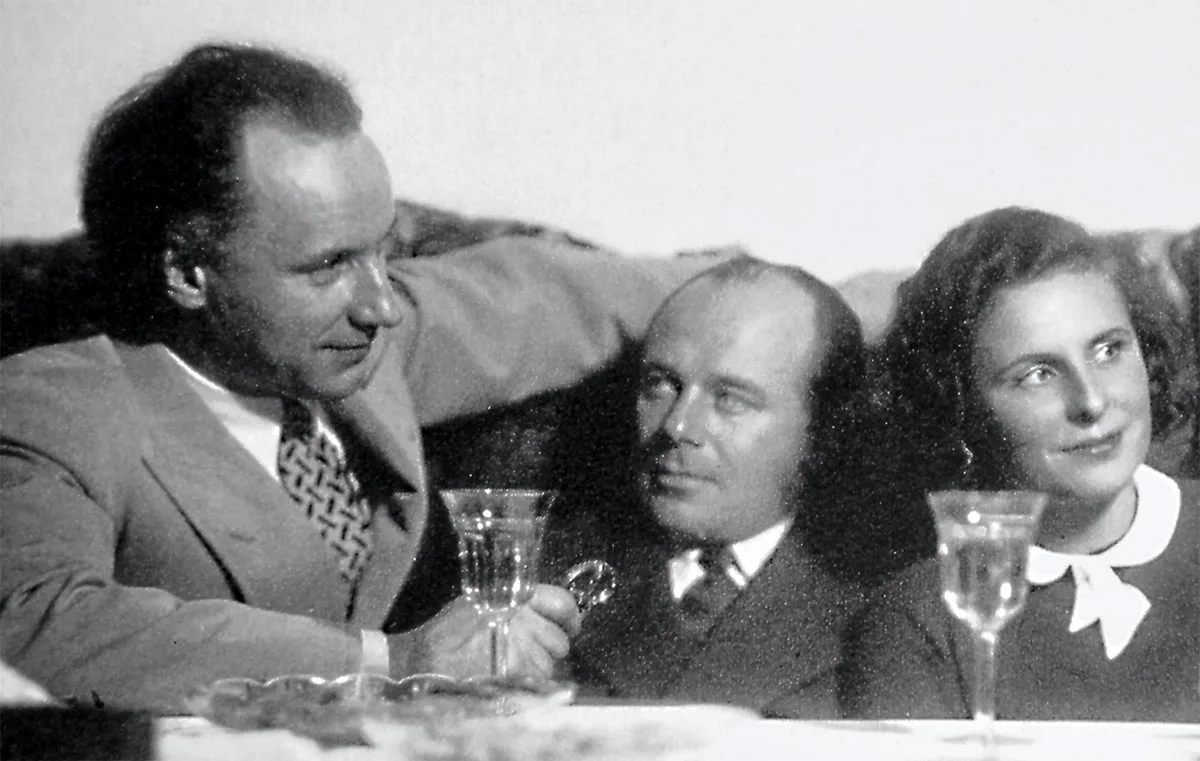
This was also true of Die Weisse Hölle vom Piz Palü, Fanck’s most successful film, featuring outdoor scenes filmed in 1929 in the snowy regions of the Bernina Alps. Leni Riefenstahl was on set again, and she was joined by another movie sensation in the form of highly decorated fighter pilot and flying ace Ernst Udet, whose job was to fly daredevil low-level missions at an artificial wall of ice created near Morteratsch, in order to save the main characters – who, according to the script, were trapped in the ice – from freezing to death by parachuting in supplies of brandy and provisions. All close-up shots in the movie were filmed in the immediate vicinity of the railway track so that the powerful wind machines and floodlights could be supplied with traction current by the shortest possible route.