From cottage industries to the home office
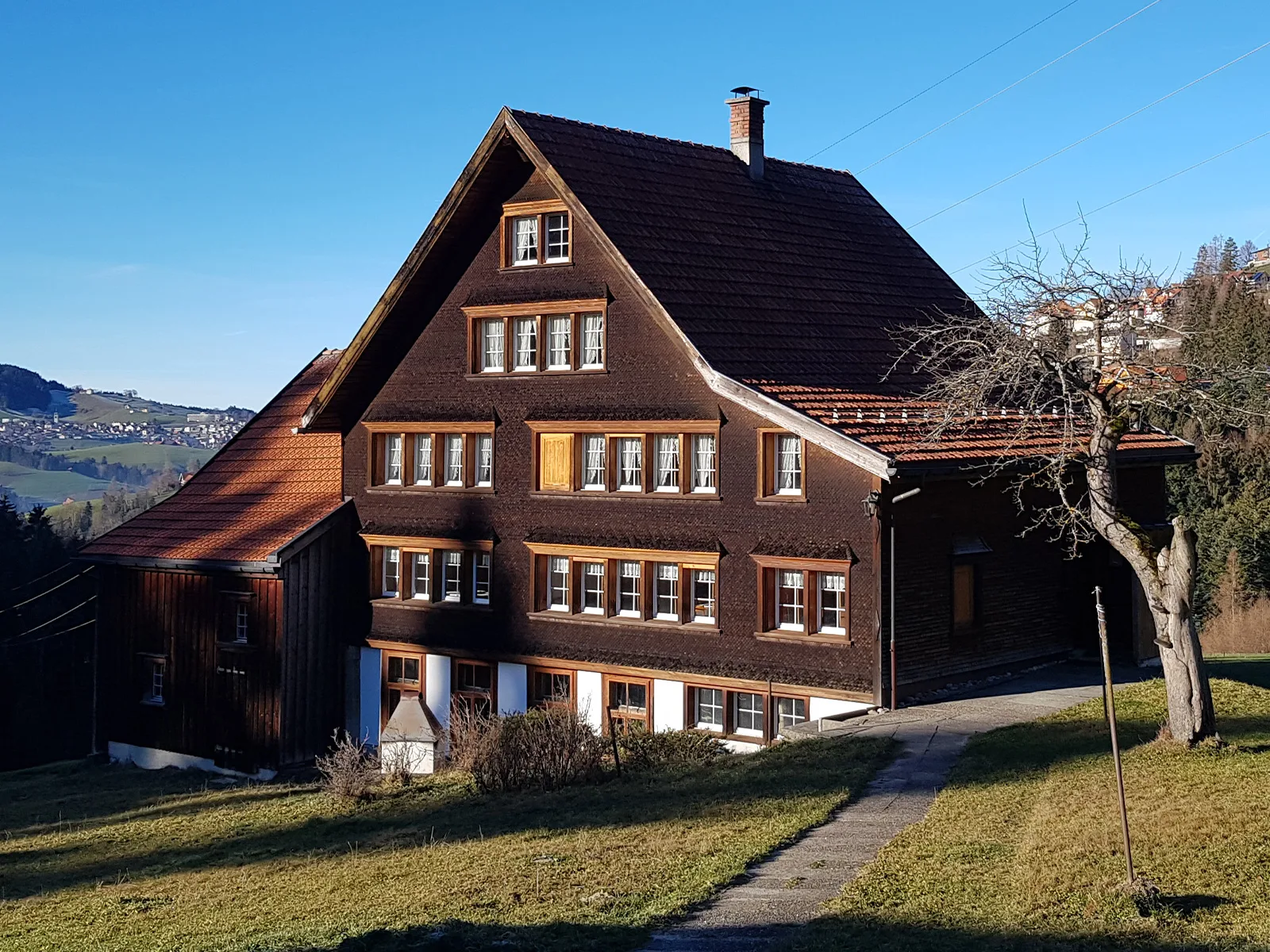
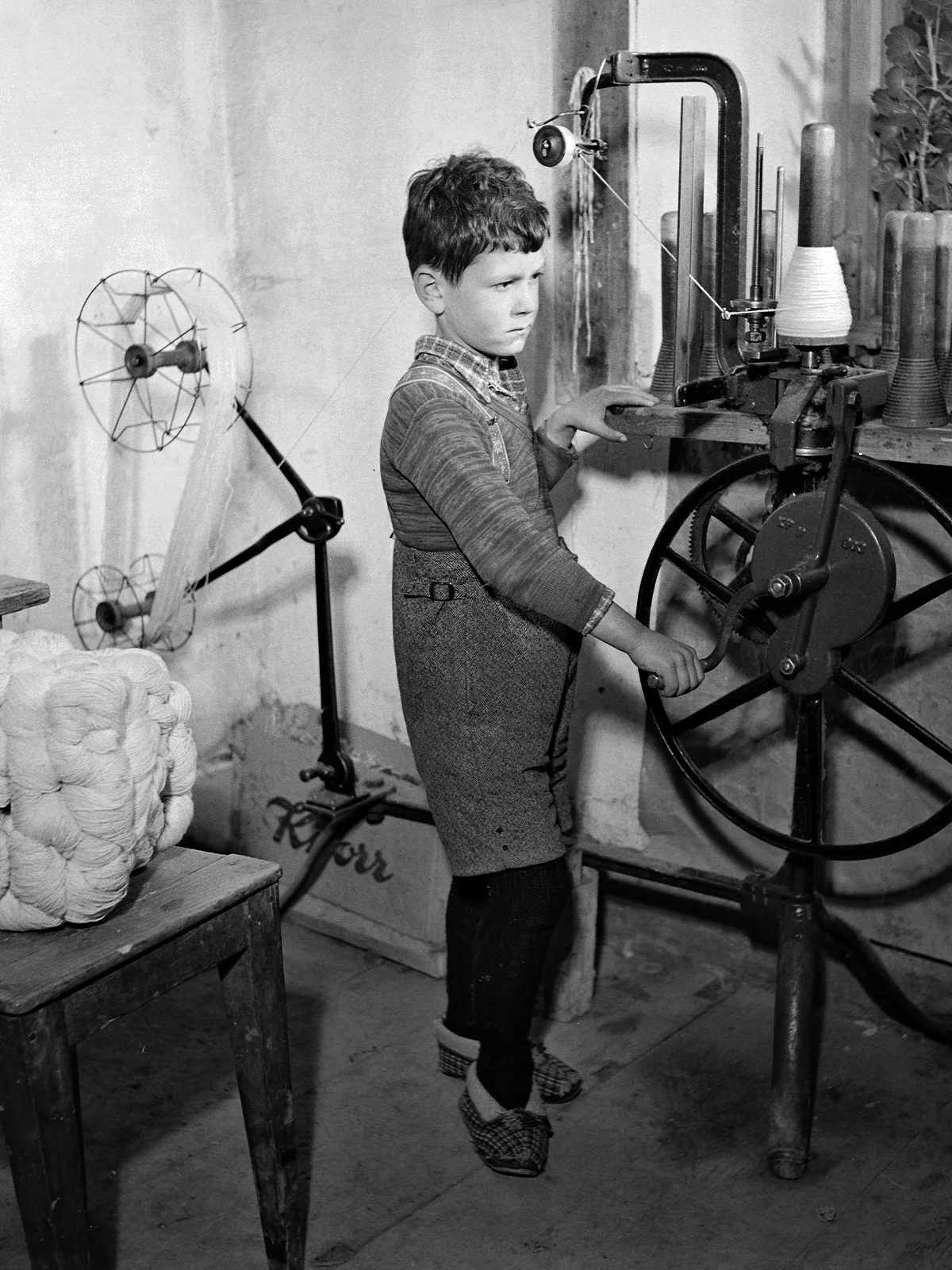
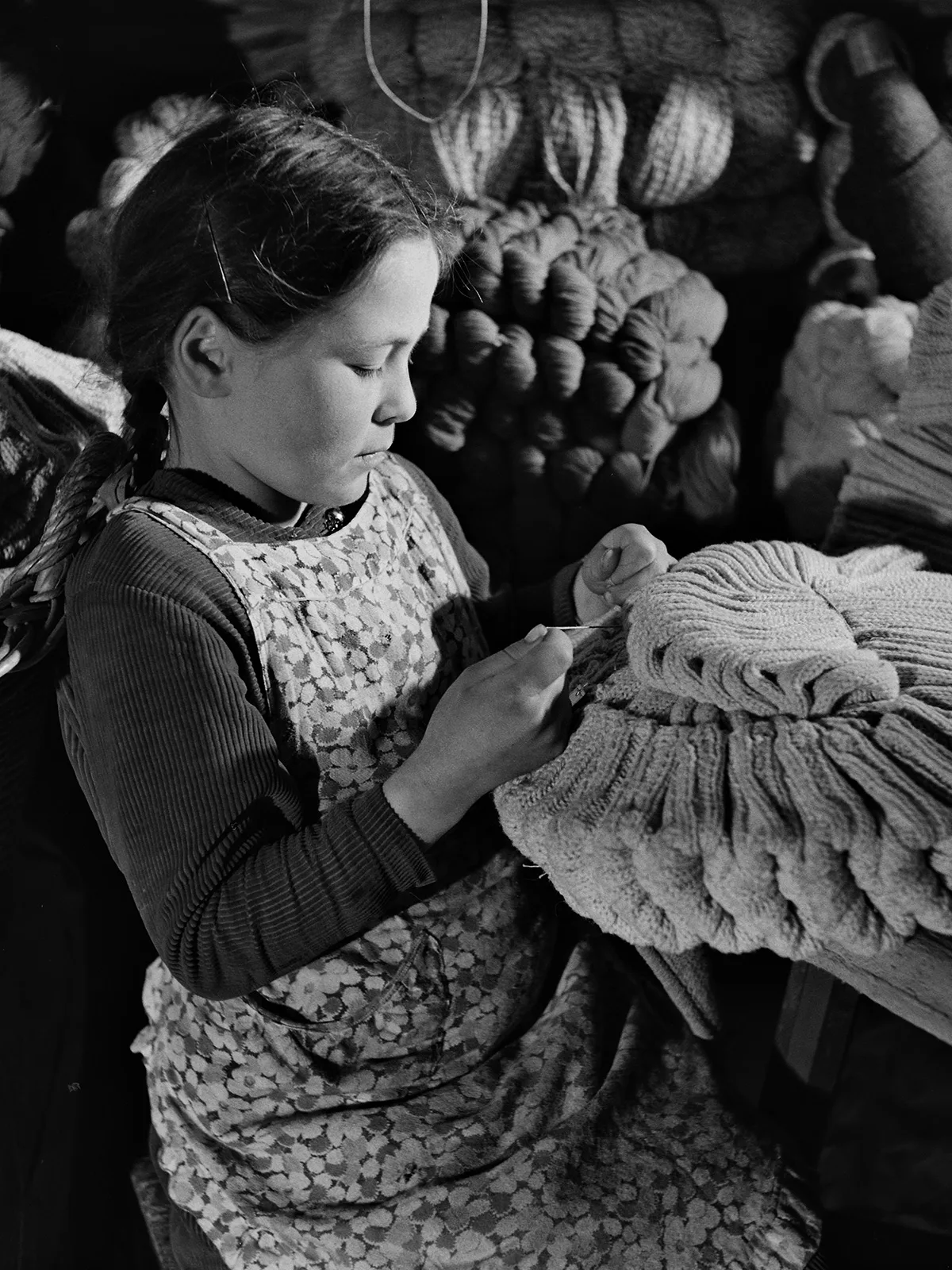
Doing your job within your own four walls isn’t a phenomenon of the computer age. But while the home office in most cases entails a better quality of life, the type of working from home that many people did before industrialisation was an exploitative form of working.

Alexander Rechsteiner
Alexander Rechsteiner holds an M A in modern English literature and political science and is Head of Marketing & Communication at the National Museum Zurich.
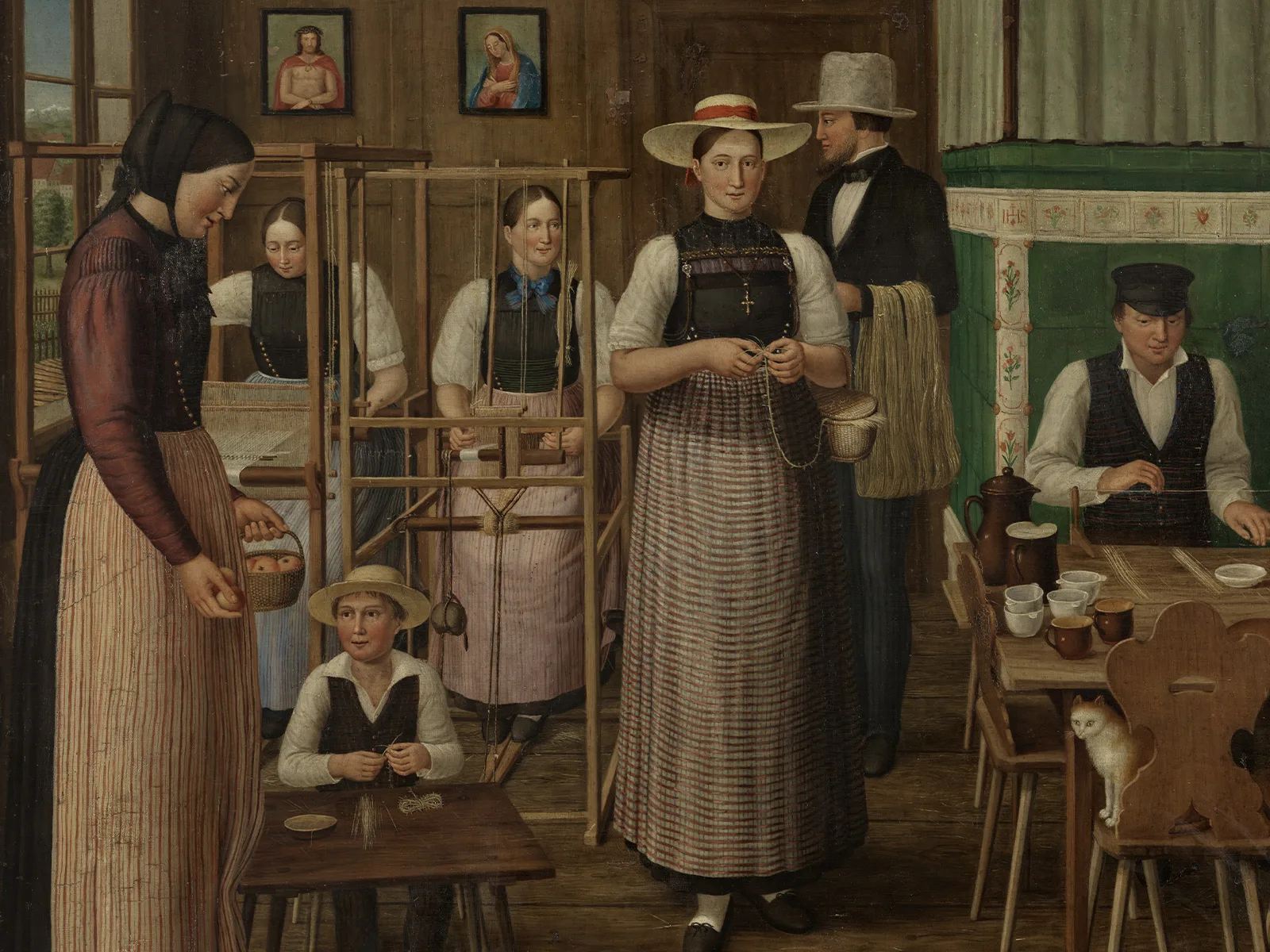
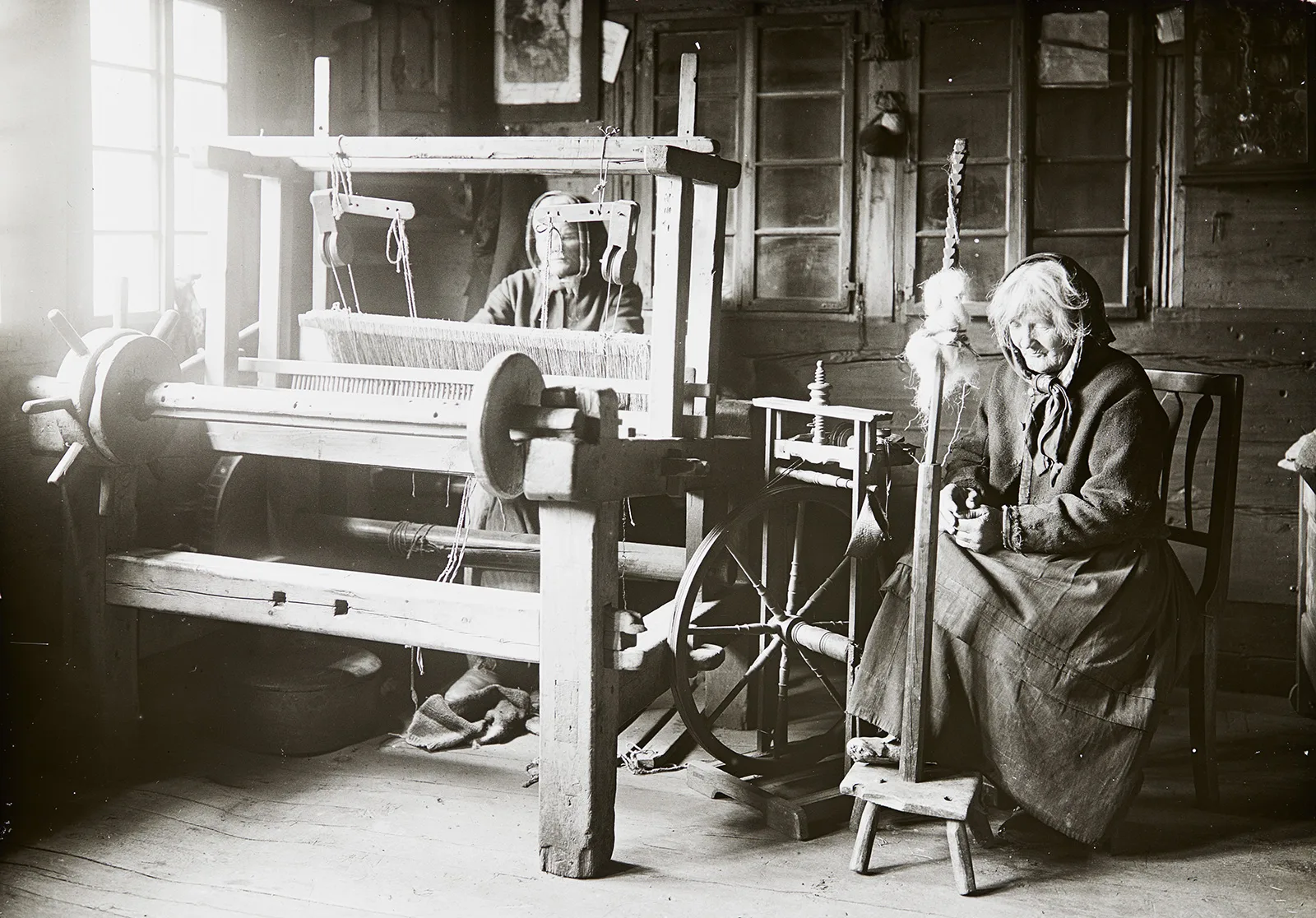
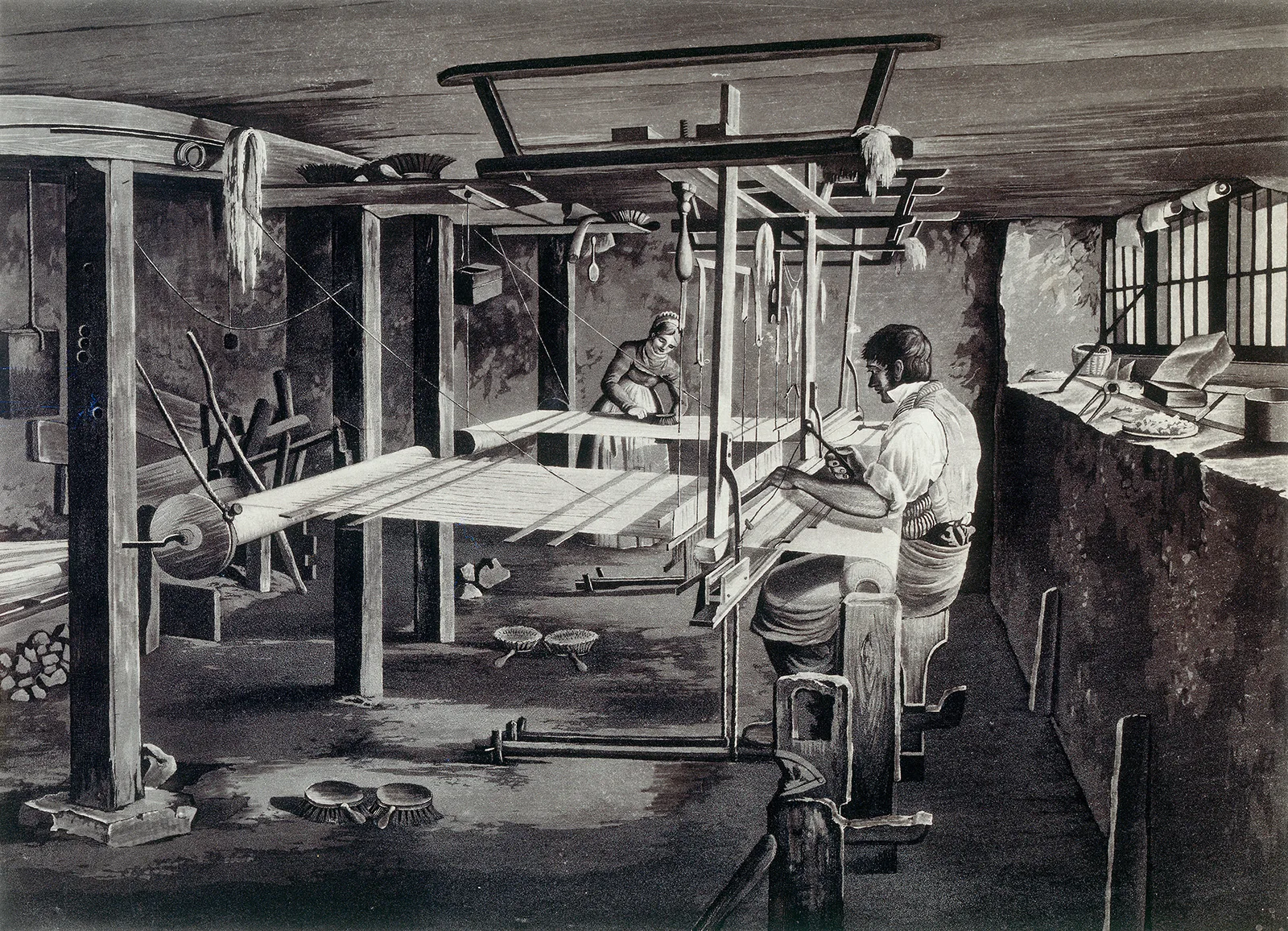
The ‘putting-out system’ devised later by canny merchants went even further: the urban merchant-employer not only provided the farming family with the basic materials, or even finished fabrics, but also loaned them manufacturing equipment such as looms. The workers, which often included the farmer’s children, worked at home to produce the finished fabrics, or decorated them with embroidery. Workers didn’t receive a fixed wage, but were paid according to quality and the quantity they produced. The finished products went back to the merchants, who exported them all over the world.
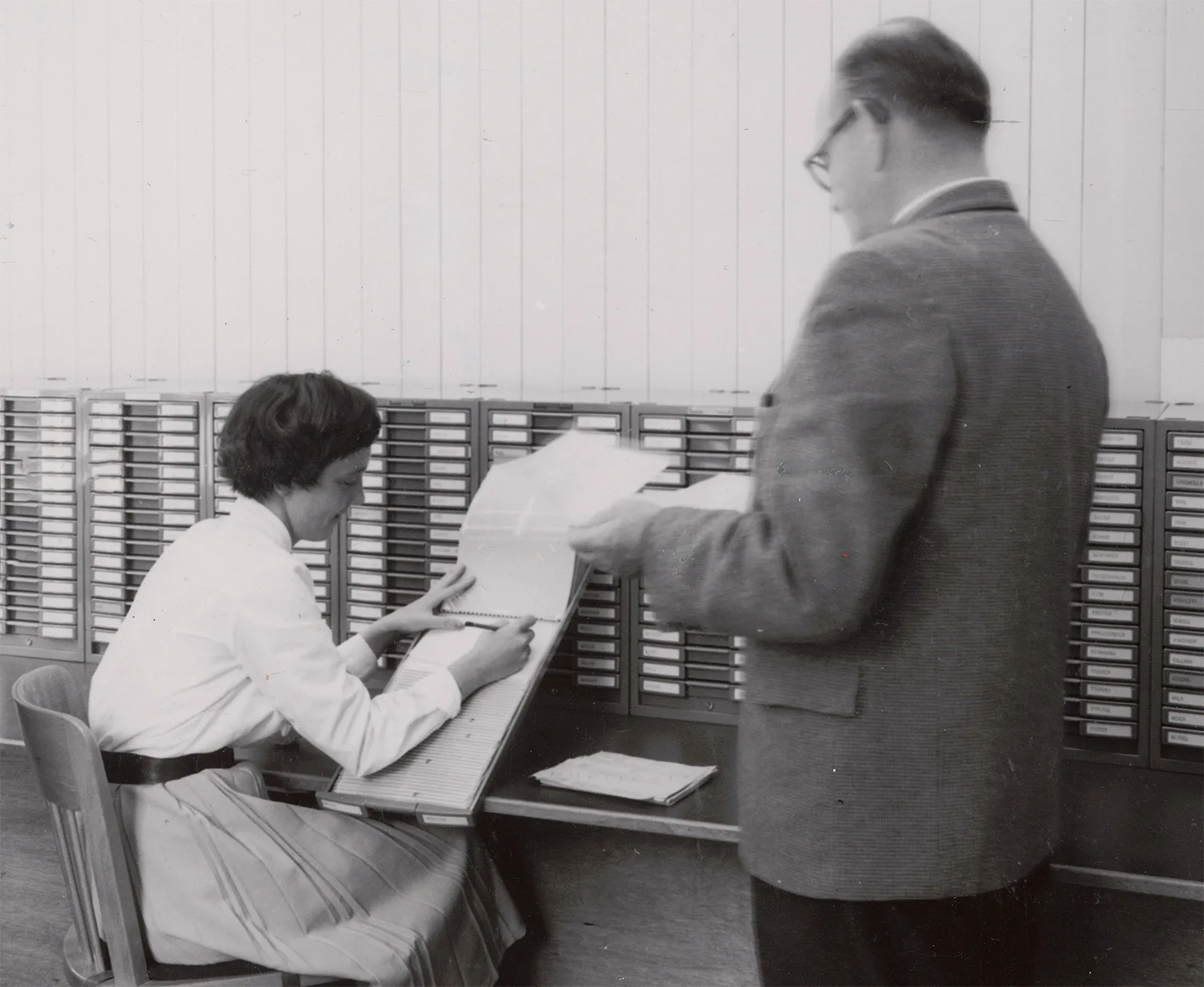
During the 20th century, more and more people were employed in the service sector. Before the dawn of the technology age, this sort of work necessitated an office for logistical reasons as well. Mountains of files, card indexes and papers, as well as correspondence, had to be available centrally in one place. But an administrative employee not only had to have access to stored information, but also needed to be contactable in person by supervisors. A workplace designed for efficiency was therefore essential.