The Ticino glacé king
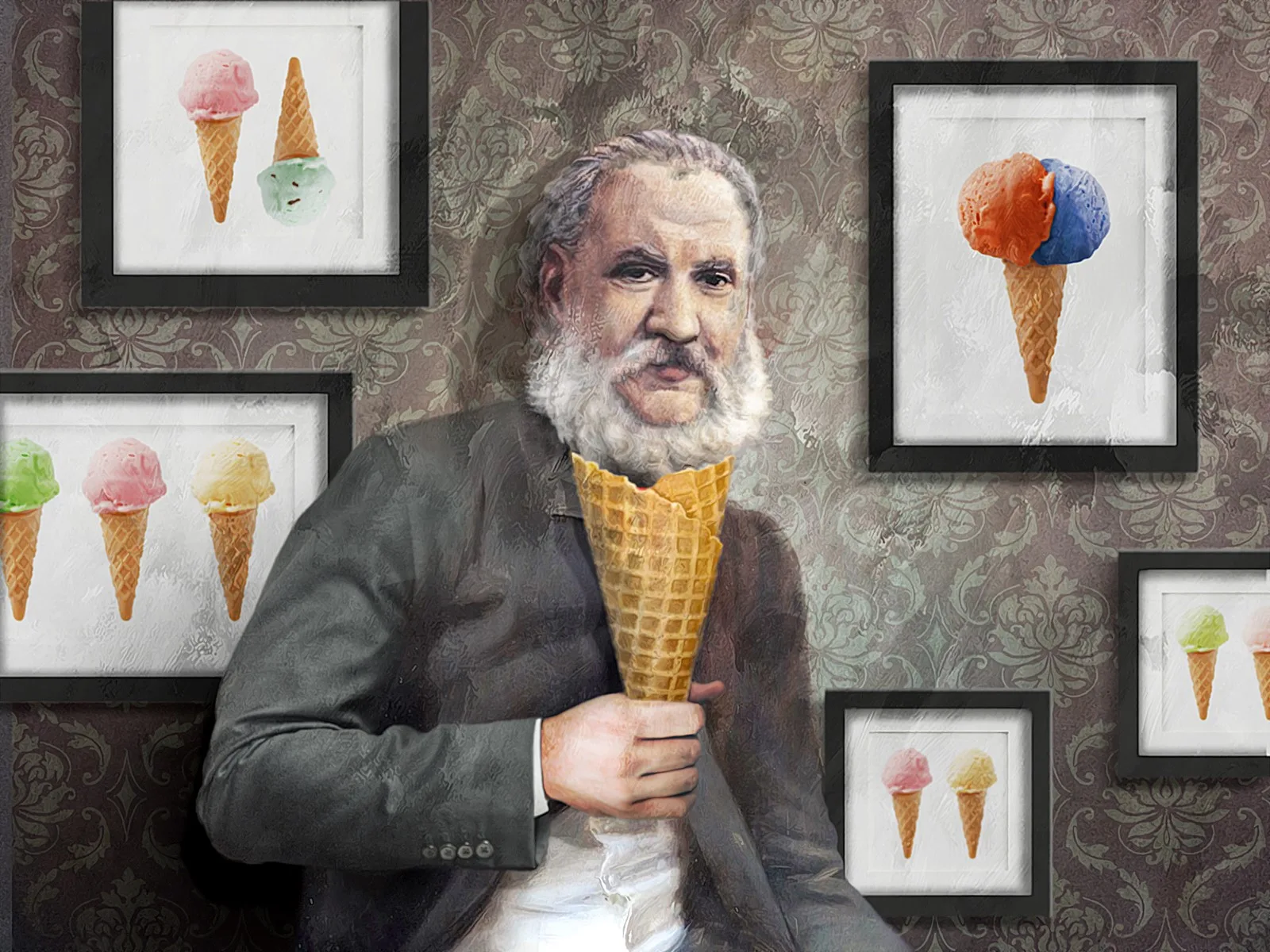
Born in a mountain valley in Ticino, Carlo Gatti moved on to Paris and later to London. He was the first street vendor of ice cream in London, eventually earning a reputation as the uncrowned “Ice Cream King” of Victorian England.

Michael van Orsouw
Michael van Orsouw has a PhD in history and is a performance poet and author. He regularly publishes historical books.
Website: geschichte-texte.ch
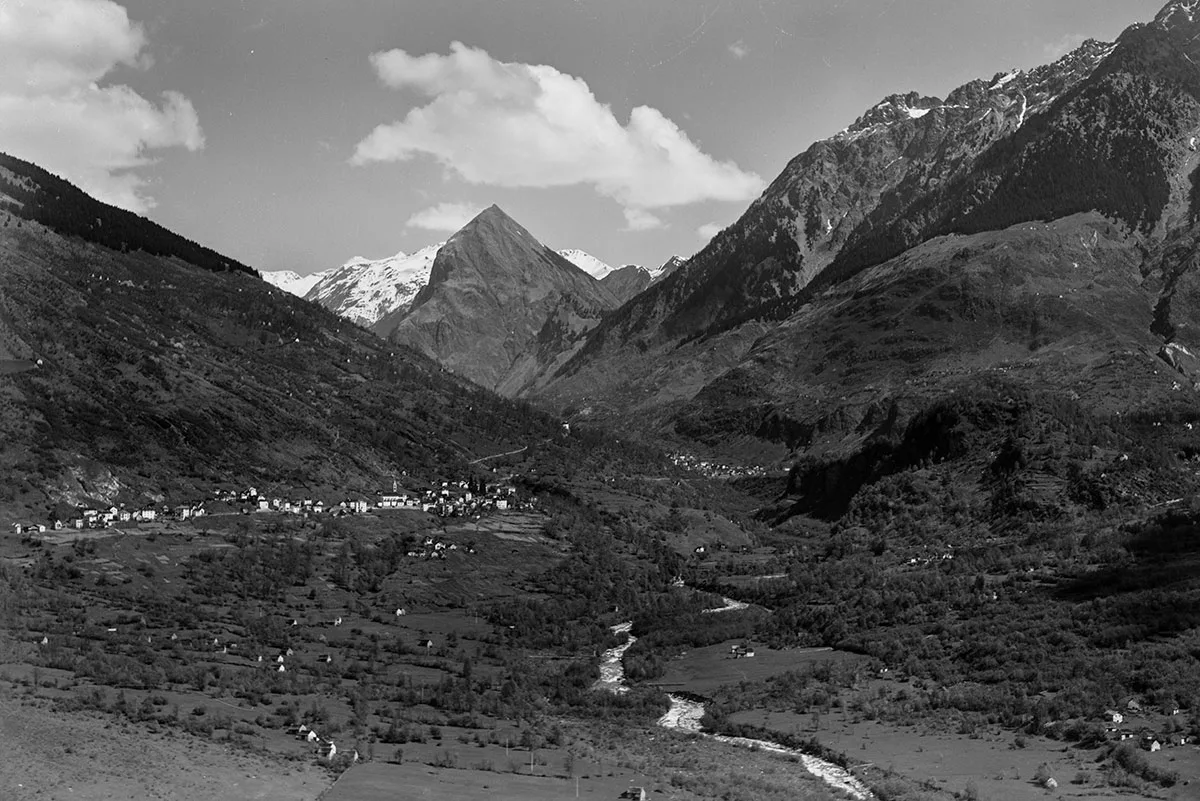
Carlo Gatti was born in the tiny village of Marogno in the Blenio Valley in 1817, the year of famine. It was a hand-to-mouth existence in this Ticino mountain valley. Anyone who wanted to do more than just barely survive had to leave and emigrate. Carlo Gatti had another reason for wanting to leave: he was a bad pupil, earning frequent canings from the village schoolmaster.
So at the age of just 13, he set out to leave his homeland forever. According to some accounts, he was only 12 and couldn’t even write. Fact and fiction intermingle here in Carlo Gatti’s biography.
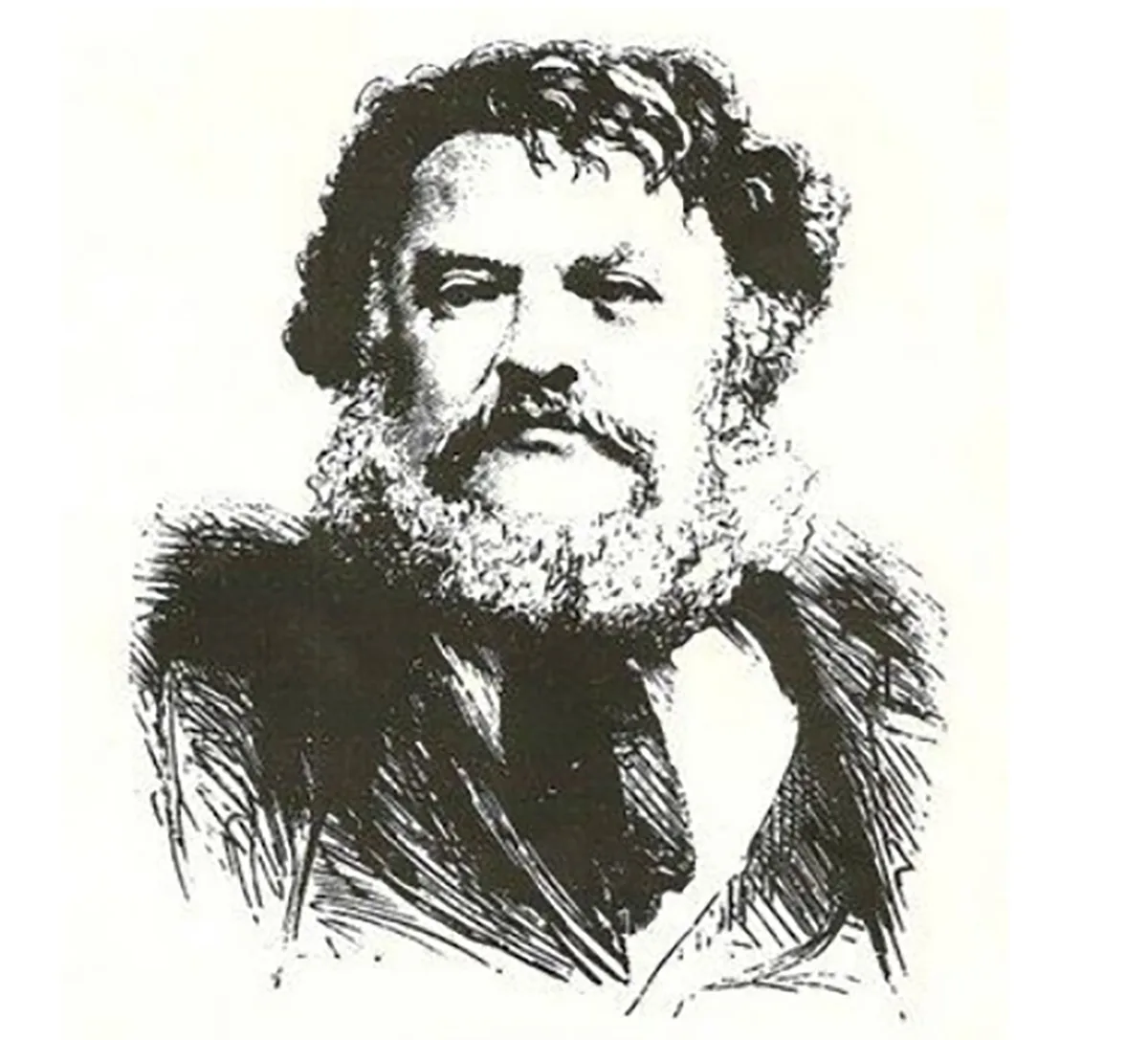
At the age of 30 he decided to move on to London, where the British Empire was enjoying its golden age. In the district of Holborn he ran a vending cart selling coffee and waffles, and he also offered chestnuts. This rather downtrodden part of the city was home to a huge population of Irish immigrants, but there was also a large community of Italians who, like Gatti, were looking for work in the big city.
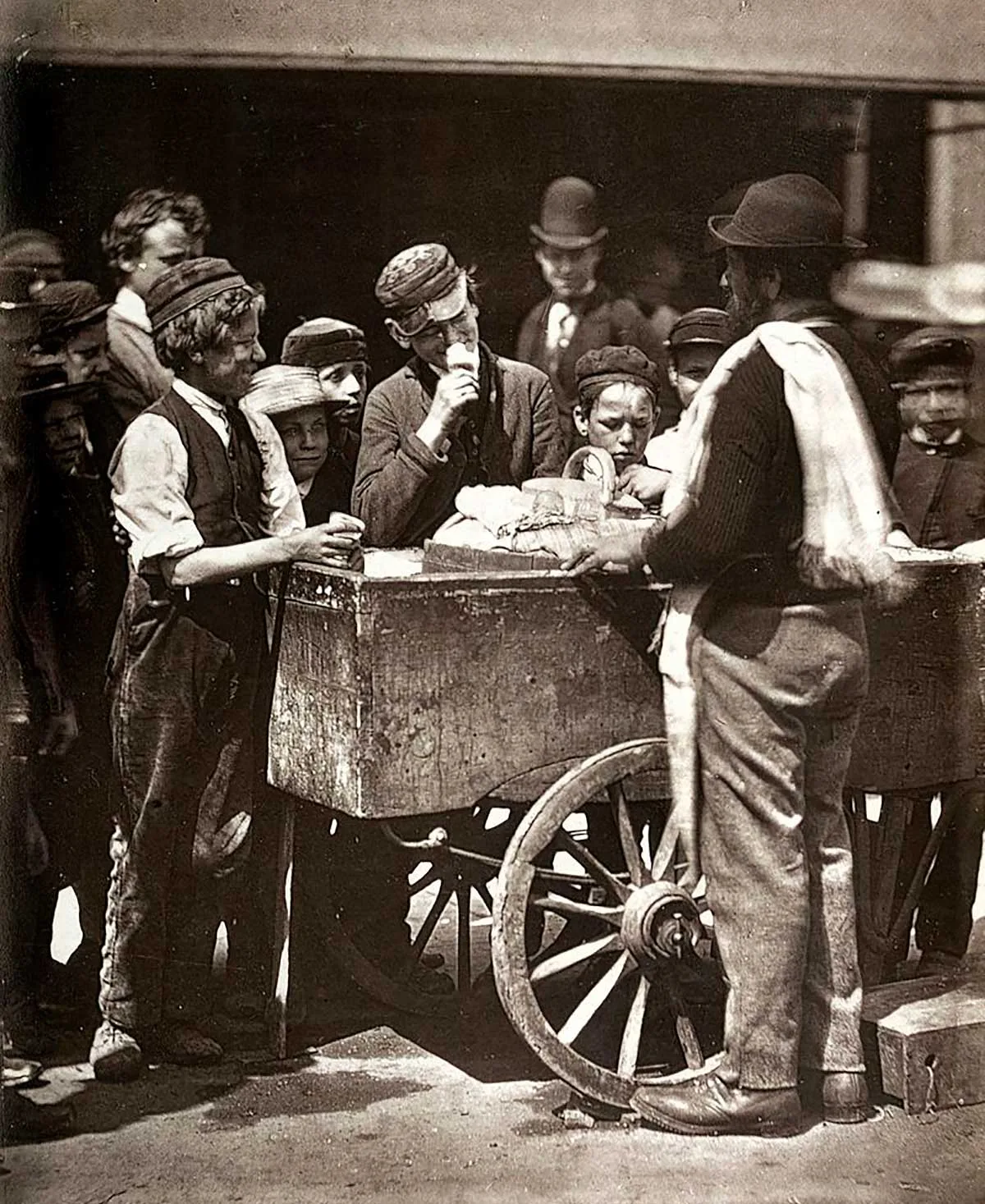
Gatti’s innovation was the cherry on the top of the business’s product range. He sold ice cream, and for the first time the sweet treat wasn’t for kings or other rich people; it was affordable for every man, woman and child. Carlo Gatti democratised the eating of ice cream.
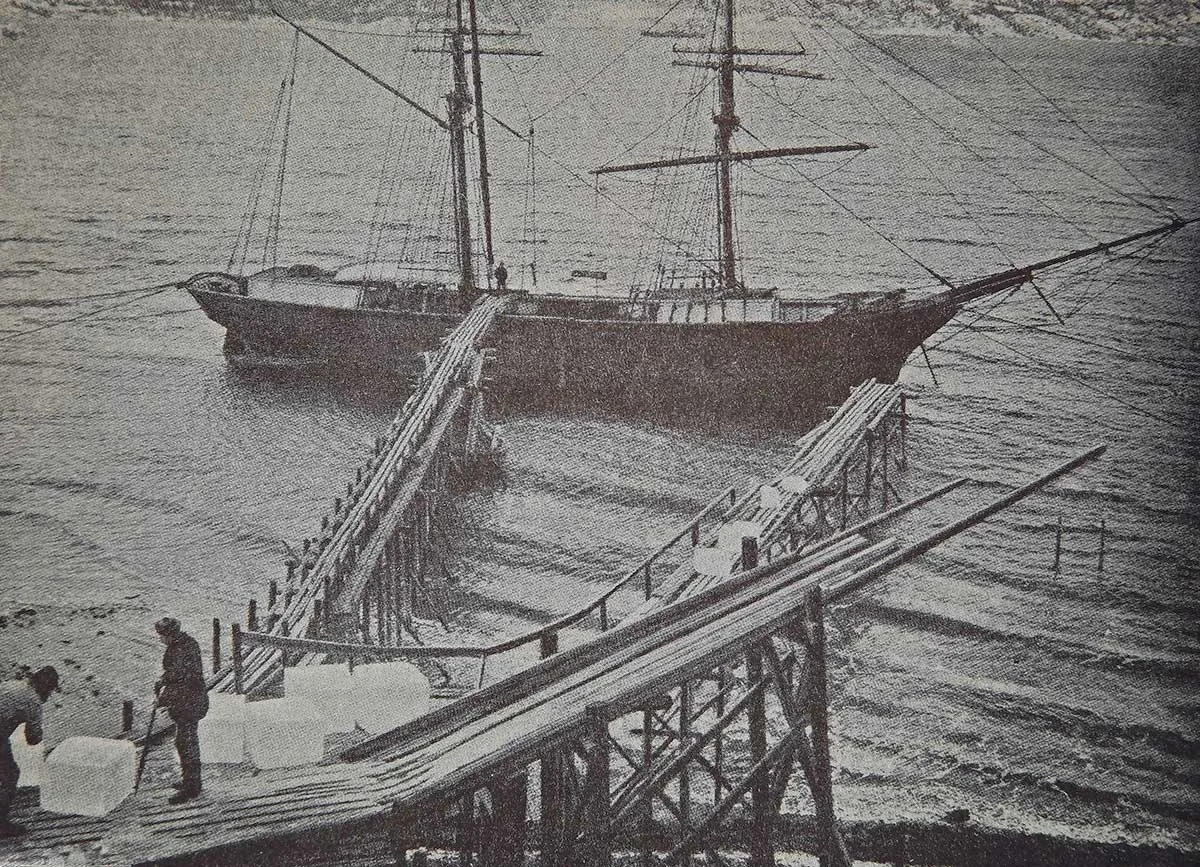
It was a costly venture for him, because in those days there were neither refrigeration systems nor ice cream machines. Gatti imported the ice by ship from Norway, and drilled wells 10 metres wide and 13 metres deep in Regent’s Canal where, in an era before electricity, he was able to store the frozen blocks of ice. He also imported an ice cream machine from France, where ice cream, or glacé as it was called there, was still reserved for the rich and famous, but its manufacture was already more advanced.
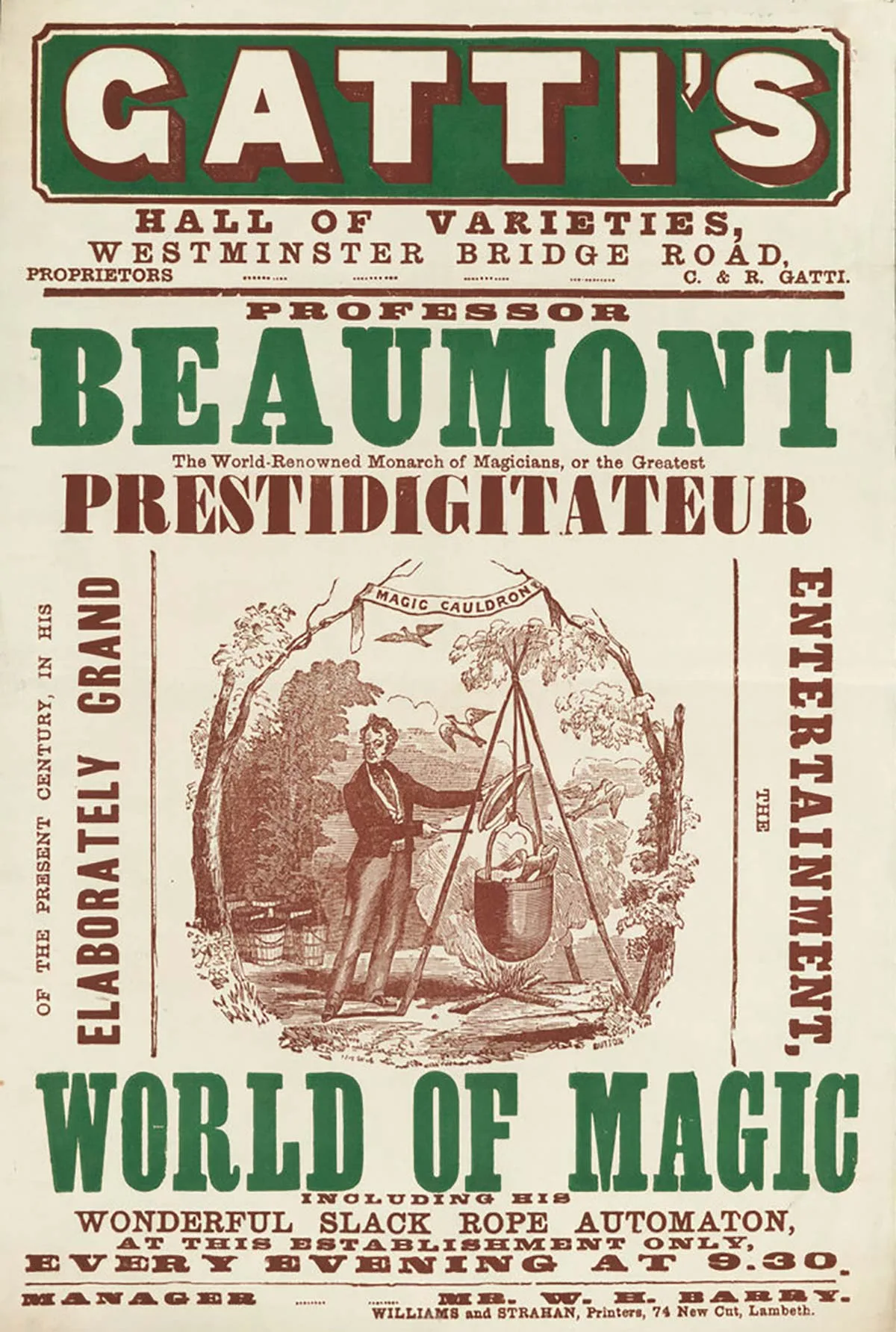
When the 1851 Great Exhibition in London put participating products well and truly in the public eye, Gatti passed all the tests he had previously missed out on: together with Battista Bolla, he presented an automatic ice cream-making machine – what a sensation! After that, the sky was the limit for Gatti and Bolla. They opened scores of cafés, ice cream parlours, and a catering business supplying a private clientele, although their customers also included restaurants, grocery stores and hospitals. Gatti & Bolla also had a whole fleet of horse-drawn carts. In his cafés, Gatti relied on simple food with dishes from mainland Europe at moderate prices. Within a few years, the (supposedly) illiterate Swiss man became a millionaire and then a multi-millionaire!
Gatti became a naturalised Briton. But he never forgot his old home in Ticino, with which he maintained a connection as a sponsor of emigrants from his homeland. He brought in numerous people from Ticino who made a living working in his businesses. In the districts of Strand, Holborn, Lambeth and Islington, colonies of Ticino natives grew up as a result of Gatti’s diverse activities.