The journey of the headless horseman
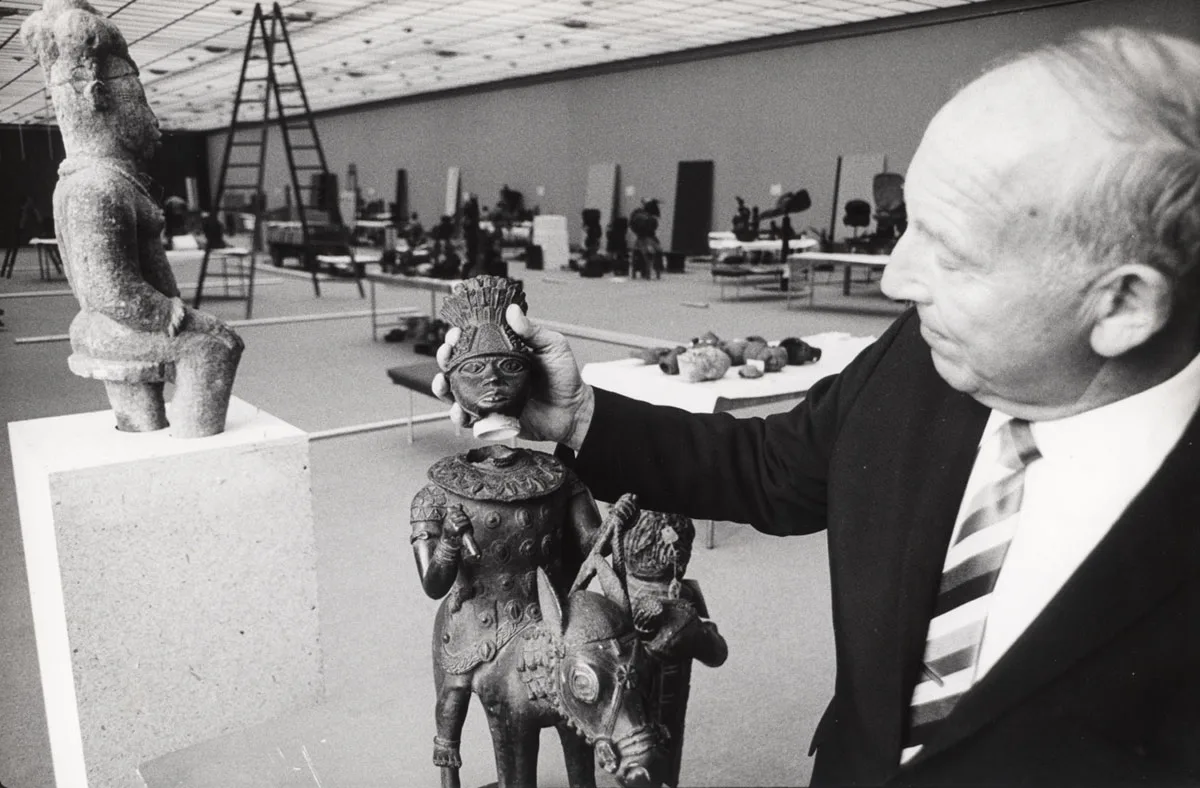
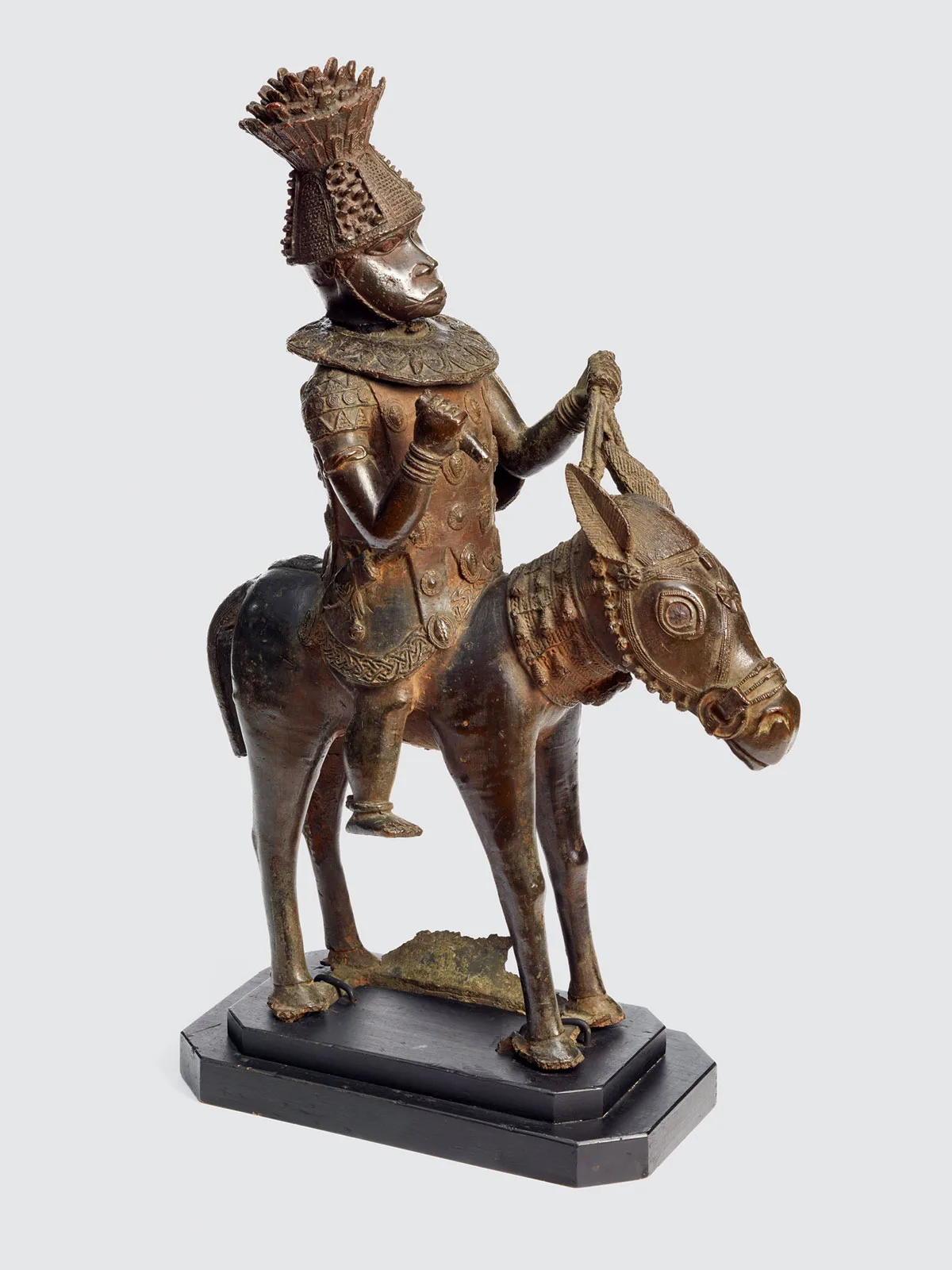
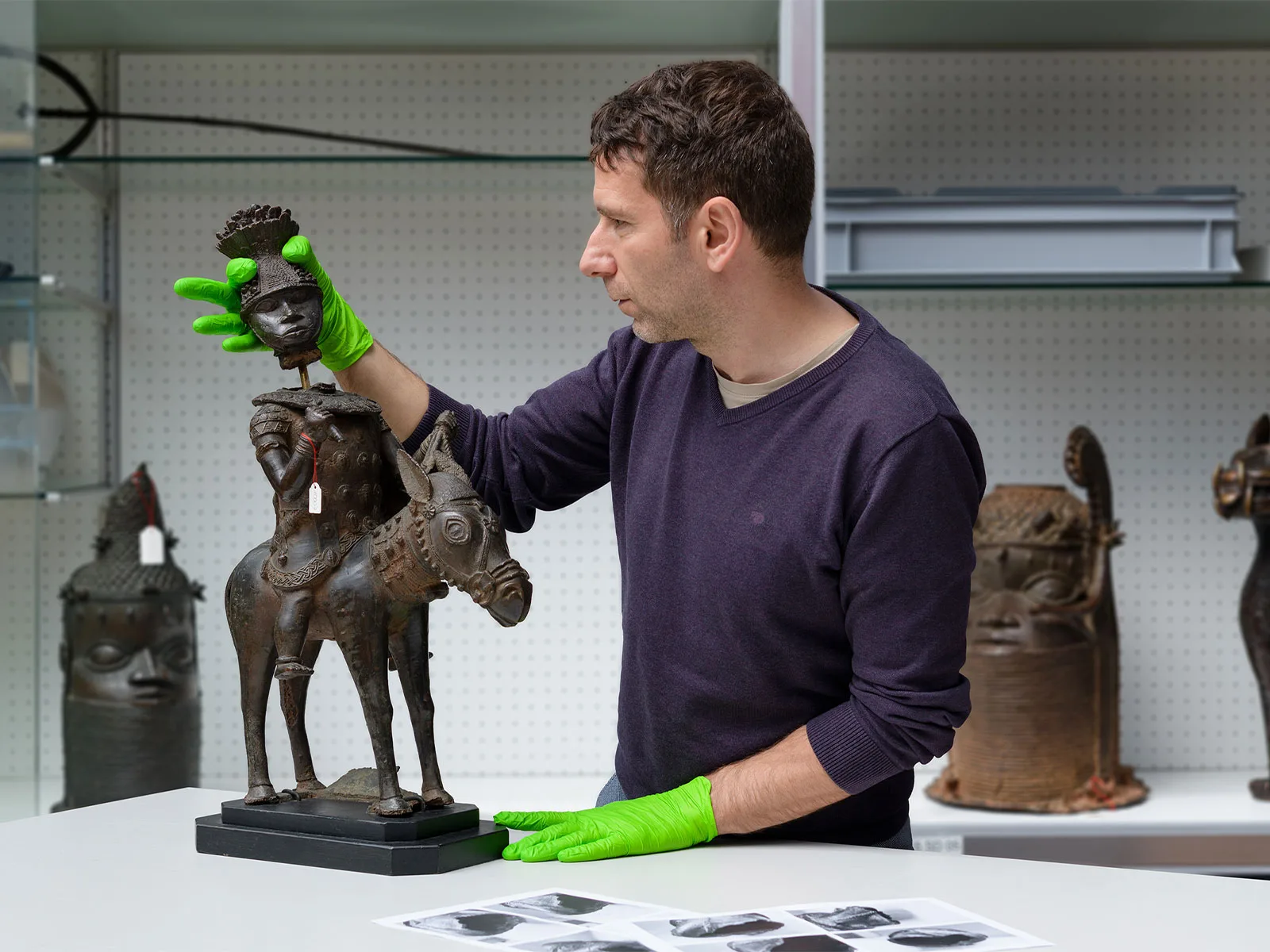
Looted from Benin in 1897, a 400- to 500-year-old figurine of a headless horseman found its way to Switzerland through the collector Han Coray. When he was declared bankrupt, the University of Zurich acquired the statuette and attempted to reunite the rider with his missing head. What at first sight looked like a good fit proved to be deceptive.

Alice Hertzog
Alice Hertzog is a provenance researcher at the Ethnographic Museum of the University of Zurich
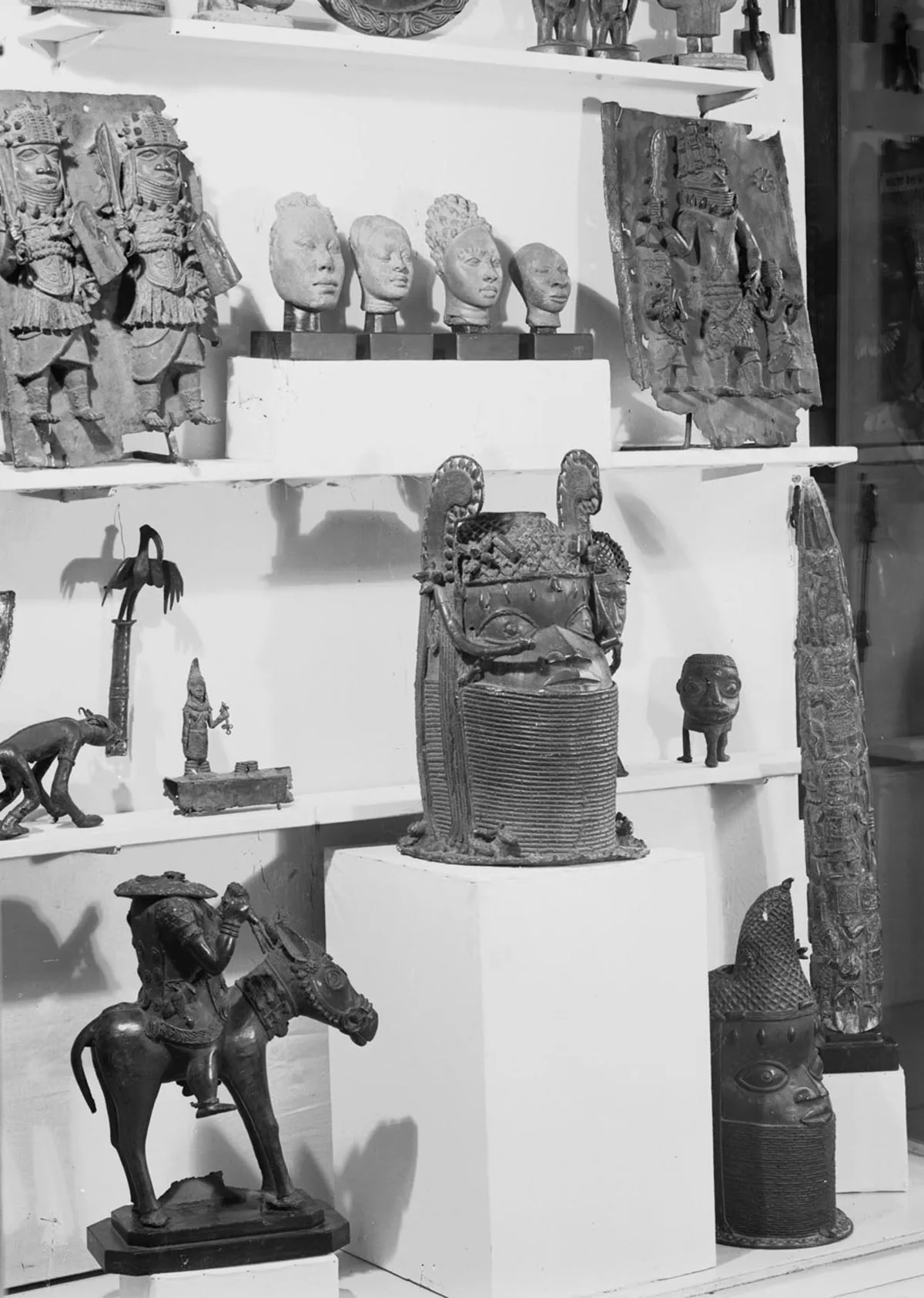
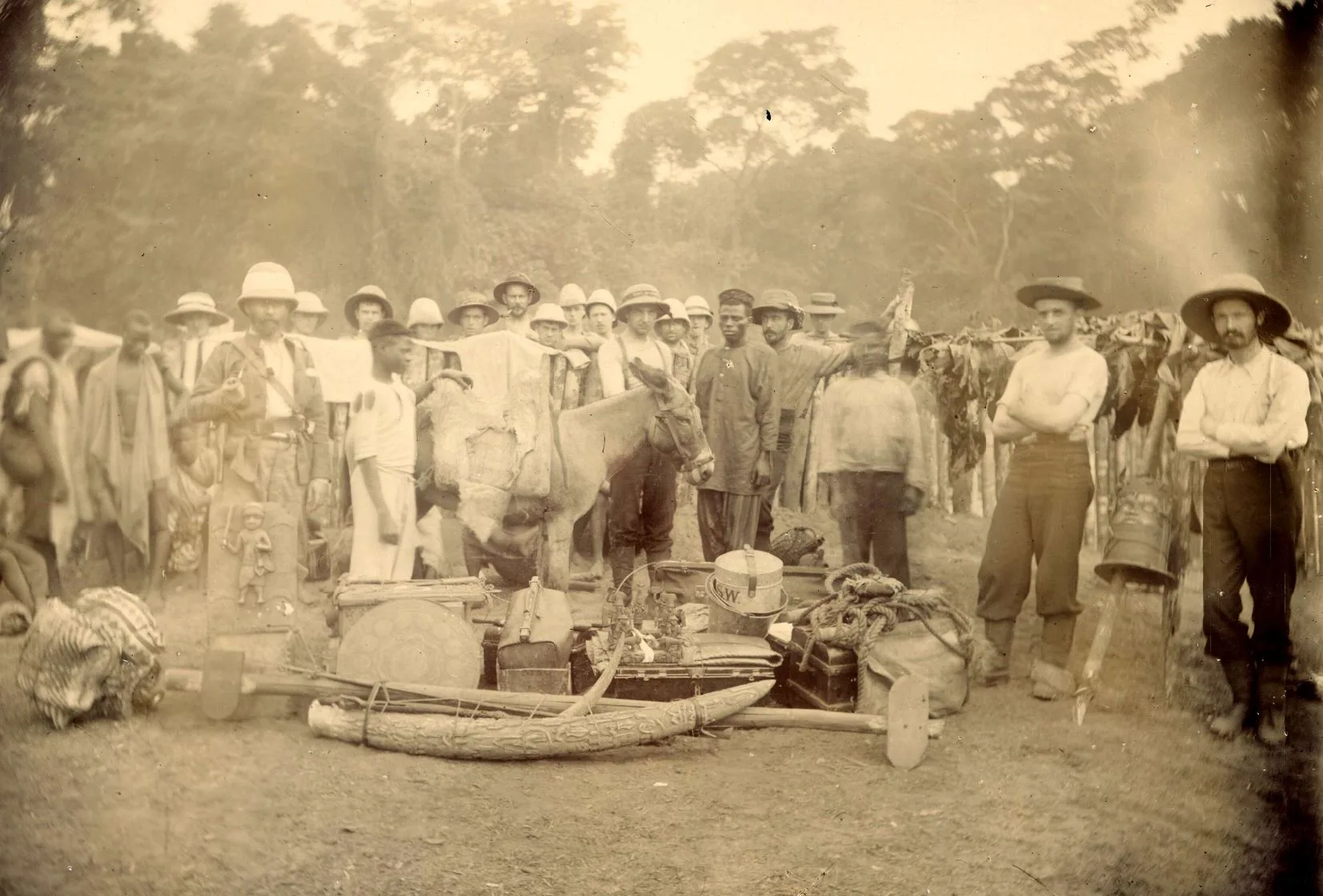
Yet behind the aesthetic appeal of these pieces lies a darker tale of colonial war, plunder and expropriation. In 1897, British military forces attacked the Kingdom of Benin, in what is now Nigeria, burning down the capital city, sending the king into exile and looting an estimated 10,000 objects. Cultural institutions in whose care these objects are now held are currently addressing the violent history of their acquisition and demands for their restitution.
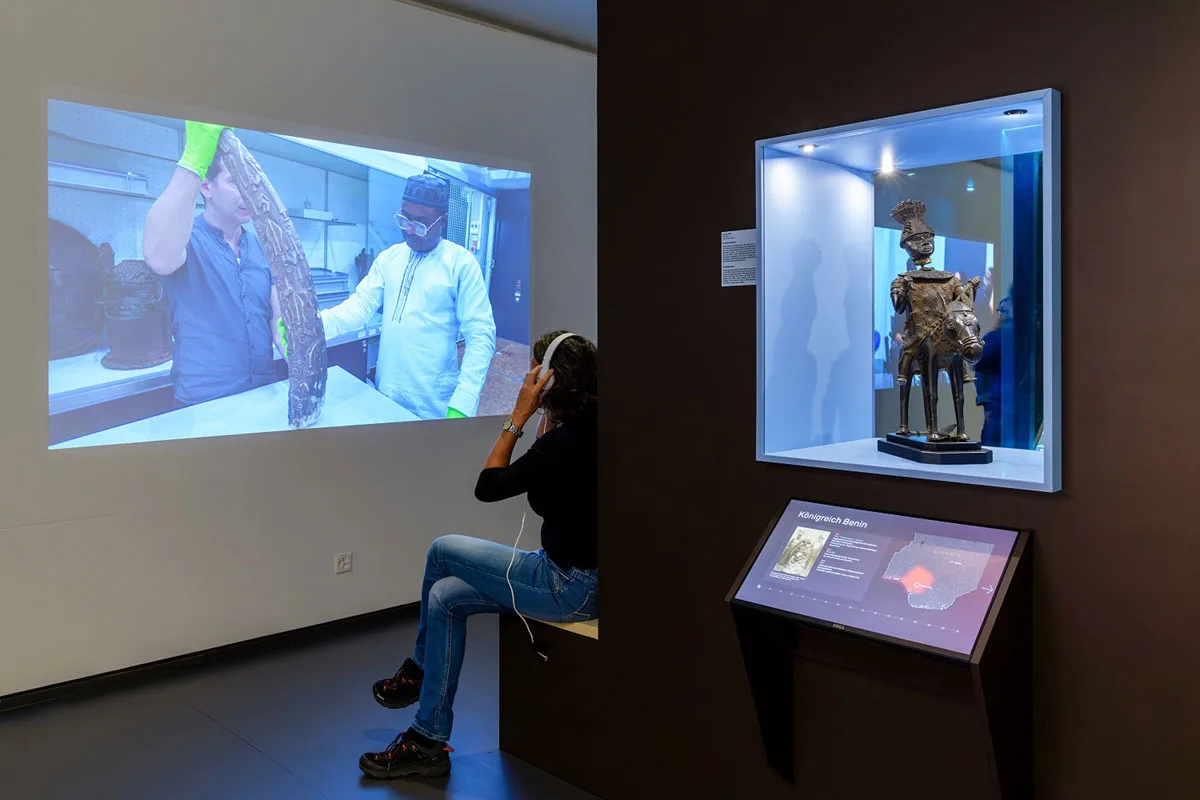
The journey of a 16th century bronze equestrian statuette held by the Ethnographic Museum of the University of Zurich, illustrates current attempts to deal with contested colonial collections. It exemplifies how Benin’s cultural heritage came to be dispersed, and how provenance research is now retracing that trajectory.
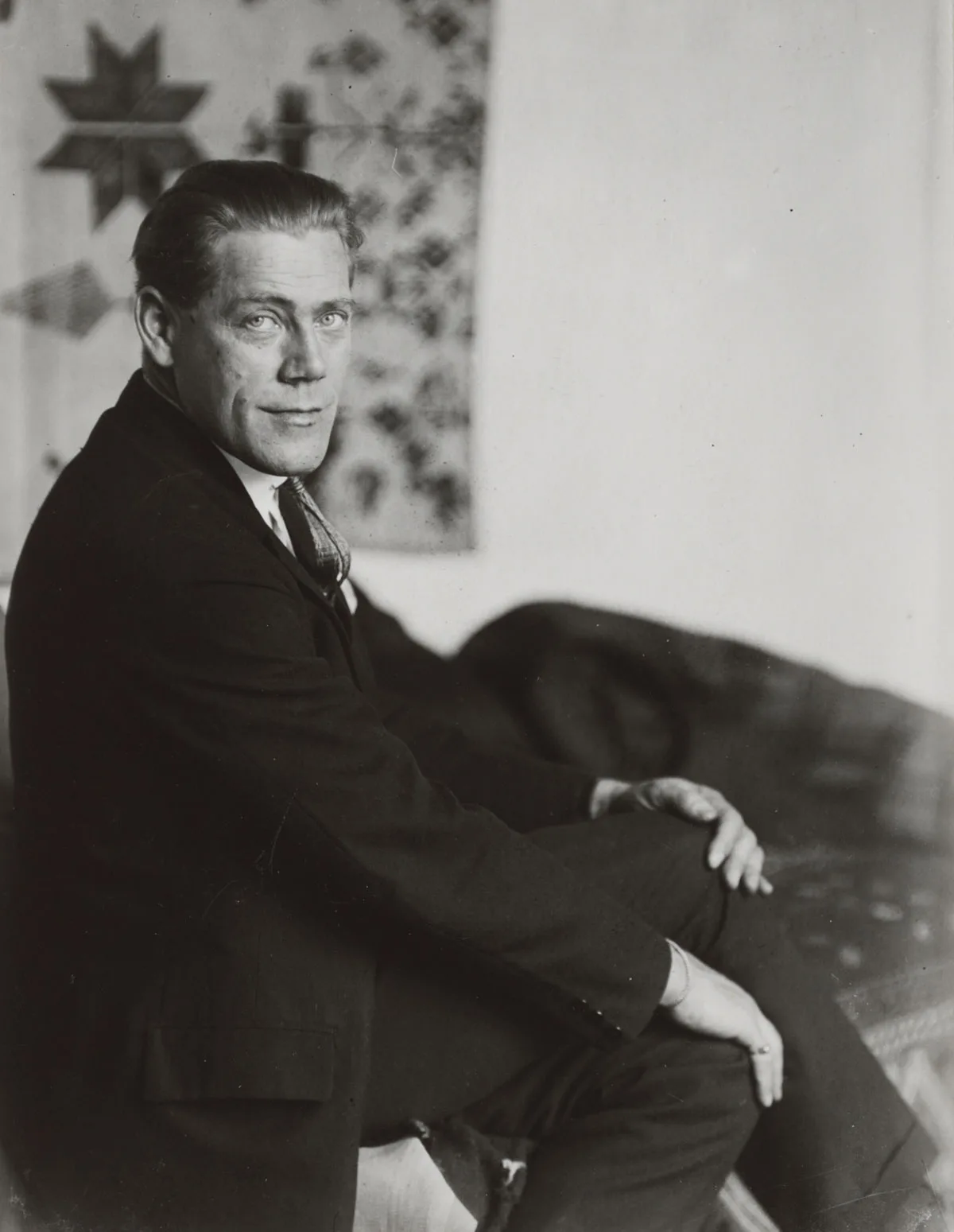
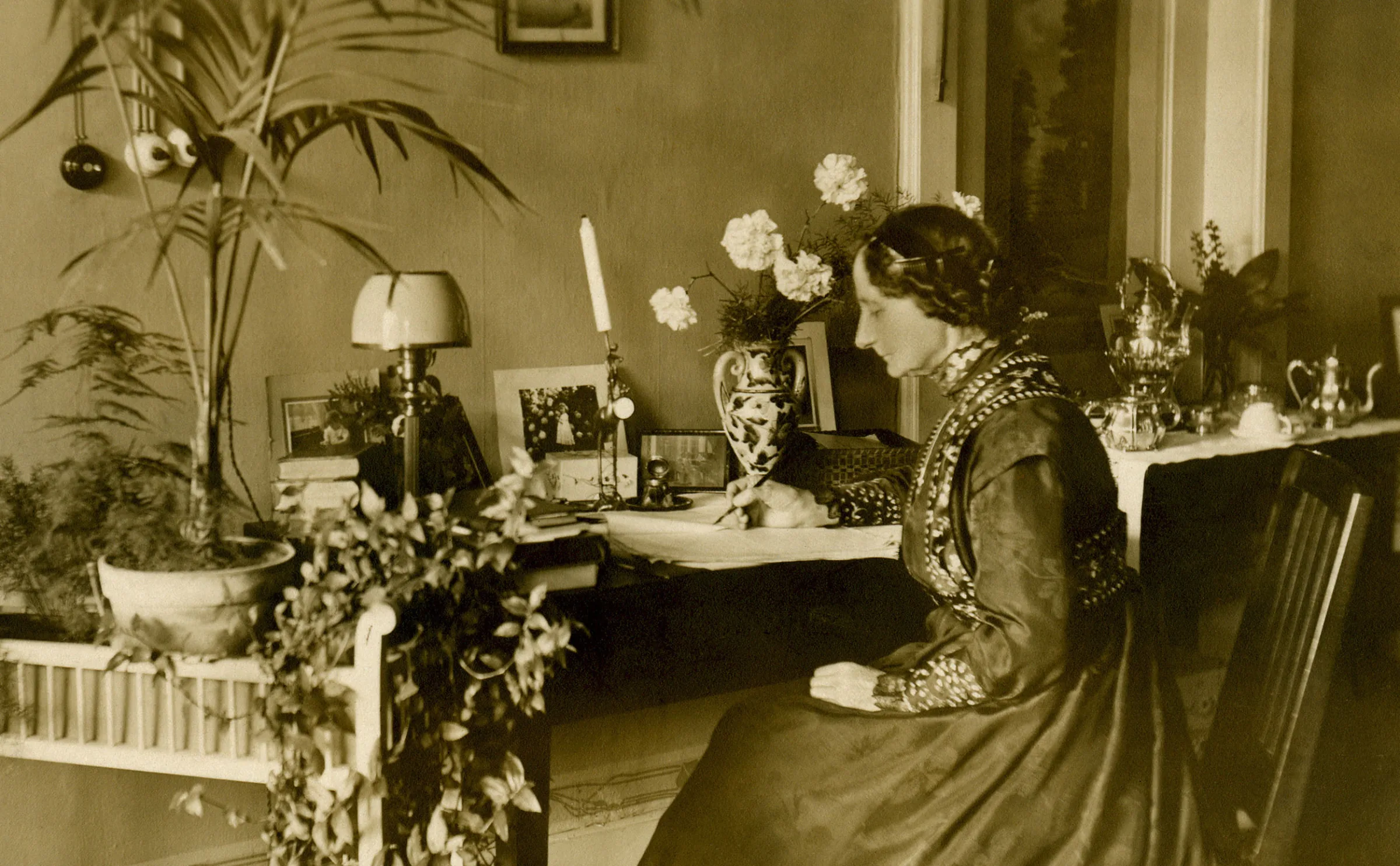
Dorrie’s father, Adriaan Stoop, was a mining engineer who had made his fortune from colonial petroleum concessions in the Dutch East Indies (modern-day Indonesia). In 1886 Stoop took his company public, generating the equivalent of CHF 180 million today in cash and shares. In 1911, the company merged with the Shell oil and gas group.
It was this money, amassed from the colonial extraction of natural resources, which financed the couple’s lavish lifestyle in Zurich. Dorrie Stoop’s parents gave them a villa in Erlenbach as a wedding present. Thanks to their growing art collection, it was soon transformed into a private museum. However, the family allowance was discontinued when Dorrie Stoop committed suicide in 1928, forcing Han Coray to declare himself bankrupt shortly thereafter.
As a result of his bankruptcy, the figurine was seized by the then Schweizerische Volksbank (later to become Credit Suisse), along with the rest of Coray’s non-European collection. The staff of the Ethnographic Collection at the University of Zurich were then asked by the bank to appraise the objects with a view to their sale. In 1940, the bank agreed to sell 468 artefacts to the University of Zurich. The collection’s director Hans Jakob Wehrli and research assistant Elsy Leuzinger (who would eventually go on to become the director of Zurich’s Rietberg Museum) arranged the sale of the remaining pieces to a number of Swiss museums and private collectors. Several of the Benin Bronzes now on display at the Kulturmuseum St. Gallen and Museum Rietberg ended up there as a result of this transaction.