A Swiss painter in America
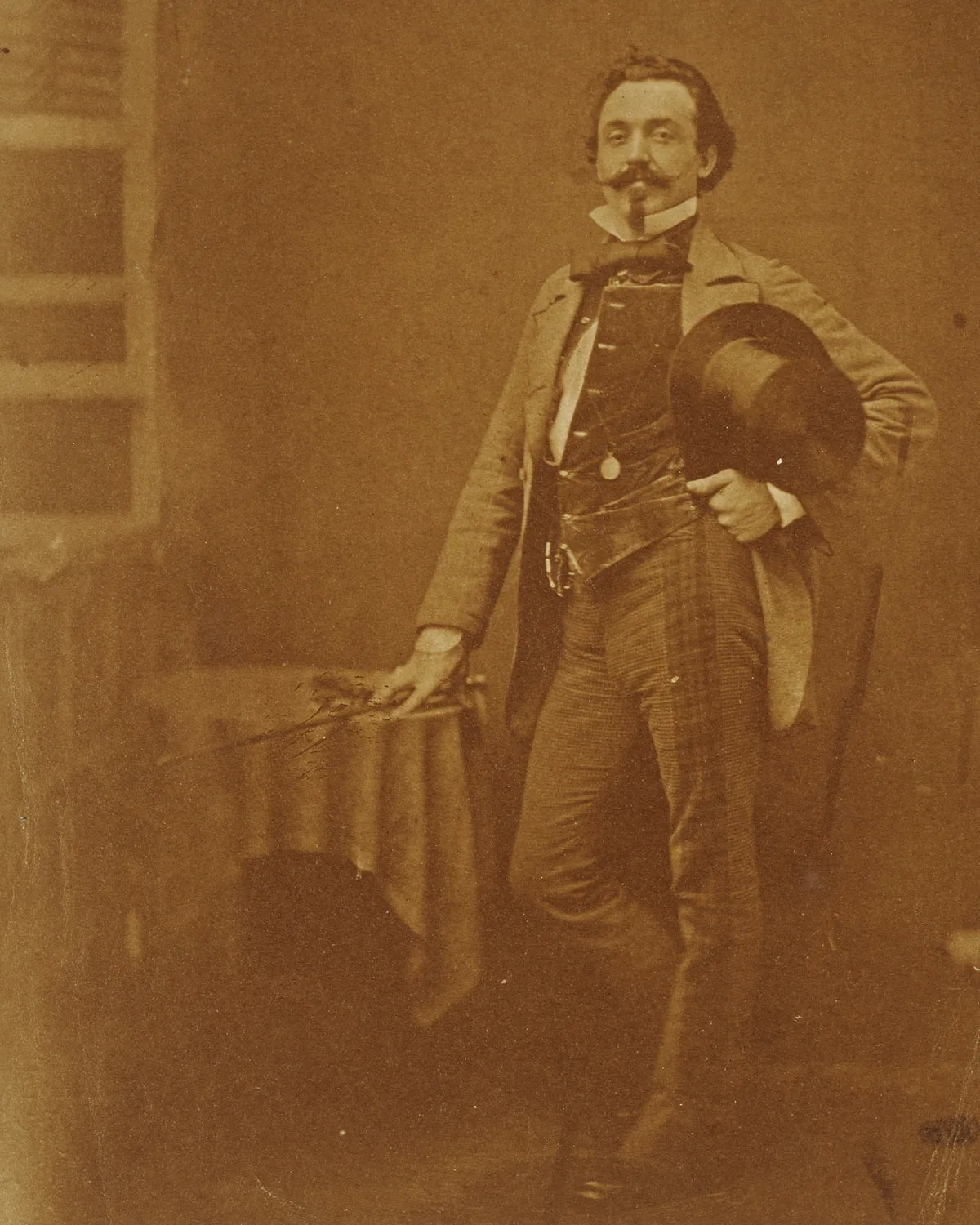
Frank Buchser is one of the most colourful figures in 19th century Swiss art. A number of his works were produced during the several years he spent in the United States.

Barbara Basting
Barbara Basting worked as a cultural editor and currently heads the visual arts division in the City of Zurich’s Culture Department.
Buchser was born in 1828 in the village of Feldbrunnen in the canton of Solothurn, and died there in 1890. But Buchser, a trained piano and organ builder from a humble background, was anything but a homebody. His curiosity and thirst for adventure took him first to Italy, where among other things he served in the Papal Swiss Guard. He also attended Rome’s Accademia di San Luca to continue the artistic training he had embarked on in Switzerland as a drawing student of Bernese artist Heinrich von Arx.
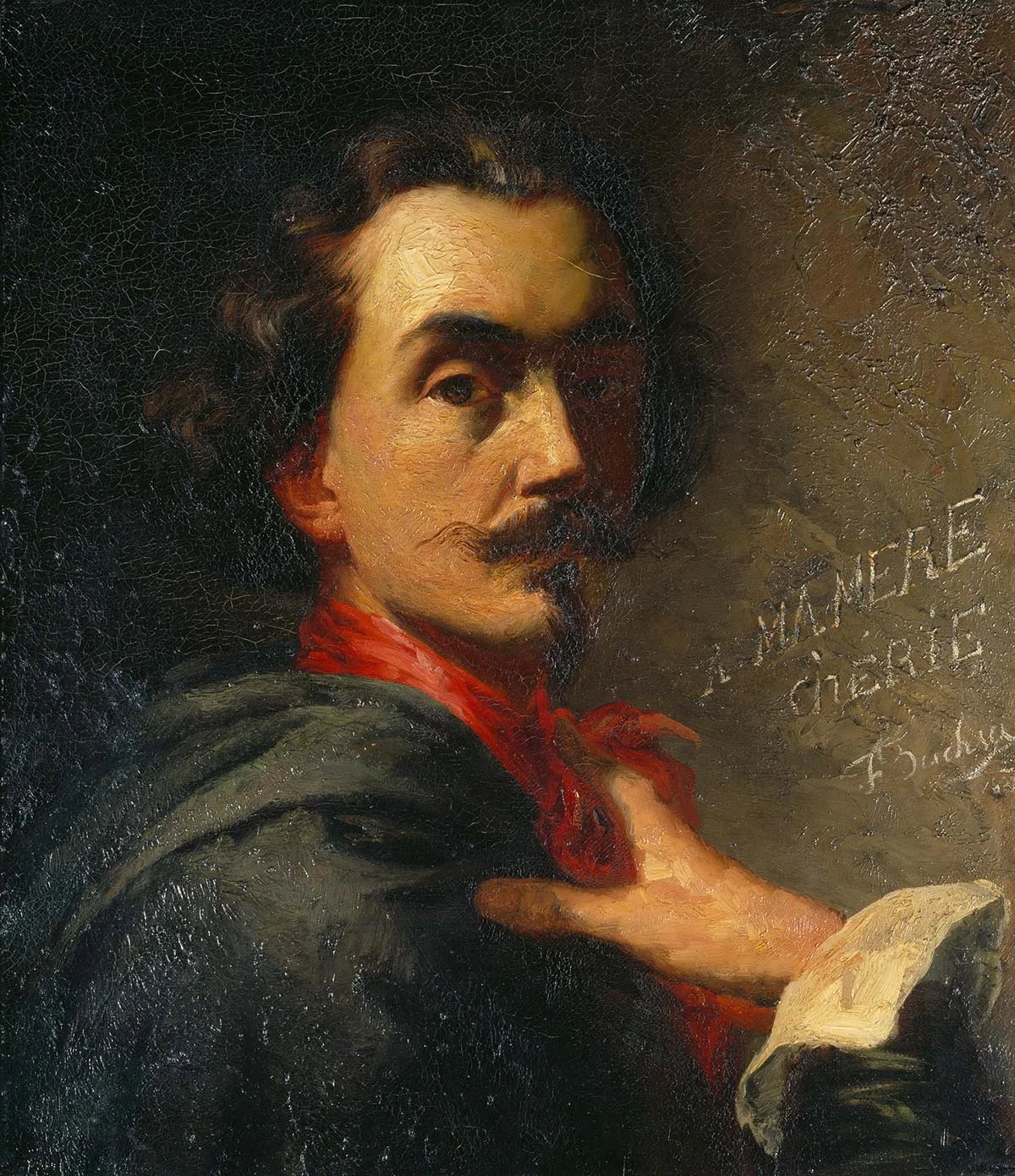
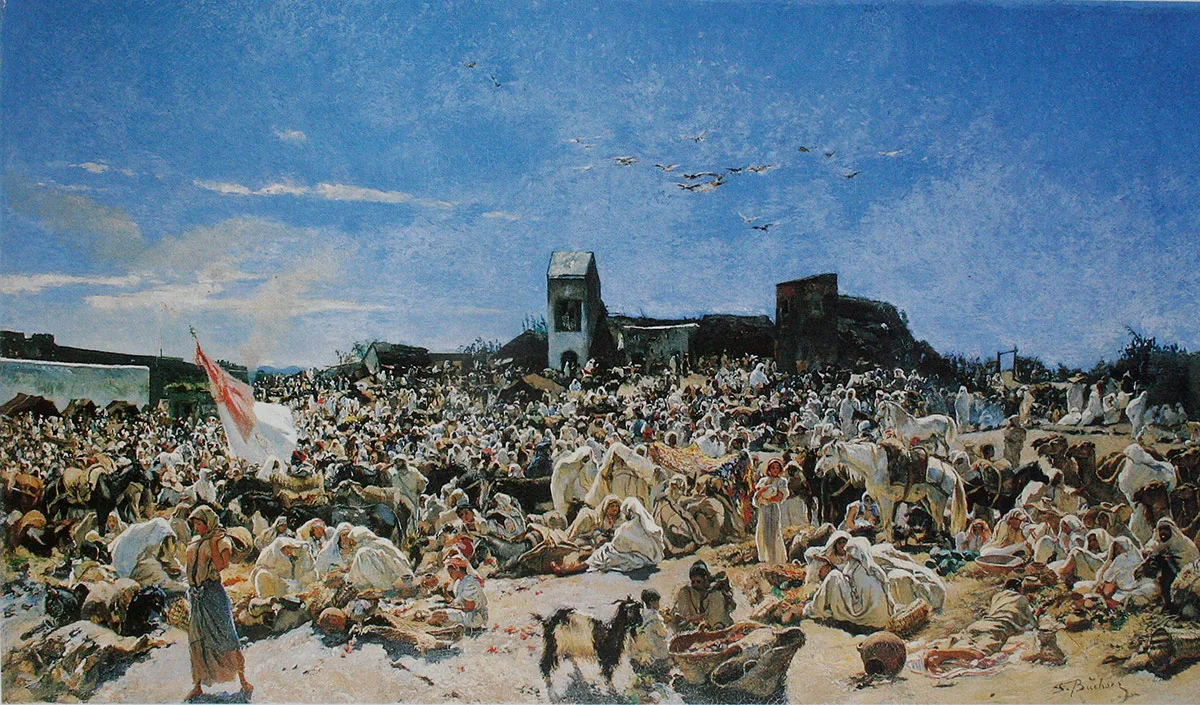
Some of his most impressive works were inspired by his trips to Morocco, where he even travelled to the city of Fez, which at the time was largely off-limits for foreign tourists.
After the Civil War ended in 1865, the Council of States therefore proposed an extensive decoration programme for the Federal Palace in Bern that was intended to reflect the bond between Switzerland and America. The National Council rejected the proposal in 1866. But a few members of the radical-liberal party led by the then federal councillor and several-times president of the Swiss Confederation Jakob Dubs pressed ahead and chose to award the commission for a prestigious painting to Frank Buchser. The working title of the painting was ‘The Saviours of the Union’. It was intended to depict the victorious representatives of American democracy – alone or united in an appropriate scene.
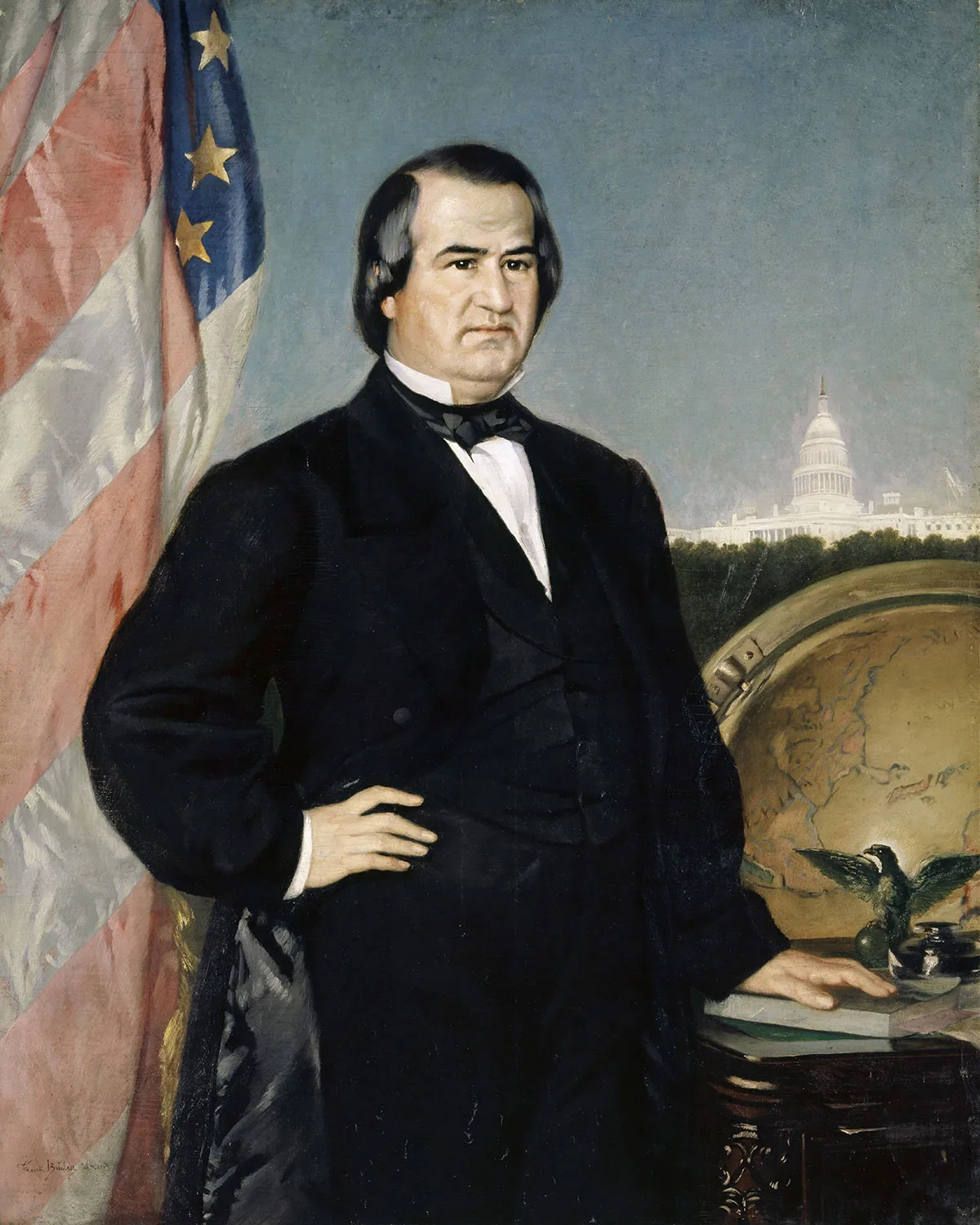
Over time Buchser also had the chance to portray US President Andrew Johnson (who moved up from the position of vice-president following the assassination of Abraham Lincoln in 1865), and Secretary of State William Seward.
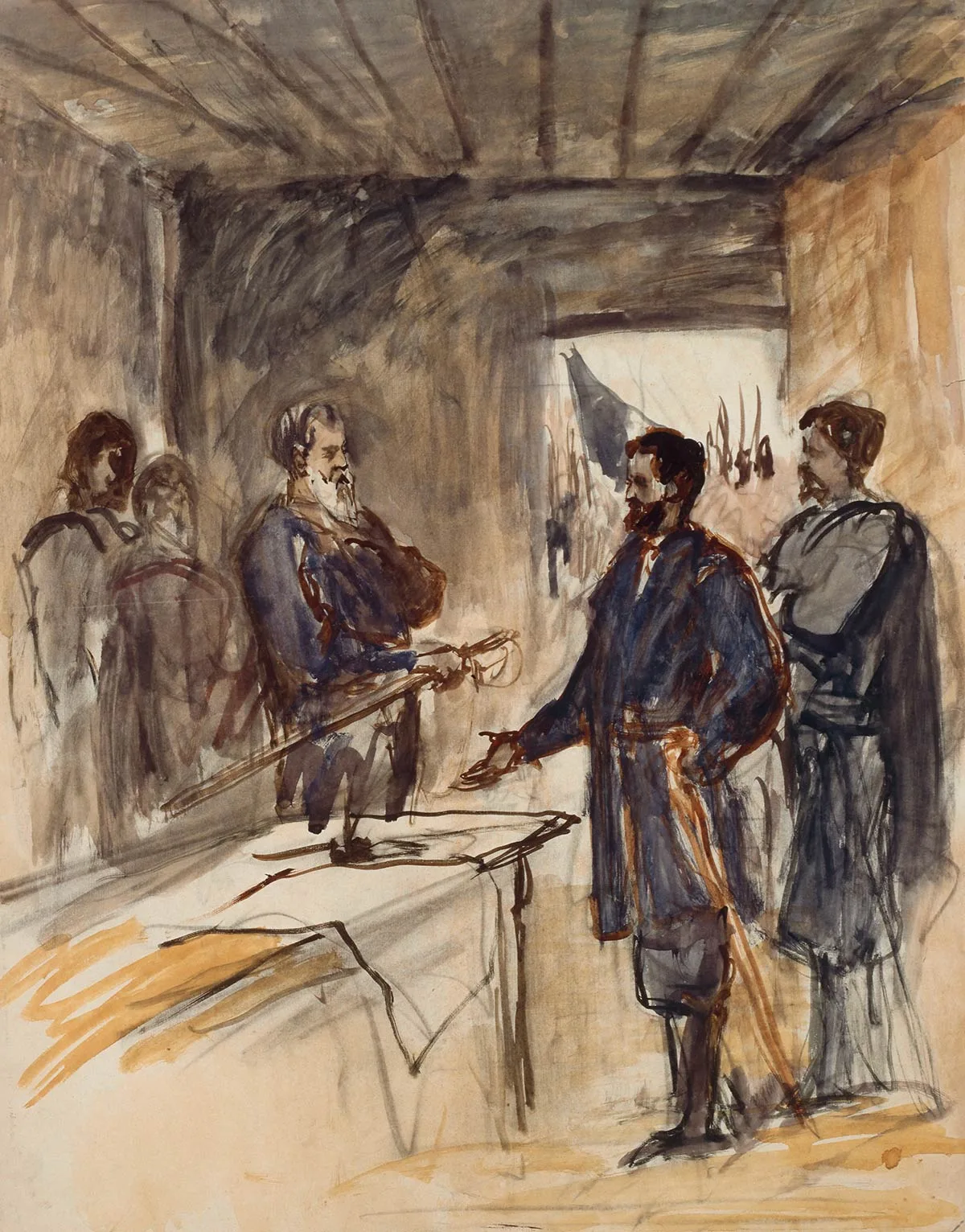
This was the first stumbling block for Buchser’s idea of integrating Lee and Grant into a historical painting of the signing of the surrender at Appomattox Court House, Virginia for his patrons in Bern. The work therefore remained stuck at the draft stage.
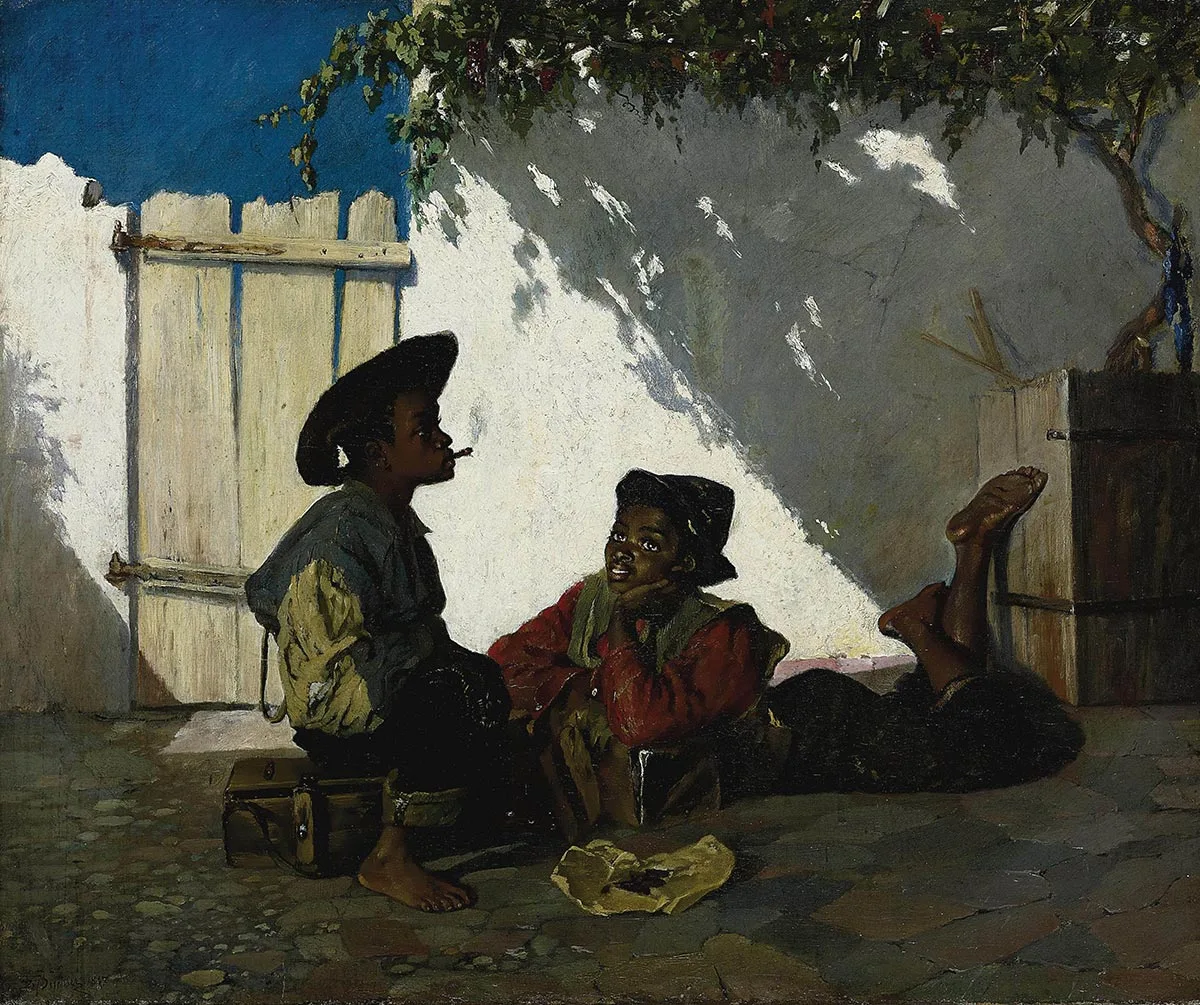
From a modern-day perspective, his scenes from the lives of black people and Native Americans, inspired by socially-critical and anti-modernist views, are at least as interesting as his portraits of now highly controversial American politicians and his landscape paintings.
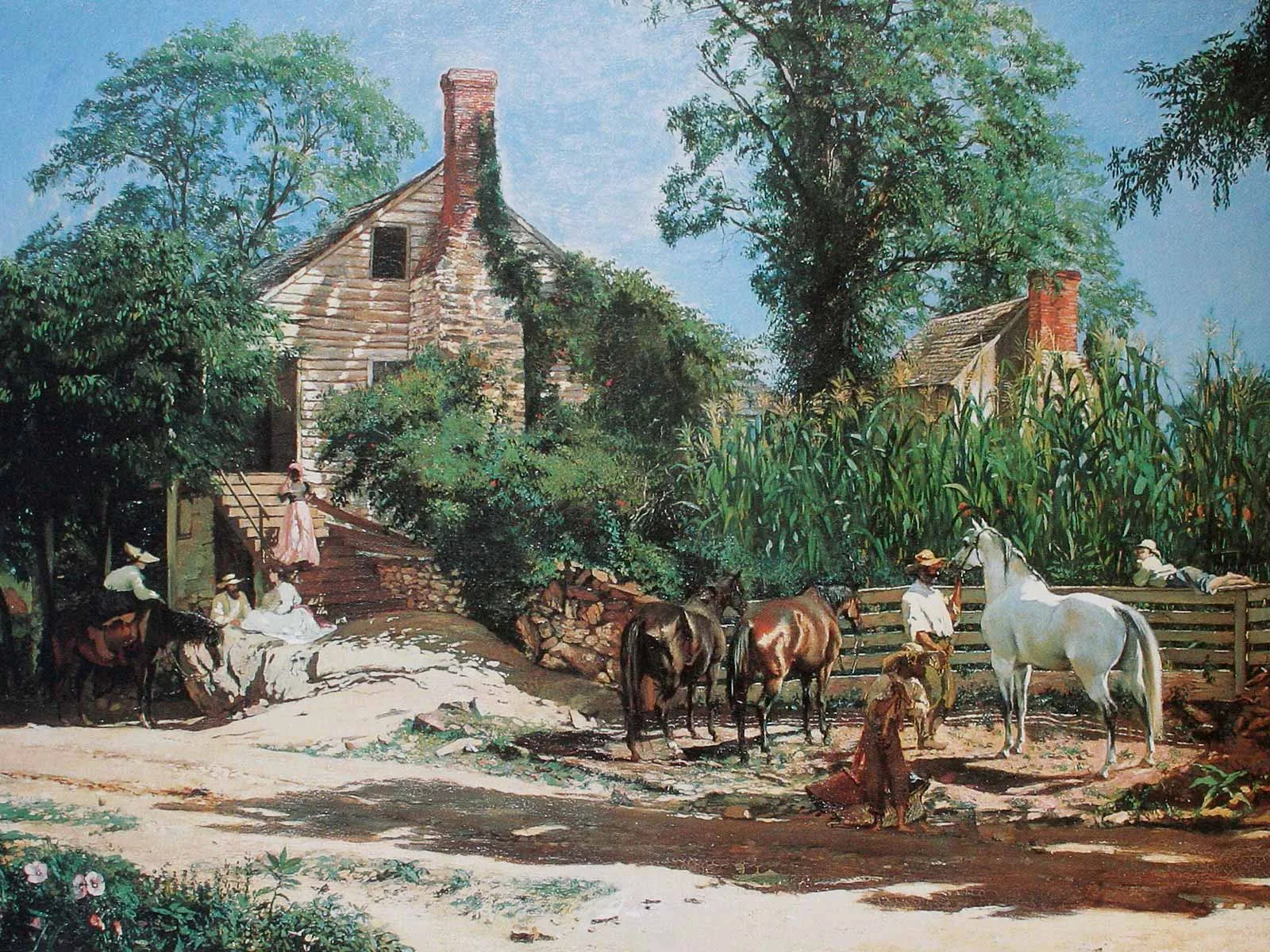
The painting shows a jaunty black musician captivating his listeners, who are also black. We, on the other hand, seem to have happened upon the small group by chance, and are presented by Buchser with what looks like a fancy dress party. The biggest contrast is between the young woman on the right, who is dressed up as if for a summer party, wearing a magnificent draped flowery dress reminiscent of Monet, and the black boy slouched with his legs apart and dressed in rags in the middle of the picture. The other figures also look as if they come from poor backgrounds.
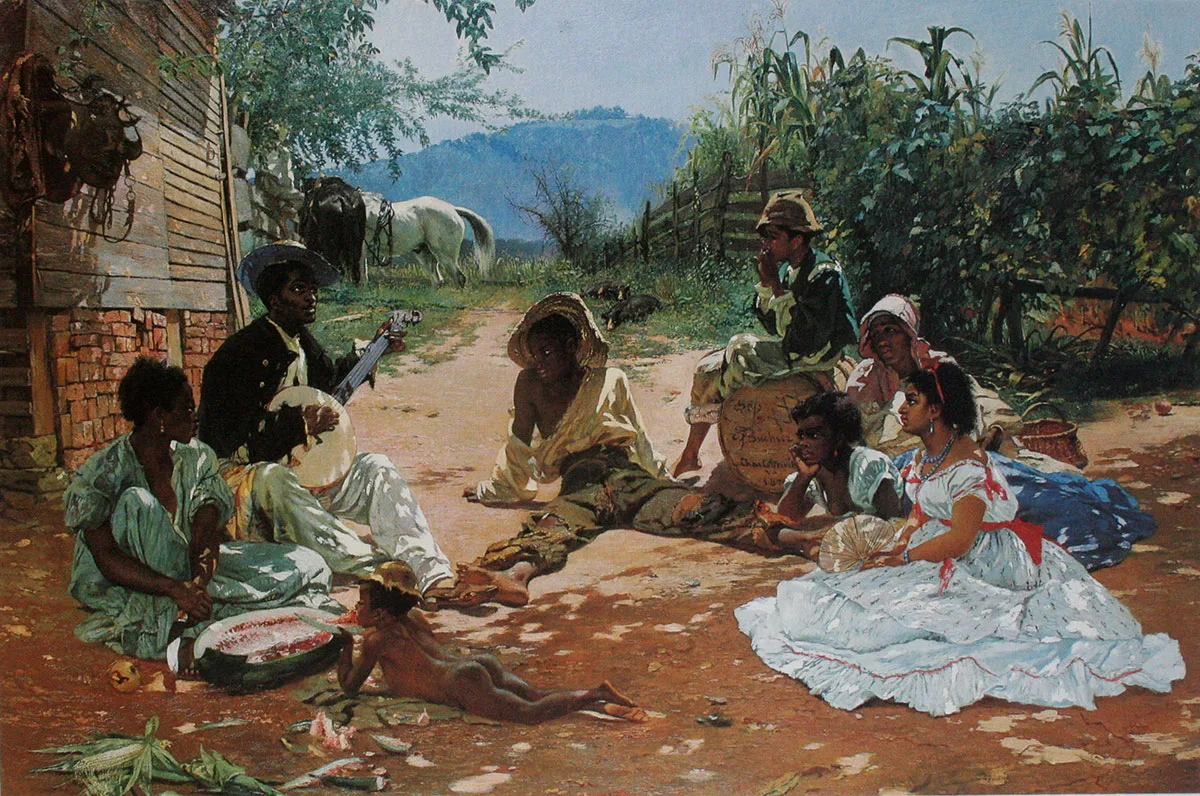
The consciously placed signature on the barrel provides an initial clue: ‘Frank Buchser, Charlottesville, Va. 1870’. Having spent an extended period in the town in the US state of Virginia, the painter had witnessed the sobering consequences of the Civil War for himself.
Many of the liberated black people had been economically dependent on estate owners. If they now failed to strike deals with landowners – who themselves had often been impoverished by the turmoil of war – or hire themselves out as labour in the emerging industrial zones of the Union, they faced poverty and misery.
Against this backdrop, Buchser’s painting seems to suggest that black people are not merely victims of circumstances: there are both losers – including impoverished farm labourers like the ragged man in the centre of the picture – and winners. The young woman in the frilly dress, and perhaps also the banjo player, who ekes out a living from his music, seem to belong to the latter group.
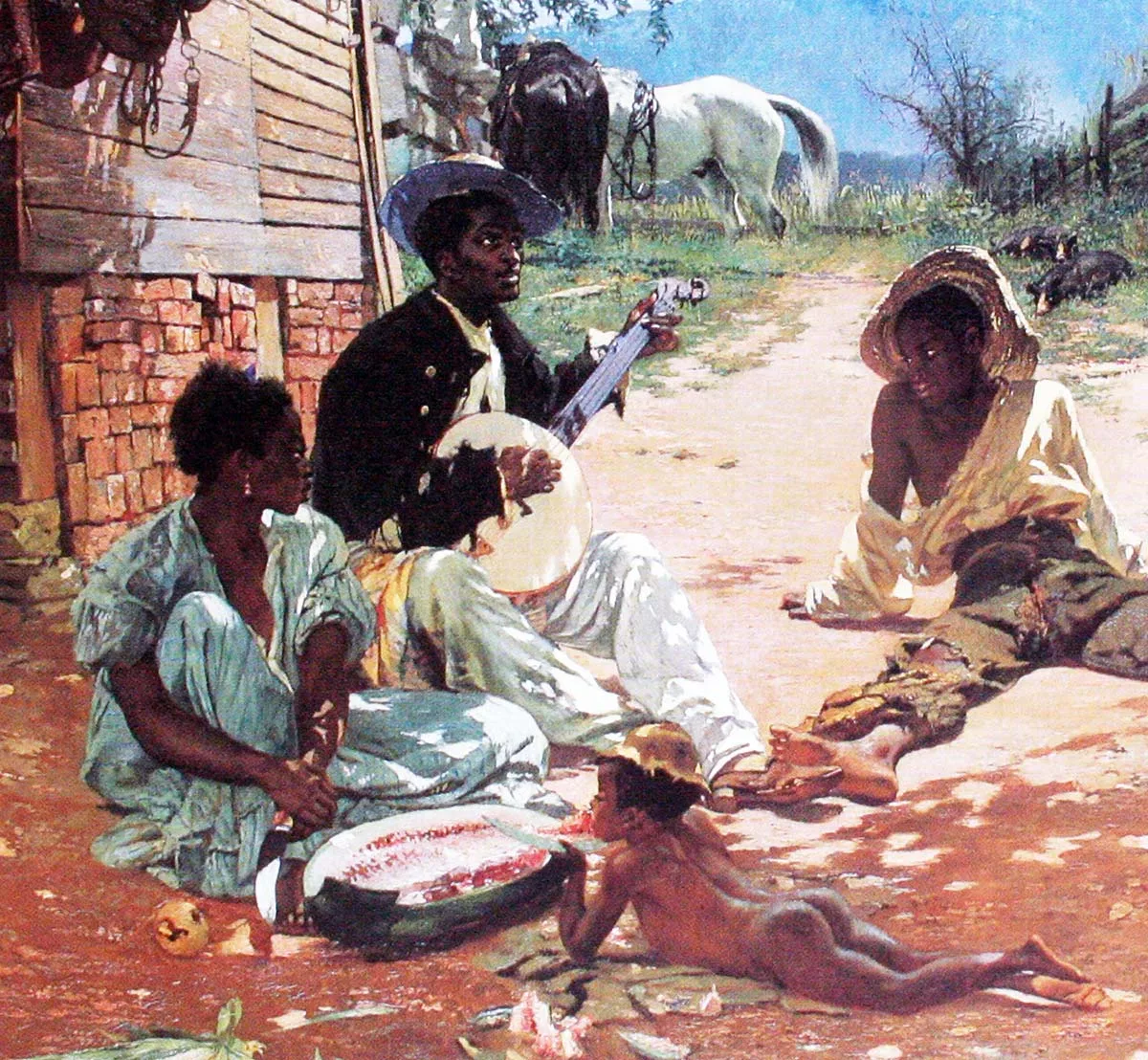
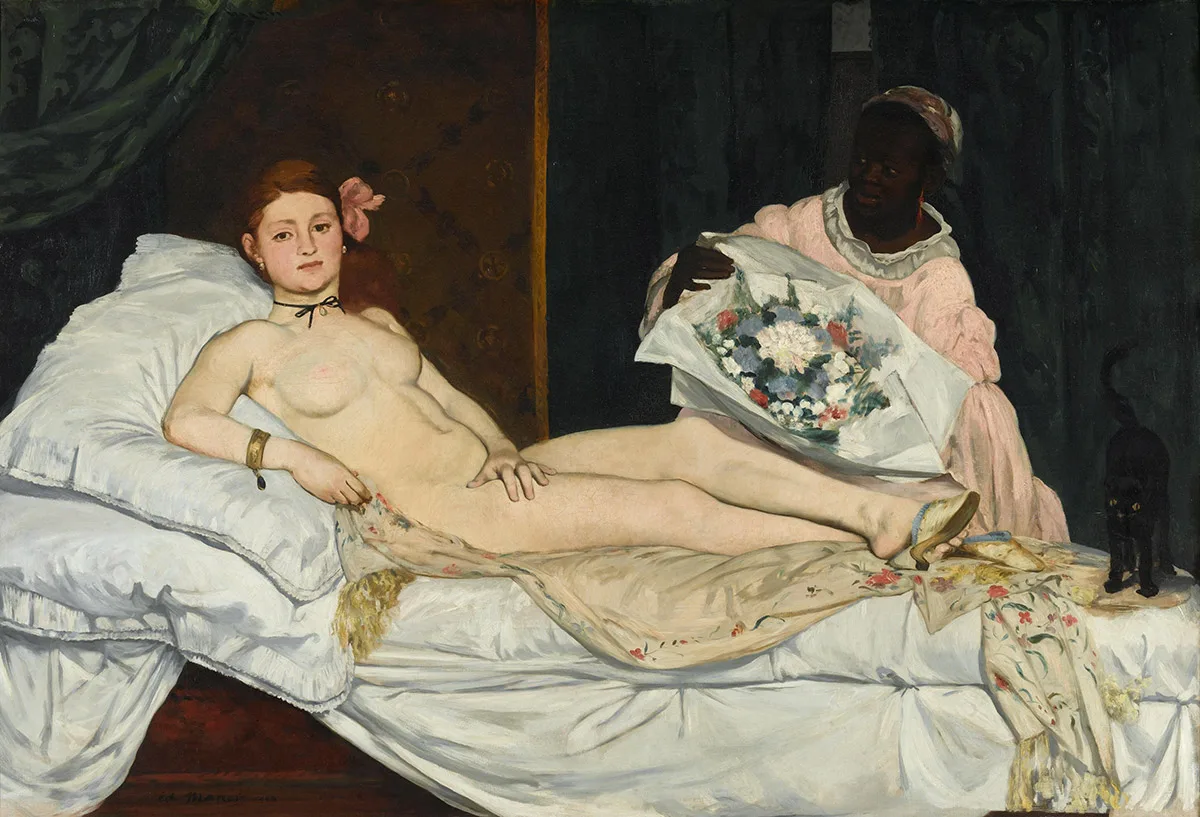
The Song of Mary Blane, as well as other seemingly sociocritical genre paintings by Buchser set in the ‘Old South’ were presented to contemporary American audiences at exhibitions in Washington, New York and Boston. They were not well received, and Buchser’s longed-for success on the American art market remained elusive. The abolition of slavery in no way meant that black people were suddenly widely accepted subjects for the private living rooms of the wealthy. Meanwhile, in Europe, there was very little appetite for such paintings, probably for other reasons. Here, the preference was for other, erotically-charged forms of exoticism in the style of Delacroix or Manet (Olympia), themes that also featured in Buchser’s oeuvre.
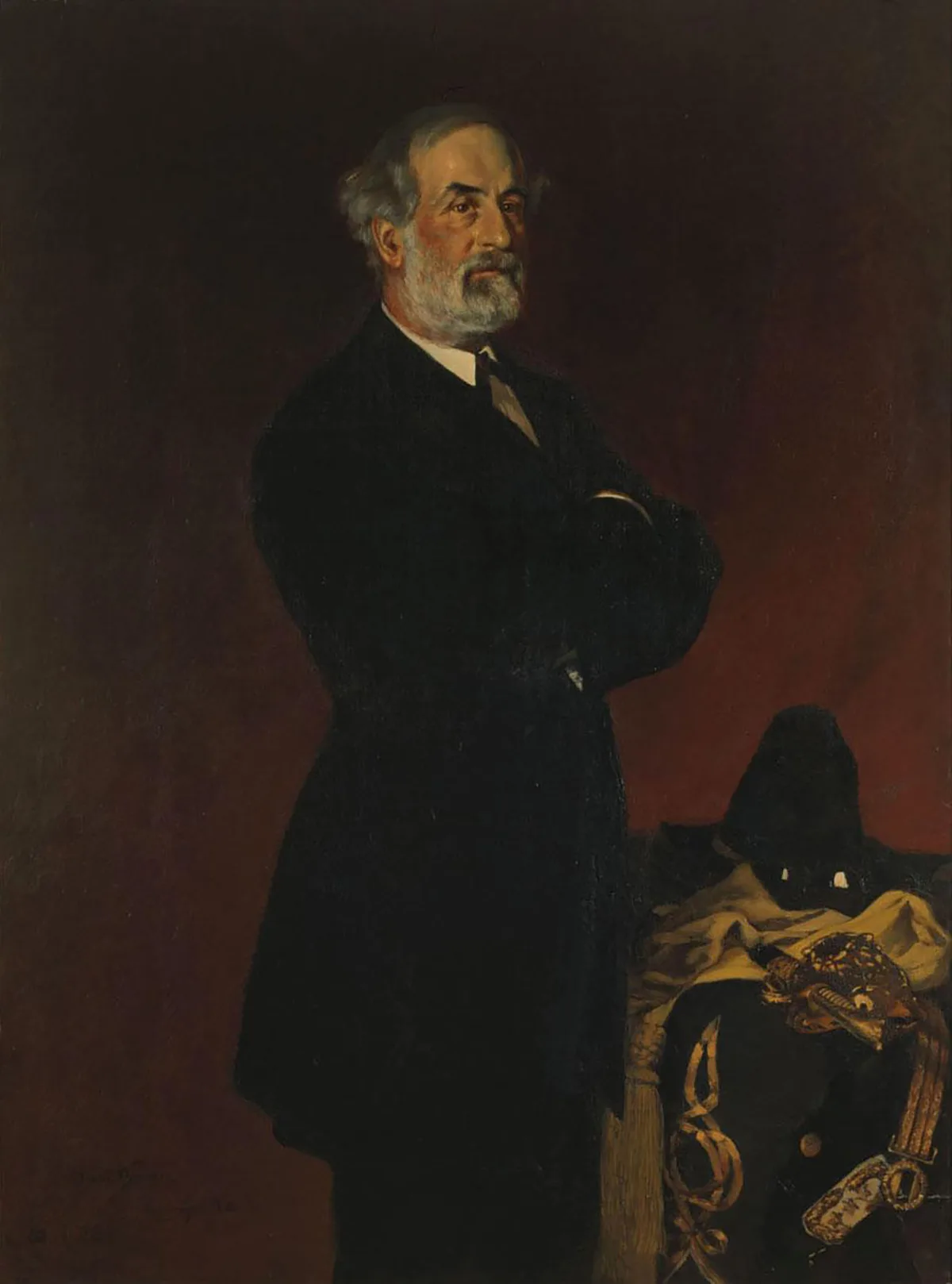
Buchser’s posthumous fame has been adversely affected to a certain extent by his subjects. It’s therefore hardly surprising that the portraits, for example of the two generals Lee and Sherman, which until a few years ago hung on the walls of the Swiss Embassy in Washington, are now in storage. And President Andrew Johnson is not exactly a household name. Among historians he is seen as someone who rolled back the civil rights of black people whilst in power.
Another reason for Buchser’s lack of recognition is his pseudo-ethnographic approach to depicting black people and their lives, which causes at least some unease today, especially as his notes confirm his suspected sexist and racist views. Museums that exhibit such works by Buchser nowadays must be prepared for a backlash. It’s no wonder, then, that despite their painterly qualities, Buchser’s works are now more likely to be found in online museum collections than on their walls.
Buchser’s work shows the risk artists take when they get too wrapped up in their contemporary reality and end up on the wrong side of history. Succeeding generations have a responsibility to find a suitable way of engaging with such compromised works. Besides considering them in context, this may also mean a period in storage.