Jakob Wiedmer’s novel «Flut» and its damning indictment of tourism
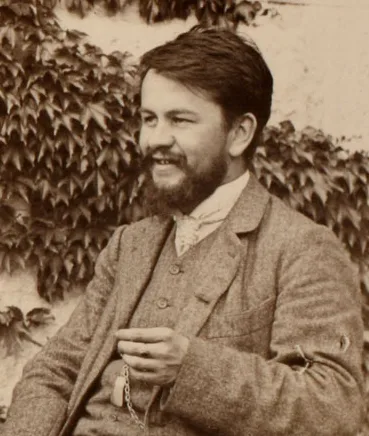
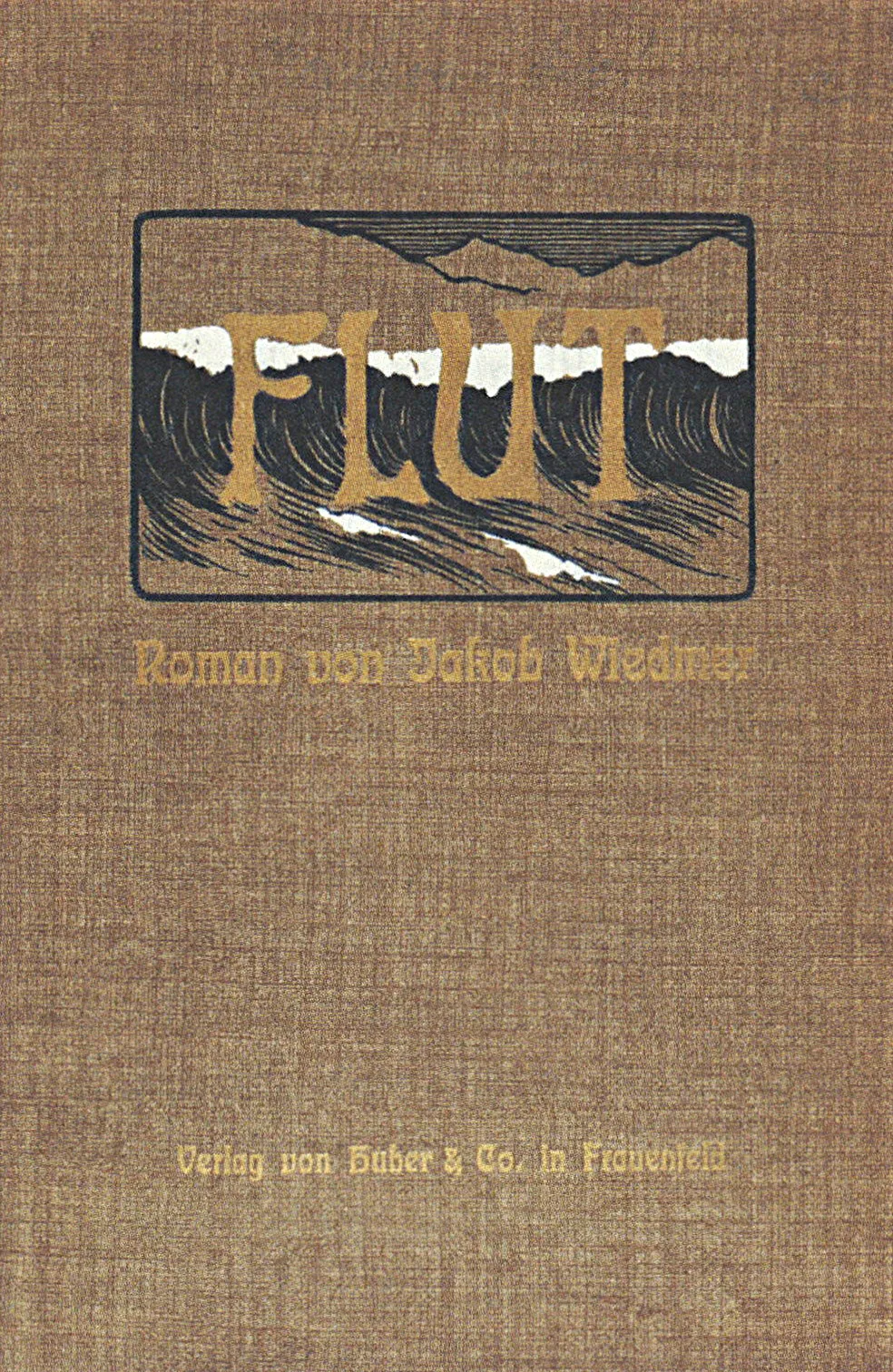
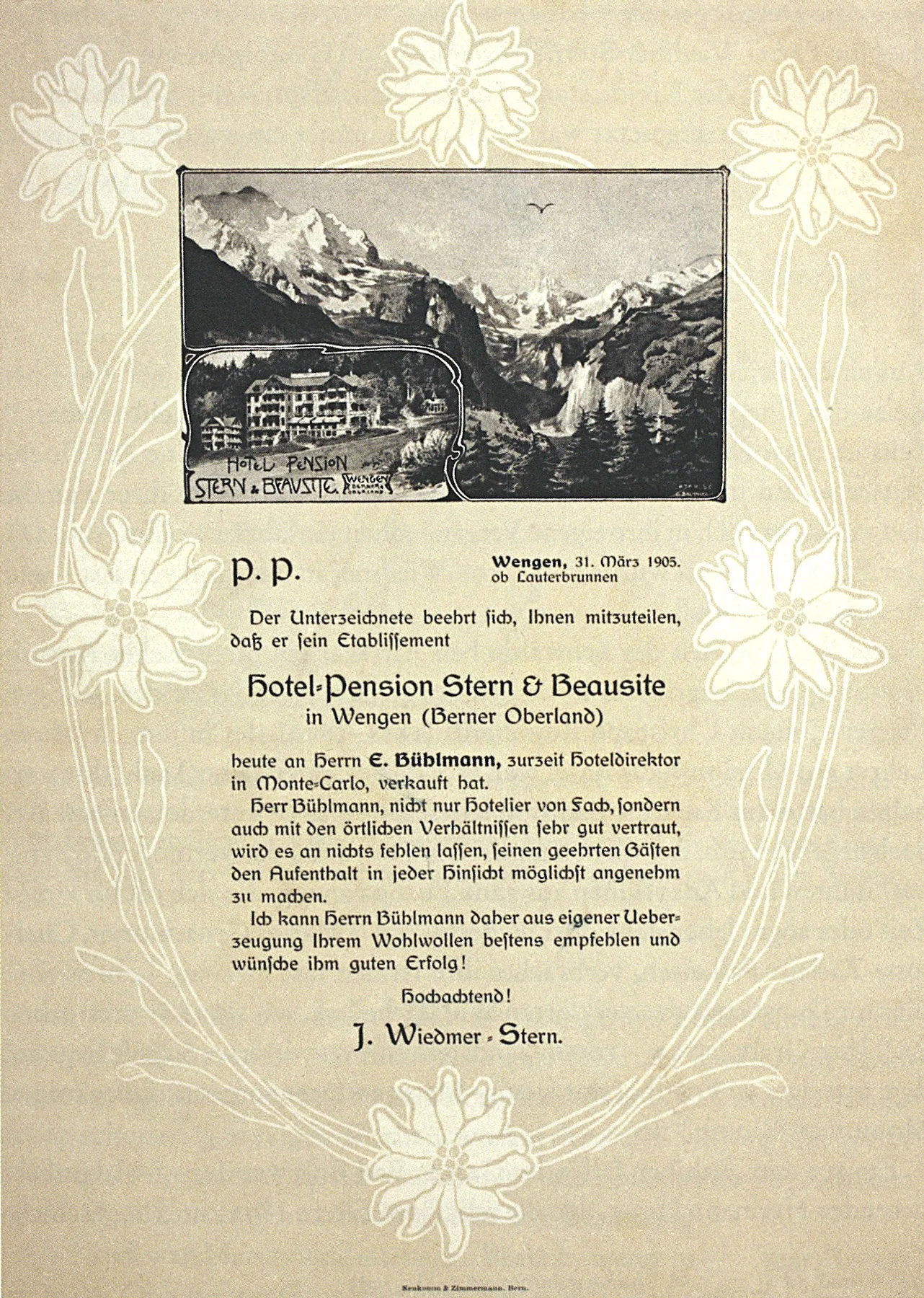
Archaeologist Jakob Wiedmer’s marriage to Wengen hotel owner Marie Stern exposed him to the tourist boom in the Bernese Oberland during the Belle Époque. He expressed his disapproval in his novel "Flut", which led to the couple selling the hotel and moving away.

Christian Rohr
Christian Rohr is a professor of environmental and climate history at the Institute of History, University of Bern.
From baker’s son to archaeologist and hotelier
The slippery slope to mass tourism in the Bernese Oberland
Mass tourism or overtourism?
Mass tourism is when large numbers of people visit popular places, usually as part of organised tours. Overtourism is when tourism reaches a level that perceptibly impacts the quality of life of the locals and the visitors’ experience.
![View of Staubbach Falls near Lauterbrunnen. At a height of almost 300 metres, it was the inspiration for Goethe’s 1779 poem ‘Gesang der Geister über den Wassern’ [Song of the spirits over the waters]. A drawing by Franz Schütz purchased around the time the poem was written still hangs in Goethe’s House in Weimar.](https://blog.nationalmuseum.ch/app/uploads/staubbachfall.webp)
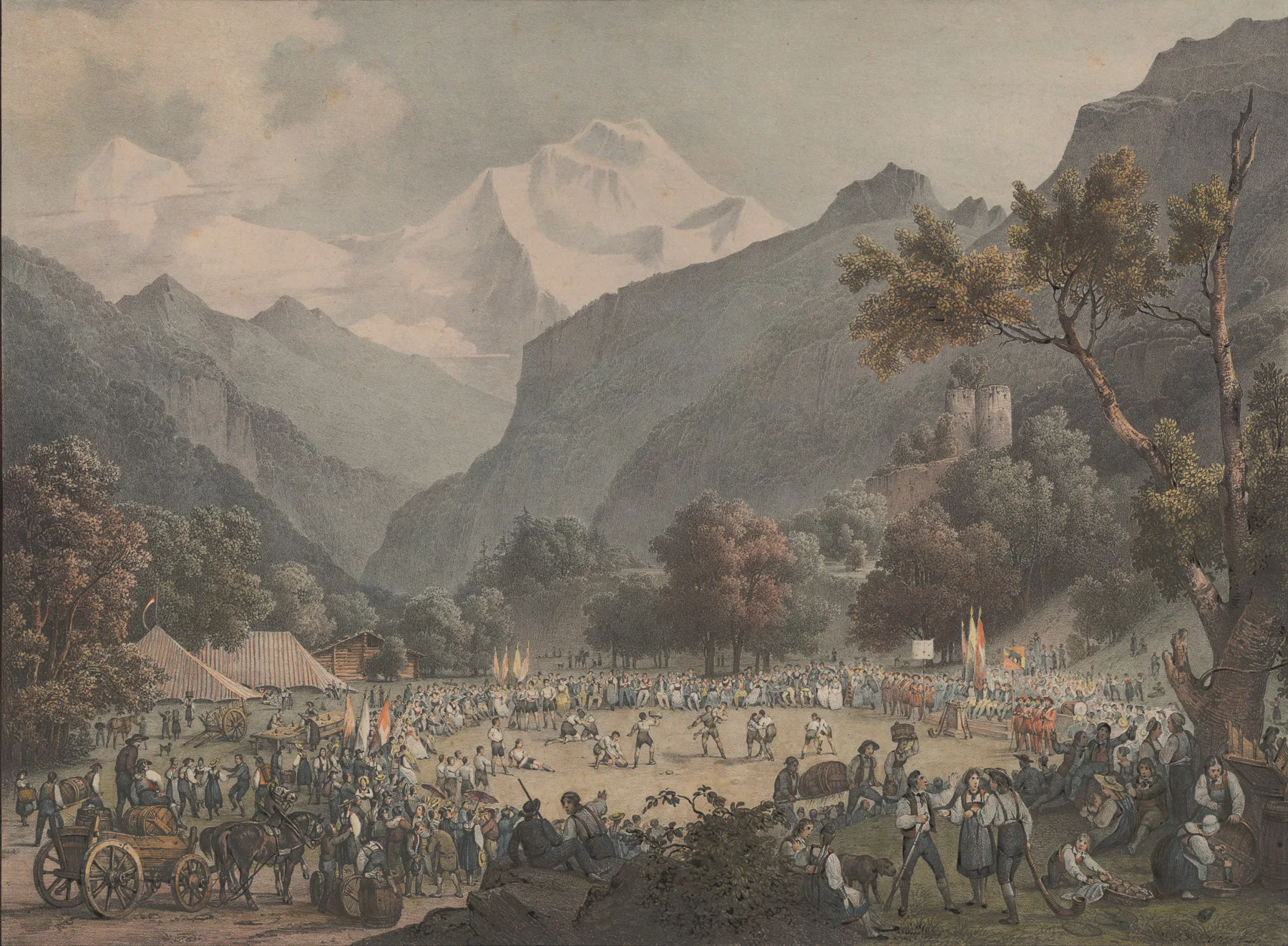
However, the key to the emergence of mass tourism was the area’s connection to the railway network. It began rather modestly with a line from Bern to Thun (completed in 1859/1861), allowing people to transfer to the boat from there. It wasn’t until 1885 that investment in the rail network really took off: within ten years the line along Lake Thun from Thun to Interlaken, connections from Interlaken to Grindelwald and Lauterbrunnen plus the Brünig railway line from Brienz over the Brünig Pass to Lucerne were built. The opening of the Lötschberg mountain railway in 1913 opened up access to Upper Valais and then on to Milan.
This improved accessibility gave a further boost to tourism in the Bernese Oberland, and the different places and areas in the region began to compete for business. The rivalry centred on hotels and mountain railways. Quality accommodation attracting the more affluent visitor was initially restricted to destinations on the periphery of the Alps, such as Thun. In the last third of the 19th century, however, new hotels sprang up by Lake Brienz and in Grindelwald, Wengen and Mürren. The race was on to offer the best accommodation and win over the wealthiest visitors, and it must have caused a lot of friction and jealousy within the small rural communities, as they were at that time.
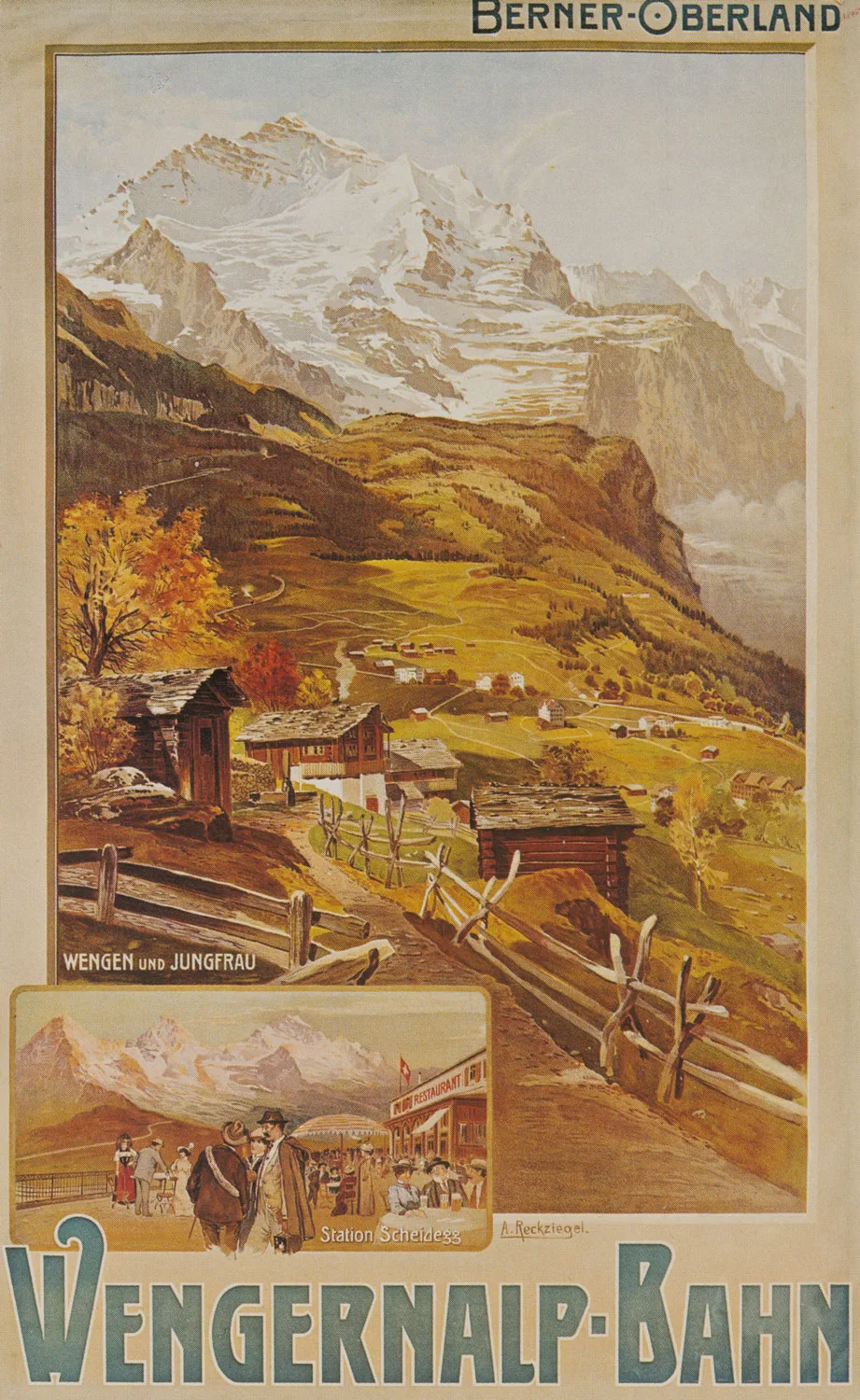
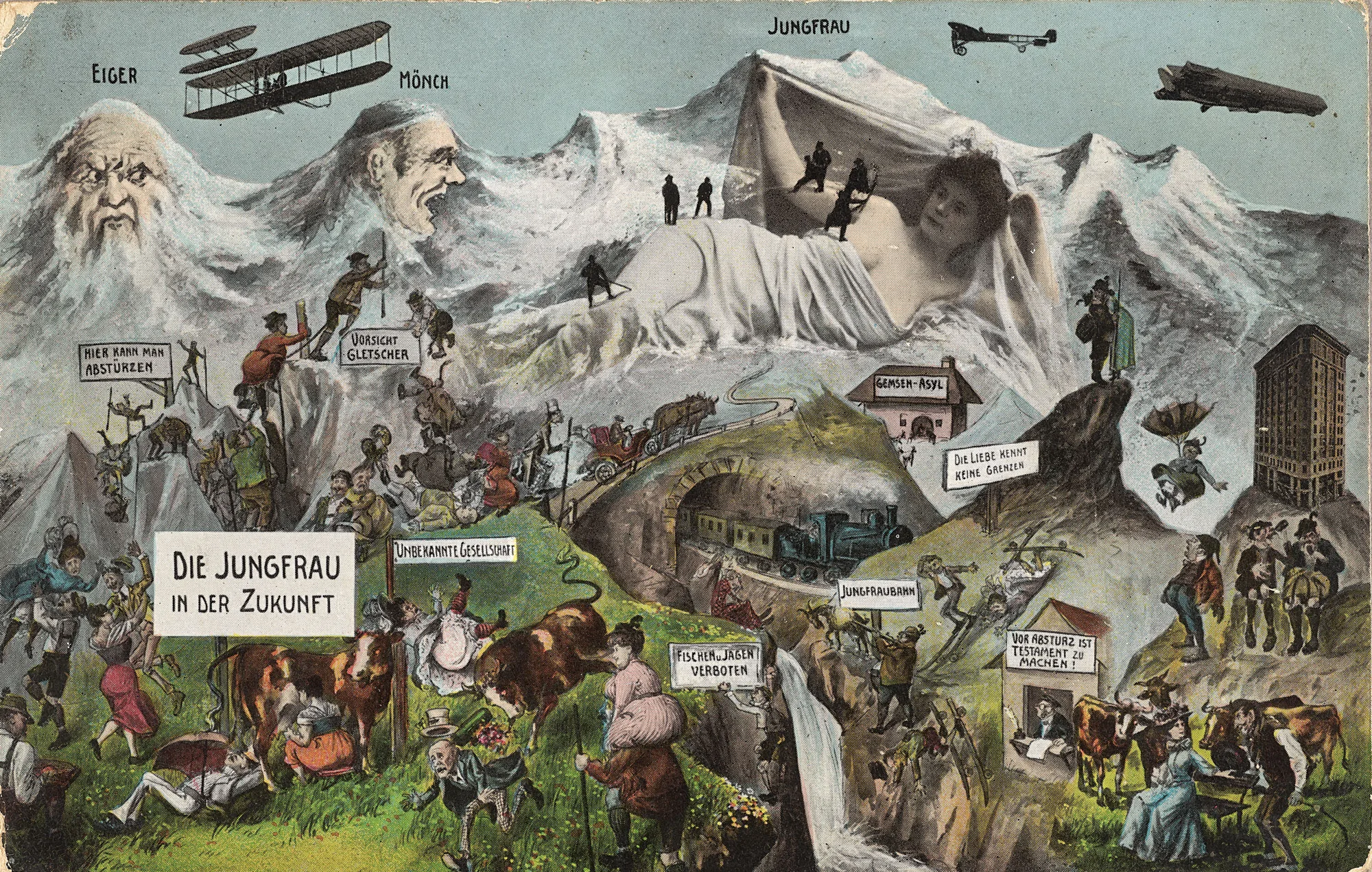
The Wengernalp railway from Lauterbrunnen via Wengen to Kleine Scheidegg and then down to Grindelwald (1893) is the line that put Wengen on the map. It made the small mountain village a lot easier to reach, which became only too apparent to Jakob Wiedmer. Moreover, by far the most daring project was connected to the Wengernalp line. It went from Kleine Scheidegg up to the Jungfraujoch. Numerous photographs from the Belle Époque show that this route was especially attractive for tourists.
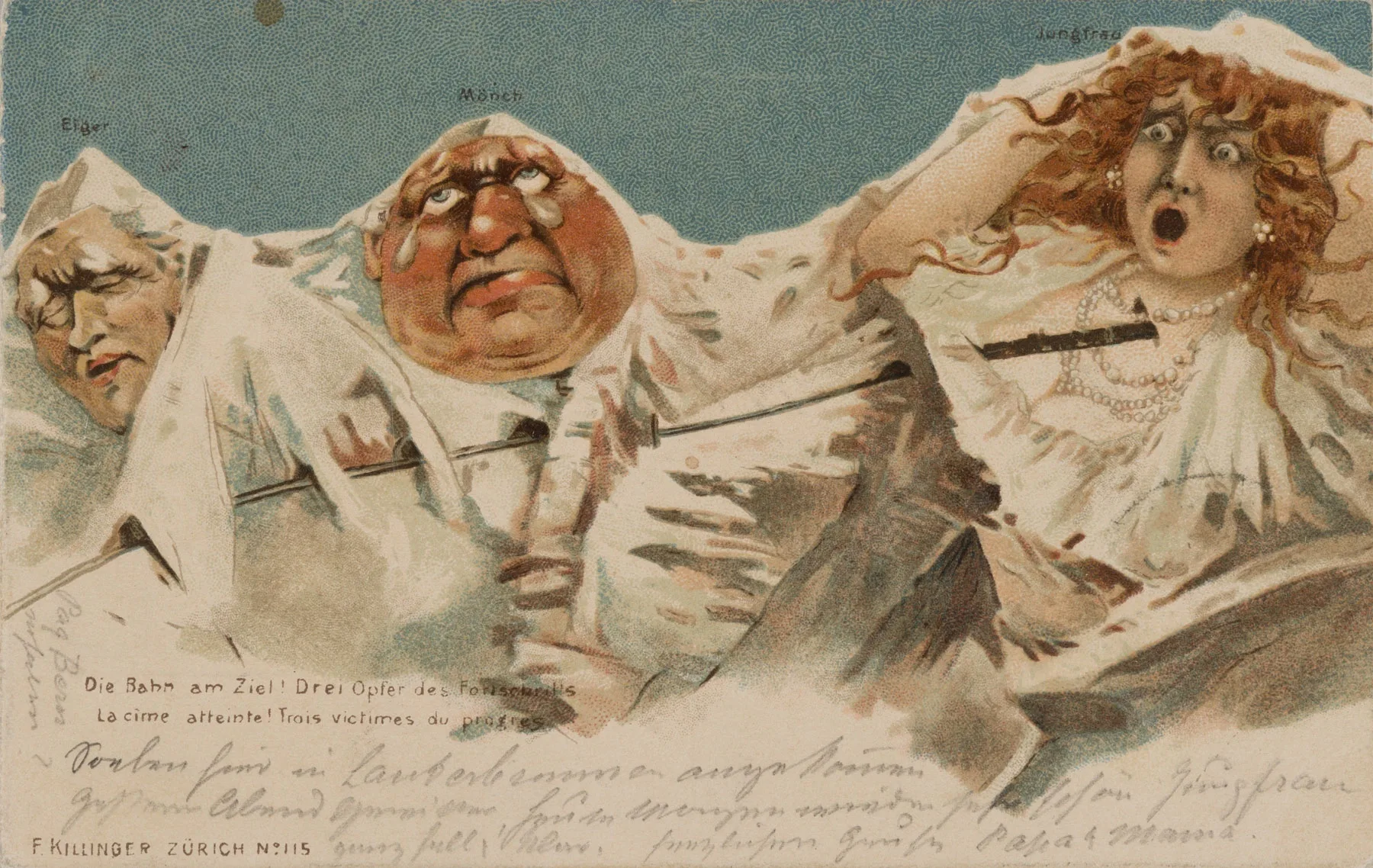
Wiedmer’s book and its criticism of excessive tourism
Keep going, build railways everywhere, sully the Jungfrau with noisy machinery and droves of people and have its summit trodden on by bearers of urban detritus! […] But remember that you spoiled it; you traded it away for a few sordid francs like a common whore!
Life after Wengen
New edition of "Flut"
A new edition of Flut was recently published by Chronos Verlag, 120 years after it first came out, with a foreword by Wiedmer biographer Felix Müller and an epilogue about the history of tourism by Christian Rohr.
This blog article was written in cooperation with Felix Müller.
This blog article was written in cooperation with Felix Müller.