Defending Switzerland against attacks that never happened
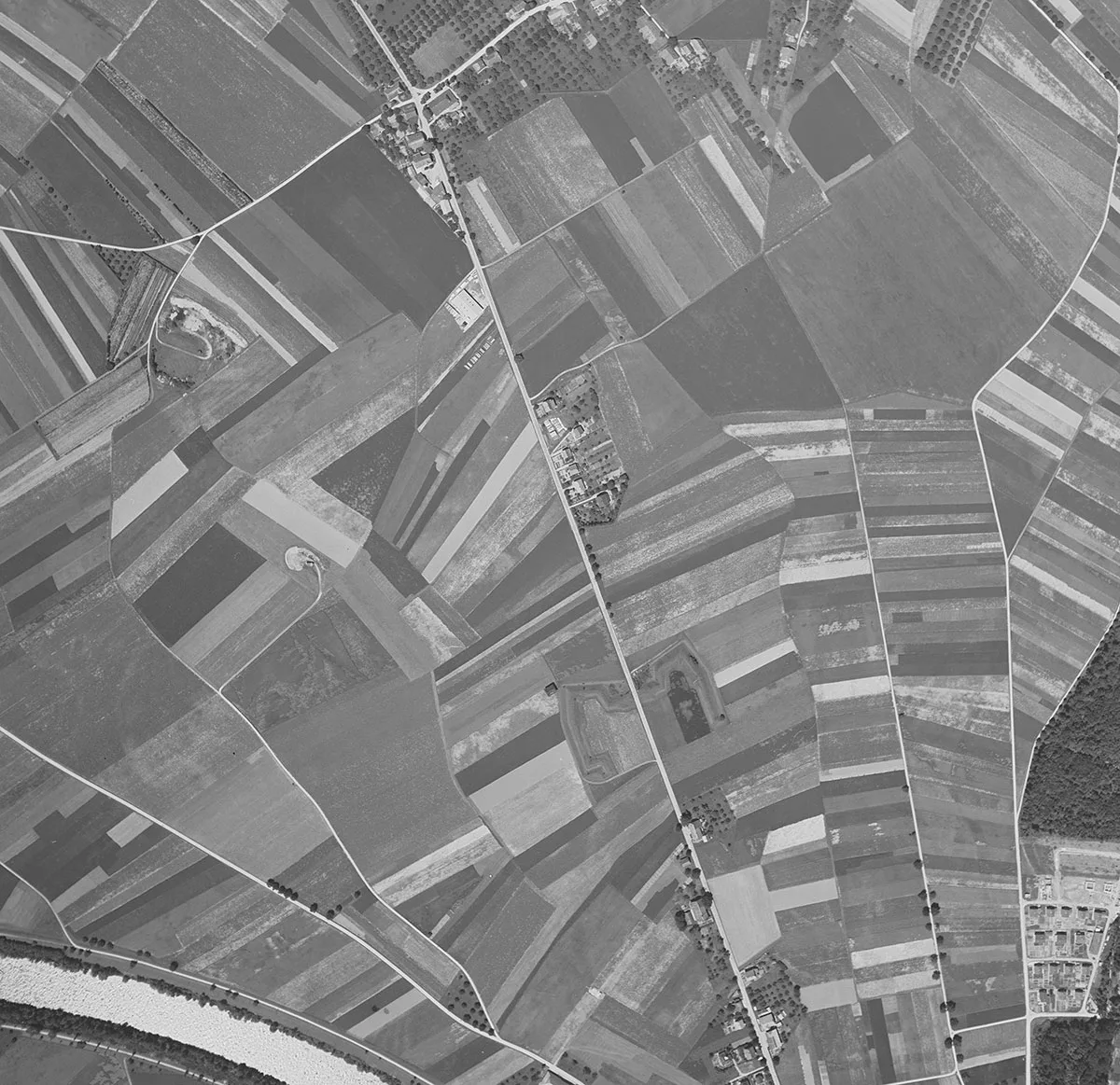
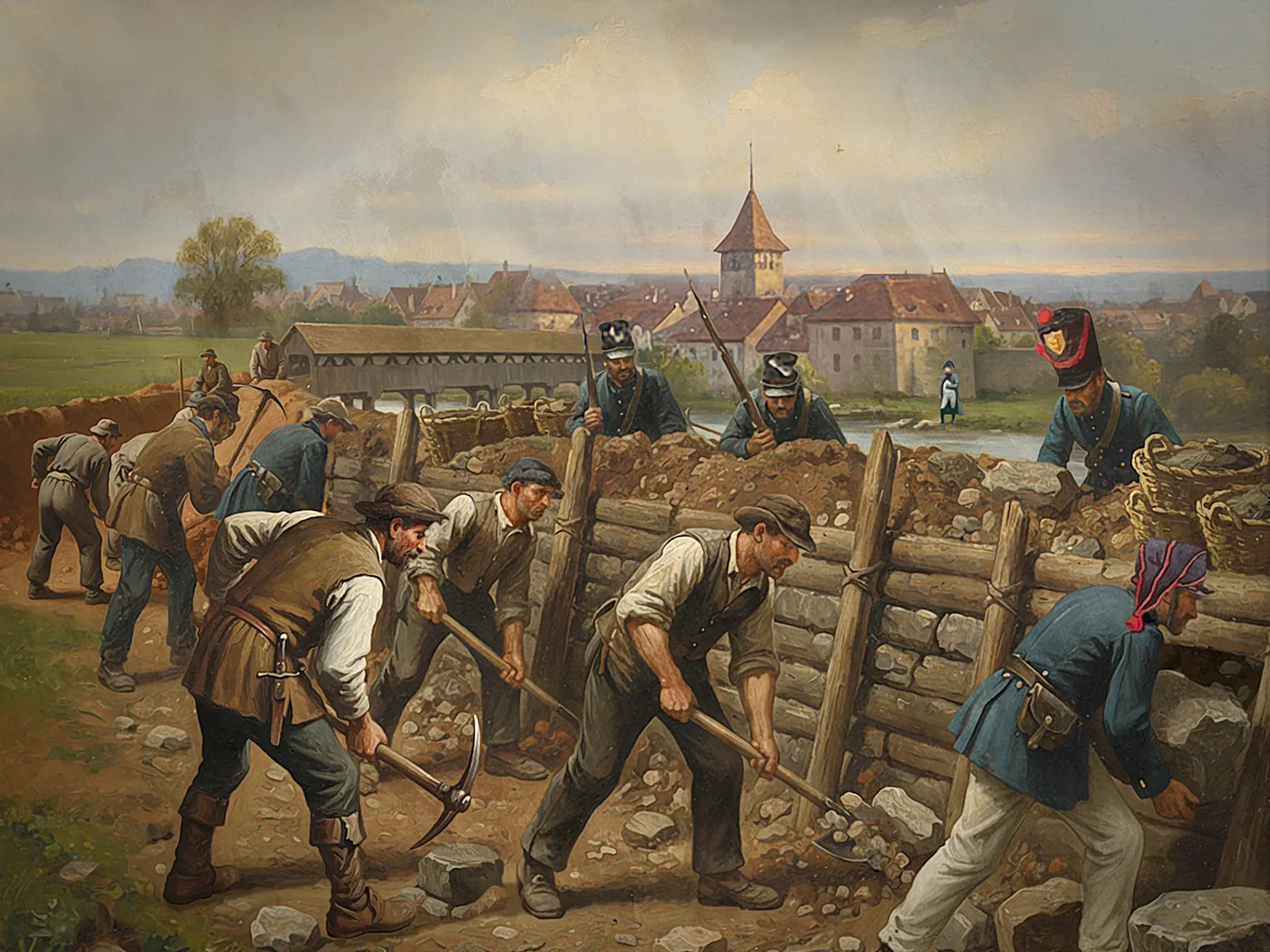
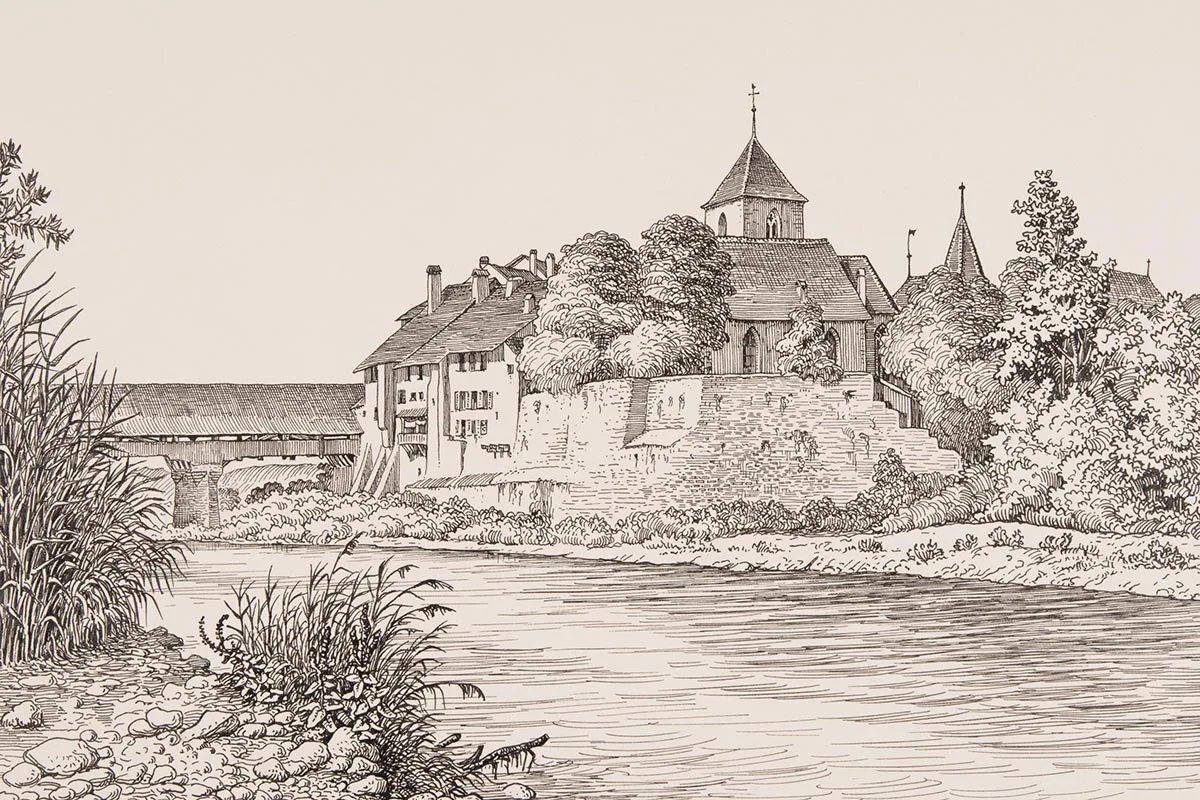
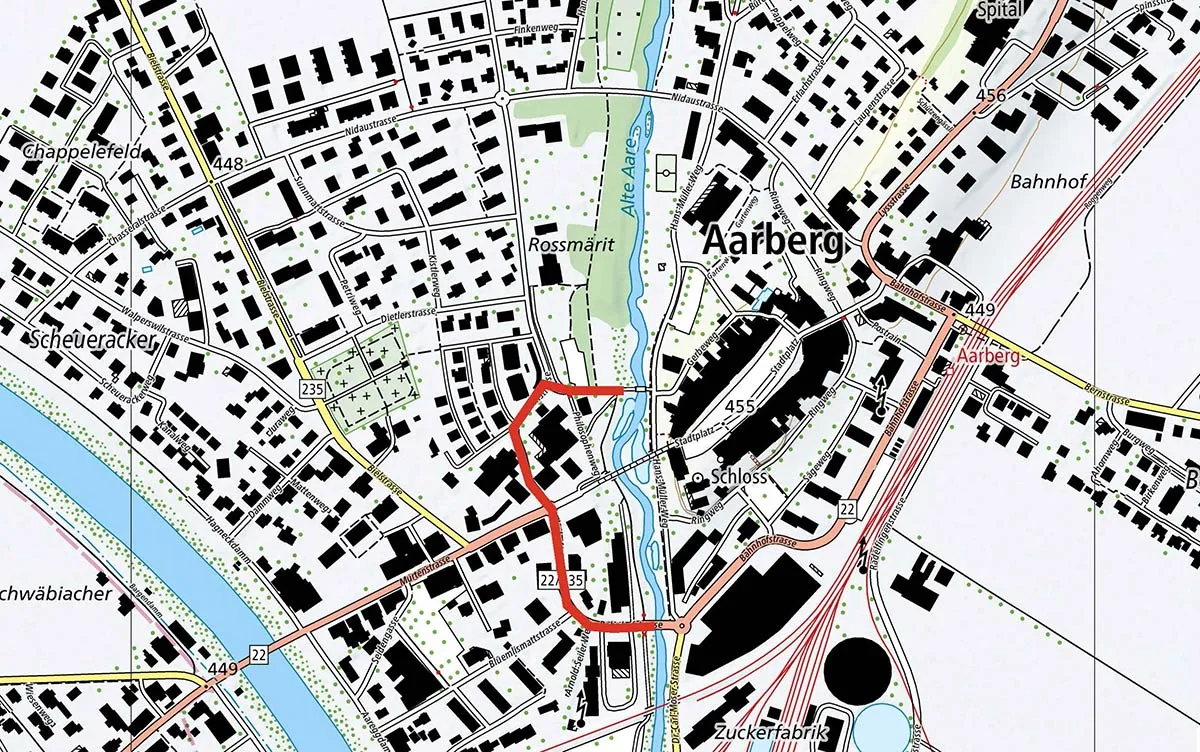
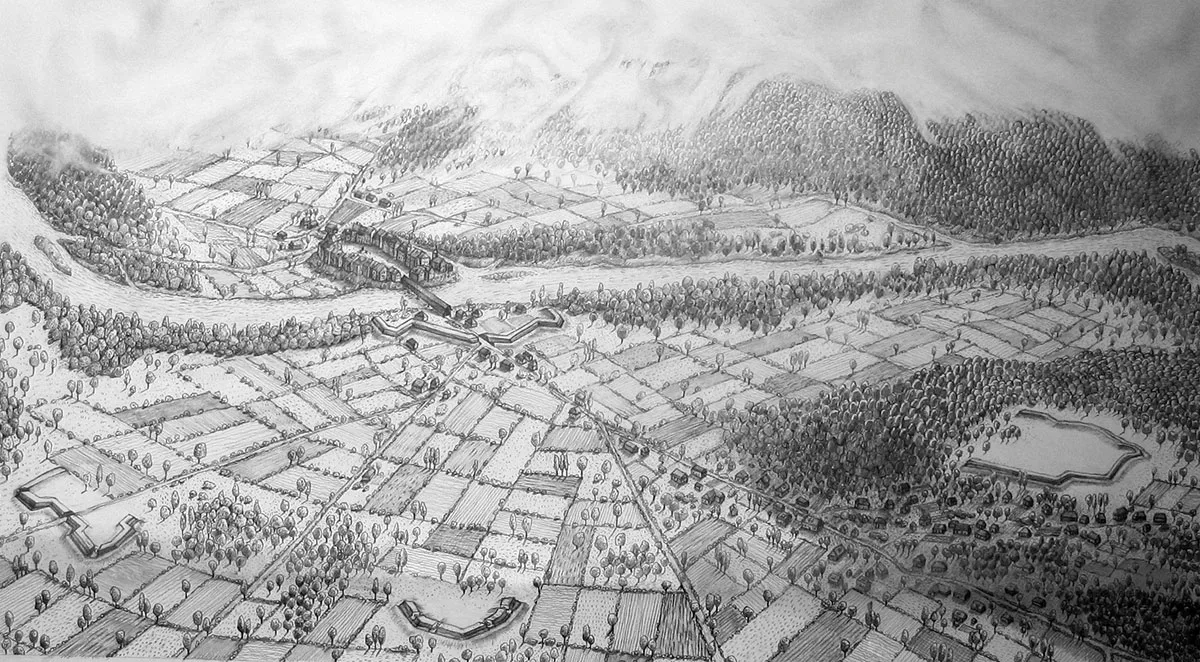
In the early 19th century, Switzerland was traumatised by the French invasion of 1798 and there were fears that France would attack again. In Switzerland’s defence planning, Aarberg was a strategic military location as French armies could potentially cross the River Aare there. An obstacle was therefore needed.

Juri Jaquemet
Dr. phil., Curator of the Information and Communication Technology Collection, Museum of Communication, Berne
The Aarberg choke point
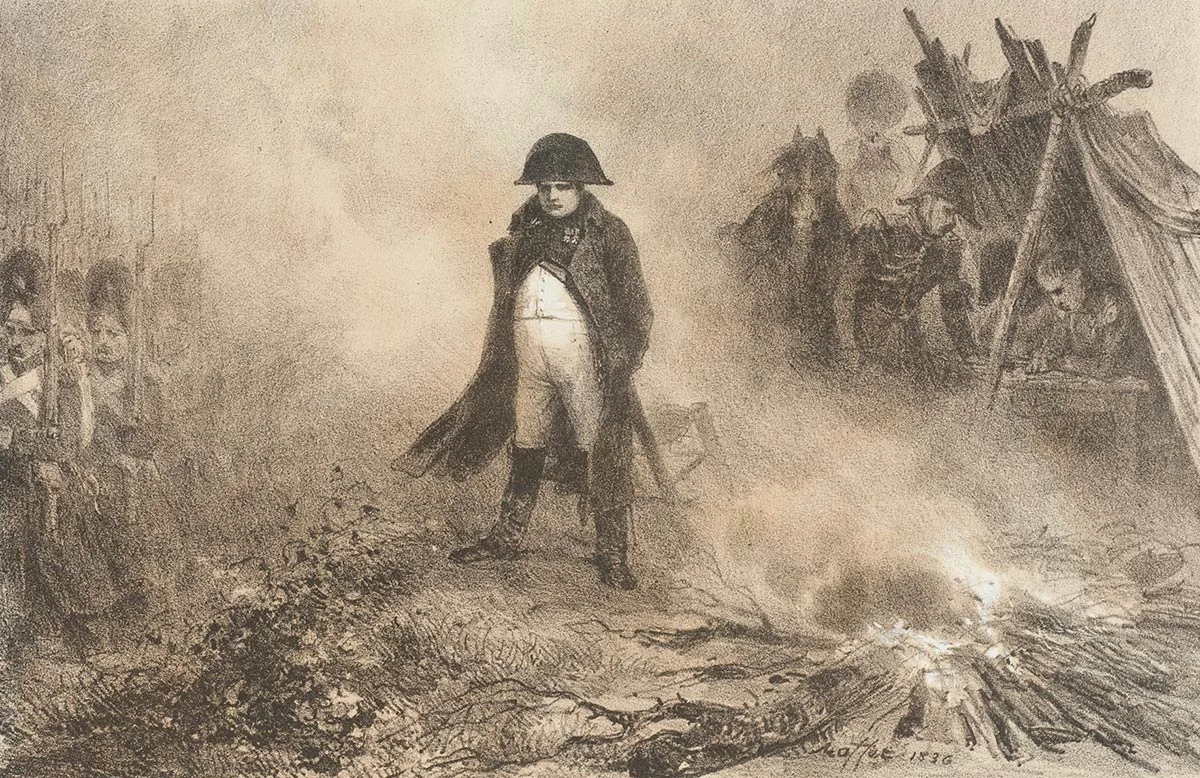
Bad timing
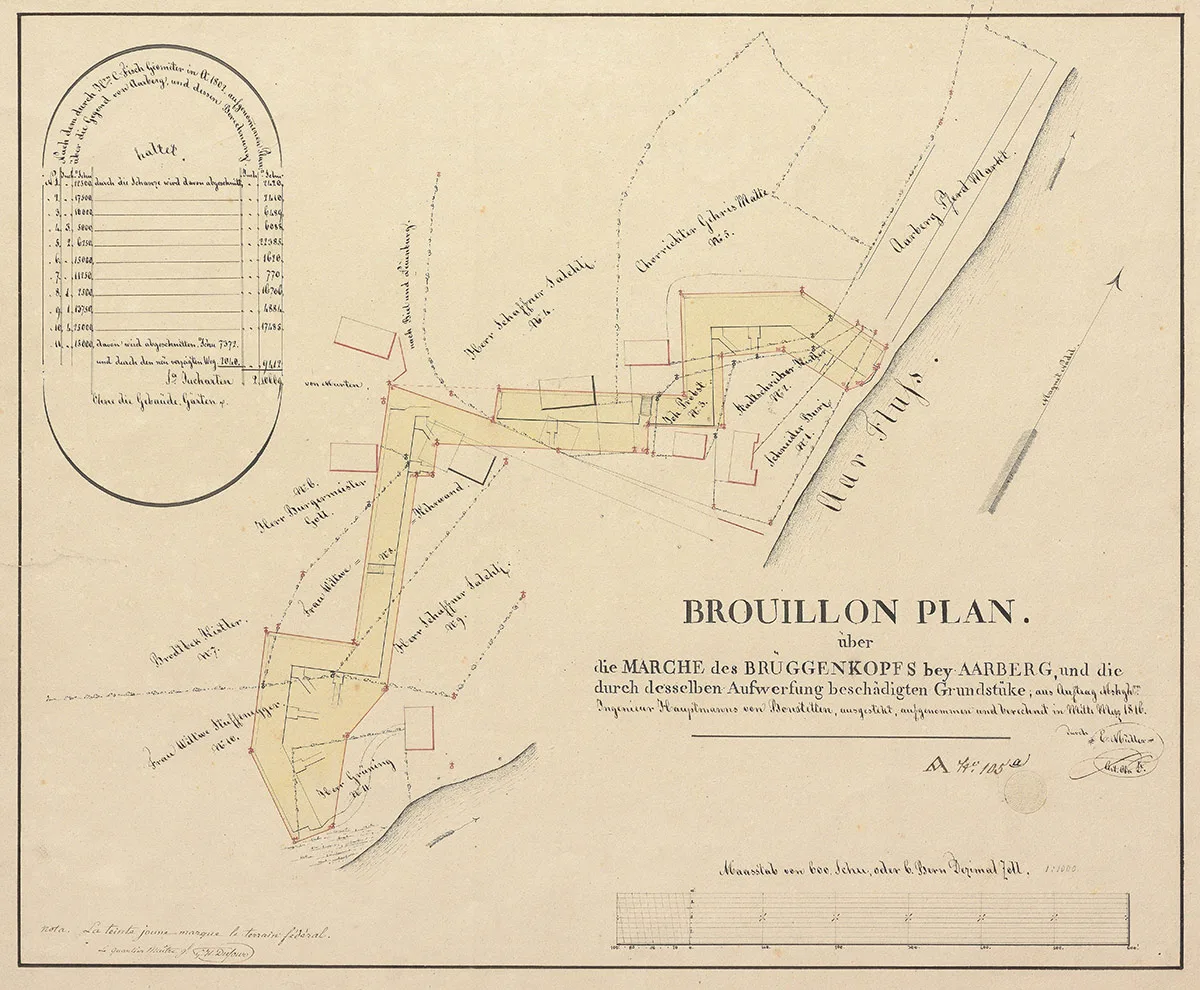
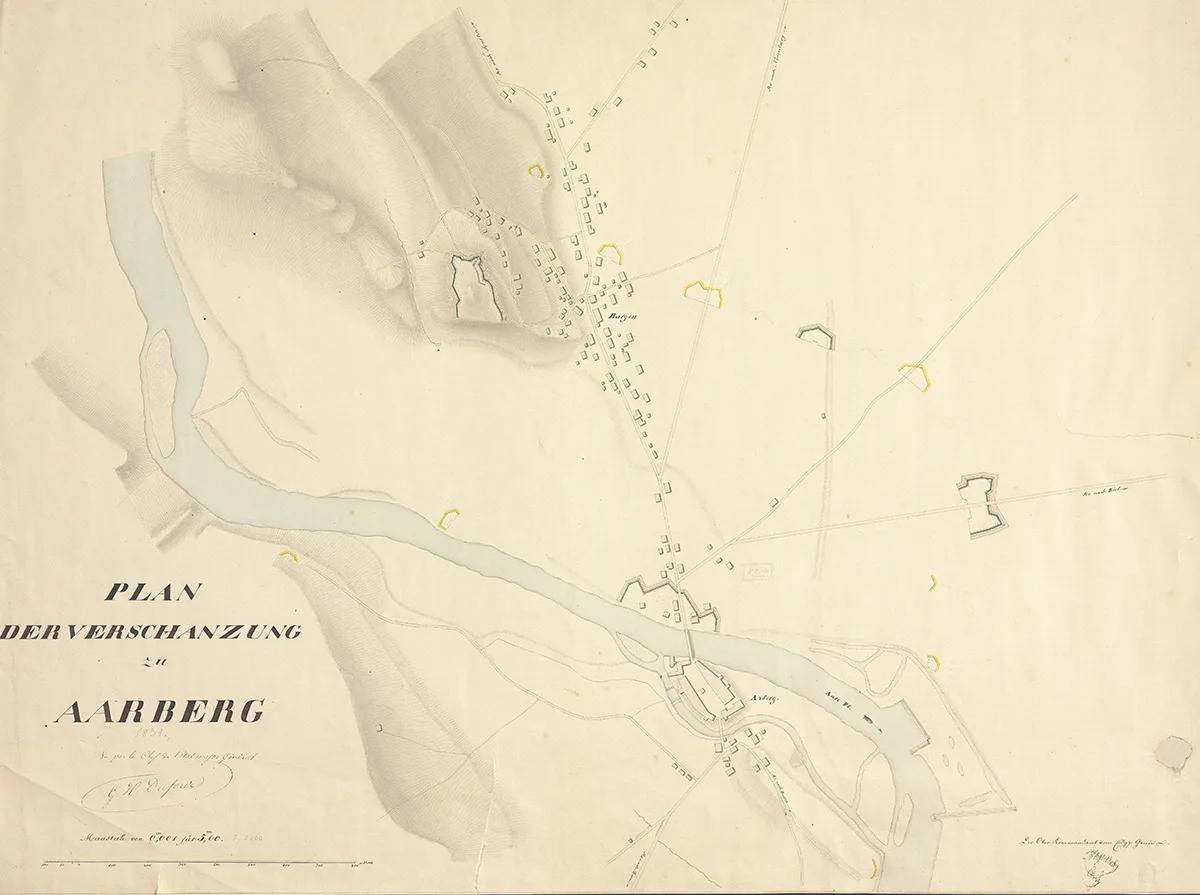
Aarberg played a key role again in 1831
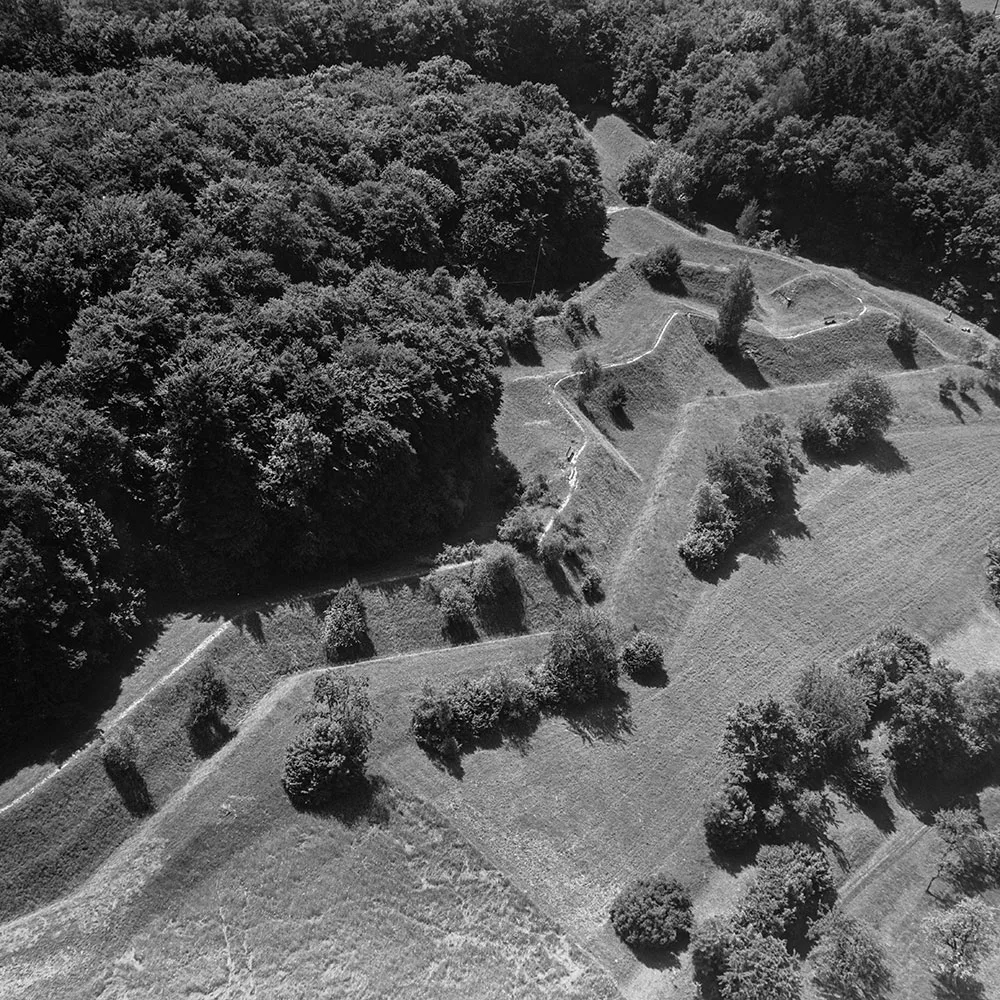
A brief guide to fortress building
Bastion: Part of a fortification projecting outward from the straight curtain wall that can defend the area immediately in front of the wall. Bastions have a similar role to the earlier defensive towers of a castle.
Breastwork: A temporary fortification built to breast height to provide protection to defenders from enemy fire.
Curtain: Straight section of rampart or wall connecting two bastions.
Hornwork: Horn-shaped fortification that blocks the flow of traffic through the curtain wall.
Lunette: Small, independent fortification that is usually open to the rear.
Redoubt: An enclosed fortification constructed to defend a position from attack from any direction.
Tenaille: A fortification without bastions but with a wall consisting of alternating salient and re-entrant angles.
Breastwork: A temporary fortification built to breast height to provide protection to defenders from enemy fire.
Curtain: Straight section of rampart or wall connecting two bastions.
Hornwork: Horn-shaped fortification that blocks the flow of traffic through the curtain wall.
Lunette: Small, independent fortification that is usually open to the rear.
Redoubt: An enclosed fortification constructed to defend a position from attack from any direction.
Tenaille: A fortification without bastions but with a wall consisting of alternating salient and re-entrant angles.
Construction work in the 1870s