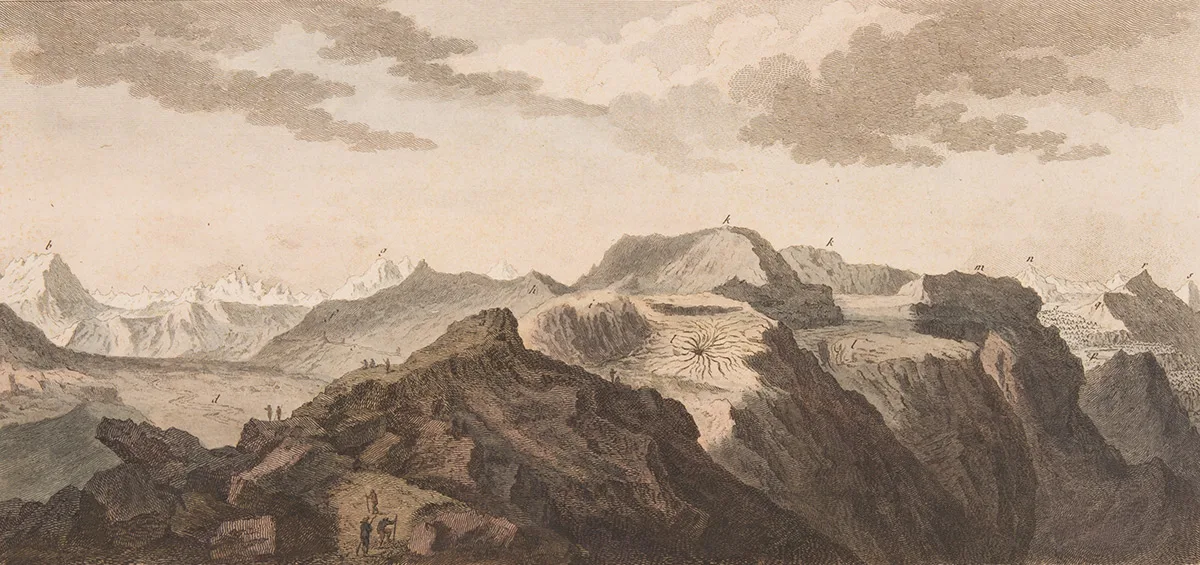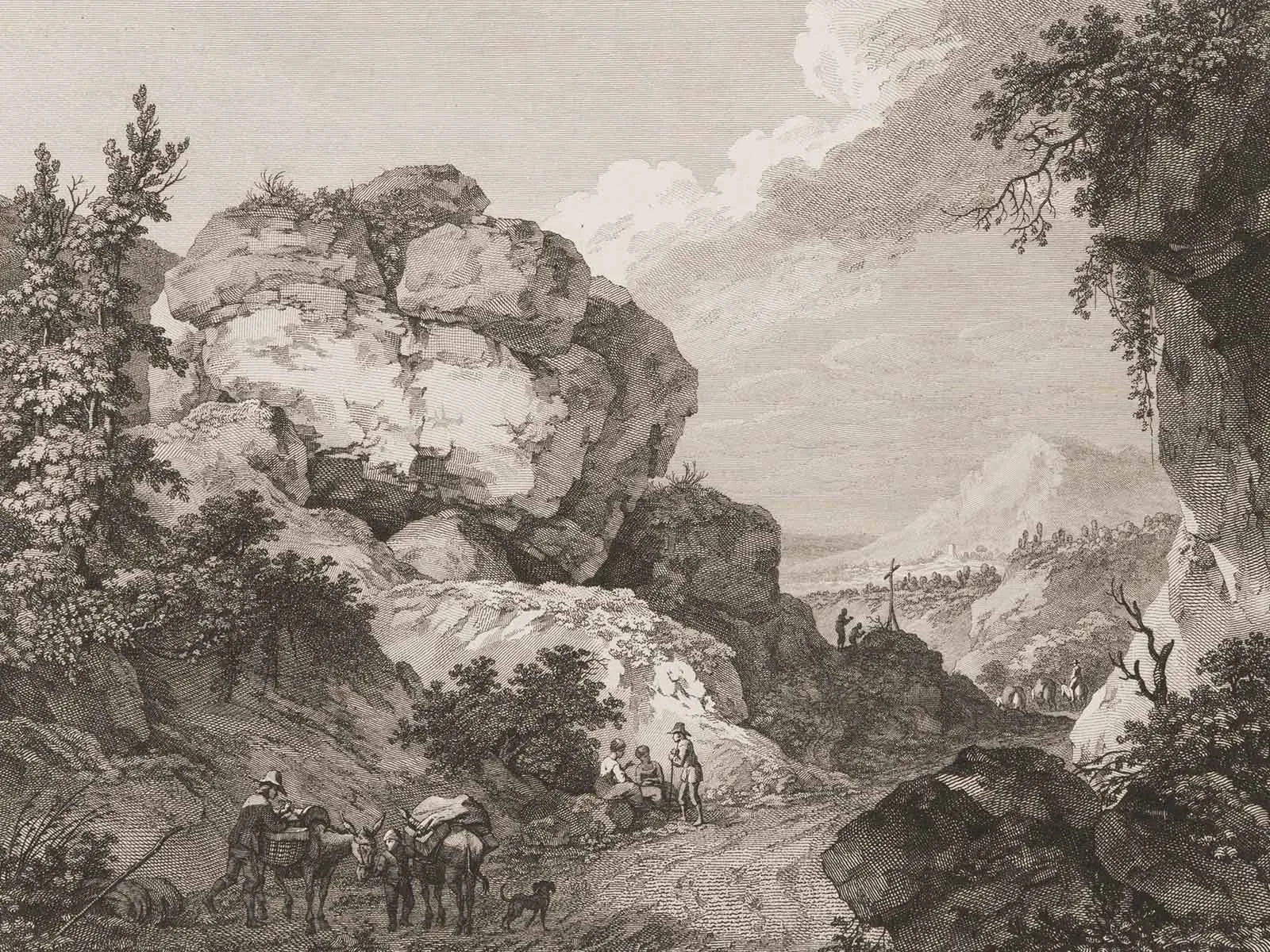
Print by Adrian Zingg, created in 1770. The landscape is that of Saxony but could just as easily be Switzerland.
Print by Adrian Zingg, created in 1770. The landscape is that of Saxony but could just as easily be Switzerland. Swiss National Museum

Inventing Saxon Switzerland

The mountain peaks and cliff tops of Saxony reminded Swiss artist Adrian Zingg of his homeland. He captured them in his drawings, thus helping them on their way to fame, and coined the name by which the region is still known today: Saxon Switzerland.

Barbara Basting

Barbara Basting

Barbara Basting worked as a cultural editor and currently heads the visual arts division in the City of Zurich’s Culture Department.
Nowadays, we are well aware of the extent to which art contributed to the development of Alpine tourism, beginning in the late 18th century. Literary and philosophical interest in the Alps provided the cultural-historical context that paved the way for tourism to quickly follow. Writers and philosophers like Salomon Gessner, Jean-Jacques Rousseau and Immanuel Kant glorified the impressive mountain landscapes. The Alps became a canvas on to which they could project notions of the ‘sublime’ and the ‘primordial’. In this way, a new appreciation of nature was cultivated ‒ one which replaced the direct connection that had been lost in the move away from an agrarian society as a result of industrialisation and urbanisation.
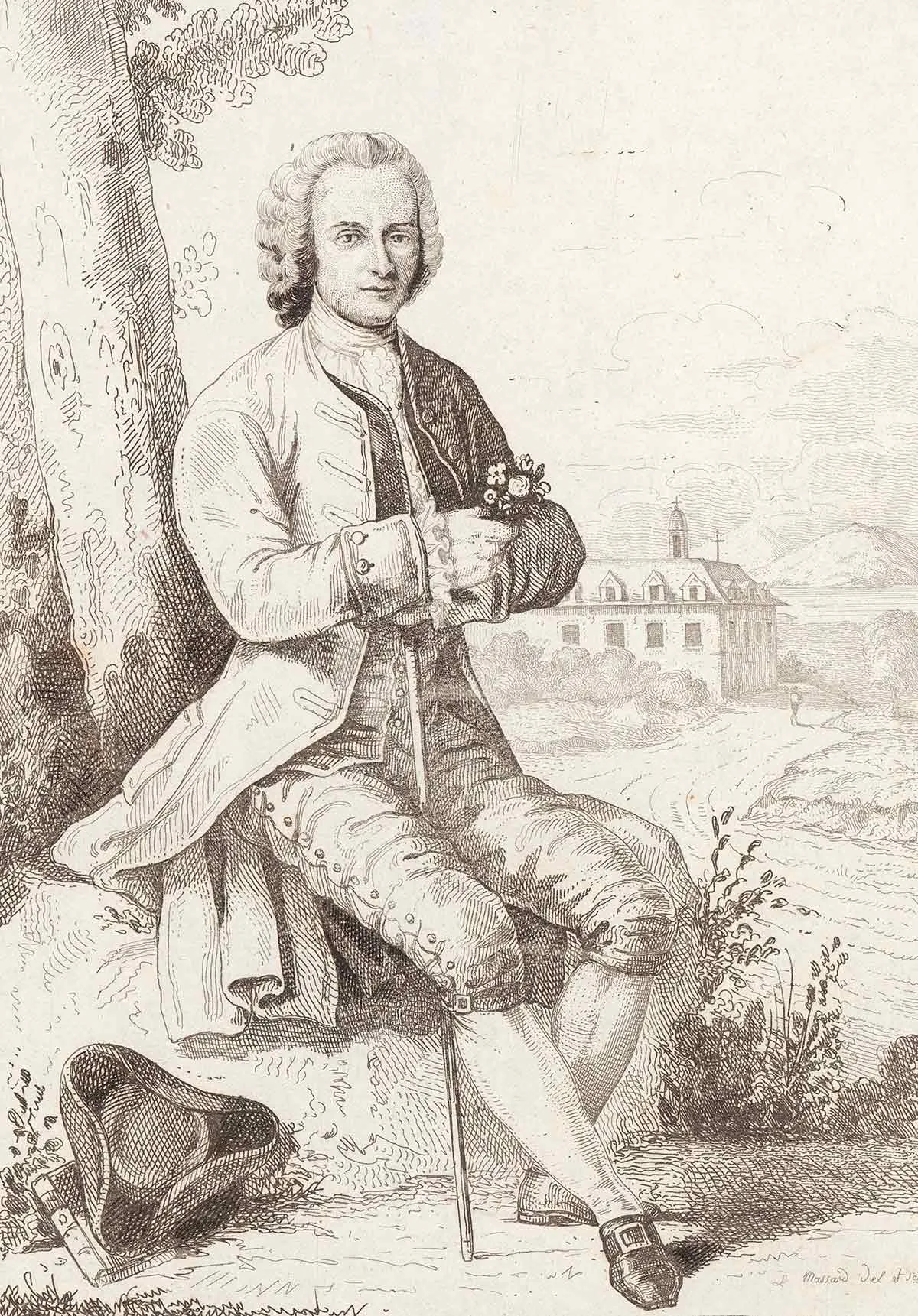
Jean-Jacques Rousseau saw the Alps as a place of longing and an oasis of untouched nature.
Jean-Jacques Rousseau saw the Alps as a place of longing and an oasis of untouched nature. Swiss National Museum
The emphasis on nature as a source of human emotions called for modes of art capable of expressing and stirring an emotional response. Landscape painting became a popular genre, while drawings and hand-coloured woodcuts or copperplate engravings were available to buyers with a more modest income. They were also produced especially for study purposes. To make black-and-white prints appear somewhat less schematic, colour was often applied to them manually using watercolours. This practice gave rise to a new business model: that of the Swiss colourist studio, which dominated the growing market for colour reproductions until supplanted by the more realistic medium of photography in the 19th century.
One particularly famous and financially successful colourist studio was that of Johann Ludwig Aberli, founded in Bern in 1750. Aberli had developed the remarkably efficient technique of entrusting the hand-colouring of outline drawings to less-experienced, and thus less well-paid, assistants, including children and individuals with disabilities. This soon came to be referred to admiringly in artistic circles as the ‘Aberli manner’. Technically, it can be seen as an early form of modern-day children’s colouring books.
Colourist studios produced vibrant images at a low price. Gabriel Lory, 1784.
Colourist studios produced vibrant images at a low price. Gabriel Lory, 1784. Kunstmuseum Bern
Adrian Zingg from St. Gallen was an apprentice in Aberli’s workshop before becoming a student of the even more famous German engraver Johann Georg Wille in Paris. Zingg’s knowledge and experience of the latest trends in depictions of Swiss landscapes, which could be marketed to tourists, proved advantageous, enabling him to quickly gain a foothold in the renowned Parisian art scene.
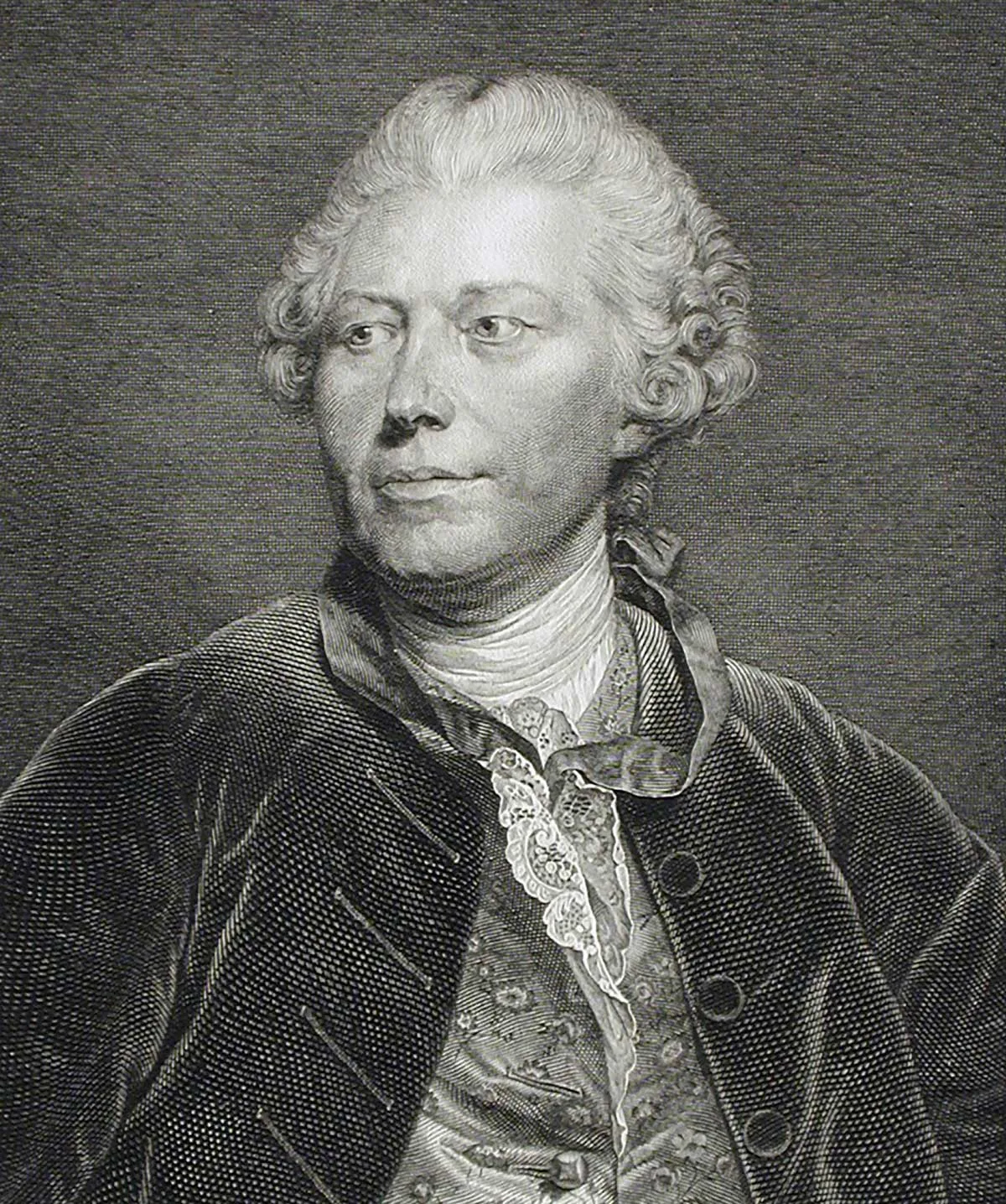
Johann Georg Wille was perfectly happy in Paris and had no desire to move to Saxony.
Johann Georg Wille was perfectly happy in Paris and had no desire to move to Saxony. Wikimedia / Los Angeles County Museum of Art
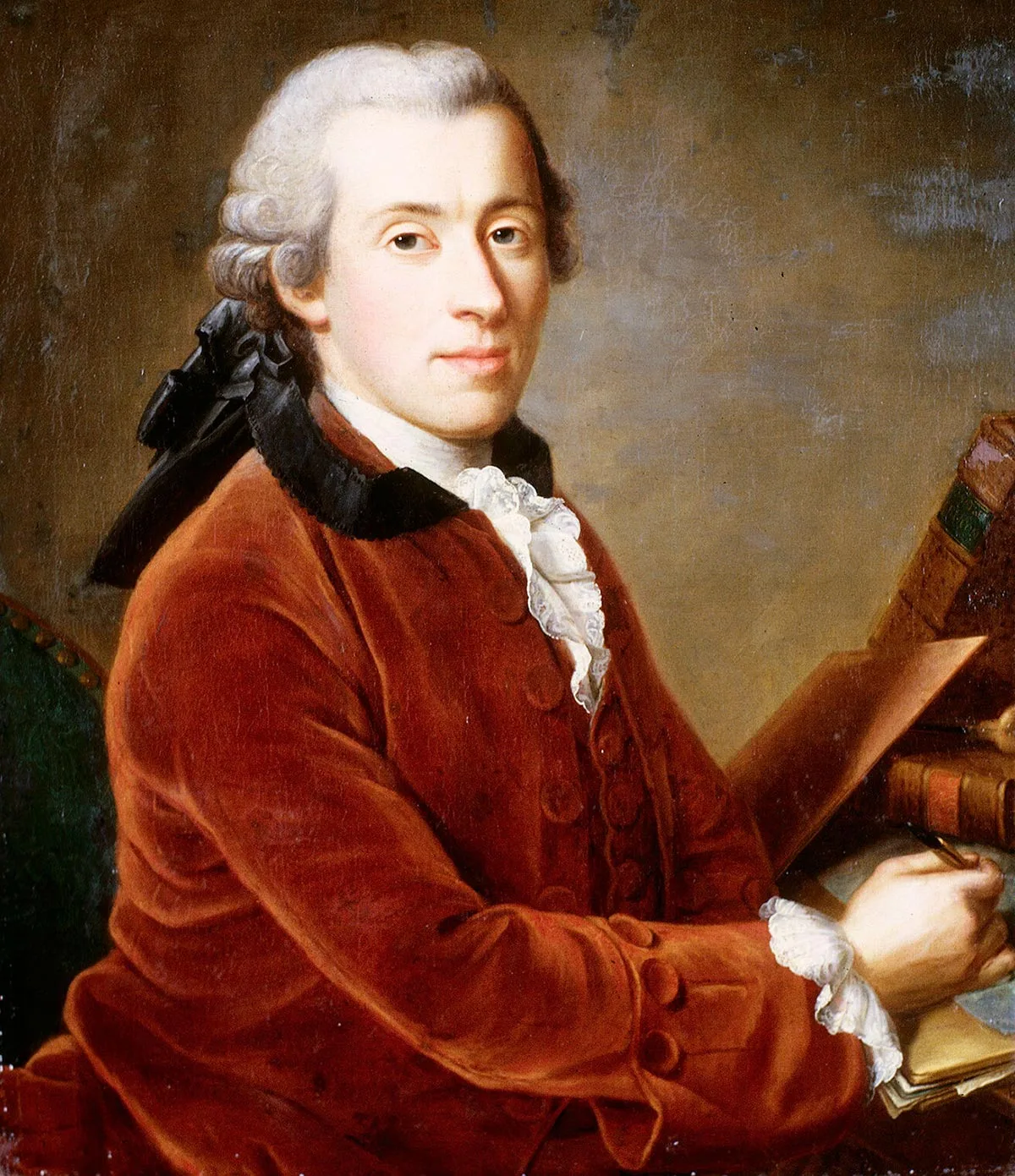
That’s why he recommended Adrian Zingg, portrayed here by Emanuel Handmann, for the position at the Dresden Academy of Fine Arts.
That’s why he recommended Adrian Zingg, portrayed here by Emanuel Handmann, for the position at the Dresden Academy of Fine Arts. Wikimedia / Kunstmuseum St. Gallen / Photo: SIK, Zurich
However, Zingg did not immediately jump at the opportunity either. After all, he was just beginning to celebrate his first successes as an engraver in Paris. In addition to which, the Electorate of Saxony was no longer the flourishing cultural centre it had once been and had lost much of its attraction, even for up-and-coming young artists. The court’s glory days were over. Defeat in the Seven Years’ War (1756-1763) had left it weakened and heavily in debt. The establishment of the Dresden Academy under Christian Ludwig von Hagedorn was primarily motivated by fiscal concerns: it was hoped that promoting the arts and crafts would give the local economy the boost it so urgently needed. Even back then, the creative industries were expected to come to the rescue.
After successfully haggling over his salary, Zingg accepted the position in Dresden in 1766. On his way there, he stopped off at his parents’ home in Switzerland, going on hikes into the mountains and building up a portfolio of drawings with typically Swiss subjects. He was no doubt hoping to make some money out of these on his arrival in Germany.
Swiss mountain landscape by Adrian Zingg, dating from the 1760s.
Swiss mountain landscape by Adrian Zingg, dating from the 1760s. Swiss National Museum
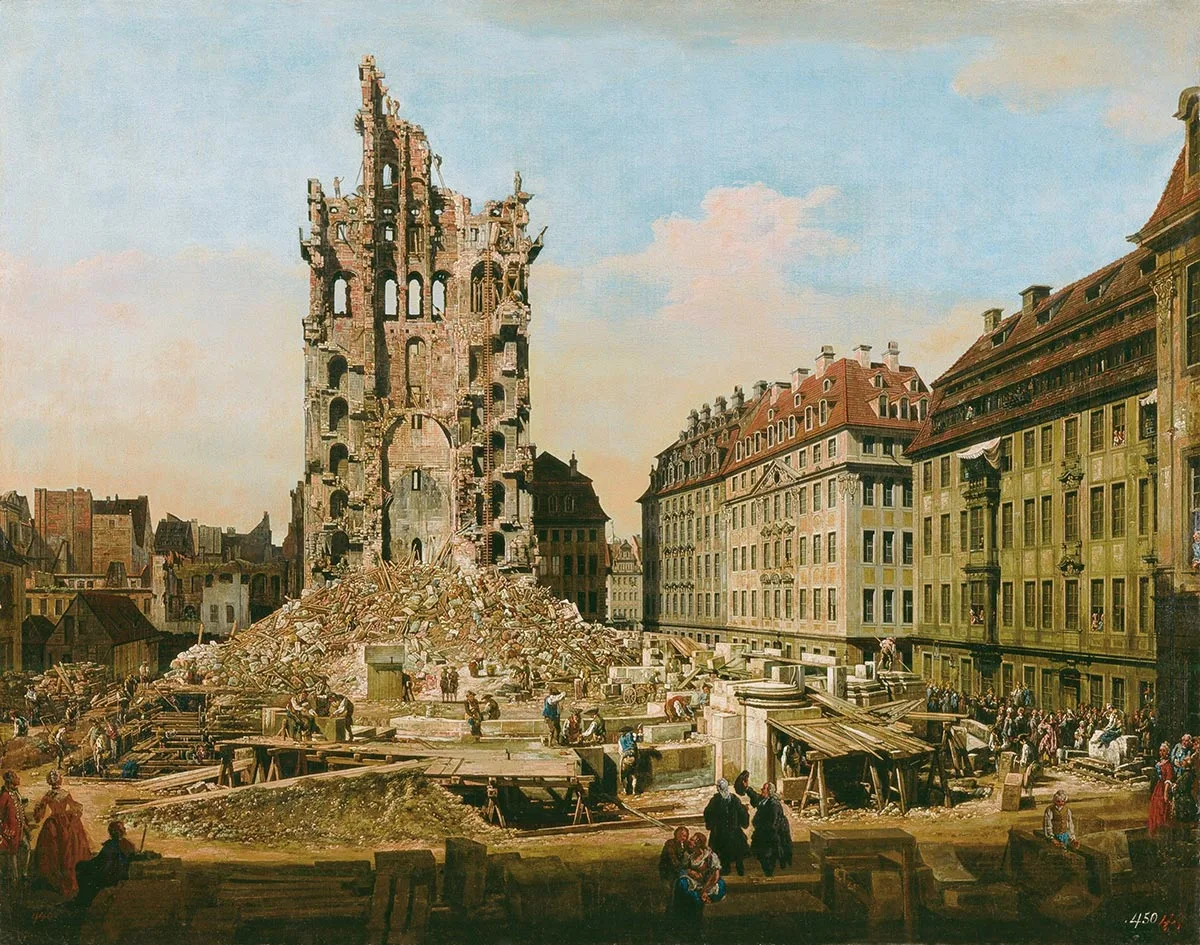
But things were to turn out differently. To begin with, Zingg was shocked by the traces of destruction to be seen all over Dresden. There was little indication of the spirit that would subsequently earn it the sobriquet ‘Elbflorenz’, or Florence on the Elbe, a phrase coined by Johann Gottfried Herder in 1802. The painting of the Kreuzkirche in ruins by Venetian artist Bernardo Bellotto (also known as Canaletto) gives a spectacular impression of the devastation wreaked by the Seven Years’ War on various places throughout Europe.
Bellotto depicted the destruction suffered in Dresden in his painting of 1765.
Bellotto depicted the destruction suffered in Dresden in his painting of 1765. Wikimedia / Kunsthaus Zurich
The story of Bellotto’s career in Dresden illustrates the dismal state of the city’s art scene and the brutal reality of trying to make a living as an artist at the time. Bellotto had served as court painter in Dresden from 1747 to 1758. By 1764, i.e. shortly before Zingg’s arrival, he had become a mere member of staff at the new academy, where he taught perspective on a reduced salary. As a result, Bellotto set out to seek a position at the imperial court in St. Petersburg, but ended up spending the rest of his days in Warsaw.
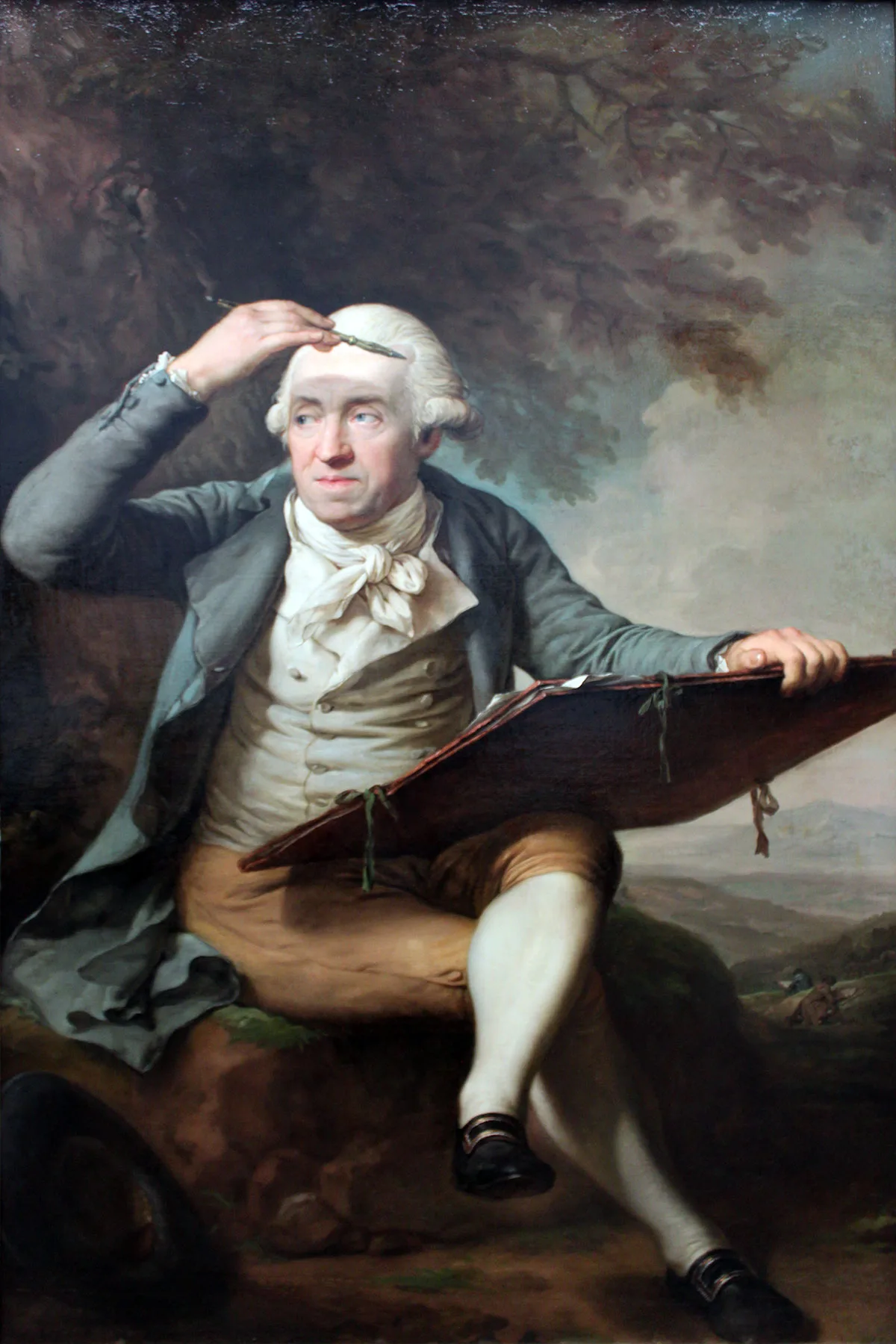
For Adrian Zingg, the friendship he struck up with a fellow Swiss, Anton Graff from Winterthur, was one of the saving graces of his life in Dresden. An outstanding portrait artist, Graff had also been hired in 1766, around the same time as Zingg, as court painter, a position which also required him to teach at the art academy. Graff produced a portrait of his colleague in 1796. This striking painting shows Zingg, portfolio balanced on knee, at work on a drawing. He appears to be gazing out over the scenery and is shading his eyes with the hand holding his pen. However, it seems unlikely that he actually ventured out into the countryside dressed as a courtier and donning a wig. Graff’s primary concern in portraying him like this was to highlight his colleague’s rank.
Portrait of Adrian Zingg, painted in 1796 by Anton Graff.
Portrait of Adrian Zingg, painted in 1796 by Anton Graff. Wikimedia / Kunstmuseum St. Gallen
Instead of producing copperplate engravings of paintings from Dresden’s famous art collection and thus increasing their fame, Zingg defied expectations by devoting himself to his landscape art. Whenever the opportunity arose, he would flee the depressing atmosphere of Dresden – either on his own or in the company of Graff. On his many hikes, Zingg methodically captured the enchanting scenery of the Elbe Valley, with its castles and characteristic rock formations, in his sketchbooks. These images served as the basis for drawings or etchings that he would later work up in greater detail. Many of Zingg’s pictorial inventions resemble those of his contemporaries, such as the views from the entrances to caves beloved of Caspar Wolf.
Zingg’s The Cowshed in Saxon Switzerland is a homage to his native land. The drawing was created in 1786.
Zingg’s The Cowshed in Saxon Switzerland is a homage to his native land. The drawing was created in 1786. Wikipedia / Albertina, Wien
Zingg’s depictions of the landscape showcased the region’s attractiveness. Zingg and Graff were also the first to use the phrase ‘Saxon Switzerland’ in their letters to describe the picturesque scenery that reminded them of the Jura region. Locally, the area was known as the ‘Meissner Hochland’ or Meissen Upland.
Consequently, the affinity with home stirred in Zingg by the Elbe Sandstone Mountains, a geological landscape formed by erosion, proved highly productive. He now simply applied the same artistic methods that had brought him success in Switzerland to his new surroundings in Dresden. This involved organising his studio along the lines of Aberli’s workshop in Bern. His students at the academy, who were regularly taken on excursions, learned by working from his sketches, colouring them, copying them or combining them to create new idealised landscapes, as Zingg himself had once done.
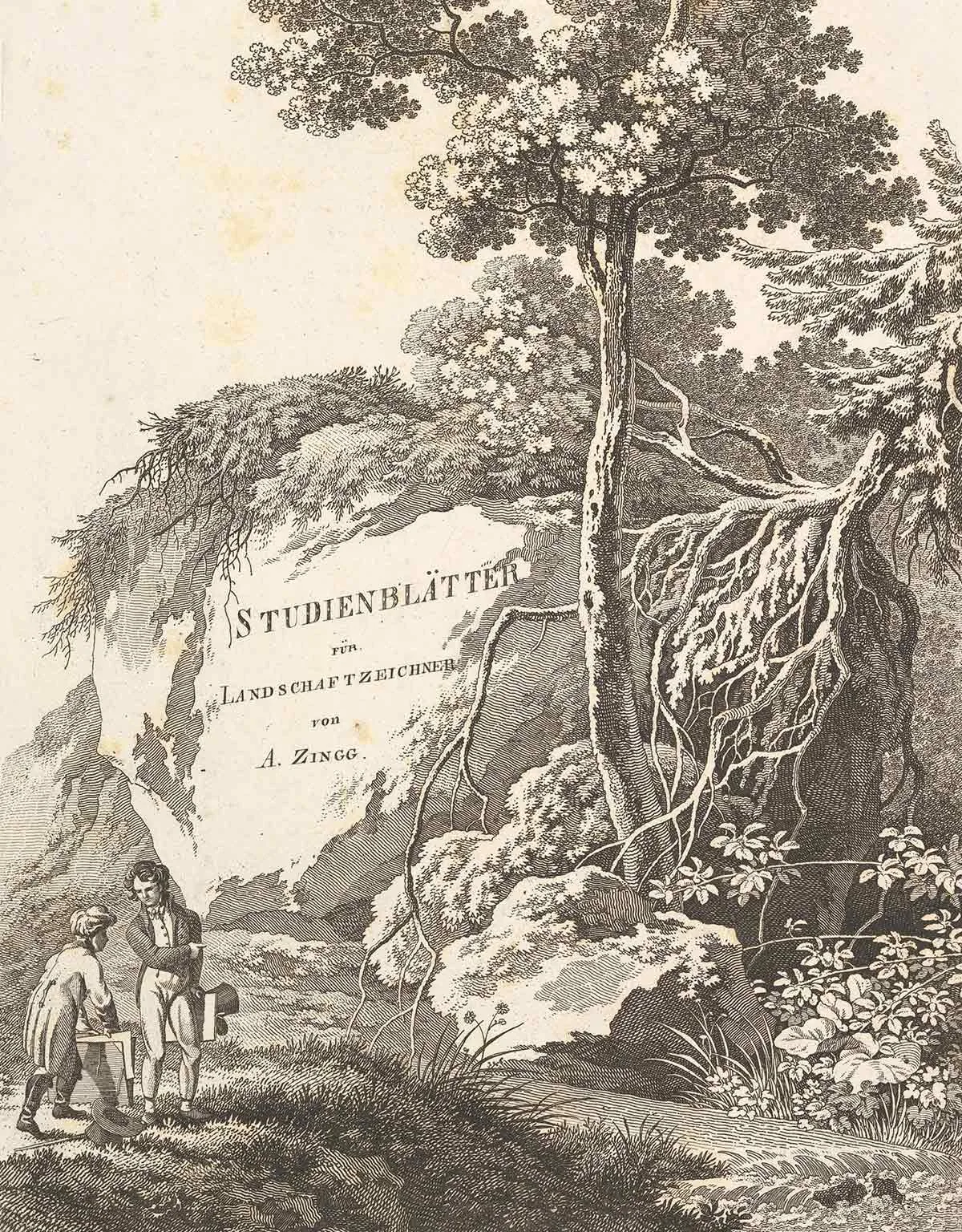
In Dresden, Zingg returned to his roots instead of turning out reproductions as he had done in Paris. He increasingly sought inspiration from miniature painting, a well-established tradition with a focus on the natural world and the detailed rendering of individual parts of plants. For teaching purposes, he also put together groups of studies that could serve as models for nature and landscape art. Intended to enable trees and shrubs in particular to be drawn efficiently, while also being depicted realistically and effectively, these were published in a total of three instructions books with titles such as Anfangsgründe für Landschaftszeichner [Starting points for landscape artists].
Adrian Zingg’s Studienblätter (sheets of studies) helped his pupils to produce realistic drawings.
Adrian Zingg’s Studienblätter (sheets of studies) helped his pupils to produce realistic drawings. Wikimedia / Metropolitan Museum of Art
He also refined Aberli’s commercial approach, having outline drawings that were reproduced as engravings coloured with the greatest of care by hand to lend them the vividness of originals.
In the five decades during which he was active in Dresden, Zingg influenced entire generations of students not just through his techniques, but also through his motifs of ‘Saxon Switzerland’. With hindsight, we can now see that he prepared the way for the Romantic landscape depictions of artists who are much better known today ‒ names like Caspar David Friedrich, Carl Gustav Carus and Ludwig Richter.

Criticised by his own godson
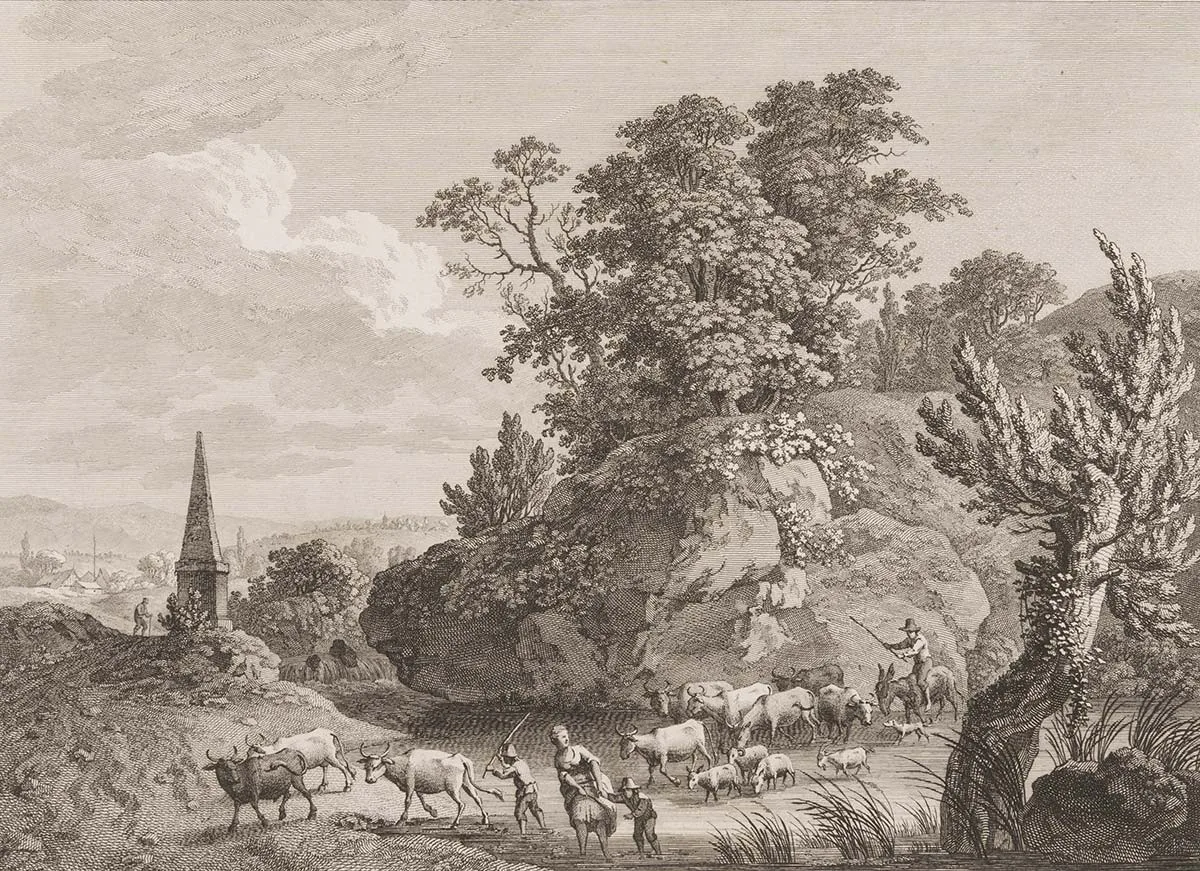
But Adrian Zingg was not without detractors. His top pupils criticised his signature technical and artistic tricks, reflected for example in his penchant for placing trees and bushes in the foreground. Even Zingg’s godson Ludwig Richter made fun of his “foolish godfather” and the formulaic, stencil-like patterns of his leaves and trees. The Romantics were looking for new ways to depict the landscape ‒ ways that were more in keeping with the new emphasis on evoking a strong emotional response. Sunsets, moonlight, lonely wanderers, lovestruck couples and special weather conditions including fog and snow were the stock ingredients.
The way in which Adrian Zingg depicted trees was not universally lauded; some of his contemporaries found it stiff and clichéd.
The way in which Adrian Zingg depicted trees was not universally lauded; some of his contemporaries found it stiff and clichéd. Swiss National Museum
Nevertheless, Zingg’s status as an artist is undeniable. He was invited to become a member of the Vienna Academy of Fine Arts as early as 1769, gained membership of the Prussian Academy of the Arts in Berlin in 1787, and was finally appointed a full professor in Dresden in 1803. When Zingg passed away in Leipzig in 1816, the St. Thomas Choir sang at his graveside. As a draughtsman, he left behind an extensive body of work, most of which is now held in Dresden’s notable collections of works on paper. Although the originals are rarely shown in public for conservation reasons among others, they are easy to find in the online collection of the Dresden State Art Collections. Today, due to his style, preferred medium and limited repertoire, we tend to place Zingg among the Little Masters. His chosen artistic genre fell victim to the rise of photography.
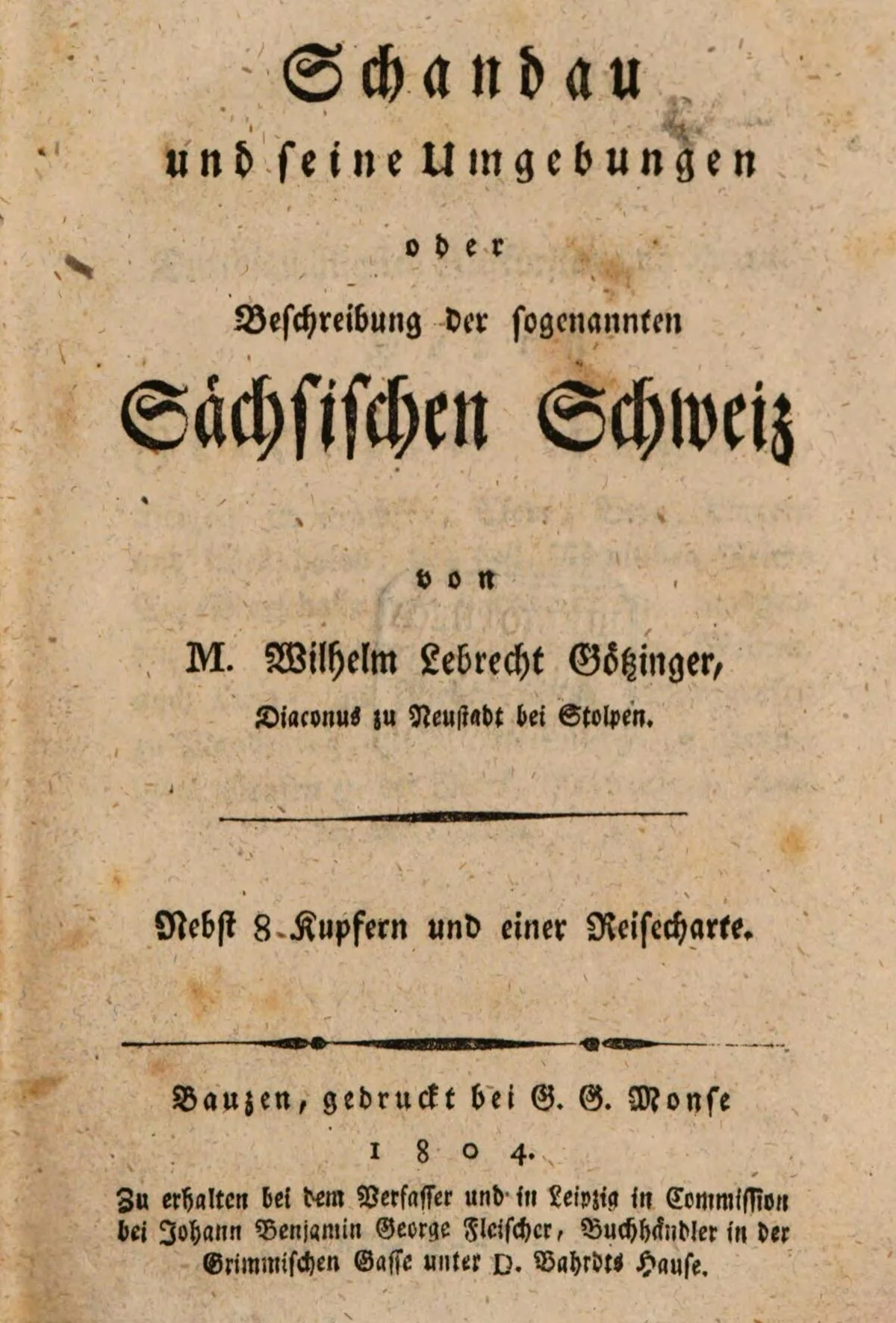
The popularity of the term ‘Saxon Switzerland’, coined by the artists Adrian Zingg and Anton Graff in the 1770s in relation to their work, became more widespread in the early 19th century thanks to theologian Wilhelm Leberecht Götzinger. His book Schandau und seine Umgebungen oder Beschreibung der sogenannten Sächsischen Schweiz, published in 1804, was a highly detailed travel guide discussing the nature, history and topography of the area. In it, the author made an impassioned plea for retaining the reference to Switzerland. Not everyone was keen on the idea, but Götzinger’s book sold like hot cakes and ‘Saxon Switzerland’ came to be accepted usage. With one brief exception: Adolf Hitler and the National Socialists found the use of the word ‘Switzerland’ to describe a German landscape inappropriate and issued a decree abolishing the name. But that proved to be a mere interlude. Today, the area is marketed as ‘Saxon-Bohemian Switzerland’ and is a popular destination for tourists, including the Swiss. Thanks in no small part to Adrian Zingg.
Götzinger’s 1804 book marked the start of the ascendancy of the name ‘Saxon Switzerland’.
Götzinger’s 1804 book marked the start of the ascendancy of the name ‘Saxon Switzerland’. German National Library

Further posts