A history of the melancholic mind
Melancholy was everywhere in the early modern period: in letters, reports and biographies, but also in medical tracts and theological discourse. A diagnosis is speculative, but in some of the descriptions we can recognise what today is referred to as depression.

Nicole Billeter
Nicole Billeter is a freelance historian.
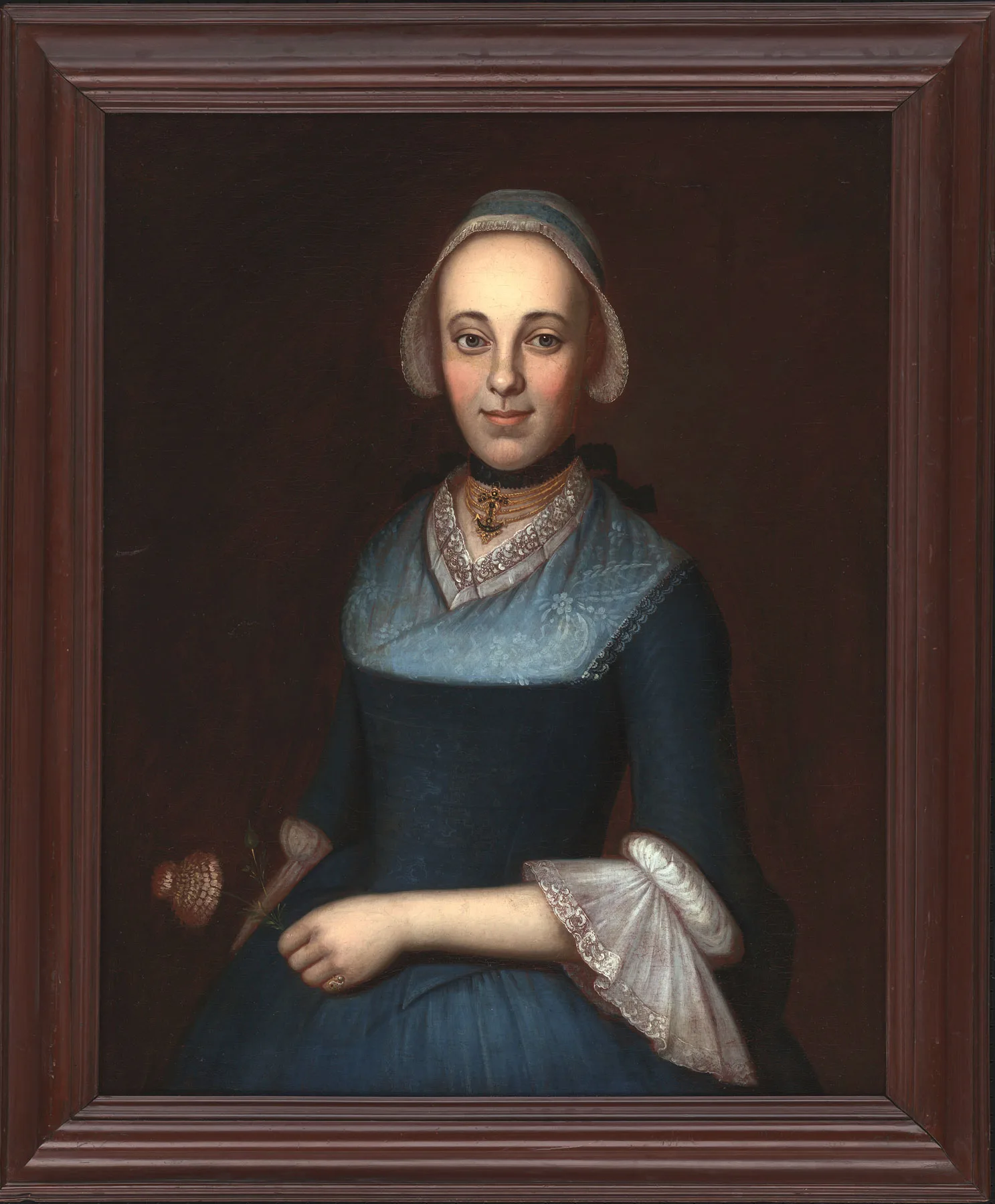
One of the words Rosina Honnerlag-Zellweger used to describe her affliction was ‘melancholy’. This term was very common from the 16th century onwards. It could denote a slightly negative mood, a longing for past times or places, or else a full-blown illness that incapacitated people and even drove them to break a great taboo and end their own life.
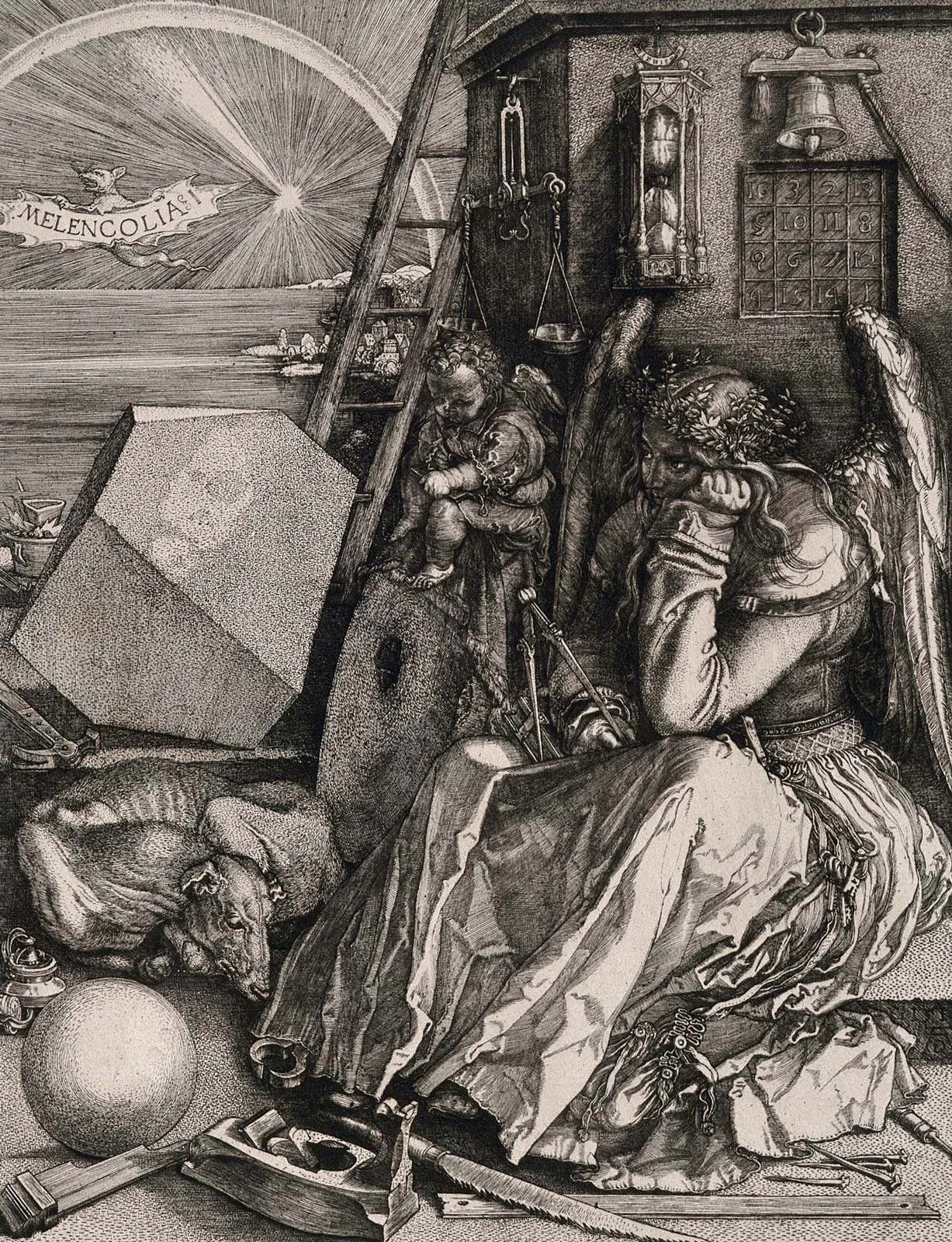
People who were deemed melancholic were often treated with helplessness and misunderstanding by those around them. This is why sufferers often tried to hide their condition. We can see this in the letters written by Rosina Honnerlag-Zellweger: “I endured this state (of dark melancholy) as silently as possible (...). I also feared that someone would discover it, would not believe my complaints, because I knew well that afflictions of this kind receive less sympathy and compassion among people who have never experienced similar fates than physical or other types of suffering (...)!”
For a long time, people did not even entertain the possibility of medical treatment for melancholy as it was seen more as a theological or pastoral issue. So the terms used to describe it in the 16th century were still quite vague; often “insanity” was cited as a cause of suicide, for example, or that someone was not “in their right mind” – or the act was explained by the fact that the devil had led someone so far into temptation that they had sacrificed their life.
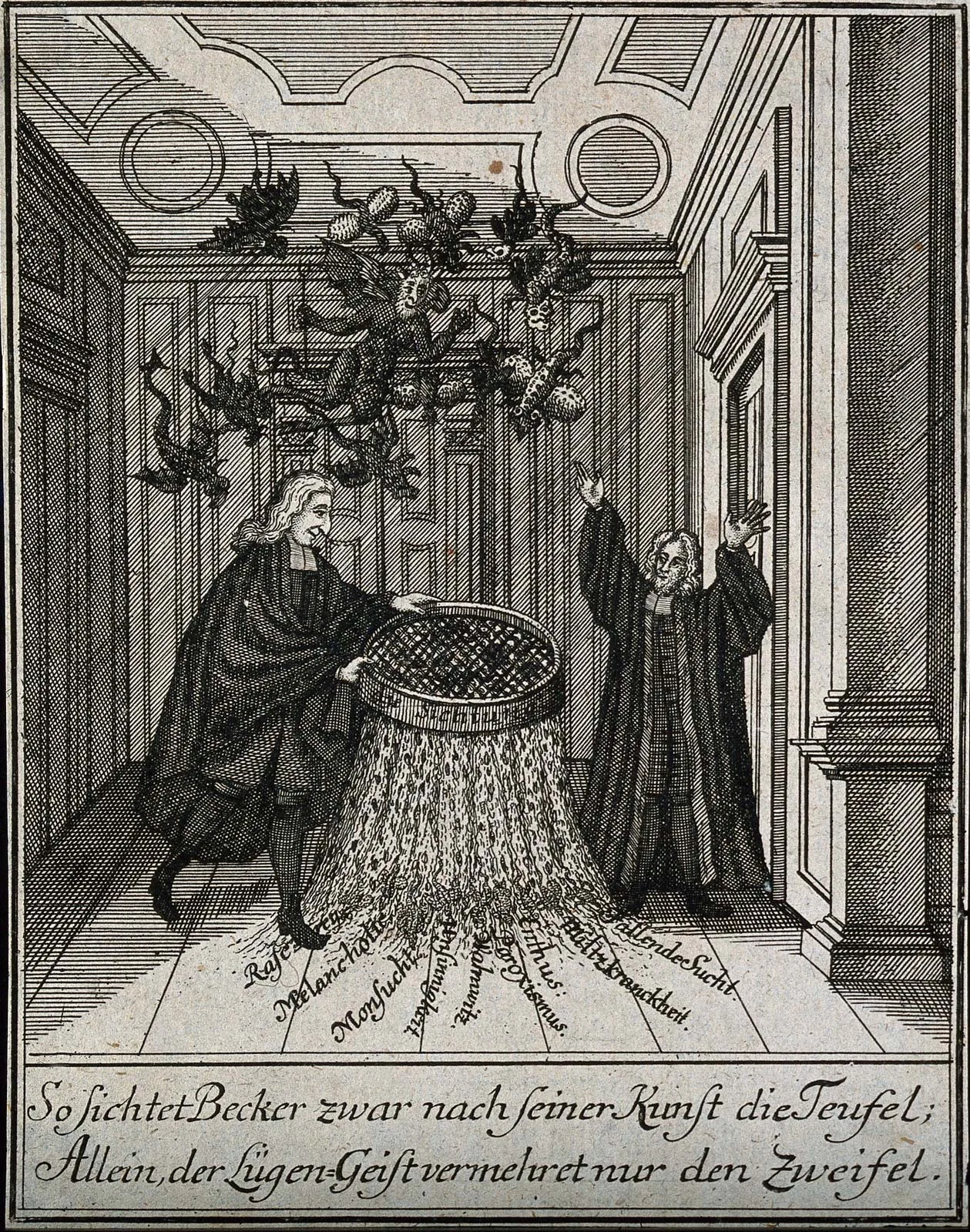
The right treatment was therefore obvious: diligent prayer, seeking solace in the word of God, and obtaining spiritual counsel. These attacks by the devil were described as hidden agonies of the soul, which were more severe than physical pain; however, some people also embraced them as a test from God. Many books of consolation were published to help people in this fight by comforting doubters and strengthening their faith. They were essentially preaching in book form.
A particularly popular one was by Otto Casmann written in 1612, whose title set out exactly what it promised: “Comfort, peace, and joy of the melancholic conscience; or an inward and very comforting address and exhortation in the person of Jesus Christ, to all melancholic, sorrowful, penitent Christian hearts”.
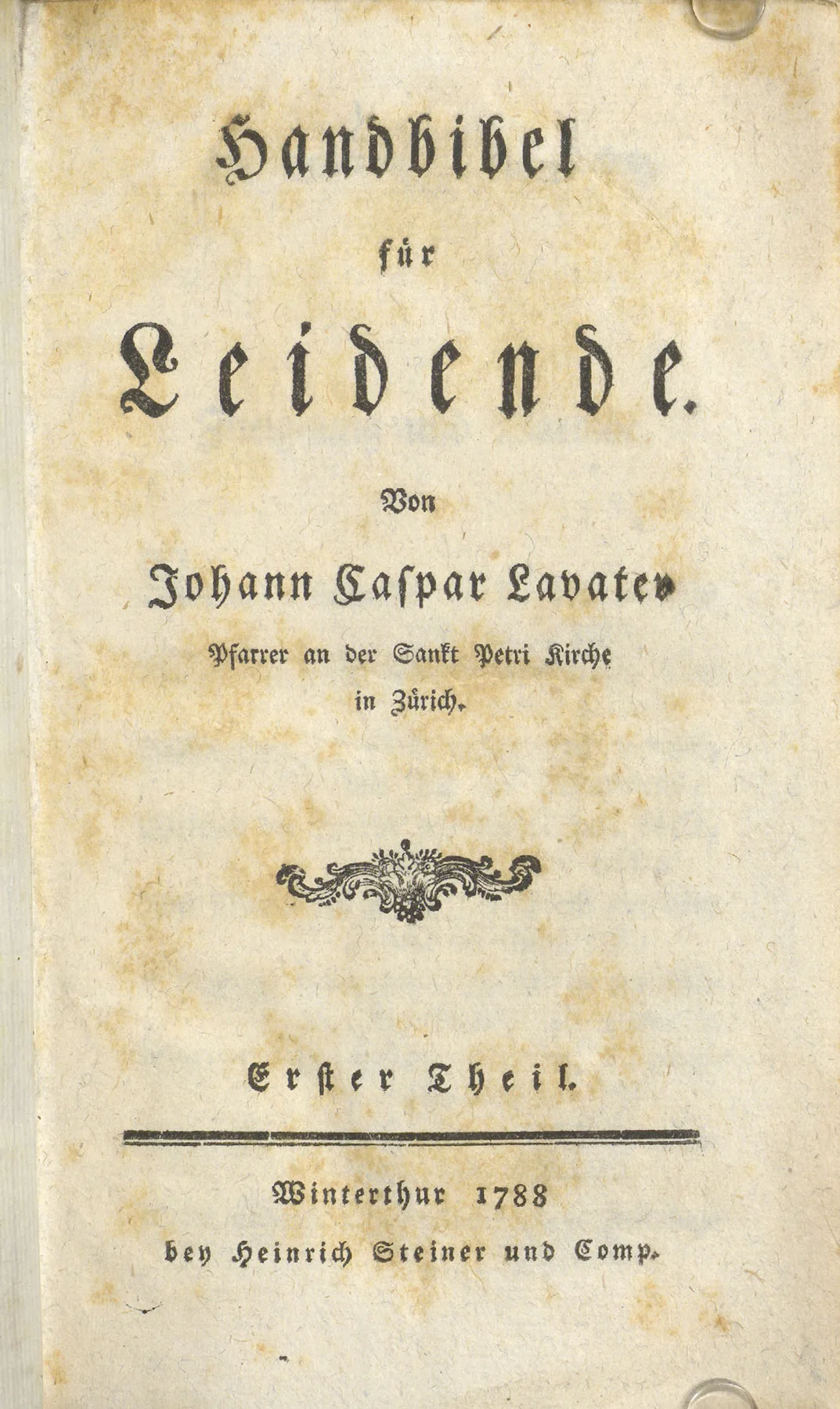
Medicine at that time was holistic in the truest sense of the word: mind, body and soul were seen as an inextricable whole and any illnesses or conditions had to be treated accordingly. In the chapter on illnesses that affect the mind focusing on melancholy, Bernese doctor Johann Friedrich von Herrenschwand described in 1788 how melancholy manifests itself. It involved a person being completely consumed by a fixed idea. The book recommended that the patient first undergo bloodletting, and then take laxatives, bathe, and follow a light diet.
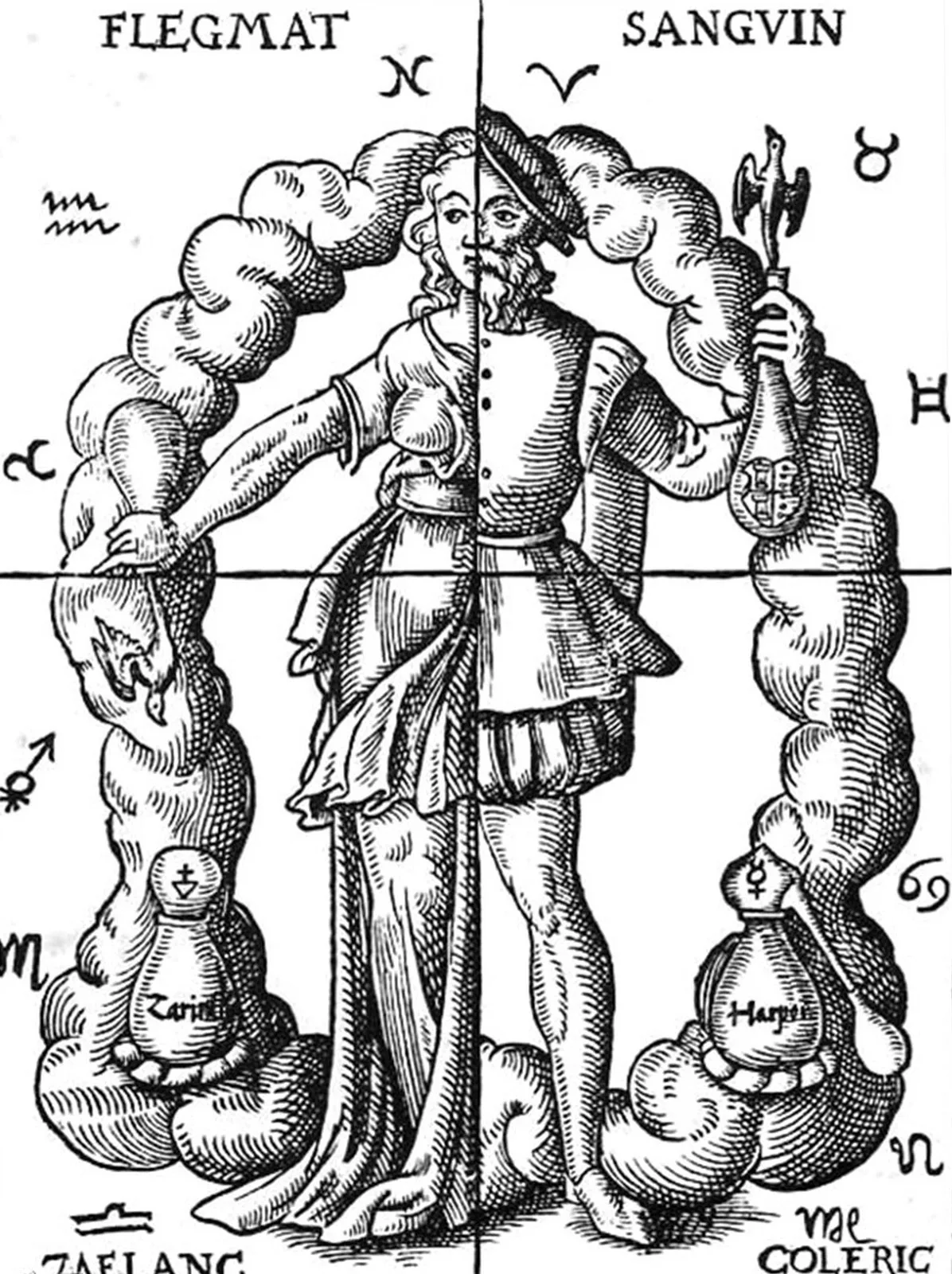
These practices were thought to help as they “brought about a purging”. According to the ancient practice of humorism, melancholy was associated with black bile. It was considered one of four basic temperaments and was caused by, among other things, thickened blood and constipation. The origin of the term ‘melancholy’ is derived from this as the Greek word for black is melas, and for bile is cholé.
Over the course of the 18th century, the medical interpretation of this affliction started to take hold, yet treatment by doctors remained uncommon. Those with serious mental illness were usually left to fend for themselves or to be cared for by their families. If someone was admitted to a monastery, hospital or even to prison, no efforts were made to actually cure them. The sick were shut away from society, usually by the authorities. Family members therefore tried to hide such afflictions as the conditions in hospitals were invariably precarious and dismal.
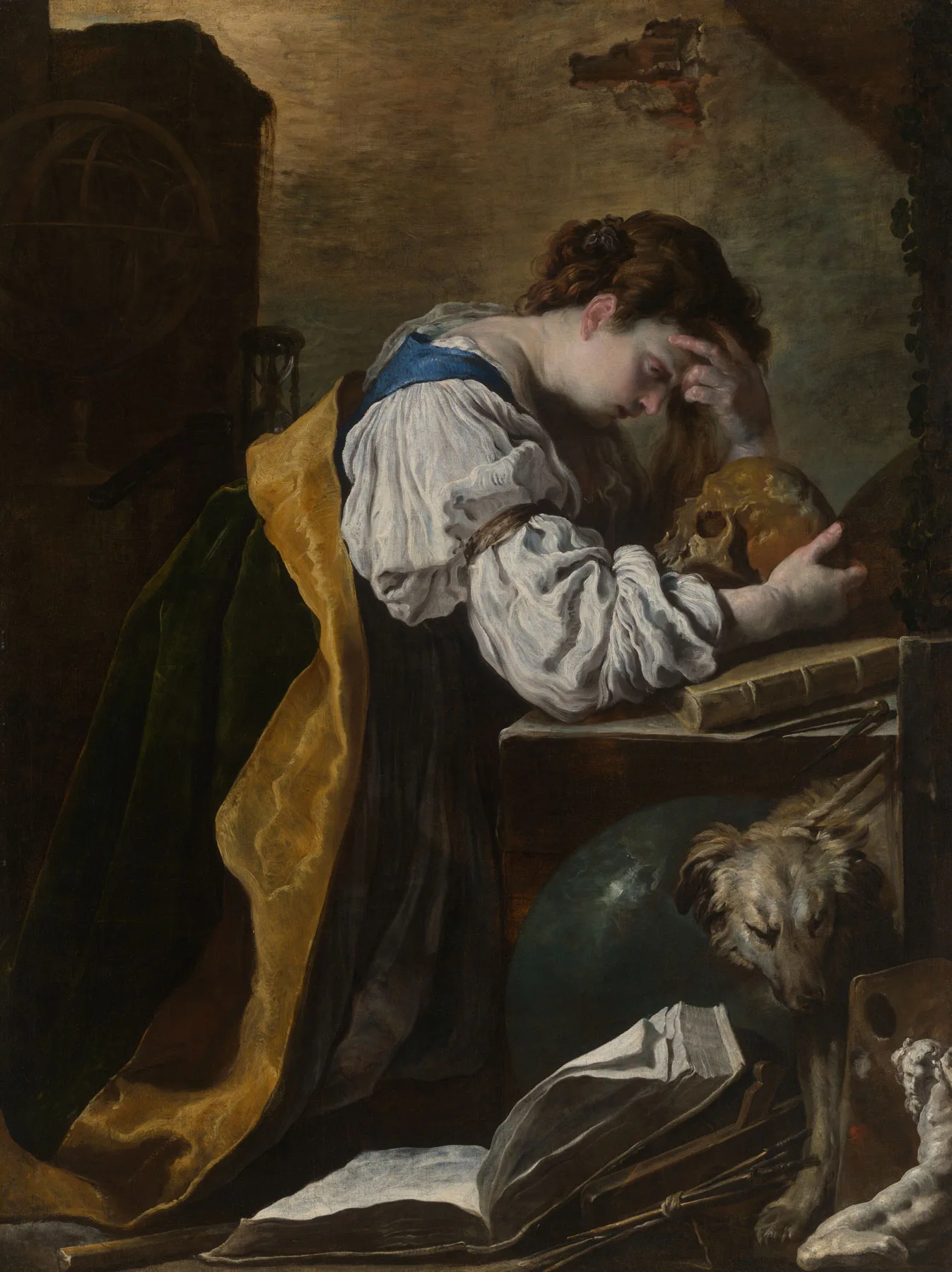
These battles are also evident in the letters written by Rosina Honnerlag-Zellweger: “The thought that plagues me the most is that the delusion will lead me to take my own life. (...) In short, the emotional state has taken hold, and no remedy can help; on the contrary, I’ve often noticed that the more I try to fight these thoughts, the more they follow me!”
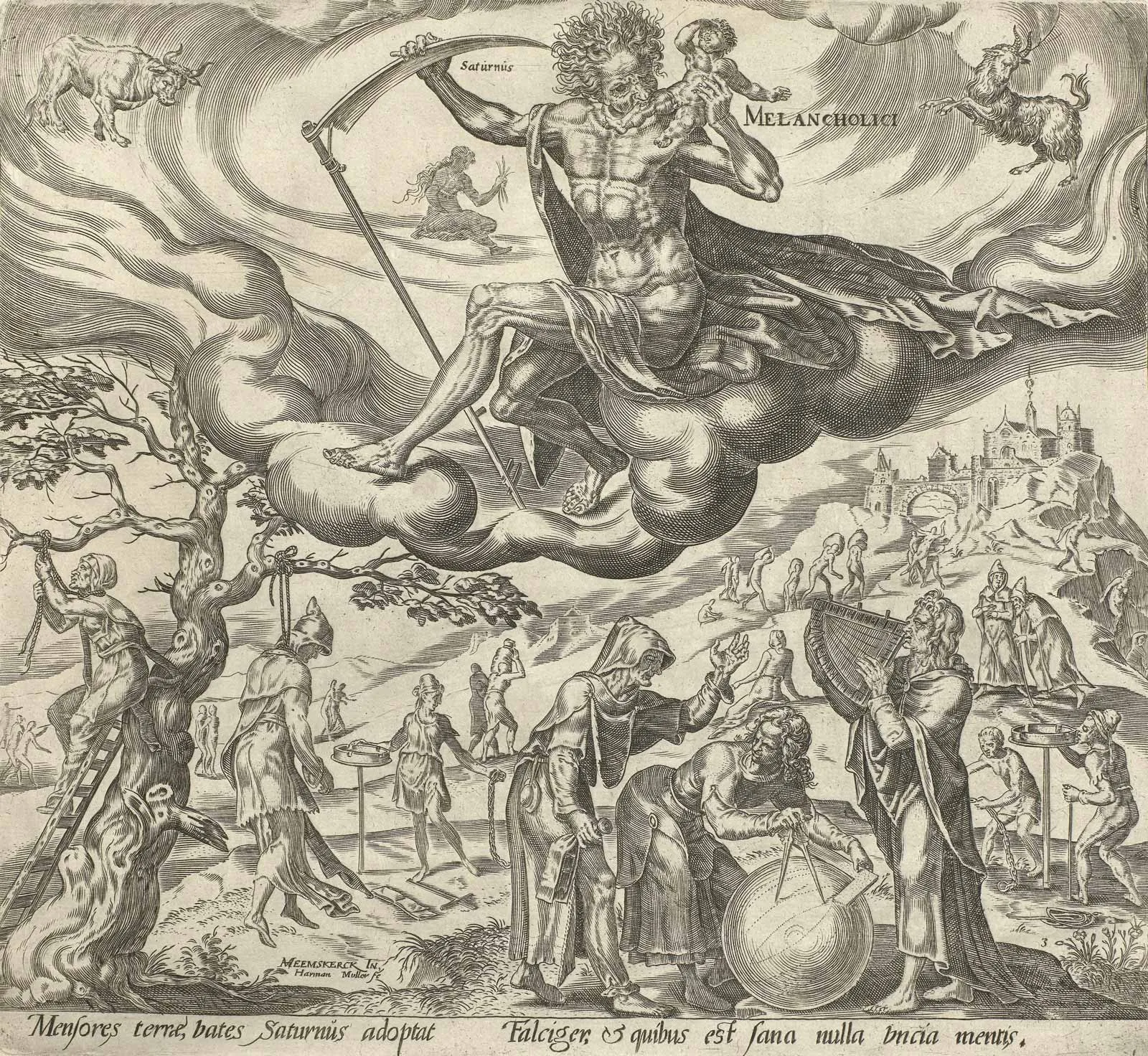
Exceptions were increasingly made, however, for example if someone had lived a particularly God-fearing life up to that point, or if they had been repentant in their hour of death. Yet the directives from on high were clear: even if someone who had taken their own life got a burial, it would not be officially announced, and it would take place at an unusual time – for example on a Sunday or in the dark – without any singing or bell-ringing, and without a sermon.
It was no longer the act itself that was punished, but the intention – and it was up to the authorities to decide whether the act had been committed sacrilegiously or in a state of mental anguish. It is therefore unsurprising that family members often did everything they could to protect their dead relatives from the shame of suicide by removing obvious signs of the act, or by insisting to the authorities how devout the person had always been and how out of character it was for them to do such a thing. The authorities often yielded and a sympathetic understanding increasingly prevailed.
Rosina Honnerlag-Zellweger’s letters show the extent to which melancholy could shatter people’s lives – and how, in the early modern period, this affliction sat between religious interpretation, medical explanation and social taboo.