The Swiss Brothers Who Taught America to Dine
For nearly a century, no American restaurant stood above Delmonico's in sheer elegance or culinary ambition. Founded in Manhattan in 1827 by Giovanni and Pietro Delmonico, brothers from the Swiss canton of Ticino, Delmonico’s built a legacy of innovation that remains without equal in the history of American fine dining.

James Blake Wiener
James Blake Wiener is a world historian, Co-Founder of World History Encyclopedia, writer, and PR specialist, who has taught as a professor in Europe and North America.
Website: worldhistory.org
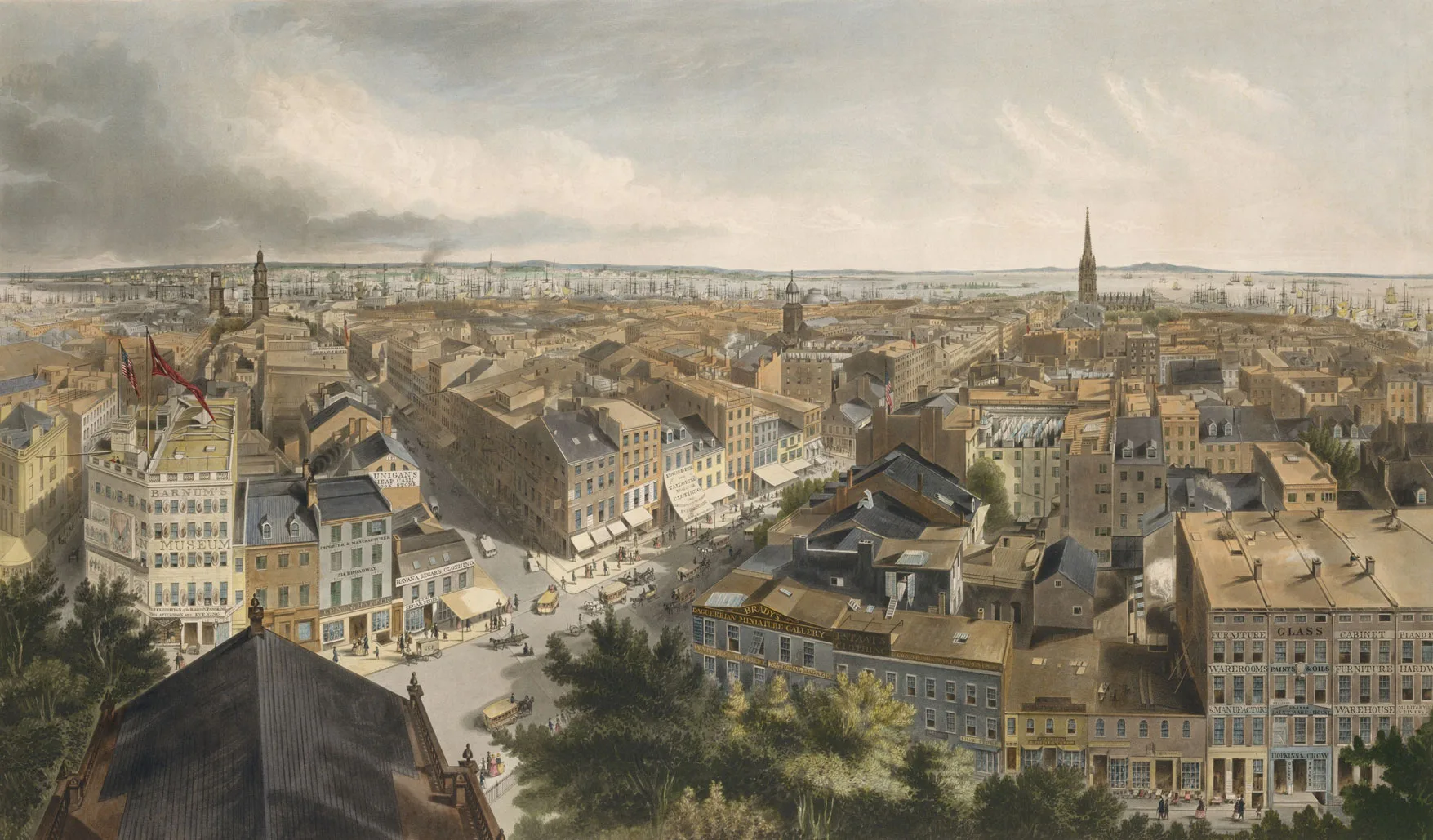
For years, Giovanni sailed between Spain, Cuba, and the United States as captain of the Fidelity, a three-masted schooner that carried barrels of rum and other spirits. Inspired by the entrepreneurial ventures of retired sea captains in New York City, he subsequently opened a liquor shop specializing in Spanish and French wines in 1824. Giovanni's commercial success on land owed much to the businessmen — European and American alike — who patronized his store, which was located in the Battery and close to Manhattan's business district. Flush with new capital, Giovanni returned to Switzerland two years later to consult his elder brother, Pietro Antonio, a confectioner working in Bern, about a new venture.
After lengthy discussions, the brothers pooled their savings — about 20,000 USD (equivalent to roughly 666,000 USD today) — to open Manhattan's first French-style café and pastry shop in 1827 at 23 William Street, under the name "Delmonico". The brothers utilized the finest and freshest ingredients available, served customers individually at simple pine tables in an immaculately clean dining room, and relied on Pietro's wife to serve as cashier. Their attention to quality, cleanliness, and personal service distinguished their establishment from its competitors. The café, moreover, offered businessmen a respite from the hustle and bustle of Lower Manhattan, as well as a fine assortment of pastries, candies, coffees, teas, wines, spirits, and cigars. For European travelers, weary of the roughness of American manners and the monotony of American cuisine, it offered a taste of home.
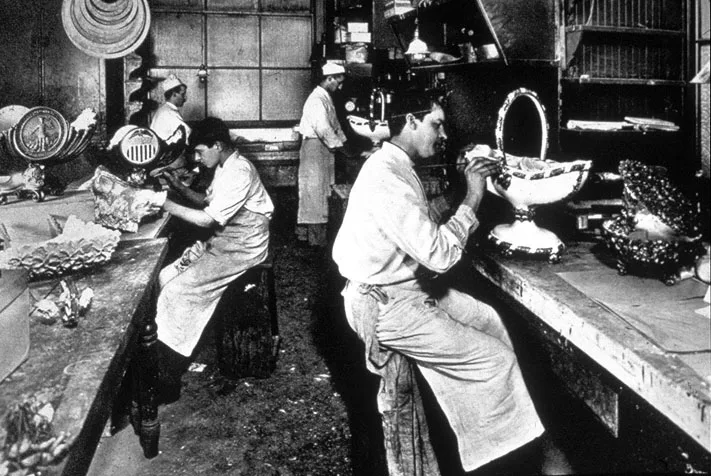
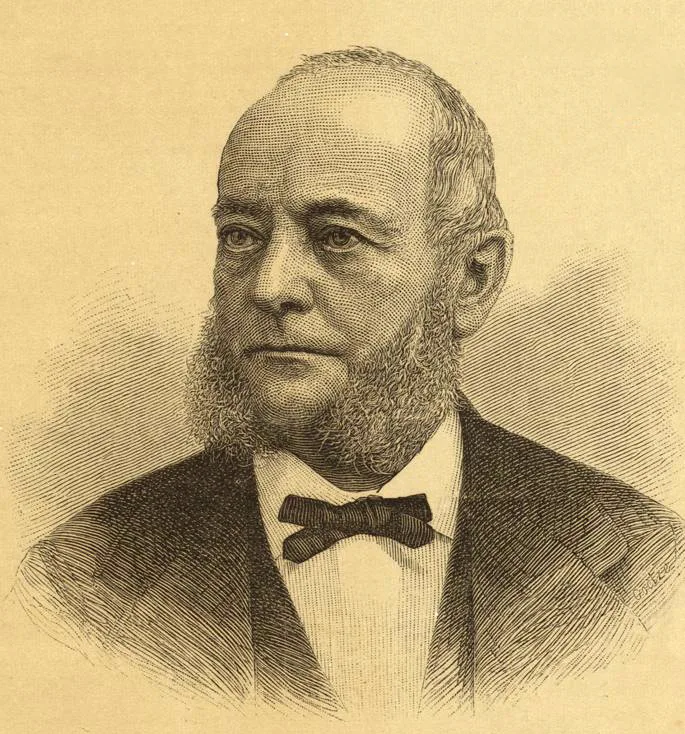
Due to the rapid expansion of their enterprises, Giovanni and Pietro invited their nephew, Lorenzo, to leave Switzerland and work for them in 1831. Aged only nineteen, Lorenzo traveled to New York City, where he worked alongside his uncles before assuming management of the Delmonico enterprises in 1848.
In Washington, where I live, there are many mansions, but no cooks like yours.
This restaurant, which the New York papers christened “the Citadel,” was over three stories tall and graced by pillars said to have been excavated from Pompeii. It offered New Yorkers a dining experience without parallel: the Citadel’s wine cellar held over 16,000 bottles, and its hand-painted menu was dozens of pages long and printed on priceless silks prepared by Tiffany & Co.
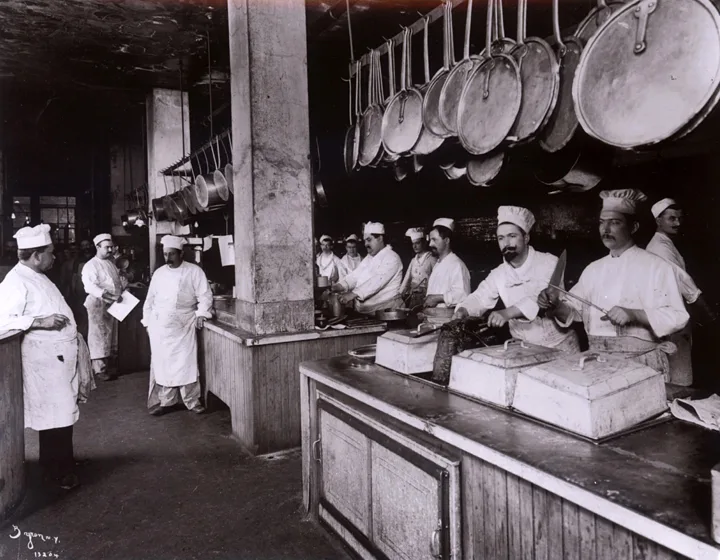
After arriving at the Citadel, guests sat down and selected the style service they preferred – French, Russian, or American. Thereafter, they received beverages, fresh oysters, a soup, hors d’oeuvres, fish, and relevés all before the arrival of the entrées. The third floor of the Citadel was designated for private dining and decorated with expensive draperies of imported silk and satin. The Citadel’s massive kitchens enabled Lorenzo and his staff to not only host private events but also cater to parties, social galas, and balls miles away – even as far as Newport, Rhode Island. Luminaries of the era—including Charles Dickens, Mark Twain, Nikola Tesla, Napoleon III of France, Oscar Wilde, Jenny Lind, and Grand Duke Alexei Alexandrovich of Russia—raved about the Citadel. However, it was the patronage of wealthy New Yorkers, like Cornelius Vanderbilt, John Jacob Astor III, and J.P. Morgan, that solidified the continued success of the Delmonico brand.
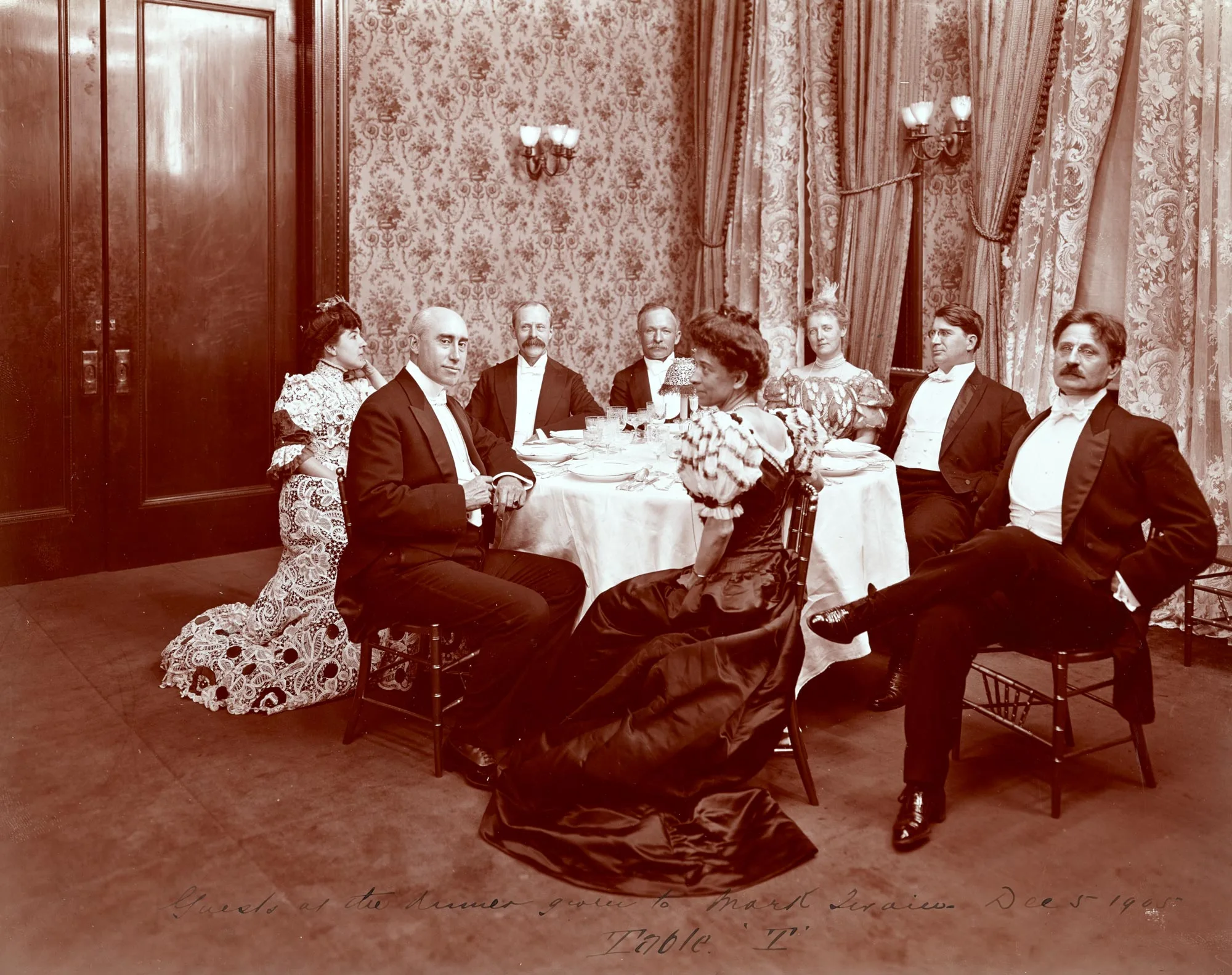
Don’t, don’t give a dinner at Delmonico’s. I did it yesterday and it is a sin to spend so much money on your belly.
Try one of Delmonico's recipes
Cheese Straws were often served as a garnish for cold dishes at Delmonico’s. Traditionally, they were made from a cheese dough and baked into thin, even sticks. This simpler version uses puff pastry and makes about 36 pieces.
About 500 g puff pastry
2 egg yolks, beaten
100 g finely grated Parmesan cheese
Paprika
Roll out the puff pastry on a lightly floured surface to a neat, thin rectangle. Chill for one hour.
Trim the pastry into two equal rectangles. Brush both pieces lightly with beaten egg. Sprinkle one piece generously with Parmesan. Cover with cling film and gently roll over it with a rolling pin so the cheese adheres to the pastry. Remove the cling film and dust lightly with paprika. Place the second piece on top, egg-washed side down, and roll lightly again so the layers stick together. Chill for one hour.
Preheat the oven to 200°C. Line two baking sheets with baking paper or silicone liners.
Cut the pastry into strips about 10 cm long and 1.5 cm wide. Twist each strip into a spiral. Place the strips about 2.5 cm apart on the prepared baking sheets. Bake for about 12 minutes, or until puffed and golden.
About 500 g puff pastry
2 egg yolks, beaten
100 g finely grated Parmesan cheese
Paprika
Roll out the puff pastry on a lightly floured surface to a neat, thin rectangle. Chill for one hour.
Trim the pastry into two equal rectangles. Brush both pieces lightly with beaten egg. Sprinkle one piece generously with Parmesan. Cover with cling film and gently roll over it with a rolling pin so the cheese adheres to the pastry. Remove the cling film and dust lightly with paprika. Place the second piece on top, egg-washed side down, and roll lightly again so the layers stick together. Chill for one hour.
Preheat the oven to 200°C. Line two baking sheets with baking paper or silicone liners.
Cut the pastry into strips about 10 cm long and 1.5 cm wide. Twist each strip into a spiral. Place the strips about 2.5 cm apart on the prepared baking sheets. Bake for about 12 minutes, or until puffed and golden.
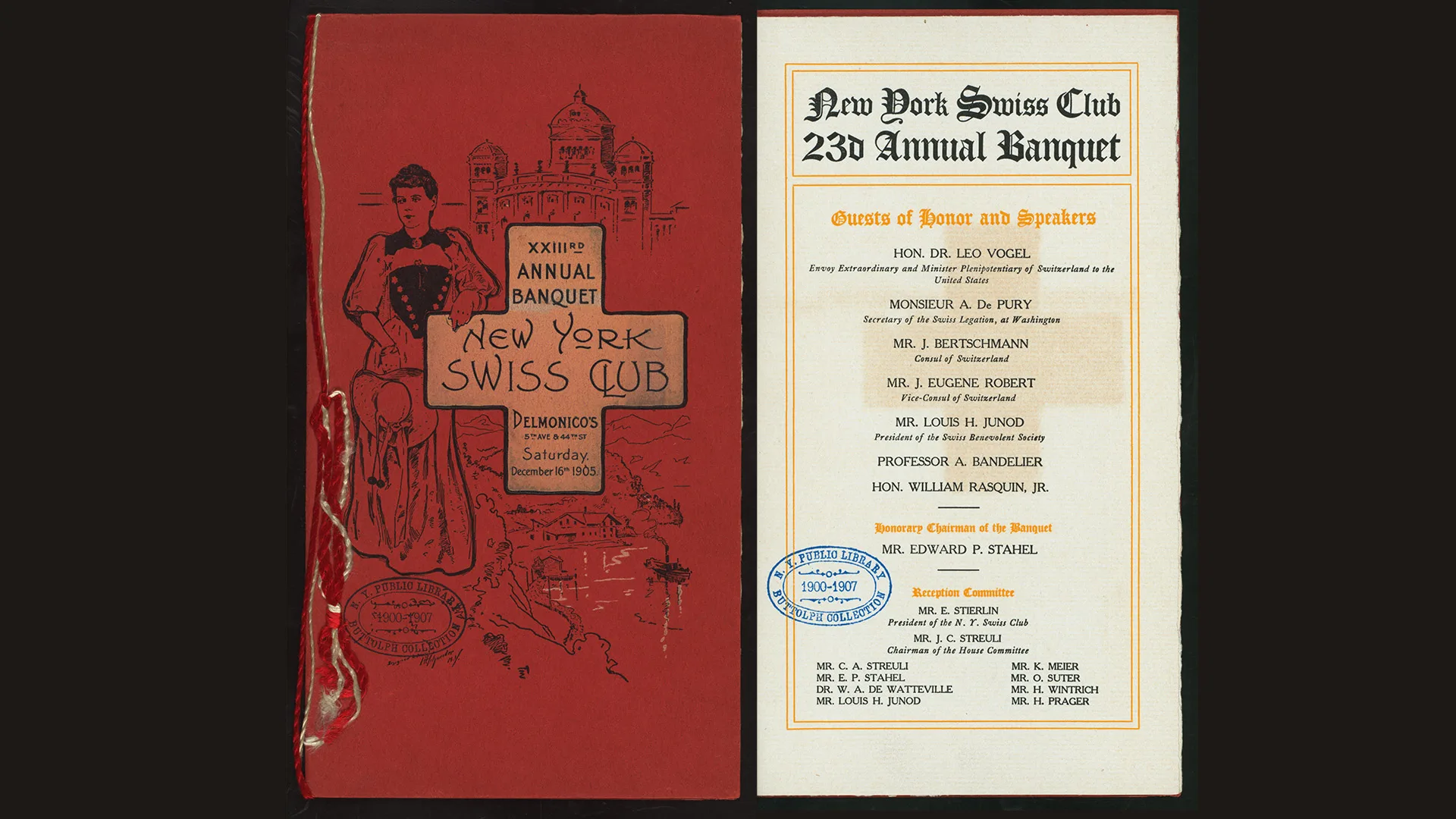
Image 01 of
03
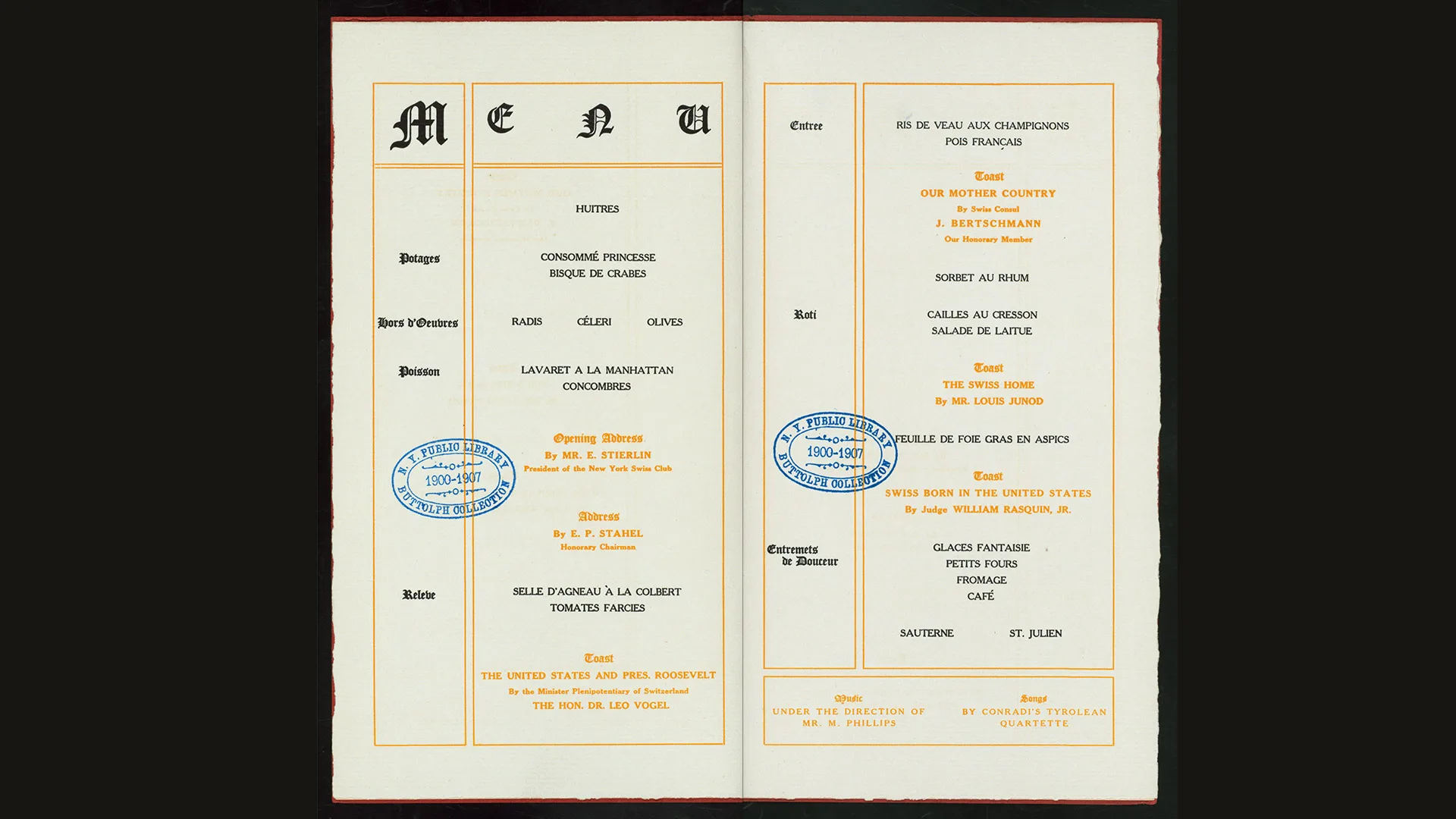
Image 01 of
03
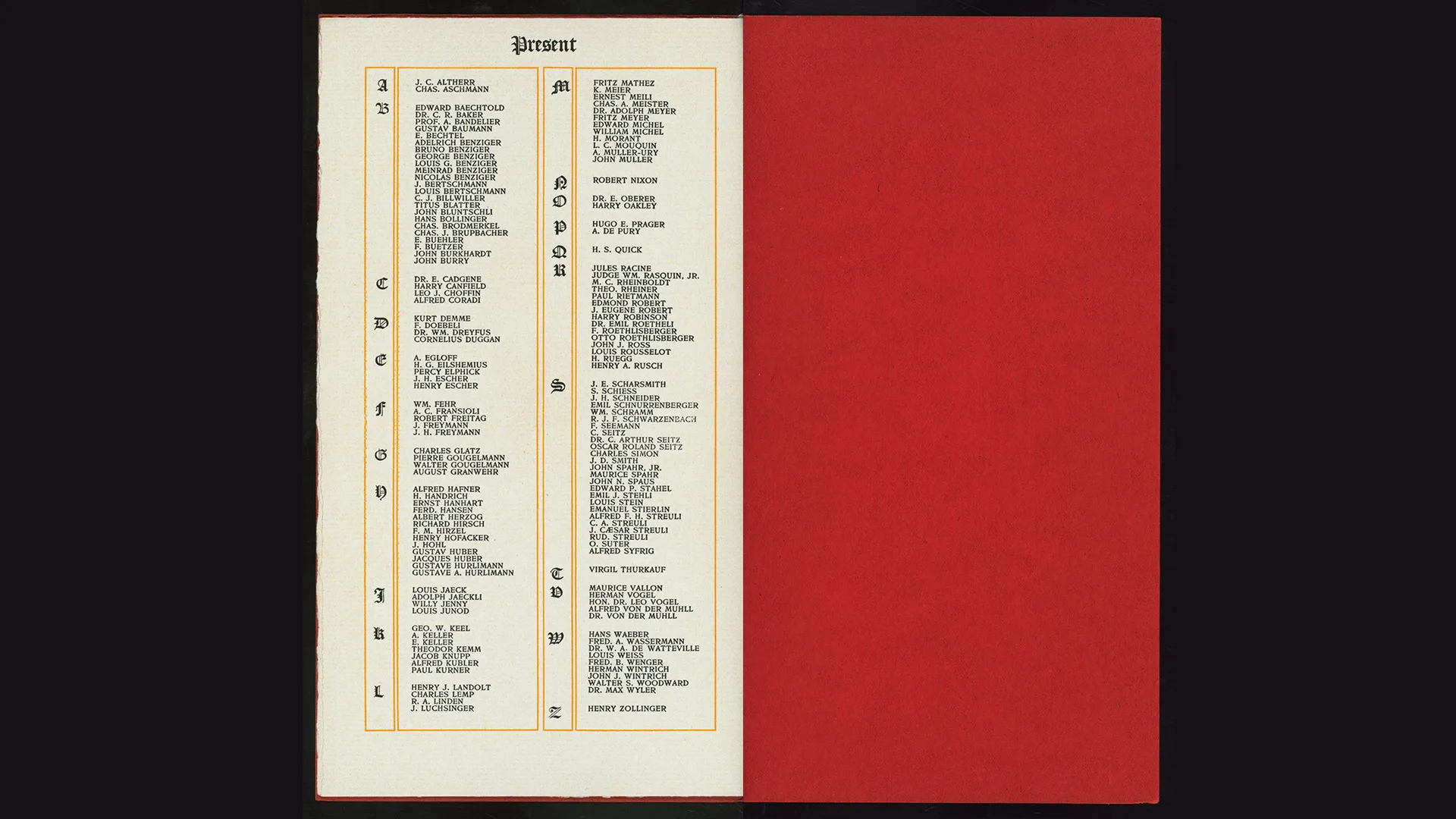
Image 01 of
03
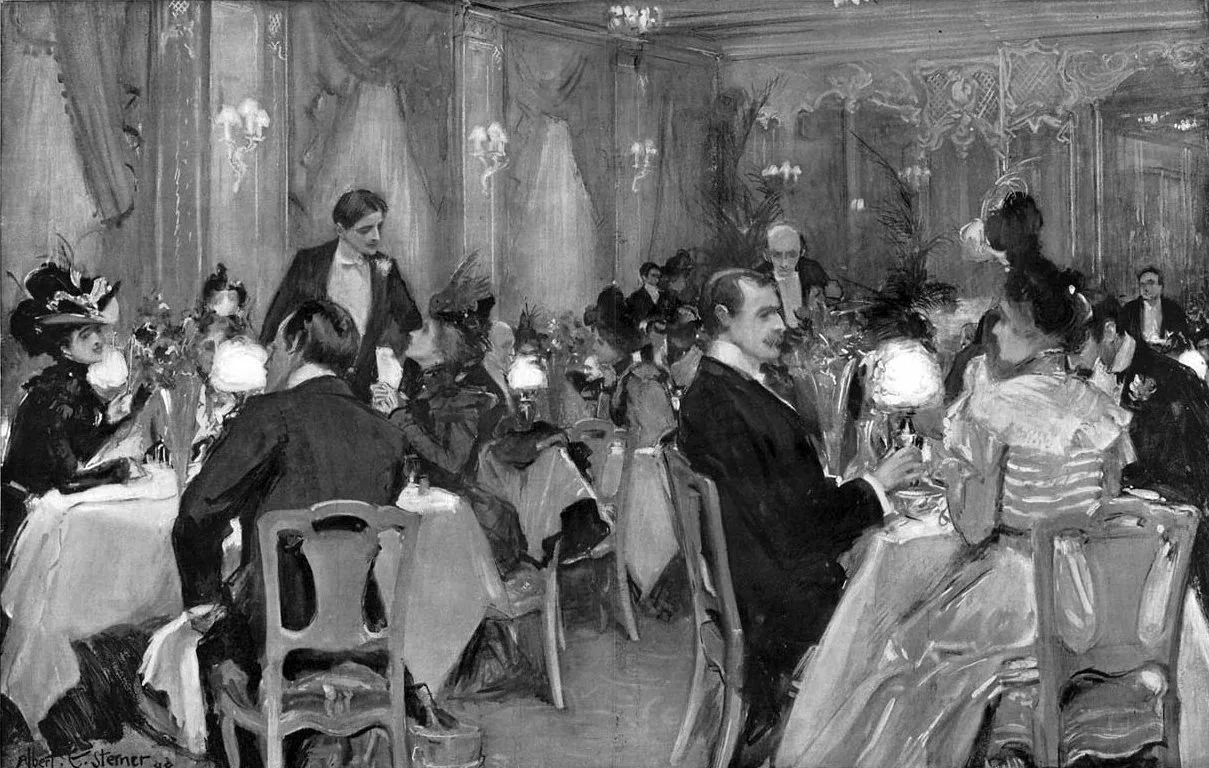
Among the most formidable challengers was Sherry's, which opened in 1890 and operated directly across from Delmonico’s in Midtown Manhattan. With its opulent décor, fashionable crowd, and emphasis on spectacle as much as gastronomy, Sherry’s embodied the evolving sensibilities of the era’s elites. Dining was no longer about culinary distinction; it was about fun, social theater, and modernity.
For the Delmonico family, whose business reputation had been built in the antebellum period and carefully consolidated through decades of strategic business decisions, the competition signaled something more than a rivalry over reservations. It spoke, rather, to a deeper change reshaping New York and the United States at large: social influence and financial fortunes were passing from the old mercantile families to a new breed of wealthy businessmen and heiresses who prized spectacle and self-presentation above all else.
The rhythm of a new century
The Citadel closed soon after the United States entered the First World War in 1917. The passage of the Eighteenth Amendment (1919) and the implementation of Prohibition in 1920 further destabilized what remained of the Delmonico enterprises at the dawn of the Jazz Age.
On May 21, 1923, the last Delmonico’s restaurant at Fifth Avenue and 44th Street closed its doors, amid changing tastes, financial strain, and the cumulative effects of wartime disruption and Prohibition-era restrictions. The remaining Delmonico heirs and creditors divided the estate, bringing a subdued end to the long and storied history of America’s most renown dining establishment.
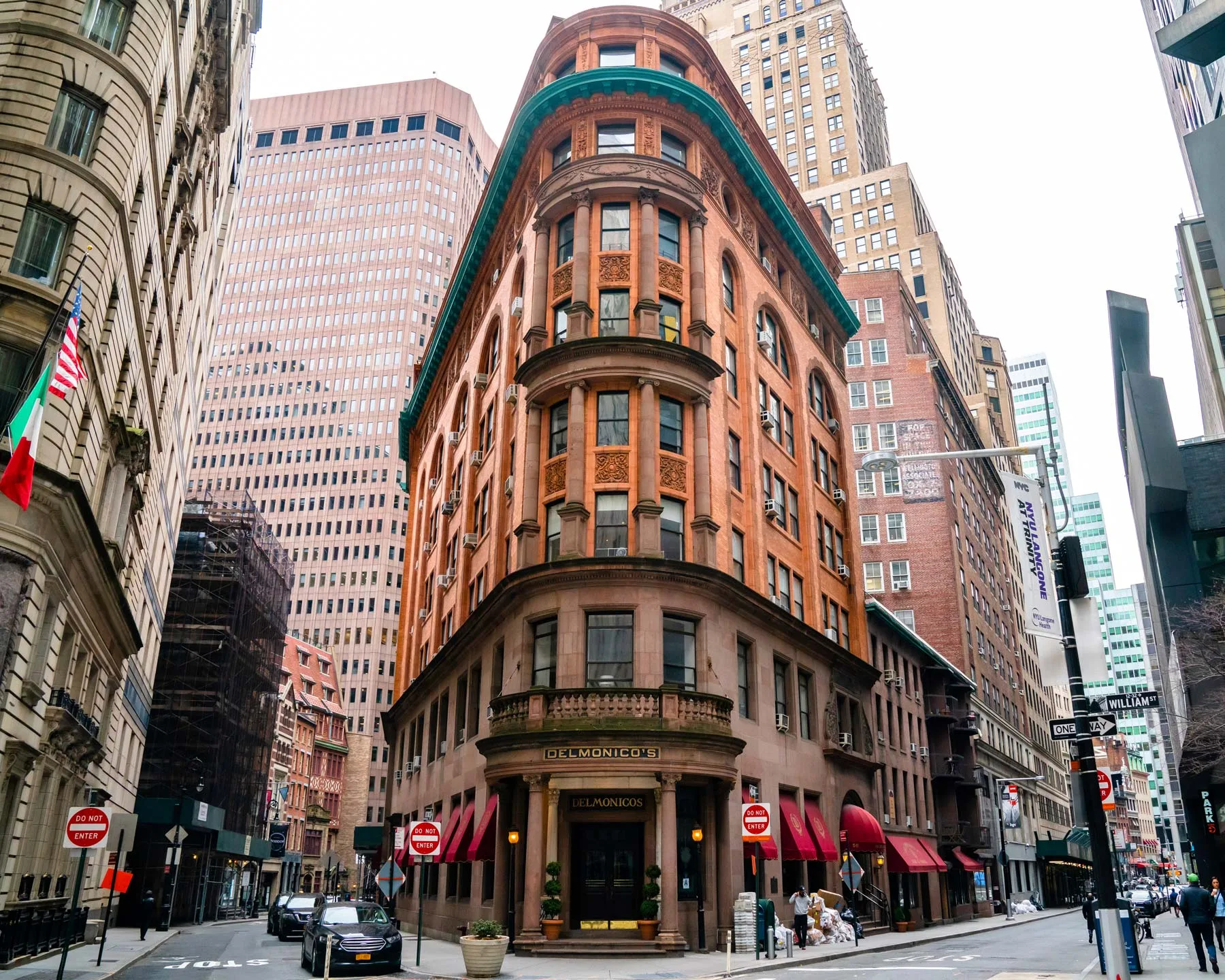
Through successive generations, the Delmonico family transformed the notion of a “restaurant” from a place of dining into an institution of American social life, introducing European culinary traditions to a republic eager for sophistication. Their legacy extends far beyond faded recipes or beautifully printed menus: Delmonico’s established enduring standards of hospitality, service, and refinement that continue to resonate in the United States and around the world.
Delmonico’s was the first dining establishment in the U.S. to ...
... offer printed menus to customers.
... use tablecloths.
... be called a “restaurant.”
... seat guests at their own tables.
... offer separate wine lists.
... employ female cashiers.
... have a “star” chef.
... offer private dining rooms on reserve.
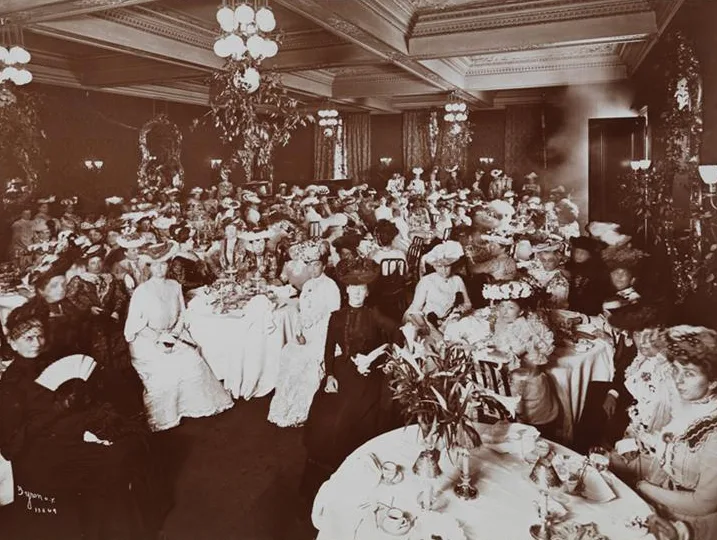
... permit women to dine in groups.
... use tablecloths.
... be called a “restaurant.”
... seat guests at their own tables.
... offer separate wine lists.
... employ female cashiers.
... have a “star” chef.
... offer private dining rooms on reserve.
... permit women to dine in groups.