Swapping wheels for runners
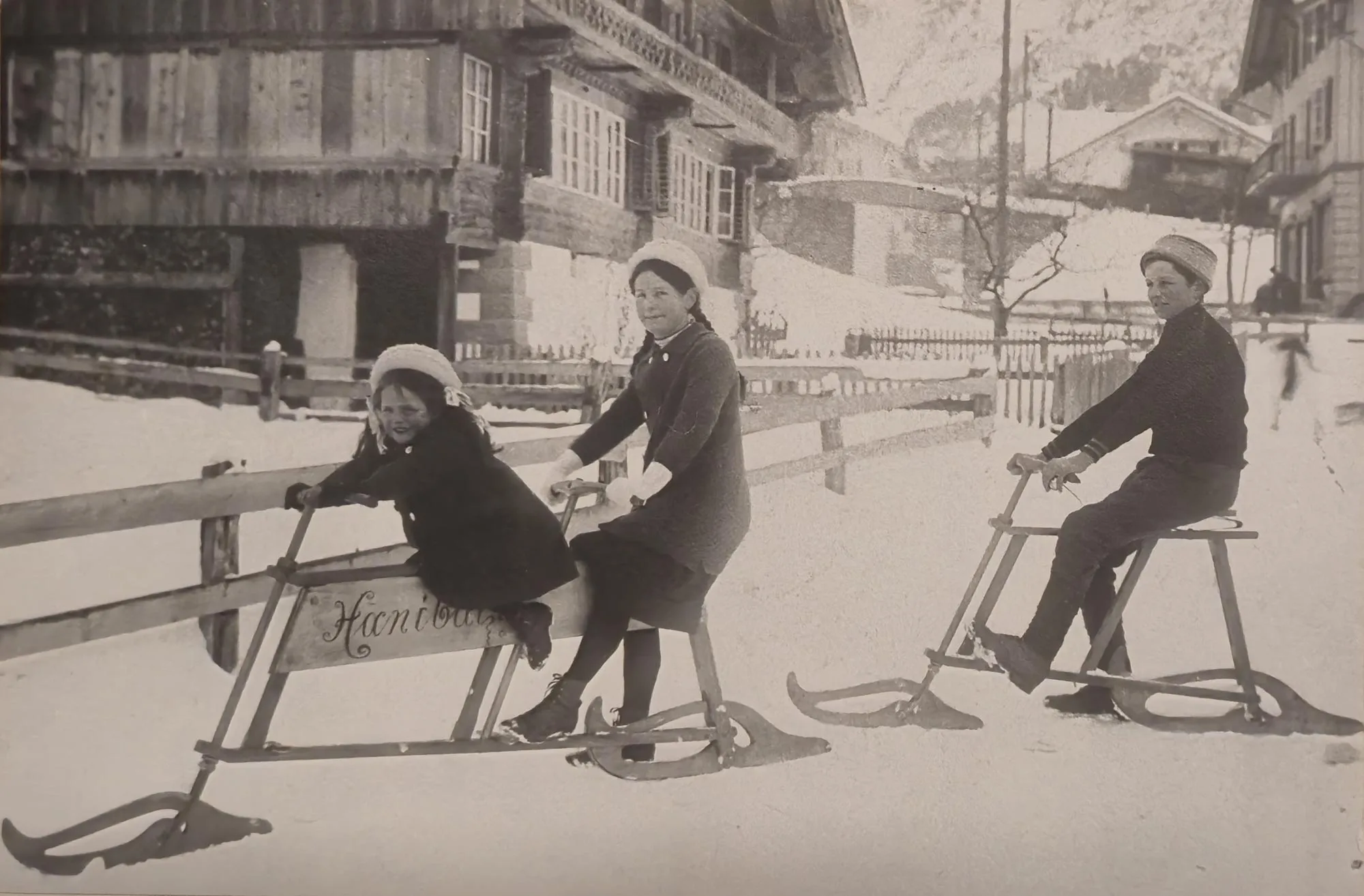
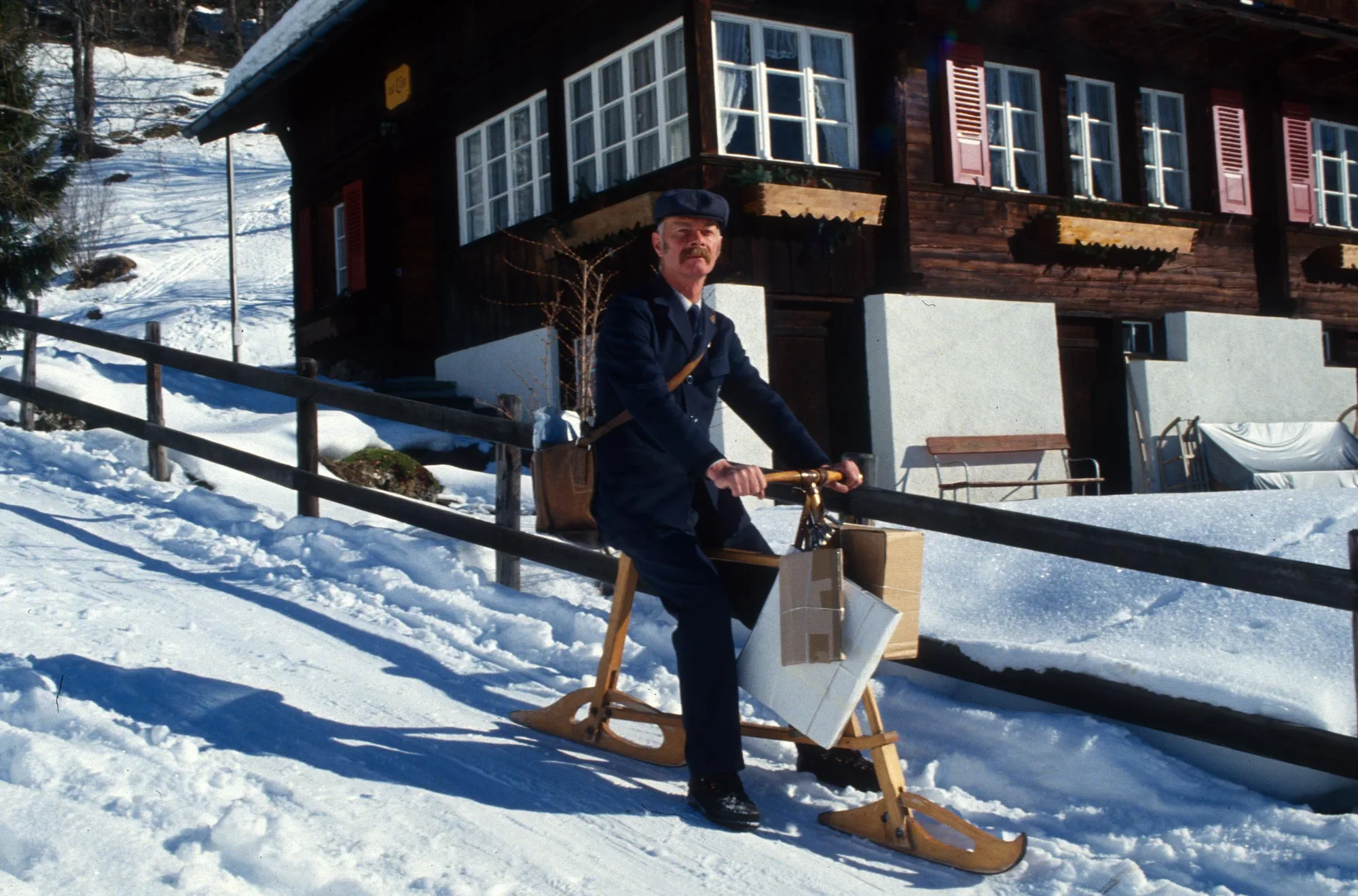
Christian Bühlmann invented the Velogemel, a cross between a bike and a sledge, in 1911. Intended as a practical means of making his way home through the snow in winter, this solution born of necessity has since become a true icon of Grindelwald.

Reto Bleuer
Reto Bleuer is a volunteer at the Archaeological Service of the Canton of Bern.
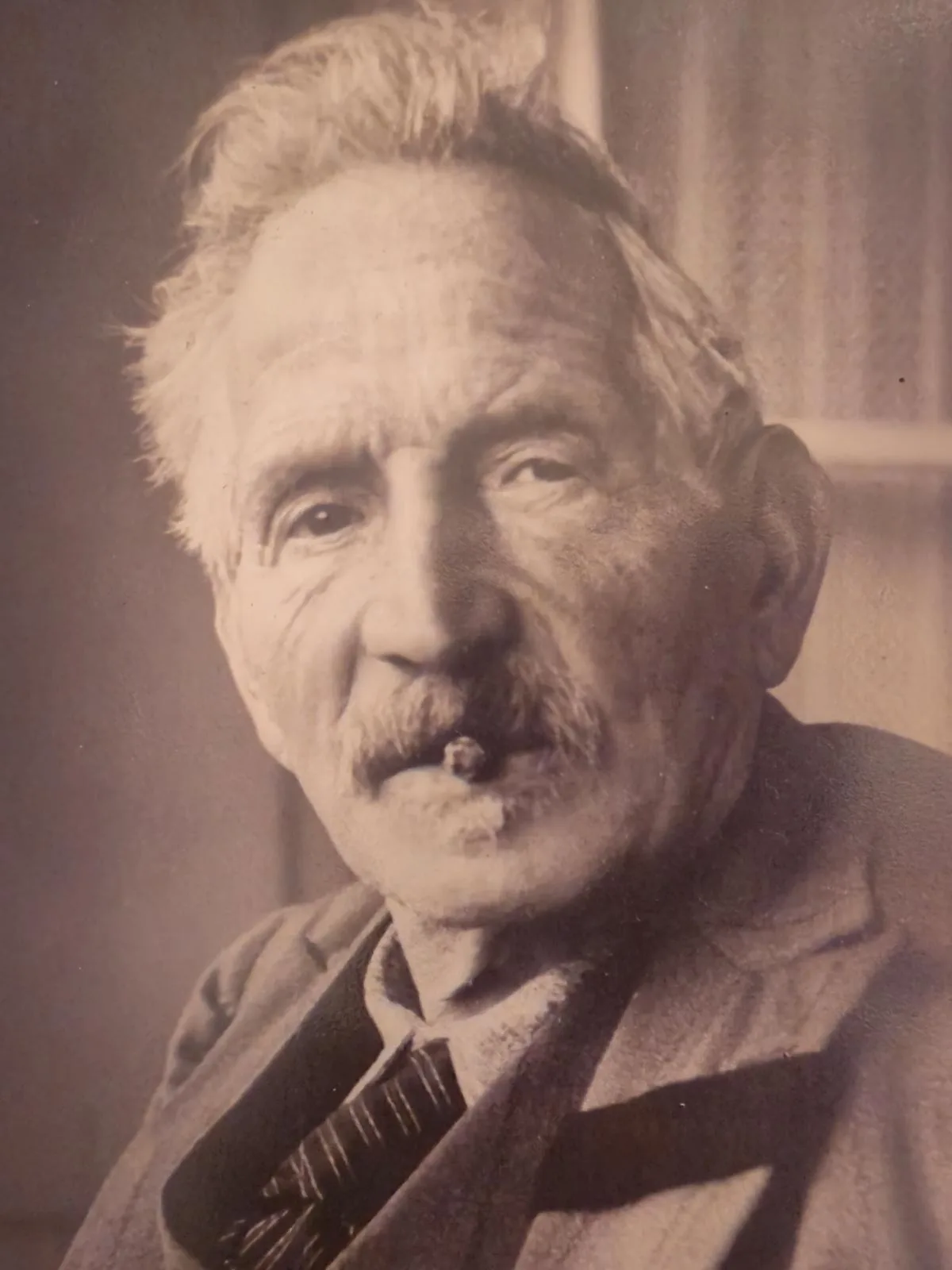
His childhood was not without its trials and tribulations: Christian became infected with polio, which left him unable to walk properly for the rest of his life. But that did nothing to dent his fascination with woodworking. In 1886, he began attending the ‘Schnätzi’, as the woodcarving school in Brienz is fondly known. There, he received training in how to carve and fashion wood and learned to produce both freehand and technical drawings.
In 1897, Bühlmann married Susanna Balmer from Wilderswil, where the young couple briefly ran a buffet bar and general store. At the end of 1898 they bought a run-down sawmill, together with living quarters, in the Schwendi area just outside the village of Grindelwald. The mill began producing timber for use in housebuilding as well as offering joinery services. The finely carved items that Christian fashioned as a sideline found willing buyers far beyond the valley itself.
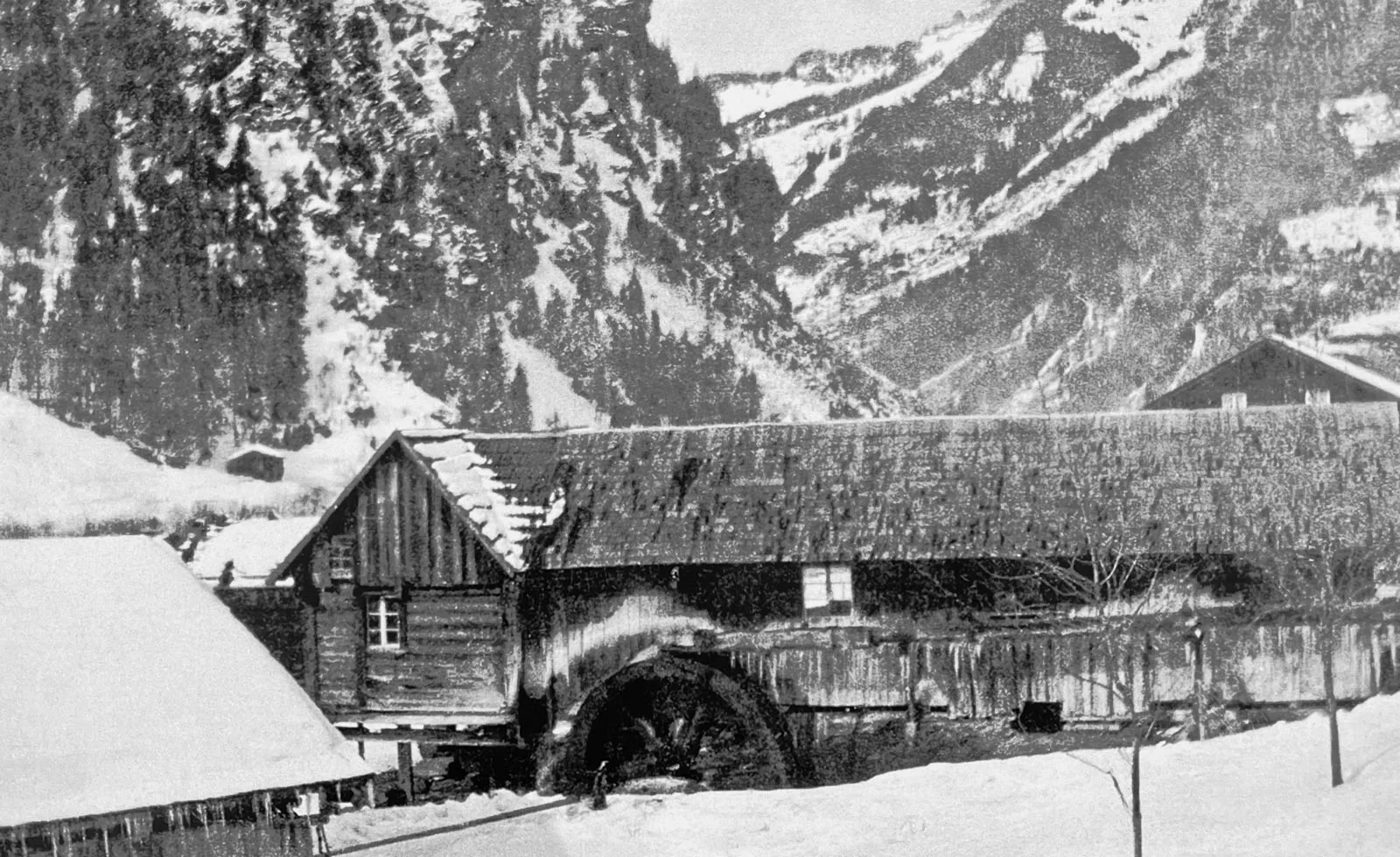
However, although Schwendi was one of the stops on the Bernese Oberland Railway line, attending weekly music rehearsals in Grindelwald posed something of a problem for Bühlmann. He was able to get there by rail but not back again, as the last train of the evening had already departed by the time the practice sessions were over. So, he took his bicycle with him for the journey home. Easy enough in the summer months but not very practical in winter when deep snow lay all around, as was often the case in those days.
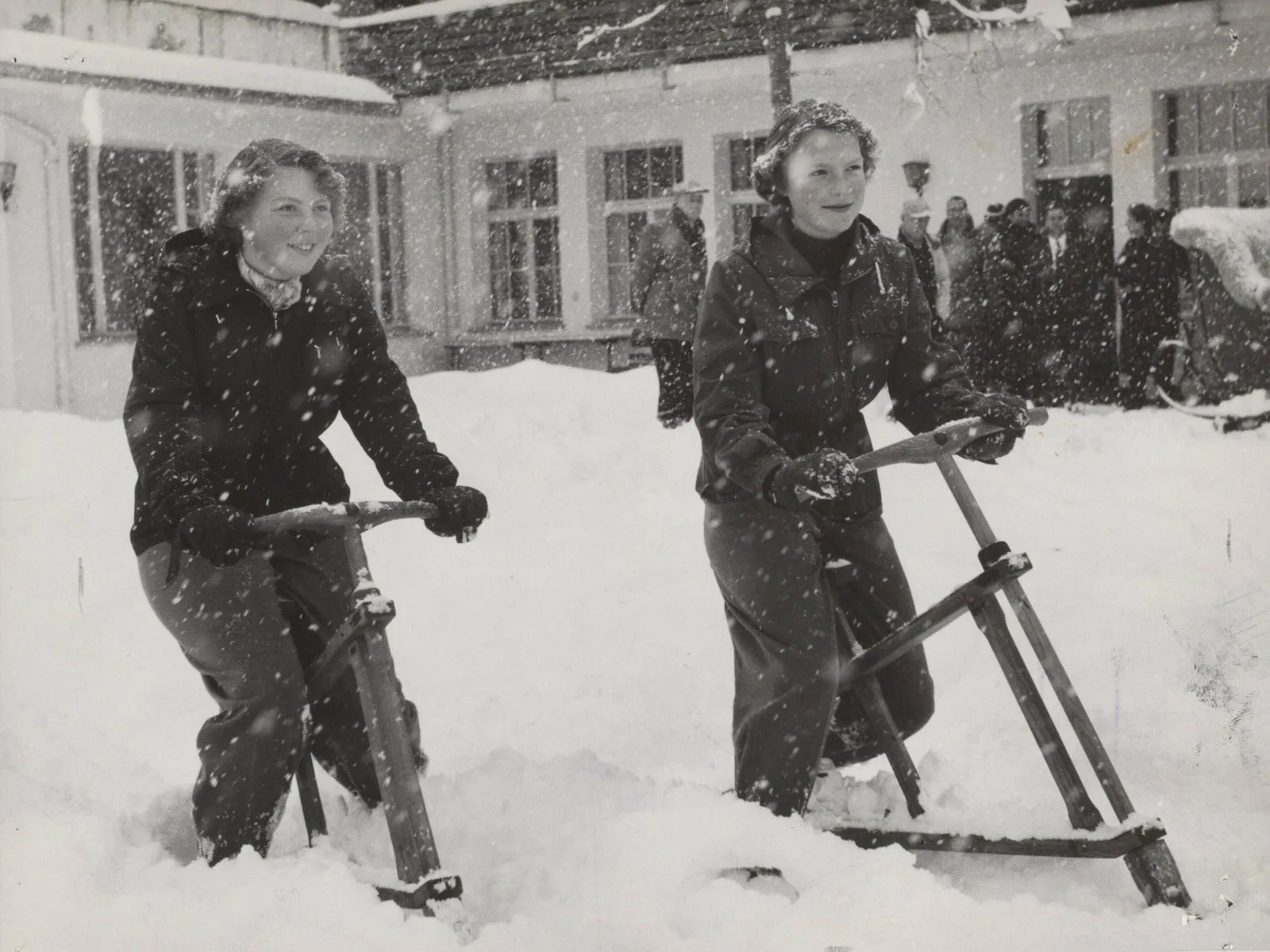
These were the circumstances that prompted Bühlmann to start playing around with designs for a cross between a bicycle and a sledge in his sawmill. The result was the “steerable sports sledge with in-line runners”, a vehicle as simple as it was ingenious, consisting of twelve pieces of ash and maple wood, five wooden dowels, six carriage bolts and one wood screw, together with suitable runners.
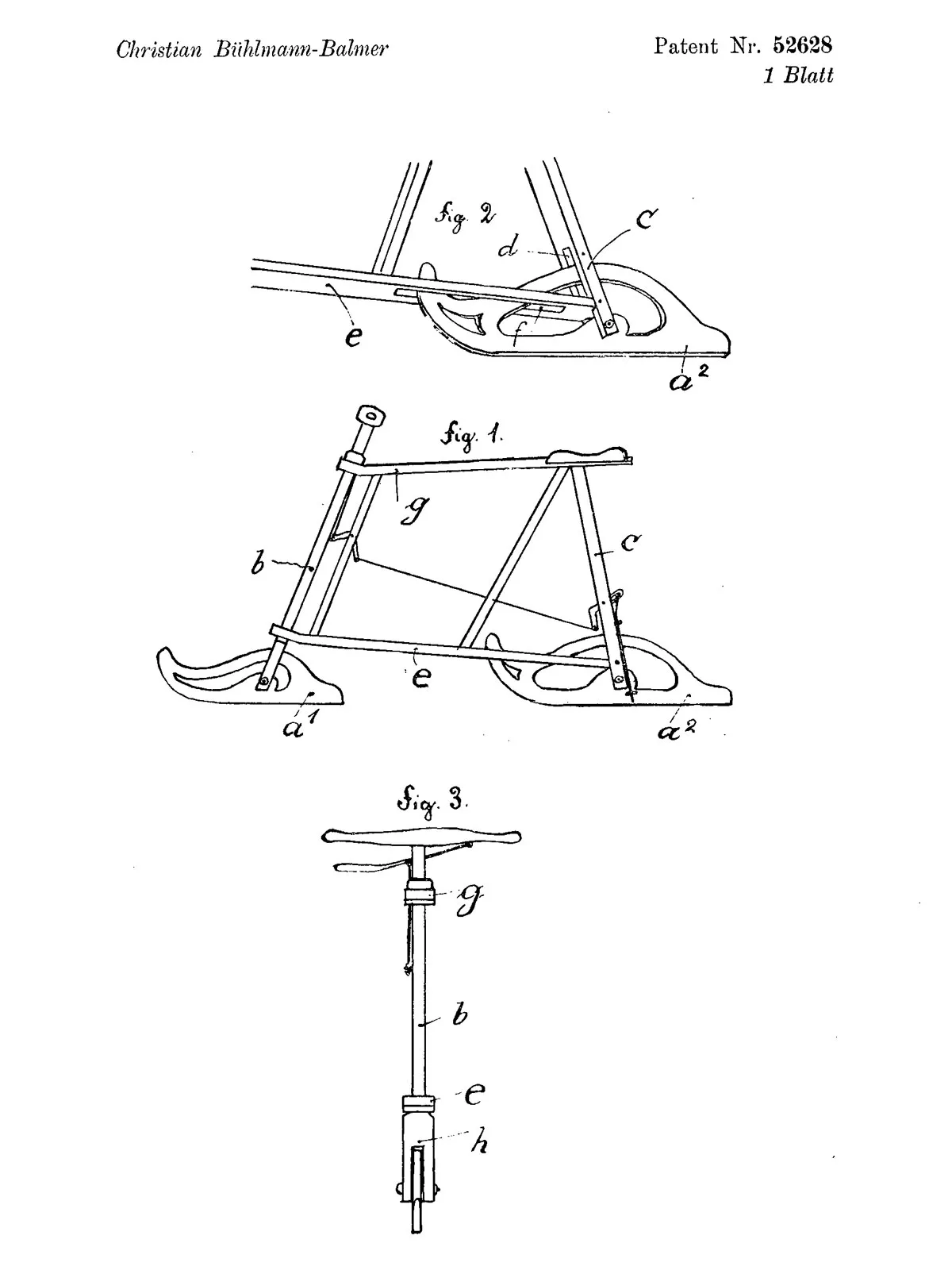
The advantages of this new invention did not go unnoticed for long. Bühlmann subsequently went into production after receiving his first enquiries. In the Grindelwald dialect, ‘Velo’ is the word for bicycle while a sledge is referred to as a ‘Gemel’, and so his combination of the two soon came to be known locally as a ‘Velogemel’. It proved particularly practical for anyone who regularly had to travel longish distances in the snow-clad valley. In addition to the original Velogemel, Christian Bühlmann went on to create further models, including two-seaters and designs aimed especially at children and ladies.
Almost every citizen of Grindelwald owns a Velogemmel [sic], not only the children. The minister uses one to visit the poor, the doctor to visit the sick, the postman to bring the mail, and the baker and butcher to provide a delivery service to their satisfied customers.