The thunder of cannon at Fribourg’s gates
Today allotment gardens bloom and flourish there, but in November 1847 the thunder of cannonfire filled the air. The story of an almost forgotten theatre of war on Fribourg’s doorstep.

Adrian Baschung
Adrian Baschung is historian and director of the Museum Altes Zeughaus in Solothurn.
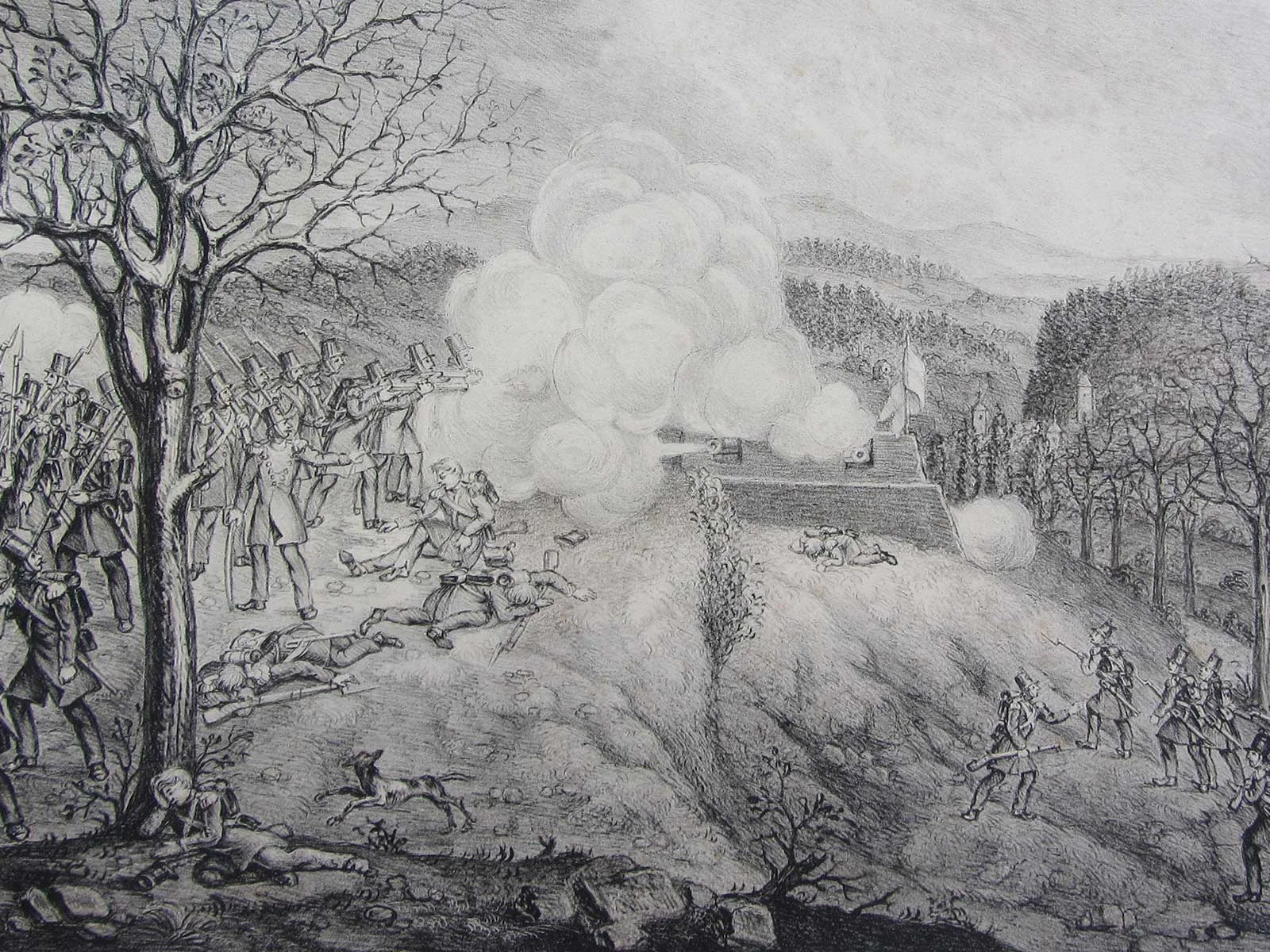
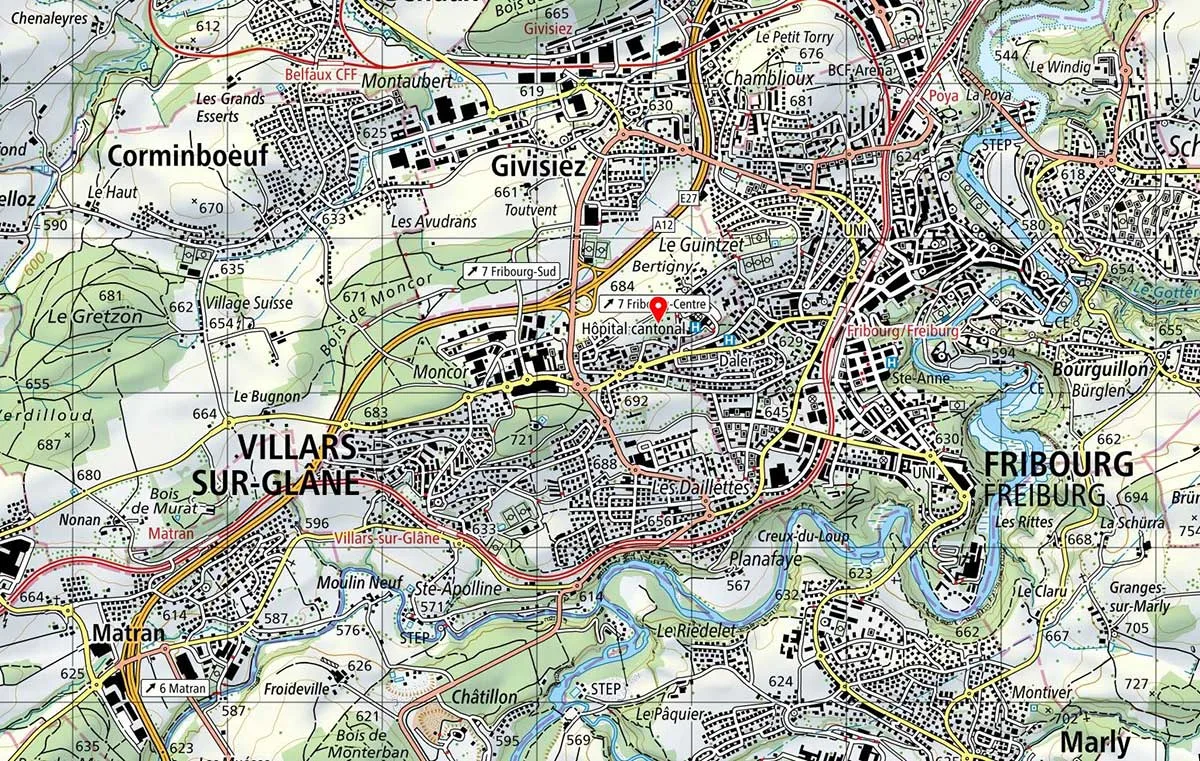
On 13 November 1847, the only skirmish between Swiss and Fribourg troops during the Sonderbund War, a now largely forgotten battle, was fought on the site of today’s allotment gardens: the battle at the St Jacques field fortification at Bertigny.
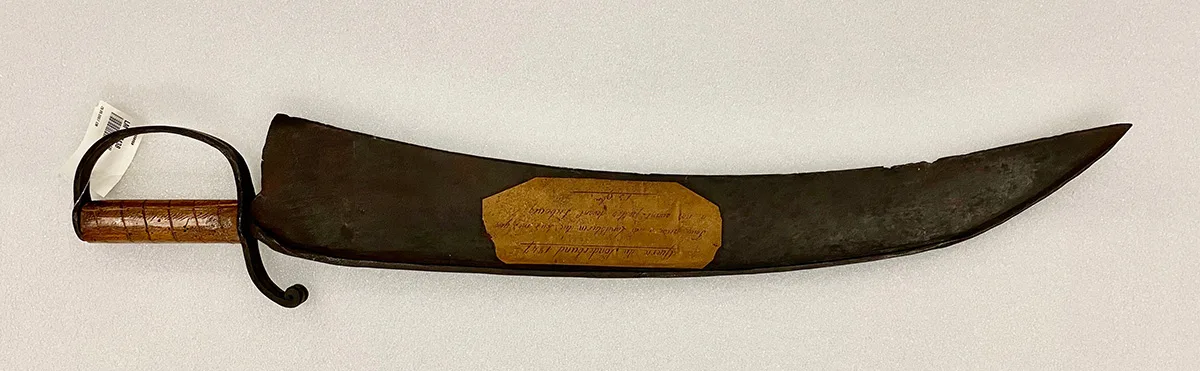
While the regular militias were properly equipped and trained, the Landsturm was an “ad hoc unit” formed in the event of an invasion from all male residents of the canton between the ages of 17 and 65 who were not part of the canton’s military forces, disreputable, or sick. These Landsturm soldiers had to provide their own armaments, and as a result simple, often home-made weapons were used. There were no uniforms either; the Fribourg Landsturm units marched out in their everyday clothes. Only a black and white armband identified them as canton combatants.
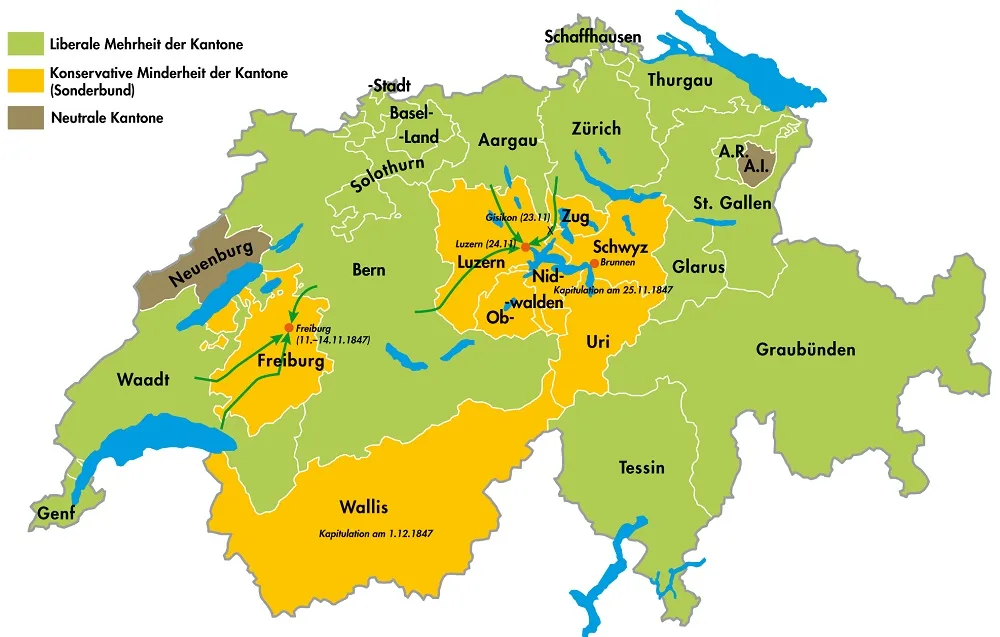
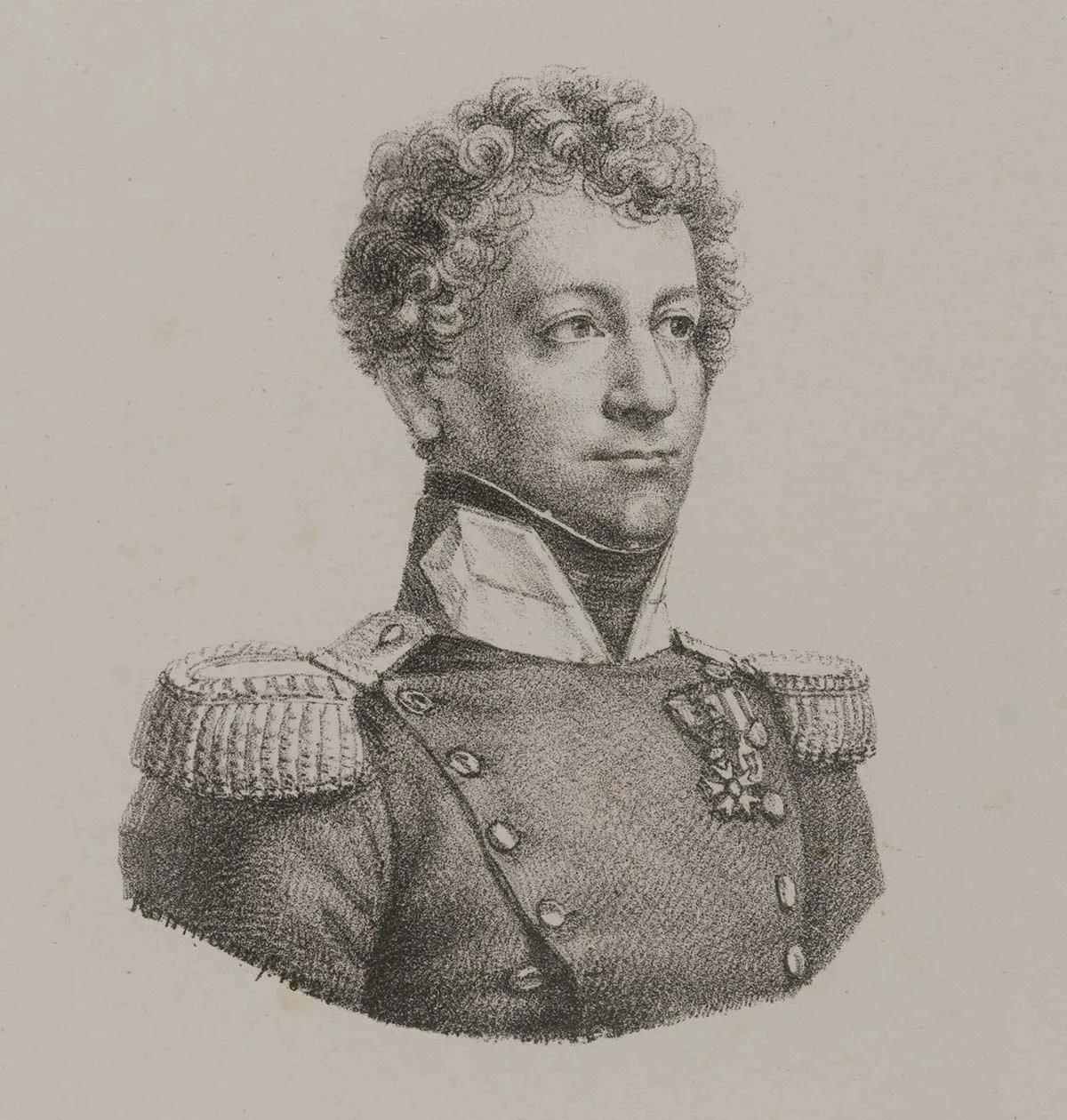
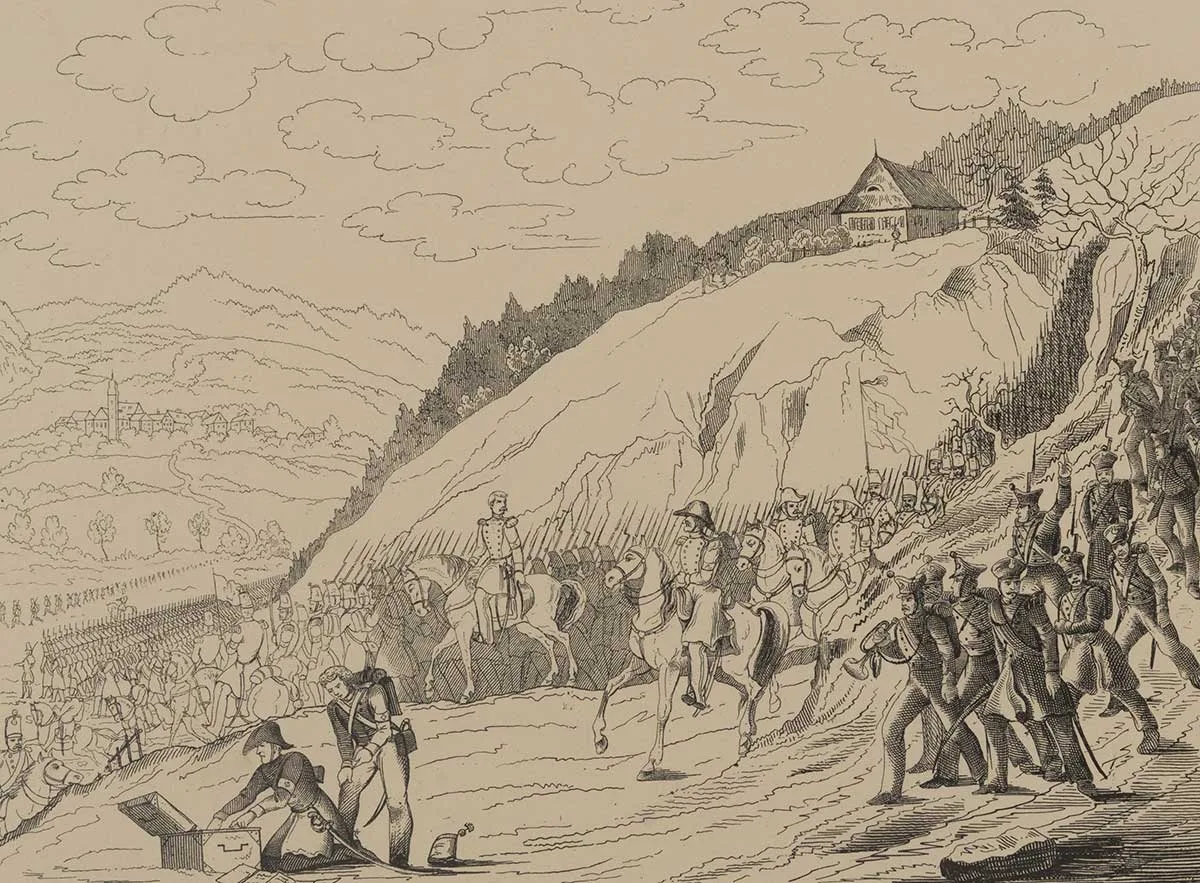
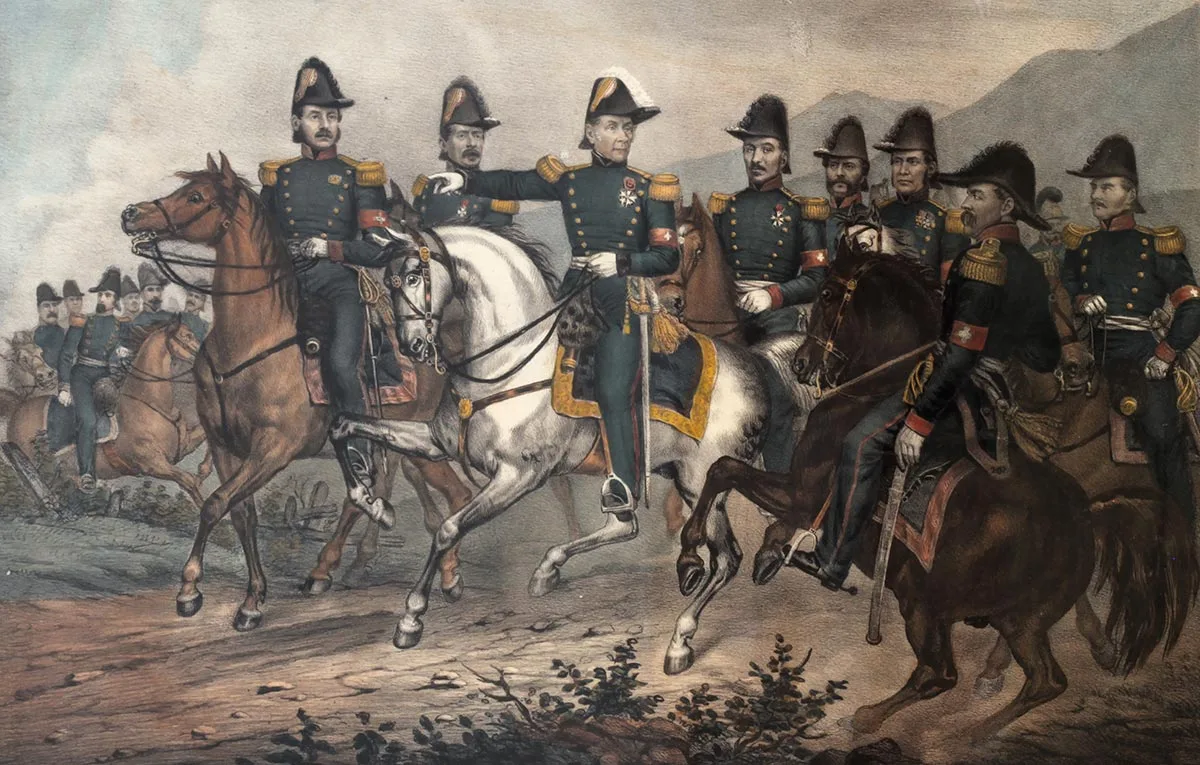
The main attack on Fribourg, however, fell to the army divisions of Colonel Louis Rilliet-de Constant (1794-1856) (contingents from Vaud, Neuchâtel and Geneva) and Peter Ludwig von Donatz (1782-1849) (contingents from Solothurn and both Basel cantons), who were to attack the city from the west. Dufour’s plan was simple: Fribourg was to be encircled with as many troops as possible and forced to surrender.
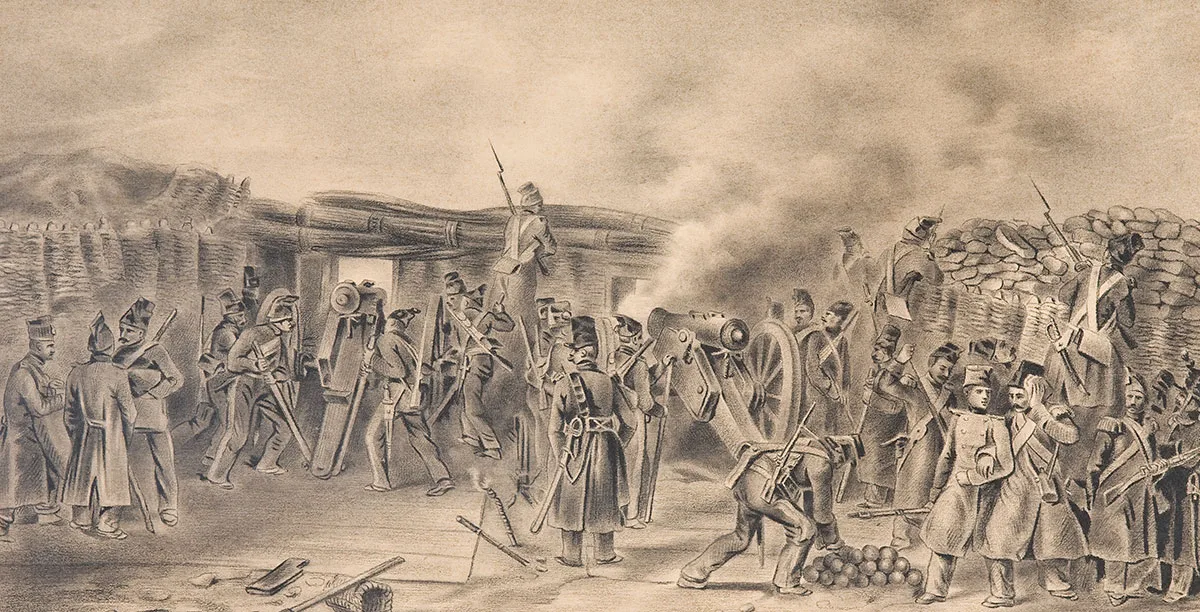
To this day it’s still not clear which side, as evening crept in, began hostilities and thus initiated the battle of the St Jacques fort. While liberal-radical commentators and historiography later claimed that the ceasefire was broken by gunfire from the Fribourg fortress, the Fribourg side gives a different version of the course of events. At around 4 pm, the soldiers manning the fort at Bertigny were suddenly startled by an exchange of fire. From their elevated position, they could see that three companies of marksman of the Swiss troops had converged on the Les Daillettes woodland and were engaging the Fribourg fighters there in a firefight. To support their troops stationed to the south, the garrison occupying the St Jacques fort opened fire on the forward troops from their cannon and muskets.
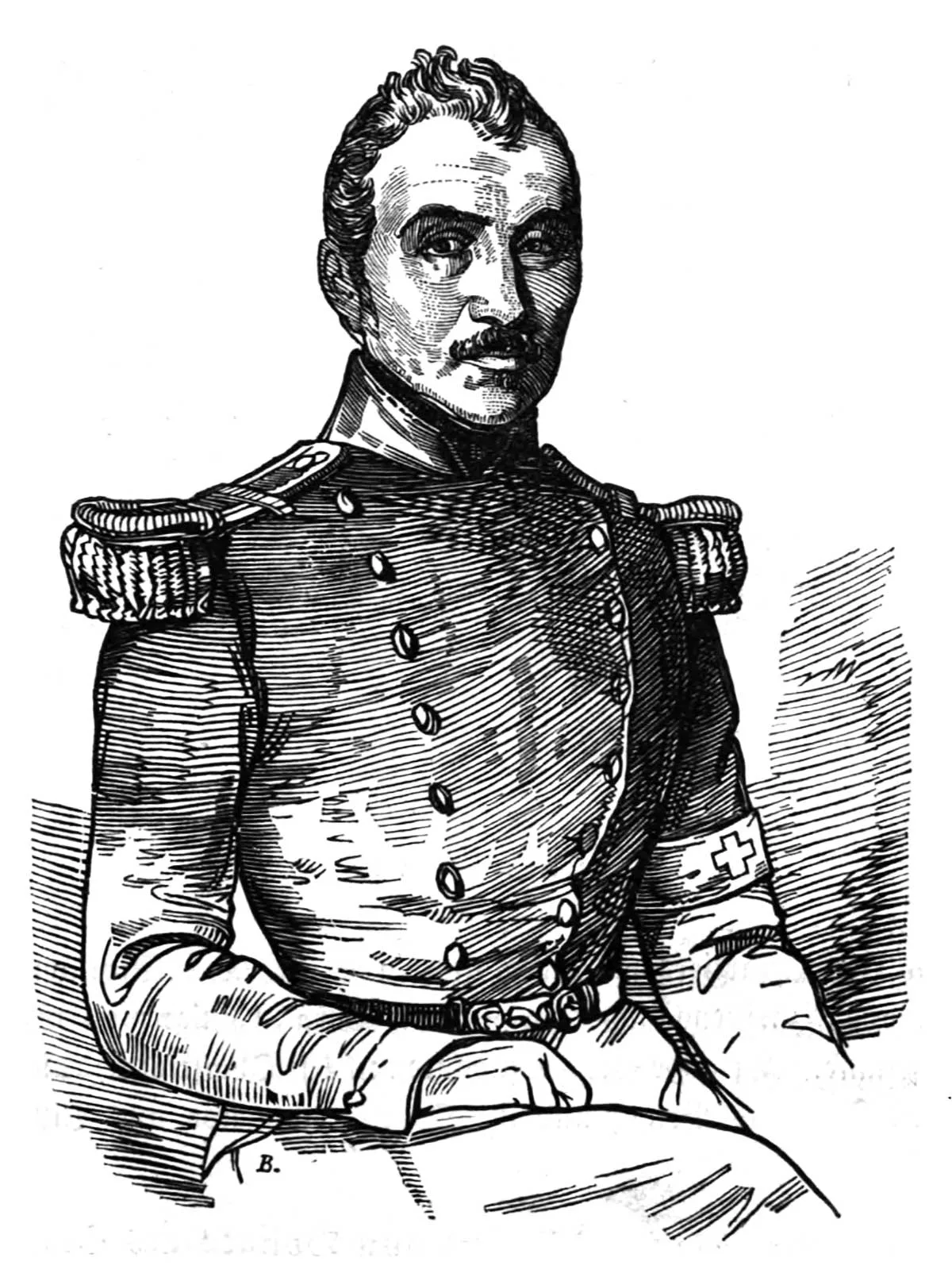
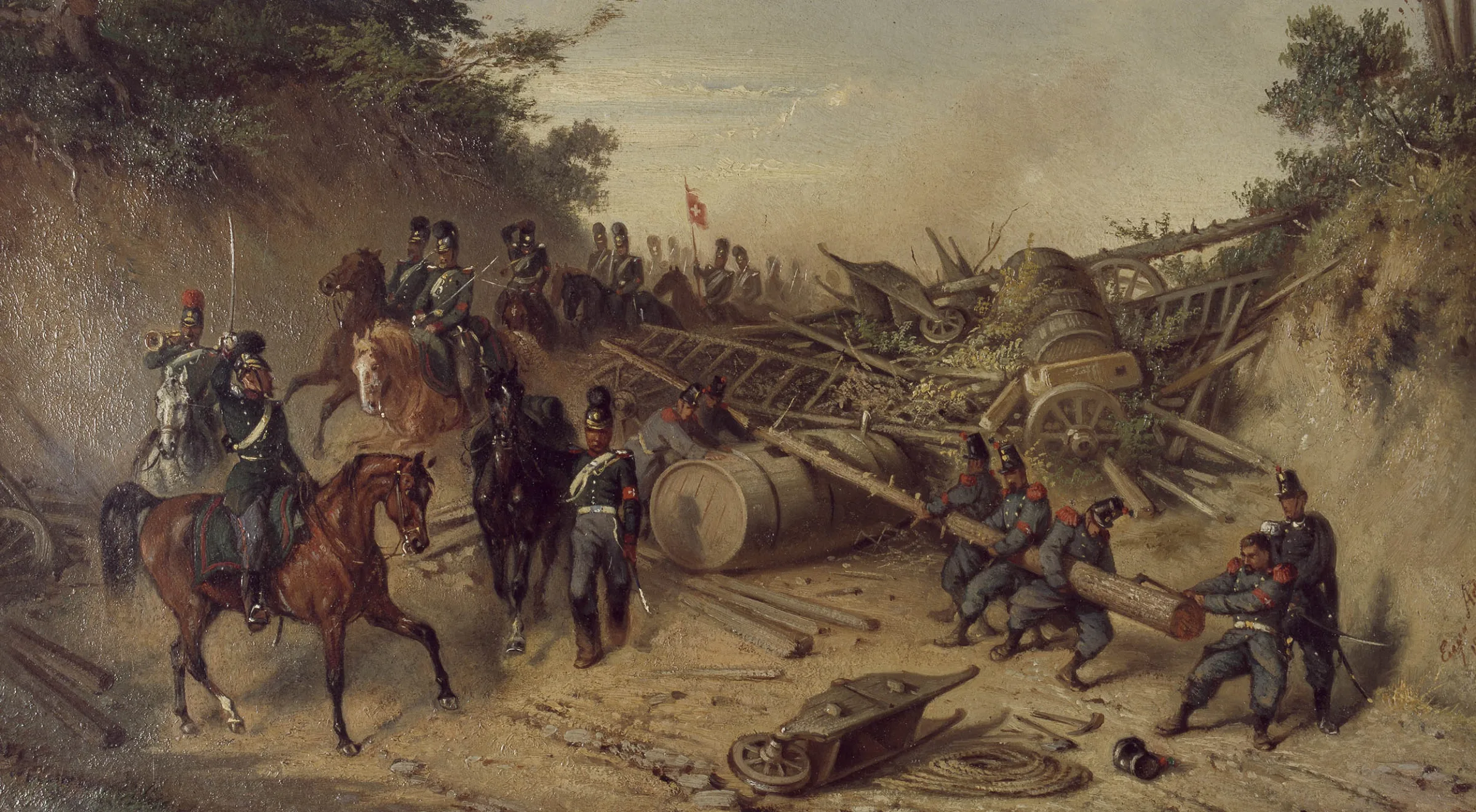
Meanwhile, Swiss marksmen positioned themselves on the Plateau de Bertigny and fired on the garrison of the fortress. But the fort responded with cannon and musket fire. Brigade commanding officer Colonel Frédéric Veillon (1804-1872) of the Division Rilliet decided to storm the St Jacques fort, drew his sword and placed himself at the head of a Vaud battalion. The drummers beat the charge and the battalion marched at a fast pace, guns at the ready, across the plateau towards the redoubt.
Under incessant fire from the Fribourg troops, the Vaud troops reached the redoubt earthworks and began to open fire. Since night was already falling, the soldiers hesitated to cross the trench and scale the ramparts. Suddenly there was a commotion among the attacking soldiers. There were shouts of: “Mines! They must have mined everything!” and “I don't want to be blown up!” Some turned to flee and swept other soldiers along with them. The officers tried in vain to turn the fleeing men to the offensive once again, and the drums beat the retreat. This assault cost the Vaud troops a high price in blood: 7 dead and 50 wounded.
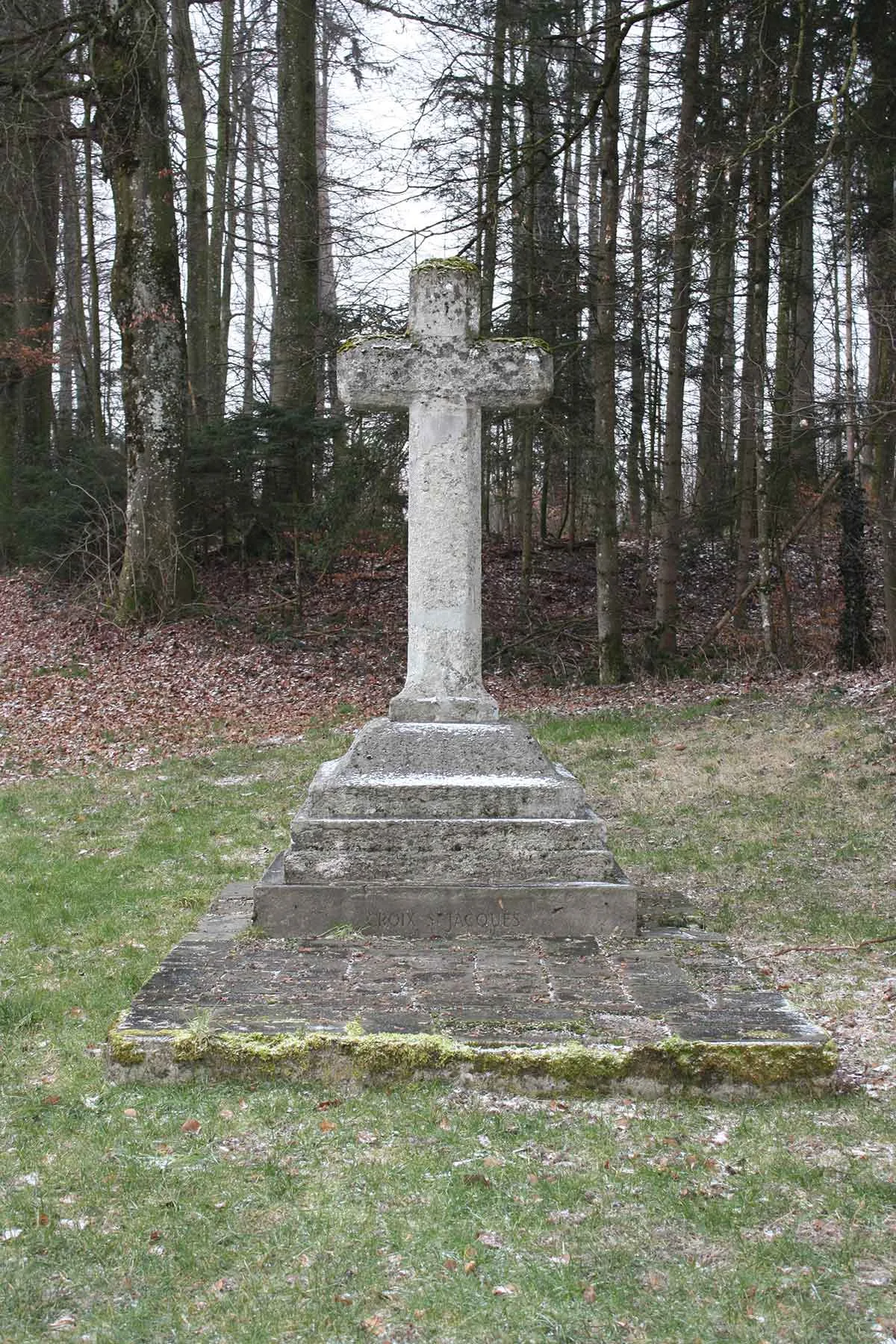
The idea of the Fribourg military to christen the fort at Bertigny “Redoute de St Jacques” was no coincidence. At the time when the field fortifications were being built to defend against the Swiss troops, there was a wayside cross made of stone on the road to Fribourg, about 300 metres south-west of the fort. The cross was erected in 1771 on the site originally occupied by a chapel dedicated to Saint James. This Cross of Saint James played an important role during the battle of 13 November 1847. It served the fortress garrison and the Swiss battery as a landmark to aim their cannon accordingly, as it was virtually in the middle of the line of fire and mist was coming down at the time of the battle. The cross was later moved several times. Today it stands further west from its original location on the edge of a forest and instead of cannonballs, it’s cars that whoosh past it on the nearby road.
Guerre du Sonderbund 1847
Faux prise à un Landsturm tué sous mes yeux à nos avant-postes devant Fribourg
13 9bre