A Cold War witch-hunt
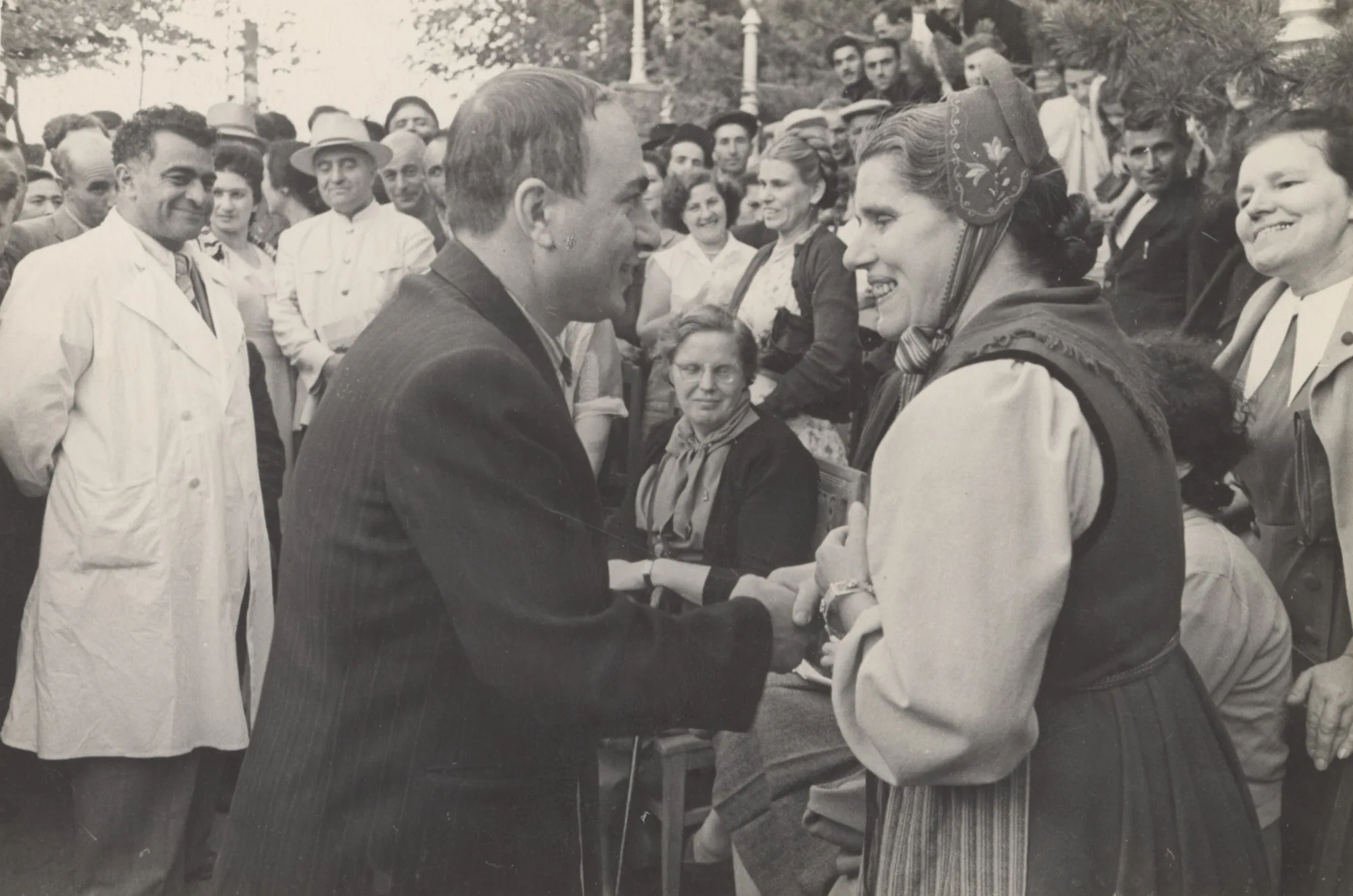
Following a trip to the Soviet Union in September 1953, Helene Bossert, a poet from the Basel area, was reputed to be a communist. Given the anti-communist spirit prevalent in Switzerland in the 1950s, the suspicion cast upon her would almost ruin her life.

Rea Köppel
Rea Köppel is a research and curatorial assistant at DISTL – Dichter:innen- und Stadtmuseum Liestal.
A political, media-fuelled witch-hunt with interpersonal implications
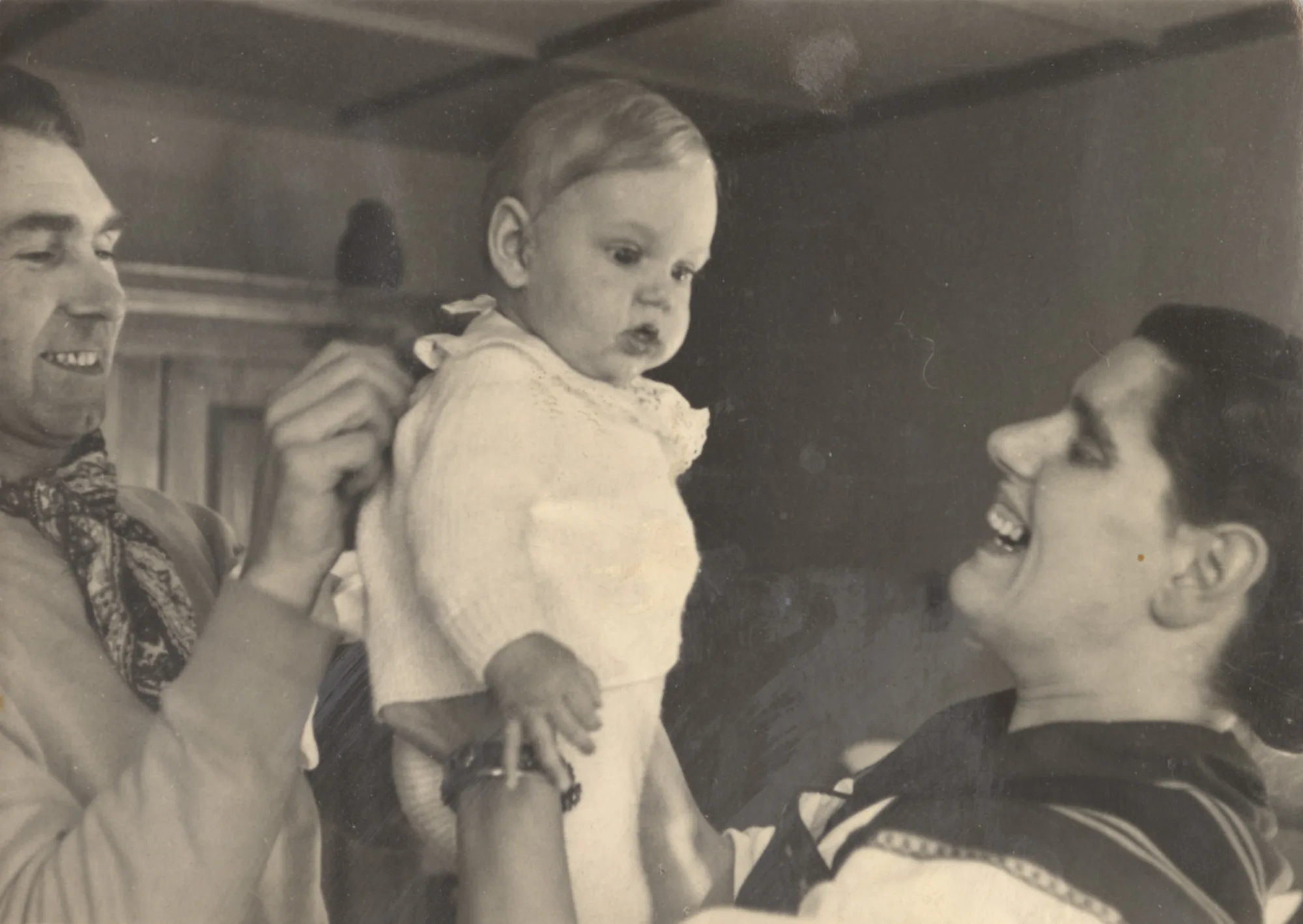
The fact that the whole family was deemed guilty by association weighed heavily on Bossert. Only her symbolic burning proved harder to bear. On 11 March 1954, at the traditional burning of the ‘Chluri’ effigy during Carnival (similar to the burning of the ‘Böögg’ in Zurich), a stuffed figure that was meant to represent Bossert was burned on a bonfire on Sissach’s main square, together with her books. Parallels with the era of witch-hunts did not escape Bossert, who gave vent to her feelings in her powerful poem ‘Vogelfrei!’ [Outlawed].
Vogelfrei!
Z Russland gsi,
Z Russland gsi,
So, die mache mer jetz hi!
Vogelfrei,
Vogelfrei,
Bänglet numme uf se Stei!
Hoppla druuf,
Hoppla druuf,
Bis zu ihrim letschte Schnuuf!
Aber breicht,
Aber breicht,
Settig Häxe sy halt geicht.
Z Russland gsi,
Z Russland gsi,
So, die mache mehr jetz hi!
A fateful journey
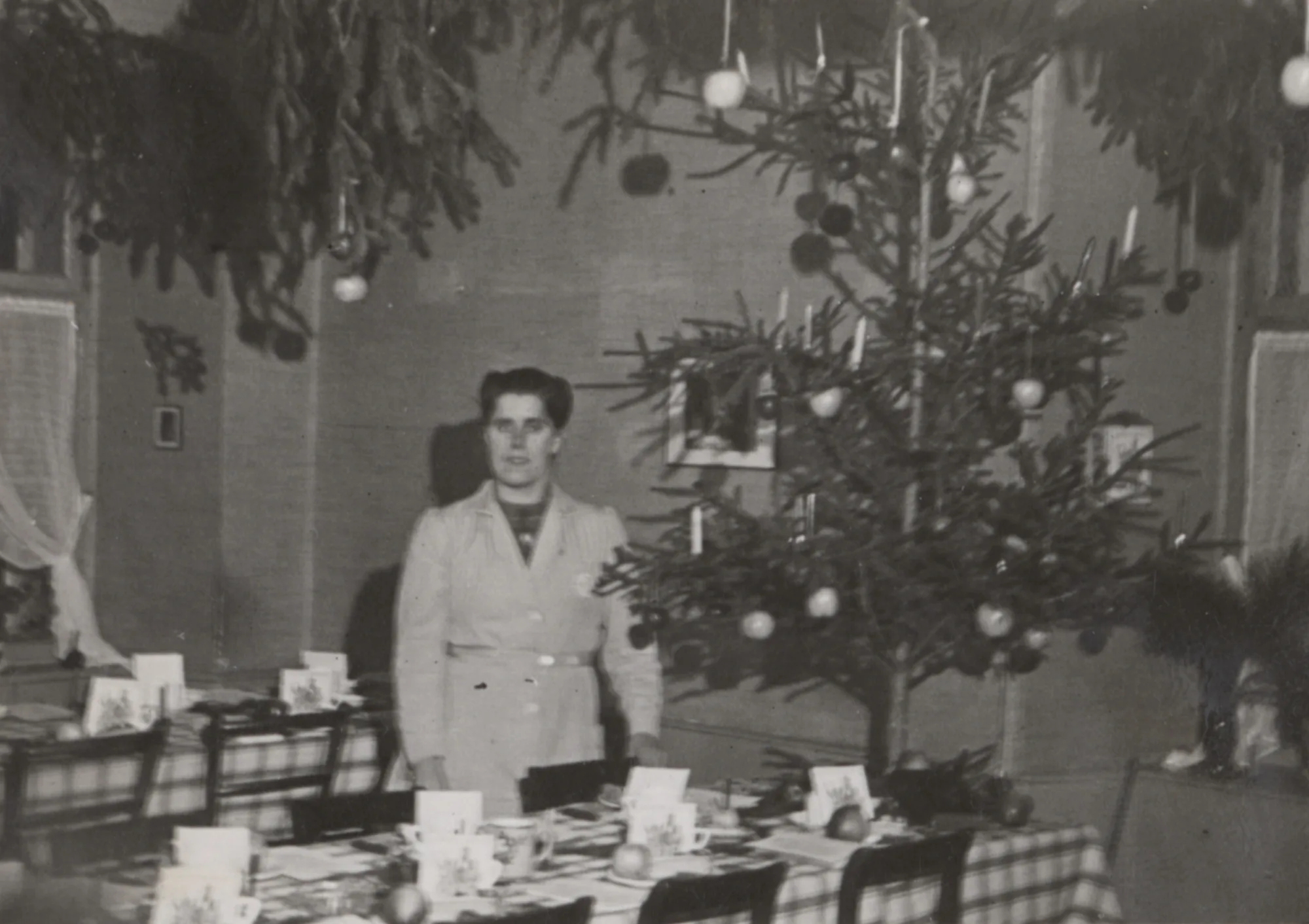
Helene Bossert gave the invitation a lot of thought before accepting it. In the end, she decided that understanding among nations could not possibly be reached without actually getting to know one another. And the temptation of flying off to distant foreign climes must have been irresistible for a poet who, although open to the world, had barely been further than neighbouring Germany, just across the border, and who had certainly never set foot in an airplane.
Propaganda
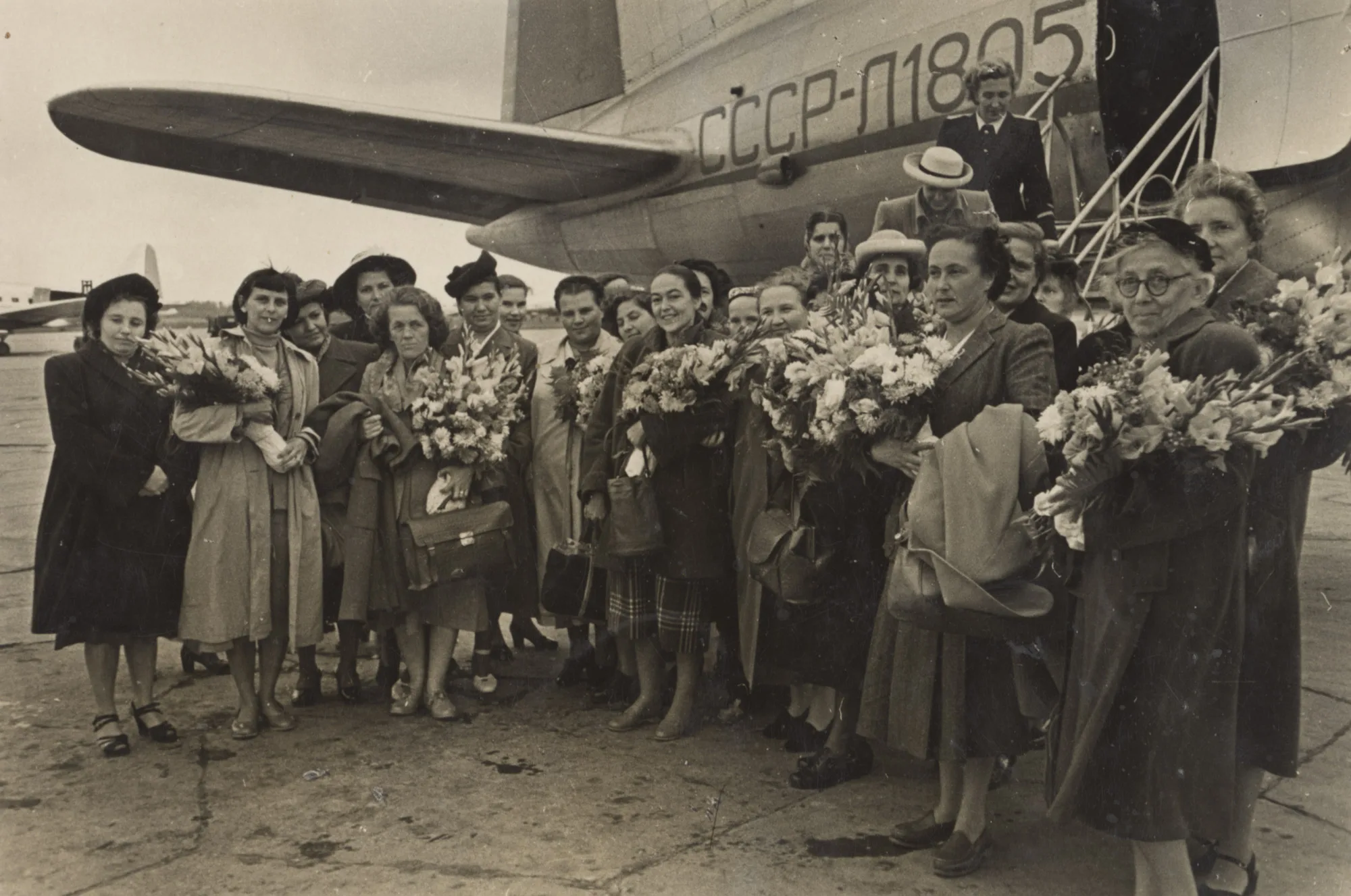
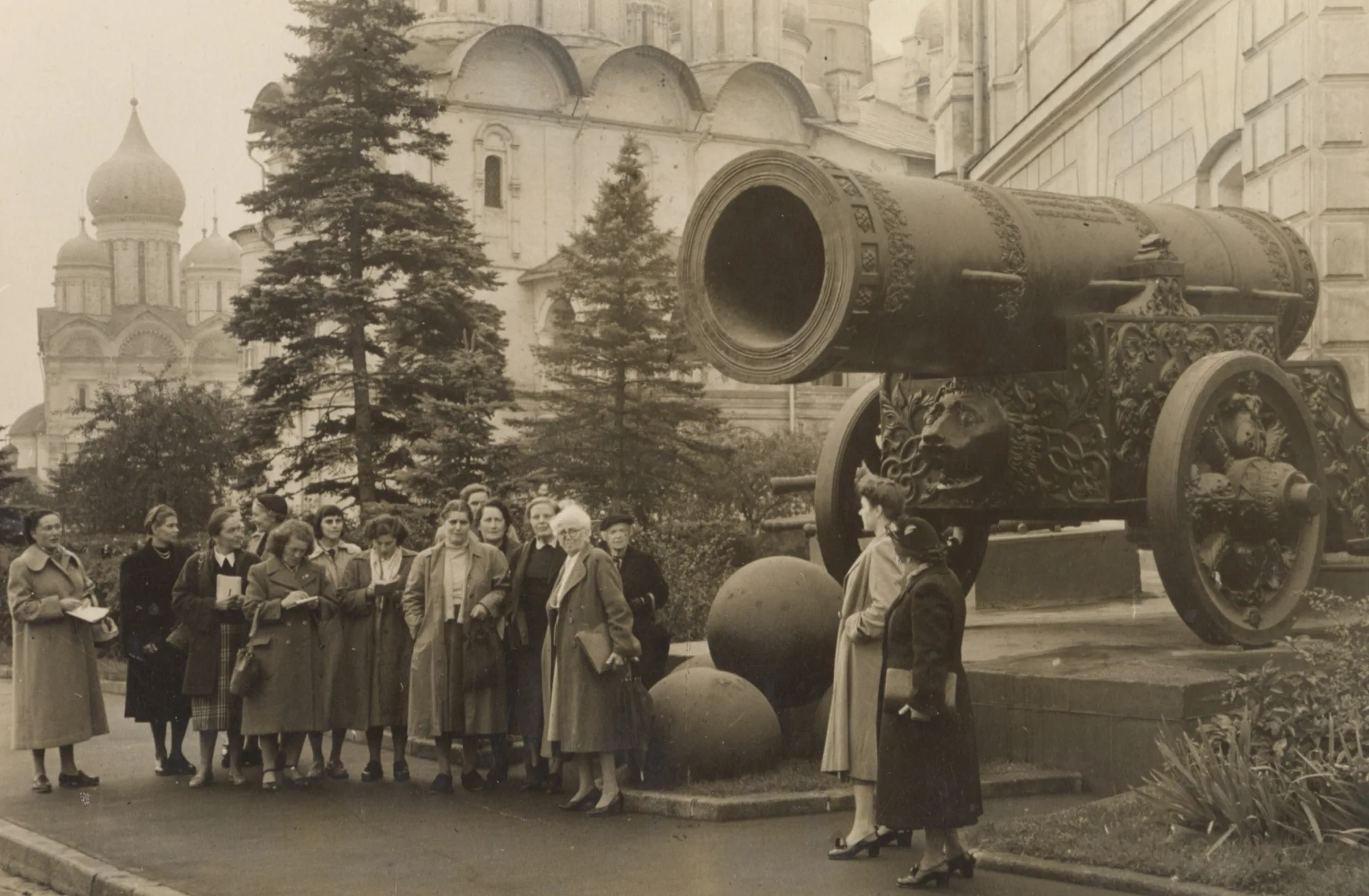
Bossert paid a high price for her refusal to budge. For years, she and her family were forced to live a reclusive life, surrounded by a hostile social atmosphere and under great financial pressure. Whenever she was invited to give a reading, the Attorney General’s Office would intervene behind the scenes. Opportunities for this gifted speaker to make public appearances all but dried up.
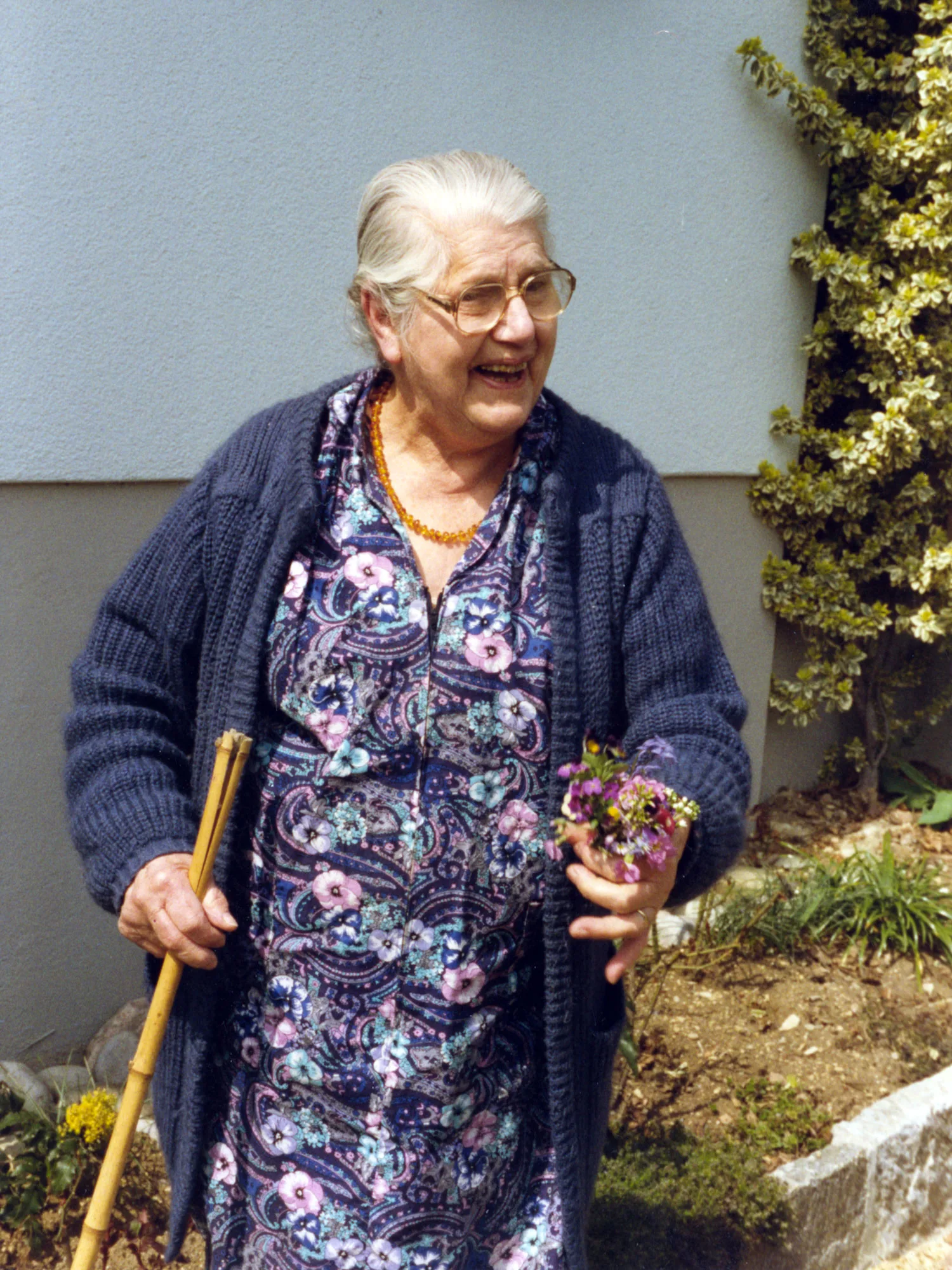
Not an isolated case
Helene Bossert may not have been a communist like Konrad Farner, but they did have one thing in common: both were slowly (and only partly) rehabilitated in the wake of the 1968 protests.