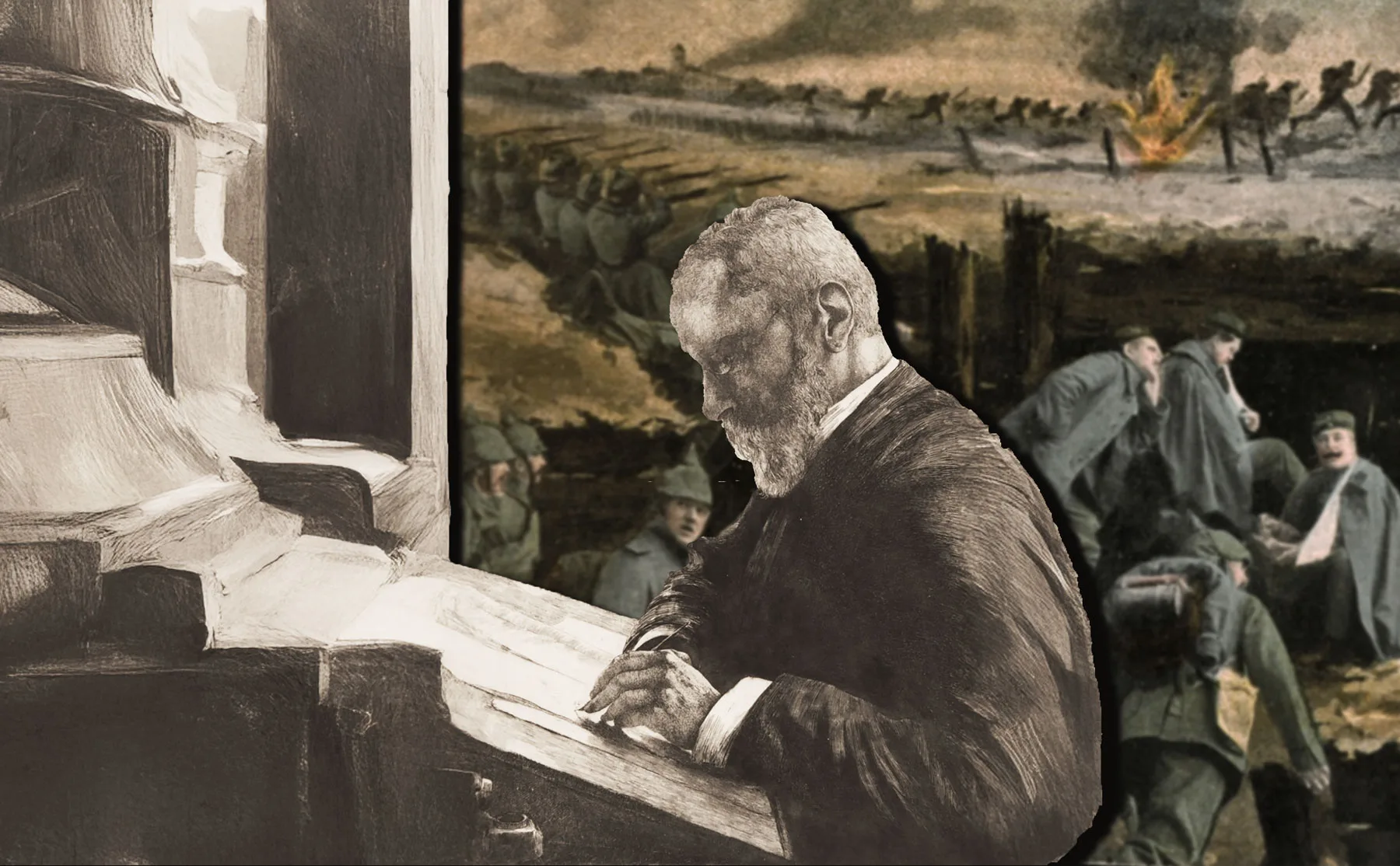
The Swiss Heinrich Angst wanted to prevent the First World War together with others.
The Swiss Heinrich Angst wanted to prevent the First World War together with others. Swiss National Museum / Wikimedia (edited)

Two men on a mission to prevent the First World War

Heinrich Angst, the first director of the Swiss National Museum, and German socialist August Bebel worked together to prevent the outbreak of the First World War. They failed.

Lukas Vogel

Lukas Vogel

Lukas Vogel is a historian, author and cultural networker.
When superpowers threaten war, there are always those who try to keep the peace. Take Heinrich Angst for example: in the years preceding the First World War he worked to calm tensions between Germany and the British Empire. A member of the Zurich upper class, he had two roles: he was a federal official serving as the first director of the Swiss National Museum, while at the same time representing the British crown in German-speaking Switzerland as Consul General. In addition, he cultivated a close friendship with August Bebel, the German social democrat known as the “workers’ emperor”.
Heinrich Angst (1847-1922) was a remarkable character. His biographer Robert Durrer describes him as an “archetype of powerful masculinity”. This description has lost some its complimentary overtones over the years but its basic message is still clear enough: Angst had a self-confident, possibly even dominant personality. Other authors even describe him as “ambitious and egotistical”. In any case, he was a man who did not shy away from conflict with anyone, even daring to contradict a member of the Federal Council. An undeniably disagreeable character, he passionately, albeit ultimately unsuccessfully, opposed the execution of Ferdinand Hodler’s frescoes in the newly built National Museum. He even alienated friends over this episode known as the ‘Freskenstreit’ (quarrel over frescoes). Angst was equally uncompromising in defending his unconstitutional double role of federal official and agent of the British crown, holding on to both positions for years.
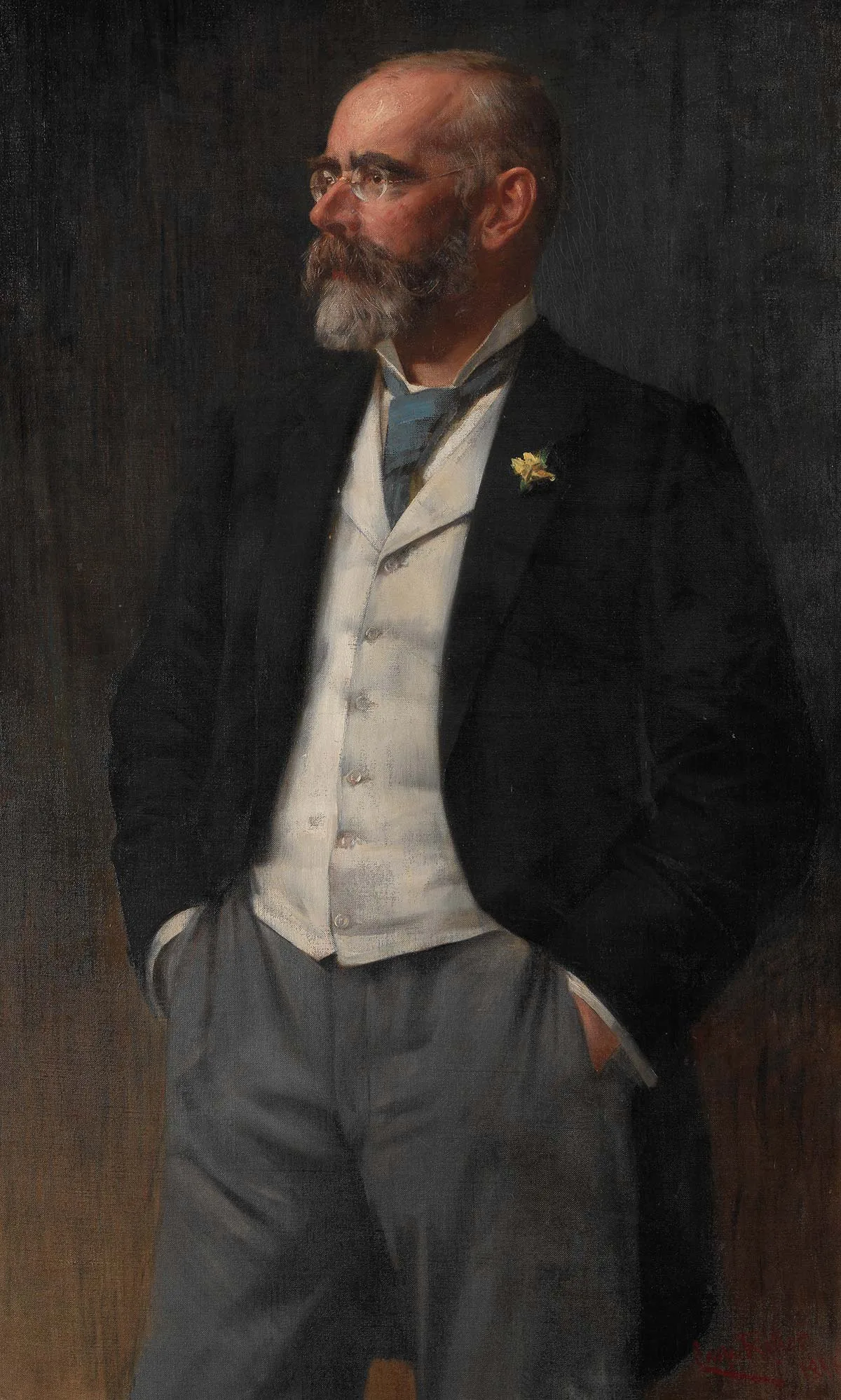
Portrait of Heinrich Angst, painted by Caspar Ritter, 1897.
Portrait of Heinrich Angst, painted by Caspar Ritter, 1897. Swiss National Museum
But there was also another, more compassionate side to Heinrich Angst. In the years preceding 1914, the Consul General channelled confidential information straight from the corridors of power in the German Reich to London. He circumvented diplomatic channels, sending messages to close contacts at the Foreign Office. His motivation was to prevent war breaking out between Germany and the United Kingdom.

Angst finds a fellow traveller

16 August 1905 was a bright and dry day in what had been a rainy and cool summer. Reinhold Rüegg, editor of the Züricher Post newspaper and a leading light among the Zurich Democrats, had been invited to dine at Heinrich Angst’s house on that day and he brought along a special guest: August Bebel, the charismatic leader of the German Social Democrats, who happened to be in Zurich at the time. This lunch marked the start of an eight-year-long friendship that only ended when Bebel died on 13 August 1913.
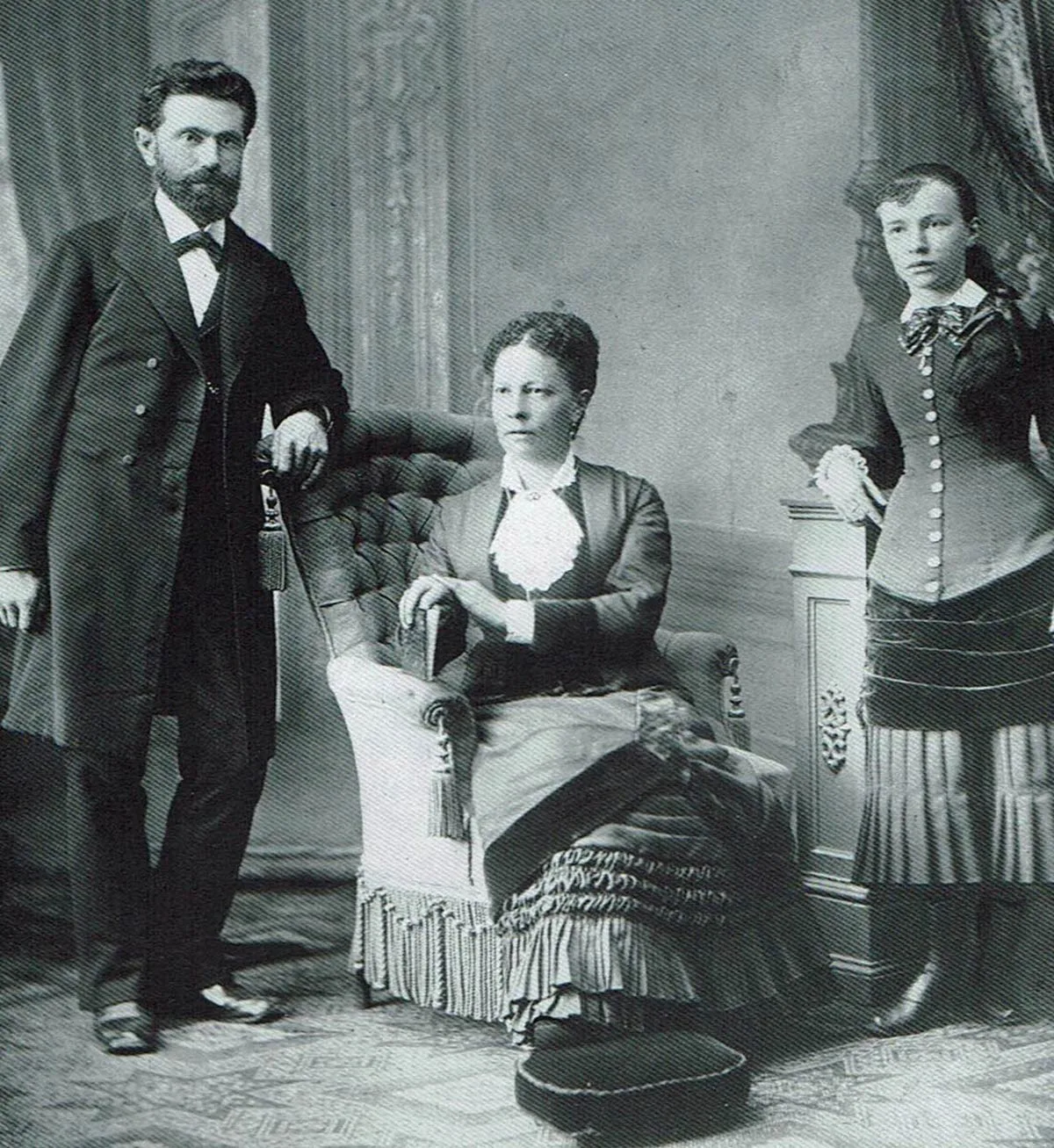
August Bebel, a trained wood turner and co-founder of the Social Democratic Party (SPD), who remained one of the German Reich’s most influential politicians over decades, was a perceptive man of humble origins. Through his activism in workers’ educational associations, he had worked his way up from manual labourer to member of the German parliament of which he was an almost permanent member from the age of 27. His daughter studied medicine in Zurich, where she also married, and Bebel’s wife Julie was forced by illness to move there to be closer to their daughter. Bebel himself also lived in the Zurich area for a time, where he was finally laid to rest in the Sihlfeld cemetery. He was indisputably one of the best known German politicians of his time.
Portrait of the Bebel family from the 1880s.
Portrait of the Bebel family from the 1880s. Wikimedia
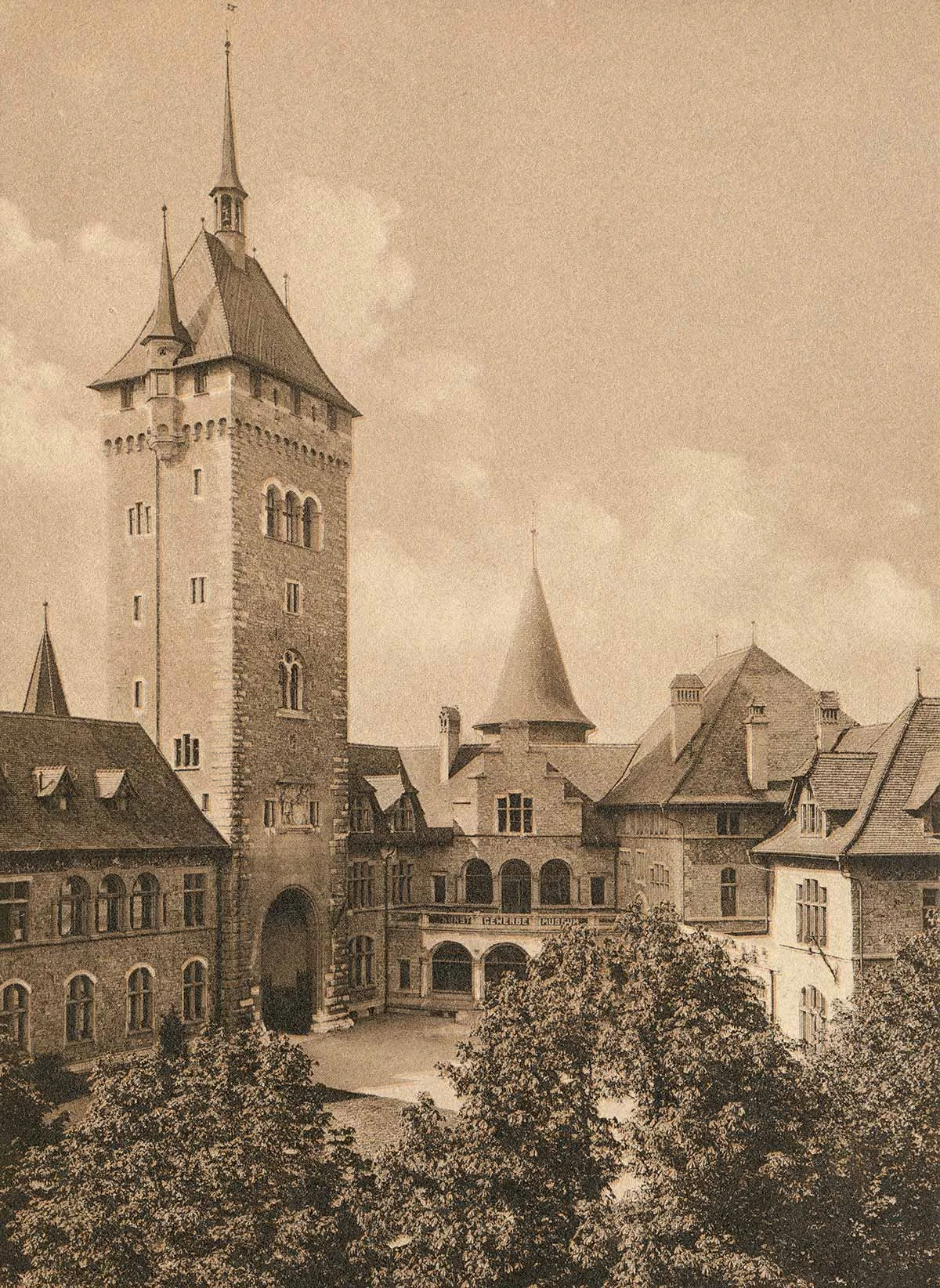
Bebel and Angst – the socialist strategist and the bourgeois pragmatist – were two strong personalities, both with extensive connections. Angst was equally at home conversing with Swiss federal councillors and British government ministers. He had used his commercial background to make his fortune in the silk trade. During his time in the United Kingdom from 1870 to 1878, he not only developed his business acumen but also a passion for pre-modern art. This benefited the fledgling National Museum of which he became founding director from 1892 to 1903. During this time, Angst maintained close ties to the United Kingdom including, but not solely, through his English wife.
The Swiss National Museum on a postcard at the end of the 19th century. Heinrich Angst served as director of the museum until 1903.
The Swiss National Museum on a postcard at the end of the 19th century. Heinrich Angst served as director of the museum until 1903. Swiss National Museum
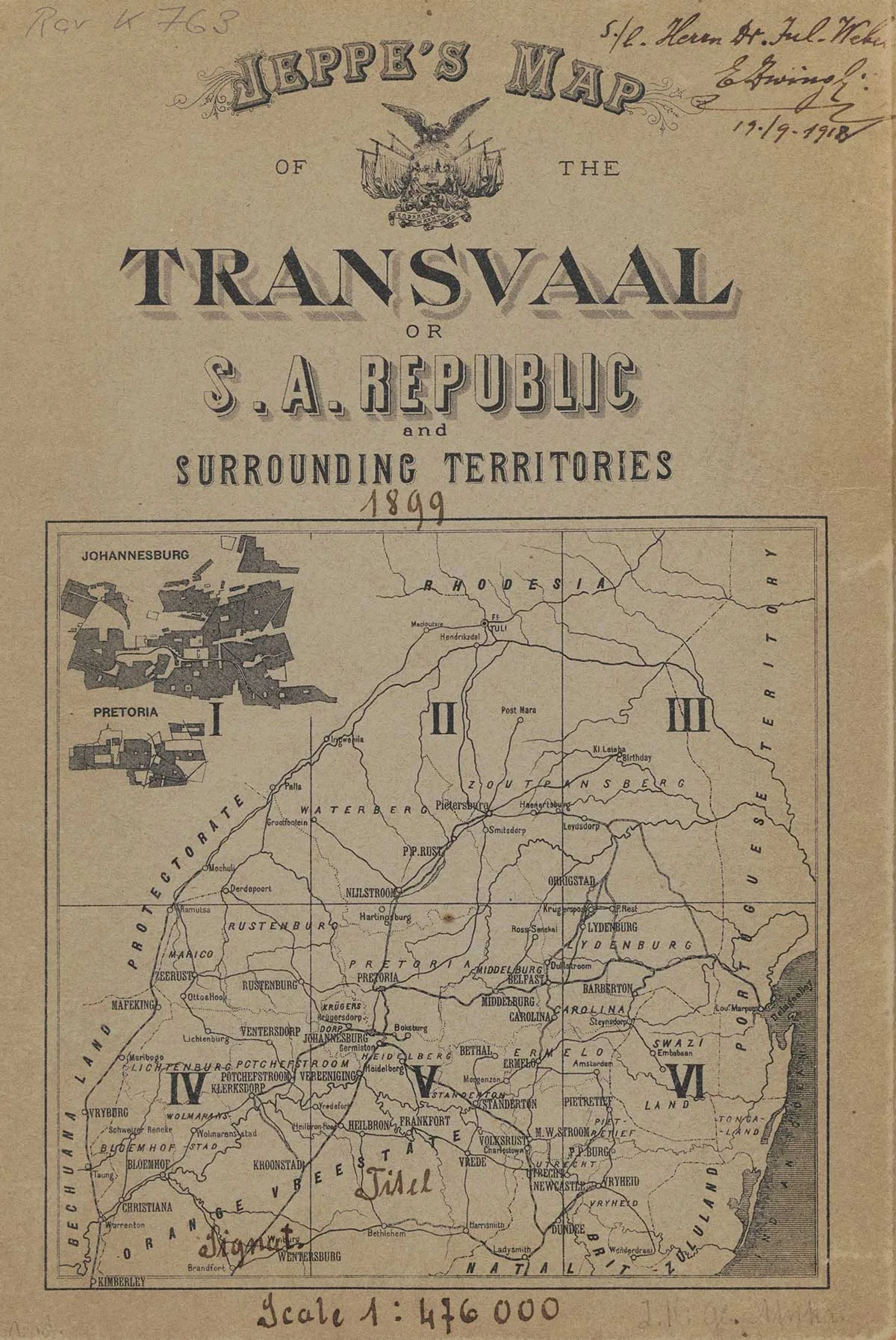
This is demonstrated by an episode that only became known after Angst’s death. Shortly before the Second Boer War the South African republic of Transvaal had ordered a set of six maps of its territory from Winterthur-based printer Jakob Schlumpf. When the United Kingdom started the war in 1899, only a small number of the maps had been delivered and one box was intercepted by the British intelligence services. Heinrich Angst heard about these maps. He immediately travelled to Winterthur with British intelligence officer James Edward Edmonds to buy the rest of the maps for London. In late December 1899, he personally accompanied the more than 2,000 maps in transit to London. The British General Staff subsequently disclosed that the Winterthur maps had made an invaluable contribution to the conquest of the Boer republics.
The Transvaal map was printed in Winterthur.
The Transvaal map was printed in Winterthur. e-rara
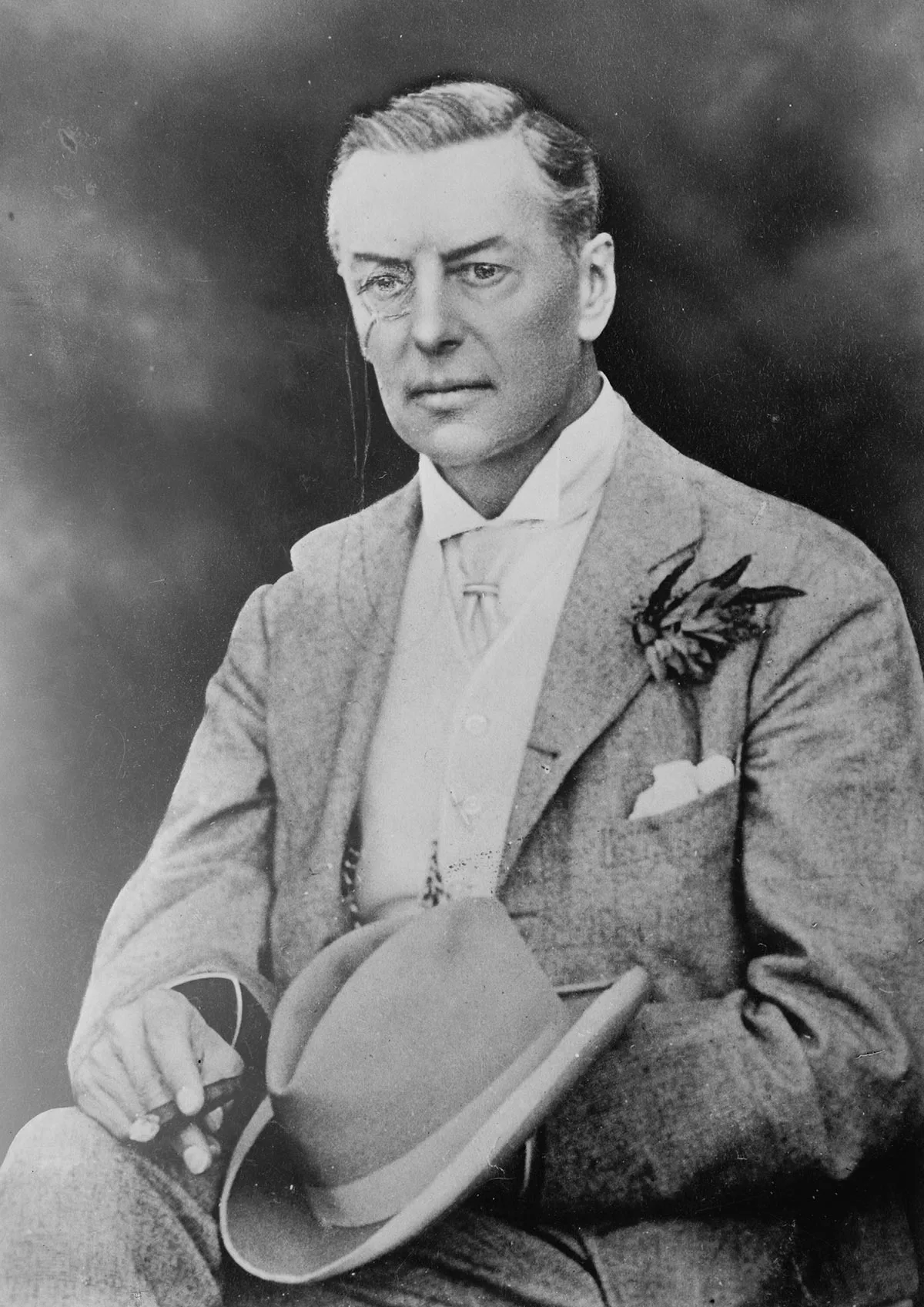
The entire operation had to remain secret. Sentiment in Switzerland strongly opposed the war waged by the United Kingdom, which Angst attributed to German propaganda. Heinrich Angst defended London’s position in articles published in the Züricher Post newspaper, arguing that the British empire not only had the right but also the duty to defend its countrymen – the ‘Uitlanders’ – in the Boer republics and to secure their political rights. This is strongly reminiscent of the justification provided for subsequent colonial wars. Angst didn’t have to come up with these arguments himself: he was proud of his close friendship with British Secretary of State for the Colonies Joseph Chamberlain, an advocate of imperialism.
British politician Joseph Chamberlain, photographed in 1909.
British politician Joseph Chamberlain, photographed in 1909. Wikimedia / Library of Congress

Rivalry between the major powers
The Boer War was already history by the time Heinrich Angst met August Bebel in 1905. But another potential flashpoint had emerged in the meantime: the growing rivalry between the German Reich and the United Kingdom. Kaiser Wilhelm II was building up his navy and pursuing a policy of colonialism to ensure a “place in the sun” for the Reich. However, his expansionist aims were also increasing the risk of open conflict with the United Kingdom.
Bebel shared his view with Angst that the United Kingdom would have to significantly increase its defence spending to prevent Germany from going on the offensive. Angst brought his socialist friend into contact with British politicians. In Angst’s house they met British Under-Secretary of State Edmond Fitzmaurice and, on a separate occasion, liberal member of parliament and pacifist John Brunner, who had family ties to Switzerland. Bebel’s forceful words failed to convince Brunner of the danger of war, at least until the German attack on neutral Belgium on 4 August 1914 showed him otherwise.
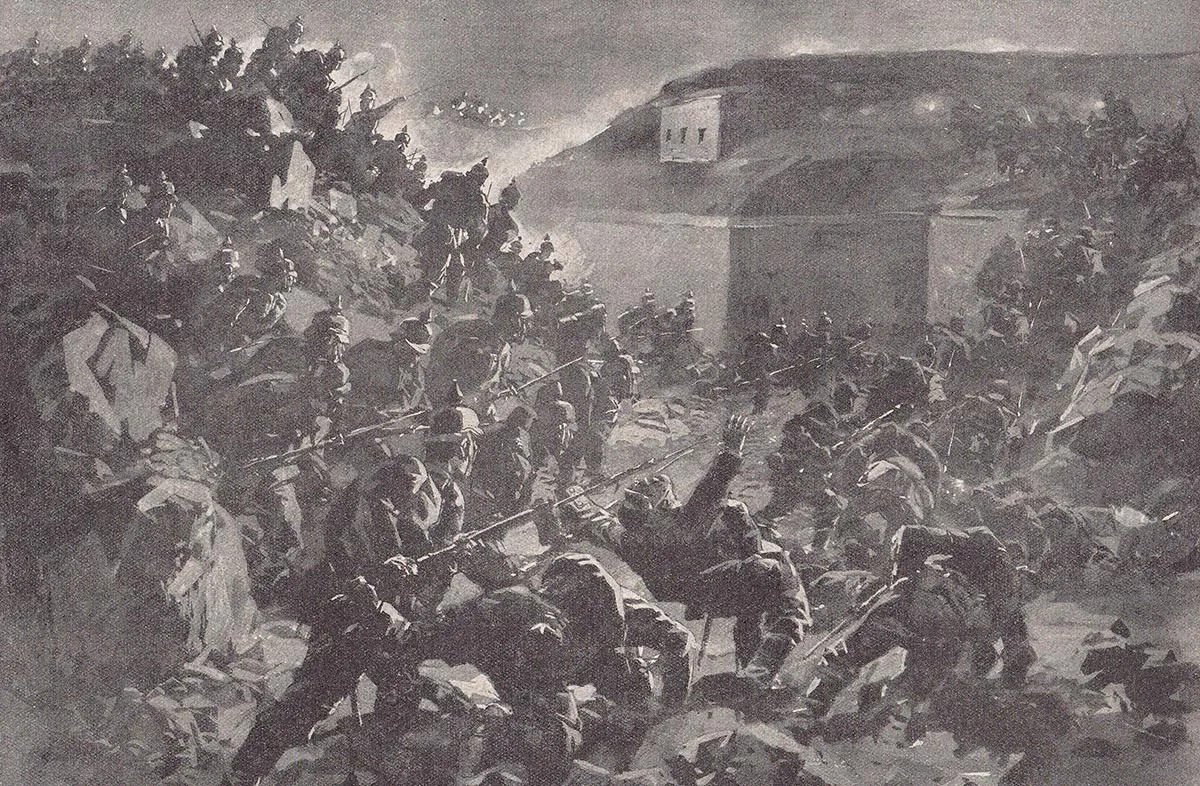
German troops stormed the Belgian city of Liège in August 1914. Illustration by Anton Hoffmann.
German troops stormed the Belgian city of Liège in August 1914. Illustration by Anton Hoffmann. Wikimedia
A seasoned member of the German parliament, Bebel sat on various committees, including the treasury committee where he had access to restricted information: the expansion of the German fleet was designed to rival that of the United Kingdom, the official figures were exaggerated and the preparations for war were at an advanced stage. The General Staff assumed a war was winnable as their preparations were two months ahead of schedule. Bebel shared these findings with Angst – in the knowledge that he would pass them on to London. Bebel could not share any classified information, but he was privy to educated estimates and political utterings from the inner corridors of power.
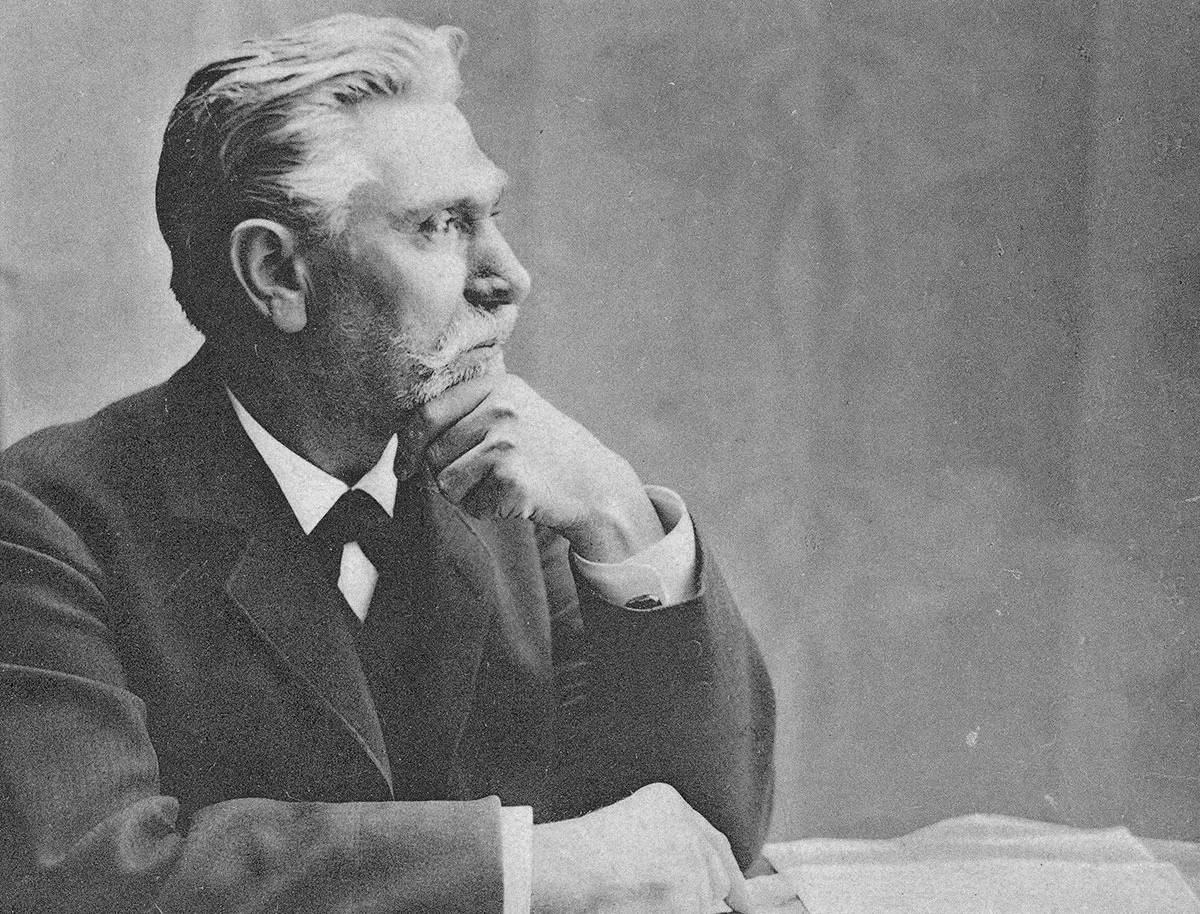
August Bebel, photograph dating from around 1913.
August Bebel, photograph dating from around 1913. Wikimedia
Bebel was convinced that Europe stood on the brink of the abyss. “We are on the eve of the most terrible war ever seen in Europe,” he said to Angst. He firmly believed that Germany wanted this war and would also win it. He also feared that Europe would then become the dominion of the Kaiser and that social democracy, unions and the right to vote would be done away with, even in Germany itself. Bebel believed that the war would tear society apart, taking social democracy down with it, which is how it turned out.
Angst shared this fear. Both men saw the looming major conflict as bringing about Europe’s self-destruction. So, the member of Zurich high society became a secret agent who worked behind the scenes to build bridges between the powers. He cooperated with Bebel to find ways of preventing the war. They failed. Their attempt to still the nations’ wrath with common sense is a subtle and often overlooked episode from this period in history.

Further posts