Prospecting for oil in rural Switzerland
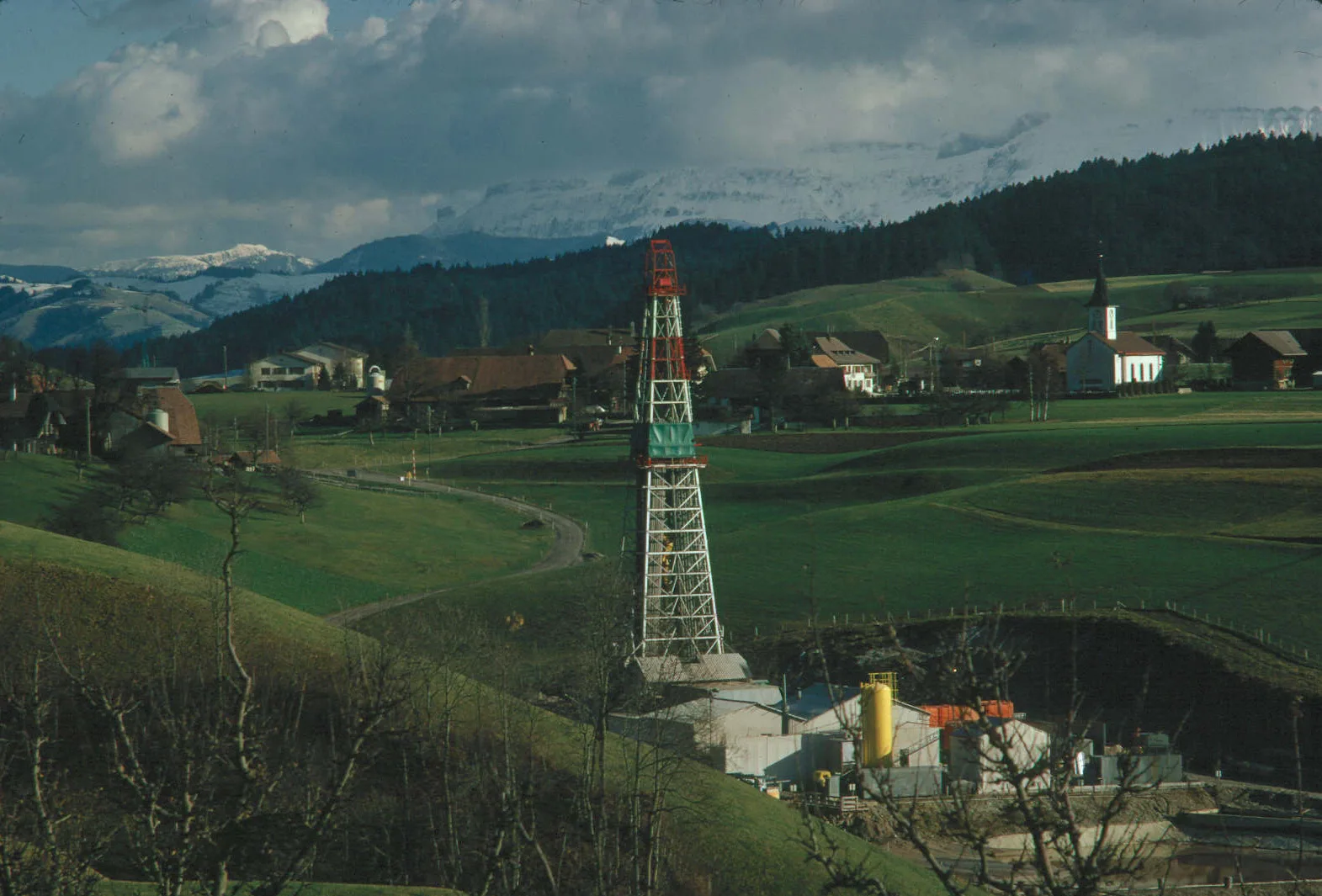
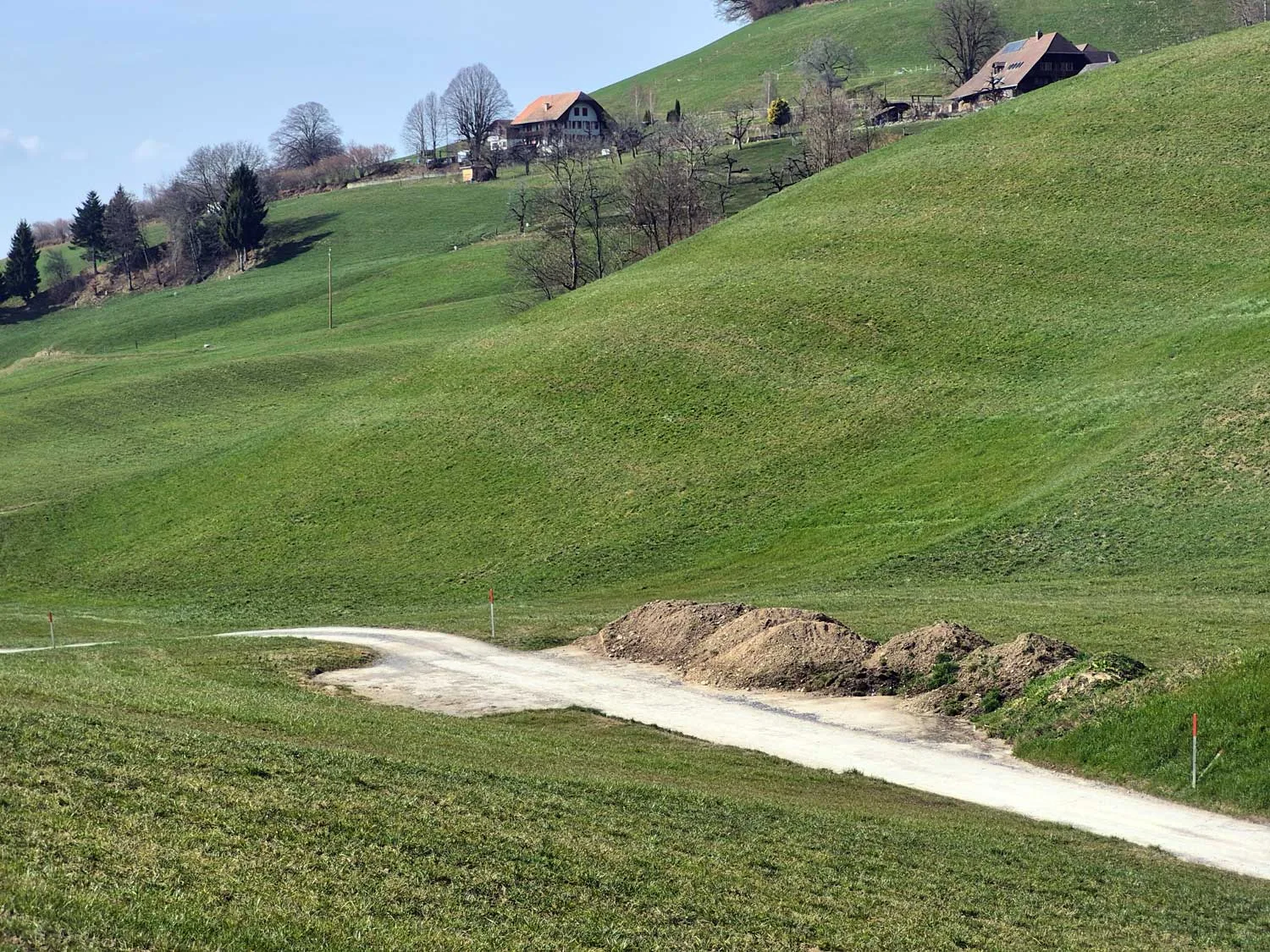
In the spring of 1972, a 45-metre high drilling rig was erected at the foot of the Kurzenberg hill, amid cows grazing in green pastures. Its drill head penetrated kilometres deep into the layers of rock – in search of ‘black gold’.

Reto Bleuer
Reto Bleuer is a volunteer at the Archaeological Service of the Canton of Bern.
Oil and gas are formed over millions of years from deposits of organic material that have been covered in sediments and thus depleted of oxygen. Heat and pressure then build up, gradually turning them into hydrocarbons. Crude oil tends to form within a specific temperature range, with higher temperatures increasingly converting it into natural gas.
A structural shift took place in the post-war period, creating a surge in demand for oil and gas. Growing prosperity meant that cars were becoming affordable for wide sections of the population. The economy was in full swing and, as the Cold War cast its shadow, the armed forces also began to take an interest in finding ways to reduce Switzerland’s reliance on oil and gas imports. The closing of the Suez Canal, a waterway vital to energy shipments, during the 1956 Suez Crisis accelerated Switzerland’s efforts to produce its own oil.
The founding in 1959 of Swisspetrol Holding AG, an investment firm that held a stake in almost every company involved in prospecting for oil and gas in Switzerland, was a watershed moment. Exploration work and the granting of funding were henceforth coordinated on a national basis, while responsibility for licensing remained with the cantons. This meant that the cantonal authorities in Bern could finally put the revised Mining Act to a referendum; it was approved by the electorate on 4 November 1962. A company named Bernische Erdöl AG (BEAG) had been established just one year earlier, clearly signalling the eagerness to actively push ahead with the exploration for crude oil locally.
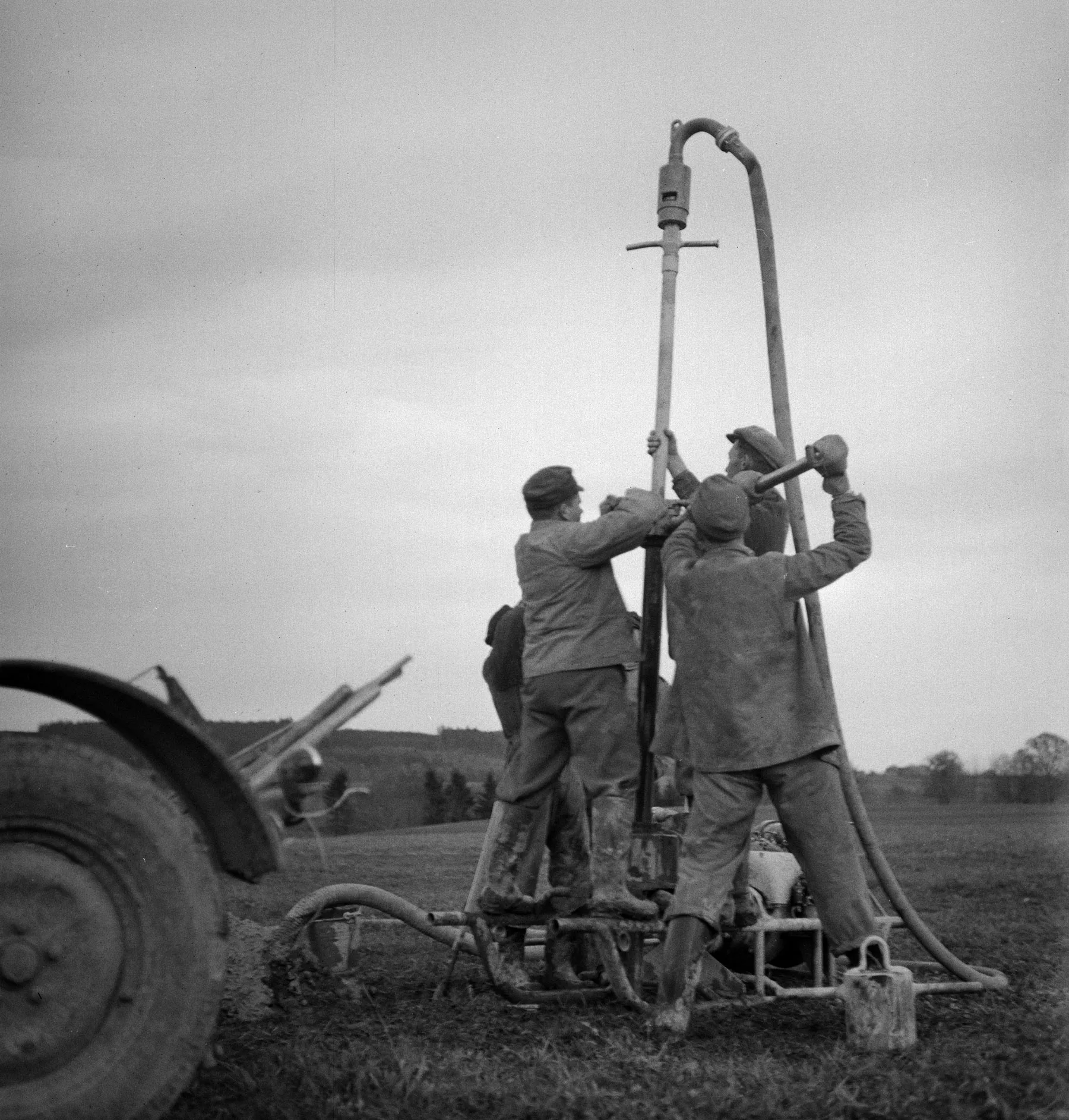
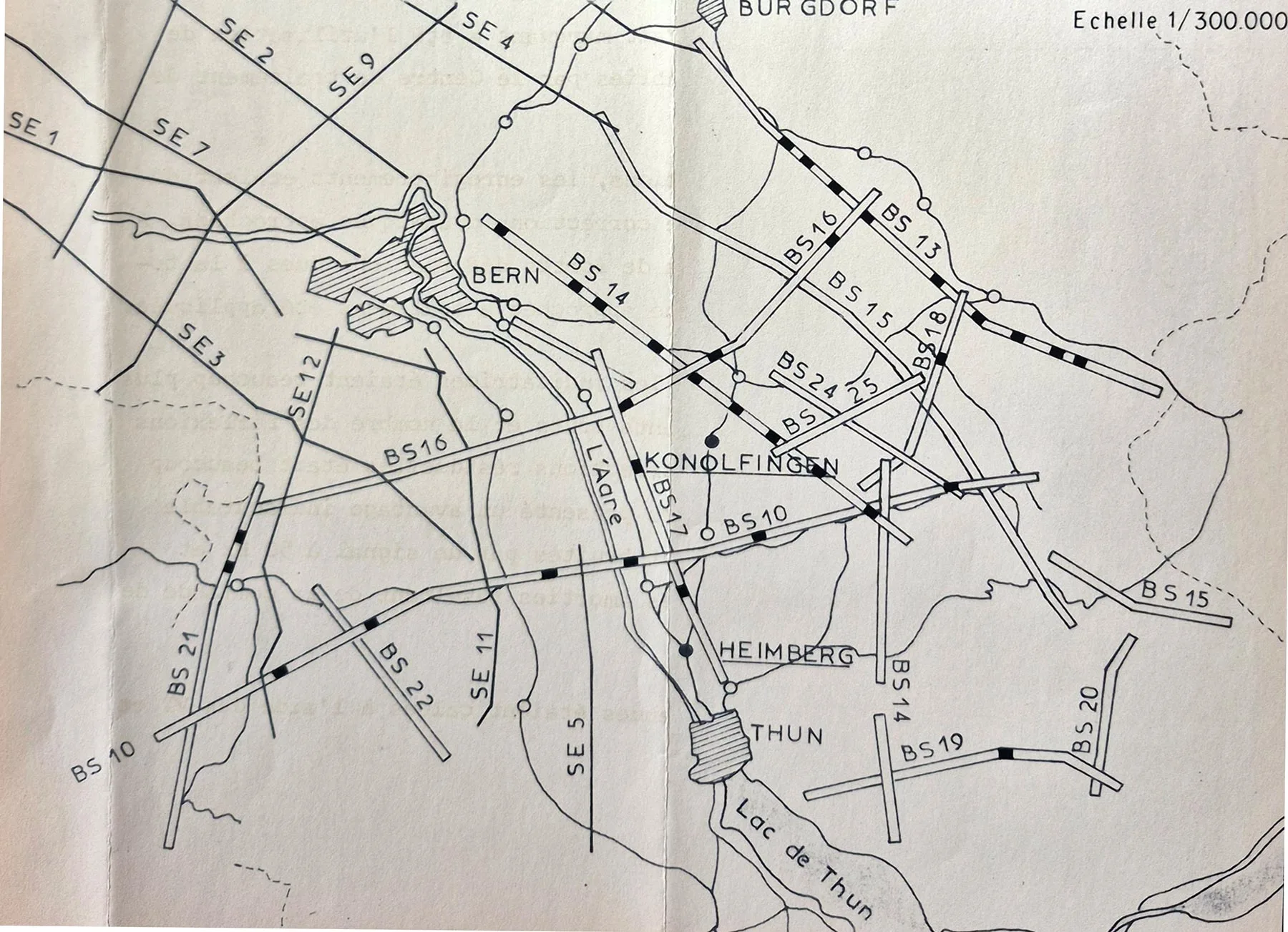
At that time, the Société Nationale des Pétroles d’Aquitaine, a company originally established by the French state to look for petroleum in the Aquitaine region, had considerable experience in exploring for deep hydrocarbon deposits using geophysical methods. In 1965, BEAG merged with this and other partners to form the Berner Erdölkonsortium. This ‘Bern Crude Oil Consortium’ was granted a permit by the cantonal authorities to conduct seismic surveys investigating the geological structures deep under the surface throughout an area of around 2,605 square kilometres. Work initially focused on the southern side of the Jura mountains, before moving on to the region south of Bern and the northern edges of the Alps. During the two years these surveys were being carried out, more than 4,000 boreholes were drilled and seismic profiles were mapped along roughly 564 kilometres of measuring lines.
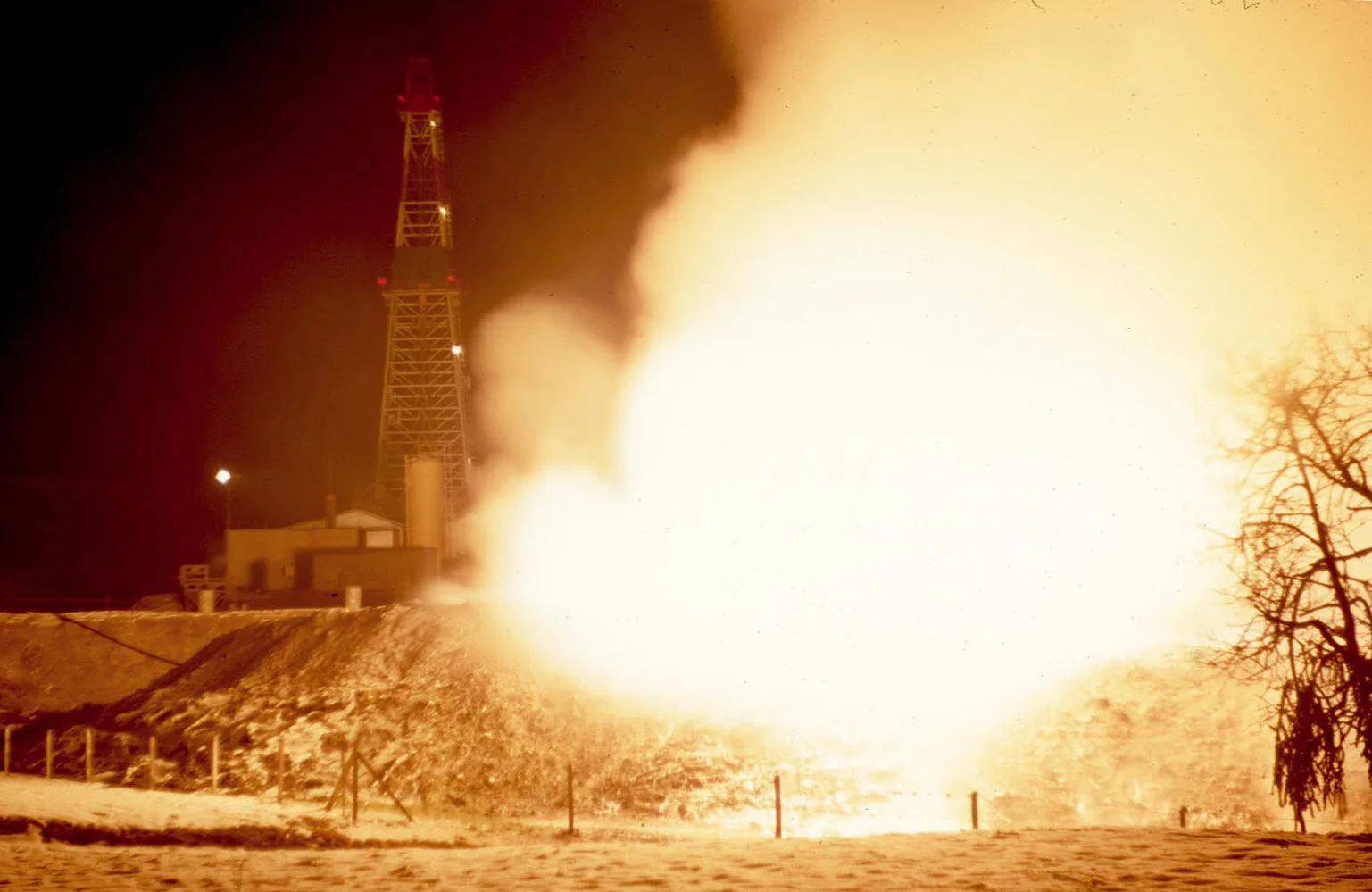
That changed in the night of 15 to 16 December 1972, when the drill head hit a much larger reservoir of natural gas at a depth of 4,580 metres. The unexpectedly high-pressure natural gas erupted out of the well in an explosion that shook the windowpanes of buildings in the vicinity. The pressure of the gas hurled drilling sludge as far as 100 metres in all directions, covering the snowy hillsides in a layer of filthy mud and poisoning almost all the fish in nearby waters, despite all the safeguards that had been put in place. The gas was eventually brought under control with the help of flamethrowers and allowed to burn off. The closest buildings were evacuated temporarily for safety reasons.
Once the gas had been successfully diverted into the designated flare system, it was decided to launch an attempt at production. Some 500,000 cubic metres of natural gas were extracted and flared in the following weeks. But the layers of rock drilled into were to prove unsuitable for commercial exploitation: the reservoir was too small, and the complex sub-surface geology prevented sufficient gas from escaping freely from the well.
Nevertheless, the Bern-based consortium did achieve one technical milestone: the ‘Thun 1’ site in Teuffenthal, 10 kilometres to the south of Linden, set a new Swiss record in 1989 by drilling to a depth of 5,945 metres. Bern’s oil consortium was dissolved when both Swisspetrol Holding AG and Bernische Erdöl AG went into liquidation in 1994.