George, Martin, Nicholas – timeless humanity
The legends of the saints are written without footnotes. They can’t be checked and verified. The significance of these legends lies in the moral ideal that lives on in elaborate portrayals as a gentle entreaty to follow their saintly example.

Kurt Messmer
Kurt Messmer (1946-2025) was a historian with a focus on history in public space.
The Fourteen Holy Helpers
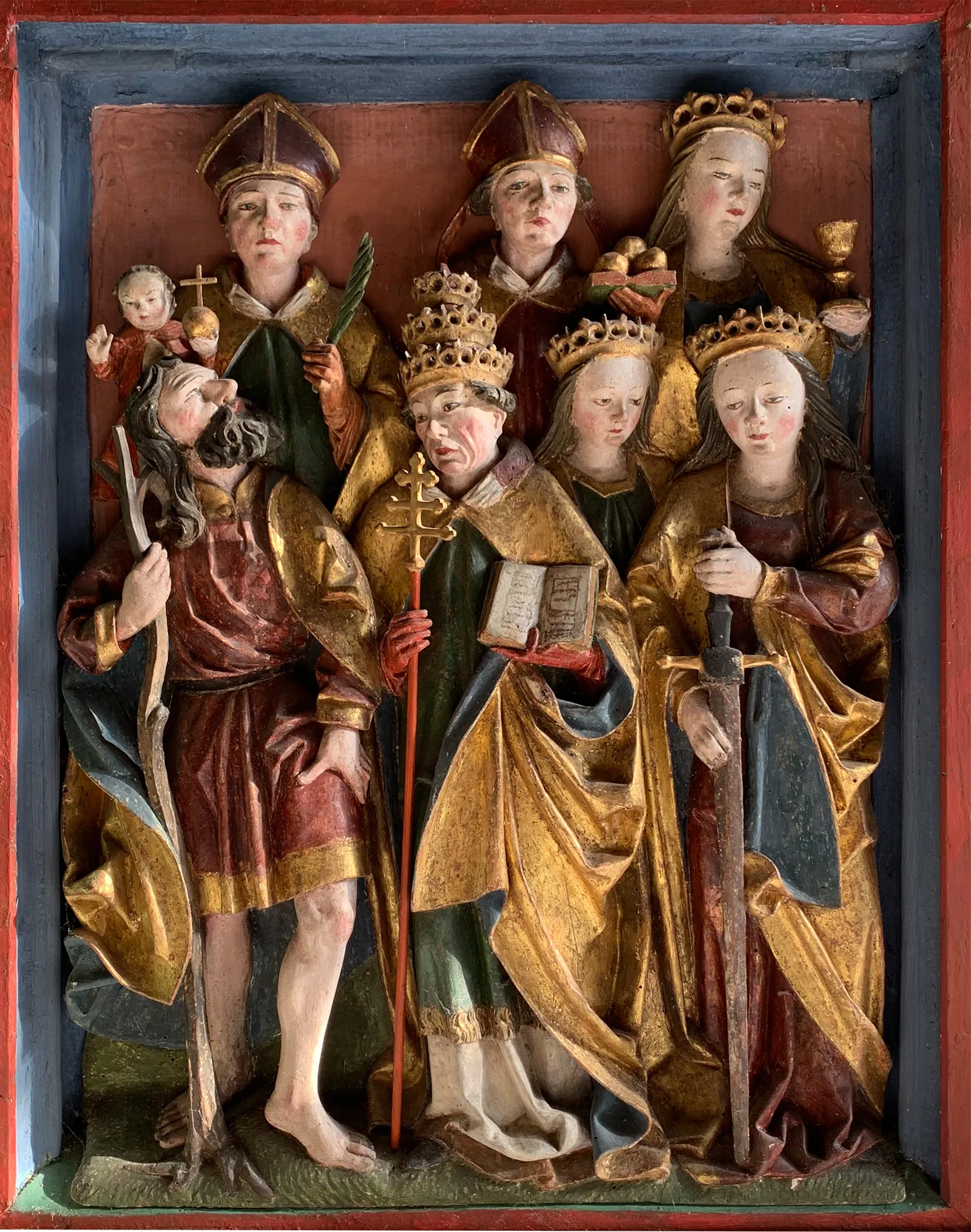
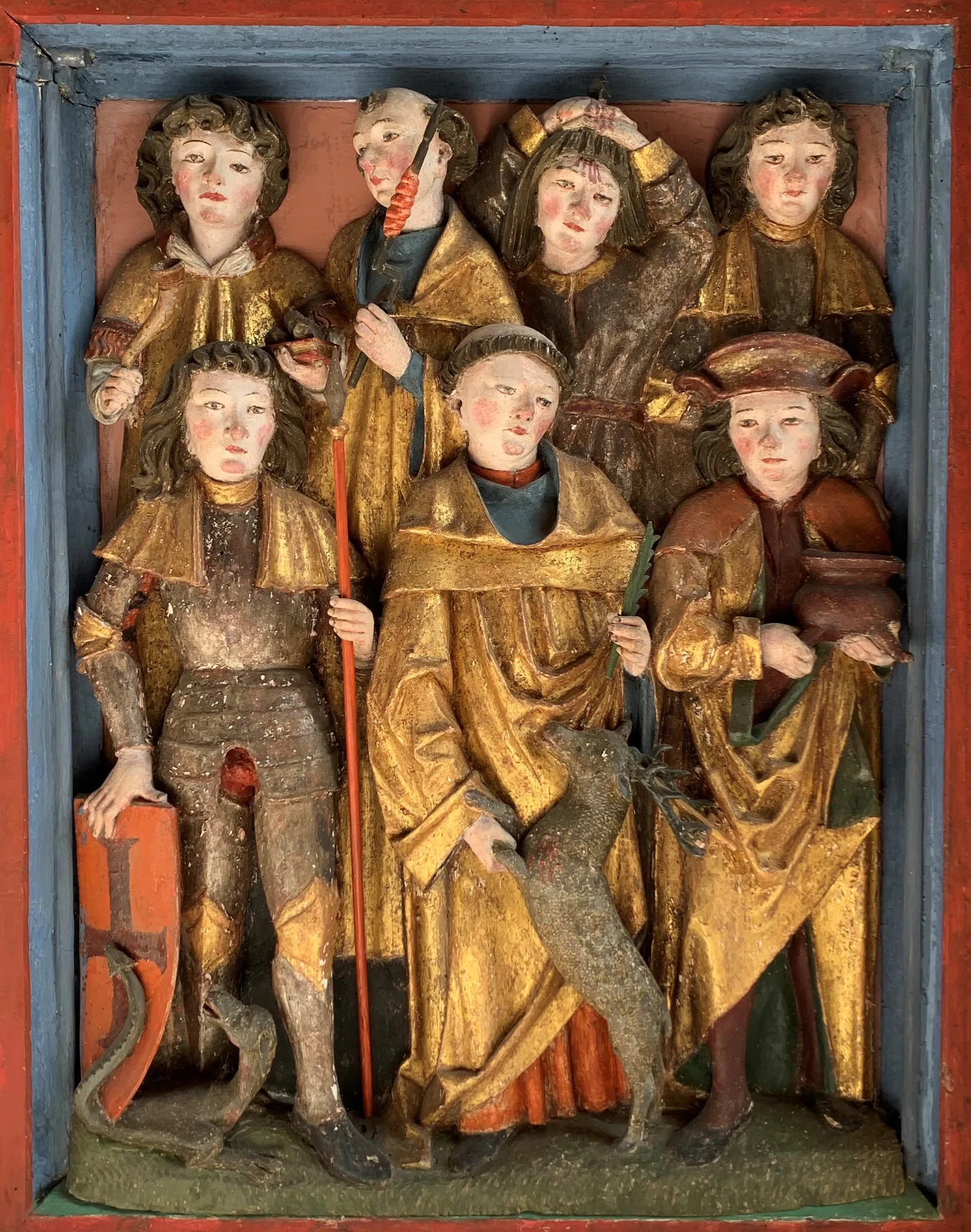
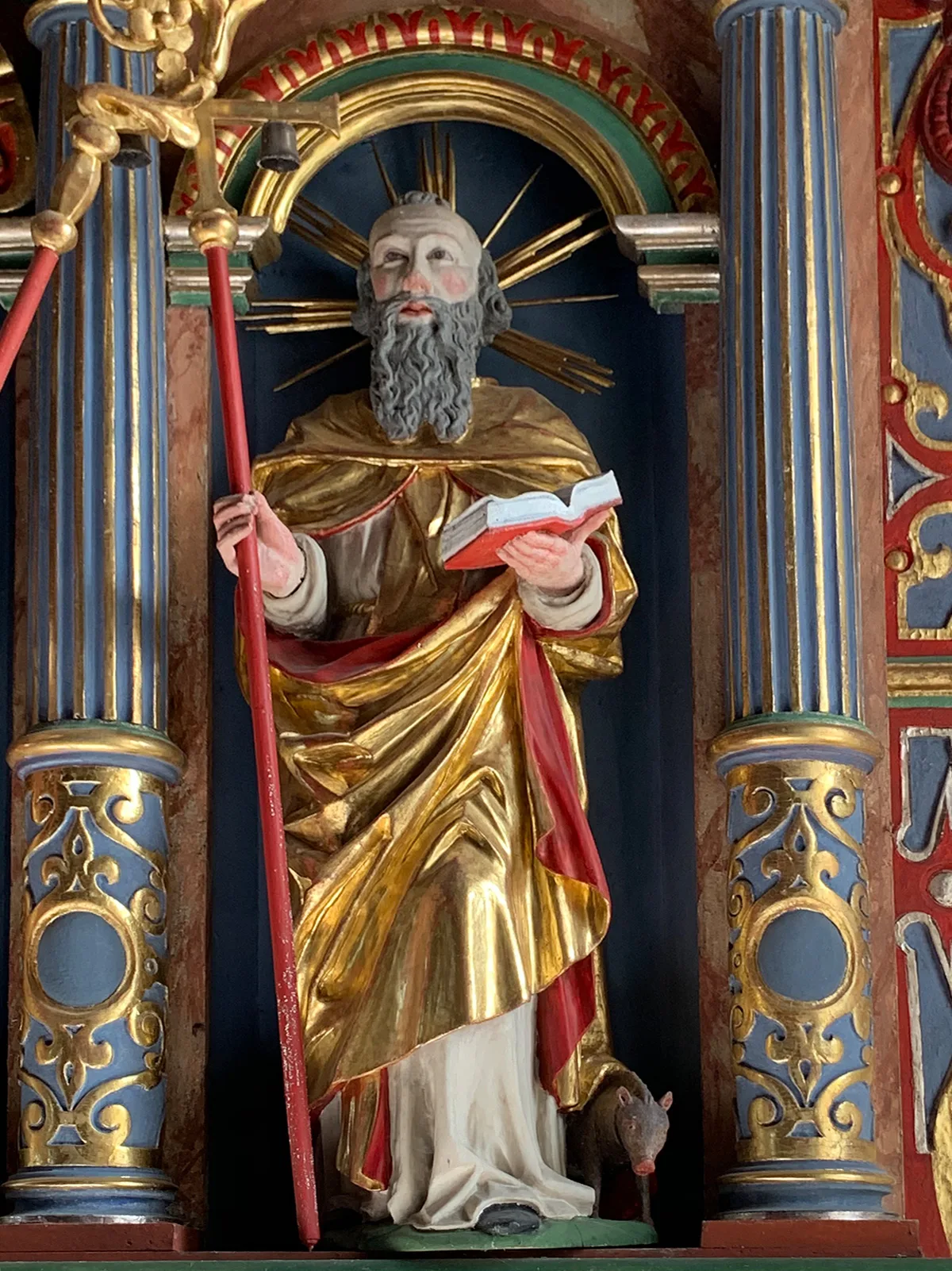
‘John, you must go in the stove!’ – Reformation, banishment of the saints
But there was still covert disobedience and damage. For example, Thomas Platter (1499-1582) noted in his biography: ‘As I was now sexton, I often needed wood for fire to warm the place up. One morning I had no wood, and Zwingli wanted to preach in the Fraumünster early in the morning. When the church bells were already ringing and people were being summoned to the church, I thought: you have no wood, and there are so many idols in there; and because no one was in the church yet, I went to the first altar I saw, grabbed a statue of John, and said to him “You must go in the stove!”’
Felix and Regula – interim special status for Zurich’s patron saints
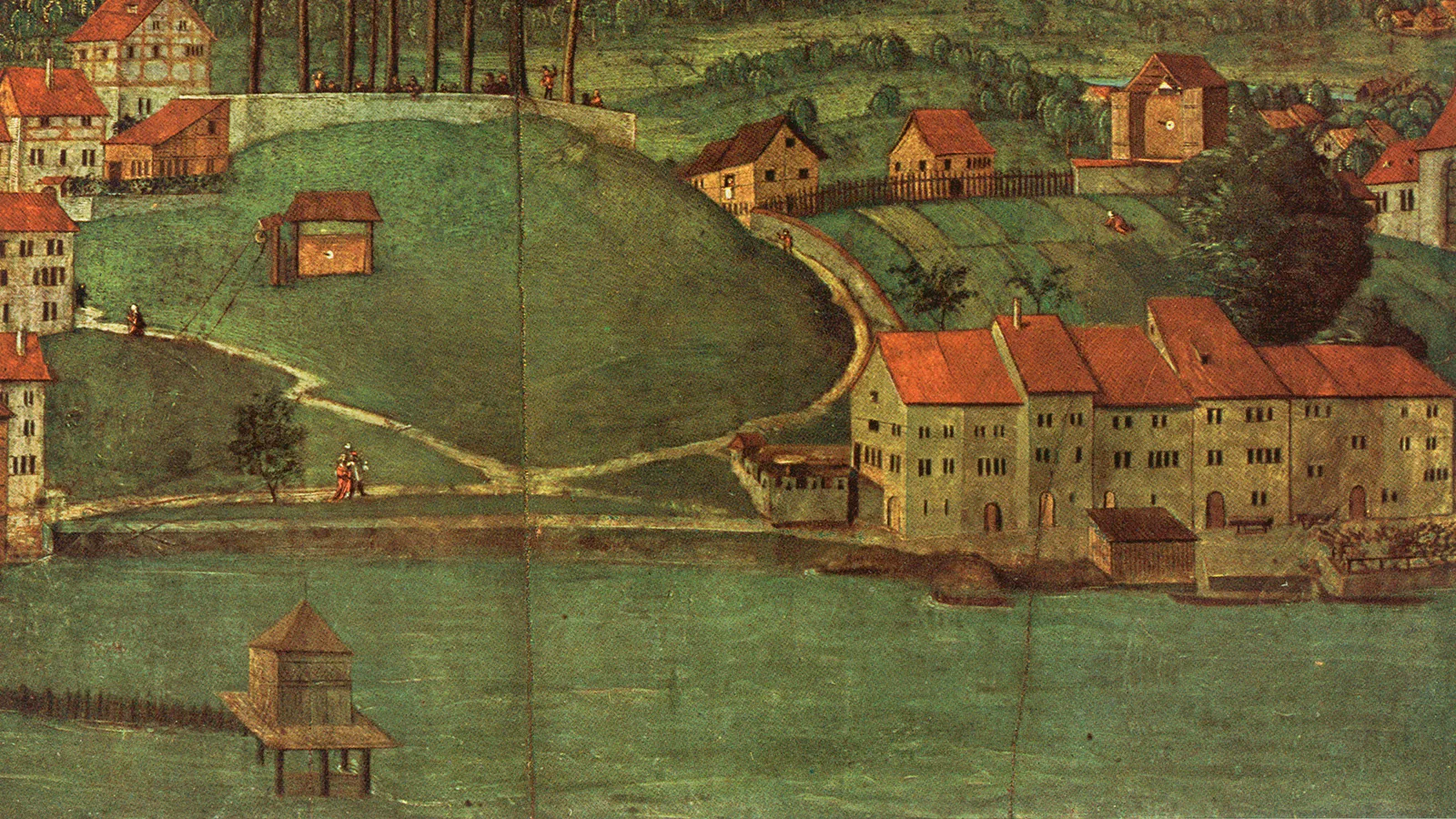
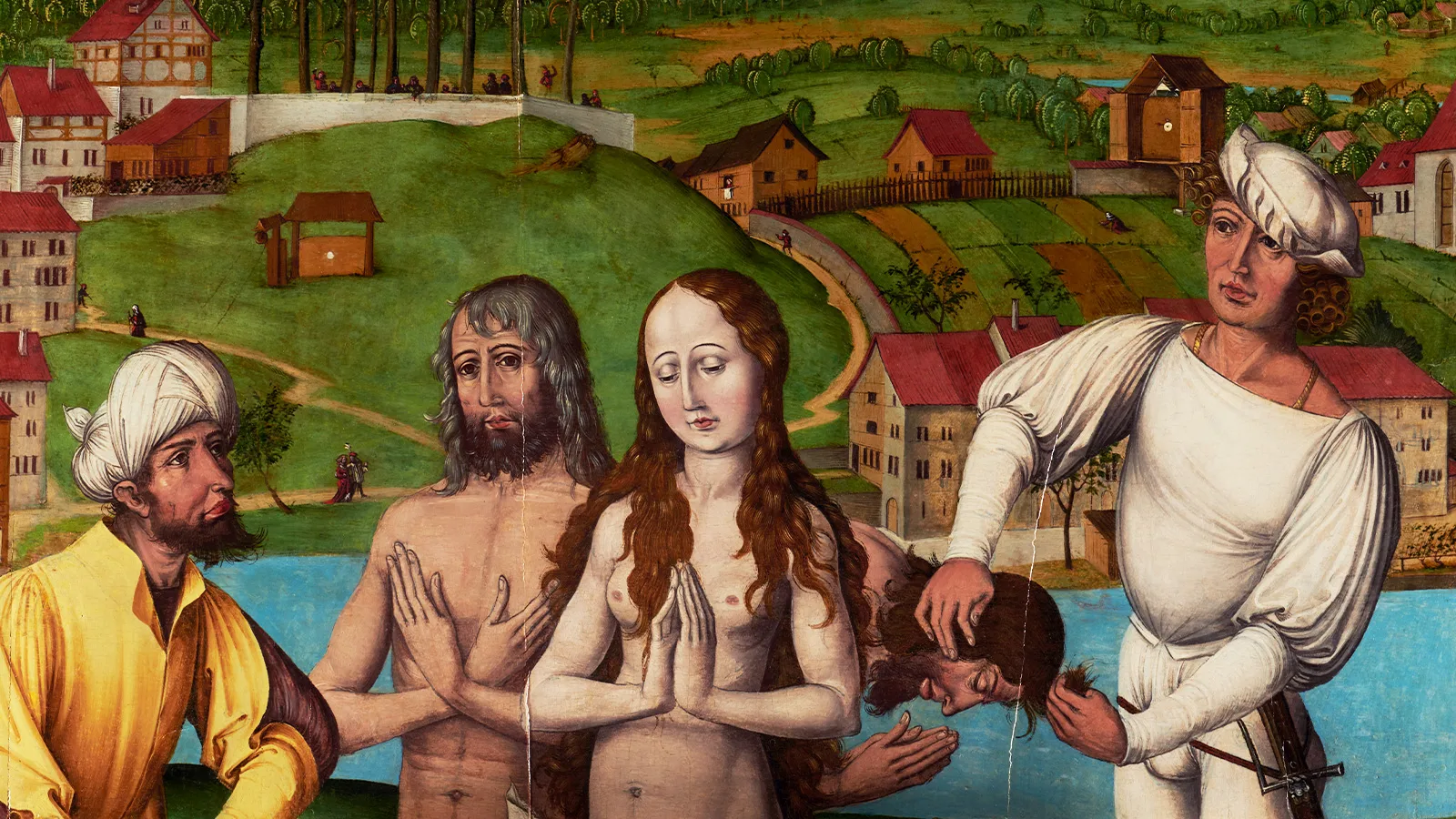
Nonetheless, an altarpiece featuring Felix and Regula also got caught up in the iconoclasm. But it wasn’t just any old picture. Its background was a ‘likeness’ of the city of Zurich that surpassed all previous works in its level of detail; it was on a par with contemporary cityscapes of Venice. Even the iconoclasts must have recognised the significance of this painting. So the legend of the saints was vandalised only to the extent that the cityscape itself wasn’t damaged. 60 cm was sawn off the bottom, and 15 cm off the top. Four decades later, even that was no longer enough. The holy figures were painted over, and the areas they had covered were filled in with other features, most notably buildings in the city’s Schipfe area.
The Last Judgement – perplexing arbitrariness
In contrast to Bern, in Basel the tympanum in the main portal of the cathedral was destroyed. At the northern side entrance of the same church, however, the Last Judgement above the entrance of the Gallus Gate was spared – strange! Was it because here, Christ was receiving the people with clemency and kindness, not with fearsome severity? Did the powerful aura of the oldest Romanesque sculptural portal in the German-speaking area (around 1185) make the vandals think twice?
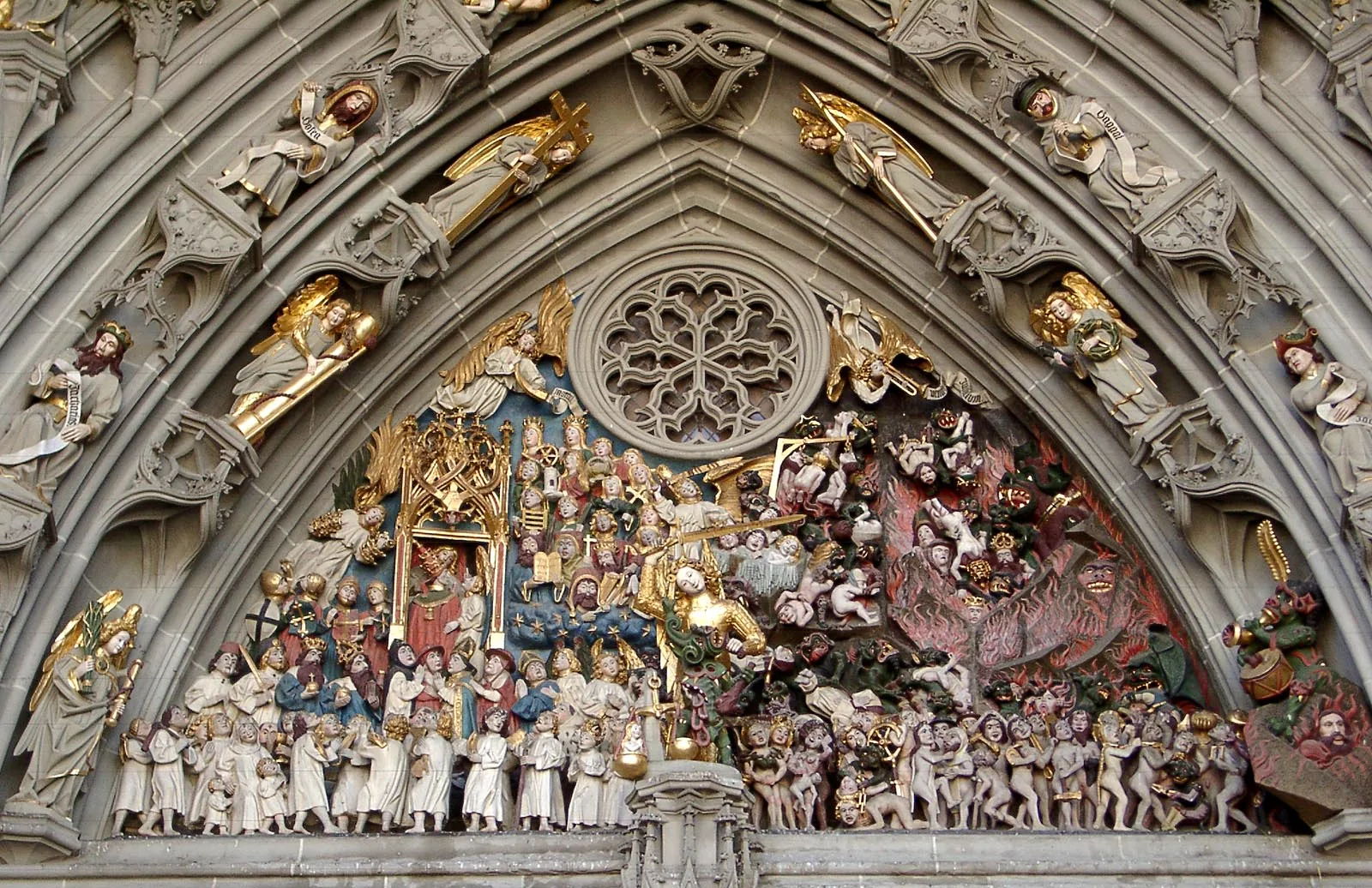
Image 01 of
03
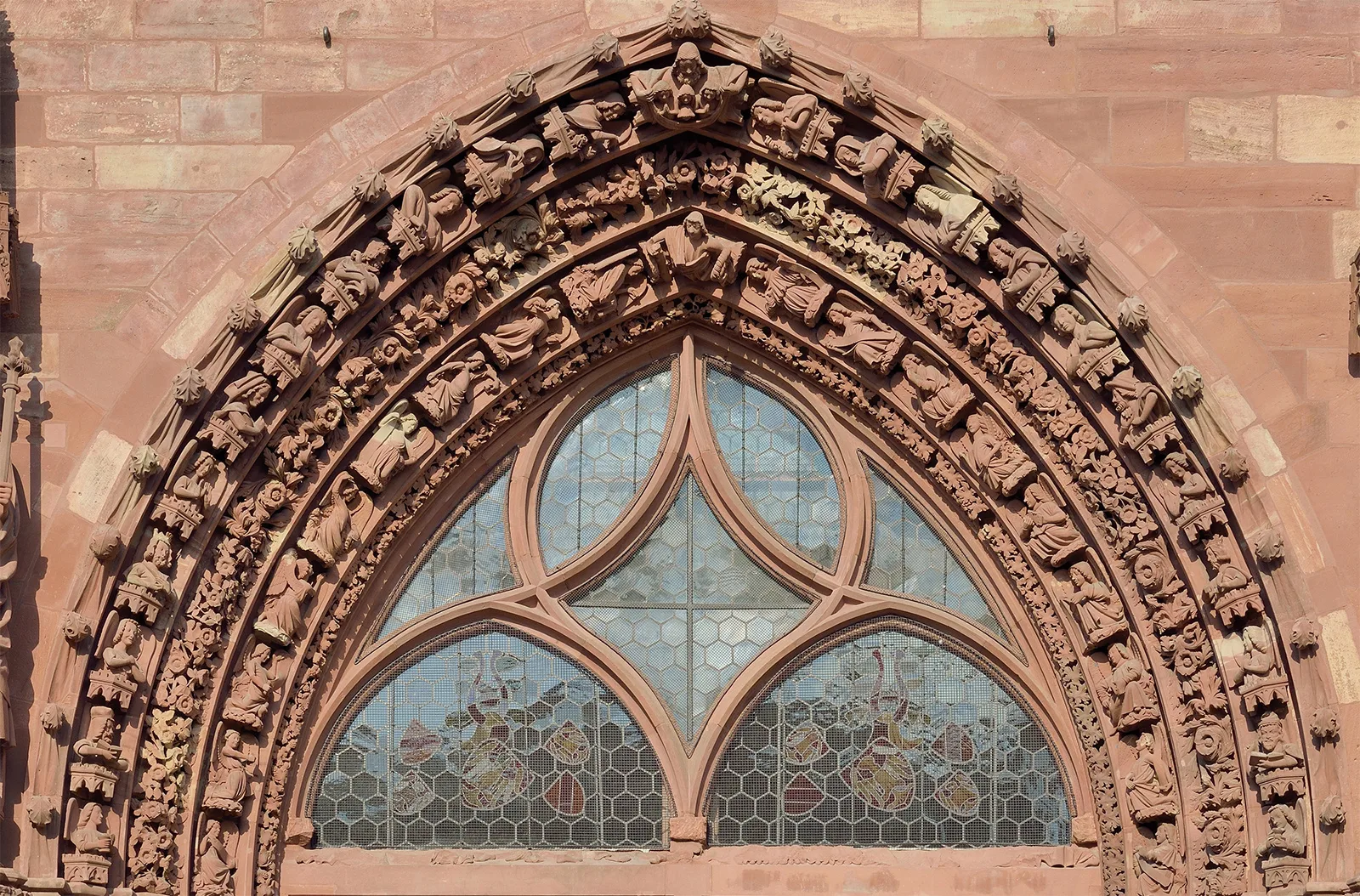
Image 01 of
03
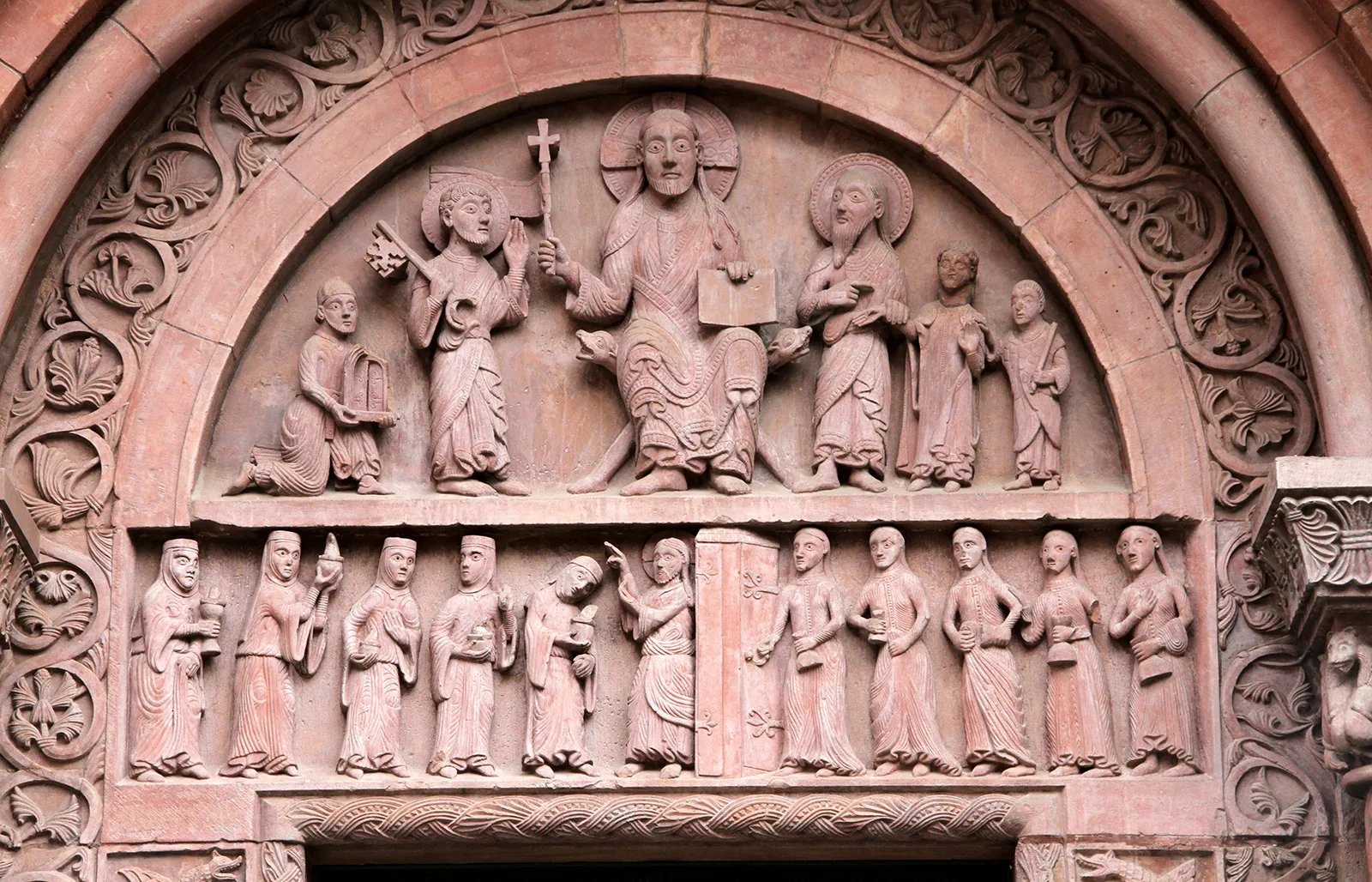
Image 01 of
03
Exceptions to the rule
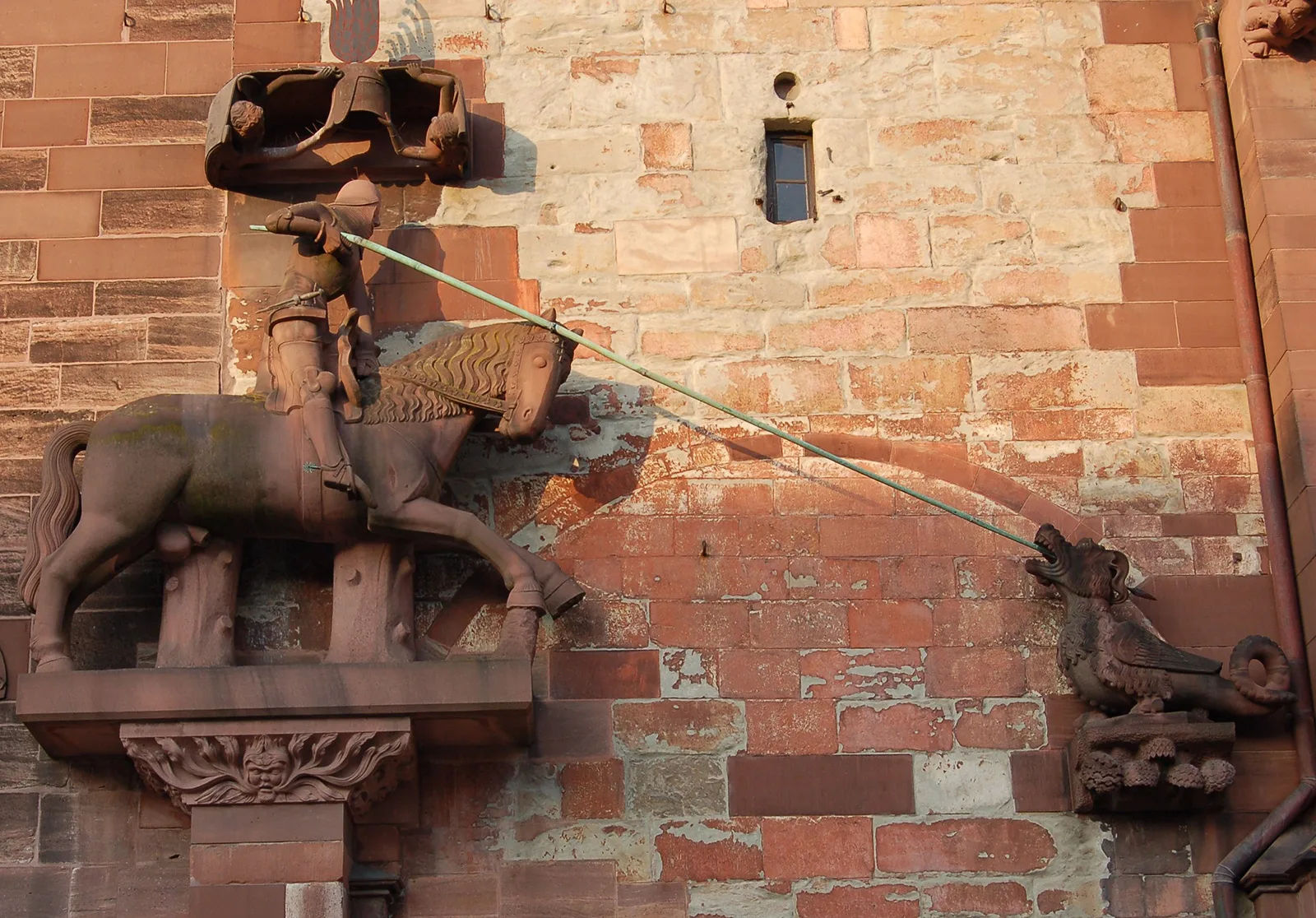
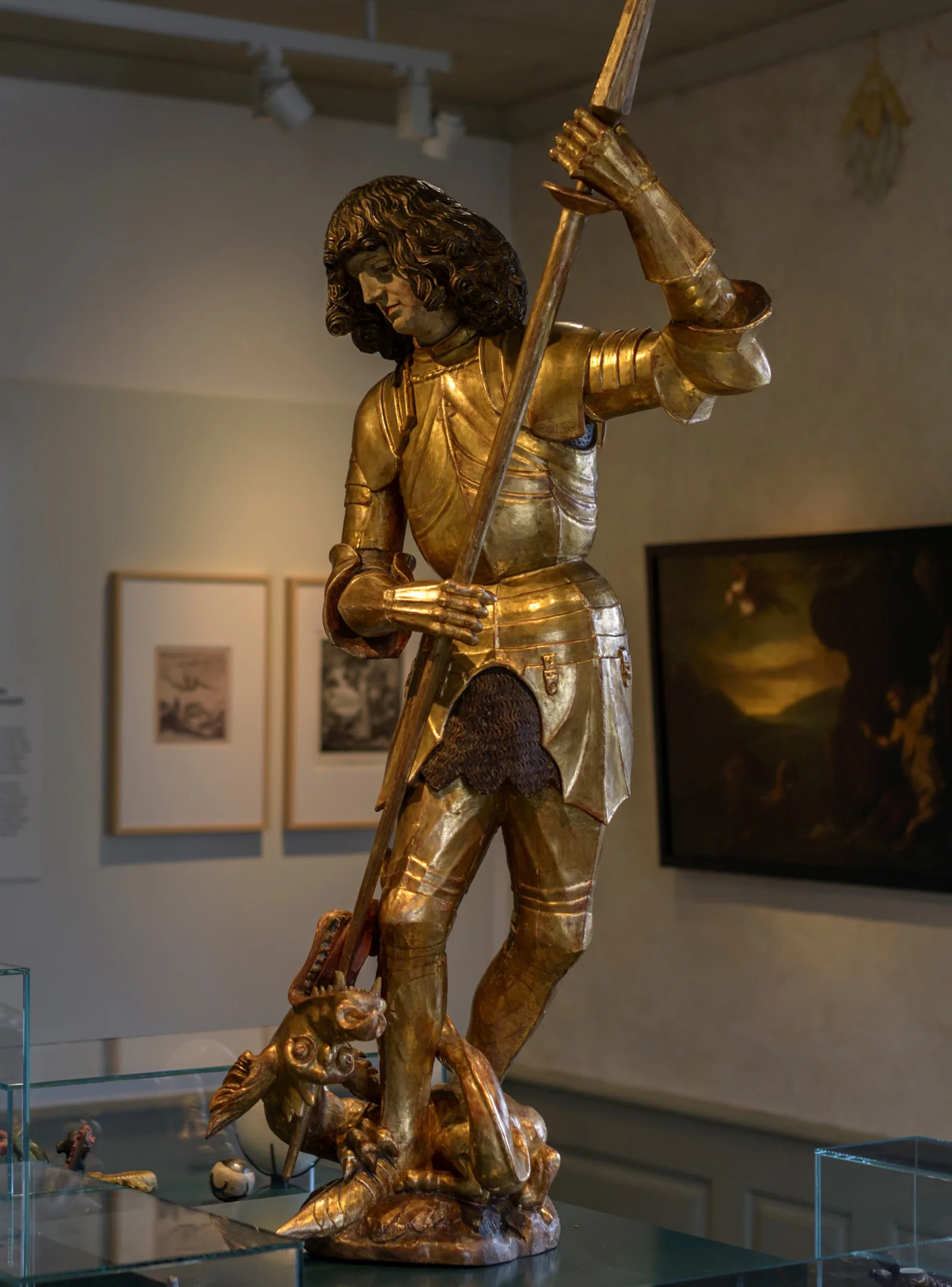
George – chivalric bravery in the fight against evil
In town and countryside, members of the ruling elite who sought to distinguish themselves as being ‘of good repute’ acquired grants of arms (Wappenbrief) and patents of nobility (Adelsbrief) at foreign courts and spent good money on having themselves created knights. There is a certain humour in the fact that Aegidius Tschudi (1505-1572) elevated to the knighthood, of all people, the mythical knight-conqueror Winkelried, as can be read in his Chronicon of 1550: ‘Arnolt von Winkelried, an honest knight’.
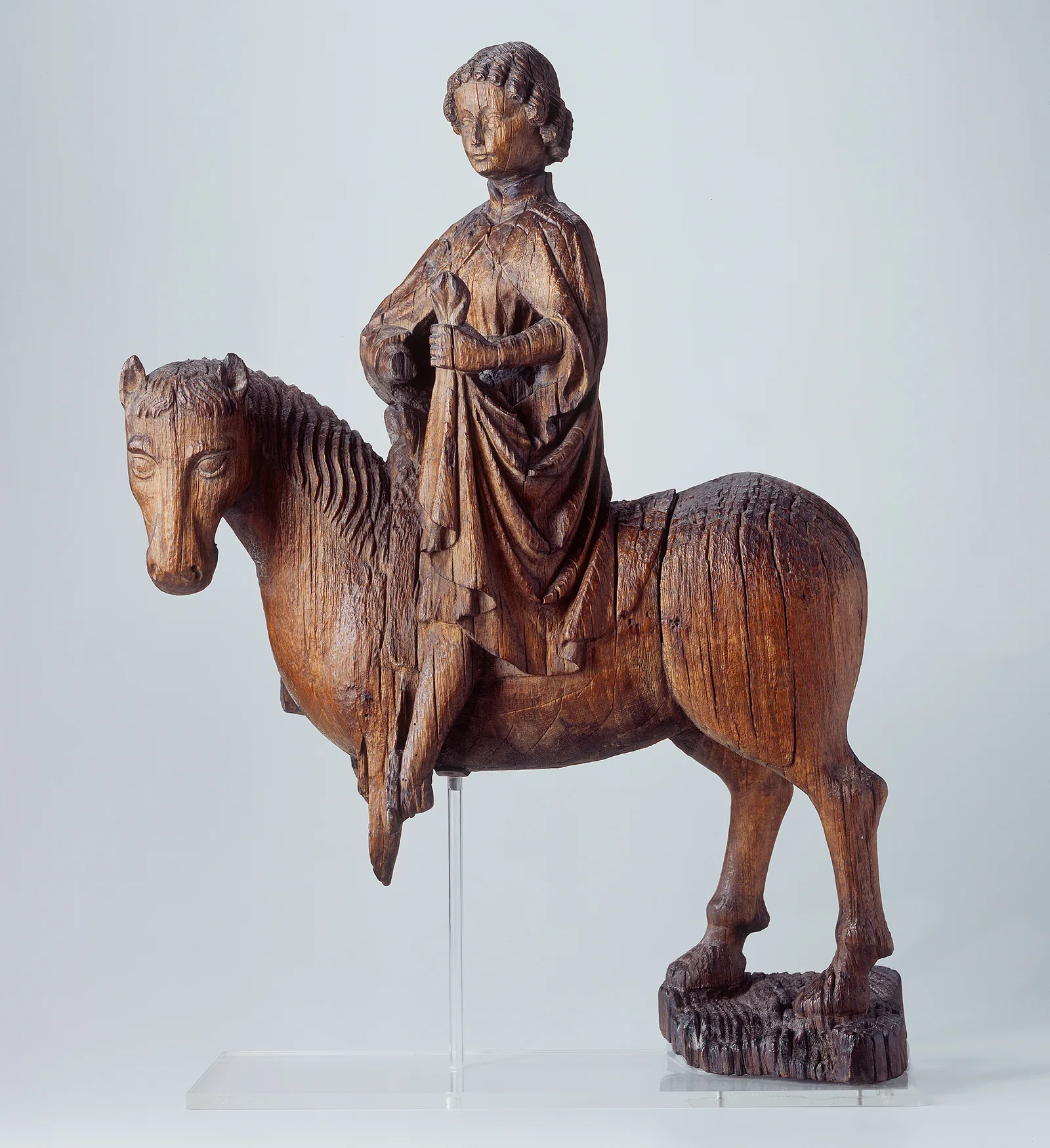
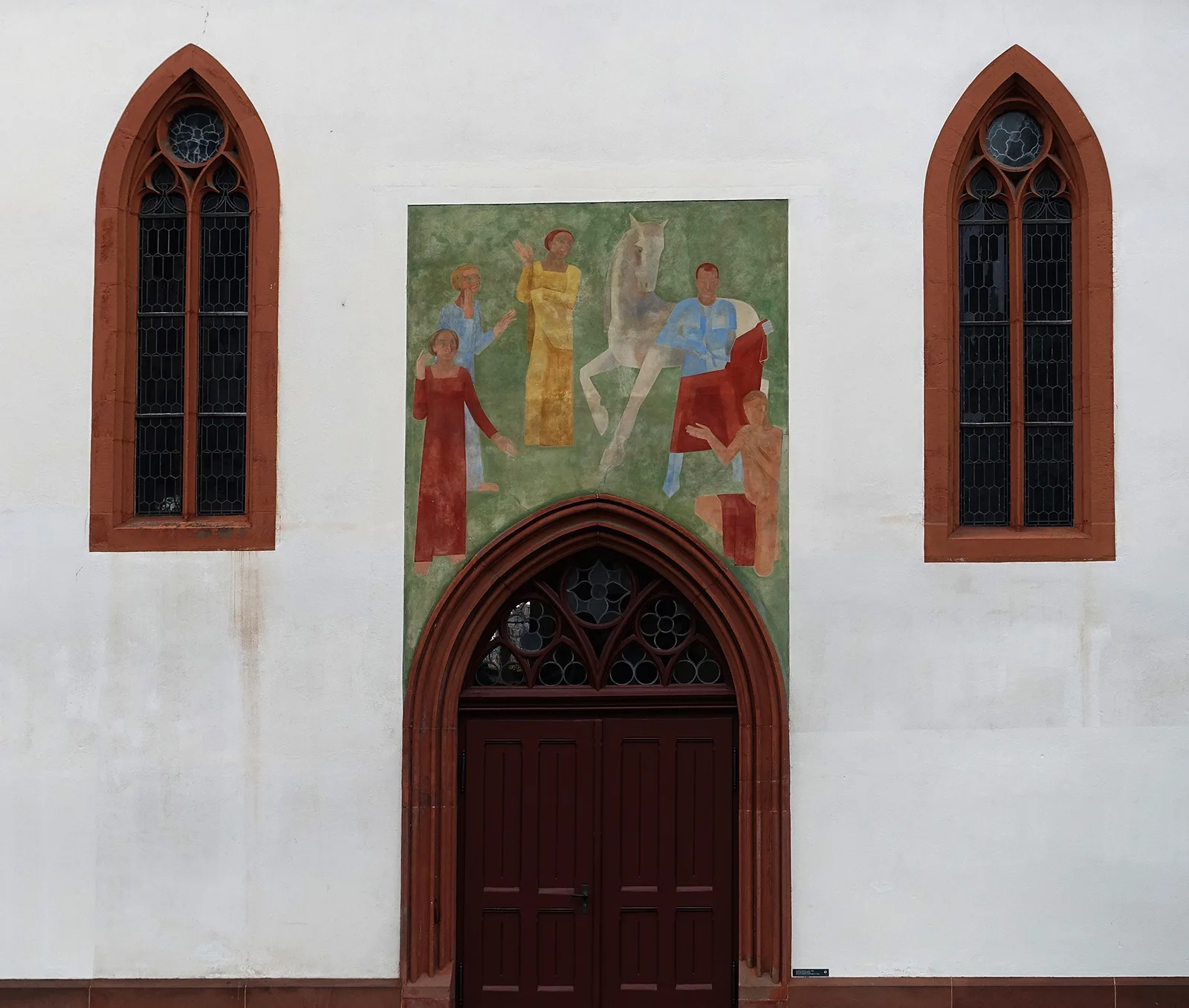
Martin – compassion that touches both parties
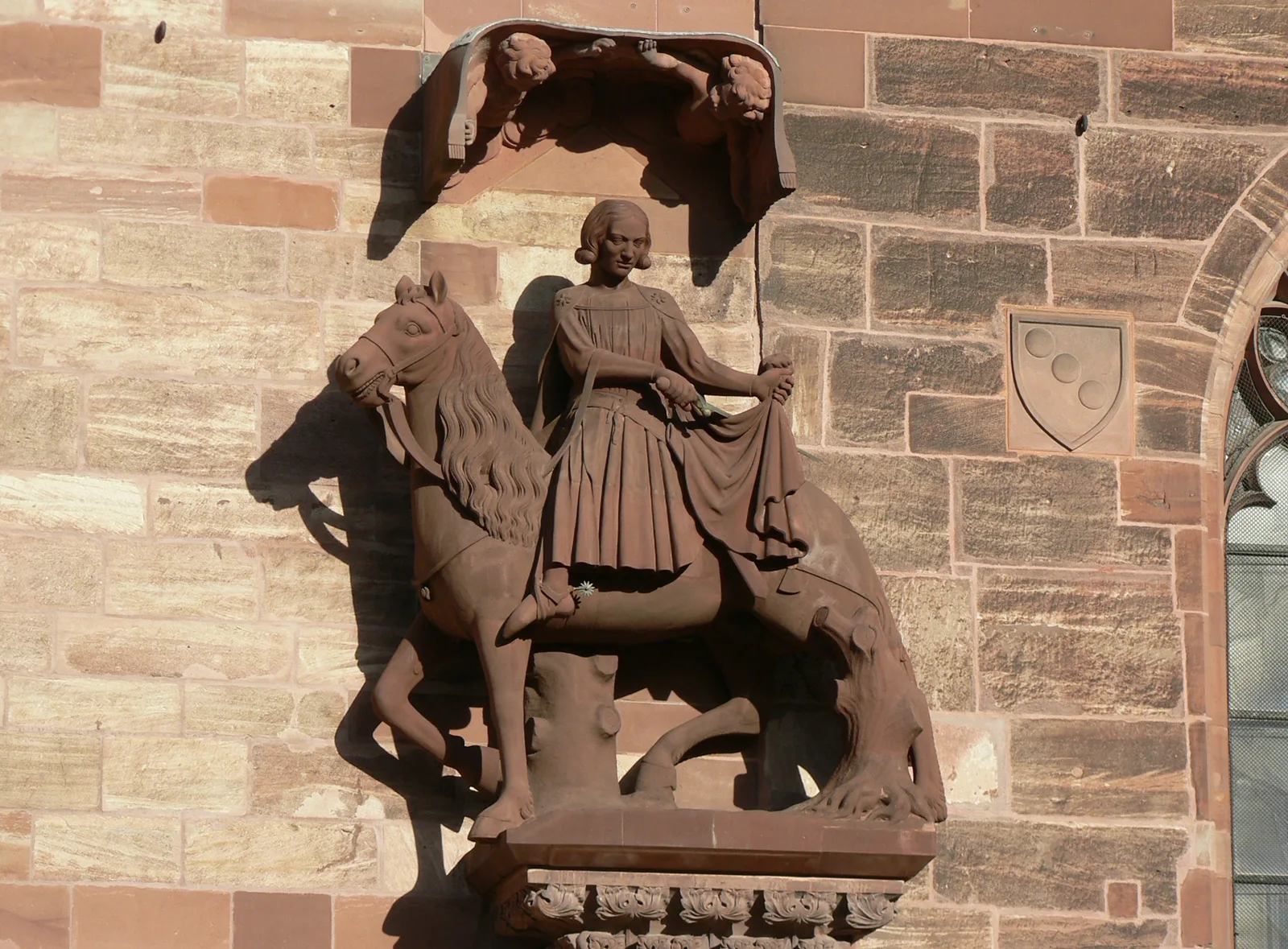
As is so often the case, the legend of St Martin dates back to late antiquity. In terms of source, it too comes out of pitch darkness. But Martin’s cutting of his cloak is unquestionably part of the world’s moral heritage.
Nicholas – not everything depends on gold
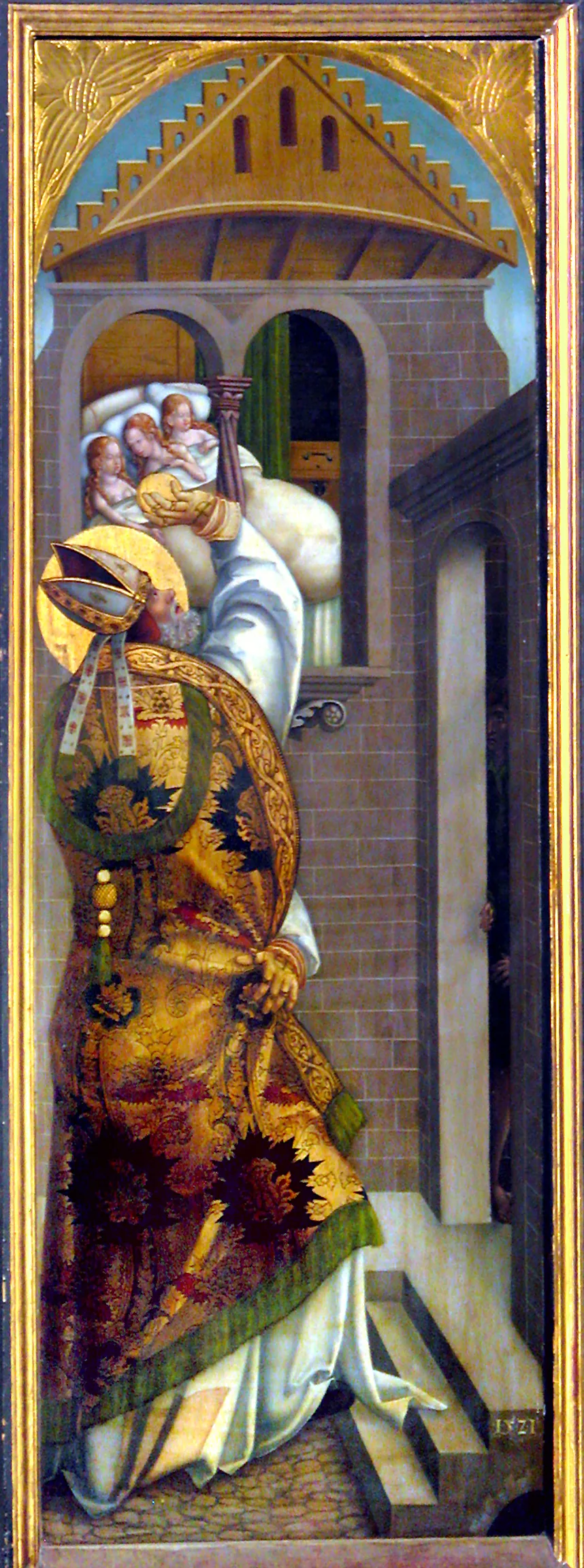
According to notable folklorists, the St Nicholas figure was ‘tenacious, resilient and clearly psychologically essential even in Zurich’. It is believed that the St Nicholas tradition persisted in areas of the new religious denomination even during the Reformation. Archetype remains archetype.