How the linen trade brought wealth to Europe
Linen production and trading was once the livelihood of many people in Europe, especially in eastern Switzerland. A famous landscape painting from the Netherlands in Kunsthaus Zürich tells a tale of global trade routes and mutual dependence.

Barbara Basting
Barbara Basting worked as a cultural editor and currently heads the visual arts division in the City of Zurich’s Culture Department.
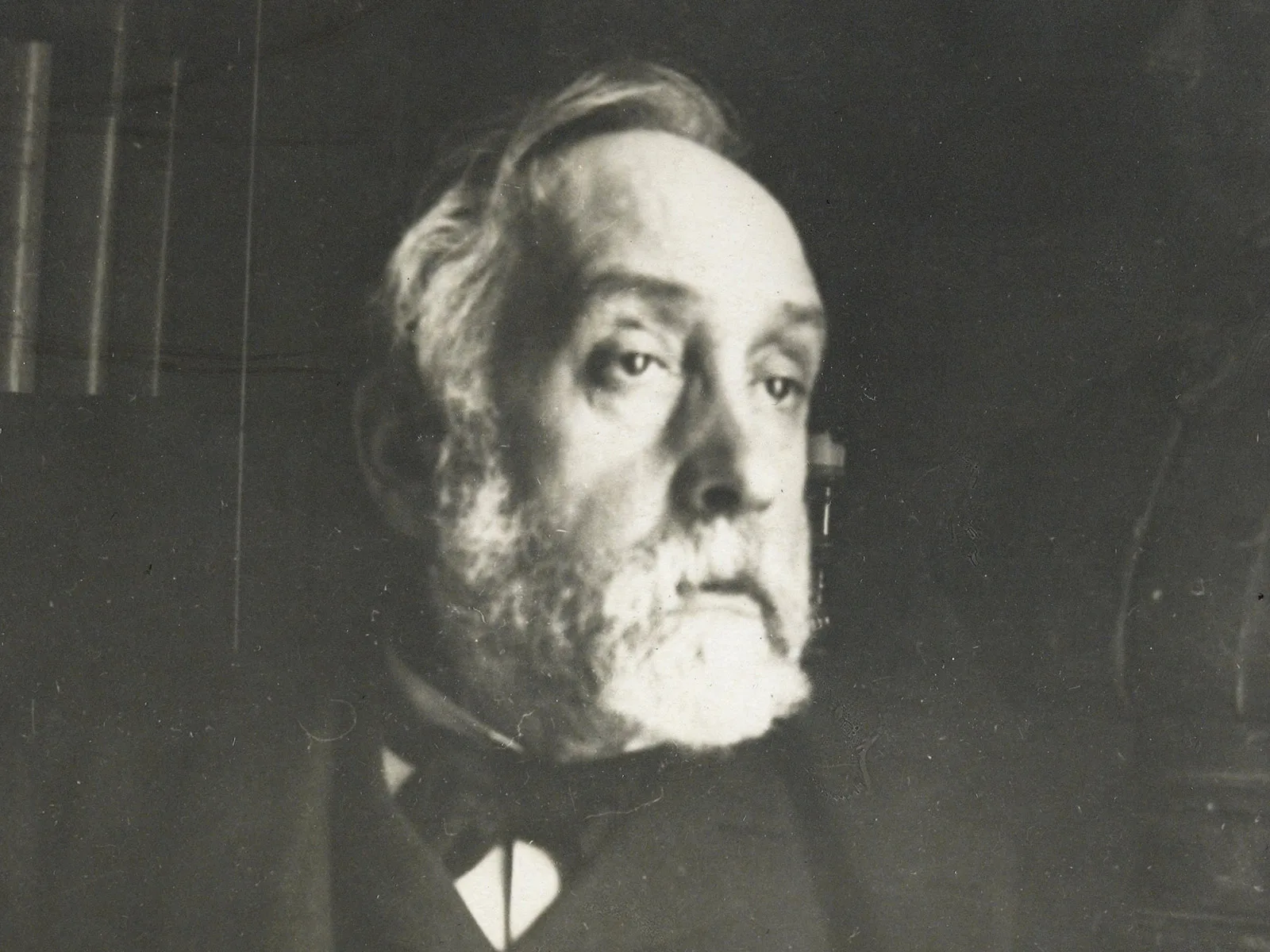
The Dutch painter is known for his depictions of everyday themes. His works achieved widespread acclaim during his lifetime and were included in many prominent museum collections. His posthumous fame is also due to his popularity among prominent figures from the worlds of art and literature, including Füssli and Goethe.
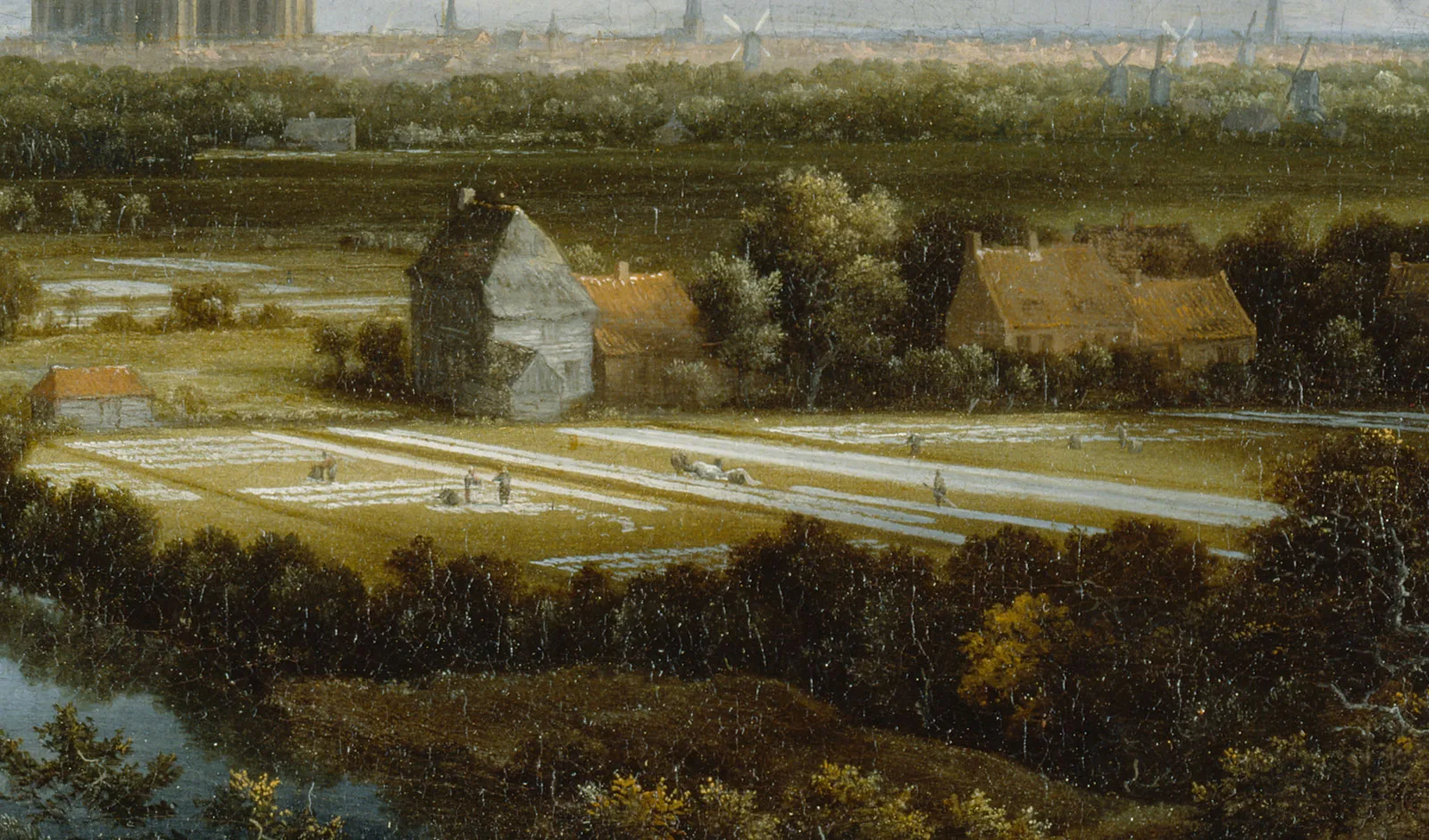
Ruisdael only covered relatively few subjects, which sold well. His wooded landscapes with waterfalls are famous, as are the many portraits of his hometown Haarlem with its characteristic linen-bleaching fields.
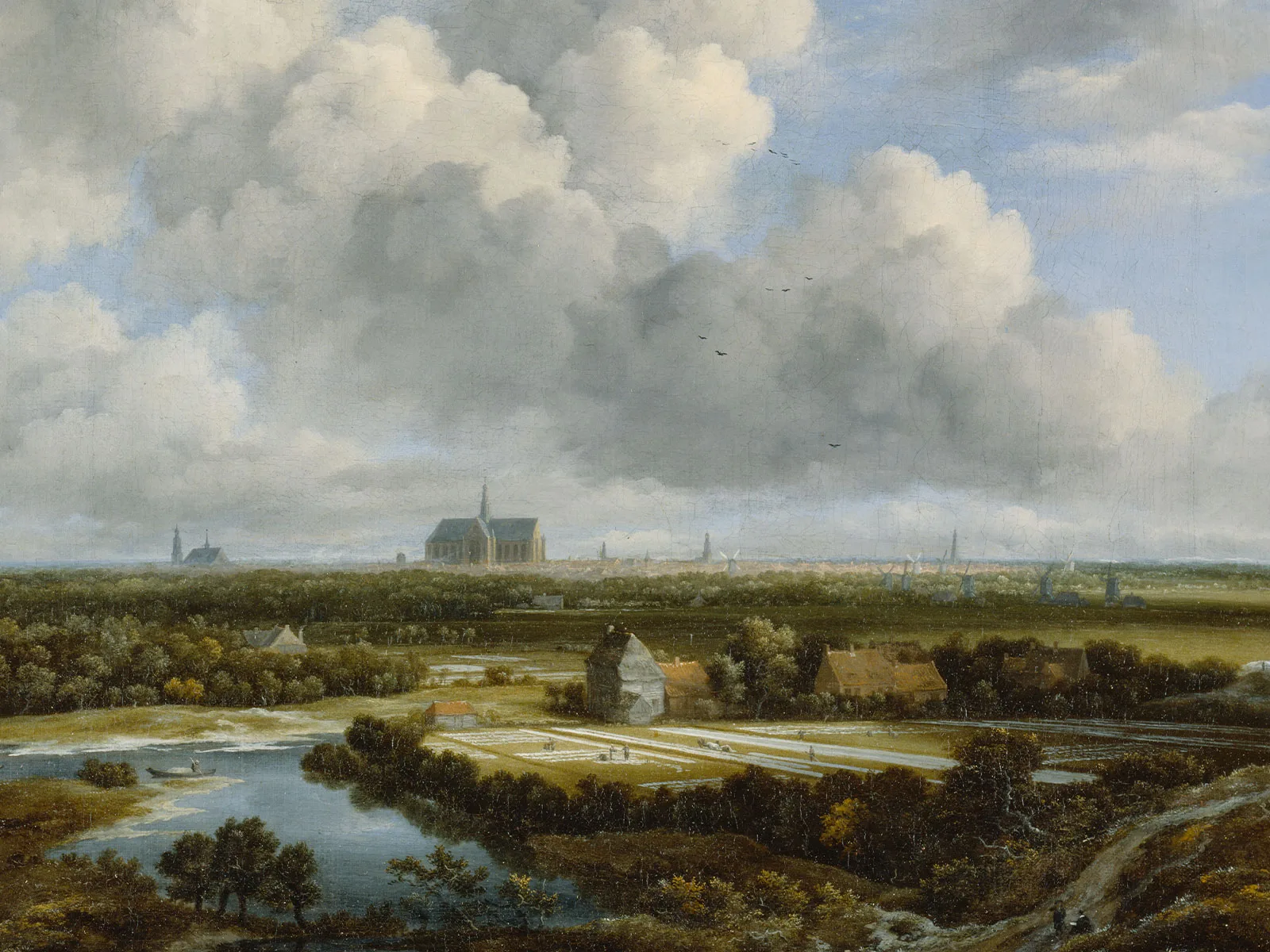
'View of Haarlem with Bleaching Fields' on display at Kunsthaus Zürich is one of his standout works. The billowing cumulus clouds immediately attract the eye. Ruisdael devotes about two-thirds of the painting, which is fairly small, to the cloud formations and the bright, distant sky as it only appears when near the sea. The elevation of the dunes in front of Haarlem captures the bird’s eye view of urban areas that was popular at the time.
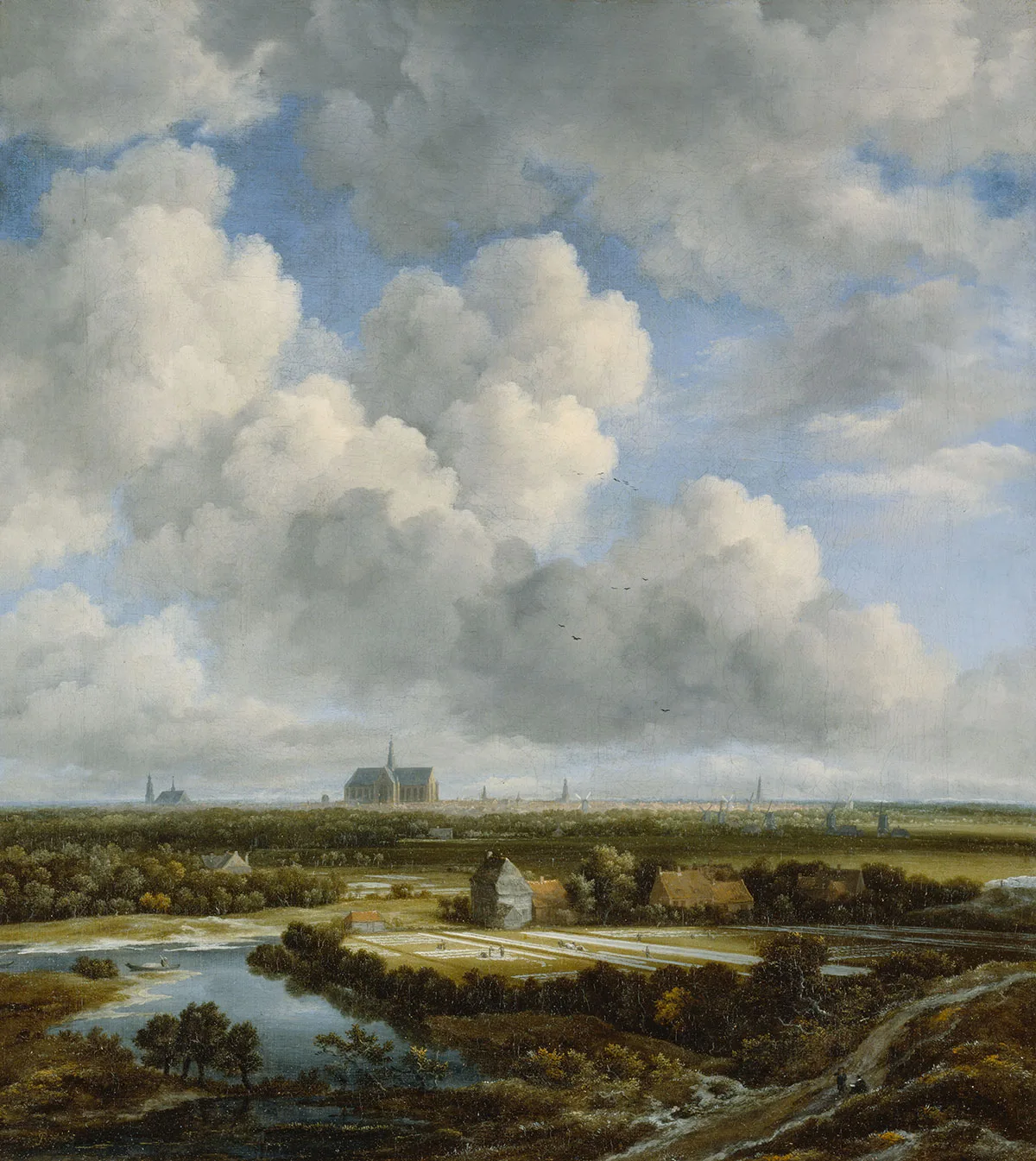
Ruisdael actually had something of a penchant for exquisite light displays, using spray, a corn field or a birch log as a backdrop, in addition to bleached linen.
These features all contribute to the aesthetic appeal of Ruisdael’s work. But this particular painting also tells us a lot. It shows aspects of society as it was then, for example the ideological and economic context with the workers tending to the linen. The linen-bleaching process is at the centre of the painting, a reference to a big part of Europe’s economic past.
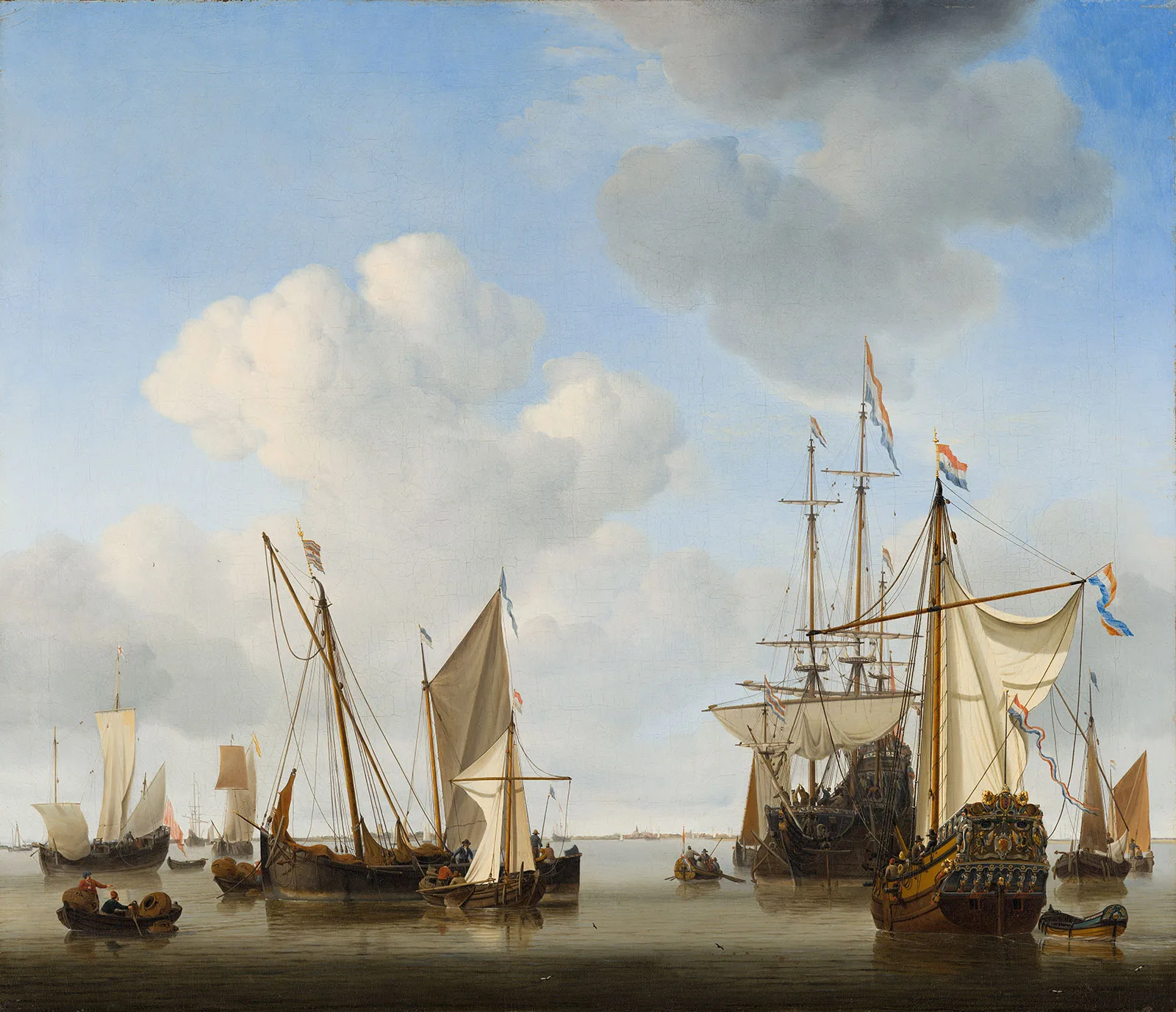
The Netherlands established itself as the economic engine room of Europe following independence from the Spanish branch of the Habsburgs in the 17th century. The country’s liberal constitution and, most of all, religious freedom bore fruit as persecuted protestants came from Flanders ready to apply their skills. The navy was another key factor, and the role it played in the Netherlands’ pending dominance of the seas. However, snow-white, quality linen was not de rigueur on Dutch sailing vessels. The main benefit of the product was its value as a commodity in the emerging triangular colonial trade.
According to historian Philipp Rösner, entire regions of Europe were dedicated to the production and distribution of linen from the 16th century, especially in southern Germany, where the mighty House of Fugger in Augsburg derived much of its wealth from the linen trade, but also Silesia, Scotland, Ireland and Switzerland. Were it not for the linen industry, their commercial past would have taken a different path. St. Gallen gradually established itself as an economic centre, taking over the number one spot from Constance from the mid-15th century.
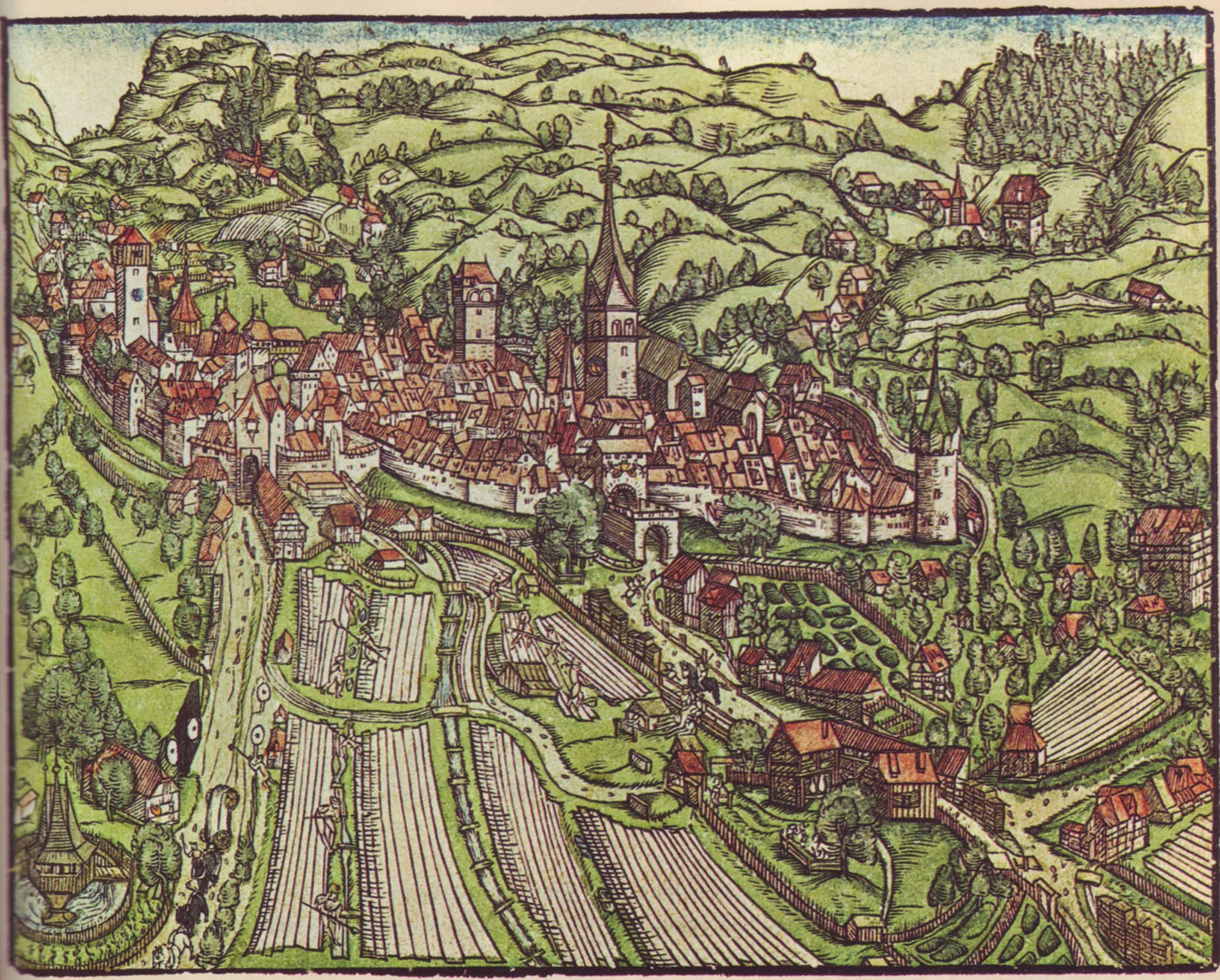
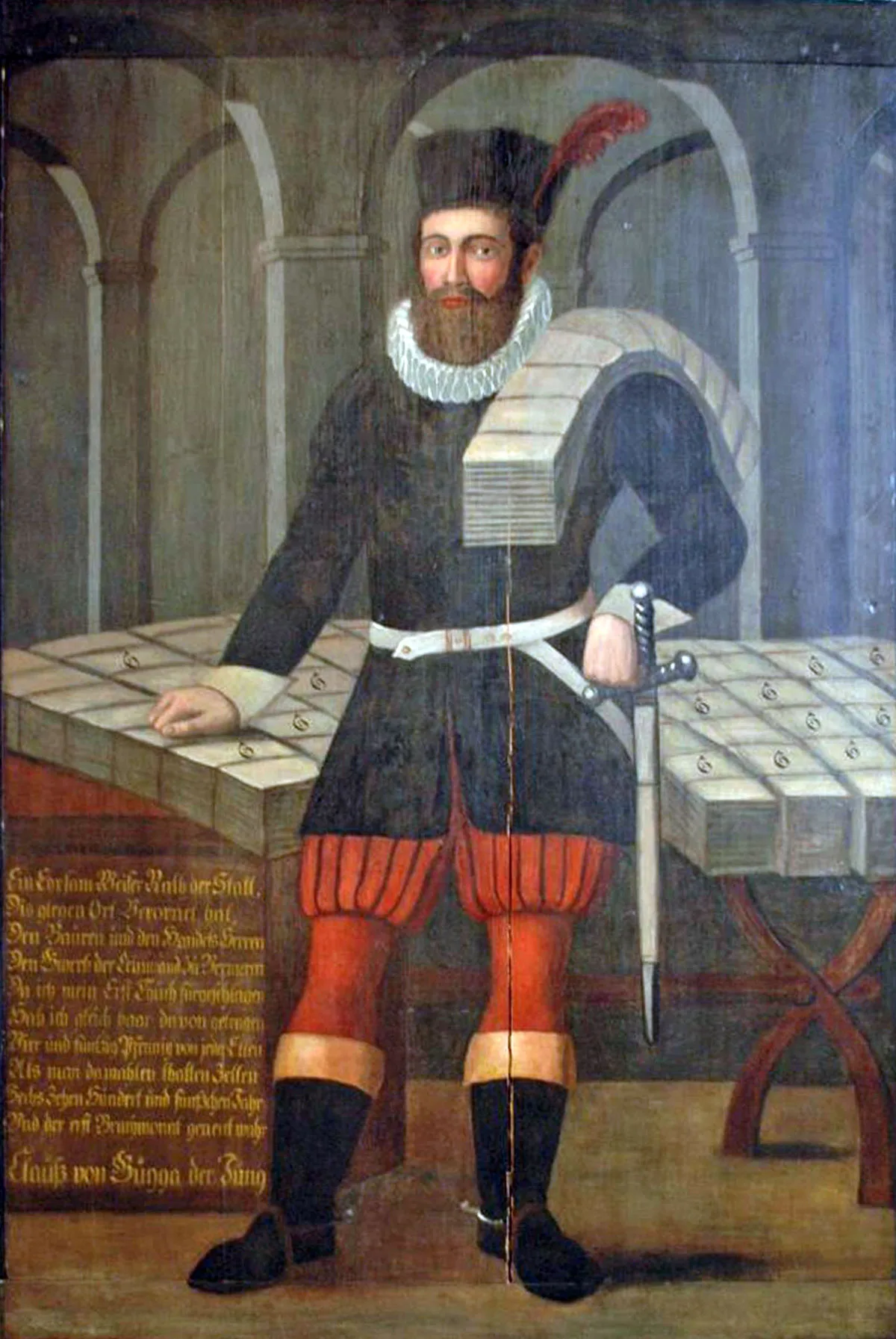
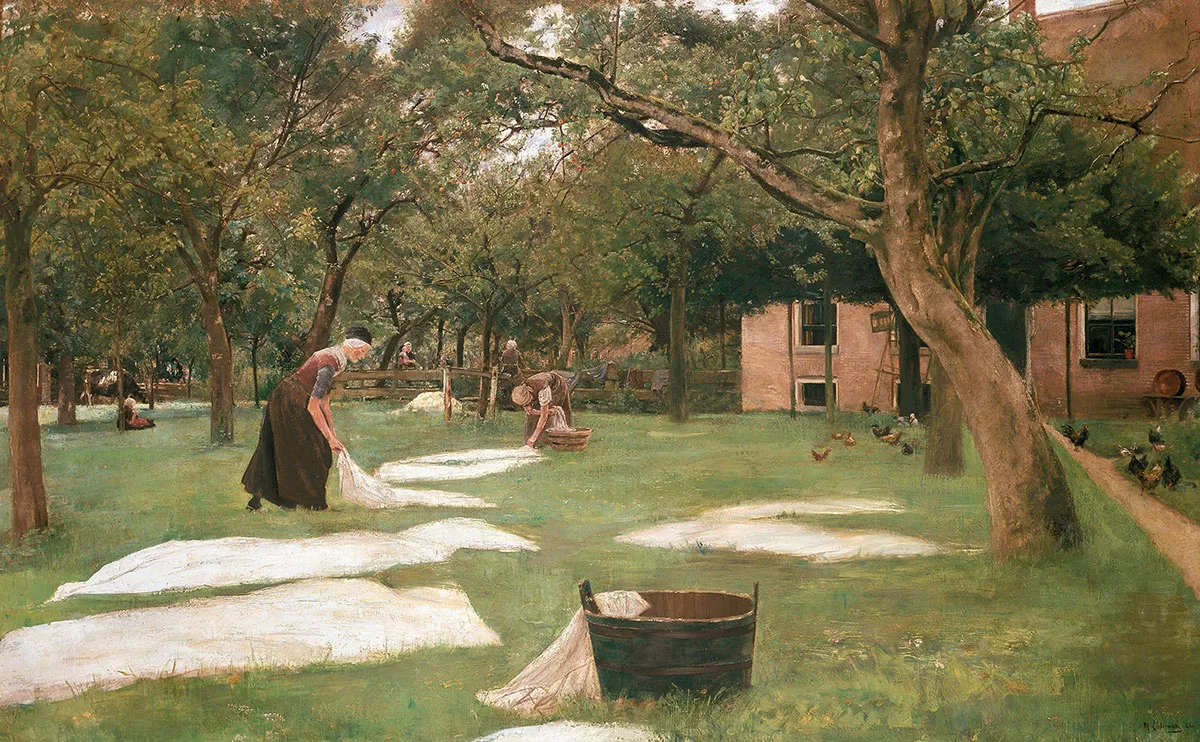
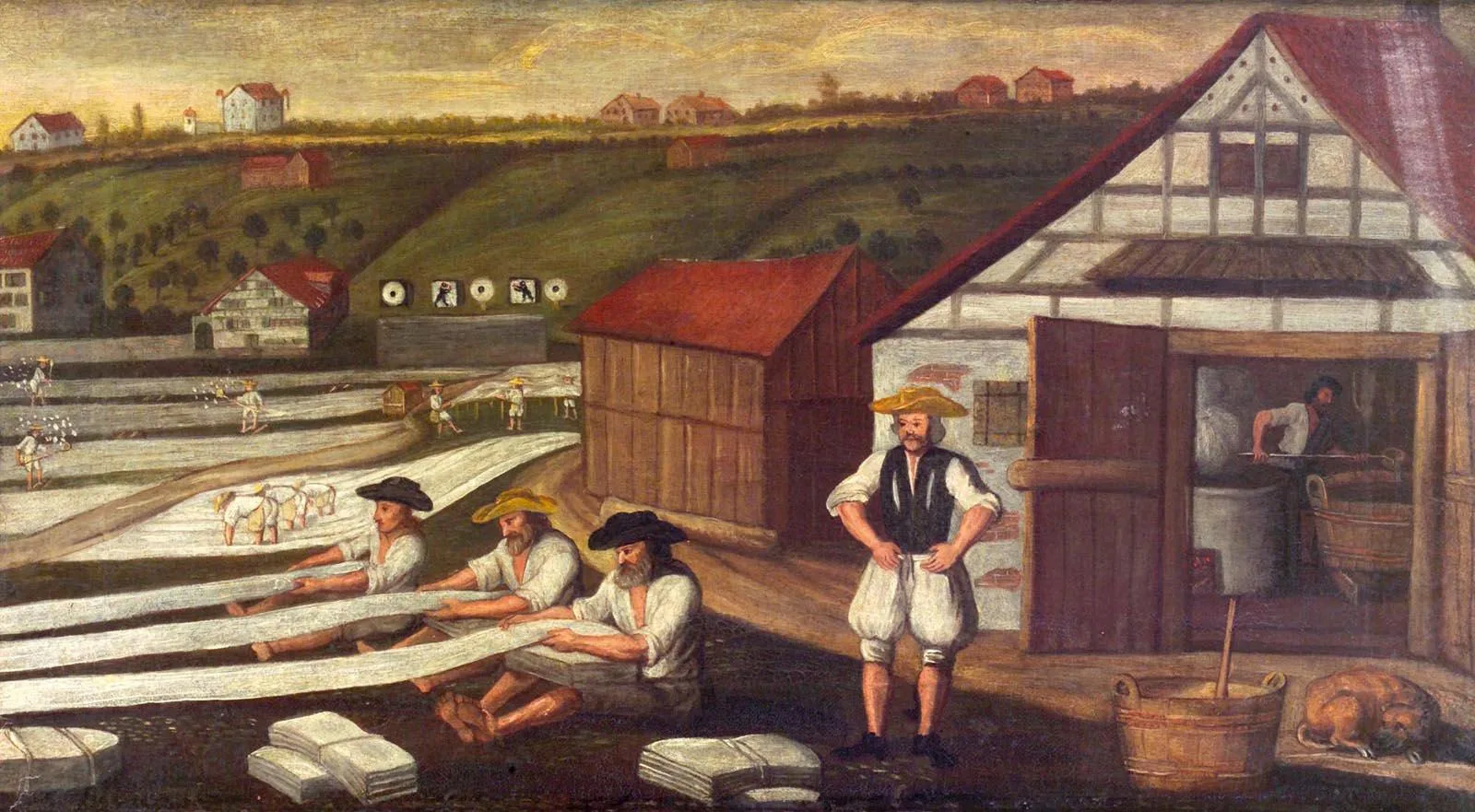
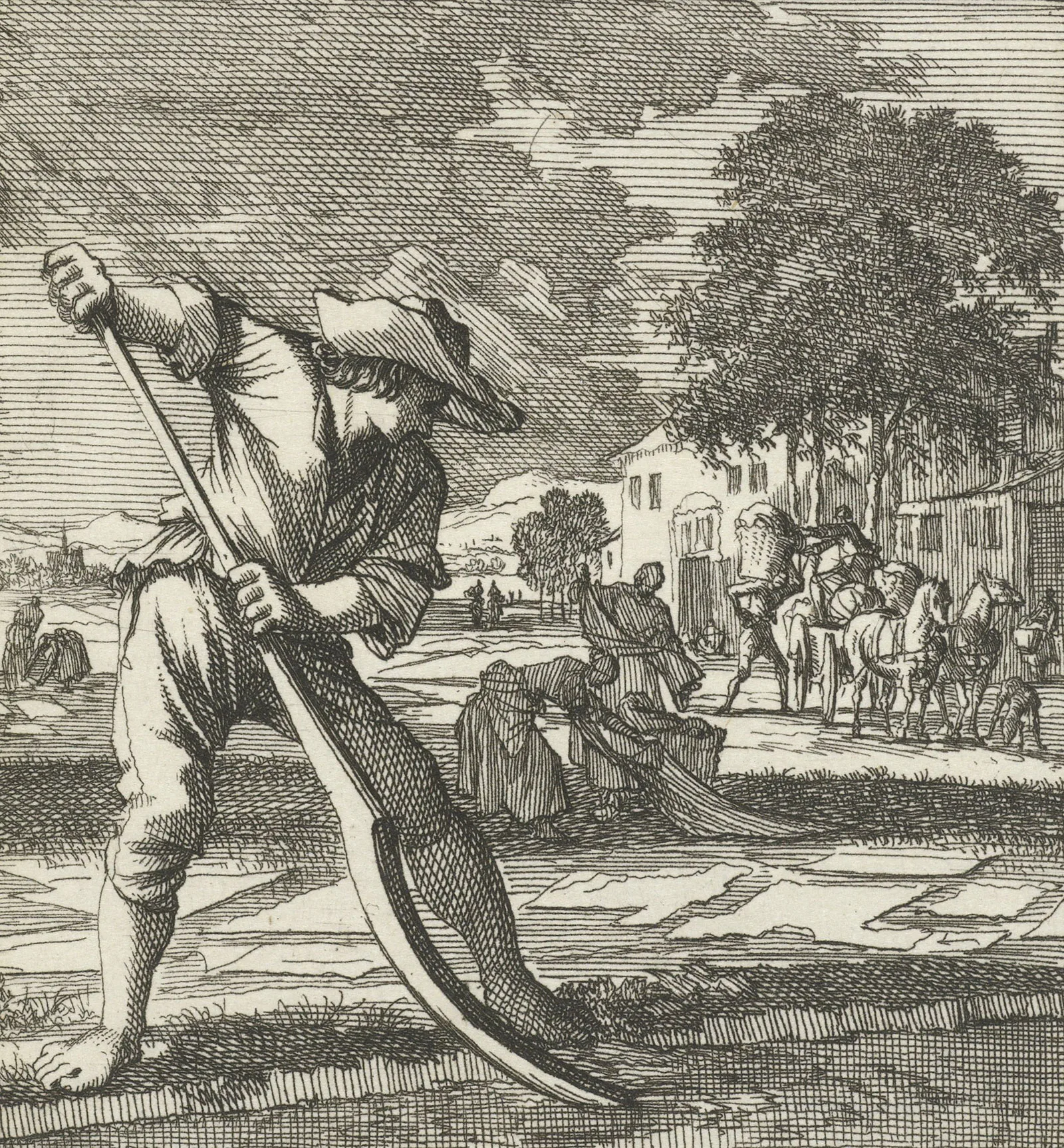
Refined linen (via the “Bleaching Fields” portrayed by van Ruisdael) was key to enhancing the value of the product. It is a laborious photochemical process and cities or towns kept fields free for linen bleaching. Linen rolls of up to 80 metres were laid out on these fields. St. Gallen was no different, an unknown painter captured the bleaching stage of linen completion. The comparatively plain presentation was designed more for advertising than to attract refined art lovers.
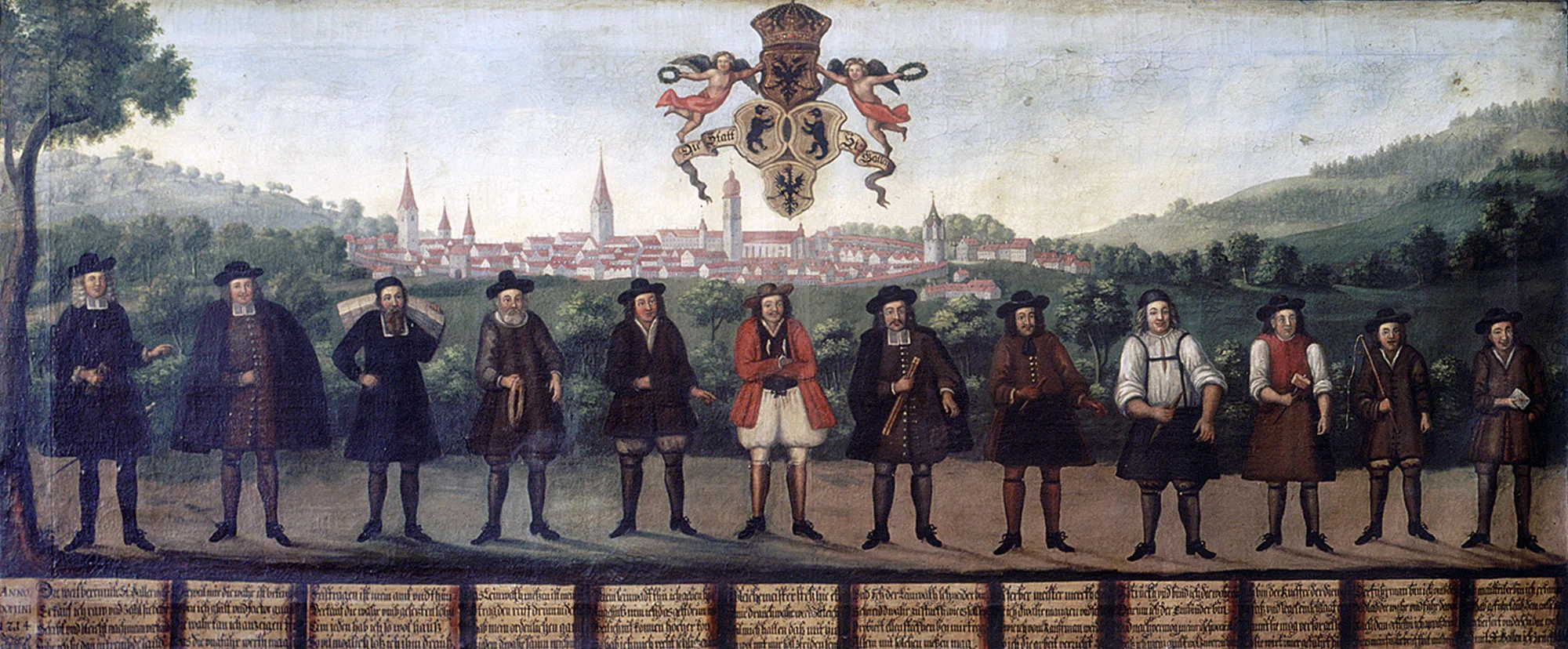
The Haarlem bleaching fields also played a key role in the Netherlands’ affluence, which enabled a bona fide explosion in art, not to mention the financing of imposing church buildings, such as St. Bavo’s Cathedral shown on the horizon of Ruisdael’s painting. The “Golden Age” saw many painters launch their illustrious careers, Ruisdael’s contemporaries such as Rembrandt or Jan Vermeer, for example. Many opulent still life paintings from that time reflect the luxury of an affluent middle-class. Ruisdael’s landscape art approached these good times from another angle, allowing the middle class to gaze from their privileged position at the work underpinning their material comfort. There is a reason why the toiling seasonal workers are in miniature: the annoying details must not get in the way of the work’s aesthetic appeal.