A memorial’s long journey
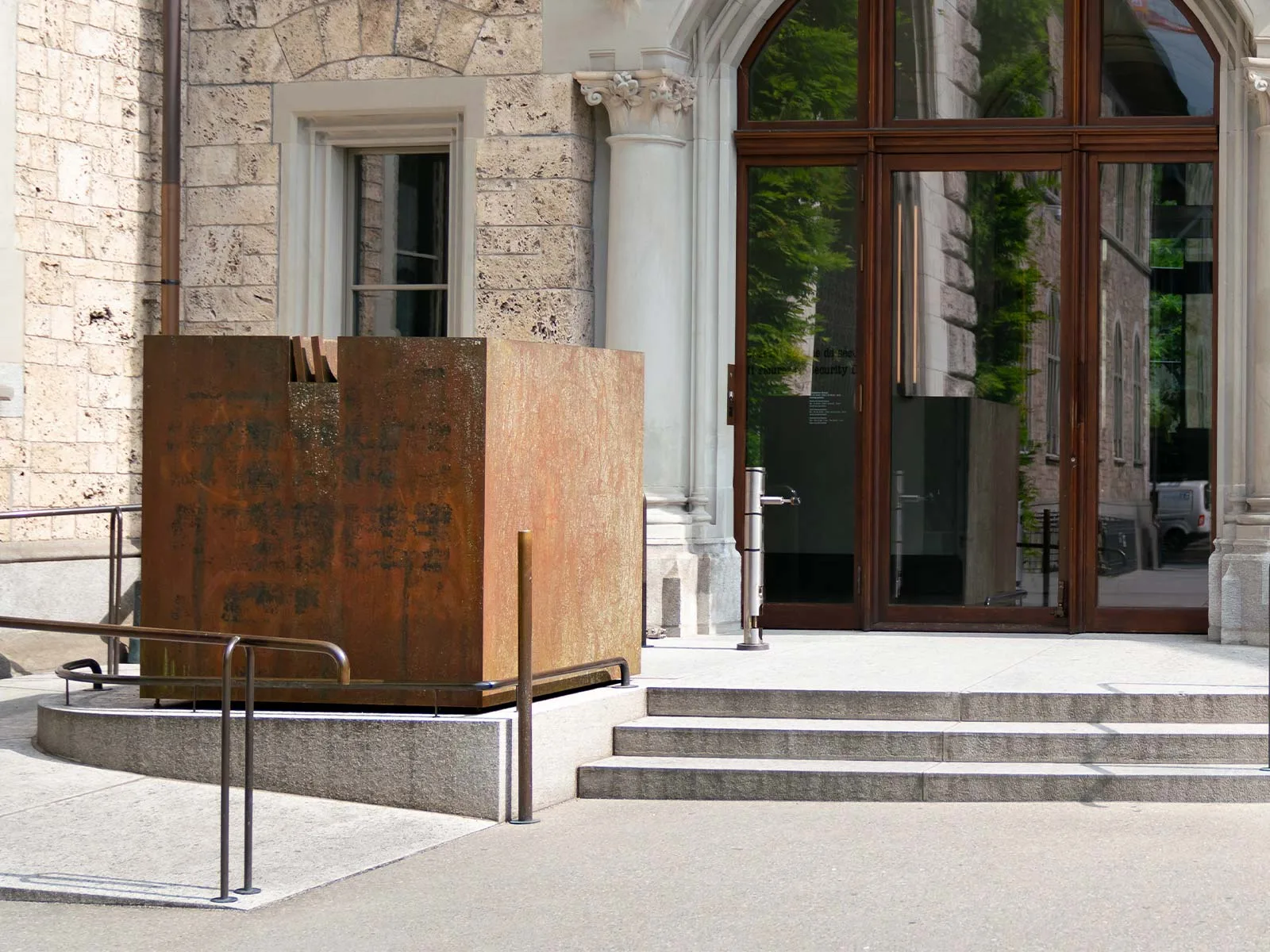
Schang Hutter, who died in 2021, created a memorial to the Holocaust in 1996. Two years later, his sculpture Shoah stopped many people in their tracks on its journey around Switzerland, but the piece also came in for harsh criticism.

Fabienne Meyer
Fabienne Meyer is a historian, and is carrying out research at the University of Fribourg as part of an SNSF project on the Swiss victims of National Socialism.
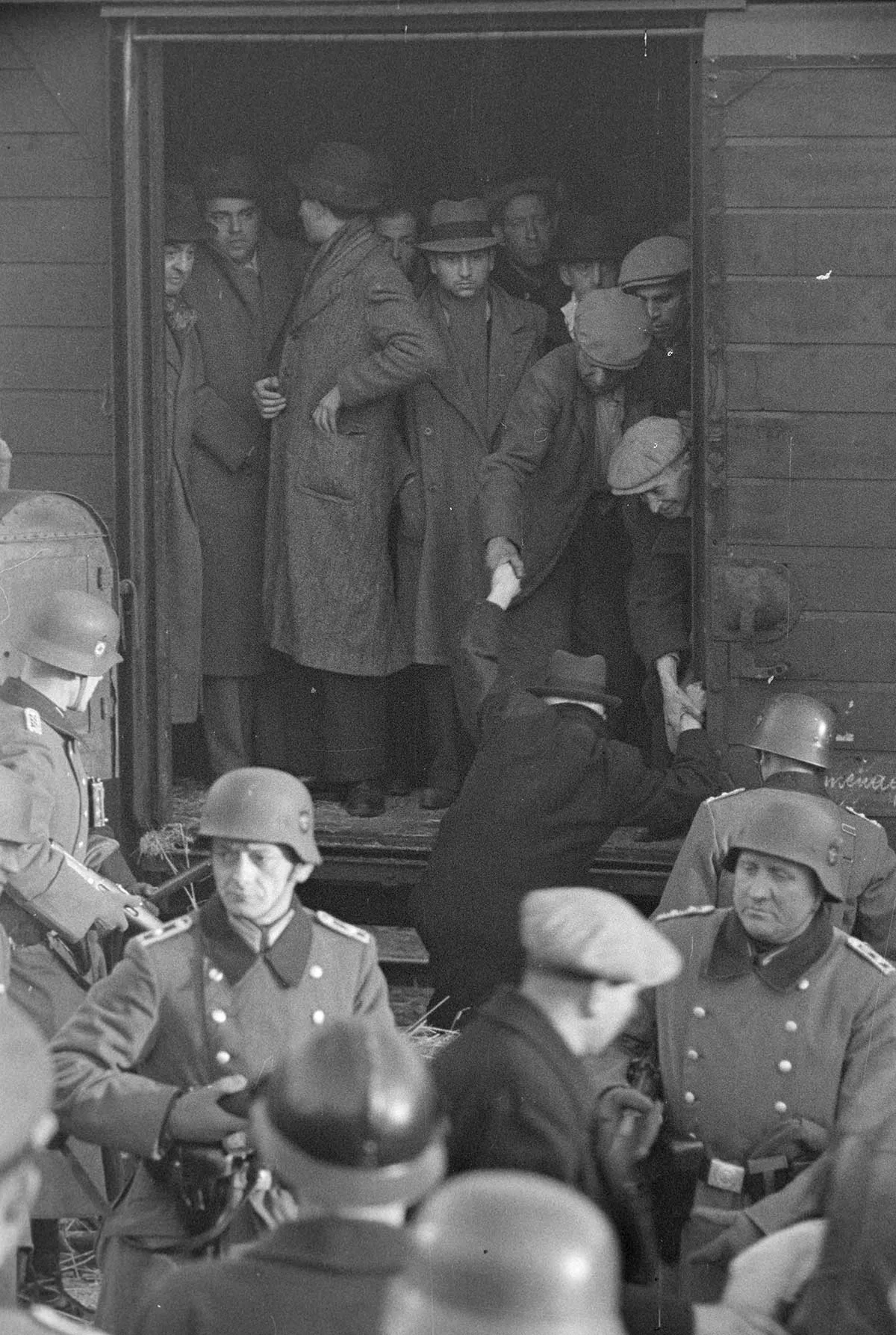
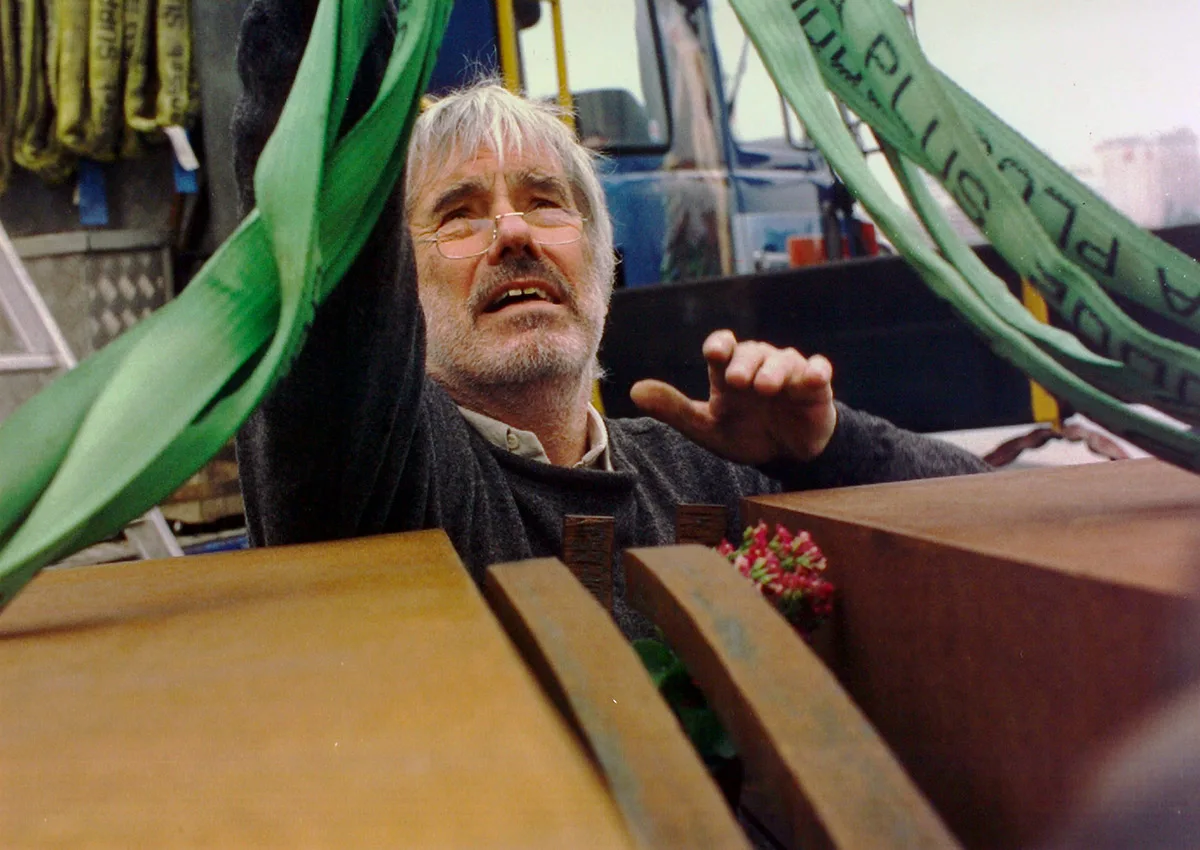
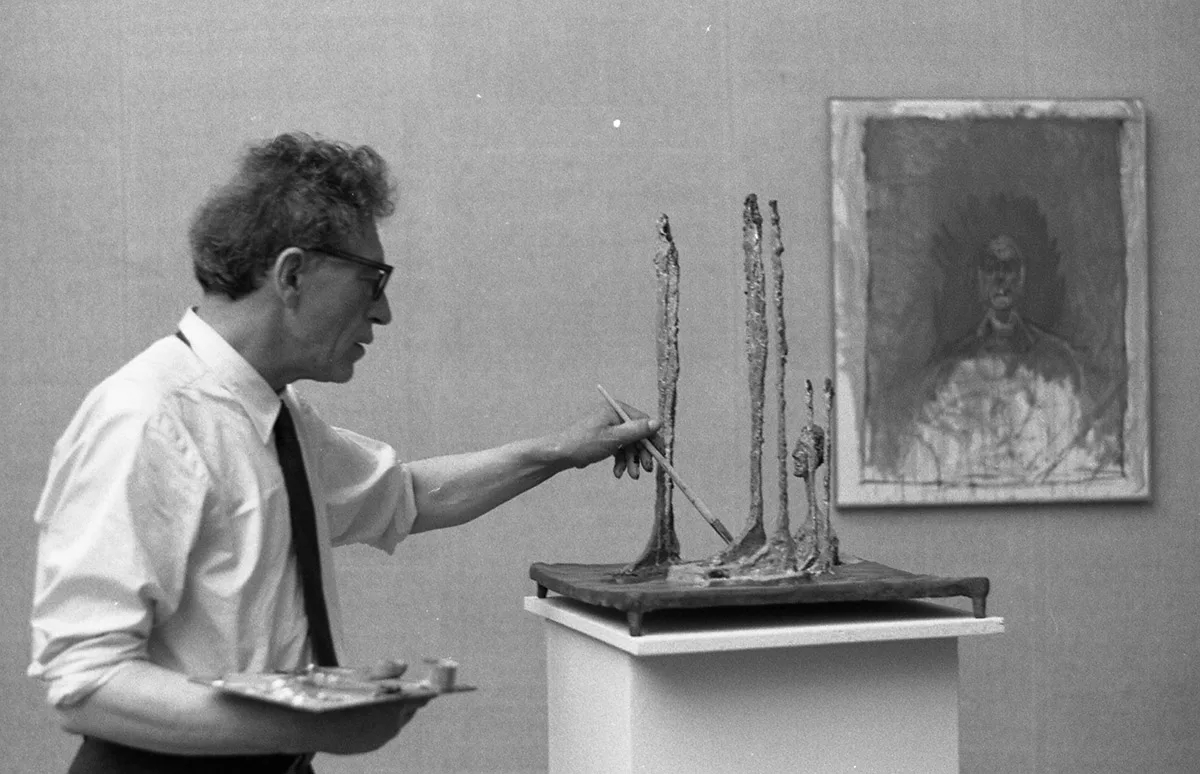
The sculpture sparked discussions about “the hubris and arrogance of politics and of art as a political instrument” and the presumptuousness of creating a memorial on behalf of the Jews. “The corpse of the concentration camp dead is an all too simplistic pointer in a sentimental and populist direction”, some people thought, while others covered the cube with flowers. And again and again, the opinion was expressed that the right place for the sculpture was neither in Bern nor in Zurich, “but in Bonn outside the German Bundestag” or in Berlin or Vienna, because “in Switzerland there were no crimes against humanity and no war crimes”.
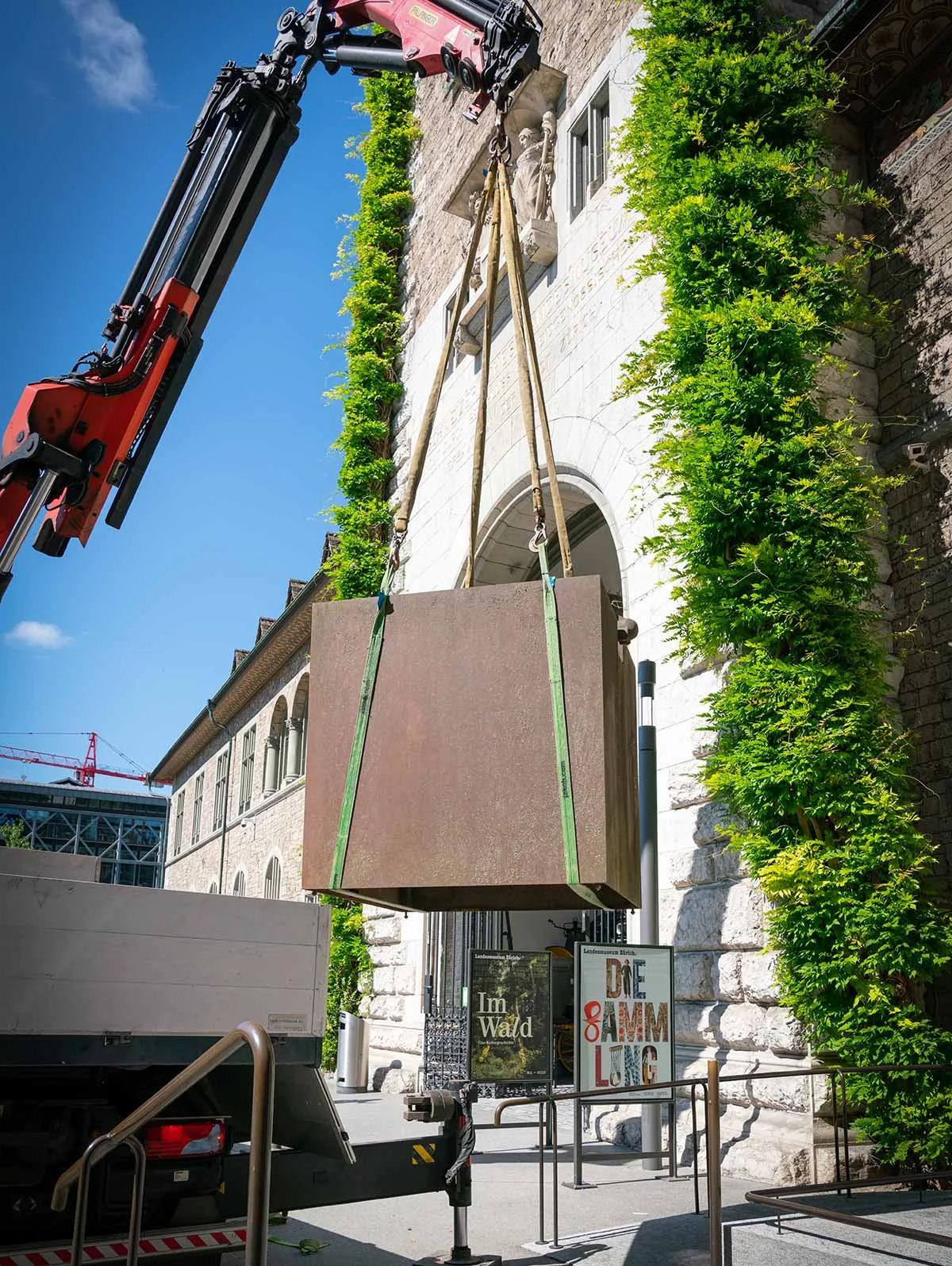
Until recently nothing has been heard about the sculpture, which has stood unassumingly in front of the high school (Kantonsschule) in Solothurn. With the Anne Frank exhibition, however, the cube has found its way back to Zurich and recently to Schwyz, whith it is temporarily in position outside the National Museum – having experienced an exhilarating journey through Switzerland, and through the minds and emotions of those who saw it, almost a quarter of a century ago.